Key Takeaways
-
Plan kitchen renovations around Tampa’s unique climate, using moisture-resistant materials that withstand high humidity.
-
Establish a comprehensive budget with a 15-20% contingency fund to handle unexpected structural or design challenges.
-
Design an efficient kitchen workflow using the work triangle principle, positioning sink, stove, and refrigerator for optimal movement.
-
Choose durable countertop materials like quartz or granite that resist heat and moisture while maintaining aesthetic appeal.
-
Invest in high-quality ventilation systems with adequate CFM ratings to manage heat and humidity in your Tampa kitchen.
-
Incorporate custom cabinetry solutions that maximize storage and address specific household needs through specialized organizational features.
-
Select layered lighting with ambient, task, and accent fixtures to create functional and adaptable kitchen spaces throughout the day.
Planning a kitchen renovation in Tampa requires careful consideration of local design trends, climate factors, and skilled craftsmanship. Whether you’re updating a dated space or creating your dream culinary haven, understanding the renovation process helps you make informed decisions that enhance both functionality and aesthetics. Tampa homeowners face unique challenges, from humidity considerations to selecting materials that withstand Florida’s climate while maintaining beauty and durability. A successful kitchen transformation combines thoughtful planning, quality materials, and expert execution to create a space that reflects your lifestyle and adds substantial value to your home.
The Tampa Bay area offers access to exceptional craftsmen and suppliers who understand the specific needs of Florida kitchens. From custom cabinetry that maximizes storage to elegant ceiling treatments that add architectural interest, every design element contributes to your kitchen’s overall appeal. Working with experienced professionals like Bucheli Trim ensures your renovation incorporates the precision and attention to detail that separates an ordinary kitchen from an extraordinary one. This guide walks you through the essential steps to plan and execute a kitchen renovation that meets your needs and exceeds your expectations.
Assessing Your Current Kitchen Layout and Needs
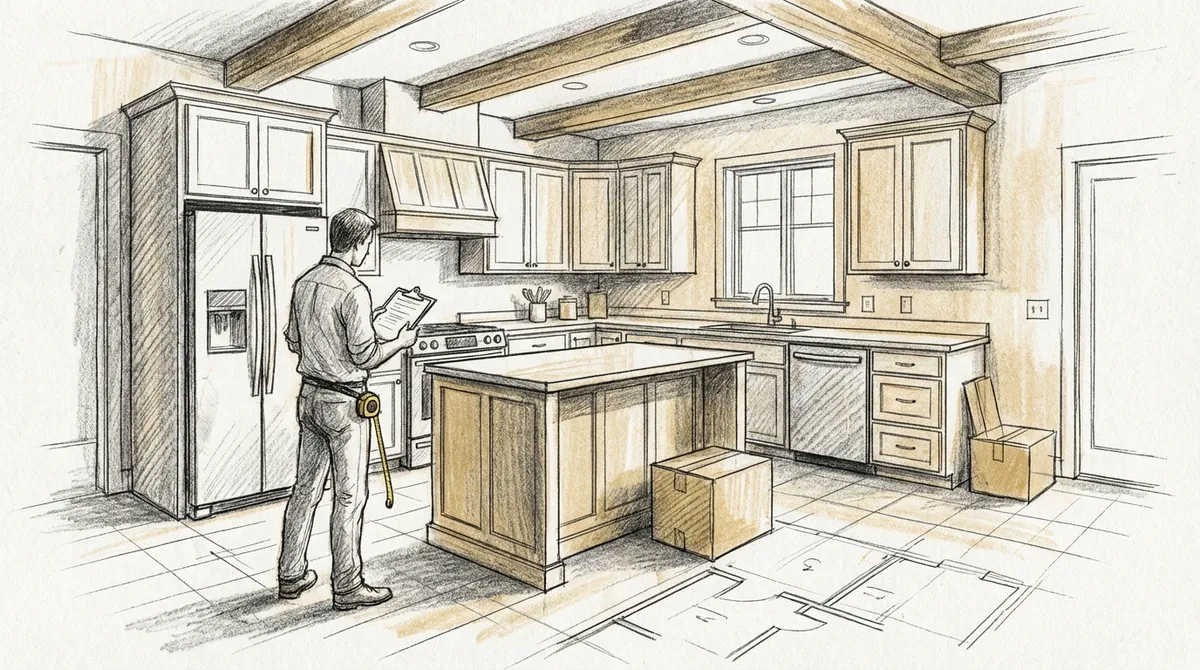
Before diving into design ideas and material selections, take time to thoroughly evaluate your existing kitchen. Document what works well and what frustrates you daily. Consider traffic flow patterns, storage adequacy, workspace efficiency, and how your family actually uses the space. Are there bottlenecks when multiple people cook together? Does your current layout support your entertaining style? Understanding these functional requirements guides every subsequent decision.
Measure your kitchen carefully and note the location of plumbing, electrical outlets, windows, and doors. These fixed elements significantly impact your renovation possibilities and budget. Moving plumbing and electrical systems adds substantial costs, so determine whether your goals require relocating these utilities or if you can work within the existing framework. Take photos from multiple angles to reference throughout the planning process.
Consider how your lifestyle has changed since your kitchen was last updated. Perhaps you now have children who need homework space, or maybe you’ve become passionate about baking and need specialized equipment. Your kitchen should evolve with your life, supporting current needs while anticipating future requirements. Tampa’s warm climate also means you might want to incorporate features that minimize heat generation or provide easy access to outdoor entertaining spaces.
Creating a Realistic Budget Framework
Establishing a comprehensive budget prevents financial stress and helps prioritize renovation elements. Research typical costs for Tampa kitchen renovations, recognizing that prices vary based on materials, scope, and craftsmanship level. Allocate funds across major categories: cabinetry, countertops, appliances, flooring, lighting, and professional services. Remember that custom carpentry work, while representing a larger initial investment, delivers lasting value through superior quality and personalized design.
Build a contingency fund of 15-20% for unexpected discoveries during demolition or design changes mid-project. Older Tampa homes may reveal outdated wiring, plumbing issues, or structural concerns that require attention. Setting aside reserves prevents difficult compromises when surprises arise. Track all expenses meticulously, including permits, disposal fees, temporary kitchen setup costs, and finishing touches that complete the space.
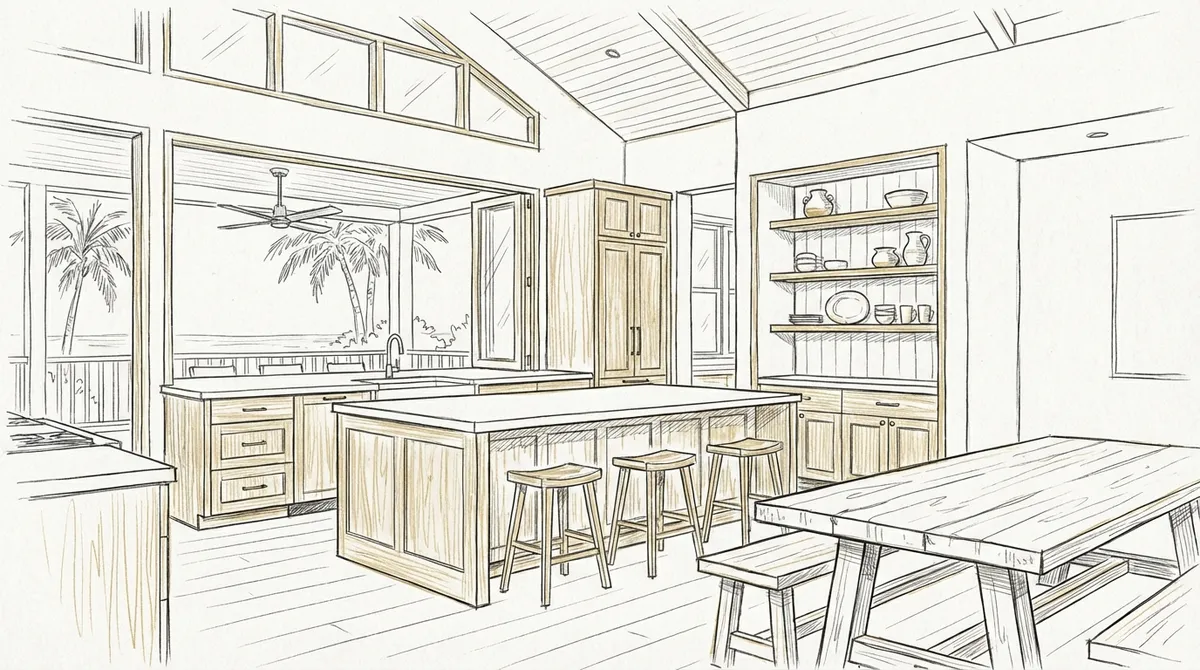
Designing Your Kitchen for Tampa’s Climate and Lifestyle
Florida’s humidity and heat require thoughtful material selections and ventilation planning. Choose cabinetry finishes and materials that resist moisture damage and maintain their appearance in fluctuating conditions. Solid wood species like maple, cherry, and oak perform well when properly sealed, while engineered materials offer enhanced stability. Avoid particleboard or MDF in high-humidity areas unless specifically rated for moisture resistance.
Ventilation becomes crucial in Tampa kitchens, where cooking heat compounds outdoor temperatures. Invest in a high-quality range hood with adequate CFM (cubic feet per minute) rating for your cooktop size and cooking style. Proper ventilation removes heat, moisture, and cooking odors, protecting your cabinetry and maintaining indoor air quality. Consider ducted systems that vent outside rather than recirculating models for maximum effectiveness.
Tampa’s abundant sunshine offers opportunities for natural lighting that reduces energy costs and creates inviting spaces. Maximize window placement to capture daylight while considering solar heat gain. Install window treatments that filter harsh afternoon sun without darkening the space. Combine natural light with layered artificial lighting including ambient, task, and accent fixtures that adapt to different times of day and activities.
Selecting Durable Materials for Florida Conditions
Countertop selection balances aesthetics, durability, and maintenance requirements. Quartz offers excellent moisture resistance and requires minimal maintenance, making it ideal for humid climates. Granite provides natural beauty and heat resistance, though it requires periodic sealing. Both materials withstand Tampa’s climate when properly installed and maintained. Consider edge profiles and backsplash integration that complement your overall design vision.
Flooring must endure humidity, temperature fluctuations, and heavy traffic while contributing to your design aesthetic. Porcelain tile, luxury vinyl plank, and engineered hardwood each offer advantages for Tampa kitchens. Professional tile work creates lasting beauty with proper waterproofing and installation techniques. Choose flooring that coordinates with adjacent spaces for visual flow throughout your home.
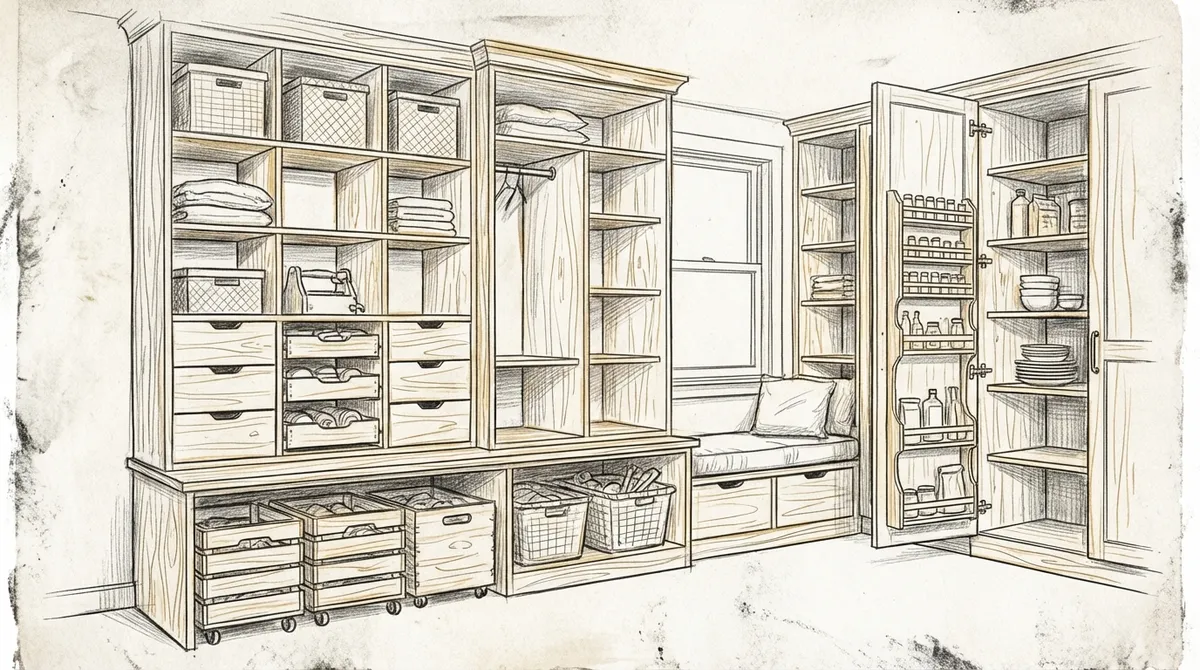
Maximizing Storage with Custom Cabinetry Solutions
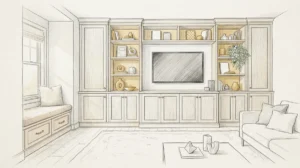
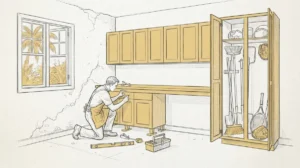
Custom cabinetry transforms kitchen functionality by addressing your specific storage challenges and workflow preferences. Unlike stock cabinets with standard dimensions, custom designs utilize every inch of available space, including awkward corners, high ceilings, and unique architectural features. Work with experienced carpenters who understand how to optimize storage while maintaining clean lines and proportional aesthetics that enhance your kitchen’s overall design.
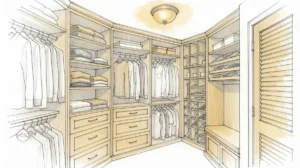
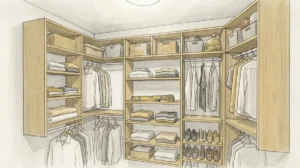
Consider incorporating specialized storage solutions that streamline daily tasks. Pull-out spice racks, deep drawer organizers for pots and pans, appliance garages that hide countertop clutter, and vertical dividers for baking sheets and cutting boards all contribute to an organized, efficient kitchen. Built-in pantry systems with adjustable shelving accommodate items of varying sizes while maximizing vertical space. Custom cabinet work allows these functional elements to integrate seamlessly with your design aesthetic.
Upper cabinets that extend to the ceiling eliminate dust-collecting gaps and provide valuable storage for seasonal items or rarely used pieces. Glass-front cabinets or open shelving creates visual interest while displaying attractive dishware or collections. Mix closed and open storage to balance functionality with design opportunities. Consider lighting within glass cabinets to showcase contents and add ambient illumination to your kitchen.
Hardware and Finish Selections
Cabinet hardware significantly impacts both functionality and style. Choose pulls and knobs that feel comfortable in your hand and coordinate with your faucet finish and lighting fixtures. Popular Tampa design trends favor clean-lined hardware in brushed nickel, matte black, brass, and mixed metal combinations. Consider the scale of hardware relative to cabinet size—larger drawers and doors typically require proportionally larger hardware.
Cabinet finish options range from natural wood stains that showcase grain patterns to painted surfaces in classic whites, sophisticated grays, or bold accent colors. Two-tone cabinetry creates visual interest by using different finishes for upper and lower cabinets or highlighting an island with a contrasting color. Discuss finish durability and maintenance requirements with your carpenter, ensuring your selection withstands Tampa’s humidity and your household’s activity level.

Incorporating Architectural Details That Elevate Design
Architectural millwork distinguishes extraordinary kitchens from standard renovations. Custom ceiling treatments add dimension and visual interest often overlooked in kitchen design. Coffered ceilings, beamed accents, or tray ceiling designs draw the eye upward and create a sense of grandeur. These elements work particularly well in kitchens with higher ceiling heights, transforming wasted vertical space into design opportunities.
Crown molding provides a finished, polished appearance where cabinets meet ceilings. This detail bridges the visual gap and adds traditional elegance or clean-lined contemporary style depending on the profile selected. Detailed molding work also appears at the base of cabinets, around windows and doors, and as decorative accents that unify your kitchen’s design elements. Choose profiles that complement your home’s architectural style for cohesive aesthetics.
Consider incorporating decorative columns, corbels, or furniture-style details that give your kitchen a custom, high-end appearance. Island supports can feature turned legs or decorative posts rather than plain panels. Mantel-style range hoods add focal point drama while serving functional ventilation needs. These architectural enhancements transform your kitchen from a purely utilitarian space into a beautifully detailed room that reflects craftsmanship and thoughtful design.
Wall Treatments Beyond Paint
Wall enhancements create texture and visual interest that elevates your kitchen beyond standard finishes. Shiplap, board-and-batten, or decorative paneling adds dimension and character, particularly effective in breakfast nook areas or as accent walls behind open shelving. These treatments introduce warmth and personality while maintaining the clean lines popular in contemporary kitchen design.
Backsplash selections offer tremendous design impact in a relatively small area. Tile patterns, materials, and layouts range from classic subway tile in simple running bond to elaborate mosaic designs and dramatic slab installations. Consider how your backsplash coordinates with countertops, cabinetry, and overall color scheme. Extend backsplash height to create visual impact or use different materials in distinct zones to define cooking and preparation areas.
Planning Workflow and Functional Zones
Efficient kitchen design follows the work triangle principle, positioning the sink, stove, and refrigerator for optimal workflow. Each leg of the triangle should measure between four and nine feet, with the total perimeter ranging from 13 to 26 feet. This configuration minimizes steps between primary work areas while providing adequate counter space for meal preparation. Adapt this classic concept to your specific cooking style and kitchen dimensions.
Beyond the basic triangle, consider creating distinct zones for specific activities. A beverage station with coffee maker, cups, and refrigerated drawer for cream simplifies morning routines. A baking zone consolidates flour, sugar, mixing bowls, and baking sheets near adequate counter space for rolling dough. A homework or computer station keeps family members connected while allowing parental supervision during meal preparation. These specialized areas enhance functionality without requiring additional square footage.
Landing zones near appliances provide space to set down hot dishes, groceries, or items transitioning between refrigerator and cooking surfaces. Plan at least 15 inches of counter space on the latch side of your refrigerator and on either side of your cooktop. Include 24 inches of landing space next to your sink for dish preparation and cleanup tasks. These seemingly small details significantly impact daily kitchen efficiency.
Island Design Considerations
Kitchen islands serve multiple functions as preparation surfaces, casual dining areas, storage solutions, and visual focal points. Determine your island’s primary purpose before finalizing dimensions and features. If dining is a priority, ensure adequate overhang (12-15 inches) and knee space underneath for comfortable seating. For preparation-focused islands, maximize counter space and incorporate features like built-in cutting boards, compost bins, or small appliance storage.
Island size must balance functionality with traffic flow, maintaining at least 42-48 inches of clearance on all sides for comfortable movement, particularly when cabinet doors or appliances are open. Smaller kitchens may benefit from mobile islands that provide flexibility, while larger spaces can accommodate substantial islands with integrated appliances and multiple work zones. Consider incorporating different countertop heights for distinct activities or to create visual interest.
Lighting Design for Functionality and Ambiance
Layered lighting creates a kitchen that functions well throughout the day while adapting to different activities and moods. Start with ambient lighting that provides overall illumination—this might include recessed can lights, semi-flush ceiling fixtures, or pendant lights spaced evenly across the space. Calculate lighting needs based on your kitchen’s square footage, with general guidelines suggesting 20 lumens per square foot for ambient lighting.
Task lighting focuses illumination where you need it most: above countertops, cooking surfaces, and sinks. Under-cabinet LED strips eliminate shadows cast by upper cabinets, making food preparation safer and more efficient. Pendant lights above islands provide both task lighting and decorative impact. Choose fixtures that coordinate with your overall design while delivering adequate illumination for detailed work. Dimmers allow you to adjust lighting intensity for different times of day and activities.
Accent lighting highlights architectural features, creates visual interest, and adds depth to your kitchen design. Interior cabinet lighting showcases glassware collections while contributing ambient glow. Toe-kick lighting adds subtle illumination that helps with nighttime navigation. Lighting inside glass-front cabinets or above cabinets that don’t reach the ceiling creates layers of illumination that make your kitchen feel larger and more dynamic. According to carpentry traditions, proper lighting installation requires understanding of both electrical systems and design principles.
Natural Light Optimization
Maximize existing windows and consider adding skylights or solar tubes to introduce natural light into darker kitchens. Tampa’s abundant sunshine provides excellent opportunities for daylighting that reduces energy costs and creates cheerful, inviting spaces. Window placement should consider morning light for breakfast areas and afternoon sun angles that might create uncomfortable glare or heat gain during cooking hours.
Window treatments balance privacy, light control, and design aesthetics. Consider top-down/bottom-up shades that allow light while maintaining privacy, or plantation shutters that offer adjustable light control with classic Tampa style. Avoid heavy draperies in kitchens where fabric absorbs cooking odors and requires frequent cleaning. Keep treatments simple and functional, complementing rather than competing with your overall design.
Selecting and Placing Appliances Strategically
Appliance selection impacts both functionality and budget significantly. Determine which features genuinely enhance your cooking style versus those that simply seem appealing. Professional-style ranges offer powerful burners and precise temperature control valued by serious cooks, while standard ranges meet most household needs at lower costs. Similarly, consider whether you need a built-in refrigerator with custom panels or if a standard counter-depth model provides adequate capacity and aesthetics.
Energy efficiency considerations matter in Tampa’s climate where cooling costs already strain budgets. Look for ENERGY STAR certified appliances that reduce operating costs over their lifetime. Induction cooktops generate less ambient heat than gas or electric ranges, keeping your kitchen cooler while providing responsive temperature control. Energy-efficient dishwashers use less water and electricity while delivering superior cleaning performance.
Appliance placement affects both workflow and design aesthetics. Avoid positioning your refrigerator where it creates a barrier between primary work zones. Place dishwashers adjacent to sinks for convenient plumbing connections and efficient dish clearing. Consider a second sink on your island or in a prep zone if multiple cooks regularly work simultaneously. Built-in appliances create streamlined appearances but typically cost more than freestanding alternatives—prioritize built-ins for appliances that significantly impact your design vision.
Working with Skilled Professionals for Quality Results
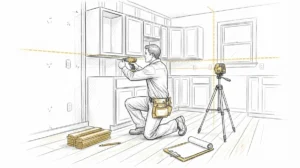
Successful kitchen renovations require coordination among multiple trades including carpenters, electricians, plumbers, tile installers, and painters. Establishing clear communication channels and realistic timelines prevents misunderstandings and delays. Experienced professionals bring valuable insights about material selections, construction sequencing, and problem-solving when unexpected issues arise. Their expertise transforms your vision into reality while avoiding costly mistakes.
Custom carpentry represents one of the most impactful investments in your kitchen renovation. Skilled craftsmen create cabinetry, architectural details, and built-in features that reflect precision and artistry. Custom projects allow for personalization impossible with stock products, resulting in a kitchen that truly fits your space and lifestyle. Quality craftsmanship shows in smooth drawer operation, perfectly aligned doors, and details like hand-applied finishes and solid wood construction.
Request detailed proposals that itemize materials, labor, and timelines before committing to contractors. Verify licensing, insurance, and references from recent projects similar in scope to your renovation. Visit us on Google to read reviews and see completed work examples. Clear contracts protect both parties by establishing expectations, payment schedules, and procedures for handling changes or disputes. Professional relationships built on mutual respect and clear communication lead to smoother projects and superior results.
Managing the Renovation Timeline
Kitchen renovations typically require 6-12 weeks depending on scope and complexity. Demolition and rough-in work happen first, followed by installation of new cabinets, countertops, appliances, and finishes. Custom elements like specialized cabinetry or detailed millwork may require additional time for fabrication before installation. Understand that delays sometimes occur due to material backorders, weather affecting deliveries, or unexpected discoveries requiring additional work.
Plan for living without a full kitchen during renovation by setting up a temporary cooking area in another room. A microwave, slow cooker, portable burner, and mini-refrigerator allow basic meal preparation. Stock up on disposable plates and utensils to minimize dishwashing challenges. Schedule your renovation during a season when outdoor grilling is comfortable, giving you additional cooking options. The temporary inconvenience is worthwhile when you experience your transformed kitchen’s beauty and functionality.
Adding Personal Touches and Finishing Details
Final details transform a completed kitchen into your kitchen. Hardware, fixtures, window treatments, and decorative elements reflect your personal style while completing the design vision. Don’t rush these selections—they significantly impact your satisfaction with the finished space. Visit showrooms to see and touch materials rather than relying solely on online images that may not accurately represent colors or textures.
Consider incorporating open shelving to display attractive dishware, cookbooks, or decorative objects that add personality. Balance open storage with closed cabinetry to maintain an organized appearance while showcasing items you love. Artwork, plants, and decorative accessories soften the hard surfaces typical in kitchens, creating warmth and visual interest. Choose accessories that withstand kitchen conditions including humidity, temperature changes, and occasional splatters.
Organize your new kitchen thoughtfully, grouping items by function and storing them near where they’re used. This intentional organization maximizes your renovation’s functional benefits and maintains the clean, uncluttered appearance that showcases your beautiful new space. Drawer organizers, cabinet risers, and specialty inserts help maintain order as you settle into your renovated kitchen. According to research on crown molding and architectural details, these finishing elements significantly impact perceived home value.
Maintaining Your Renovated Kitchen
Protect your investment with proper maintenance routines appropriate for your materials and finishes. Clean cabinetry with gentle, pH-neutral cleaners rather than harsh chemicals that damage finishes over time. Wipe up spills immediately to prevent staining and moisture damage. Use cutting boards to protect countertops and trivets under hot pans to prevent heat damage. These simple habits preserve your kitchen’s beauty for years.
Seasonal maintenance addresses Florida’s specific climate challenges. Check cabinet interiors and under-sink areas for moisture or leaks that could cause damage. Clean range hood filters monthly and have the ventilation system professionally serviced annually. Seal natural stone countertops according to manufacturer recommendations to maintain stain resistance. Professional painting services can refresh painted surfaces when needed, keeping your kitchen looking fresh.
Schedule professional inspections of plumbing and electrical systems to catch small issues before they become expensive problems. Tampa’s hard water can cause mineral buildup in faucets and dishwashers—address these issues promptly to maintain proper function. Recaulk around sinks and backsplashes if you notice gaps or deterioration. Proactive maintenance preserves both appearance and functionality, ensuring your renovated kitchen remains a source of pride and pleasure.
A well-planned kitchen renovation transforms one of your home’s most important spaces into an environment that supports your lifestyle while adding substantial value. By carefully considering Tampa’s unique climate factors, selecting quality materials, and working with skilled craftsmen, you create a kitchen that combines beauty with lasting durability. From functional layout optimization to stunning architectural details, every decision contributes to a space where you’ll enjoy cooking, entertaining, and making memories for years to come. Ready to transform your kitchen with expert craftsmanship and attention to detail? Contact our team to discuss your vision and schedule a consultation for your Tampa kitchen renovation.
FAQs
Q: How long does a typical kitchen renovation take in Tampa?
A: Most kitchen renovations in Tampa require 6-12 weeks depending on the project’s complexity and scope. Custom cabinetry, architectural details, and specialized features may extend the timeline. Factors like material availability, permit processing, and unexpected issues discovered during demolition can also affect the schedule. Working with experienced professionals helps ensure realistic timelines and efficient project management.
Q: What are the best countertop materials for Tampa’s humid climate?
A: Quartz and granite countertops perform exceptionally well in Tampa’s humidity. Quartz offers superior moisture resistance and requires minimal maintenance, while granite provides natural beauty and heat resistance with periodic sealing. Both materials withstand Florida’s climate fluctuations when properly installed. Avoid materials like unsealed marble or butcher block that are more susceptible to moisture damage in humid environments.
Q: Should I completely change my kitchen layout or work with the existing footprint?
A: Working within your existing kitchen footprint typically costs less since you avoid moving plumbing and electrical systems. However, if your current layout creates significant workflow problems or doesn’t support how your family uses the space, investing in layout changes delivers long-term value. Assess whether your frustrations stem from layout issues or simply outdated materials and finishes before deciding. An experienced designer can help evaluate whether layout modifications justify the additional investment.
Q: How can I maximize storage in a smaller Tampa kitchen?
A: Custom cabinetry makes the most significant impact in smaller kitchens by utilizing every inch of available space. Floor-to-ceiling cabinets, pull-out organizers, corner solutions, vertical dividers, and specialized storage for specific items all maximize capacity. Consider incorporating a kitchen island with built-in storage, using open shelving strategically, and installing hooks or magnetic strips for frequently used items. Thoughtful organization systems maintain the functionality of your storage solutions long-term.
Q: What kitchen design trends work best in Tampa homes?
A: Tampa kitchens benefit from designs that address the local climate while reflecting current aesthetic preferences. Light, bright color palettes keep spaces feeling cool and open. Durable, moisture-resistant materials withstand humidity. Strong ventilation systems are essential. Popular trends include two-tone cabinetry, mixed metal finishes, large islands for family gathering, and connections to outdoor living spaces for entertaining. Focus on timeless design elements with quality craftsmanship rather than trendy details that quickly feel dated.