Key Takeaways
-
Trim and molding transform ordinary rooms into sophisticated spaces by adding architectural detail and visual continuity between different areas.
-
Select trim styles that match your home’s design aesthetic, using materials like wood, MDF, or polyurethane based on functional requirements and budget.
-
Professional installation is crucial for precision cuts, proper joinery, and seamless trim integration that enhances overall room appearance.
-
Different architectural styles demand unique trim approaches: traditional spaces feature complex profiles, while contemporary designs prefer minimalist, clean lines.
-
Material choice significantly impacts trim performance, with wood offering authenticity, MDF providing cost-effectiveness, and polyurethane offering moisture resistance.
When it comes to elevating the aesthetic appeal of your home, few elements make as dramatic an impact as trim and molding. These architectural details serve as the finishing touches that transform ordinary rooms into extraordinary spaces. Whether you’re renovating an older property or adding character to new construction, understanding the differences, applications, and benefits of various trim and molding options can help you make informed decisions that enhance both the beauty and value of your home. From baseboards that protect your walls to crown molding that draws the eye upward, these decorative elements are essential components of sophisticated interior design.
Professional carpentry companies like Bucheli Trim specialize in custom installations that bring architectural vision to life. The right trim and molding choices can complement your home’s existing style, create visual continuity between rooms, and add a layer of refinement that distinguishes your space from cookie-cutter interiors. This comprehensive guide explores everything you need to know about trim and molding, helping you understand the options available and how to select the perfect elements for your project.
Understanding Trim and Molding Fundamentals
Trim and molding are terms often used interchangeably, but they have distinct characteristics within the carpentry world. Trim generally refers to the functional and decorative woodwork that covers transitions between surfaces, such as where walls meet floors or where door frames meet walls. Molding, on the other hand, typically describes decorative strips with shaped profiles that add architectural interest and dimension to surfaces. Both elements work together to create polished, finished spaces that reflect attention to detail and quality craftsmanship.
The history of trim and molding dates back centuries, with roots in classical architecture where elaborate cornices and decorative elements signified wealth and status. Today, these features remain relevant across all design styles, from traditional to contemporary. Modern manufacturing techniques have expanded the options available, including materials beyond traditional wood such as MDF, polyurethane, and composite materials. However, custom wood trim and molding continue to represent the gold standard for homeowners seeking authentic character and lasting quality.
Types of Trim and Their Applications
Understanding the different types of trim helps you plan comprehensive room designs that feel cohesive and complete. Each type serves specific functional and aesthetic purposes:
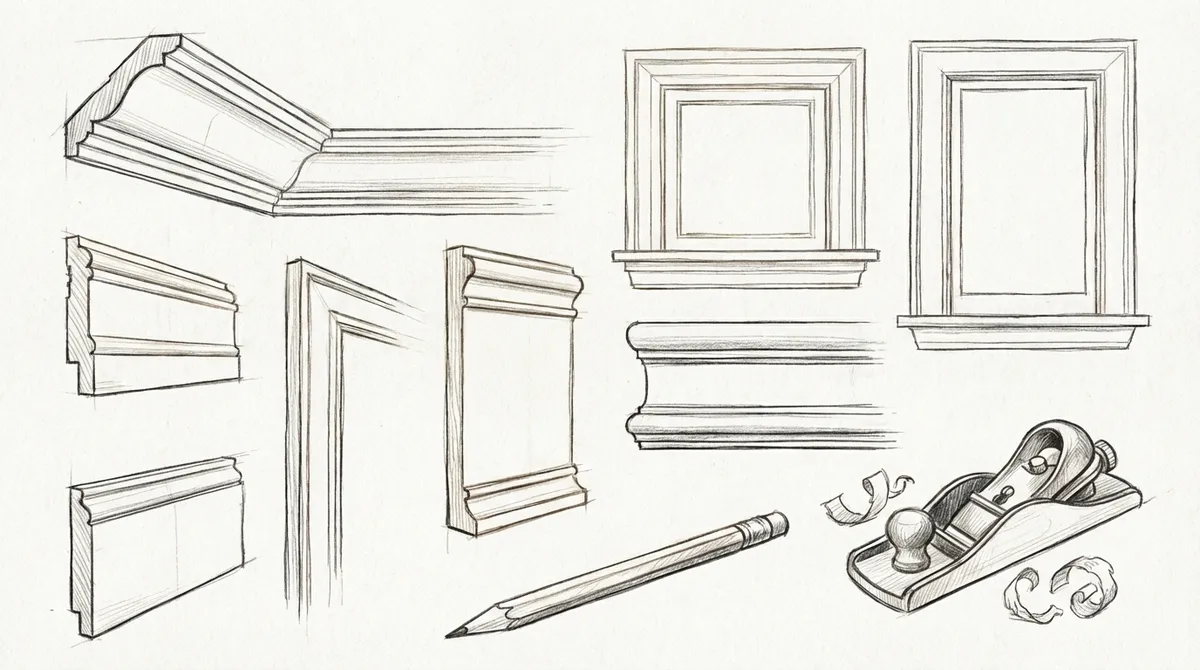
- Baseboards: These run along the bottom of walls where they meet the floor, protecting walls from kicks, furniture bumps, and vacuum cleaners while creating a visual foundation for the room
- Door and Window Casings: Frame openings to create clean transitions and add architectural interest around these focal points
- Chair Rails: Positioned approximately one-third up the wall, these originally protected walls from chair backs and now serve primarily decorative functions
- Picture Rails: Installed near the ceiling to allow artwork hanging without wall damage
- Wainscoting: Paneling that covers the lower portion of walls, adding texture and traditional elegance
Each trim type can be customized in profile, height, and finish to match your design preferences. For example, contemporary spaces might feature simple, flat baseboards with minimal detail, while traditional homes often incorporate multiple-piece baseboards with intricate profiles. The key is selecting trim styles that complement your overall design vision while providing the practical benefits these elements offer.
Molding Varieties and Their Visual Impact
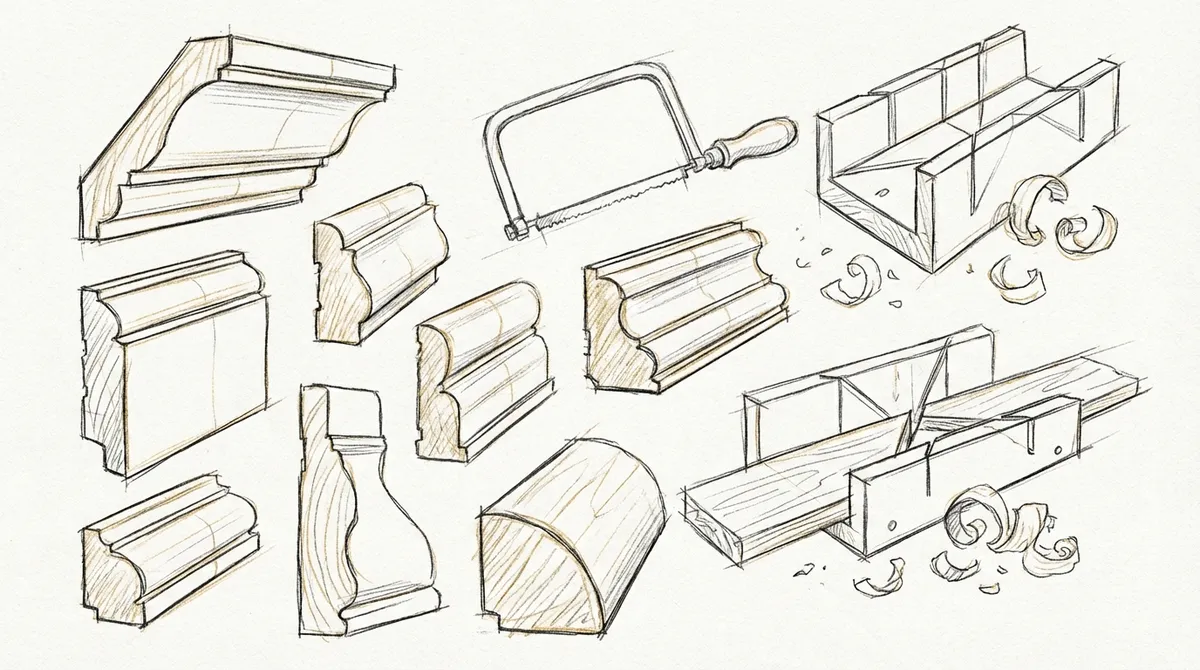
Molding options extend beyond basic trim to include decorative elements that add architectural sophistication. Crown molding represents perhaps the most recognized molding type, spanning the junction between walls and ceilings to create elegance and perceived height. Other molding varieties include:
- Crown Molding: Creates a dramatic transition between walls and ceilings, available in profiles ranging from simple coves to elaborate multi-piece installations
- Cove Molding: Features a concave profile that softens corners and transitions
- Dentil Molding: Characterized by repeating rectangular blocks that create classical visual interest
- Rope Molding: Mimics twisted rope for decorative accent applications
- Panel Molding: Creates raised or recessed wall panels that add depth and dimension
The complexity and scale of molding profiles should correspond to room size and ceiling height. Large, ornate moldings can overwhelm small spaces, while minimal profiles might appear insignificant in grand rooms with high ceilings. Professional installers from companies like Bucheli Trim’s molding details services can help you select proportions that enhance rather than overpower your spaces.
Material Choices for Trim and Molding
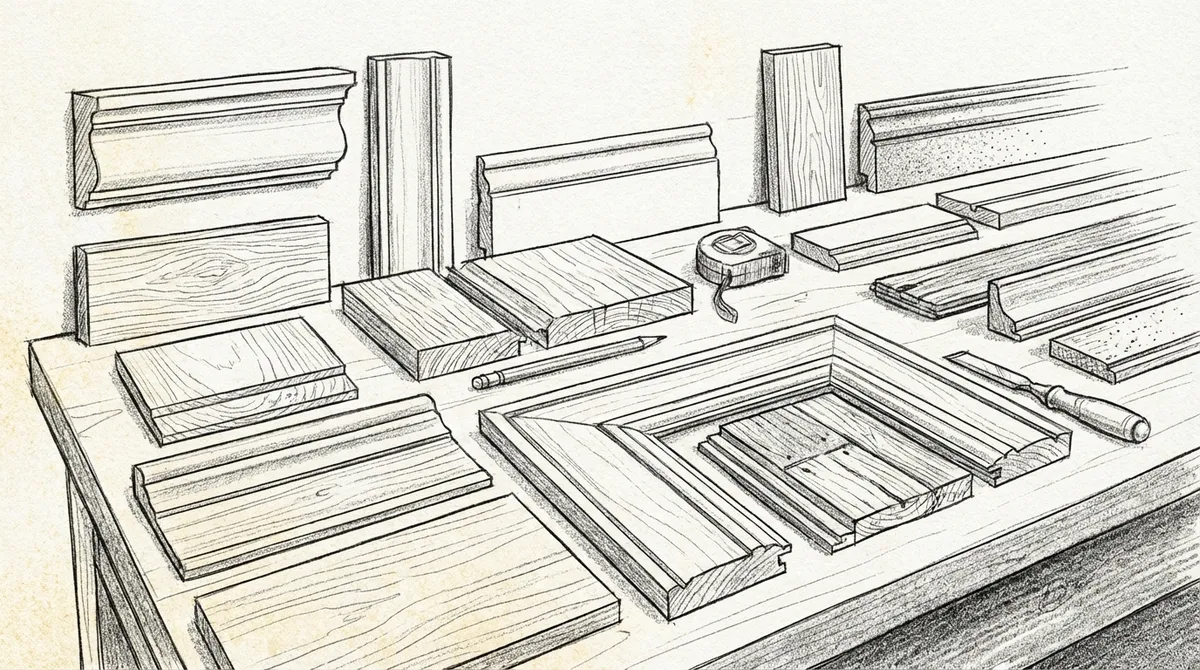
The material you select for trim and molding significantly impacts appearance, durability, maintenance requirements, and overall project investment. Each material offers distinct advantages depending on your priorities and project specifications.
Traditional Wood Options
Wood remains the preferred choice for high-end custom trim and molding installations. Different wood species offer varying characteristics in terms of grain pattern, hardness, and finishing properties. Popular wood choices include:
| Wood Type | Characteristics | Best Applications |
|---|---|---|
| Pine | Affordable, easy to work with, accepts paint well | Painted trim in traditional and contemporary homes |
| Oak | Durable with prominent grain, stains beautifully | Stained trim in craftsman and traditional styles |
| Maple | Hard, smooth grain, excellent paint surface | Painted trim requiring durability |
| Poplar | Straight grain, minimal knots, paint-grade | Painted applications where smoothness matters |
| Cherry | Rich color that darkens with age, fine grain | High-end stained applications |
Natural wood trim and molding can be painted or stained to match your design preferences. Stained wood showcases the natural beauty of grain patterns, while painted finishes offer flexibility to coordinate with changing color schemes. The wood’s quality directly impacts the final appearance, with clear-grade lumber free from knots commanding premium prices but delivering superior results for stained applications.
Alternative Materials
Modern manufacturing has introduced alternative materials that offer specific advantages in certain applications. Medium-density fiberboard (MDF) has become popular for painted trim because it provides a smooth, consistent surface without grain or knots. MDF resists warping and costs less than solid wood, making it economical for extensive trim projects. However, MDF is heavier than wood, more susceptible to moisture damage, and cannot be stained.
Polyurethane molding represents another alternative, particularly for decorative crown molding and ornate profiles. This synthetic material is lightweight, moisture-resistant, and comes pre-primed for painting. It installs easily and works well in areas prone to humidity, such as bathrooms and kitchens. However, polyurethane lacks the authentic character and natural beauty of real wood, making it less suitable for high-end custom applications where quality and authenticity matter most.

Design Considerations and Style Matching
Selecting trim and molding that complements your home’s architectural style creates visual harmony throughout your spaces. Different design styles traditionally incorporate specific trim profiles and applications that reinforce their aesthetic character.
Traditional and Classic Styles
Traditional homes embrace elaborate trim and molding details that reflect historical architectural periods. These spaces often feature multi-piece baseboards with substantial height, decorative chair rails, ornate crown molding, and panel molding that creates dimensional wall interest. The profiles tend toward complexity, with curves, steps, and decorative elements that catch light and shadow to create visual depth. Colonial, Victorian, and Georgian styles particularly benefit from rich trim details that honor their historical roots.
In traditional spaces, trim and molding often receive special finish attention, including contrasting colors that highlight architectural details or rich stained finishes that showcase wood’s natural beauty. The investment in quality materials and expert installation pays dividends in creating authentic period character that enhances both livability and resale value.
Contemporary and Modern Approaches
Contemporary design embraces cleaner lines and minimalist aesthetics, but this doesn’t mean eliminating trim and molding entirely. Modern spaces often incorporate simpler profiles with straight lines and minimal ornamentation. Baseboards might feature flat profiles with square edges, while crown molding, if used at all, tends toward understated designs that create subtle transitions rather than dramatic statements.
The finish in contemporary spaces typically emphasizes crisp white or color-matched trim that blends seamlessly with walls, creating continuous surfaces rather than contrasting details. Some ultra-modern designs eliminate visible trim entirely through techniques like recessed baseboards or shadowline details. However, even minimalist spaces benefit from the finished appearance that well-executed trim provides, protecting vulnerable edges while maintaining clean aesthetic lines.
Installation Techniques and Best Practices
Professional installation makes the difference between trim and molding that enhances your space and DIY attempts that highlight imperfections. Expert carpenters bring specialized tools, techniques, and experience that ensure precise fits, clean joints, and lasting results.
Measurement and Planning
Successful trim and molding installation begins with accurate measurement and careful planning. Professional installers account for wall irregularities, out-of-square corners, and ceiling variations that impact how trim pieces fit together. They calculate material quantities with minimal waste while ensuring adequate supplies for the complex cuts and fitting required in real-world applications.
Planning also involves determining installation sequences that create the most efficient workflow and best results. For example, crown molding installation requires careful coordination with ceiling designs to ensure seamless integration between these architectural elements. Door and window casings must align properly with wall surfaces and adjacent trim for professional-looking results that stand the test of time.
Cutting and Joinery
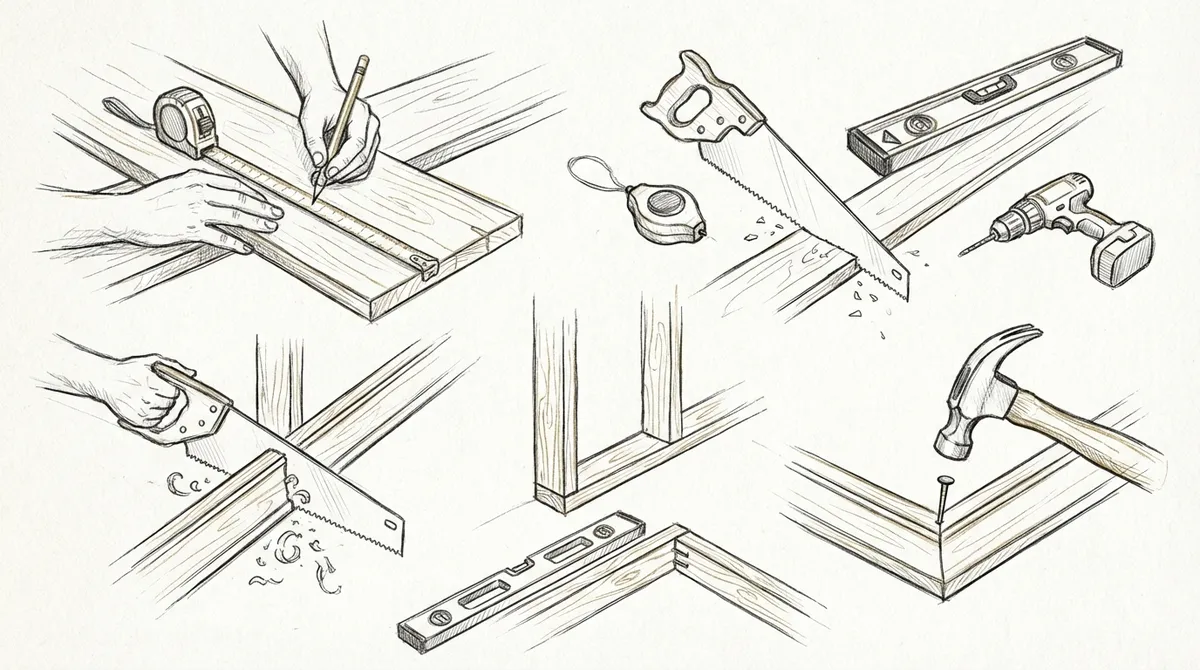
Precise cutting and expert joinery separate professional installations from amateur attempts. Complex cuts required for trim and molding include:
- Miter Cuts: Angled cuts that join two pieces at corners, requiring exact angles for tight-fitting joints
- Coped Joints: Interior corner technique that cuts one molding profile to fit against another for gaps-free joints that accommodate settling
- Scarf Joints: Angled joints that connect trim pieces along straight runs without visible seams
- Return Cuts: Technique for ending molding runs that wraps the profile back to the wall for finished appearance
Professional carpenters use specialized tools including compound miter saws, coping saws, and precision measuring devices to achieve the exacting cuts required for flawless trim and molding installation. They also understand how wood movement affects joints over time, using techniques that accommodate natural expansion and contraction to prevent gaps and separation as seasons change.
Finishing and Maintenance
The final appearance and longevity of trim and molding depend significantly on proper finishing and ongoing maintenance. These final steps transform raw woodwork into polished architectural features that enhance your home for years to come.
Preparation and Priming
Before applying final finishes, trim and molding require thorough preparation. This includes filling nail holes and gaps with appropriate wood filler, sanding surfaces smooth, and applying primer that seals wood and creates optimal surfaces for paint or stain adhesion. Proper preparation prevents common problems like visible nail holes, rough surfaces, and finishes that peel or discolor over time.
For painted trim, multiple coats of high-quality paint create durable, washable surfaces that resist scuffs and maintain their appearance through regular cleaning. Semi-gloss and satin finishes work particularly well for trim and molding because they offer durability and subtle sheen that highlights architectural details without appearing overly glossy. For stained applications, proper preparation and sealing protect wood while allowing its natural beauty to shine through.
Long-Term Care
Well-installed trim and molding requires minimal maintenance but benefits from basic care that preserves appearance and extends lifespan. Regular dusting prevents buildup that dulls finishes, while occasional cleaning with appropriate products removes grime without damaging surfaces. Painted trim may eventually need touch-ups in high-traffic areas, while stained wood might benefit from periodic refinishing to restore luster and protection.
Monitoring for signs of moisture damage, pest activity, or settling-related gaps allows early intervention before minor issues become major problems. Professional carpenters can assess and address these concerns, ensuring your trim and molding continues enhancing your spaces as intended. Companies like Bucheli Trim offer expertise in both installation and maintenance, providing comprehensive support throughout your trim and molding’s lifecycle.
Trim and Molding in Specific Applications
Different spaces within your home present unique opportunities and requirements for trim and molding applications. Understanding these specific contexts helps you make choices that maximize both aesthetic impact and practical functionality.
Living Spaces and Bedrooms
Main living areas and bedrooms offer excellent opportunities for comprehensive trim and molding treatments that create sophisticated, finished environments. These spaces typically accommodate elaborate crown molding, substantial baseboards, and decorative elements like chair rails or panel molding without feeling overdone. The trim and molding in these rooms establishes design continuity that flows throughout your home’s primary living spaces.
In bedrooms, trim and molding contributes to the restful, refined atmosphere that makes these private retreats feel special. Wall enhancements that incorporate decorative molding can create focal points behind beds or frame architectural features that add character and visual interest. The investment in quality trim and molding in these frequently used spaces pays daily dividends in enhanced living experience.
Kitchens and Bathrooms
Kitchens and bathrooms present specific challenges for trim and molding due to moisture exposure and temperature fluctuations. Material selection becomes particularly important in these spaces, with considerations for humidity resistance and durability under challenging conditions. While natural wood remains viable with proper sealing and finishing, moisture-resistant alternatives like polyurethane molding might prove more practical for certain applications.
In kitchens, trim and molding often coordinates with cabinetry details, creating visual harmony between built-in elements and architectural features. Crown molding that tops cabinets can extend to walls and ceilings, unifying the space through consistent decorative treatment. Bathrooms benefit from trim and molding that withstands humid conditions while contributing to the spa-like atmosphere many homeowners desire in these personal care spaces.
Value and Return on Investment
Quality trim and molding represents more than aesthetic enhancement—it’s an investment in your home’s value and appeal. Real estate professionals consistently note that well-executed architectural details like custom trim and molding differentiate properties in competitive markets, attracting buyers willing to pay premium prices for homes that display quality craftsmanship and attention to detail.
The return on investment for trim and molding projects varies based on scope, materials, and overall home value, but these improvements consistently rank among renovations that enhance both enjoyment and resale potential. Beyond financial returns, trim and molding delivers daily value through enhanced living experience, creating spaces that feel more refined, finished, and intentionally designed than homes with minimal or builder-grade trim.
When considering trim and molding investments, factor in both immediate impact and long-term value. Quality installations using durable materials and expert craftsmanship last decades with minimal maintenance, spreading the investment across years of enjoyment. This long-term perspective reveals trim and molding as one of the most cost-effective ways to elevate your home’s character and create the sophisticated spaces you’ve envisioned.
Working with Professional Carpenters
The complexity of trim and molding installation makes professional expertise essential for results that meet high standards. Experienced carpenters bring specialized knowledge, precision tools, and refined techniques that ensure your vision becomes reality with quality craftsmanship that lasts.
Selecting the Right Professional
Choosing a carpentry professional for your trim and molding project involves evaluating experience, craftsmanship quality, and alignment with your project goals. Review portfolios showing completed projects similar to your vision, checking for precise joinery, clean finishes, and attention to detail that separates exceptional work from merely adequate installations.
According to carpentry standards, professional carpenters should demonstrate comprehensive knowledge of materials, installation techniques, and finishing methods appropriate for your specific application. They should communicate clearly about project scope, timelines, and expectations while offering insights that improve outcomes based on their experience with similar projects.
The Custom Carpentry Advantage
Custom carpentry services offer advantages that extend beyond basic trim and molding installation. These professionals can design and fabricate unique profiles that perfectly match your home’s style and your personal preferences, creating one-of-a-kind architectural details impossible to achieve with standard materials. They also integrate trim and molding with other custom projects for comprehensive renovations that transform entire spaces.
The Tampa Bay area benefits from skilled custom carpentry professionals who understand regional architectural styles and construction practices. These local experts navigate the specific challenges and opportunities that Florida homes present, ensuring your trim and molding performs well in the climate while enhancing your property’s distinctive character. Visit Bucheli Trim on Google to see how professional custom carpentry transforms ordinary spaces into extraordinary environments through expert trim and molding installation.
Conclusion
Trim and molding represents far more than decorative afterthoughts—these architectural elements define spaces, protect surfaces, and create the refined, finished appearance that distinguishes quality homes from basic construction. Whether you’re drawn to traditional designs with elaborate details or contemporary aesthetics featuring clean lines, the right trim and molding choices enhance your home’s character while providing practical benefits that extend beyond visual appeal.
Understanding the types, materials, and applications available empowers you to make informed decisions that align with your design vision and investment goals. From selecting appropriate profiles for your home’s architectural style to choosing materials that balance beauty, durability, and maintenance requirements, each decision contributes to outcomes that reflect your personal taste and quality standards.
Professional installation ensures your trim and molding achieves its full potential, with precise joinery, proper finishing, and expert craftsmanship that stands the test of time. The investment in quality materials and skilled installation pays dividends through enhanced daily living experience and increased home value that rewards you whether you stay for decades or sell in coming years. Connect with experienced carpentry professionals to explore how custom trim and molding can transform your spaces into the refined, sophisticated environments you envision for your home.
FAQs
Q: What is the difference between trim and molding?
A: Trim generally refers to functional woodwork that covers transitions between surfaces, such as baseboards and door casings. Molding typically describes decorative strips with shaped profiles that add architectural interest, like crown molding or chair rails. Both work together to create finished, polished spaces with enhanced visual appeal.
Q: Which material is best for trim and molding installations?
A: Natural wood remains the gold standard for high-end trim and molding due to its authentic character and durability. Pine and poplar work well for painted applications, while oak and cherry excel in stained finishes. MDF offers economical alternatives for painted trim, while polyurethane works well in moisture-prone areas like bathrooms.
Q: How does trim and molding increase home value?
A: Quality trim and molding differentiates properties in competitive real estate markets by showcasing craftsmanship and attention to detail. These architectural elements create sophisticated, finished spaces that attract buyers willing to pay premium prices. The improvements provide both immediate aesthetic enhancement and long-term investment value through increased resale appeal.
Q: Can I install trim and molding myself or should I hire professionals?
A: While simple trim projects are DIY-friendly, complex molding installations with intricate joinery, multiple profiles, and precise fitting benefit significantly from professional expertise. Experienced carpenters have specialized tools, technical knowledge, and refined techniques that ensure precise joints, clean finishes, and lasting results that DIY attempts often cannot match.
Q: What trim and molding styles work best for modern homes?
A: Contemporary spaces typically feature simpler trim profiles with clean lines and minimal ornamentation. Flat baseboards with square edges, understated crown molding, and streamlined door casings complement modern aesthetics. The finish often emphasizes color-matched or crisp white trim that creates subtle transitions rather than contrasting architectural statements characteristic of traditional designs.