Key Takeaways
-
Custom carpentry is built from scratch to your exact specifications, unlike standard carpentry that uses pre-made products, resulting in better quality fit and unique results tailored to your space.
-
Key areas where custom woodworking adds maximum value include ceiling designs, built-in cabinetry, custom trim and molding, wall enhancements, custom doors, and hardwood flooring installation.
-
Custom carpentry increases home resale value by signaling craftsmanship and attention to detail; features like coffered ceilings, built-ins, and crown molding appeal to buyers and justify premium pricing.
-
The custom carpentry process involves six clear steps: consultation, design planning, material selection, fabrication, installation, and final review to ensure perfect fit and client satisfaction.
-
Choose wood species strategically based on your project: oak for durability and classic appeal, maple for smooth cabinetry finishes, walnut for premium features, pine for rustic trim, and cherry for pieces that age beautifully.
-
Select a carpenter with a strong portfolio, transparent communication, attention to detail, experience with your specific project type, positive client references, and proper licensing and insurance credentials.
Wood has shaped human homes for thousands of years. Today, carpentry and woodworking remain two of the most powerful ways to transform any living space. From elegant ceiling designs to custom built-in cabinetry, skilled woodworking adds beauty, function, and lasting value to your home. Whether you are a homeowner dreaming of a stunning renovation, an interior designer seeking the perfect finish, or a developer looking to elevate a property, understanding what modern carpentry can offer is essential. This guide breaks down everything you need to know about custom carpentry and woodworking — what it is, what it includes, and how it can completely change the look and feel of any space. If you want to learn more about carpentry as a craft, a wealth of information is available. But for practical, real-world applications in your home, read on.
What Is Custom Carpentry and Woodworking?
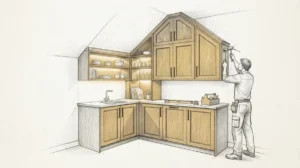
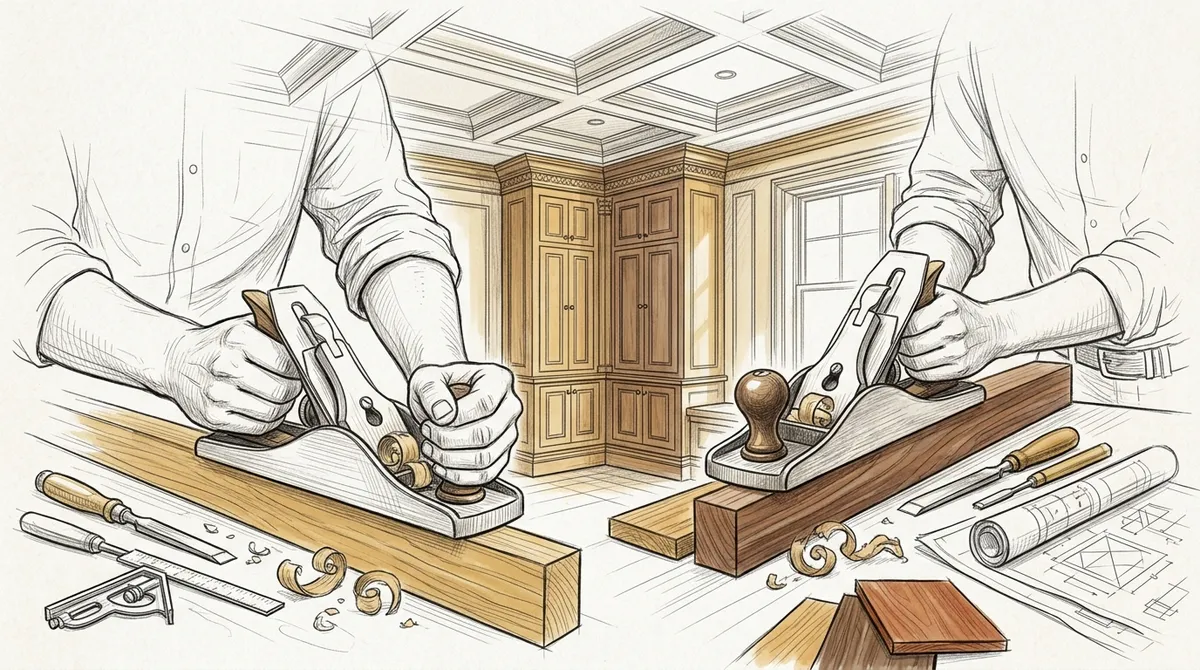
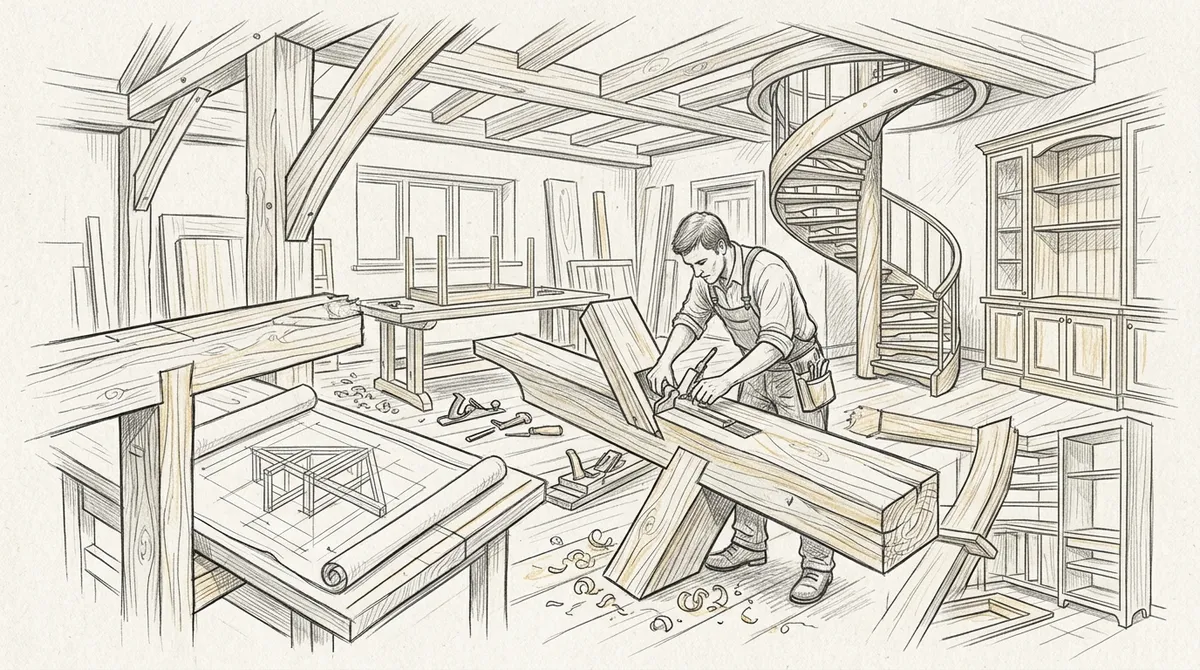
Custom carpentry is the art of crafting wood elements that are built specifically for your space. Unlike mass-produced products, every piece is designed and built to fit your exact needs. This means better quality, better fit, and a truly unique result.
Woodworking, as part of custom carpentry, focuses on shaping, joining, and finishing wood. It covers everything from structural framing to decorative trim. In a custom carpentry context, this means creating pieces that are both beautiful and functional.
How Custom Carpentry Differs from Standard Carpentry
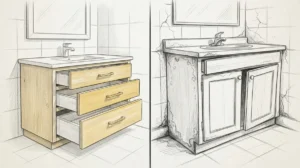
Standard carpentry often involves installing pre-made products. Custom carpentry is different. It starts with your vision and works backward to build something made just for you. The level of detail, care, and craftsmanship is much higher.
- Standard carpentry uses off-the-shelf parts
- Custom carpentry is built from scratch to your specifications
- Custom work matches your space perfectly
- It offers far more design flexibility
- The finished result is unique to your home
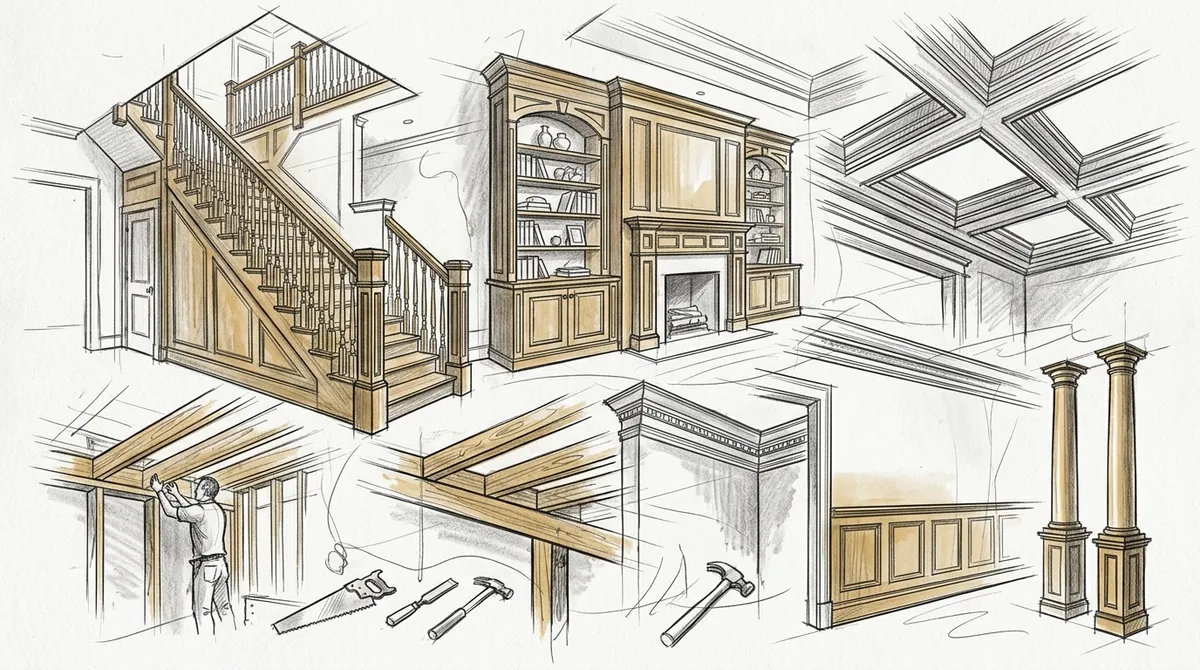
Key Areas Where Carpentry and Woodworking Shine
Custom carpentry covers a wide range of home features. Each area offers a unique opportunity to add value and style. Here are the most impactful areas where skilled woodworking makes a real difference.
1. Ceiling Designs
Ceilings are often called the “fifth wall” of a room. A beautifully crafted ceiling can completely change how a space feels. Coffered ceilings, tray ceilings, and wooden beam designs are all popular options. You can explore inspiring ceiling designs that show what skilled carpentry can achieve overhead.
2. Wall Enhancements
Wood paneling, wainscoting, and shiplap walls add texture and character. These features turn plain walls into stunning focal points. Custom wall enhancements can match any design style, from modern to traditional.
3. Built-In Cabinetry
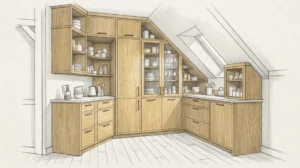
Built-in cabinets maximize storage while looking seamless and polished. They fit perfectly into alcoves, hallways, and living areas. Check out these 7 built-in cabinetry solutions that can transform your home. You can also browse custom cabinets for more inspiration.
4. Trim and Molding Details
Trim and molding are the finishing touches that pull a room together. Crown molding is one of the most classic and elegant woodworking details you can add. Custom molding details can frame doorways, ceilings, and windows with style and precision.
5. Custom Doors
Doors make a strong first impression. Custom-crafted doors can be designed to match your home’s unique character. From interior passage doors to grand entryways, custom doors add both beauty and function.
6. Flooring
Wood flooring is a timeless choice. Custom carpentry can include installation of hardwood, engineered wood, and specialty flooring types. Quality flooring installation makes a lasting impression from the ground up.
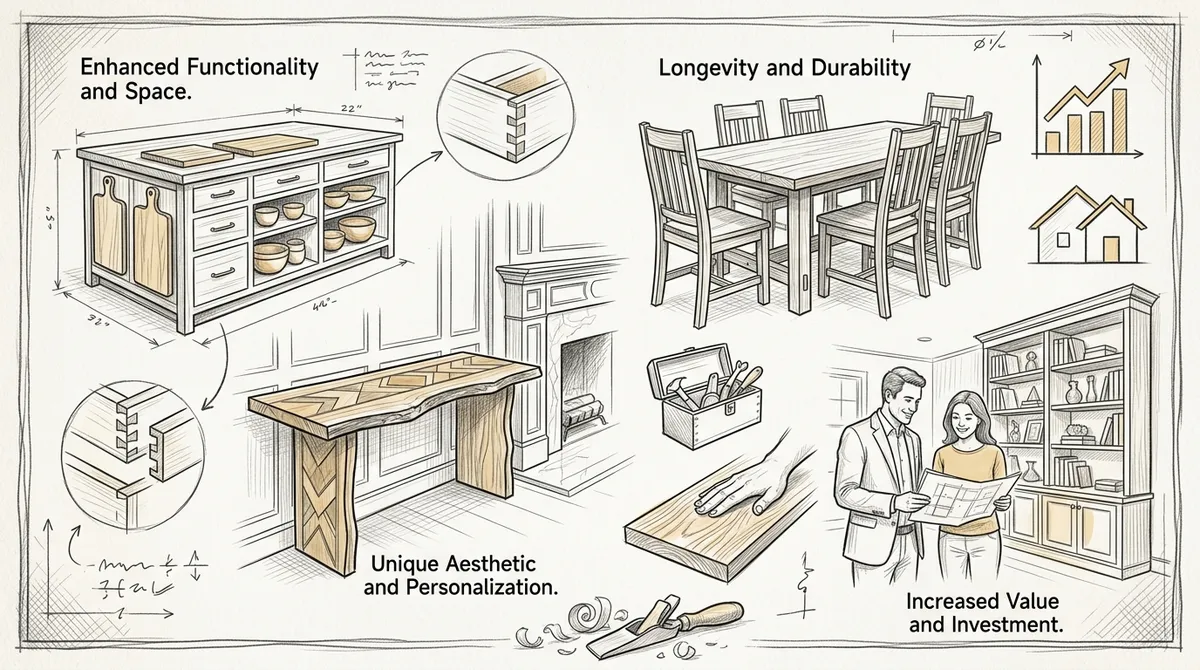
Benefits of Investing in Custom Woodworking
Custom carpentry is a meaningful investment. The benefits go well beyond aesthetics. Here is a clear look at what you gain when you choose custom woodworking for your home or project.
| Benefit | What It Means for You |
|---|---|
| Increased Home Value | Custom features attract buyers and raise property prices |
| Perfect Fit | Every piece is built specifically for your space |
| Unique Design | Your home stands out with one-of-a-kind craftsmanship |
| Durability | Quality wood and craftsmanship last for decades |
| Functionality | Storage and layouts are optimized for real life |
| Style Consistency | All elements can be matched and coordinated |
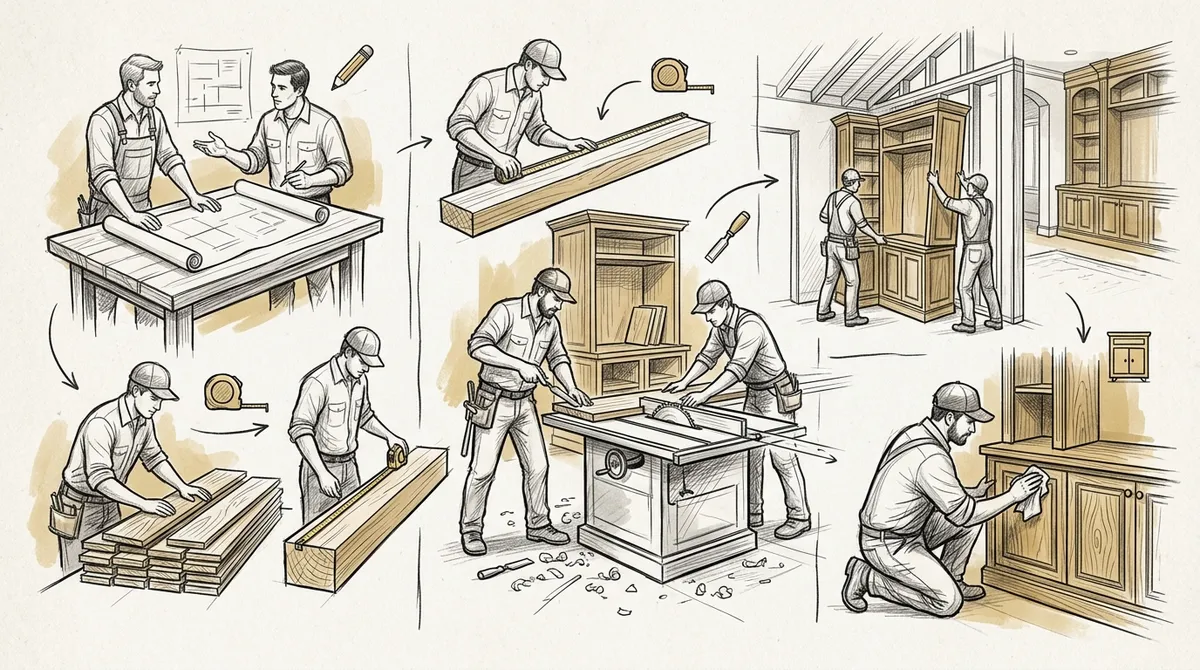
How the Custom Carpentry Process Works
Understanding the process helps you feel confident from start to finish. Custom woodworking projects follow a clear set of steps. Here is a simple overview of how a typical project comes together.
- Consultation: You share your vision, goals, and space details with the carpenter.
- Design Planning: The carpenter creates a plan, often with drawings or mockups, to show how the finished piece will look.
- Material Selection: You choose wood species, finishes, and hardware that match your style.
- Fabrication: The carpenter builds each piece with precision in a workshop or on-site.
- Installation: Finished pieces are installed carefully to ensure a perfect fit and clean result.
- Final Review: You inspect the work to confirm everything meets your expectations.
Choosing the Right Wood for Your Project
The type of wood you choose affects how your project looks and how long it lasts. Different woods have different strengths, grain patterns, and colors. Here is a quick guide to popular choices.
| Wood Type | Best For | Key Traits |
|---|---|---|
| Oak | Flooring, cabinets, trim | Strong, durable, classic grain |
| Maple | Cabinetry, built-ins | Smooth finish, light color |
| Walnut | Feature pieces, doors | Rich dark color, premium look |
| Pine | Trim, paneling, ceilings | Lightweight, rustic character |
| Cherry | Custom furniture, molding | Warm reddish tone, ages beautifully |
What to Look for in a Custom Carpentry Professional
Choosing the right carpenter is as important as the project itself. A skilled craftsman will guide you through every decision and deliver results that exceed your expectations. Here are the key qualities to look for.
- A strong portfolio of completed custom projects
- Clear and transparent communication throughout the process
- Attention to detail in both design and execution
- Experience with the specific type of work you need
- Positive reviews and references from past clients
- Proper licensing and insurance
If you are searching for trusted expertise in the Tampa Bay area, Bucheli Trim brings a high level of craftsmanship and dedication to every custom project. You can also visit us on Google to read reviews and see what past clients have to say.
Custom Carpentry for Interior Designers and Developers
Interior designers and real estate developers have special needs when it comes to carpentry and woodworking. For designers, custom work is often the final layer that brings a concept to life. For developers, quality finishes can be the difference between a fast sale and a slow one.
Custom woodworking allows designers to specify exactly what they want — from the species of wood to the profile of a molding. Developers can differentiate properties with high-end built-ins and architectural details that mass-market homes simply cannot offer. Explore some unique custom projects for ideas on what is possible.
Why Luxury Finishes Matter in Real Estate
Buyers in the luxury market look for quality they can see and feel. Custom woodworking delivers that instantly. A coffered ceiling, custom built-ins, or detailed trim work signals craftsmanship and attention to detail. These features help properties stand out and hold their value over time.
- Custom features photograph beautifully for listings
- They create an emotional connection for buyers
- They signal higher quality throughout the property
- They justify premium pricing
Expanding Your Home’s Potential with Woodworking
Carpentry and woodworking are not limited to one room. Every area of your home can benefit. Consider custom closet builds to maximize organization, or upgrade your entryway with a stunning wood feature wall. You can explore 12 custom closet build ideas that show just how creative these solutions can be.
For homeowners who want to go further, combining woodworking with other services like tile work, painting, or even epoxy floors can create a truly cohesive and polished look throughout the entire home. You can also learn about how trim and molding transform your space with style for even more design ideas.
Signs You Are Ready for a Custom Carpentry Project
Not sure if now is the right time? Here are clear signs that a custom woodworking upgrade makes sense for you.
- Your space feels generic and lacks personality or character.
- You have unused wall space or awkward alcoves that need a solution.
- You are preparing a home for sale and want to increase its appeal.
- You are working on a renovation and want finishes that truly stand out.
- You have a design vision that off-the-shelf products simply cannot fulfill.
If any of these resonate with you, exploring custom carpentry is a smart next step. You can also read about 7 signs you need professional carpentry near you today for more guidance. And if you want to understand the full impact of skilled woodworking, check out 11 ways custom woodworking near you transforms homes.
Final Thoughts on Carpentry and Woodworking for Your Home
Carpentry and woodworking offer something truly special — the ability to shape your home exactly the way you want it. From dramatic ceiling designs to perfectly fitted built-in cabinets, every custom detail adds beauty, value, and meaning to a space. The craftsmanship behind each piece reflects skill, patience, and a deep respect for quality materials.
Whether you are a homeowner looking for a stunning upgrade, an interior designer sourcing the best craftsmen, or a developer seeking premium finishes, custom woodworking delivers results that last. You can follow along with ongoing work and inspiration on Facebook to see real projects in action.
Ready to bring your vision to life? Reach out to our team today and start planning your custom carpentry project with experts who care about every detail.
FAQs
Q: What is the difference between carpentry and woodworking?
A: Carpentry typically refers to the structural and installation side of working with wood, such as framing, trim, and built-ins. Woodworking focuses more on crafting and shaping wood into finished pieces. In custom home projects, the two disciplines work together to create both functional and decorative results.
Q: How long does a custom carpentry project typically take?
A: The timeline depends on the size and complexity of the project. A simple trim installation may take a day or two, while a full set of custom built-in cabinets or a ceiling design can take several weeks from design to completion. Your carpenter will provide a timeline during the planning phase.
Q: What types of wood are best for custom home carpentry projects?
A: Popular choices include oak, maple, walnut, pine, and cherry. Each wood type has unique characteristics in terms of color, grain, and durability. Your carpenter can help you choose the best option based on your design goals and the specific use of each piece.
Q: Can custom carpentry increase my home’s resale value?
A: Yes, custom carpentry features such as built-in cabinetry, crown molding, coffered ceilings, and hardwood flooring are known to increase home value. These details appeal to buyers and signal high-quality construction throughout the property.
Q: How do I find a skilled custom carpenter in the Tampa Bay area?
A: Look for a carpenter with a strong portfolio, positive client reviews, and clear experience in the type of work you need. Bucheli Trim is a trusted custom carpentry specialist in the Tampa Bay area, offering services that range from ceiling designs to built-in cabinetry and trim work.