Key Takeaways
-
Built-in cabinetry maximizes space efficiency and adds significant value by seamlessly integrating with your home’s architecture.
-
Custom cabinet solutions offer personalized storage that transforms living spaces, from floor-to-ceiling living room installations to walk-in closet systems.
-
Home office built-ins create dedicated, ergonomic workspaces that enhance productivity by providing tailored storage and integrated technology solutions.
-
Kitchen pantry built-ins revolutionize food storage by making items visible, accessible, and organized, reducing waste and simplifying meal preparation.
-
Bathroom cabinetry can transform ordinary spaces into spa-like environments with moisture-resistant materials and smart organizational features.
Built-in cabinetry represents one of the most valuable investments you can make in your home, combining functionality with aesthetic appeal in ways that freestanding furniture simply cannot match. Unlike standard cabinets that sit against walls, built-in cabinetry is custom-designed and installed to seamlessly integrate with your home’s architecture, creating a polished, cohesive look while maximizing every inch of available space. Whether you’re a homeowner looking to enhance your living areas, an interior designer seeking premium craftsmanship for clients, or a real estate developer aiming to add luxury finishes that increase property value, understanding the versatility and benefits of built-in cabinetry is essential. This comprehensive guide explores seven transformative built-in cabinetry solutions that can elevate any room in your home, from living rooms and bedrooms to home offices and kitchens. Custom cabinet solutions offer endless possibilities for creating storage that’s both beautiful and practical, tailored precisely to your space and lifestyle needs.
1. Floor-to-Ceiling Living Room Built-Ins
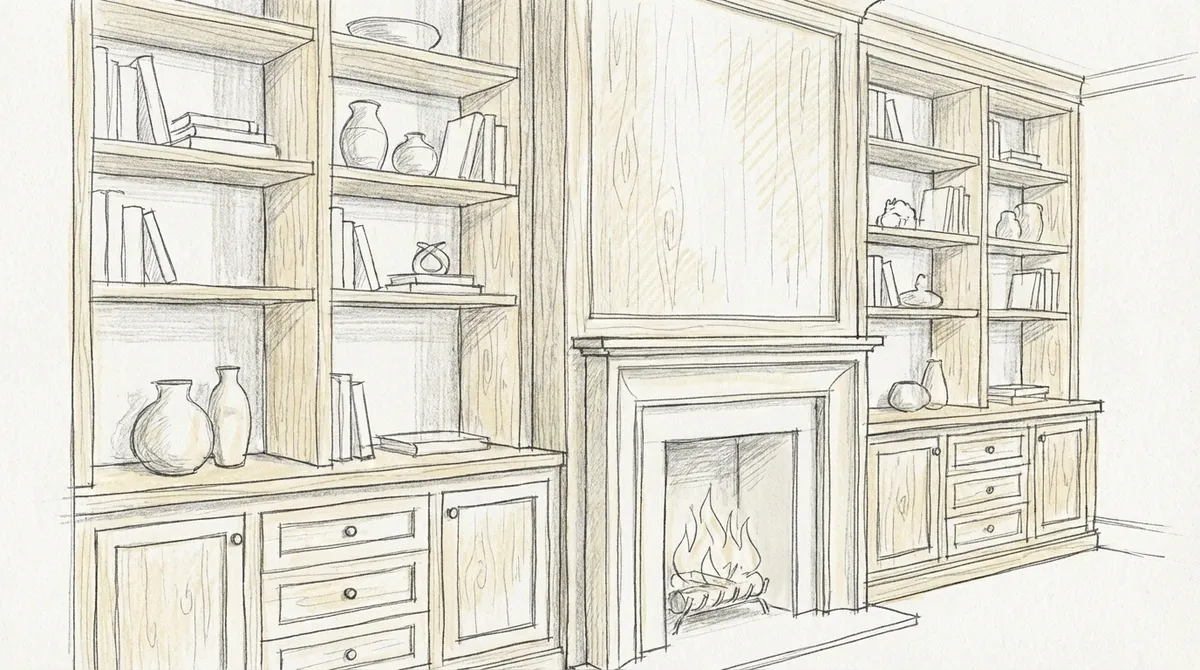
Floor-to-ceiling built-in cabinetry in living rooms creates a stunning focal point while providing extensive storage and display opportunities. These comprehensive installations typically flank a fireplace or entertainment center, offering shelving for books, decorative objects, and media equipment. The vertical emphasis draws the eye upward, making rooms appear larger and more impressive while utilizing space that often goes wasted. According to learn more about carpentry traditions, built-in furniture has been a hallmark of quality home construction for centuries, representing both craftsmanship and permanence.
The beauty of floor-to-ceiling installations lies in their customization potential. You can incorporate a combination of open shelving, closed cabinets with doors, and specialty features like wine racks, display lighting, or even a built-in desk area. Companies like Bucheli Trim specialize in creating these tailored solutions that reflect your personal style while addressing practical storage needs. The cabinets can be designed with adjustable shelving to accommodate items of various sizes, from oversized art books to small decorative pieces.
Design considerations for living room built-ins include:
- Material selection that complements existing trim and architectural details
- Color choices that either blend seamlessly with walls or create contrasting visual interest
- Hardware styles ranging from minimalist to ornate depending on your design aesthetic
- Integrated lighting solutions such as LED strips or puck lights to highlight displayed items
- Cable management systems for electronics and charging stations
Maximizing Functionality in Living Spaces
When planning floor-to-ceiling built-ins, consider how you actually use your living space. If you’re an avid reader, dedicate more space to book storage with deeper shelves. For media enthusiasts, incorporate ventilated cabinets for electronics and concealed wire routing. The lower cabinets work perfectly for storing items you don’t need to access frequently—board games, seasonal decorations, or extra linens—while keeping everything organized and out of sight. Many homeowners also appreciate having a section dedicated to displaying family photos and treasured collectibles at eye level, creating a personal gallery that tells their story.
2. Walk-In Closet Organization Systems
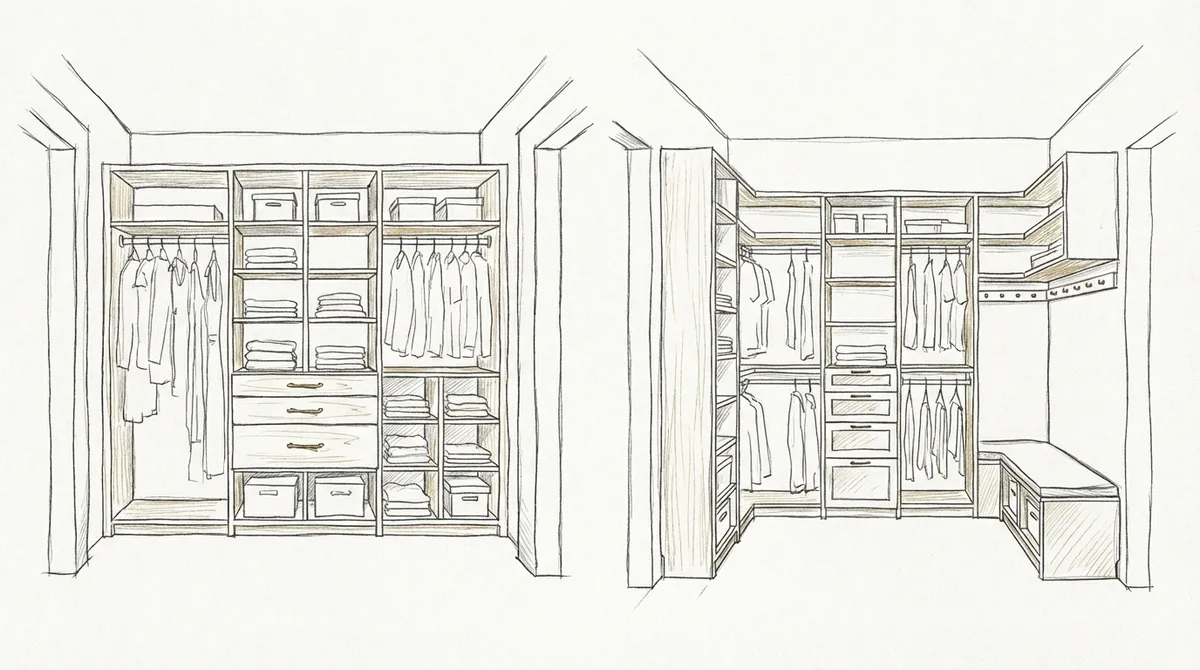
Walk-in closet built-in cabinetry transforms chaotic storage spaces into organized, boutique-like dressing rooms. These systems go far beyond simple hanging rods and shelves, incorporating specialized storage for shoes, jewelry, accessories, and folded clothing. A well-designed closet system can double or even triple your usable storage capacity compared to basic closet configurations. The investment in custom closet cabinetry pays dividends daily through time saved finding items and the preservation of clothing through proper storage.
Professional closet systems typically include a variety of components working together harmoniously:
- Double-hang sections that maximize vertical space for shirts and pants
- Adjustable shelving units for sweaters, handbags, and folded items
- Pull-out drawers with dividers for undergarments, socks, and accessories
- Specialized shoe storage such as angled shelves or cubby systems
- Full-length mirror integration and seating areas for a complete dressing experience
Material choices for closet systems significantly impact both aesthetics and durability. While wire systems remain budget-friendly options, solid wood or high-quality engineered wood products provide superior longevity and a more refined appearance. Finishes can range from natural wood tones to painted surfaces that complement your bedroom décor. Custom carpentry projects allow for unique features like jewelry drawers with felt lining, pull-out valet rods for outfit planning, or even small built-in hampers that keep dirty laundry concealed yet accessible.
3. Home Office Built-In Workstations
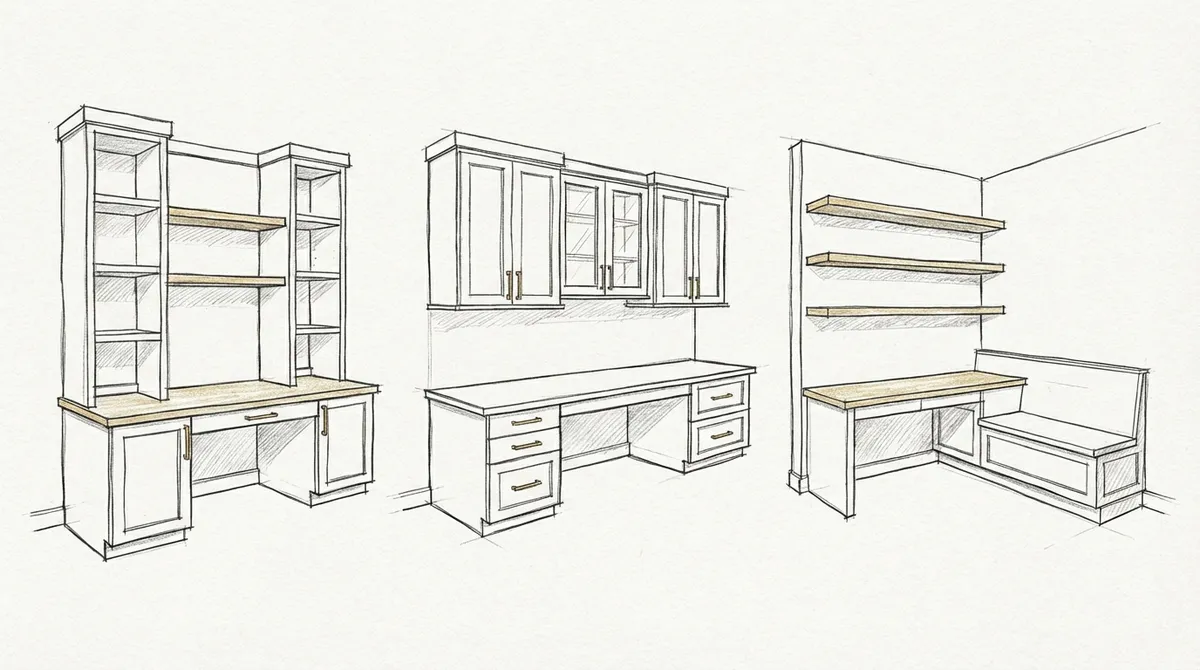
With remote work becoming increasingly common, home office built-in cabinetry has evolved from a luxury to a necessity for many professionals. A custom-built workstation provides dedicated workspace that’s both functional and inspiring, helping to separate work life from home life even within the same physical space. Unlike freestanding desks and bookcases, built-in office systems can be designed to fit awkward spaces, utilize corner areas efficiently, and provide precisely the storage and work surface configuration you need.
Key elements of effective home office built-ins include adequate desktop space for computers and work materials, filing systems for documents and supplies, and shelving for reference books and binders. Upper cabinets can conceal office supplies and equipment, keeping the workspace looking clean and professional during video calls. Many designs incorporate a combination of open and closed storage, allowing you to display professional credentials, awards, or decorative items while hiding less attractive necessities.
Ergonomic Considerations
When designing home office cabinetry, ergonomics should be a primary concern. The desktop height should position your keyboard at elbow level when seated, typically around 28-30 inches for most adults. Monitor placement requires thought as well—built-in shelving can elevate screens to proper eye level, reducing neck strain during long work sessions. Consider incorporating features like:
- Cable management grommets and channels to keep cords organized and hidden
- Electrical outlets built into the desktop or lower cabinets for easy device charging
- Adjustable shelving that can accommodate changing technology and equipment
- Task lighting integrated into upper cabinets or shelving units
- Keyboard trays or pull-out surfaces for compact work areas
The finished workspace should feel custom-tailored to your work style and professional needs, creating an environment that enhances productivity and focus.
4. Kitchen Pantry and Storage Solutions
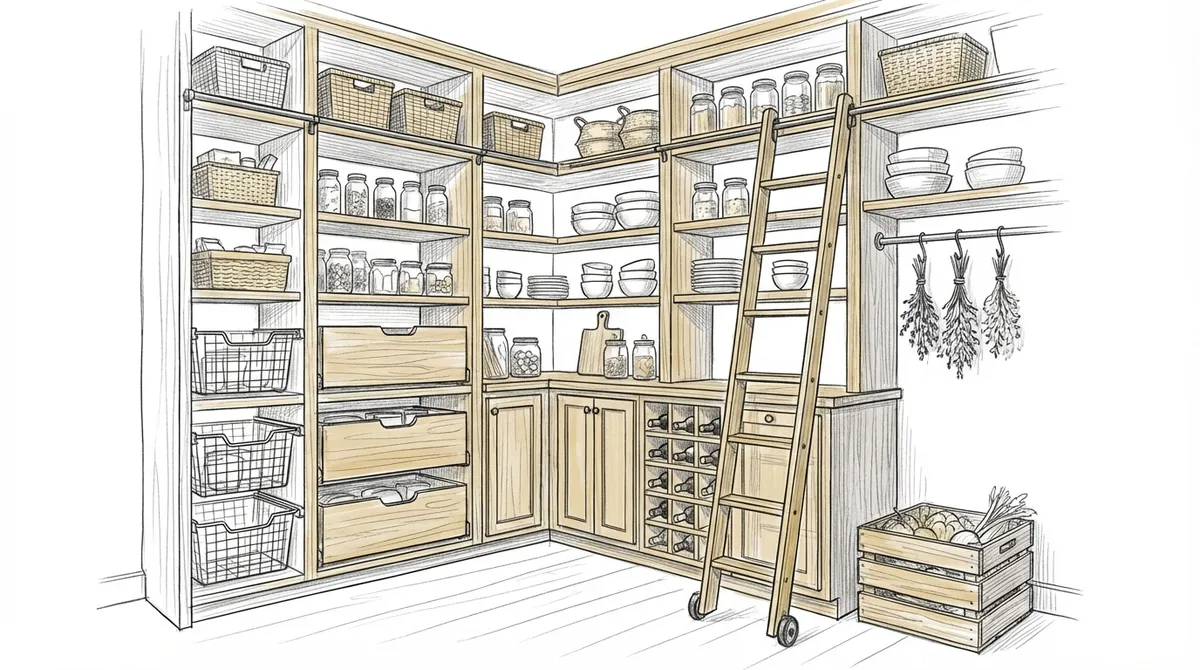
Built-in pantry cabinetry revolutionizes kitchen functionality by creating dedicated, organized space for food storage and kitchen essentials. Whether you have a walk-in pantry or are working with a smaller cabinet pantry, custom built-ins maximize every inch while making items easily accessible. A well-organized pantry reduces food waste by keeping inventory visible, streamlines meal preparation, and can even inspire healthier eating habits by making nutritious options more accessible and appealing.
Effective pantry design incorporates various storage solutions tailored to different types of items. Pull-out drawers work beautifully for canned goods and packaged items, allowing you to see everything at a glance without items getting lost in the back. Deep shelving accommodates bulk purchases and small appliances, while narrow shelves near the door are perfect for spices and condiments. Many homeowners appreciate features like pull-out wire baskets for produce, dedicated zones for baking supplies, and even charging stations for small kitchen electronics.
| Storage Feature | Best For | Key Benefit |
|---|---|---|
| Pull-out drawers | Canned goods, boxed items | Complete visibility and access |
| Adjustable shelving | Items of varying heights | Flexibility as needs change |
| Door-mounted racks | Spices, small bottles | Utilizes often-wasted space |
| Deep base drawers | Pots, pans, appliances | Easy access without bending |
| Wire baskets | Produce, bread, snacks | Air circulation and visibility |
Integrating Pantry Design with Kitchen Aesthetics
Your pantry cabinetry should complement your overall kitchen design while prioritizing functionality. If your kitchen features decorative molding details, carrying these elements into the pantry creates visual continuity. Material and finish choices should match or complement existing cabinetry. Glass-front upper cabinets in pantries can display attractive dishware or decorative food containers while maintaining the organized appearance. Consider incorporating the same hardware used throughout your kitchen for a cohesive look that feels intentionally designed rather than an afterthought.
5. Bedroom Window Seat Storage
Built-in window seats with integrated cabinetry create charming, functional spaces that maximize underutilized areas. These installations combine comfortable seating with hidden storage beneath, perfect for bedrooms, reading nooks, or bay window areas. A window seat transforms a simple window into a destination within your home—a place to read, relax, or simply enjoy natural light while providing practical storage for bedding, seasonal clothing, or personal items.
The construction of window seat cabinetry requires careful planning to ensure both comfort and functionality. The seat height typically ranges from 18 to 20 inches—standard chair height—making it comfortable for sitting. The depth should be at least 20 inches to provide adequate seating space, though deeper installations (24-30 inches) create more lounge-like spaces perfect for curling up with a book. Storage access can be designed through lift-up seat tops with piano hinges or through drawer units built into the base.
Design enhancements for window seats include:
- Custom cushions upholstered in durable, stain-resistant fabrics
- Throw pillows that add comfort and tie into room décor
- Built-in bookshelves flanking the window for easy access to reading material
- Under-seat lighting for evening reading sessions
- Electrical outlets integrated into adjacent cabinetry for device charging
6. Media Rooms and Entertainment Centers
Built-in entertainment centers designed for media rooms go beyond simple TV stands, creating immersive environments for enjoying movies, gaming, and sports. These comprehensive cabinetry systems house audio-visual equipment, gaming consoles, media collections, and accessories while managing the complex wiring these setups require. A professionally designed entertainment center keeps technology organized and accessible while maintaining a clean, uncluttered appearance that enhances rather than detracts from the viewing experience.
Modern entertainment centers must accommodate rapidly evolving technology while providing flexibility for future upgrades. Open shelving designed to specific dimensions houses gaming consoles and streaming devices with adequate ventilation, preventing overheating that can damage expensive electronics. Closed cabinets conceal less attractive components like cable boxes, routers, and external hard drives. Wire management systems built into the cabinetry route cables neatly from devices to the TV and electrical outlets, eliminating the tangled mess that typically accumulates behind entertainment systems.
Acoustic Considerations
For serious home theater enthusiasts, built-in cabinetry can incorporate acoustic treatments that enhance sound quality. Speakers can be integrated directly into the cabinetry, positioned at optimal heights and angles for immersive audio. Some designs include fabric-covered panels that conceal speakers while allowing sound to pass through unimpeded. The solid construction of built-in cabinets also reduces unwanted vibrations that can muddy bass response. When combined with custom ceiling treatments, built-in entertainment systems create dedicated spaces that rival commercial theaters in both appearance and performance.
7. Bathroom Vanity and Linen Storage
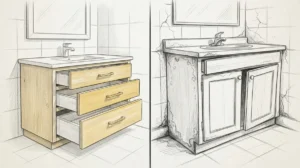
Built-in bathroom cabinetry extends far beyond basic vanities, creating spa-like environments with ample storage for toiletries, linens, and personal care items. Custom vanity installations can accommodate double sinks with dedicated storage for each user, eliminating the morning bathroom battles common in shared spaces. Linen towers and medicine cabinets designed as cohesive systems with the vanity create unified looks while maximizing functionality in rooms where space often comes at a premium.
Bathroom cabinetry faces unique challenges due to moisture and humidity exposure, making material selection critical. Quality constructed vanities use moisture-resistant materials and finishes specifically formulated for bathroom environments. Drawers equipped with soft-close hardware prevent slamming that can damage contents and disturb household members. Organizational inserts—dividers for makeup, holders for hair tools, pull-out hampers—transform basic storage into highly functional systems that streamline daily routines.
Bathroom built-in features that add value include:
- Electrical outlets built into drawer interiors for hair dryer and styling tool storage
- Pull-out step stools integrated into vanity base for children’s access
- Medicine cabinets with interior lighting and electrical outlets for electric toothbrushes
- Heated towel racks built into linen tower designs
- Tilt-out trays in false drawer fronts below sinks for sponge storage
Material Selection for Durability and Style
The materials chosen for built-in cabinetry significantly impact both longevity and aesthetic appeal. Solid hardwoods like oak, maple, cherry, and walnut represent traditional choices prized for their natural beauty and exceptional durability. These materials can be refinished multiple times over decades, making them true lifetime investments. Engineered wood products like plywood and MDF (medium-density fiberboard) offer stability and cost advantages while still accepting quality finishes that rival solid wood in appearance.
Finish options range from natural stains that highlight wood grain to painted surfaces in any color imaginable. Professional painting techniques can achieve everything from crisp, modern looks to antique, distressed appearances. The finish protects the wood from moisture, stains, and wear while defining the overall aesthetic. Topcoats vary in durability and sheen—from matte finishes that hide fingerprints to high-gloss surfaces that create dramatic, contemporary looks. Working with experienced craftsmen ensures appropriate material and finish selection for each application’s specific requirements and environmental conditions.
Hardware as Jewelry for Cabinetry
Cabinet hardware—knobs, pulls, hinges, and catches—functions as the jewelry of built-in cabinetry, providing both utility and style. Hardware selection should consider both aesthetics and ergonomics. Larger pulls work better for drawers that require strong grip, while knobs may be sufficient for smaller doors. Finish choices from polished chrome and brushed nickel to oil-rubbed bronze and antique brass create different moods. Quality hardware features smooth operation and durability that maintains appearance through years of daily use. Many homeowners choose to coordinate hardware throughout their home, creating design continuity that ties together various spaces.
Professional Installation Versus DIY Approaches
While numerous DIY built-in cabinetry plans and kits exist, professional installation offers significant advantages in quality, efficiency, and long-term satisfaction. Experienced craftsmen bring technical expertise in areas like precise measurements, leveling in older homes with settled floors, and seamless integration with existing architecture. They understand structural considerations—where walls can support weight, how to locate and work around electrical wiring and plumbing, and techniques for anchoring cabinets securely to various wall types.
Professional installation typically includes detailed consultations to understand your needs and preferences, 3D renderings or detailed drawings showing the finished project, material sourcing from quality suppliers, expert construction using proper joinery techniques, and precise installation that ensures cabinets are level, plumb, and securely mounted. The finished product reflects years of experience in problem-solving and craftsmanship that’s difficult to replicate without specialized training and equipment. Companies like Bucheli Trim have built reputations on consistently delivering exceptional results that transform clients’ visions into functional reality.
While DIY projects may seem cost-effective initially, mistakes in measurement, material waste, or structural issues can ultimately cost more than professional installation. Additionally, the time investment for DIYers—often stretching projects over weeks or months—may not make practical sense for busy homeowners. Professional installers complete projects efficiently, minimizing disruption to your household while delivering results that immediately enhance your living space.
Maximizing Return on Investment
Built-in cabinetry represents a significant investment in your home, and understanding how to maximize that investment benefits both current enjoyment and future resale value. Real estate professionals consistently note that quality built-ins appeal to buyers, particularly in key areas like kitchens, master closets, and home offices. These permanent fixtures signal that a home has been well-maintained and thoughtfully improved, often commanding premium prices in competitive markets.
To maximize ROI on built-in cabinetry projects:
- Choose classic designs over trendy styles that may quickly appear dated
- Invest in quality materials and construction that will last decades
- Select neutral finishes that appeal to broad buyer demographics
- Focus improvements on high-impact areas like kitchens and master suites
- Ensure installations are professionally completed with proper permits when required
- Maintain detailed records and photos documenting the quality of materials and craftsmanship
Even if you’re not planning to sell soon, these guidelines ensure you’ll enjoy your investment for years while preserving flexibility for future homeowners’ tastes.
| Room Type | Average ROI | Buyer Appeal Factor |
|---|---|---|
| Kitchen | 70-80% | Very High |
| Master Closet | 60-70% | High |
| Home Office | 50-60% | Medium-High |
| Living Room | 50-65% | Medium-High |
| Bathroom | 60-70% | High |
Conclusion: Transforming Spaces Through Custom Cabinetry
Built-in cabinetry represents far more than simple storage solutions—these installations transform how you experience and utilize your home’s spaces. From floor-to-ceiling living room built-ins that showcase your personality to meticulously organized closet systems that simplify daily routines, custom cabinetry addresses both practical needs and aesthetic desires. The seven solutions explored in this guide demonstrate the versatility of built-in cabinetry across various rooms and applications, each offering unique benefits tailored to specific lifestyles and preferences.
Whether you’re a homeowner seeking to enhance your living environment, an interior designer sourcing skilled craftsmen for clients, or a real estate developer differentiating properties in competitive markets, quality built-in cabinetry delivers lasting value. The investment in professional design and installation pays dividends through improved functionality, enhanced aesthetics, and increased property value. When executed with attention to detail and quality materials, built-in cabinetry becomes a permanent feature that serves generations.
Ready to transform your space with custom built-in cabinetry? Contact our team to discuss your vision and discover how professional carpentry can bring your ideas to life. With expert craftsmanship and personalized service, we’ll create built-in solutions perfectly tailored to your home and lifestyle. Visit us on Google to see examples of our work and read testimonials from satisfied clients who have transformed their homes with custom cabinetry solutions.
FAQs
Q: What is the average lifespan of quality built-in cabinetry?
A: Quality built-in cabinetry constructed from solid hardwood or high-grade engineered materials typically lasts 50 years or more with proper care and maintenance. Professional installation and quality finishes protect the wood from moisture and wear, ensuring decades of reliable service. Many historic homes still feature original built-in cabinetry that functions perfectly after a century, demonstrating the longevity of well-crafted installations.
Q: How long does it take to install custom built-in cabinetry?
A: The timeline for custom built-in cabinetry varies based on project complexity and size. Simple installations like a single wall unit may take 1-2 days, while comprehensive projects involving multiple rooms or intricate designs can require 1-2 weeks. The process includes initial consultation and design, manufacturing time for custom pieces, and installation, so planning 4-8 weeks from concept to completion is typical for most projects.
Q: Can built-in cabinetry be modified or updated later?
A: Yes, built-in cabinetry can be modified through refinishing, repainting, or hardware updates to refresh the appearance without complete replacement. Adjustable shelving systems allow for reconfiguration as storage needs change. However, major structural modifications may be limited since built-ins are permanently installed and designed for specific spaces. Working with the original installer or an experienced carpenter ensures modifications maintain the integrity and appearance of the original installation.
Q: What maintenance does built-in cabinetry require?
A: Built-in cabinetry requires minimal maintenance to preserve its appearance and functionality. Regular dusting and cleaning with appropriate wood cleaners prevents buildup that can dull finishes. Periodically checking and tightening hardware ensures smooth operation of doors and drawers. Avoid excessive moisture exposure in bathrooms and kitchens, and address any water damage immediately. Quality finishes may benefit from occasional conditioning or polish application to maintain luster and protection.
Q: How does built-in cabinetry compare to freestanding furniture in terms of value?
A: Built-in cabinetry offers superior value through space maximization, custom fit, and permanence that enhances home resale value. While the initial investment exceeds freestanding furniture costs, built-ins don’t require replacement when moving, add to home equity, and provide storage solutions impossible with standard furniture. Real estate professionals note that quality built-ins in key areas like kitchens and master closets significantly increase buyer interest and property values, often returning 60-80% of the investment.