Key Takeaways
-
Custom carpentry and millwork — not just tiles and fixtures — define a bathroom's character; floating vanities, crown molding, and built-in storage transform functional spaces into polished, intentional designs that add significant resale value in Tampa's luxury market.
-
Tampa's humid climate requires moisture-resistant materials like marine-grade plywood, teak, white oak, and waterproof sealants; proper edge treatments and finishing prevent delamination and water infiltration that would compromise standard bathroom cabinetry.
-
Accurate measurements and careful coordination between carpenters and plumbers before installation prevent costly rework; poor measurements create gaps and wasted space, while misaligned plumbing cutouts delay projects significantly.
-
Shaker-style cabinetry is the most versatile choice for Tampa bathrooms, offering clean lines that blend with both modern and traditional décor while providing broad resale appeal and long-term design flexibility.
-
Quality hardware like soft-close hinges, undermount drawer slides, and proper framework using marine-grade plywood or reinforced ledger systems signal true craftsmanship and ensure cabinetry lasts for decades with minimal maintenance.
-
Custom bathroom millwork projects typically take 4–7 weeks from design approval through installation, requiring coordination with multiple trades; soft-close hardware and proper finishing add cost but substantially improve durability and daily functionality.
The difference between a standard bathroom renovation and a stunning transformation often lies in the custom carpentry details that most Tampa homeowners overlook. While tiles, fixtures, and plumbing get most of the attention, it’s the millwork — the vanities, trim, built-ins, and wall treatments — that truly defines a bathroom’s character. Custom carpentry elevates a functional space into something that feels intentional, polished, and uniquely yours. Whether you’re a homeowner ready to upgrade, an interior designer sourcing skilled craftspeople, or a real estate developer adding luxury finishes to a property, understanding how custom cabinetry and millwork can transform a bathroom is essential. Tampa’s growing luxury market makes high-quality bathroom remodeling tampa projects more valuable than ever. This guide walks you through every carpentry element you need to know — from planning and materials to styles and installation — so you can make smart, informed decisions for your next bathroom project.
Essential Custom Carpentry Elements in Tampa Bathroom Remodels
Custom carpentry brings structure, warmth, and personality to any bathroom. In Tampa homes, several key millwork elements work together to create a cohesive and luxurious space.
Floating Vanities and Custom Cabinet Configurations
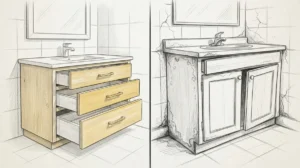
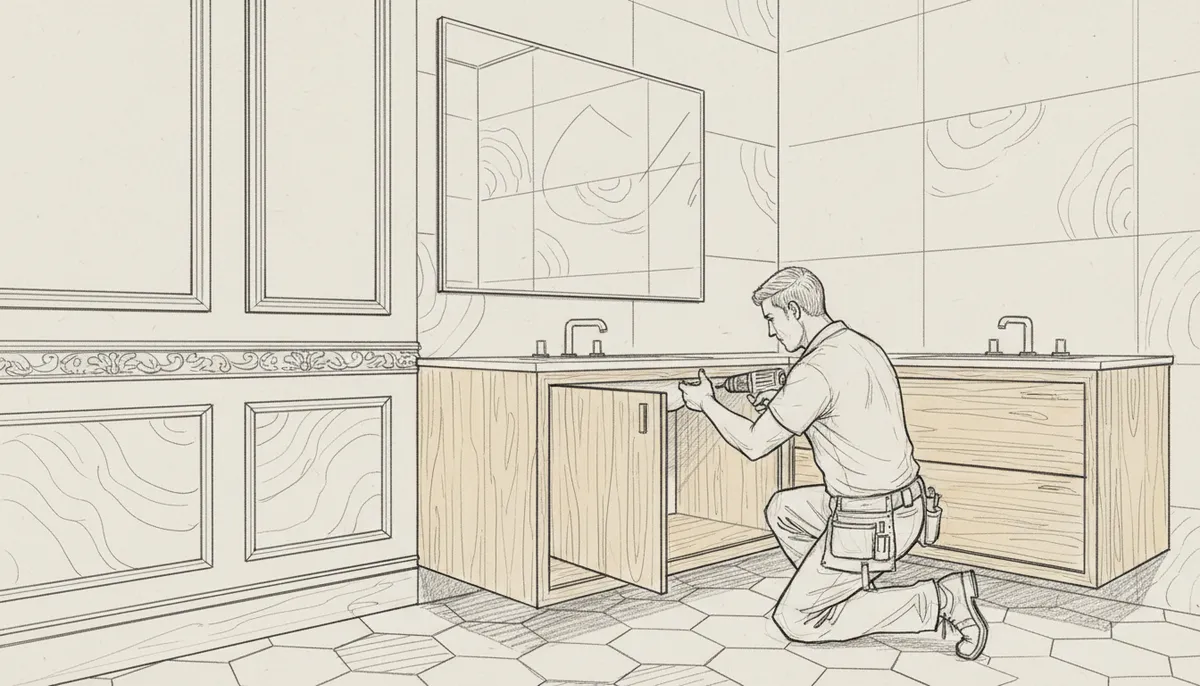
Floating vanities are among the most popular custom carpentry requests in bathroom remodeling tampa projects. They create a modern, open feel while maximizing floor space. Custom cabinet configurations let you choose drawer counts, door styles, and interior layouts that match your exact storage needs.
Crown Molding and Decorative Ceiling Treatments
Crown molding adds an elegant finishing touch where walls meet ceilings. In bathrooms, it signals quality craftsmanship and adds architectural depth. You can also explore custom ceiling designs that introduce coffered panels or decorative beams for a truly upscale look.
Built-In Storage Solutions and Medicine Cabinets
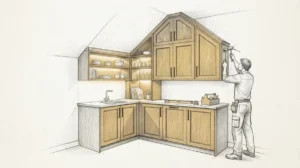
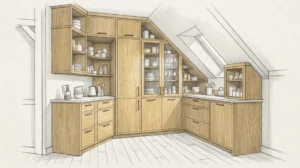
Built-in storage removes clutter and keeps your bathroom organized. Recessed medicine cabinets, built-in shelving niches, and custom linen towers are all examples of millwork that blends function with style. Learn more about built-in cabinetry solutions that can transform any room.
Wainscoting and Board-and-Batten Wall Treatments
Wall treatments like wainscoting and board-and-batten add texture and visual interest. These wall enhancements protect lower walls from moisture while adding a classic or contemporary design element depending on the style you choose.
Custom Mirror Frames and Accent Shelving
A framed mirror instantly upgrades the look of any vanity area. Custom accent shelving gives you display space for décor and everyday essentials. These smaller millwork details tie the whole design together and reflect attention to craftsmanship throughout the space.
Planning Your Bathroom’s Custom Millwork Layout
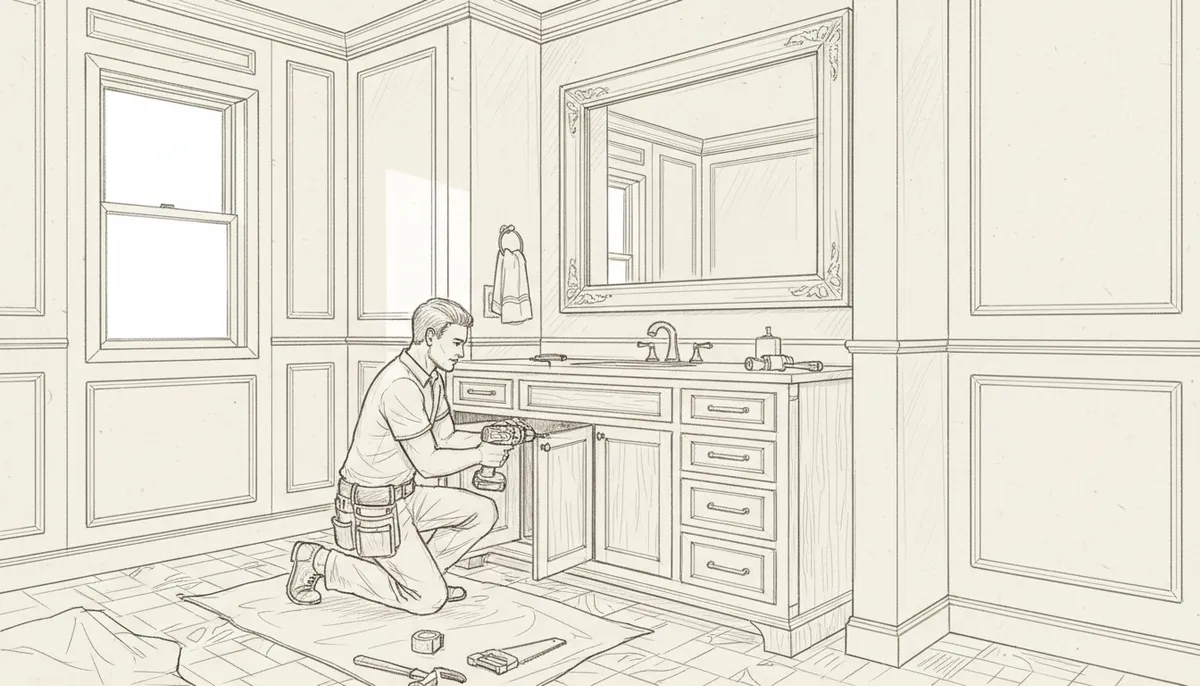
Good planning is the foundation of any successful bathroom remodeling tampa project. Custom millwork requires careful thought before a single piece of wood is cut.
Measuring for Maximum Storage Efficiency
Accurate measurements are critical. Every inch matters in a bathroom. A skilled carpenter will measure wall lengths, ceiling heights, and floor space to design millwork that fits perfectly and maximizes usable storage. Poorly measured cabinetry creates gaps that look unfinished and waste space.
Selecting Wood Species for Humidity Resistance
Tampa’s humid climate demands smart material choices. Some wood species handle moisture better than others. Here are top choices for bathroom millwork:
- Teak: Naturally resistant to moisture and oils; a premium choice
- White oak: Dense grain that resists warping in humid conditions
- Poplar: Cost-effective and accepts paint finishes well
- Maple: Hard and smooth; great for painted cabinetry
- Cherry: Rich tones with good dimensional stability
Coordinating Carpentry with Plumbing Fixtures
Custom vanities and built-ins must work around plumbing. A good carpenter coordinates directly with plumbers to ensure cutouts, pipe access panels, and drain placements align with the millwork design. This teamwork prevents costly rework later in the project.
Design Considerations for Small Tampa Bathrooms
Smaller bathrooms benefit most from custom carpentry. Built-in solutions make use of every available corner and wall. Floating vanities, recessed shelving, and vertical storage towers all help maximize space without crowding the room. You can also get in touch with our team to discuss layout solutions tailored to your specific bathroom dimensions.
Popular Bathroom Carpentry Styles in Tampa Homes
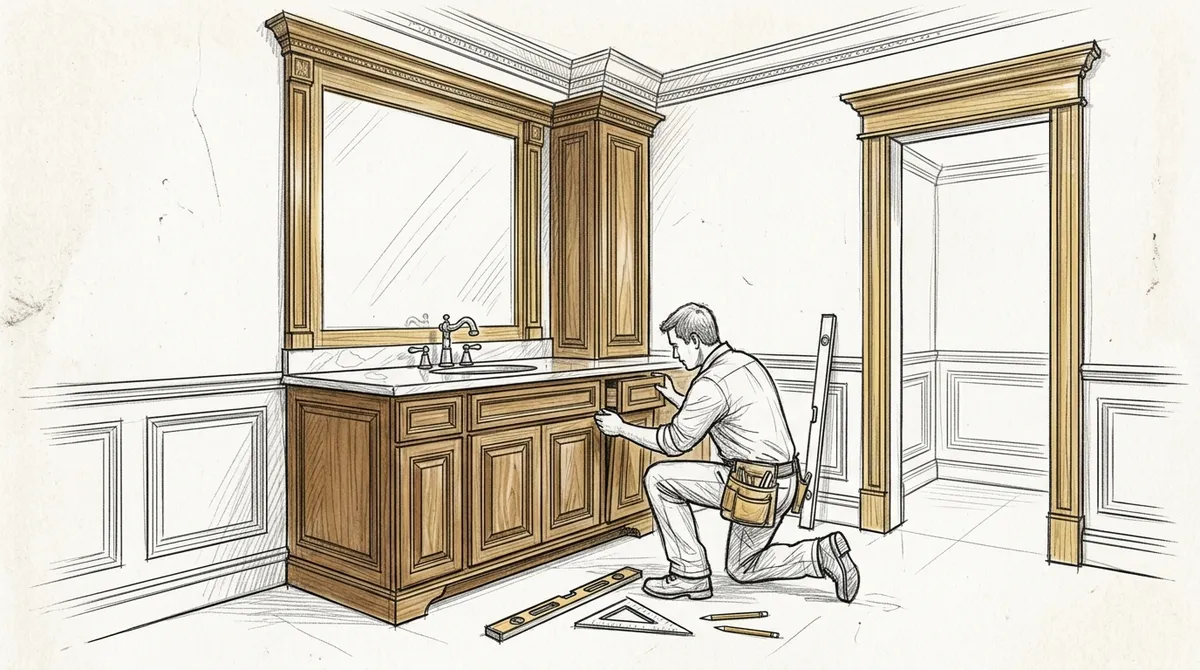
Tampa homeowners have a wide range of design preferences. Here is a comparison of the most popular bathroom carpentry styles seen in local remodels.
| Style | Key Features | Best For |
|---|---|---|
| Coastal / Nautical | White-painted shiplap, rope accents, light wood tones | Beach-adjacent homes, casual luxury |
| Modern Minimalist | Flat-front cabinets, floating installations, hidden hardware | Contemporary condos and new builds |
| Traditional Raised Panel | Ornate door profiles, dark stains, decorative molding | Classic Tampa estates and older homes |
| Transitional Shaker | Simple recessed panels, neutral tones, clean lines | Most Tampa homes; versatile appeal |
Coastal and Nautical Trim Designs
Tampa’s coastal lifestyle inspires many homeowners to choose light, airy bathroom designs. Shiplap walls, white-painted built-ins, and natural wood accents capture that beachside feel. These designs pair beautifully with tile work in sandy or ocean-inspired tones.
Modern Minimalist Floating Installations
Minimalist bathrooms use clean lines and hidden hardware. Floating vanities and wall-mounted storage keep floors clear and make rooms feel larger. This style works especially well in newer Tampa condos and modern home builds.
Traditional Raised Panel Cabinetry
Raised panel doors bring a timeless elegance to bathroom spaces. Rich wood stains, detailed molding details, and ornate hardware complete the classic look. This style suits larger bathrooms in established Tampa neighborhoods.
Transitional Shaker-Style Elements
Shaker-style cabinetry is one of the most requested styles in bathroom remodeling tampa projects. Its simple recessed panels work with both modern and traditional décor. It offers long-term design flexibility and broad resale appeal.
Custom Vanity Construction and Installation Process
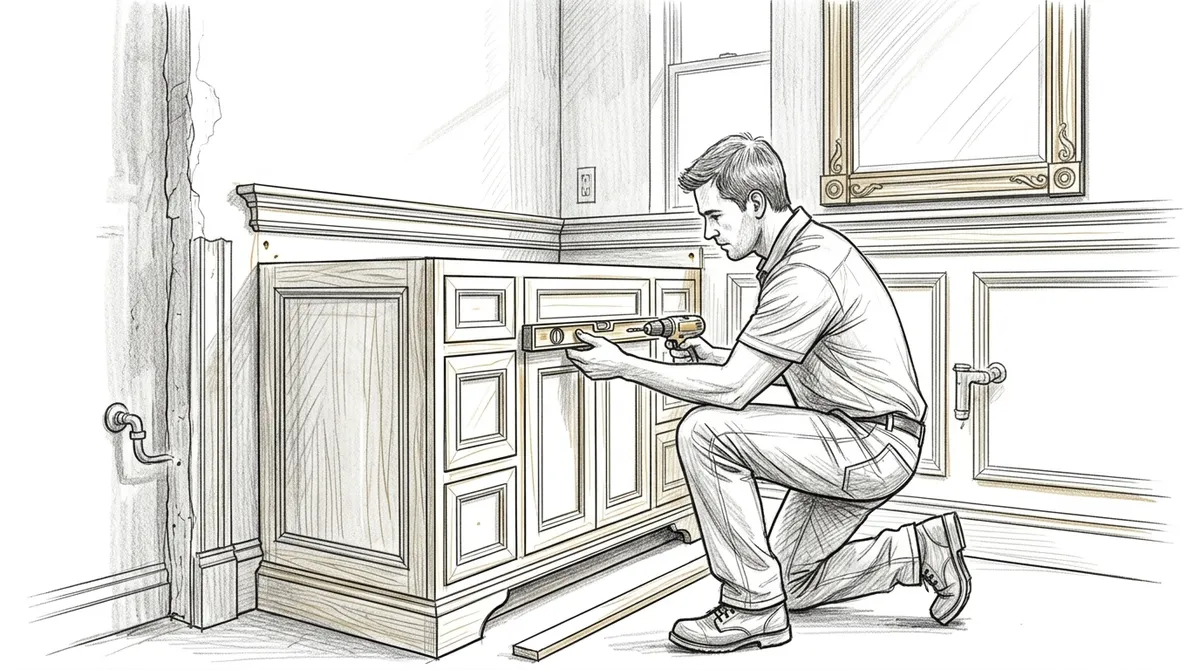
Building and installing a custom vanity is a multi-step process. Understanding each phase helps set realistic expectations for your project timeline.
- Site assessment and measurement: A carpenter visits your bathroom to take precise measurements and assess the existing layout and plumbing locations.
- Design approval: Detailed drawings or 3D renderings are reviewed and approved before any materials are ordered.
- Material selection and ordering: Wood species, hardware, and finishing materials are selected and sourced.
- Shop fabrication: The vanity is built in a controlled workshop environment for precision and quality control.
- Delivery and site preparation: The space is prepared, and old cabinetry is removed if needed.
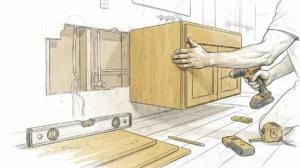
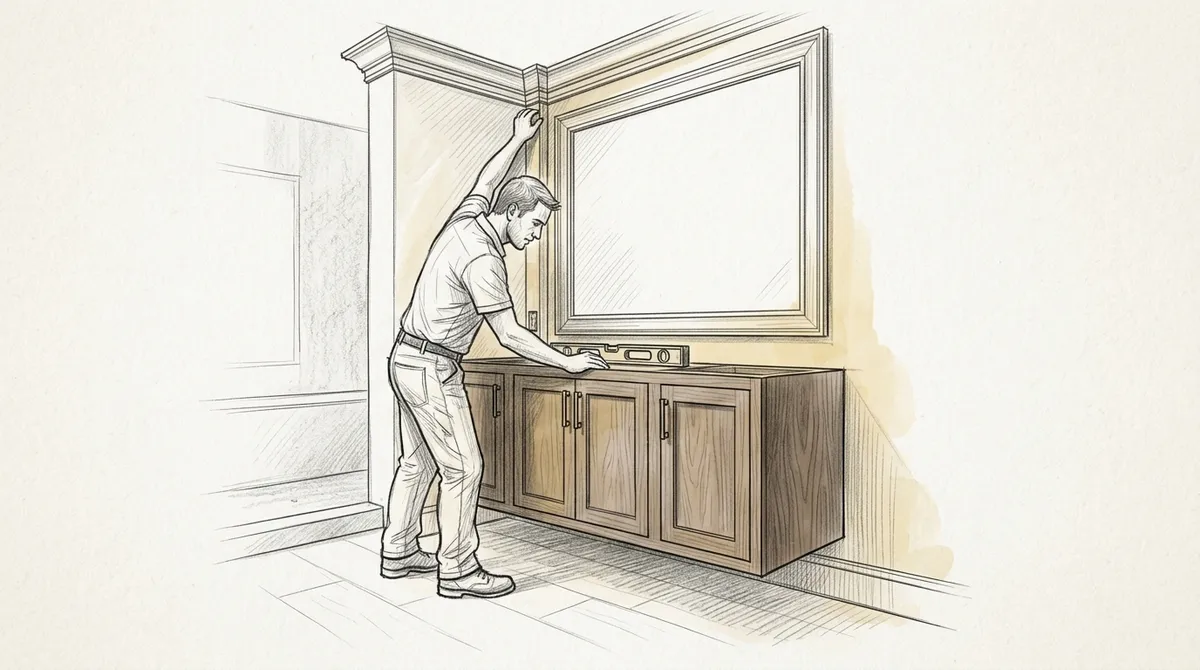
- Installation: The vanity is set, leveled, secured, and connected to plumbing access points.
- Finishing and trim: Final sanding, touch-up painting or staining, and trim installation complete the project.
Framework and Support Structure Requirements
A solid framework is essential for heavy custom vanities. Wall studs must be located and used as anchor points. For floating vanities, a reinforced ledger board or steel bracket system is installed inside the wall to carry the load safely.
Drawer Slides and Soft-Close Hardware Selection
Quality hardware makes a big difference in daily use. Undermount full-extension drawer slides allow full access to the back of every drawer. Soft-close hinges and slides prevent slamming and extend the life of the cabinetry. These small details signal true craftsmanship.
Countertop Preparation and Cutouts
The vanity top must be carefully cut for the sink basin and faucet configuration. Precise cutouts prevent water infiltration and ensure a tight fit with the countertop material. Good carpenters work closely with countertop fabricators to get this right the first time.
Integration with Existing Bathroom Architecture
New millwork should feel like it was always part of the room. Matching existing trim profiles, aligning with wall tile heights, and coordinating with door and window casings all contribute to a seamless result. Explore custom projects that show how this integration can be achieved beautifully.
Moisture-Resistant Finishes and Materials
Tampa’s humidity is one of the biggest challenges for bathroom woodwork. Choosing the right materials and finishes protects your investment for years to come.
Marine-Grade Plywood vs Standard Materials
Marine-grade plywood is manufactured with waterproof adhesive between its layers. It resists delamination in humid environments where standard plywood would eventually fail. For bathroom cabinet boxes and carcasses, marine-grade or moisture-resistant (MR) plywood is the smart choice.
- Marine-grade plywood: Highest moisture resistance; ideal for wet areas
- MR board: Good protection; more cost-effective for drier bathroom zones
- PVC trim board: Completely waterproof; great for base molding near floors
- Solid hardwood: Best for doors and drawer fronts with proper sealing
Waterproof Sealants and Edge Treatments
Raw wood edges absorb moisture quickly. All exposed edges on bathroom millwork should be sealed with waterproof edge tape or multiple coats of finish. Silicone caulk is used where wood meets tile or countertops to prevent water intrusion.
Paint and Stain Options for Humid Environments
For painted finishes, a moisture-resistant primer followed by a semi-gloss or satin paint offers the best protection. Stained finishes require a high-quality sealer or topcoat. Catalyzed lacquer finishes cure hard and resist moisture better than standard lacquers. You can also explore complementary painting services to ensure consistent, durable color throughout your bathroom.
Maintenance Requirements for Bathroom Woodwork
Proper maintenance extends the life of your bathroom carpentry significantly. Keep surfaces dry after splashing. Wipe up standing water immediately. Inspect caulk lines annually and reseal as needed. A light cleaning with a mild, non-abrasive cleaner keeps wood surfaces looking fresh.
Cost Factors for Custom Bathroom Carpentry in Tampa
Understanding what drives the cost of custom bathroom carpentry helps you plan your budget wisely. To learn more about carpentry as a trade, knowing how skilled labor and material quality intersect is key.
Material Costs for Different Wood Species
Wood species vary widely in price. Here is a general overview:
| Wood Species | Relative Cost | Best Use in Bathrooms |
|---|---|---|
| Poplar | Low | Painted cabinetry interiors |
| Maple | Moderate | Painted or stained vanity doors |
| White Oak | Moderate-High | Stained vanity fronts and frames |
| Cherry | High | Traditional stained cabinetry |
| Teak | Premium | High-moisture areas, wet zones |
Labor Pricing for Complex Installations
Custom millwork requires skilled labor, and that expertise has real value. Complex installations — like floating vanities, built-in towers, or intricate trim work — take more time and precision than simple projects. Experienced carpenters command higher rates because their work lasts longer and looks better.
Hardware and Accessory Budget Considerations
Hardware is often underestimated in bathroom budgets. Consider these common hardware items:
- Soft-close hinges and drawer slides
- Decorative pulls and knobs
- Integrated lighting for vanity mirrors
- Adjustable shelf pins and brackets
- Door bumpers and magnetic catches
Value Added to Tampa Home Resale Prices
Custom bathroom carpentry consistently adds resale value to Tampa homes. Buyers notice the quality of cabinetry, trim, and built-ins immediately. A well-executed bathroom remodeling tampa project can yield a strong return on investment, especially in competitive Tampa Bay neighborhoods. Developers and homeowners alike benefit from this value-add. Follow Bucheli Trim on Facebook for project inspiration and updates.
Working with Tampa Bathroom Remodeling Contractors
Getting the best results from your bathroom remodeling tampa project means knowing how to work effectively with skilled tradespeople.
Coordinating Carpentry with Other Trades
Carpentry is rarely the only trade involved in a bathroom remodel. Plumbers, electricians, and tile installers all need to work in sequence. A skilled carpenter communicates clearly with other trades to avoid conflicts. Rough carpentry and blocking should be completed before drywall closes up walls. Finish millwork is typically the last trade to complete their scope.
Timeline Expectations for Custom Millwork
Custom millwork takes time. Here is a general timeline breakdown:
- Design and approval: 1–2 weeks
- Material ordering and shop fabrication: 3–5 weeks
- On-site installation: 2–5 days depending on scope
- Finishing and touch-ups: 1–3 days
Permits and Code Requirements in Tampa
Most custom carpentry work in bathrooms does not require a separate permit. However, if structural modifications, electrical changes, or plumbing relocations are involved, permits are required. Always verify with your contractor and the City of Tampa’s building department before starting work.
Quality Indicators in Carpentry Craftsmanship
Knowing what to look for helps you evaluate quality. Strong craftsmanship shows in these details:
- Tight, consistent joints with no visible gaps
- Smooth, even finish coats without brush marks
- Drawers and doors that open and close smoothly
- Level and plumb installations throughout
- Clean caulk lines at all transitions
Bucheli Trim brings this level of attention to every bathroom remodeling tampa project in the Tampa Bay area. If you want the same precision for your home, find a skilled carpenter near you and see why craftsmanship makes all the difference.
Conclusion
Custom millwork is the element that separates a forgettable bathroom from one that genuinely impresses. From humidity-resistant materials to precision-built vanities and elegant wall treatments, every carpentry detail adds lasting value to your Tampa home. Whether you’re updating a master bath, a guest bathroom, or a developer spec home, investing in quality custom carpentry pays off in beauty, function, and resale value. Visit us on Google to see what Tampa homeowners are saying about our work. Ready to start planning your custom bathroom transformation? Reach out to our team today and let’s create something exceptional together.
FAQs
Q: How long does custom bathroom cabinetry typically take to build and install?
A: Custom bathroom cabinetry usually takes 4 to 7 weeks from design approval to completed installation. This includes time for material sourcing, shop fabrication, and on-site fitting. Complex projects with multiple built-ins or intricate millwork may take a bit longer.
Q: What’s the best wood type for Tampa’s humid bathroom environment?
A: Teak and white oak are top choices for Tampa bathrooms due to their natural moisture resistance. For painted cabinetry, maple and poplar with a proper sealing finish also perform very well. The key is pairing the right wood species with high-quality waterproof finishes and edge treatments.
Q: Can existing bathroom vanities be modified with custom carpentry details?
A: Yes, existing vanities can often be upgraded with custom millwork additions like new door fronts, decorative trim, framed mirror surrounds, and added crown molding. A skilled carpenter can assess what’s structurally sound and worth modifying versus replacing entirely. This is a cost-effective way to refresh a bathroom without a full remodel.
Q: How much value does custom millwork add to a bathroom remodel?
A: Custom millwork consistently increases a bathroom’s perceived value and contributes positively to home resale prices in the Tampa Bay market. Buyers are drawn to quality cabinetry, built-in storage, and polished trim details. The return on investment is particularly strong in competitive neighborhoods where buyers expect premium finishes.
Q: What maintenance is required for custom wood elements in bathrooms?
A: Custom wood bathroom elements require simple but consistent care. Wipe up water splashes promptly, inspect caulk lines once a year, and clean surfaces with a mild, non-abrasive cleaner. Avoid harsh chemicals that can break down finish coats and expose the wood to moisture damage.