Key Takeaways
-
Finding a skilled carpenter involves checking online platforms like HomeAdvisor and Angi for pre-screened professionals with verified reviews and credentials.
-
Carpentry services range from $30-$100 per hour, with project costs typically between $150-$300, depending on complexity and materials used.
-
Always request detailed written estimates from multiple carpenters, comparing not just price but overall value, experience, and portfolio quality.
-
Verify a carpenter’s licensing, insurance, and references to ensure professional competence and protect yourself from potential liability.
-
Specialized carpentry services can transform spaces through custom ceiling designs, wall enhancements, built-in furniture, and outdoor structures.
-
Ask detailed questions about experience, project timelines, communication style, and preferred techniques before hiring a carpenter.
-
Consider both labor and material costs when budgeting, understanding that custom solutions often provide better long-term value than pre-fabricated options.
When you need custom woodwork, structural repairs, or interior enhancements for your home or business, finding a qualified carpenter in your local area becomes a top priority. Whether you’re planning a kitchen remodel, installing custom cabinetry, or adding architectural details like crown molding, the search for “carpenter near me” represents the first step toward transforming your space. The challenge lies not just in finding someone available, but in identifying a craftsman who combines technical expertise with artistic vision and reliable service.
The carpentry industry has evolved significantly, with modern carpenters offering specialized services ranging from framing and structural work to fine finish carpentry and custom furniture creation. Understanding what to look for, how much services typically cost, and what questions to ask can make the difference between a mediocre result and exceptional craftsmanship that adds lasting value to your property. This comprehensive guide will walk you through everything you need to know about finding, vetting, and hiring the right carpenter for your project.
Understanding Professional Carpentry Services
Professional carpenters offer a diverse range of services that extend far beyond basic woodworking. Modern carpentry encompasses both rough carpentry—which includes framing, structural support, and foundation work—and finish carpentry, which focuses on the aesthetic details that complete a space. Framing services typically cost between $5 to $20 per square foot, depending on complexity and materials used. When searching for a carpenter, it’s essential to identify whether you need someone who specializes in structural work or someone with expertise in decorative elements.
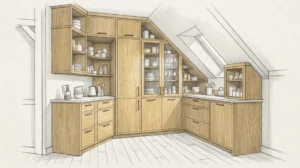
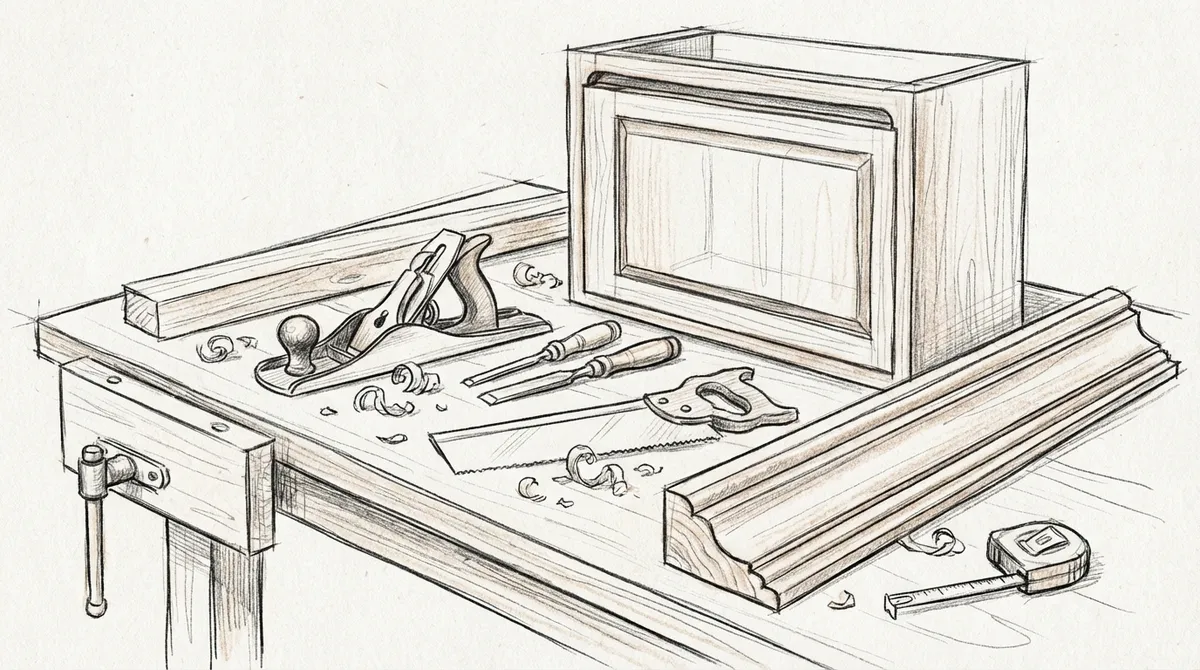
Finish carpenters excel at creating custom solutions that enhance a home’s interior appeal. These professionals handle ceiling designs, crown molding installation, wainscoting, baseboards, and custom trim work that adds character and sophistication to any room. They also create built-in furniture pieces, bookshelves, and entertainment centers that maximize space utilization while maintaining design cohesion. The attention to detail required for finish carpentry demands years of experience and a keen eye for proportions, measurements, and material selection.
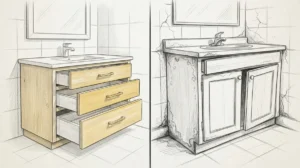
Cabinet makers and custom furniture builders represent another specialized category within carpentry. These artisans design and construct pieces tailored to specific dimensions and aesthetic preferences. Whether you need kitchen cabinets, bathroom vanities, closet organizers, or freestanding furniture, these carpenters work with various wood species and finishing techniques to create functional art pieces. Companies like Bucheli Trim LLC specialize in this level of custom craftsmanship, delivering precision-built solutions that reflect both durability and style.

What Does Professional Carpentry Cost?
Understanding carpentry pricing helps you budget appropriately and recognize fair market rates when comparing estimates. Carpenters typically charge between $30 to $100 per hour, with rates varying based on geographic location, experience level, project complexity, and specialization. In metropolitan areas like Tampa Bay, rates tend toward the higher end of this spectrum, reflecting both the cost of living and the demand for quality craftsmanship. The average carpentry project costs between $150 to $300, with a median price point around $206 for smaller jobs.
Project-based pricing offers an alternative to hourly rates for larger undertakings. For instance, installing custom cabinets might be quoted as a complete package including materials, labor, and finishing. This approach provides cost certainty and eliminates concerns about project duration. According to industry data, framing projects averaging $5 to $20 per square foot can range from a few thousand dollars for a single room to tens of thousands for whole-house framing work.
Materials significantly impact total project costs, with wood species selection making a substantial difference in pricing. Common pine or poplar trim work costs considerably less than hardwood options like oak, maple, or exotic species. Additionally, pre-fabricated versus custom-built elements affect pricing dramatically. While pre-made cabinetry might seem economical initially, custom solutions often provide better space utilization and long-term value. When requesting estimates, always clarify whether quotes include materials or represent labor-only pricing to ensure accurate comparison.
| Service Type | Average Cost Range | Pricing Model |
|---|---|---|
| Hourly Rate | $30 – $100/hour | Time-based |
| Framing Work | $5 – $20/sq ft | Per square foot |
| Small Projects | $150 – $300 | Flat rate |
| Custom Cabinetry | $500 – $1,500/linear ft | Per linear foot |
| Crown Molding | $4 – $15/linear ft | Materials + labor |
How to Find Qualified Carpenters in Your Area
The digital age has transformed how homeowners connect with local tradespeople. Multiple online platforms now facilitate carpenter searches, each offering unique features and benefits. Websites like HomeAdvisor, Thumbtack, Angi, and Bark allow you to submit project details and receive competitive quotes from pre-screened professionals. These platforms typically feature customer reviews, portfolio galleries, and verified credentials, making the vetting process more transparent and efficient.
Airtasker represents another popular option, with an average carpentry service cost of $220 (ranging from $160 to $280). The platform boasts a 4.3 out of 5-star rating based on over 9,300 reviews, indicating strong customer satisfaction. When using these services, provide detailed project descriptions including dimensions, material preferences, timeline expectations, and photos if possible. The more information you supply upfront, the more accurate the estimates you’ll receive.
Traditional referral methods remain valuable despite technological advances. Ask neighbors, friends, and family members about carpenters they’ve hired for similar projects. Personal recommendations often provide insights into work quality, reliability, and communication style that online reviews may not capture. Local hardware stores and lumber yards also maintain relationships with area carpenters and can suggest professionals who frequently purchase quality materials—an indicator of commitment to craftsmanship. Additionally, social media platforms showcase carpenter portfolios and customer testimonials, offering another avenue for discovery and evaluation.

Essential Questions to Ask Before Hiring
Thorough vetting protects you from costly mistakes and ensures your chosen carpenter possesses the qualifications necessary for your project. Start by confirming licensing and insurance status. Legitimate professionals carry general liability insurance and workers’ compensation coverage, protecting you from financial responsibility should accidents occur on your property. Request copies of these documents and verify their current status with issuing agencies. Some states require specific carpentry licenses, while others operate under general contractor licensing—research your local requirements.
Experience with similar projects matters significantly. Ask potential carpenters about comparable work they’ve completed, requesting photos or the opportunity to view finished projects in person. Inquire about their preferred wood species, joinery techniques, and finishing methods. A qualified carpenter should explain their process clearly, discussing options that balance aesthetics, durability, and budget. Pay attention to how they communicate—professionals who listen carefully to your vision and offer constructive suggestions demonstrate the collaborative approach essential for successful outcomes.
Timeline and availability discussions prevent scheduling conflicts and set realistic expectations. Ask about current project commitments and when they could realistically begin your work. Clarify estimated completion timeframes and what factors might cause delays. Discuss payment structures, including deposit requirements, progress payment schedules, and final payment terms. Reputable carpenters typically require a deposit to secure materials and scheduling, with subsequent payments tied to project milestones. Be wary of contractors demanding full payment upfront—this practice represents a significant red flag.
Evaluating Portfolios and References
A carpenter’s portfolio reveals their skill level, aesthetic sensibility, and range of capabilities. When reviewing work samples, look beyond surface-level appeal to examine craftsmanship details. Check for consistent reveals around trim work, tight joints in cabinetry, smooth finish quality, and overall precision. Quality molding details display seamless corners, consistent profiles, and flawless integration with existing architectural elements. Notice whether projects show creative problem-solving and adaptation to challenging spaces.
References provide firsthand accounts of working relationships and final results. Request contact information for at least three recent clients with projects similar in scope to yours. When speaking with references, ask about communication quality, adherence to timelines and budgets, problem-resolution approaches, and overall satisfaction with completed work. Inquire whether they would hire the carpenter again and if any issues arose during the project. Don’t hesitate to ask if the carpenter cleaned up thoroughly after each work session—job site cleanliness indicates professionalism and respect for clients’ homes.
Online review platforms offer additional perspective, though approach these with discernment. Look for patterns in feedback rather than focusing on individual comments. Consistent praise for specific qualities (punctuality, craftsmanship, communication) or recurring complaints about particular issues provide more reliable information than isolated reviews. Many established carpentry businesses maintain profiles on Better Business Bureau, where you can check ratings and review any complaint history and resolution patterns. Companies like Mr. Handyman of Des Moines, for example, showcase over 300 customer reviews demonstrating their commitment to service quality.
Comparing Multiple Estimates Effectively
Obtaining estimates from at least three different carpenters enables meaningful cost comparison and helps identify fair market pricing for your project. When requesting quotes, provide identical project specifications to each candidate, ensuring comparisons reflect true pricing differences rather than variations in scope interpretation. Written estimates should itemize materials, labor, timeline, payment schedule, and warranty information. Vague or verbal-only quotes suggest unprofessional practices and should raise concerns.
The lowest bid isn’t automatically the best choice. Unusually low estimates may indicate inferior materials, rushed workmanship, or a carpenter’s desperation for work—all potential quality concerns. Conversely, the highest bid doesn’t guarantee superior results. Focus instead on value: which carpenter offers the best combination of experience, communication, references, and pricing for your specific needs? Consider the comprehensiveness of estimates—detailed quotes demonstrating thorough project understanding often correlate with careful execution.
During estimate review, clarify exactly what’s included and excluded. Does the price cover material procurement, site preparation, cleanup, and debris removal? Are permits and inspection fees included? What happens if unexpected issues arise during work—how are change orders handled and priced? Understanding these details prevents surprise costs and disputes. Additionally, ask about warranties on both materials and workmanship. Reputable carpenters stand behind their work, offering guarantees that demonstrate confidence in their craftsmanship, such as the “Neighborly Done Right Promise” that allows customers to request corrections within one year.
Specialized Carpentry Services Worth Considering
Beyond basic repairs and installations, specialized carpentry services can transform ordinary spaces into extraordinary environments. Custom ceiling designs create dramatic focal points, adding architectural interest through coffered panels, tray ceilings, exposed beam treatments, or intricate medallion work. These elements draw the eye upward, making rooms feel more spacious and sophisticated. Skilled carpenters collaborate with homeowners and designers to create ceiling treatments that complement overall design themes while respecting structural considerations.
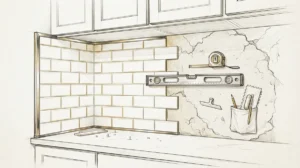
Wall enhancements offer another opportunity for customization. Wainscoting, board-and-batten treatments, picture frame molding, and built-in shelving transform plain walls into design statements. These features add texture, visual interest, and practical functionality. Built-in bookcases flanking a fireplace, window seats with storage compartments, or entertainment centers with integrated lighting exemplify how carpentry enhances both aesthetics and utility. Such installations require precise measurements, level installation, and seamless integration with existing architecture—skills that separate exceptional carpenters from average practitioners.
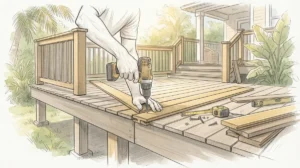
Outdoor carpentry projects expand living spaces beyond interior walls. Custom deck construction, pergolas, gazebos, and outdoor kitchen cabinetry require specialized knowledge of weather-resistant materials and construction techniques. Carpenters experienced in outdoor work understand proper flashing, drainage considerations, and material selection for longevity in exterior environments. Whether you’re creating an entertainment area, quiet retreat, or functional workspace, outdoor carpentry projects benefit from professional expertise that ensures both beauty and durability against the elements.
The Importance of Proper Licensing and Insurance
Verifying credentials protects homeowners from liability and ensures compliance with local regulations. Carpentry licensing requirements vary by jurisdiction, with some areas requiring specific trade licenses while others operate under general contractor licensing. Research your local requirements through municipal building departments or state licensing boards. Licensed carpenters have demonstrated minimum competency standards and maintain accountability through regulatory oversight. They also typically stay current with building codes and safety regulations that affect their work.
Insurance coverage represents equally critical protection. General liability insurance covers property damage and injuries that might occur during work, while workers’ compensation protects you from financial responsibility if a carpenter or their employee gets injured on your property. Request certificates of insurance and verify coverage directly with insurance providers—don’t rely solely on contractor assurances. Adequate coverage limits should reflect project size and potential risks. Working with uninsured carpenters might save money initially but exposes you to potentially devastating financial liability.
Building permits ensure work meets safety standards and local codes. While not all carpentry projects require permits, structural modifications, additions, and certain installations do. Professional carpenters understand permit requirements and can either obtain necessary permits themselves or guide you through the process. Permitted work provides documentation for future property sales and ensures inspections verify safe, code-compliant construction. Skipping permits to save time or money can result in fines, mandatory work removal, insurance claim denials, and complications when selling your property.
Understanding Carpentry Contracts and Agreements
Written contracts establish clear expectations and protect both parties throughout the project. Comprehensive agreements should detail project scope, specific materials (including brands and grades), start and completion dates, payment schedule, change order procedures, and warranty terms. The contract should also address job site cleanliness, working hours, parking arrangements, and facility access. Both parties should sign and date the document, with each retaining a copy for reference.
Payment terms typically include a deposit (usually 10-30% of total cost) to secure scheduling and purchase materials, with subsequent payments tied to project milestones. Common structures include payments at 25%, 50%, and 75% completion, with final payment due upon satisfactory project completion and cleanup. Never make final payment until you’ve thoroughly inspected work and confirmed satisfaction. Legitimate contractors understand this standard practice and won’t pressure premature payment. Be cautious of payment demands that seem front-loaded or disproportionate to work completed.
Change order provisions address inevitable adjustments that arise during projects. Even with thorough planning, unexpected conditions or client preference changes may necessitate modifications. The contract should outline how change orders are documented, priced, and approved. Require written change orders specifying additional costs, timeline impacts, and scope modifications before authorizing extra work. This documentation prevents disputes and ensures you’re not charged for unapproved modifications. Professional carpenters maintain transparent communication about changes and their implications.
Red Flags to Watch for When Hiring
Certain warning signs indicate potential problems with a carpentry contractor. Pressure tactics demanding immediate decisions or deposits suggest desperation rather than confidence. Legitimate professionals understand that homeowners need time to review estimates, check references, and make informed choices. Be wary of carpenters who discourage comparison shopping or disparage competitors without specific, verifiable reasons. Quality craftsmen welcome competition because they’re confident in their value proposition.
Lack of proper documentation raises serious concerns. Contractors unable or unwilling to provide proof of insurance, licensing, references, or written estimates likely operate unprofessionally. Similarly, reluctance to provide detailed contracts or insistence on handshake agreements creates vulnerability to disputes and misunderstandings. Professional carpenters maintain organized business practices including proper documentation, because they understand these protect everyone involved.
Unusually low bids warrant scrutiny. While everyone appreciates competitive pricing, estimates significantly below market rates may indicate corner-cutting through inferior materials, rushed work, or inexperience. Some unscrupulous contractors underbid to secure jobs, then inflate costs through change orders or abandon projects incomplete. Others lack proper insurance or licensing, reducing their overhead but increasing your risk. When an estimate seems too good to be true, investigate thoroughly before proceeding. Trust your instincts—if something feels off during initial interactions, it’s better to continue your search than risk disappointment.
Maximizing Value from Your Carpentry Investment
Strategic planning ensures carpentry projects deliver maximum return on investment. Start with clear vision and priorities. Create inspiration boards showcasing design preferences, collect measurements, and identify must-have versus nice-to-have elements. This preparation enables productive initial consultations where carpenters can provide accurate estimates and valuable suggestions. Consider phasing large projects to spread costs over time while maintaining design continuity. For example, complete custom projects in primary living areas first, then tackle secondary spaces as budget allows.
Material selection significantly impacts both aesthetics and longevity. Consult with your carpenter about wood species appropriate for your application and environment. While exotic hardwoods create stunning visual impact, they require specific care and may not suit all applications. Similarly, engineered materials sometimes offer superior stability and cost-effectiveness compared to solid wood. Professional carpenters guide these decisions based on experience with various materials’ performance characteristics. Don’t hesitate to ask about maintenance requirements—understanding long-term care helps preserve your investment.
Quality installation matters as much as material quality. Even premium materials installed poorly will disappoint, while standard materials expertly installed can exceed expectations. This reality underscores the importance of hiring skilled carpenters rather than attempting ambitious DIY projects or hiring unlicensed handymen. Companies like Bucheli Trim LLC demonstrate this principle through their commitment to precision craftsmanship that honors both materials and design vision. When you invest in professional carpentry, you’re purchasing not just materials but expertise, experience, and accountability.
Maintaining Relationships with Quality Carpenters
When you find a carpenter who delivers excellent work, cultivate that relationship for future projects. Repeat clients often receive preferential scheduling and pricing since established relationships reduce marketing costs and evaluation time. Keep your carpenter’s contact information readily available for maintenance questions, minor repairs, or future renovations. Many carpenters appreciate referrals to friends and neighbors, sometimes offering discounts or priority scheduling as thanks for recommendations that help grow their business.
Regular maintenance preserves carpentry investments and prevents minor issues from becoming major problems. Ask your carpenter about appropriate care for installed work, including cleaning methods, refinishing schedules, and adjustment procedures for items like doors and drawers. Establishing maintenance routines extends the life and appearance of custom woodwork. Some carpenters offer periodic inspection and touch-up services, addressing wear before it becomes noticeable. These maintenance relationships ensure your investment continues delivering value for years.
Share feedback with your carpenter after project completion. Positive reviews on their website, Google Business Profile, or relevant platforms help them attract future clients while assisting other homeowners in their search for quality craftsmen. If issues arose during your project, constructive feedback enables improvement while maintaining professional relationships. Most dedicated carpenters appreciate honest input that helps them refine their processes and customer service. Visit us on Google to see how customer feedback shapes service delivery and builds community trust.
Conclusion: Finding Your Perfect Carpentry Partner
Locating a skilled carpenter near you requires research, due diligence, and clear communication, but the effort yields transformative results for your property. By understanding service categories, typical pricing structures, and evaluation criteria, you position yourself to make informed decisions that balance quality, cost, and aesthetic goals. Remember that the cheapest option rarely provides the best value, while the most expensive doesn’t guarantee superior results. Instead, focus on finding a carpenter whose experience, communication style, and craftsmanship align with your project requirements and expectations.
The carpentry profession encompasses remarkable diversity, from structural framing to artistic finish work, each requiring distinct skills and approaches. Whether you need flooring installation, custom cabinetry, architectural trim, or comprehensive renovations, specialized expertise ensures optimal results. Take time to review portfolios, check references, verify credentials, and compare detailed estimates. These steps might seem time-consuming initially, but they prevent costly mistakes and disappointments that result from hasty hiring decisions.
Quality carpentry transforms houses into homes, adding character, functionality, and value that endure for decades. When you invest in professional craftsmanship, you’re creating environments that reflect your taste while benefiting from expertise developed through years of training and experience. The right carpenter becomes a trusted partner in realizing your vision, offering creative solutions to challenges and executing work with precision and pride. Start your search today with confidence, knowing that thorough evaluation and clear communication will connect you with a skilled professional ready to bring your carpentry project to life. Contact a qualified carpenter to discuss your vision and take the first step toward transforming your space with expert craftsmanship.
FAQs
Q: How much does it typically cost to hire a carpenter near me?
A: Professional carpenters typically charge between $30 to $100 per hour depending on location, experience, and project complexity. Most small to medium projects range from $150 to $300, with an average cost around $206. Larger projects like framing work cost approximately $5 to $20 per square foot, while custom cabinetry may run $500 to $1,500 per linear foot including materials and installation.
Q: What credentials should I verify before hiring a carpenter?
A: Always verify that your carpenter holds appropriate licensing required in your jurisdiction, carries current general liability insurance, and maintains workers’ compensation coverage. Request copies of these documents and confirm their validity directly with issuing agencies. Additionally, check their Better Business Bureau rating, online reviews, and ask for references from recent clients with similar projects.
Q: How many estimates should I get before choosing a carpenter?
A: Industry best practice recommends obtaining at least three detailed written estimates from different carpenters. This allows you to compare pricing, understand market rates, evaluate different approaches to your project, and assess communication styles. Ensure all contractors bid on identical specifications so you’re making true comparisons rather than evaluating different scope interpretations.
Q: What’s the difference between rough carpentry and finish carpentry?
A: Rough carpentry focuses on structural elements like framing, floor joists, roof trusses, and foundational support—the “bones” of a building that aren’t typically visible in the finished space. Finish carpentry involves aesthetic details like crown molding, baseboards, custom cabinetry, trim work, and built-ins that provide the polished appearance and architectural character of completed rooms.
Q: How long does a typical carpentry project take to complete?
A: Project duration varies significantly based on scope and complexity. Simple repairs or installations like door hanging might take a few hours, while custom cabinetry installation could require several days. Comprehensive renovations involving multiple rooms may span weeks or months. During estimates, ask for realistic timelines and discuss factors that might cause delays, ensuring your carpenter can commit to your scheduling needs.