Key Takeaways
-
Custom ceilings transform spaces by combining aesthetics, functionality, and innovative materials like Wood-Plastic Composite (WPC), gypsum, and metal.
-
Choose ceiling materials strategically based on specific needs like moisture resistance, acoustic performance, and design flexibility.
-
WPC ceilings offer excellent durability, thermal insulation, and eco-friendly design while mimicking natural wood aesthetics.
-
Gypsum ceiling systems provide fire resistance, acoustic benefits, and incredible design versatility for creating intricate patterns.
-
Metal ceiling tiles deliver long-lasting performance, easy maintenance, and light-reflecting properties suitable for various environments.
-
Different ceiling styles like tray, coffered, and cathedral ceilings dramatically alter room perception and architectural character.
-
PVC ceiling solutions excel in moisture-prone areas, offering affordable, low-maintenance, and easy-to-install options with modern finishes.
When most people think about home renovations or interior design upgrades, walls, floors, and furniture typically dominate the conversation. Yet one of the most overlooked surfaces in any space holds tremendous potential for transforming the entire atmosphere of a room: the ceiling. Custom ceilings represent far more than simple overhead coverings—they are architectural statements that combine functionality, aesthetics, and innovation. Whether you’re a homeowner seeking to add character to your living spaces, an interior designer pursuing creative visions, or a real estate developer looking to differentiate properties, understanding custom ceilings opens doors to remarkable design possibilities. These tailored ceiling solutions address specific aesthetic preferences, functional requirements, and acoustic needs using diverse materials and styles that standard ceilings simply cannot match.
The ceiling industry has evolved dramatically over recent decades, moving beyond basic drywall or drop ceiling tiles to embrace sophisticated materials and intricate designs. Today’s custom ceilings incorporate advanced materials like Wood-Plastic Composite (WPC), gypsum, metal, PVC, and mineral fiber—each offering distinct advantages for different applications. From residential homes to commercial offices, restaurants to theaters, custom ceiling solutions provide property owners and design professionals with unprecedented flexibility to create spaces that truly reflect their vision while delivering practical benefits like improved acoustics, energy efficiency, and fire resistance.
## Understanding Custom Ceiling Fundamentals
Custom ceilings differ fundamentally from standard ceiling installations by offering tailored solutions designed to meet specific aesthetic, functional, and acoustic requirements. Unlike conventional flat drywall ceilings that serve primarily as structural necessities, custom ceilings are intentionally designed elements that contribute significantly to a space’s overall character and performance. These specialized ceiling systems can be crafted in various shapes, sizes, and configurations—including curves, perforations, and non-standard dimensions—allowing architects and designers to create unique architectural features that enhance both visual appeal and practical functionality.
The concept of customization extends across multiple dimensions in ceiling design. Material selection plays a crucial role, with options ranging from traditional wood and plaster to contemporary composites and metals. Design complexity varies from simple tray ceilings that add depth to elaborate coffered patterns that evoke classical architecture. Functional customization addresses specific needs such as sound absorption in home theaters, moisture resistance in basements, or thermal insulation for energy efficiency. This multifaceted approach enables property owners to optimize their overhead spaces in ways that align perfectly with their project goals and environmental conditions.
For those exploring possibilities in custom carpentry, professional ceiling design services can transform ordinary rooms into extraordinary spaces through expert craftsmanship and innovative material selection. Companies like Bucheli Trim LLC specialize in creating high-end custom ceiling installations that combine precision, style, and durability for discerning clients throughout the Tampa Bay area.
## Popular Custom Ceiling Materials and Their Benefits
The material you select for your custom ceiling dramatically impacts not only the visual outcome but also the long-term performance, maintenance requirements, and functional characteristics of the space. Modern ceiling materials have been engineered to address specific challenges while offering aesthetic versatility that previous generations of builders could only imagine. Understanding the properties, advantages, and ideal applications of each material empowers homeowners, designers, and property managers to make informed decisions that balance beauty with practicality.
Wood-Plastic Composite (WPC) Ceilings
WPC ceilings have emerged as one of the most innovative materials in contemporary ceiling design, combining the natural beauty of wood with the durability and low-maintenance characteristics of plastic polymers. This composite material offers excellent thermal insulation properties that contribute to energy efficiency by helping regulate indoor temperatures and reduce heating and cooling costs. WPC ceilings resist moisture, termites, and rot—common issues that plague traditional wood ceilings—making them particularly suitable for environments with high humidity or temperature fluctuations.
Beyond their practical advantages, WPC ceilings provide remarkable design flexibility. They can be manufactured to mimic various wood grains and finishes, offering the warm, organic aesthetic of natural timber without the associated maintenance burdens. The eco-friendly nature of WPC materials appeals to environmentally conscious builders and homeowners, as these products often incorporate recycled materials and reduce demand for virgin timber. Installation typically proves straightforward, and the material’s dimensional stability means it won’t warp, crack, or split over time as solid wood might under similar conditions.
Gypsum Ceiling Systems
Gypsum has long been a favored material for custom ceiling applications, valued primarily for its fire-resistant properties and remarkable versatility in creating intricate, elegant designs. Gypsum ceiling panels can be molded, carved, and shaped into virtually any configuration, from simple smooth surfaces to elaborate three-dimensional patterns featuring curves, domes, and decorative reliefs. This malleability makes gypsum an ideal choice for architects and designers seeking to create statement ceilings that serve as focal points within interior spaces.
The acoustic benefits of gypsum ceilings should not be overlooked. These systems provide effective sound insulation, reducing noise transmission between floors in multi-story buildings and improving overall acoustic comfort within rooms. Gypsum’s natural composition also contributes to indoor air quality, as it can help regulate humidity levels by absorbing and releasing moisture as environmental conditions change. When properly finished and painted, gypsum ceilings offer a seamless, sophisticated appearance that complements both traditional and contemporary interior design schemes.
Metal Ceiling Tiles and Panels
Metal ceiling systems bring a distinctive aesthetic and practical advantages that make them increasingly popular in both residential and commercial applications. Available in materials including aluminum, copper, tin, and stainless steel, metal ceilings offer exceptional durability, impact resistance, and longevity that can span decades with minimal maintenance. Their washable surfaces make them particularly suitable for environments where cleanliness and hygiene are priorities, such as kitchens, healthcare facilities, and food service establishments.
The installation versatility of metal ceiling tiles represents another significant advantage. These systems can be installed over existing ceilings, including dated popcorn textures, providing a quick renovation solution that avoids messy demolition work. Metal ceilings reflect light effectively, potentially reducing lighting requirements and creating brighter, more open-feeling spaces. Various finish options—from brushed and polished to painted and patinaed—allow designers to achieve looks ranging from industrial-modern to vintage-elegant, making metal ceilings adaptable to diverse aesthetic preferences.
PVC Ceiling Solutions
Polyvinyl chloride (PVC) ceiling tiles have gained substantial market share due to their exceptional moisture resistance and affordability. These lightweight panels perform particularly well in basement spaces, bathrooms, laundry rooms, and other areas prone to humidity where traditional materials might deteriorate or develop mold and mildew growth. PVC’s inherent resistance to moisture-related problems makes it a practical choice for property managers and homeowners seeking low-maintenance ceiling solutions that maintain their appearance over extended periods.
Installation simplicity ranks among PVC ceiling tiles’ most appealing characteristics. These panels typically feature interlocking or snap-together designs that enable relatively quick installation, often achievable as a DIY project for homeowners with basic carpentry skills. PVC ceilings won’t stain, warp, or sag under normal conditions, and they can be easily cleaned with standard household cleaners. While PVC may not offer the premium aesthetic of natural materials, modern manufacturing techniques have produced increasingly sophisticated finishes and textures that convincingly mimic wood, stone, and other surfaces at a fraction of the cost.
Mineral Fiber and Fiberglass Ceiling Tiles
When acoustic performance takes priority, mineral fiber and fiberglass ceiling tiles emerge as superior solutions. These materials can reduce noise levels by up to 95%, making them essential in environments where sound control matters—offices, conference rooms, theaters, recording studios, and educational facilities. The porous structure of mineral fiber tiles absorbs sound waves rather than reflecting them, significantly reducing echo and ambient noise that can impair communication and concentration.
Beyond acoustic excellence, mineral fiber ceiling systems offer practical benefits including fire resistance, sag resistance, and light reflectance that contributes to energy-efficient lighting designs. These tiles integrate seamlessly with suspended ceiling grids, simplifying installation and providing easy access to above-ceiling utilities and infrastructure. Modern mineral fiber products have evolved aesthetically, with manufacturers offering diverse textures, patterns, and edge details that complement professional interior environments while delivering the functional performance that commercial spaces require. You can learn more about material innovations at leading industry resources that track developments in ceiling technology.
## Custom Ceiling Styles That Transform Spaces
Beyond material selection, the architectural style of your custom ceiling profoundly impacts the character and perceived dimensions of a room. Different ceiling styles create distinct visual effects and emotional responses, from the intimate coziness of a coffered ceiling to the dramatic grandeur of cathedral vaults. Understanding these style options enables designers and property owners to select ceiling treatments that enhance architectural themes, complement furnishings, and achieve desired spatial perceptions.
Tray Ceilings
Tray ceilings feature a central recessed section that rises higher than the surrounding perimeter, creating a three-dimensional effect reminiscent of an inverted tray. This style adds architectural interest and perceived height to rooms without requiring major structural modifications. Tray ceilings work particularly well in master bedrooms, dining rooms, and living areas where creating a sense of elegance and spaciousness enhances the room’s function. The recessed portion can accommodate indirect lighting, chandeliers, or decorative paint treatments that further emphasize the ceiling as a design feature rather than a forgotten surface.
The versatility of tray ceilings allows for numerous variations in depth, shape, and detail. Single-level trays offer subtle sophistication, while multi-tiered versions create more dramatic visual impact. The perimeter edges can be finished with crown molding, rope lighting, or other decorative elements that accentuate the ceiling’s geometry. Property values often benefit from tray ceiling installations, as they signal attention to design detail that appeals to buyers seeking homes with distinctive architectural character.
Coffered Ceilings
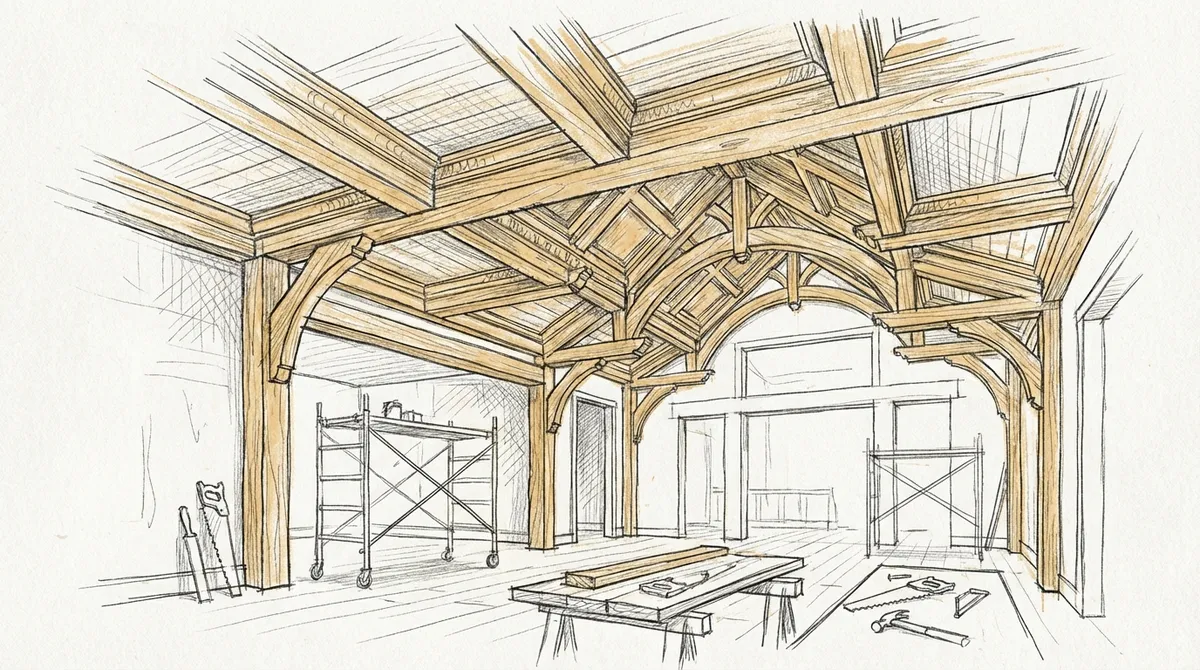
Coffered ceilings represent one of the most elegant and timeless ceiling styles, featuring a grid of recessed panels created by intersecting beams. This classical design element traces its origins to ancient Roman and Greek architecture, where it reduced the weight of stone ceilings while creating visually compelling patterns. In contemporary applications, coffered ceilings add depth, texture, and architectural gravitas to spaces ranging from traditional libraries and formal dining rooms to modern great rooms and professional offices.
Creating coffered ceilings requires precise carpentry skills and careful planning to ensure proper proportions and alignment. The beams can be constructed from solid wood, engineered lumber, or lightweight alternatives like foam or PVC that mimic wood’s appearance at reduced cost and weight. The recessed panels between beams offer opportunities for decorative treatments including contrasting paint colors, wallpaper, or metallic finishes that enhance the ceiling’s visual complexity. For those seeking the expertise required for such intricate work, custom carpentry specialists can design and execute coffered ceiling installations that perfectly complement a home’s architectural style and scale.
Cathedral and Vaulted Ceilings
Cathedral and vaulted ceilings create dramatic vertical space by following the roofline’s pitch rather than creating a flat horizontal plane. These soaring ceilings significantly alter a room’s proportions, making spaces feel larger, airier, and more open. The increased volume and natural light potential of cathedral ceilings make them particularly popular in great rooms, chapels, and primary living areas where making a strong architectural statement enhances the space’s function and appeal.
While cathedral ceilings offer undeniable aesthetic impact, they present unique design and practical considerations. The increased surface area requires more material and labor to finish, and the vertical space can pose heating and cooling efficiency challenges as warm air rises and collects near the peak. Strategic use of ceiling fans, proper insulation, and thoughtful HVAC design can mitigate these concerns. Exposed beams, tongue-and-groove wood planking, or decorative trusses often accompany cathedral ceilings, adding texture and visual interest to the expansive overhead surface while reinforcing the architectural drama that makes these ceilings so compelling.
Suspended Drop Ceilings
Suspended or drop ceilings consist of a metal grid framework suspended below the structural ceiling, with tiles or panels resting within the grid’s openings. This practical ceiling system excels in commercial applications and basements where concealing utilities, wiring, and ductwork while maintaining access to these systems proves essential. The gap between the structural ceiling and the drop ceiling accommodates mechanical systems while the finished surface below presents a clean, professional appearance.
Modern suspended ceiling systems have evolved far beyond the institutional appearance of traditional commercial tiles. Today’s options include wood-look panels, decorative metal tiles, translucent panels for lighting integration, and textured designs that rival the aesthetic appeal of traditional ceiling treatments. The acoustic benefits of quality drop ceiling tiles make them valuable in noise-sensitive environments, while the ease of individual tile replacement simplifies maintenance and repairs. For more details on different ceiling approaches, resources like industry specialists’ comprehensive guides provide valuable insights into selection criteria and performance characteristics.
Beam and Coved Ceilings
Exposed beam ceilings showcase structural or decorative beams that add rustic charm, architectural interest, and a sense of craftsmanship to interior spaces. Whether featuring authentic reclaimed timber or faux beams crafted from lightweight materials, beam ceilings create strong visual lines that draw the eye upward and emphasize a room’s proportions. This style suits a range of design aesthetics from farmhouse and industrial to Mediterranean and contemporary, depending on the beam material, finish, and spacing selected.
Coved ceilings employ curved transitions between walls and ceilings rather than sharp 90-degree angles, creating a softer, more flowing architectural effect. The gentle radius of a cove can make rooms feel more intimate and finished while providing opportunities for indirect lighting installation that washes walls with gentle illumination. Cove ceilings work particularly well in bedrooms, sitting rooms, and spaces where creating a serene, comfortable atmosphere takes priority. The curves can be achieved through specialized drywall techniques, pre-formed materials, or custom millwork depending on the desired radius and finish quality.
## Acoustic Considerations in Custom Ceiling Design
Sound quality within interior spaces significantly affects comfort, productivity, and overall environmental quality, yet acoustic performance often receives insufficient attention during design and renovation planning. Custom ceilings offer powerful opportunities to address acoustic challenges through material selection, surface treatments, and strategic design choices. Understanding how different ceiling materials and configurations affect sound behavior enables property owners and designers to create spaces with optimal acoustic characteristics tailored to their specific functions and requirements.
The science of architectural acoustics involves managing two primary sound-related phenomena: sound absorption and sound transmission. Absorption refers to materials’ ability to capture and dissipate sound energy rather than reflecting it back into a space, thereby reducing echo, reverberation, and ambient noise levels. Transmission involves sound passing through ceiling assemblies to adjacent spaces above or below. Different applications prioritize different acoustic goals—a home theater benefits from high absorption to prevent echo, while an apartment ceiling should block transmission to provide privacy between units.
Mineral fiber ceiling tiles lead the market in acoustic absorption performance, capable of reducing noise levels by up to 95% when properly specified and installed. These porous materials trap sound waves within their fibrous structure, converting acoustic energy to minimal heat through friction. The Noise Reduction Coefficient (NRC) quantifies absorption performance on a scale from 0 (perfect reflection) to 1 (perfect absorption), with quality acoustic ceiling tiles achieving NRC ratings between 0.55 and 0.95 depending on their composition and thickness.
Ceiling design also influences acoustics through shape and geometry. Parallel flat surfaces create flutter echo as sound bounces repeatedly between floor and ceiling. Angled surfaces, curves, diffusers, and textured treatments disrupt these patterns, scattering sound in multiple directions and reducing problematic reflections. Coffered and beam ceilings naturally provide some acoustic benefit through their three-dimensional surfaces, though they typically require supplementary acoustic treatment for demanding applications like recording studios or concert halls.
For residential applications, acoustic considerations vary by room function. Home offices benefit from absorption that reduces conference call echo and improves speech intelligibility. Family rooms with hard flooring need ceiling absorption to compensate for sound-reflective surfaces below. Bedrooms in multi-story homes require ceiling assemblies with good transmission blocking to ensure privacy and sleep quality. By addressing these acoustic needs during ceiling selection and design, property owners create more comfortable, functional living environments that support their intended activities without the distraction of excessive noise or poor sound quality.
## Energy Efficiency and Thermal Performance
Custom ceilings contribute significantly to building energy performance through their impact on thermal insulation, air sealing, and heat distribution. The ceiling represents a critical boundary in the building envelope where improper design or installation can result in substantial energy losses and comfort problems. Warm air naturally rises through convection, accumulating at ceiling level where inadequate insulation allows heat to escape during winter months, while poor attic ventilation and insufficient insulation permit solar heat gain during summer. Selecting ceiling materials and assemblies with appropriate thermal properties helps optimize energy efficiency while reducing heating and cooling costs.
WPC ceiling materials offer notable thermal insulation advantages compared to many alternatives. The cellular structure within these composite materials traps air, creating an insulating barrier that resists heat transfer. This characteristic makes WPC ceilings particularly valuable in spaces where temperature control matters, such as sunrooms, covered patios transitioning between conditioned and unconditioned areas, or rooms below uninsulated attic spaces. The thermal resistance (R-value) of ceiling assemblies combining WPC materials with appropriate insulation can significantly exceed that of standard drywall ceilings alone.
Beyond material selection, ceiling design affects energy performance through its impact on air circulation and stratification. Cathedral and vaulted ceilings create large vertical volumes where heated air rises well above occupied zones, potentially requiring more energy to maintain comfort at floor level. Ceiling fans help address this issue by gently circulating air and destratifying temperature layers. Beam ceilings and coffered designs create minor circulation benefits through their three-dimensional surfaces, though their energy impact remains secondary to proper insulation and air sealing.
Reflectivity represents another energy consideration in ceiling design. Light-colored ceiling surfaces reflect both natural and artificial light effectively, potentially reducing lighting energy requirements while creating brighter, more open-feeling spaces. This effect proves particularly valuable in commercial applications where lighting represents a significant operational expense. Conversely, dark ceiling treatments absorb light and may necessitate higher lighting levels to achieve adequate illumination, though they can create dramatic aesthetic effects that justify the modest energy penalty in specific design contexts.
## Installation Considerations and Professional Expertise
The complexity of custom ceiling installation varies dramatically depending on the selected style, materials, and structural requirements. While some ceiling treatments like basic tile replacement or simple suspended grid systems may suit skilled DIY enthusiasts, more elaborate custom designs typically demand professional expertise to achieve optimal results. Understanding the scope and challenges of various ceiling projects helps property owners make informed decisions about whether to hire specialists and what qualifications to seek in ceiling contractors.
Coffered ceilings exemplify installations requiring advanced carpentry skills, precise measurements, and considerable experience. Creating properly proportioned coffer patterns that align with room dimensions and architectural features demands careful planning and mathematical precision. The beam components must be securely attached to ceiling structure, perfectly leveled, and finished to exacting standards. Mistakes in layout, installation, or finishing can result in crooked beams, misaligned panels, or amateurish appearances that detract from rather than enhance a space’s character. Professional carpenters bring specialized tools, techniques, and experience that ensure coffered ceilings achieve the elegant, high-end appearance that justifies their investment.
Cathedral and vaulted ceiling installations present different challenges, often involving structural modifications and working at considerable heights. Creating a cathedral ceiling may require removing existing ceiling framing, adding structural supports, and potentially modifying roof trusses—work that absolutely requires engineering assessment and experienced builders. Finishing the sloped surfaces, installing insulation properly, and integrating lighting or other fixtures into vaulted geometries demands expertise that typical drywall contractors may lack. The safety considerations alone justify professional involvement for most cathedral ceiling projects.
Even seemingly simpler ceiling treatments benefit from professional attention to detail. Metal tile installations must account for proper backing, edge treatments, and fastener concealment to achieve clean, professional results. Acoustic ceiling systems require correct grid installation, precise tile cutting around obstacles, and careful handling to avoid damaging tiles’ surface treatments. WPC and PVC ceiling panels need appropriate fastening methods and expansion gap allowances to prevent buckling as materials respond to temperature changes.
For property owners throughout the Tampa Bay area seeking exceptional custom ceiling craftsmanship, Bucheli Trim LLC combines specialized expertise with attention to detail that transforms ordinary ceilings into architectural features. Professional installation ensures not only aesthetic excellence but also structural integrity, proper integration with mechanical systems, and long-term performance that protects your investment. You can also connect with the team through their social media presence to see examples of completed projects and stay updated on design trends.
## Customization Options and Design Flexibility
The true power of custom ceilings lies in their virtually unlimited design flexibility. Unlike standardized ceiling treatments that impose predetermined patterns and limitations, custom ceiling solutions can be tailored to accommodate unique architectural requirements, express individual aesthetic preferences, and solve specific functional challenges. This design freedom empowers architects, interior designers, and property owners to create overhead environments that truly reflect their vision and serve their spaces optimally.
Geometric customization represents one of the most compelling aspects of custom ceiling design. While standard ceiling tiles and panels come in fixed rectangular dimensions, custom fabrication enables non-standard shapes including curves, angles, circles, and irregular polygons. This capability proves invaluable in rooms with unusual dimensions, bay windows, curved walls, or other architectural features that standard materials cannot accommodate gracefully. Custom curved ceiling panels can follow the radius of barrel vaults or dome structures, creating seamless transitions that standard flat materials simply cannot achieve.
Perforation patterns offer another dimension of customization, particularly valuable for acoustic applications. Custom perforated metal or wood panels can be designed with hole sizes, spacings, and patterns optimized for specific acoustic performance targets while creating distinctive visual textures. These perforations serve dual purposes—improving sound absorption by allowing acoustic backing materials to function effectively while creating shadow patterns and visual interest through their geometric arrangements. Designers can specify perforation percentages ranging from sparse accent patterns to dense grids that maximize acoustic performance.
Color, finish, and texture customization provides nearly infinite aesthetic possibilities. Wood ceilings can be stained in any hue, from light natural tones to rich, dark finishes. Metal ceilings accept various patinas, paints, and surface treatments ranging from mirror-polished to deliberately aged appearances. Gypsum ceilings serve as blank canvases for decorative painting, faux finishing, or applied ornamental elements. Even practical materials like mineral fiber tiles now come in diverse textures and patterns that transcend the utilitarian appearance of earlier generations.
Integrated lighting represents an increasingly popular customization that transforms ceilings from passive surfaces to active design elements. Recessed cove lighting, backlit translucent panels, fiber optic star fields, and integrated LED systems can be incorporated into custom ceiling designs, creating atmospheric effects impossible with surface-mounted fixtures alone. These lighting integrations require careful planning during design phases to accommodate electrical requirements, heat dissipation, and maintenance access while achieving desired visual effects.
## Cost Considerations and Budget Planning
Understanding the financial investment required for custom ceiling projects enables realistic planning and helps property owners balance their aesthetic ambitions with budgetary constraints. Custom ceiling costs vary enormously depending on materials selected, design complexity, room dimensions, installation requirements, and regional labor rates. Developing accurate cost expectations early in the planning process prevents disappointment and ensures projects remain financially viable from conception through completion.
Material costs form the foundation of ceiling project budgets, with prices ranging from economical to premium depending on selection. PVC ceiling tiles represent budget-friendly options, often costing between two and five dollars per square foot for materials alone. Mid-range materials like quality mineral fiber tiles, basic WPC panels, or standard metal tiles typically fall between five and fifteen dollars per square foot. Premium materials including custom wood species, decorative metal finishes, or specialized acoustic products can exceed twenty to forty dollars per square foot before installation labor.
Labor costs often equal or exceed material expenses, particularly for complex custom designs requiring skilled carpentry. Simple drop ceiling installations in straightforward rectangular rooms may cost fifteen to thirty dollars per square foot for total installed pricing. More involved projects like coffered ceilings, custom wood installations, or cathedral ceiling creations can range from forty to one hundred dollars or more per square foot depending on design intricacy and finish quality requirements. These figures illustrate why obtaining detailed estimates from qualified contractors proves essential before committing to ceiling projects.
Design complexity dramatically impacts both material and labor costs. A simple tray ceiling with straight lines and standard dimensions costs substantially less than a multi-tiered design with curved transitions and integrated lighting. Coffered patterns with larger panel dimensions require fewer beams and less labor than intricate grids with small coffered sections. Cathedral ceilings in new construction cost less than retrofitting existing spaces, which may require structural modifications and extensive demolition work. Property owners can manage costs by selecting designs that balance visual impact with construction efficiency.
Hidden costs sometimes surprise property owners who focus exclusively on visible ceiling materials and installation. These additional expenses may include structural reinforcement if existing framing cannot support new ceiling weight, electrical work for integrated lighting, insulation upgrades when accessing ceiling cavities, and painting or finishing of adjacent walls disturbed during installation. HVAC modifications might prove necessary if ceiling changes affect duct layouts or register locations. Including contingency reserves of ten to twenty percent in project budgets provides cushion for unexpected discoveries or design refinements that emerge during construction.
Despite their upfront costs, custom ceilings often deliver strong returns on investment through multiple mechanisms. The distinctive character they provide can significantly enhance property values, particularly in competitive real estate markets where unique architectural features differentiate listings. Energy-efficient ceiling materials reduce ongoing operational costs through lower heating and cooling expenses. Durable materials like metal and WPC require minimal maintenance over decades, avoiding recurring refinishing or replacement expenses. For these reasons, custom ceilings should be evaluated not merely as expenses but as long-term investments in property value, comfort, and aesthetic satisfaction.
## Maintenance and Longevity of Custom Ceiling Materials
The long-term performance and maintenance requirements of custom ceilings vary significantly by material, with some options demanding regular attention while others provide virtually maintenance-free service for decades. Understanding these characteristics helps property owners select ceiling materials that align with their willingness and ability to perform ongoing maintenance while ensuring their ceiling investments retain their appearance and functionality over extended periods.
Metal ceilings rank among the lowest-maintenance options available, requiring only occasional cleaning to maintain their appearance. Most metal ceiling tiles can be wiped with damp cloths or mild cleaning solutions to remove dust and surface contaminants without risk of damage. Their inherent resistance to moisture, mold, dents, and degradation means they maintain structural integrity and appearance for fifty years or more under normal conditions. Copper and certain other metals develop natural patinas over time, creating evolving aesthetic character that many property owners consider desirable rather than problematic.
WPC ceiling materials also deliver exceptional longevity with minimal maintenance demands. Unlike natural wood that requires periodic refinishing to maintain appearance and prevent moisture damage, WPC surfaces resist fading, staining, and degradation from humidity exposure. Cleaning typically involves nothing more than wiping with appropriate cleaners, and the material won’t crack, warp, or split even in challenging environmental conditions. This durability makes WPC particularly valuable in commercial applications or rental properties where maintenance access may be limited and material resilience becomes paramount.
PVC ceiling tiles offer similar low-maintenance advantages, particularly in moisture-prone environments where traditional materials would require frequent attention or replacement. These tiles resist mold, mildew, and water damage that can plague paper-faced products in basements or bathrooms. Their smooth surfaces shed dust and can be cleaned easily, maintaining appearance with minimal effort. The lightweight nature of PVC tiles also means less stress on ceiling structures compared to heavier alternatives, potentially reducing long-term structural maintenance needs.
Wood and gypsum ceilings generally require more attention to maintain optimal appearance. Natural wood may need periodic refinishing as protective coatings wear or as wood patina develops. Gypsum surfaces can develop cracks at seams or fastener locations as buildings settle, requiring periodic touch-up and repainting. However, proper initial installation and finishing significantly reduce these maintenance demands, and many property owners find the aesthetic qualities of wood and gypsum justify occasional maintenance requirements.
Mineral fiber acoustic tiles benefit from their durability and resistance to sagging, though their porous surfaces can accumulate dust over time in some environments. Regular vacuuming with brush attachments or gentle cleaning maintains appearance without damaging the acoustic properties. Individual tiles can be replaced if staining or damage occurs, making localized repairs straightforward and economical compared to monolithic ceiling systems where damage may require extensive remediation.
## Making Your Custom Ceiling Vision Reality
Transforming ceiling concepts from inspiration to installation requires thoughtful planning, clear communication, and collaboration with skilled professionals who can execute your vision with precision and craftsmanship. Whether you’re embarking on new construction, comprehensive renovation, or targeted ceiling upgrades, following a structured approach ensures your project achieves the aesthetic impact, functional performance, and quality results you envision while avoiding common pitfalls that can compromise outcomes or inflate costs.
The planning phase establishes the foundation for successful custom ceiling projects. Begin by clearly defining your objectives—are you primarily seeking aesthetic enhancement, acoustic improvement, energy efficiency, or some combination of benefits? Gather inspiration from design resources, completed projects, and professional portfolios to identify styles, materials, and features that resonate with your preferences. Consider how ceiling design integrates with other architectural elements, furnishings, and lighting to ensure cohesive overall design rather than ceiling treatments that seem disconnected from their context.
Engaging qualified professionals early in the planning process provides invaluable expertise that can refine concepts, identify potential challenges, and develop realistic budgets before commitments solidify. Experienced ceiling contractors and custom carpenters bring technical knowledge about what’s structurally feasible, how different materials perform in various conditions, and what installation approaches optimize results. They can suggest alternatives you might not have considered, warn against problematic ideas before they cause expensive mistakes, and help prioritize elements when budget constraints require compromises.
Material selection deserves careful consideration based on your specific requirements and conditions. Evaluate options against multiple criteria including aesthetic preferences, functional needs, environmental conditions, maintenance willingness, budget constraints, and expected longevity. Request samples when possible to assess appearance, texture, and quality firsthand rather than relying solely on photographs or descriptions. Consider how materials will age and whether their evolution over time aligns with your expectations and tolerance for change.
Clear communication throughout the project prevents misunderstandings that can lead to disappointing results. Ensure you and your contractor share common understanding of design intent, material specifications, quality standards, project timeline, and budget parameters. Request detailed written proposals that specify exactly what’s included and excluded from quoted prices. Review and approve material selections, color choices, and design details before installation begins, as changes mid-project often prove expensive and disruptive.
If you’re ready to transform your space with expertly crafted custom ceilings that combine aesthetic excellence with functional performance, reach out to experienced professionals who can guide your project from initial concept through final installation. Quality craftsmanship and attention to detail make the difference between ceilings that merely cover overhead space and custom installations that elevate entire environments into something truly extraordinary.
For homeowners, designers, and property professionals throughout the Tampa Bay region seeking custom ceiling solutions that showcase precision and style, checking out customer reviews and project examples provides insight into the quality and service you can expect. The ceiling above represents more than empty space—it’s an opportunity to make a lasting architectural statement that enhances your property’s character, value, and daily enjoyment for years to come.

FAQs
Q: What are the most durable custom ceiling materials?
A: Metal ceilings (aluminum, copper, tin) and WPC (Wood-Plastic Composite) rank among the most durable options, offering 50+ years of service with minimal maintenance. These materials resist moisture, impacts, warping, and degradation while maintaining their appearance over decades. Metal tiles are washable and virtually indestructible, while WPC combines wood aesthetics with superior resistance to humidity, termites, and rot.
Q: How much do custom ceilings typically cost?
A: Custom ceiling costs vary widely based on materials and complexity. Budget-friendly PVC tiles cost $2-5 per square foot for materials, while mid-range options like WPC or metal tiles run $5-15 per square foot. Premium custom wood or intricate coffered designs can exceed $40-100 per square foot installed. Total project costs depend on room size, design complexity, and whether structural modifications are required.
Q: Can custom ceilings improve room acoustics?
A: Yes, custom ceilings dramatically improve acoustics when designed with sound absorption in mind. Mineral fiber ceiling tiles can reduce noise levels by up to 95%, making them ideal for offices, theaters, and home studios. Acoustic performance depends on material selection, with porous materials like mineral fiber and fiberglass excelling at sound absorption, while mass-loaded assemblies block sound transmission between floors.
Q: Which custom ceiling materials work best in high-humidity areas?
A: PVC and WPC ceiling materials excel in high-humidity environments like basements, bathrooms, and laundry rooms. PVC resists moisture, mold, and mildew while maintaining structural integrity in damp conditions. WPC combines moisture resistance with thermal insulation properties. Metal ceilings also perform well in humid spaces, as they won’t warp, sag, or develop mold growth that plagues moisture-sensitive materials.
Q: Do custom ceilings increase property value?
A: Custom ceilings typically increase property value by enhancing architectural character and differentiating homes in competitive markets. Coffered ceilings, tray designs, and cathedral vaults signal quality construction and attention to detail that appeals to buyers. The value increase depends on design quality, material selection, and local market preferences, with high-end custom installations often delivering strong returns on investment through increased sale prices and faster market absorption.