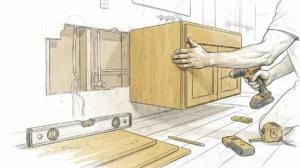
Key Takeaways
-
Local woodworking resources include professional carpentry services, community makerspaces, and educational workshops offering diverse skill-building opportunities.
-
Before searching, clearly define your woodworking goals – whether you need custom furniture, professional services, or personal skill development.
-
Professional custom carpentry services can be found through online directories, Google Business profiles, and word-of-mouth recommendations from local networks.
-
Woodworking classes range from single technique workshops ($150 per session) to comprehensive technical school programs providing full certifications.
-
Makerspaces offer affordable equipment access, typically charging around $75 monthly for 24-hour tool usage and community learning environments.
-
Evaluate woodworking instructors and service providers by examining portfolios, checking references, and verifying credentials and insurance coverage.
-
When comparing woodworking options, consider not just cost but the value proposition, focusing on quality, skill development, and long-term project goals.
Finding the right woodworking services or learning opportunities in your local area can transform your home improvement projects or hobby pursuits. Whether you’re searching for professional custom carpentry to enhance your property or seeking hands-on woodworking education, understanding what’s available near you is essential. Local woodworking resources range from high-end custom carpentry firms specializing in ceiling designs and built-in cabinetry to community makerspaces offering tool access and skill-building classes. This comprehensive guide will walk you through the process of identifying, evaluating, and selecting the best woodworking options in your area, ensuring you connect with services and opportunities that match your specific needs and skill level.
The woodworking landscape has evolved significantly in recent years, with communities across the country now offering diverse options for both professional services and educational experiences. From technical colleges providing formal carpentry certifications to casual weekend workshops teaching hand tool techniques, the accessibility of woodworking has never been greater. Understanding how to navigate these options will save you time, money, and frustration while helping you achieve exceptional results whether you’re commissioning custom work or developing your own skills.

Understanding Your Woodworking Needs and Goals
Before beginning your search for local woodworking resources, clearly defining your objectives will streamline the process and lead to better outcomes. Are you a homeowner seeking professional custom carpentry to create unique ceiling designs or elegant wall enhancements? Perhaps you’re interested in learning woodworking skills yourself through classes or makerspace access. Your specific goals will determine whether you need to search for professional craftsmen, educational programs, or community workshop spaces.
Homeowners typically seek woodworking services for custom furniture, built-in storage solutions, architectural millwork, or decorative elements that add value and character to their properties. Interior designers and architects often require skilled carpentry partners who can execute intricate design visions with precision and artistry. Meanwhile, woodworking enthusiasts may prioritize access to professional-grade equipment, instructional classes, and a community of fellow makers. Identifying which category best describes your situation will help you focus your search on the most relevant local resources.
Consider your budget constraints and timeline expectations as well. Professional custom carpentry services like those offered by Bucheli Trim LLC represent an investment in quality craftsmanship and lasting results, while woodworking classes and makerspace memberships provide ongoing value through skill development and tool access. Understanding these financial and temporal parameters early in your search will prevent disappointment and ensure realistic expectations.
Finding Professional Custom Carpentry Services
Locating skilled professional woodworkers in your area requires strategic research and careful vetting. Start by examining online directories, Google Business profiles, and local business associations specializing in construction and home improvement. Visit us on Google to see examples of how established carpentry businesses present their work and customer testimonials. Pay attention to portfolios showcasing completed projects, as these visual examples reveal the quality, style, and capabilities of potential service providers.
Word-of-mouth recommendations from neighbors, friends, and local interior designers often yield the most reliable leads for exceptional craftsmen. Real estate professionals and property managers frequently maintain networks of trusted contractors they recommend for renovations and upgrades. When evaluating professional woodworkers, inquire about their specializations—some excel at custom cabinetry, while others focus on architectural millwork, furniture building, or restoration work. Matching your project requirements with a craftsman’s expertise ensures optimal results.
Verify credentials, insurance coverage, and business longevity when considering professional services. Established businesses with strong community reputations and comprehensive portfolios demonstrate reliability and quality standards. Request detailed estimates from multiple providers, comparing not just pricing but also proposed timelines, material specifications, and communication practices. The most successful woodworking projects result from clear expectations and collaborative relationships between clients and craftsmen.
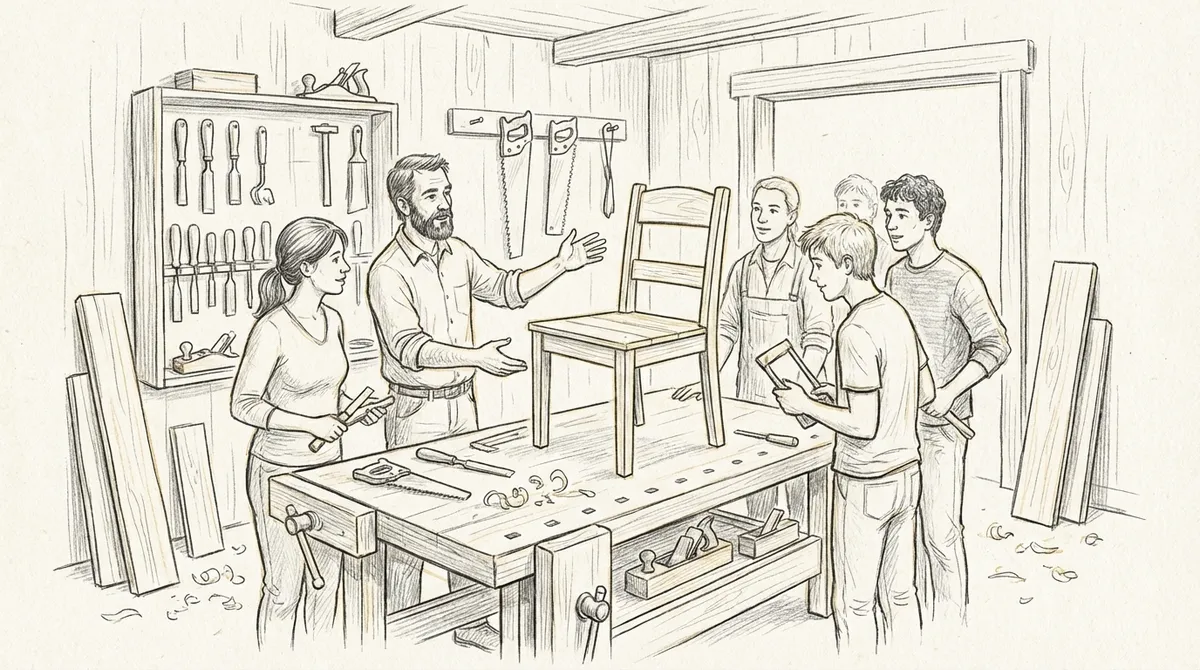
Discovering Local Woodworking Classes and Workshops
Community woodworking education has expanded dramatically, with numerous venues now offering classes for all skill levels. Woodworking supply stores frequently host instructional workshops covering specific techniques such as joinery, finishing, and hand tool proficiency. According to current offerings, these classes typically cost around $150 per session and range from beginner-friendly introductions to advanced specialized techniques. These focused workshops provide excellent opportunities to learn specific skills without long-term commitments.
Specialized woodworking schools offer more comprehensive programs covering furniture making, wood turning, and traditional joinery methods. For example, The Forge in Nashville provides woodturning classes that focus on lathe operation and wood finishing techniques, emphasizing local wood species and limiting enrollment to just three students per session to ensure personalized instruction. This intimate learning environment allows instructors to provide individualized feedback and adapt lessons to each student’s pace and learning style.
Community colleges and technical schools represent another valuable resource for structured woodworking education. Programs like TCAT Nashville’s Building Construction Technology course provide formal training spanning approximately 20 months with 2,160 clock hours of instruction for roughly $7,435 in tuition and fees. These comprehensive programs prepare students for professional carpentry careers, offering certifications and diplomas that enhance employment prospects. Whether pursuing woodworking as a hobby or career path, formal education provides systematic skill development and industry-recognized credentials.
Evaluating Class Quality and Instructor Expertise
Not all woodworking classes deliver equal value, making careful evaluation essential before investing time and money. Research instructor backgrounds, looking for professionals with extensive hands-on experience and proven teaching abilities. The best instructors combine technical expertise with patience and clear communication skills, creating supportive learning environments where students feel comfortable asking questions and making mistakes. Read reviews from former students to gauge teaching effectiveness and class organization.
Examine class curricula and learning objectives to ensure alignment with your goals. Beginner classes should cover fundamental safety practices, tool operation, and basic joinery techniques, while advanced workshops might focus on specialized skills like marquetry, carving, or complex furniture construction. Consider class size limitations—smaller groups typically provide more individualized attention and hands-on practice time. Inquire about material costs and whether tools are provided or if you need to bring your own equipment.
Visit facilities before enrolling when possible, assessing workshop cleanliness, equipment condition, and safety measures. Well-maintained workshops with quality tools and adequate lighting demonstrate professionalism and commitment to student success. Ask about ongoing support after class completion, such as access to instructional resources, alumni communities, or follow-up consultation opportunities. The best educational experiences extend beyond the classroom, fostering continued learning and skill refinement.

Exploring Makerspaces and Community Workshops
Makerspaces have revolutionized access to woodworking equipment and community learning, offering affordable alternatives to purchasing expensive tools. These collaborative workshops provide members with access to professional-grade equipment including table saws, planers, lathes, sanders, and CNC machines. Make Nashville, for example, charges a monthly membership fee of $75 for 24-hour access to comprehensive woodworking facilities along with other maker tools. This model makes high-quality equipment accessible to hobbyists and professionals alike without the significant capital investment required for personal workshop setup.
Beyond equipment access, makerspaces foster vibrant communities of makers who share knowledge, troubleshoot challenges, and inspire creative projects. Many host regular events including skill-building classes, user group meetings, and open houses that encourage networking and collaborative learning. These communities often include experienced woodworkers willing to mentor newcomers, creating supportive environments where skills develop through observation, practice, and peer feedback. The social aspect of makerspaces adds significant value beyond mere tool access.
When evaluating local makerspaces, consider proximity to your home or workplace, as convenient location increases the likelihood of regular use. Tour facilities during peak hours to observe the community culture and equipment availability. Inquire about safety training requirements, reservation systems for popular tools, and storage options for materials and projects in progress. Some makerspaces offer different membership tiers with varying access levels and privileges, allowing you to select an option matching your anticipated usage patterns and budget.
Maximizing Makerspace Membership Value
Getting the most from makerspace membership requires active engagement and strategic planning. Participate in orientation sessions and required safety training to become authorized on various equipment. Many makerspaces restrict access to certain tools until members demonstrate competency, protecting both individuals and equipment from accidents caused by inexperience. Take advantage of introductory classes and workshops offered to members, as these provide structured learning opportunities and help you connect with fellow makers.
Develop relationships with experienced members who can provide informal mentorship and project advice. Most woodworkers enjoy sharing their knowledge and take pride in helping newcomers develop skills. Attend community events and volunteer for makerspace maintenance or governance activities to deepen your connection with the organization. Regular participation helps you stay current on new equipment additions, policy changes, and upcoming educational opportunities.
Plan projects that take advantage of equipment you couldn’t otherwise access or afford. While basic power tools might be available in personal workshops, specialized equipment like wide-format planers, robust dust collection systems, or CNC routers represent significant investments that makerspaces make accessible. Coordinate your project timeline with tool availability, particularly for popular equipment that may require advance reservations. Store materials efficiently and respect shared space by maintaining cleanliness and organization.
Assessing Woodworking Service Providers and Instructors
Whether seeking professional carpentry services or educational instruction, thorough assessment protects your investment and ensures satisfactory outcomes. For professional services, request portfolios demonstrating completed projects similar to your needs. Examine craftsmanship details in photos—clean joinery, consistent finish application, and precise measurements indicate quality work. Ask for client references and follow up with phone calls or emails inquiring about communication, timeliness, problem-solving, and overall satisfaction with completed work.
Professional organizations and certifications provide additional credibility indicators. While not all excellent craftsmen pursue formal certifications, memberships in trade associations and completion of specialized training programs demonstrate commitment to professional standards and continuing education. Verify insurance coverage including general liability and workers’ compensation, protecting yourself from potential liability for accidents or property damage during projects. Licensed contractors must meet state and local requirements, providing baseline assurance of legitimacy and competence.
For educational providers, investigate institutional accreditation, instructor credentials, and graduate outcomes when evaluating formal programs. Community colleges and technical schools should maintain regional accreditation and industry partnerships that enhance curriculum relevance. Shorter workshops and classes benefit from instructor experience and positive student reviews. Request course outlines detailing specific skills and techniques covered, ensuring the instruction matches your learning objectives and current skill level.
Comparing Costs and Value Propositions
Understanding the financial implications of various woodworking options helps you make informed decisions aligned with your budget. Professional custom carpentry services represent the highest per-project costs but deliver turnkey solutions requiring no personal labor or expertise. Quality craftsmanship adds lasting value to properties through both functional improvements and aesthetic enhancements. When evaluating professional service quotes, consider material quality, project complexity, and the craftsman’s reputation and experience rather than simply selecting the lowest bid.
|
Option |
Typical Cost |
Benefits |
Best For |
|---|---|---|---|
|
Professional Services |
Project-dependent (hundreds to thousands) |
Expert execution, guaranteed results, no personal labor |
Major renovations, complex projects, time-constrained homeowners |
|
Single Classes/Workshops |
$150 per session |
Focused skill development, no long-term commitment |
Learning specific techniques, trying woodworking before deeper investment |
|
Formal Training Programs |
$7,435 for comprehensive certification (20 months) |
Career preparation, recognized credentials, systematic skill building |
Career changers, serious hobbyists seeking comprehensive education |
|
Makerspace Membership |
$75 monthly |
Equipment access, community learning, flexible scheduling |
Regular hobbyists, those lacking personal workshop space |
Educational investments provide ongoing value through skill acquisition and capability development. Single classes offer low-risk entry points for exploring woodworking interest without significant commitment. Makerspace memberships deliver exceptional value for regular users, providing access to thousands of dollars worth of equipment for modest monthly fees. Formal certification programs represent substantial investments but can facilitate career transitions or significantly enhance professional credentials for those in construction and design fields.
Calculate return on investment by considering frequency of use, project savings from self-execution, and the intrinsic value of creative fulfillment. Hobbyists who complete multiple projects annually may find that makerspace membership plus occasional classes cost less than hiring professionals for each project while providing the satisfaction of personal creation. However, complex projects requiring advanced skills or those with tight timelines often justify professional services despite higher costs.
Hidden Costs and Budget Considerations
Beyond obvious expenses, several hidden costs merit consideration when planning woodworking activities. Professional services may incur additional charges for material upgrades, design changes, or unforeseen complications discovered during work. Clarify what’s included in quotes and how change orders are handled to avoid budget surprises. Educational programs often require tool purchases, safety equipment, and materials beyond tuition costs. Review complete fee schedules and supply lists before committing to classes or programs.
Personal woodworking pursuits involve ongoing material costs, consumable supplies like sandpaper and finishing products, and potential tool purchases even with makerspace access. Certain specialized tasks may still require tool rentals or one-time purchases. Budget for these recurring expenses to avoid project delays or financial stress. Consider storage costs if working in makerspaces without adequate storage options—climate-controlled storage for valuable materials or works in progress may be necessary.
Time investment represents another significant but often overlooked cost. DIY woodworking requires substantial time commitments for planning, execution, and skill development. Professionals complete projects far more quickly than novices, making their services potentially more cost-effective when considering the opportunity cost of your time. Realistically assess whether you have adequate time and energy for hands-on woodworking given your other responsibilities and priorities.
Matching Projects with Appropriate Resources
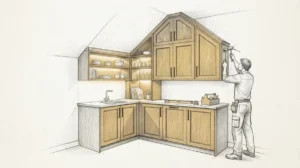
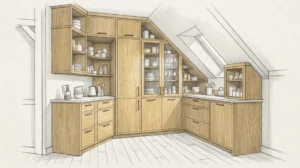
Different woodworking needs align better with specific resource types, making proper matching crucial for success. Complex architectural millwork, intricate built-in cabinetry, and projects requiring seamless integration with existing home elements typically demand professional expertise. Companies like Bucheli Trim LLC specialize in high-end custom carpentry that transforms living spaces through expert molding details and custom projects that showcase superior craftsmanship and attention to design coherence.
Simpler projects like small furniture pieces, decorative items, or basic repairs may be excellent candidates for DIY execution, particularly for those developing woodworking skills. These projects provide manageable learning experiences without the high stakes of major home modifications. Intermediate complexity projects—medium-sized furniture, storage solutions, or decorative wall treatments—can work well as supervised class projects or collaborative makerspace efforts where experienced members provide guidance.
Consider project permanence and visibility when deciding between professional services and DIY approaches. Highly visible architectural elements and permanent installations warrant professional execution to ensure they enhance rather than detract from property value. Experimental pieces, practice projects, and items for personal use can tolerate more imperfection and provide valuable learning opportunities. Match your skill level honestly with project demands, recognizing that overreaching often leads to frustration and wasted materials.
Building Long-Term Relationships with Local Providers
Establishing ongoing relationships with woodworking service providers and educational resources creates significant advantages over time. Professional craftsmen who understand your aesthetic preferences, property characteristics, and quality expectations deliver better results on subsequent projects. They become invested in your satisfaction and may offer preferential scheduling or pricing for repeat clients. Maintain these relationships through timely payment, clear communication, and referrals to friends and colleagues when appropriate.
Educational communities benefit from sustained engagement as well. Regular makerspace attendance builds familiarity with equipment, procedures, and fellow members who become valuable resources for advice and collaboration. Instructors remember dedicated students and may offer advanced learning opportunities or informal mentorship. Consistent participation in woodworking communities opens doors to group projects, material sharing arrangements, and social connections that enrich the hobby beyond mere skill development.
Document your experiences with various providers through photos, notes, and contact information for future reference. Create a personal directory of trusted professionals, favorite instructors, and helpful makerspace members. This resource becomes invaluable when planning future projects or recommending services to others. Share positive experiences through online reviews and testimonials, supporting excellent service providers and helping other community members make informed decisions.
Navigating Geographic and Accessibility Considerations
Location significantly impacts woodworking resource accessibility and utilization patterns. Urban areas typically offer more diverse options including multiple makerspaces, specialized woodworking schools, and numerous professional service providers. Suburban and rural locations may have fewer choices, potentially requiring longer travel for classes or services. Assess your willingness to travel for quality resources versus settling for more convenient but potentially less satisfactory local options.
For professional services, working with local providers familiar with regional building codes, climate considerations, and architectural styles offers advantages. They maintain relationships with local suppliers, understand permitting requirements, and can respond quickly to questions or concerns. However, exceptional craftsmanship may justify hiring providers from slightly farther distances for complex or high-value projects. Balance convenience with quality when making these decisions.
Educational resources benefit more from proximity since regular attendance becomes challenging with long commutes. Makerspaces particularly require convenient access to encourage frequent use that justifies membership costs. Consider creating or joining woodworking groups in underserved areas, potentially organizing tool sharing cooperatives or informal workshop sessions at members’ personal shops. Online communities and video tutorials supplement in-person instruction, though hands-on practice remains irreplaceable for skill development.
Leveraging Technology in Your Search
Digital tools dramatically simplify finding and evaluating local woodworking resources. Search engines return geographically relevant results for queries including location qualifiers, connecting you with nearby providers and educational opportunities. Social media platforms host woodworking groups where members share recommendations, showcase projects, and discuss local resources. Facebook pages for local businesses and makerspaces provide updates on classes, events, and special offers while allowing you to assess community engagement and customer satisfaction through comments and reviews.
Online portfolio platforms like Houzz, Instagram, and Pinterest allow craftsmen to showcase their work visually, helping you assess style compatibility and quality standards before making contact. Video platforms host numerous woodworking channels demonstrating techniques and reviewing tools, helping you develop knowledge that informs decision-making when selecting classes or evaluating professional work quality. Virtual consultations have become increasingly common, allowing preliminary project discussions without in-person meetings.
Review platforms provide aggregated customer feedback that reveals patterns in service quality, communication practices, and problem resolution. Look beyond star ratings to read detailed reviews describing specific experiences, as these provide deeper insights into what working with a provider actually entails. Be discerning about review authenticity, noting suspiciously uniform positive reviews or complaints that seem personal rather than service-focused. Balanced feedback including both strengths and weaknesses typically indicates genuine customer experiences.
Understanding Industry Trends and Future Opportunities
The woodworking industry continues evolving with technological integration, sustainability emphasis, and democratized access reshaping how people engage with the craft. CNC technology increasingly supplements traditional techniques, expanding creative possibilities and improving precision for both professional services and makerspace offerings. User group meetings focused on CNC operation provide free or low-cost learning opportunities that help enthusiasts leverage these powerful tools effectively.
Sustainability consciousness drives interest in reclaimed materials, local wood species, and environmentally responsible finishing products. Many woodworkers now emphasize material sourcing stories and ecological considerations as selling points for custom work. Educational programs increasingly address these topics, teaching students to identify sustainably harvested lumber and apply low-VOC finishes. This trend creates opportunities for craftsmen who position themselves as environmentally conscious while meeting growing consumer demand for responsible practices.
The maker movement continues expanding access to woodworking through community workshops, online education, and affordable tool options. This democratization means more people develop basic skills, potentially reducing demand for simple professional services while increasing appreciation for truly exceptional craftsmanship. Premium custom work that showcases artistry and technical excellence remains highly valued, creating opportunities for skilled professionals who differentiate themselves through superior quality and design innovation.
Taking Action on Your Woodworking Goals
Armed with comprehensive understanding of local woodworking resources, the next step involves taking concrete action toward your goals. Begin with clear objectives—defining exactly what you want to achieve helps focus your search and prevents distraction by attractive but irrelevant opportunities. If seeking professional services, compile a list of potential providers, review their portfolios, and schedule consultations with your top choices. Prepare questions about their processes, timelines, and pricing structures to facilitate productive conversations.
For educational pursuits, identify specific skills you want to develop and research classes or programs addressing those areas. Start with beginner-friendly options if you’re new to woodworking, avoiding the temptation to skip foundational learning in favor of advanced techniques. Register for introductory workshops or trial memberships that allow you to sample offerings before making larger commitments. Many makerspaces offer day passes or short-term memberships perfect for testing compatibility before annual subscriptions.
Create accountability systems that support follow-through on your intentions. Schedule specific times for classes, makerspace visits, or project work, treating these commitments as seriously as professional obligations. Join online communities or find accountability partners who share your interest, providing motivation and support during challenging learning phases. Document your progress through photos and notes, celebrating achievements and analyzing setbacks to inform continuous improvement.
Whether you’re embarking on a major home renovation requiring expert custom carpentry or beginning your personal woodworking journey through classes and community workshops, the resources exist in your local area to support success. Take time to research thoroughly, evaluate options carefully, and make informed decisions aligned with your goals, budget, and timeline. Quality woodworking—whether executed by professionals or learned through dedicated practice—represents an investment in beauty, functionality, and lasting value that enriches your environment and potentially your skillset for years to come.
Ready to transform your home with exceptional custom carpentry? The skilled craftsmen at Bucheli Trim LLC bring expertise in ceiling designs, wall enhancements, and built-in cabinetry to the Tampa Bay area, delivering the precision and artistry that distinguishes truly remarkable work. Contact our team today to discuss your project vision and discover how professional custom woodworking can elevate your living spaces.
FAQs
Q: What is the average cost of local woodworking classes?
A: Local woodworking classes typically cost around $150 per session for focused workshops covering specific techniques like joinery, hand tool use, or finishing. More comprehensive programs at technical colleges can range from $7,000 to $8,000 for complete certification courses spanning 18-20 months. Makerspace memberships offering ongoing access to equipment and classes average $75 monthly, providing excellent value for regular users.
Q: How do I choose between hiring a professional woodworker or learning to do it myself?
A: Consider project complexity, permanence, and visibility when deciding between professional services and DIY approaches. Complex architectural elements, built-in cabinetry, and highly visible permanent installations warrant professional expertise to ensure quality results that enhance property value. Simple furniture pieces, decorative items, and practice projects work well for skill development. Honestly assess your skill level, available time, and the consequences of imperfect results before committing to DIY execution of important projects.
Q: What should I look for when evaluating a professional custom carpentry service?
A: Examine portfolios showcasing completed projects similar to your needs, paying attention to joinery quality, finish consistency, and precision details. Request client references and follow up to inquire about communication, timeliness, and satisfaction. Verify insurance coverage, licensing where applicable, and business longevity. Compare detailed estimates from multiple providers, evaluating not just pricing but also proposed timelines, material specifications, and the craftsman’s understanding of your vision.
Q: Are makerspaces worth the membership cost for casual woodworking hobbyists?
A: Makerspaces provide exceptional value for hobbyists who use them regularly, offering access to thousands of dollars worth of professional equipment for modest monthly fees averaging $75. Beyond tool access, memberships include skill-building classes, community support, and networking opportunities. The investment proves worthwhile if you complete multiple projects annually or lack space for a personal workshop. However, occasional woodworkers who only pursue one or two projects yearly may find single classes or professional services more cost-effective.
Q: What types of woodworking projects are best suited for beginners?
A: Beginners should start with simple projects like cutting boards, small boxes, picture frames, or basic shelving that teach fundamental skills without overwhelming complexity. These projects introduce essential techniques including measuring, cutting, joinery basics, and finishing while producing functional items. As skills develop, progress to small furniture pieces like stools or side tables before attempting complex built-ins or architectural elements. Taking beginner classes provides structured learning environments where instructors guide project selection appropriate to skill levels.