Key Takeaways
-
Custom closet builds maximize vertical space by utilizing floor-to-ceiling storage solutions with adjustable shelving and specialized configurations.
-
Double-hanging rod systems instantly double clothing storage capacity by creating two distinct hanging zones at different heights.
-
Specialized storage solutions like pull-out shoe racks, custom dividers, and integrated lighting transform closets from basic storage into functional dressing areas.
-
Adjustable shelving provides long-term flexibility, allowing storage systems to adapt to changing wardrobe needs and lifestyle transitions.
-
Integrated accessories storage with dedicated spaces for jewelry, belts, and watches eliminates clutter and streamlines daily organization.
A custom closet build represents more than just extra storage—it’s an investment in your home’s functionality and your daily routine. Whether you’re tired of rifling through cluttered shelves or struggling to find space for seasonal clothing, a professionally designed closet system can revolutionize how you organize your life. The beauty of custom carpentry lies in its ability to adapt to your specific needs, creating solutions that off-the-shelf systems simply cannot match. From walk-in wardrobes to compact reach-in designs, the possibilities are limitless when you work with skilled craftspeople who understand both form and function. This guide explores twelve innovative custom closet build ideas that combine practical storage with aesthetic appeal, helping you maximize every square inch of available space.
1. Floor-to-Ceiling Built-In Solutions
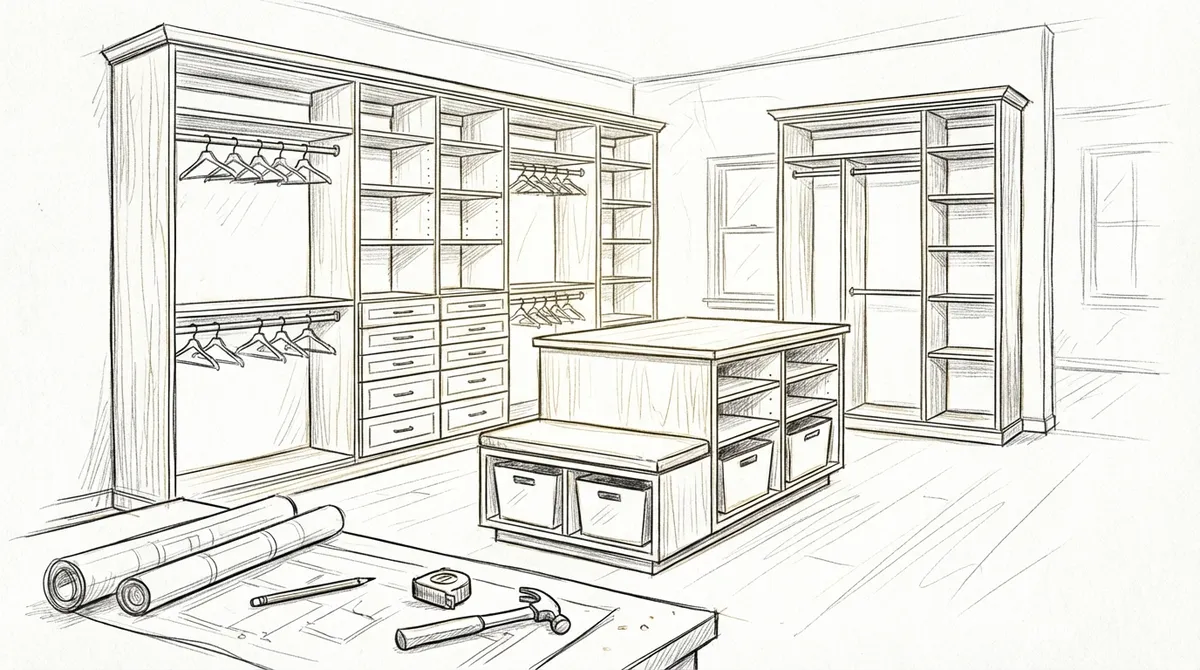
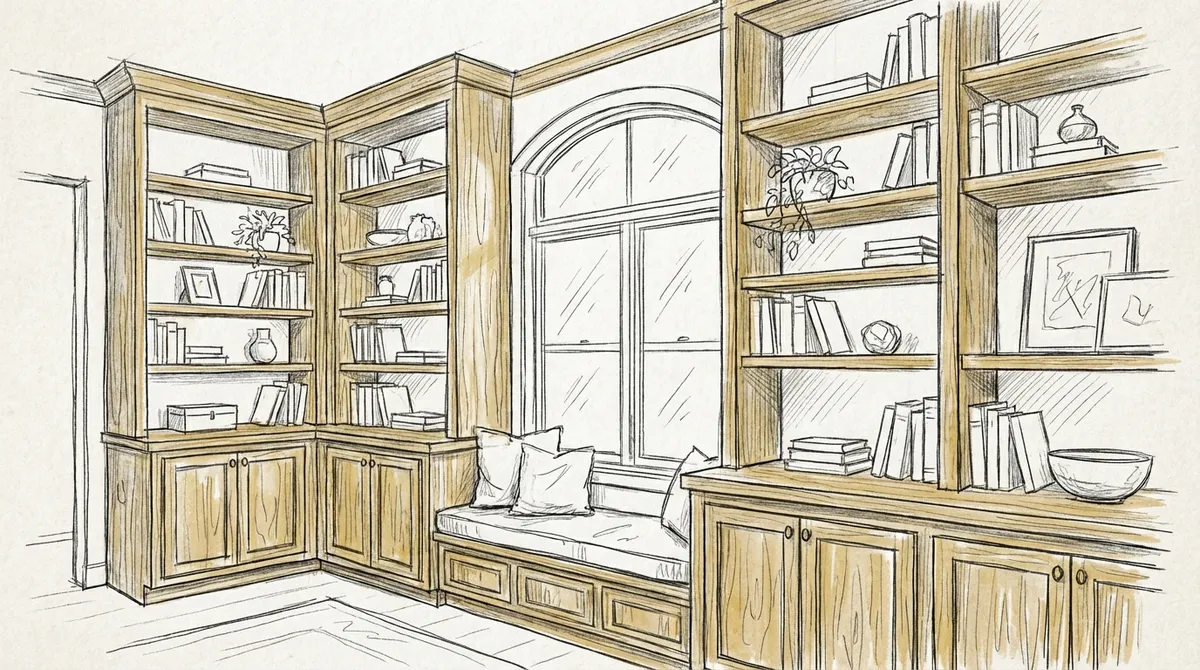
Maximizing vertical space is the cornerstone of efficient closet design. Floor-to-ceiling built-in cabinetry eliminates wasted space above standard closet rods and creates a cohesive, polished appearance. This approach works particularly well in rooms with high ceilings, where the upper storage can accommodate seasonal items, luggage, or rarely used belongings. Professional carpenters can incorporate adjustable shelving systems that adapt as your storage needs change over time, ensuring your investment remains functional for years to come.
The key advantage of this design lies in its customization potential. You can specify exact heights for hanging garments, depths for shoe storage, and widths for folded items. Built-in drawers with soft-close mechanisms add a luxury touch while protecting delicate fabrics. Consider incorporating pull-out accessories like tie racks, jewelry trays, or belt organizers to keep smaller items visible and accessible.
2. Double-Hanging Rod Configuration
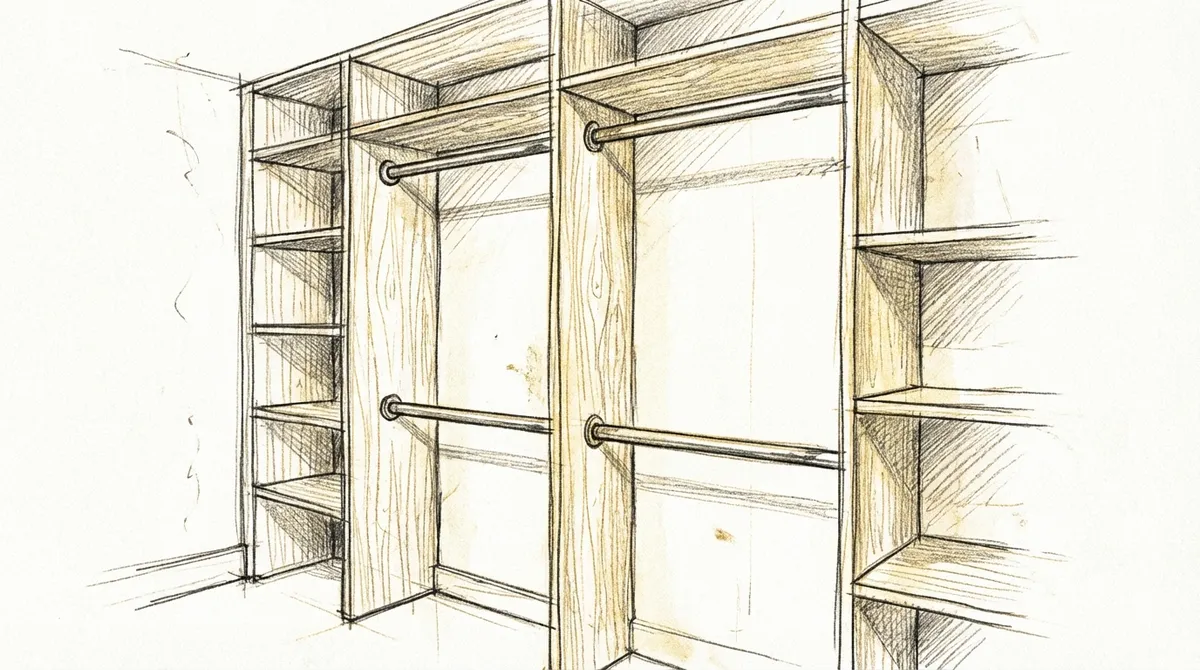
Double-hanging rods instantly double your hanging capacity without requiring additional floor space. This configuration works exceptionally well for shirts, blouses, jackets, and folded pants. By installing one rod at approximately 80 inches and another at 40 inches from the floor, you create two distinct zones that keep different garment types separated and easy to locate.
This system proves particularly valuable in smaller bedrooms where space comes at a premium. The lower rod remains easily accessible for daily wear items, while the upper rod can house less frequently worn pieces or off-season clothing. Professional installation ensures proper weight distribution and structural support, preventing sagging or failure over time.
3. Custom Shoe Storage Systems
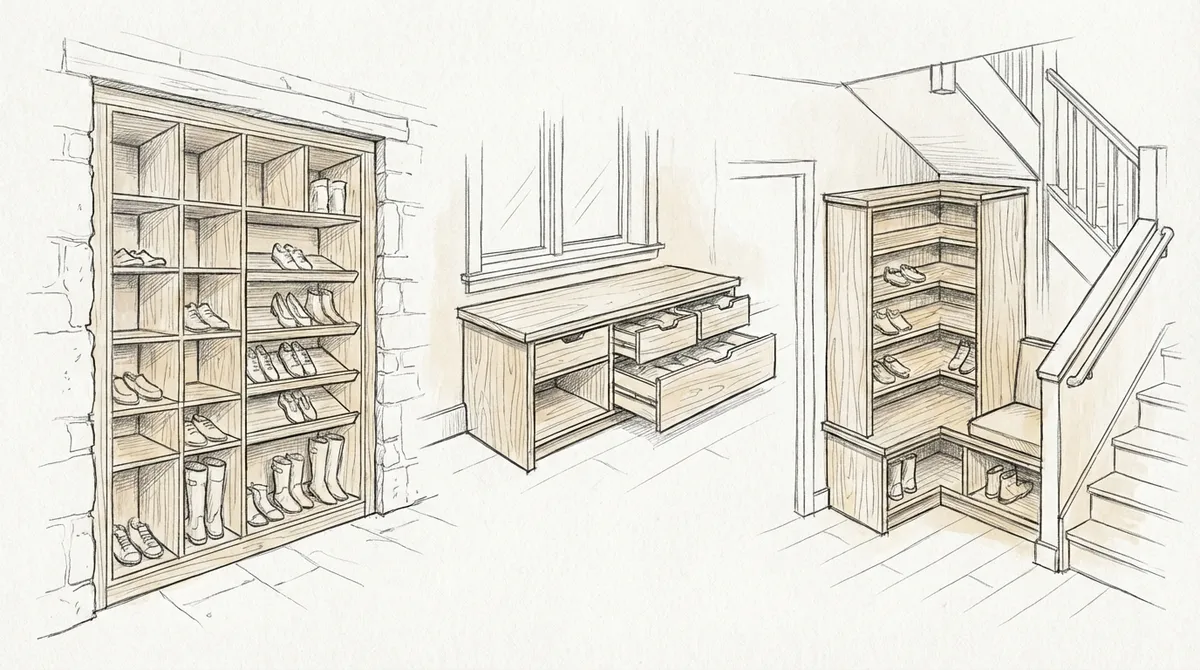
Shoe collections require specialized storage solutions that protect footwear while keeping pairs organized and visible. Custom shoe shelving can be angled to display shoes clearly, making selection effortless during busy mornings. Options include pull-out shoe racks, cubbies sized to specific shoe types, or even glass-fronted cabinets for prized collections.
| Storage Type | Best For | Capacity |
|---|---|---|
| Angled Shelves | Daily wear shoes | 20-30 pairs |
| Pull-Out Racks | Sneakers and flats | 15-25 pairs |
| Cubbies | Boots and heels | 10-20 pairs |
| Drawer Compartments | Seasonal storage | 12-18 pairs |
Dedicated shoe storage prevents damage from stacking and keeps footwear in better condition. Ventilated shelving allows air circulation, reducing odors and moisture buildup that can degrade materials over time.
4. Integrated Lighting Design
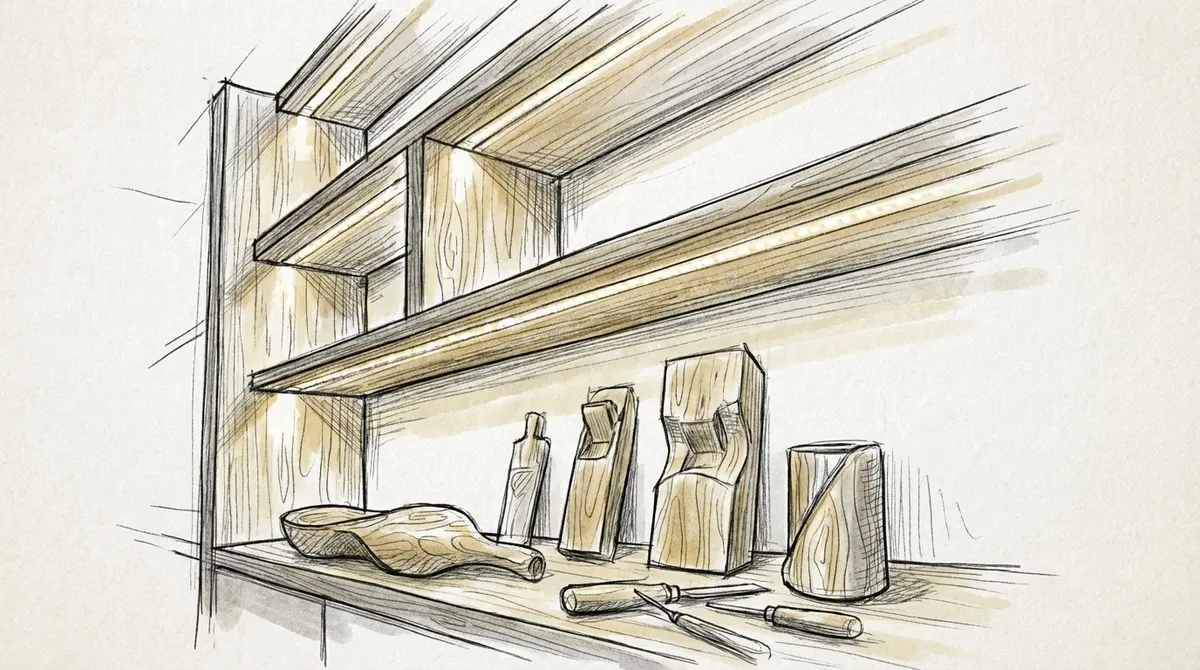
Proper illumination transforms a closet from a dark storage space into a functional dressing area. LED strip lighting installed under shelves or along hanging rods eliminates shadows and makes color matching effortless. Motion-sensor lighting adds convenience, automatically illuminating the space when you enter and conserving energy when not in use.
Consider incorporating adjustable lighting options that allow you to modify brightness levels based on time of day or task. Backlit shelving creates a boutique atmosphere while showcasing favorite accessories or handbags. Professional electricians can integrate lighting controls with your home automation system for seamless operation.
5. Drawer Systems with Custom Dividers
Drawers provide concealed storage for items that don’t hang well, including sweaters, workout gear, undergarments, and accessories. Custom dividers transform standard drawers into organized compartments that prevent items from shifting or becoming jumbled. Velvet-lined drawers protect delicate jewelry and watches, while cedar-lined options naturally repel moths and add pleasant fragrance.
The depth and height of drawers can be customized based on what you plan to store. Shallow drawers work well for accessories and folded shirts, while deeper options accommodate bulkier items like sweaters or handbags. Soft-close mechanisms ensure smooth, quiet operation that feels luxurious with every use. Quality carpentry techniques ensure drawers glide effortlessly even when fully loaded.
6. Corner Solutions and Carousel Systems
Corner spaces in walk-in closets often become dead zones that waste valuable storage potential. Custom corner solutions, including rotating carousel systems or angled shelving units, maximize these awkward areas. Lazy Susan-style mechanisms bring items from the back to the front with a simple spin, eliminating the need to reach into dark corners.
Another effective approach involves installing diagonal shelving that bridges corner spaces, creating accessible storage without sharp angles. These solutions work particularly well for handbags, hats, or folded accessories that need visibility but don’t require hanging space.
7. Adjustable Shelving for Flexibility
Life changes, and your storage needs evolve accordingly. Adjustable shelving systems feature mounting standards with movable brackets, allowing you to reconfigure shelf heights as needed. This flexibility proves invaluable when transitioning from hanging baby clothes to storing growing children’s belongings, or when downsizing and consolidating items.
- Accommodates changing wardrobe collections and seasonal rotations
- Allows experimentation with different organizational approaches
- Eliminates wasted vertical space between shelves and stored items
- Provides long-term value by adapting to future needs
- Simplifies reorganization without requiring new construction
Quality adjustable systems maintain stability and weight capacity across all configurations. Professional installation ensures mounting standards are properly anchored to wall studs, preventing failure or sagging over time.
8. Valet Rods and Temporary Hanging
Pull-out valet rods provide temporary hanging space for outfit planning or next-day preparation. These extendable rods swing out when needed and fold back flush against the wall when not in use, preserving valuable floor space. They’re particularly useful for hanging dry cleaning, airing out garments before wearing, or staging outfits for upcoming events.
Installation at waist height makes valet rods easily accessible without reaching or bending. Multiple valet rods can serve different household members or separate workwear from casual clothing. This small addition significantly enhances daily functionality without requiring major design changes.
9. Glass-Front Display Cabinets
Showcase treasured accessories, designer handbags, or collectible shoes behind glass-front cabinets that protect while displaying. This approach brings boutique elegance to personal spaces and keeps special items dust-free without hiding them away. Interior lighting enhances the display effect, creating focal points within your closet design.
Glass-front cabinets work particularly well in walk-in closets where they can be viewed from multiple angles. Choose from clear, frosted, or textured glass options depending on whether you want full visibility or subtle concealment. Quality hardware ensures doors open smoothly and stay properly aligned over time.
10. Built-In Hampers and Laundry Solutions
Integrated laundry hampers eliminate unsightly baskets and streamline the path from closet to laundry room. Pull-out hamper systems can include separate compartments for whites, colors, and delicates, making sorting effortless. Ventilated designs prevent moisture buildup and odor accumulation, keeping your closet fresh.
| Feature | Benefit |
|---|---|
| Pull-Out Access | Easy loading without lifting heavy baskets |
| Multiple Compartments | Pre-sorted laundry saves time on wash day |
| Ventilated Design | Reduces moisture and odor buildup |
| Concealed Storage | Maintains clean, organized appearance |
Consider positioning hamper systems near the closet entrance for convenient access when undressing. Removable liners make transferring clothes to the washing machine simple and hygienic.
11. Specialty Storage for Accessories
Accessories require specialized storage solutions that prevent tangling, damage, and loss. Custom built-ins can include pull-out jewelry trays with ring cushions and watch pillows, tie racks that display selections clearly, scarf organizers that prevent wrinkles, and belt hooks that keep leather goods from creasing.
- Velvet-lined jewelry drawers prevent scratching and tarnishing
- Pull-out tie racks display entire collections at a glance
- Acrylic dividers create custom compartments for small items
- Rotating accessory towers maximize storage in minimal space
- Dedicated watch winders maintain automatic timepiece accuracy
These specialized features transform daily routines by making accessories visible and accessible. No more digging through tangled jewelry boxes or searching for matching belts—everything has its designated place.
12. Mirror Integration and Dressing Areas
Full-length mirrors are essential closet features, but their placement requires careful consideration. Options include mounting mirrors on the back of closet doors, incorporating floor-to-ceiling mirrors on side walls, or installing three-way mirrors for comprehensive views. Some designs feature slide-out mirror panels that conserve space when not needed.
Creating a dedicated dressing area within or adjacent to your closet enhances functionality significantly. A small bench or ottoman provides seating for putting on shoes, while nearby hooks hold outfits being considered. Natural light from windows or quality artificial lighting ensures accurate color representation when coordinating outfits. If you’re considering a comprehensive custom closet transformation, reach out to discuss your specific needs and explore design possibilities that match your lifestyle.
Choosing Quality Materials and Finishes
The materials selected for your custom closet build directly impact durability, appearance, and long-term satisfaction. Solid hardwoods offer superior strength and timeless beauty, while engineered wood products provide stability and resistance to warping. Finish options range from natural wood stains that highlight grain patterns to painted surfaces in any color imaginable.
Hardware selection significantly affects both aesthetics and functionality. Soft-close drawer glides, pull-out shelf mechanisms, and quality hinges ensure smooth operation for years. Chrome, brushed nickel, oil-rubbed bronze, and matte black finishes allow coordination with other bedroom fixtures and personal style preferences.
Consider durability requirements based on how you’ll use the space. High-traffic closets shared by multiple family members benefit from robust materials and finishes that withstand daily wear. Guest room closets might prioritize aesthetics over heavy-duty construction.
Working with Professional Carpenters
Professional custom carpentry ensures your closet build meets exact specifications while adhering to building codes and structural requirements. Experienced craftspeople understand load-bearing calculations, proper anchoring techniques, and material selection appropriate for your climate and humidity levels.
The design consultation process begins with measuring your space and discussing storage priorities. Professional designers ask detailed questions about your wardrobe composition, organizational habits, and future plans. This information guides recommendations for hanging space, shelving ratios, and specialty features that match your lifestyle.
Quality craftspeople provide detailed proposals outlining materials, finishes, hardware, timeline, and costs. They can show samples, reference previous projects, and offer insights based on years of experience. The installation process should minimize disruption to your home while delivering meticulous attention to detail.
Maximizing Small Closet Spaces
Limited square footage doesn’t mean sacrificing organization or style. Strategic custom solutions can transform even the smallest reach-in closet into an efficiency powerhouse. Start by utilizing every inch of vertical space with stacked shelving and double-hanging configurations.
- Install shelving above the door for rarely accessed items
- Use slim-profile hangers to maximize rod capacity
- Incorporate pull-out accessories that extend functionality
- Choose light colors and reflective surfaces to create spaciousness
- Install hooks on interior door surfaces for bags and accessories
- Consider sliding doors instead of hinged to save floor space
Small closets benefit particularly from professional design expertise. Carpenters experienced in space optimization can identify opportunities you might overlook and suggest configurations that dramatically improve capacity without feeling cramped.
Maintenance and Long-Term Care
Custom closet systems require minimal maintenance when properly constructed from quality materials. Regular dusting of shelves and wiping down surfaces prevents buildup that can transfer to clothing. Wood finishes benefit from occasional conditioning with appropriate products that maintain luster without leaving residue.
Periodically inspect hardware for loose screws or alignment issues. Tighten any loose fasteners promptly to prevent progressive damage. Drawer glides and pull-out mechanisms should operate smoothly—if you notice sticking or difficulty, addressing the issue immediately prevents accelerated wear.
Cedar linings and natural pest deterrents should be refreshed annually to maintain effectiveness. Vacuum or wipe interior surfaces to remove lint, dust, and debris that accumulate over time. These simple maintenance steps ensure your custom closet remains beautiful and functional for decades.
Return on Investment Considerations
Custom closet builds represent significant home improvements that enhance both daily living and property value. Real estate professionals consistently cite quality storage solutions as attractive features for potential buyers. Well-designed closets suggest thoughtful home maintenance and attention to detail throughout the property.
The personal value extends beyond resale considerations. Time saved during daily routines, reduced clothing damage from improper storage, and the simple pleasure of organized spaces contribute to quality of life improvements that justify the investment. Many homeowners report that custom closets pay dividends every single day through enhanced functionality and reduced stress.
| Investment Level | Features Included | Best For |
|---|---|---|
| Basic | Essential shelving and rods | Rental properties, guest rooms |
| Mid-Range | Drawers, adjustable systems, basic lighting | Master bedrooms, growing families |
| Premium | Full custom features, luxury finishes, specialty storage | Walk-in closets, luxury homes |
Discuss budget parameters openly with your carpenter to identify the best value approach for your specific situation. Sometimes phased implementation allows you to spread costs while immediately improving functionality.
Conclusion
A thoughtfully designed custom closet build transforms daily routines while adding lasting value to your home. From floor-to-ceiling cabinetry to specialized accessory storage, the possibilities are limited only by imagination and available space. Professional custom carpentry ensures your investment delivers both immediate functionality and long-term durability through quality materials, expert craftsmanship, and attention to detail.
Whether you’re working with a spacious walk-in or maximizing a compact reach-in closet, the twelve ideas explored here provide starting points for creating storage solutions perfectly suited to your lifestyle. The key lies in honest assessment of your needs, thoughtful planning, and partnership with skilled craftspeople who understand both the technical and aesthetic aspects of custom closet construction.
Don’t settle for generic storage solutions that force you to adapt to their limitations. Contact our team today to discuss your custom closet vision and discover how professional carpentry can revolutionize your space. Check out our Google reviews to see how we’ve helped homeowners throughout the Tampa Bay area create beautiful, functional closets that exceed expectations. Your dream closet is closer than you think—let’s make it a reality together.
FAQs
Q: How much does a custom closet build typically cost?
A: Custom closet costs vary significantly based on size, materials, and features. Basic systems with standard shelving and rods are more affordable, while premium builds with specialized storage, quality hardwoods, and luxury finishes require larger investments. The best approach is to consult with professional carpenters who can provide detailed estimates based on your specific space and requirements.
Q: How long does it take to complete a custom closet installation?
A: Installation timelines depend on project complexity and size. Simple reach-in closets may be completed in one to two days, while elaborate walk-in systems with extensive cabinetry might require a week or more. Professional carpenters provide detailed schedules during the planning phase and work efficiently to minimize disruption to your home.
Q: Can custom closet systems be modified or expanded later?
A: Well-designed custom closets incorporate adjustable features that allow modification as needs change. Adjustable shelving systems, modular components, and expandable configurations provide flexibility for future adjustments. Discuss long-term adaptability with your carpenter during the design phase to ensure your system can evolve with your lifestyle.
Q: What materials work best for custom closet construction?
A: Material selection depends on budget, aesthetic preferences, and durability requirements. Solid hardwoods offer superior strength and timeless appearance, while engineered wood products provide stability and moisture resistance. Professional carpenters can explain the benefits of different materials and recommend options suited to your climate, usage patterns, and design vision.
Q: Do custom closets require special maintenance?
A: Custom closet systems require minimal maintenance when constructed from quality materials. Regular dusting, occasional hardware inspection, and proper use ensure long-lasting performance. Wood finishes benefit from periodic conditioning, and ventilated storage prevents moisture buildup. Professional craftspeople provide specific care instructions based on the materials and finishes used in your installation.