Key Takeaways
-
Accurate measurements are critical—professional carpenters measure multiple times and account for uneven walls/floors, as even small errors cause gaps, misaligned doors, or installation failures.
-
Choose humidity-resistant materials like sealed hardwood or plywood for Tampa Bay's climate to prevent warping, swelling, or cracking within years of installation.
-
Plan storage needs before selecting design by listing items to store and discussing daily usage patterns with your carpenter to create functional layouts.
-
Invest in quality hardware like soft-close hinges and full-extension drawer slides—these details separate custom cabinetry from mass-produced options and affect daily usability.
-
Hire experienced carpenters with proven portfolios and clear communication skills; poor installation leads to sagging doors, sticking drawers, and costly repairs.
-
Coordinate cabinets with the entire room's design including flooring, wall treatments, lighting, and architectural style to create a polished, cohesive final appearance.
Custom cabinets can transform a kitchen, bathroom, or living space into something truly special. But not every cabinet project goes smoothly. Homeowners, interior designers, and real estate developers across Tampa Bay often make small errors that lead to big headaches later. These mistakes can affect how cabinets look, function, and last for years to come.
This guide walks through seven common mistakes people make with custom cabinets. You will learn how to avoid them and get the most value from your investment. Whether you are planning a kitchen remodel, updating a bathroom vanity, or designing built-ins for a new development, this information will help you make smarter choices.
Why Custom Cabinets Matter More Than You Think
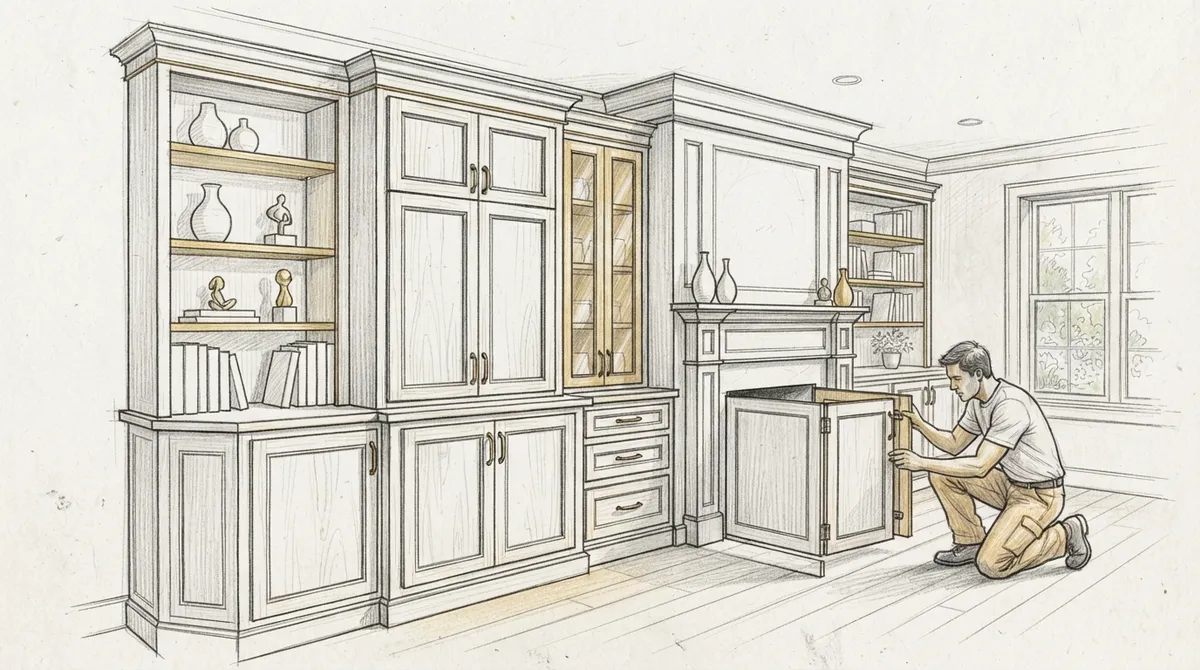
Cabinets are not just storage. They shape the entire feel of a room. Good cabinetry adds style, function, and long-term value to any property. Poor cabinetry, on the other hand, can make even a beautiful room feel unfinished.
Many homeowners underestimate how much planning goes into quality cabinet work. Interior designers know that cabinets often become the visual anchor of a space. Real estate developers understand that premium cabinetry can be the deciding factor for buyers comparing similar properties. To learn more about carpentry and how it shapes interior spaces, it helps to understand the craftsmanship behind every cut and joint.
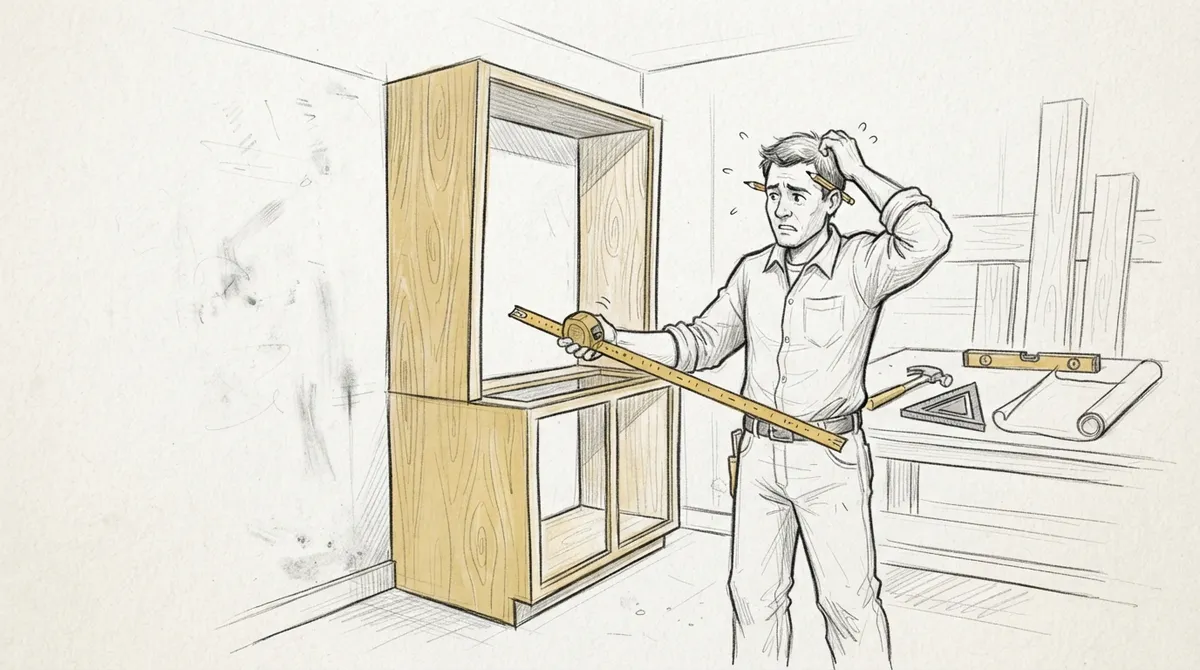
Mistake 1: Skipping Proper Measurements
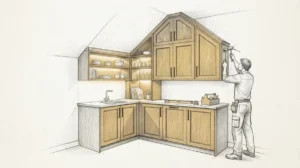
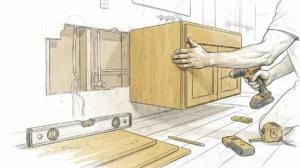
Measuring wrong is one of the most common cabinet mistakes. Even a small error can throw off an entire installation. This leads to gaps, uneven doors, or cabinets that simply do not fit the space.
Professional carpenters measure multiple times before cutting any wood. They also account for walls that may not be perfectly straight. Floors and ceilings in older homes often shift slightly over time, so accurate measuring matters even more.
- Always measure width, height, and depth separately
- Check for uneven walls or floors before installation
- Account for appliances, plumbing, and electrical outlets
- Leave room for doors and drawers to open fully
- Double-check measurements before ordering materials
Mistake 2: Choosing the Wrong Materials
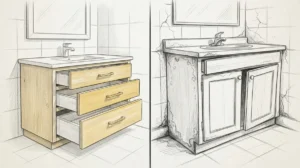
Not all wood and finishes work the same way in every environment. Tampa’s humid climate can affect certain materials more than others. Choosing the wrong type of wood or finish can lead to warping, swelling, or cracking within a few years.
Solid wood, plywood, and engineered materials each have different strengths. Some hold up better in humid bathrooms or kitchens near water sources. A skilled carpenter can guide you toward the best option for your specific space and climate needs.
Common Material Options for Custom Cabinets
| Material | Best For | Durability in Humidity |
|---|---|---|
| Solid Hardwood | High-end kitchens and living rooms | Good with proper sealing |
| Plywood | Bathrooms and laundry rooms | Excellent moisture resistance |
| MDF (Medium-Density Fiberboard) | Painted cabinet fronts | Moderate, needs sealing |
| Particleboard | Budget-friendly interior shelving | Poor in high humidity |
Mistake 3: Ignoring Storage Needs Before Design
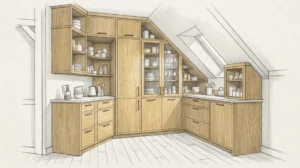
Many people choose cabinet styles before thinking about how they will actually use the space. This backwards approach often leads to wasted space or cabinets that look great but function poorly.
Before choosing a design, think about what will go inside. Kitchen cabinets need different storage than bathroom vanities or media room built-ins. Planning storage first helps carpenters design cabinets that truly serve your daily life.
Steps to Plan Cabinet Storage Correctly
- List everything that needs to be stored in the space
- Group items by size and how often you use them
- Decide which items need easy access versus deep storage
- Discuss these needs with your carpenter before design begins
- Review the final layout to confirm it meets your daily habits
This is especially important for real estate developers building homes for future buyers. A well-planned kitchen with smart custom cabinets can be a strong selling point that sets a property apart from others on the market.
Mistake 4: Overlooking Hardware and Finishing Details
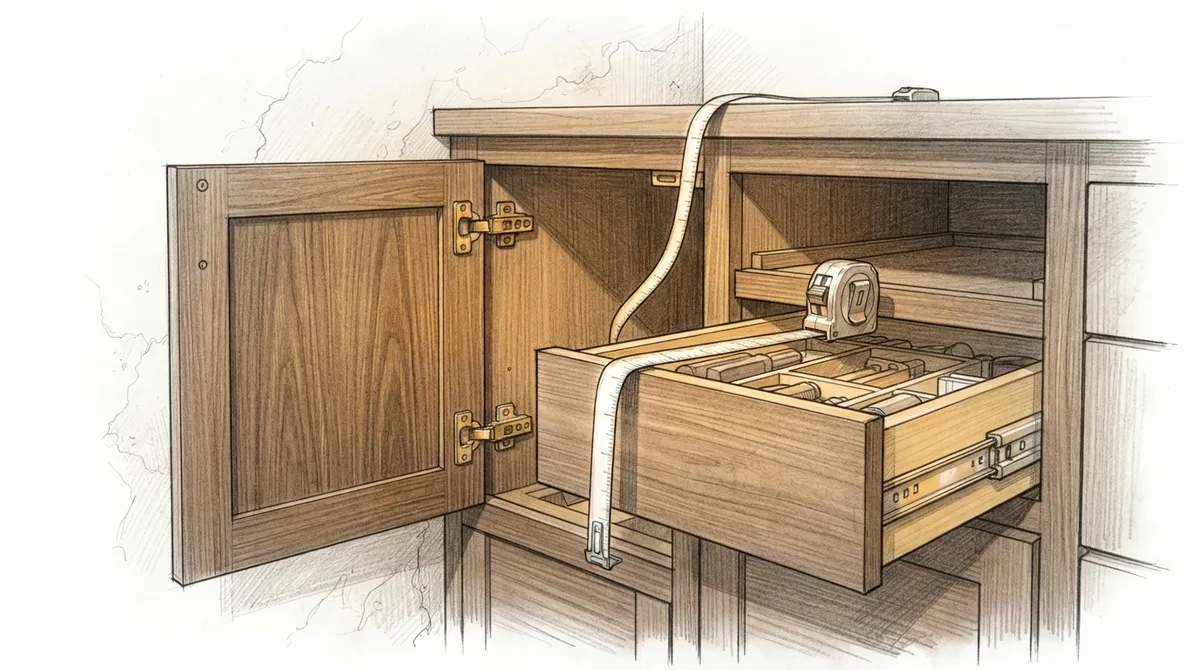
Cabinet boxes and doors get most of the attention, but hardware matters just as much. Hinges, drawer slides, and handles affect how cabinets feel every single day. Cheap hardware wears out fast and can make even beautiful cabinets feel low quality.
Soft-close hinges and full-extension drawer slides add comfort and durability. These small details often separate custom cabinetry from mass-produced options. Pairing quality cabinets with thoughtful molding details also creates a more finished, cohesive look throughout the room.
- Choose soft-close hinges for quieter, longer-lasting doors
- Select full-extension drawer slides for easier access
- Match hardware finish to other fixtures in the room
- Consider hardware placement for comfortable daily use
Mistake 5: Not Hiring an Experienced Carpenter
Custom cabinets require skill that goes beyond basic woodworking. Many homeowners try to save money with inexperienced installers, only to face costly repairs later. Poor installation can cause doors to sag, drawers to stick, or entire units to pull away from the wall.
Interior designers often work closely with trusted carpenters to bring their vision to life accurately. Experienced professionals understand structural support, weight distribution, and how to work around existing home features. This is why many designers and developers in Tampa Bay rely on Bucheli Trim for cabinetry that matches both function and style.
What to Look For in a Cabinet Carpenter
- Proof of experience with custom cabinetry projects
- A portfolio showing similar past work
- Clear communication about timelines and process
- Willingness to explain material and design choices
- Positive feedback from previous clients
You can explore examples of finished work through custom projects completed for homeowners across the region. Seeing real results helps set clear expectations before starting your own project.
Mistake 6: Forgetting About the Whole Room Design
Cabinets do not exist in isolation. They interact with flooring, walls, lighting, and other features in the room. Choosing cabinets without considering the full space often leads to a mismatched final look.
For example, cabinet color and style should complement nearby flooring choices and wall treatments. Pairing cabinetry with well-designed wall enhancements creates a more balanced, professional appearance. Interior designers especially value carpenters who understand how to blend cabinetry with the rest of a room’s design.
Elements That Should Match Your Cabinet Design
- Flooring color and material
- Wall paint or paneling style
- Ceiling design and height
- Lighting fixtures and placement
- Overall home architectural style
Homes with coordinated ceiling features, like those found in ceiling designs, often feel more polished when paired with matching cabinetry throughout the home.
Mistake 7: Skipping Long-Term Maintenance Planning
Even the best custom cabinets need care over time. Some homeowners forget to ask about maintenance before installation is complete. This can lead to premature wear, especially in high-use kitchens or humid bathrooms.
Ask your carpenter about proper cleaning methods for your chosen materials. Certain finishes require specific products to avoid damage. Others may need periodic resealing to maintain moisture resistance, especially important in Florida’s climate.
Simple Maintenance Tips for Custom Cabinets
- Wipe spills immediately to prevent moisture damage
- Use gentle cleaners recommended for your cabinet finish
- Check hinges and slides yearly for smooth operation
- Avoid excessive heat or steam near wood surfaces
- Schedule occasional inspections for early problem detection
Some developers also pair cabinetry with durable flooring options like epoxy floors, which resist moisture and wear in high-traffic areas. Learning more about epoxy as a material can help when planning garages, laundry rooms, or utility spaces near cabinetry.
How Custom Cabinets Compare to Store-Bought Options
Many homeowners wonder if custom cabinets are really worth the extra planning. The table below breaks down key differences between custom and store-bought cabinetry.
| Feature | Custom Cabinets | Store-Bought Cabinets |
|---|---|---|
| Fit and Sizing | Built exactly for your space | Standard sizes only |
| Material Choice | Wide range of options | Limited selection |
| Design Flexibility | Fully customizable | Few style variations |
| Longevity | Built to last with quality materials | Varies, often lower durability |
| Storage Optimization | Designed around your needs | Generic storage layout |
Why Real Estate Developers Should Prioritize Custom Cabinetry
Buyers today expect more than basic finishes. Homes with thoughtful cabinetry stand out in listings and photos. This small investment can lead to faster sales and stronger offers.
Developers working on multiple properties benefit from partnering with a reliable carpentry team. Consistent quality across units helps build a strong reputation. Pairing cabinetry with other upgrades, such as custom doors and detailed tile work, creates a cohesive luxury feel throughout a property.
Working With Professionals Who Understand Your Vision
Interior designers often need carpenters who can translate sketches and mood boards into real, functional cabinetry. Clear communication between designers and carpenters leads to better results and fewer surprises during installation.
Homeowners benefit from the same level of collaboration. Sharing photos, Pinterest boards, or specific style preferences helps carpenters understand your goals from the start. This reduces the chance of miscommunication and costly changes later in the project.
If you want to see how local craftsmanship comes together, visit us on Google — Bucheli Trim to explore reviews and project examples from Tampa Bay clients. You can also connect with the team through Facebook to see recent work and updates.
Additional Home Upgrades That Pair Well With Custom Cabinets
Cabinetry rarely stands alone in a full home renovation. Many clients combine cabinet upgrades with other carpentry work for a complete transformation.
- Adding decorative crown molding above kitchen cabinets for a finished look
- Installing matching built-ins in living rooms or home offices
- Upgrading nearby trim and baseboards to match cabinet style
- Coordinating paint colors through professional painting services
For homeowners dealing with health-related renovation needs, such as accessibility adjustments during a remodel, working with specialists like West Florida Therapy alongside your carpentry team can help create a home that supports both style and daily comfort. Similarly, if your renovation includes updates to airflow or ventilation systems near new cabinetry, consulting with a team like BluHalo can ensure everything works together safely.
Final Checklist Before Starting Your Cabinet Project
Before committing to any cabinet project, review this simple checklist to avoid the mistakes covered above.
- Confirm accurate measurements for the entire space
- Choose materials suited to your room’s humidity and use
- Plan storage needs before finalizing design details
- Select quality hardware for long-term durability
- Hire an experienced, proven custom carpenter
- Coordinate cabinet design with the rest of the room
- Discuss maintenance needs before installation begins
Following these steps helps ensure your cabinets look great and function well for many years. Whether you are updating one room or an entire property, careful planning always pays off.
Ready to Start Your Custom Cabinet Project
Custom cabinets are one of the smartest investments you can make in your home or property. They combine style, function, and long-term value in a way that store-bought options simply cannot match. Avoiding these seven common mistakes will help you get the best possible results from your project.
If you are ready to bring your vision to life with skilled craftsmanship, reach out to our team today to discuss your custom cabinet project. From initial design to final installation, working with experienced professionals makes all the difference in creating a space you will love for years to come.
FAQs
Q: What makes custom cabinets different from store-bought cabinets?
A: Custom cabinets are built to fit your exact space, storage needs, and design style. Store-bought options come in standard sizes and limited finishes, which often leads to wasted space or a mismatched look.
Q: How long do custom cabinets typically last?
A: With proper materials and maintenance, custom cabinets can last 20 years or more. Quality hardware and moisture-resistant finishes help extend their lifespan, especially in humid climates like Tampa Bay.
Q: What materials work best for custom cabinets in humid climates?
A: Plywood and sealed hardwood tend to perform well in humid environments. These materials resist warping and swelling better than particleboard, making them ideal for Florida kitchens and bathrooms.
Q: Should I hire a carpenter or buy pre-made cabinets?
A: Hiring a skilled carpenter is recommended if you want cabinets that fit perfectly and match your home’s unique style. Pre-made cabinets may save time but often sacrifice fit, quality, and long-term durability.
Q: How do I plan cabinet storage before installation?
A: Start by listing everything you need to store and how often you use each item. Share this information with your carpenter so they can design a layout that fits your daily habits and needs.