Key Takeaways
-
Wall paneling covers full or partial walls in modern and rustic styles, while wainscoting specifically covers the lower third to half with a classic look—choose paneling for bold statement walls and wainscoting for formal spaces like dining rooms.
-
Use moisture-resistant materials like MDF or composite panels in Florida homes to prevent warping from humidity, especially in bathrooms and areas near water where standard wood may fail over time.
-
Custom wall paneling increases perceived home value and creates memorable impressions during property tours for buyers, making it an effective premium upgrade for real estate developers and homeowners.
-
Hire a skilled carpenter with a strong portfolio to ensure precision cuts and tight seams—unqualified installers cause uneven seams and warping that undermine the investment and finished appearance.
-
Combine paneling with crown molding, baseboards, and accent lighting to create a cohesive, high-end look that enhances texture and shadow lines, especially in formal dining rooms and home offices.
-
Maintain paneled walls by dusting regularly, controlling indoor humidity, inspecting seams yearly for expansion gaps, and touching up scratches—proper care preserves the finish for decades.
Walk into any high-end Tampa Bay home, and you’ll likely notice something beyond paint color. The walls themselves have texture, depth, and character. This is the magic of wall paneling. But homeowners and designers often mix up terms like paneling and wainscoting, unsure which style fits their space best. This guide breaks down both options so you can make a confident choice for your next project.
Whether you’re a homeowner dreaming of a cozy den, an interior designer sourcing skilled hands for a client’s vision, or a developer looking to add luxury touches to a new build, understanding wall paneling options matters. At Bucheli Trim, we build custom wall enhancements across Tampa Bay every day. Here’s what we’ve learned about choosing the right style for your walls.
What Is Wall Paneling, Exactly?
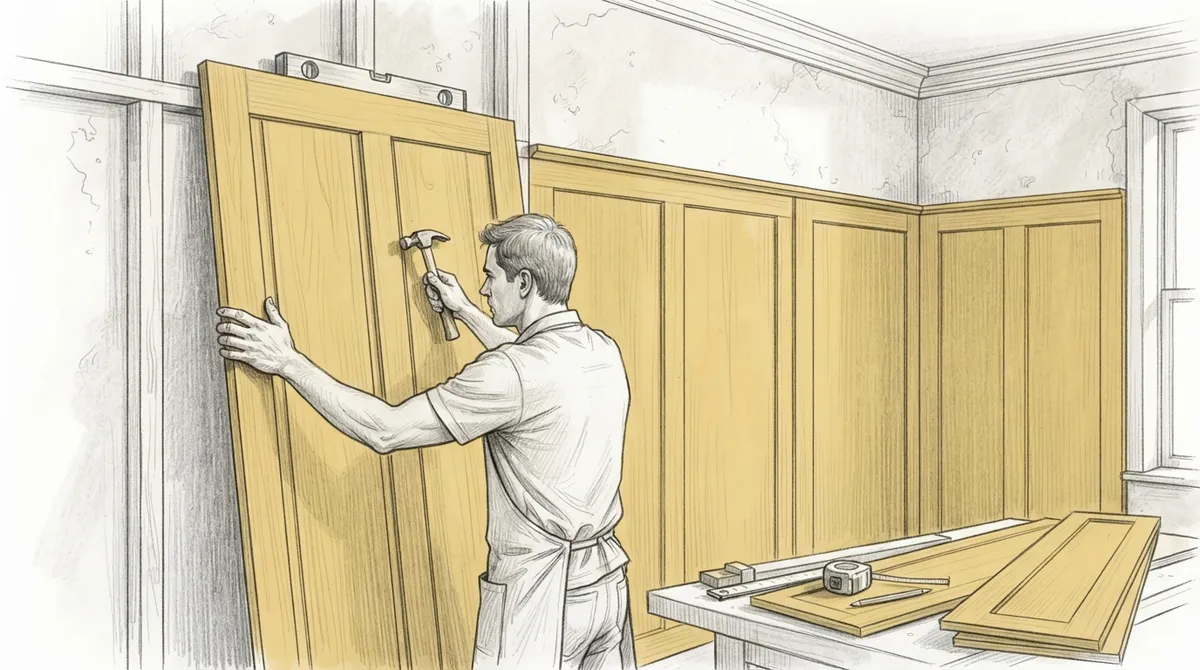
Wall paneling is a broad term for wood panels installed on walls to add texture, style, and protection. It covers many styles, from simple flat panels to detailed geometric designs. Builders have used wood paneling for centuries, and it remains popular today for good reason.
Modern wall paneling comes in many forms. Some panels cover an entire wall from floor to ceiling. Others sit only on the lower half, paired with paint or wallpaper above. The style you choose depends on your room, your goals, and your personal taste.
If you want to learn more about carpentry techniques used in paneling work, it helps to understand that skilled joinery makes the difference between a flat, boring wall and a stunning focal point. Precision cuts and tight seams are what separate custom work from big-box store kits.
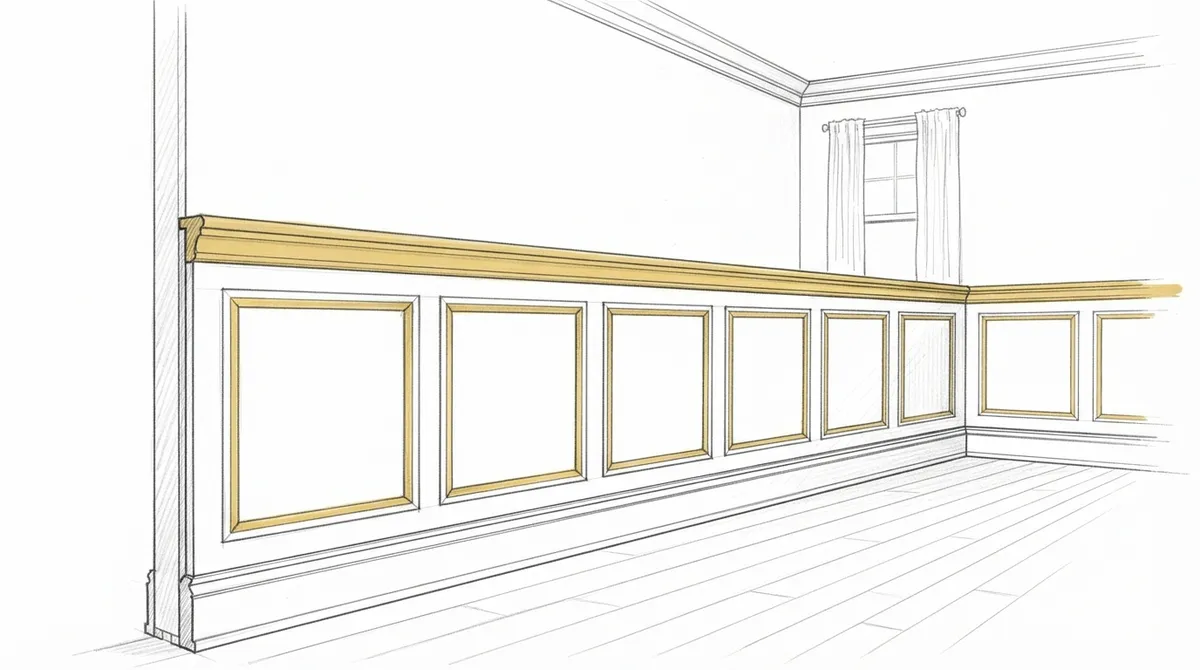
What Is Wainscoting?
Wainscoting is a specific type of wall paneling. It traditionally covers the lower third or half of a wall. Historically, wainscoting protected walls from chair scuffs and moisture damage. Today, it’s chosen mostly for its classic, elegant look.
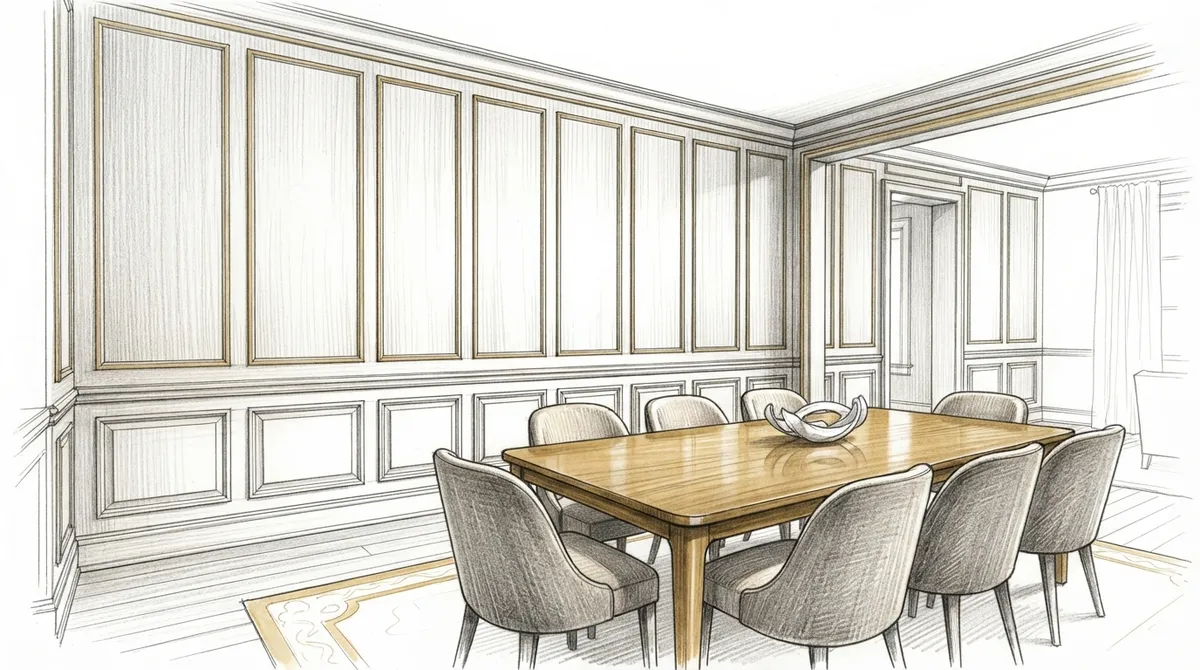
Wainscoting often includes a chair rail at the top edge. Below that, you’ll find raised panels, flat panels, or beadboard. It pairs well with traditional and transitional home styles. Many homeowners in Tampa Bay choose wainscoting for dining rooms, entryways, and formal living spaces.
Wall Paneling vs. Wainscoting: Key Differences
Both options add depth and style to a room. But they differ in coverage, style versatility, and best use cases. Here’s a side-by-side look at how they compare.
| Feature | Wall Paneling | Wainscoting |
|---|---|---|
| Wall Coverage | Full wall or partial, flexible | Lower third to half of wall |
| Style Range | Modern, geometric, rustic, traditional | Mostly traditional and classic |
| Best Rooms | Living rooms, media walls, offices, bedrooms | Dining rooms, hallways, entryways, bathrooms |
| Design Flexibility | High, many patterns and layouts | Moderate, follows classic proportions |
| Maintenance | Easy to clean, durable finish | Easy to clean, protects lower wall |
When Wall Paneling Makes More Sense
Full wall paneling works best when you want a bold statement. It’s popular for accent walls behind beds, sofas, or entertainment centers. Modern homeowners often choose geometric or vertical slat designs for a contemporary look.
Developers building luxury units often choose paneling to create a “wow” moment for buyers. A textured wood wall photographs well and stands out during property tours. This small upgrade can make a big impression on potential buyers.
When Wainscoting Makes More Sense
Wainscoting shines in formal spaces like dining rooms and foyers. It also works well in bathrooms and hallways where lower walls need extra protection. If your home has a traditional or colonial style, wainscoting often fits better than modern paneling designs.
Our detailed wainscoting guide covers styles, materials, and design tips in greater depth if you want to explore this classic option further.
Popular Wall Paneling Styles to Consider
Choosing a style depends on your home’s overall design and your personal taste. Here are some of the most requested styles we build for Tampa Bay clients.
- Shiplap panels – Horizontal boards with small gaps, popular in farmhouse and coastal designs.
- Board and batten – Wide boards with narrow strips covering the seams, great for a clean, structured look.
- Geometric slat walls – Vertical or angled wood slats that create shadow lines and texture.
- Raised panel wainscoting – Classic, formal panels with a框-like raised center.
- Flat panel wainscoting – A simpler, more modern take on traditional wainscoting.
- Beadboard paneling – Thin vertical grooves, often used in cottage-style or bathroom designs.
Materials Used in Custom Wall Paneling
The material you choose affects durability, appearance, and how the panels age over time. Most custom carpentry projects use one of the following options.
- Solid wood, such as oak, poplar, or pine, for a natural and durable finish
- MDF (medium-density fiberboard), which paints smoothly and resists warping
- Plywood with a wood veneer for a lighter, cost-effective option
- Reclaimed wood for a rustic, one-of-a-kind texture
- Composite materials designed to resist moisture in bathrooms or humid climates
Florida’s humidity plays a role in material choice. Homes near Tampa Bay benefit from moisture-resistant materials, especially in bathrooms and areas near water. A skilled carpenter will guide you toward the right material for your specific space and climate needs.
How Wall Paneling Benefits Different Homeowners
For Homeowners
Wall paneling adds warmth and character to any room. It hides minor wall imperfections and adds insulation value. Many homeowners also find that paneled walls increase their home’s resale value, since buyers often view custom woodwork as a premium feature.
For Interior Designers
Designers appreciate paneling because it offers endless creative options. Patterns, wood tones, and panel shapes can all be customized to match a client’s vision. Working with an experienced carpentry team means your design ideas get executed with precision, down to the smallest seam or corner detail.
For Real Estate Developers
Developers use wall paneling to set their properties apart. Buyers touring model homes remember custom details like a textured accent wall or a paneled entryway. This kind of finish work signals quality and can help justify premium pricing on new builds.
Steps to Plan a Wall Paneling Project
Whether you choose full paneling or wainscoting, planning ahead helps avoid costly mistakes. Follow these steps for a smooth project.
- Decide on your goal: statement wall, protection, or full-room transformation.
- Choose a style that matches your home’s architecture and existing trim.
- Select a material based on room humidity, budget, and desired finish.
- Measure the wall space and plan panel layout, including outlets and switches.
- Hire a skilled carpenter who understands proper installation and finishing techniques.
- Schedule installation and allow time for painting or staining after the panels are set.
Skipping steps, especially hiring an unqualified installer, often leads to uneven seams or panels that warp over time. Our article on mistakes to avoid when hiring wall paneling companies covers common pitfalls in more detail.
Wall Paneling vs. Other Wall Treatments
Some homeowners consider wallpaper or paint techniques instead of paneling. While these options are cheaper upfront, they lack the texture and durability of wood paneling. Wallpaper can peel and fade, especially in Florida’s humidity. Paint alone doesn’t add the dimensional depth that panels provide.
For a deeper comparison of wall treatment options, check out our guide on modern wall treatments versus plain walls. It explains why textured wall finishes often outperform flat paint in both looks and long-term value.
Combining Wall Paneling With Other Design Elements
Wall paneling looks even better when paired with other custom carpentry details. Many Tampa Bay homeowners combine paneling with:
- Custom ceiling designs for a fully finished, cohesive room
- Molding details like baseboards and crown molding for a polished transition
- Built-in cabinets that flow seamlessly with the wall’s wood tone
- Accent lighting that highlights the texture and shadow lines of the panels
Adding crown molding above paneled walls creates a seamless, high-end look that ties the whole room together. This combination is especially popular in formal dining rooms and home offices.
Caring for Your Wall Paneling
Proper care keeps wood paneling looking sharp for decades. Follow these simple maintenance tips.
- Dust panels regularly with a soft, dry cloth to prevent buildup
- Avoid harsh chemical cleaners that can strip finish or damage wood grain
- Control indoor humidity to prevent warping, especially in Florida’s climate
- Touch up scratches with matching stain or paint as needed
- Inspect seams yearly for any gaps caused by seasonal expansion
Choosing the Right Carpenter for Your Project
Not every contractor has the skill needed for detailed panel work. Look for a carpenter with a strong portfolio of finished wall projects. Ask about their experience with different materials and styles. A qualified team will also explain how they handle uneven walls, tricky corners, and electrical outlets within the panel layout.
Bucheli Trim has built a reputation across Tampa Bay for precise, high-quality wall enhancements. You can see examples of our custom projects and read about our approach on our about page. We also encourage you to follow us on Facebook to see recent project photos and updates.
Final Verdict: Which Style Wins?
There’s no single winner between wall paneling and wainscoting. The best choice depends on your room, your home’s style, and your personal goals. Full wall paneling wins for bold, modern statement walls. Wainscoting wins for classic, formal spaces that need durability and timeless charm.
Many Tampa Bay homes actually use both styles in different rooms. A modern slat wall might anchor a living room, while wainscoting adds elegance to the dining room. The key is working with a carpenter who understands how to blend styles across your home for a cohesive result.
Before making a final decision, browse real client feedback and Visit us on Google — Bucheli Trim to see how our work has transformed homes across the region. You can also check our testimonials page for more homeowner and designer experiences.
Ready to Transform Your Walls?
Choosing between wall paneling and wainscoting doesn’t have to be stressful. With the right carpentry team, you can explore styles, materials, and layouts that fit your exact vision. Bucheli Trim has helped homeowners, designers, and developers across Tampa Bay bring custom wall designs to life with precision and care.
Ready to start planning your project? Get in Touch with Our Team today to discuss your wall paneling or wainscoting goals and get expert guidance from start to finish.
FAQs
Q: What is the difference between wall paneling and wainscoting?
A: Wall paneling can cover any part of a wall, from a small accent to the full surface, in many styles. Wainscoting is a specific type of paneling that traditionally covers the lower third or half of a wall, often paired with a chair rail.
Q: Is wall paneling a good investment for resale value?
A: Yes, custom wall paneling often boosts a home’s perceived value. Buyers tend to notice quality woodwork, and it can make a strong impression during property showings or open houses.
Q: What material works best for wall paneling in Florida homes?
A: Moisture-resistant materials like MDF with proper sealing or composite panels work well in Florida’s humid climate. Solid wood is also a great option when paired with good indoor humidity control.
Q: Can wall paneling be installed in bathrooms?
A: Yes, many homeowners choose beadboard or moisture-resistant panels for bathrooms. These materials handle humidity better than standard wood and add a stylish, protective layer to lower walls.
Q: How long does a wall paneling installation typically take?
A: Most rooms take a few days to complete, depending on the size and complexity of the design. Custom patterns or full-room paneling may take longer than a simple accent wall.