Key Takeaways
-
Wainscoting typically covers the lower one-third to one-half of a wall (32-48 inches high) and can increase home value by signaling quality craftsmanship to buyers, making it a smart investment for real estate developers and homeowners.
-
Choose materials based on room function: solid wood for formal rooms, PVC/vinyl for moisture-prone bathrooms and kitchens, and MDF for budget-conscious projects that still need a smooth, paintable surface.
-
Popular styles include raised panel (formal), flat panel (modern), beadboard (coastal/cottage), board and batten (farmhouse), and shaker style (minimalist), each pairing differently with trim to transform a room's character.
-
Professional installation requires precise measurement, wall preparation, level panel securing, and proper trim work—skilled carpenters account for material expansion/contraction with temperature and humidity changes.
-
Wainscoting works best in dining rooms, hallways, bathrooms, and entryways where it adds elegance while protecting walls from moisture and scuffs; coordinate with existing trim for a unified, polished appearance.
-
Maintain wainscoting with regular dusting, gentle cleaning with mild soap and damp cloth, occasional touch-up painting, and moisture inspections—well-maintained panels last decades without replacement.
Wainscoting is one of the most timeless wall treatments in custom carpentry. It adds depth, texture, and elegance to any room. Whether you’re a homeowner looking to upgrade your living space, an interior designer seeking the perfect finishing touch, or a real estate developer wanting to add luxury appeal, wainscoting delivers results that stand out.
This classic wall panel technique has been used for centuries. Today, it remains one of the most sought-after wall enhancements in high-end homes and commercial spaces. In this guide, you’ll learn everything you need to know about wainscoting — from styles and materials to installation and maintenance.
What Is Wainscoting?
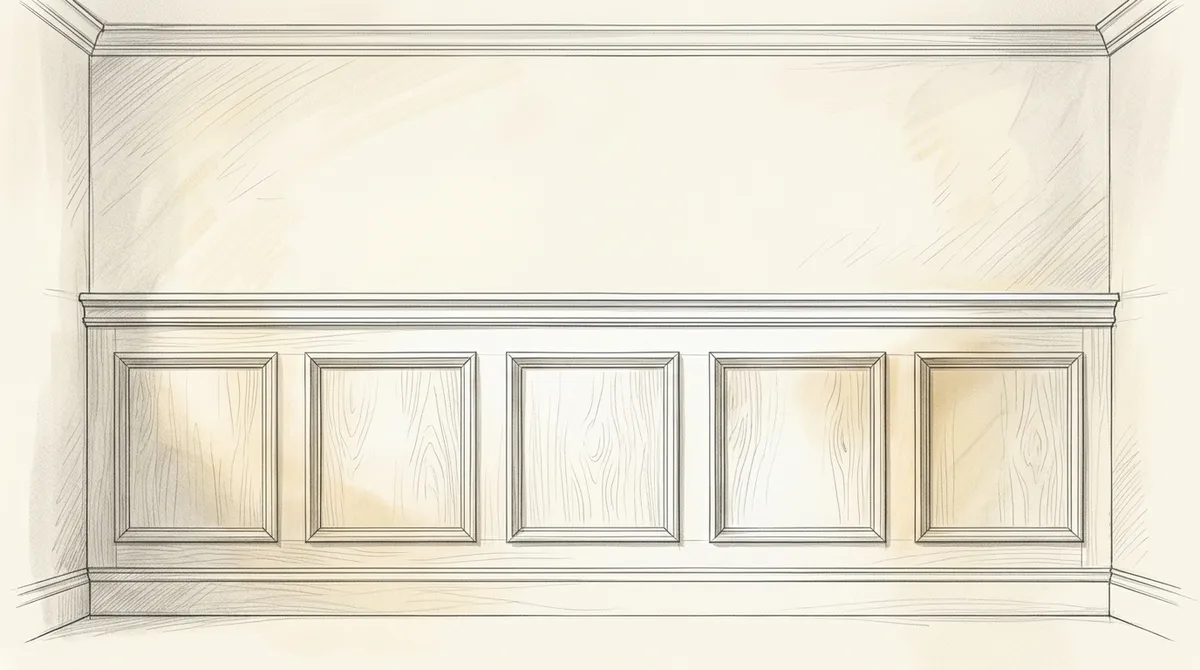
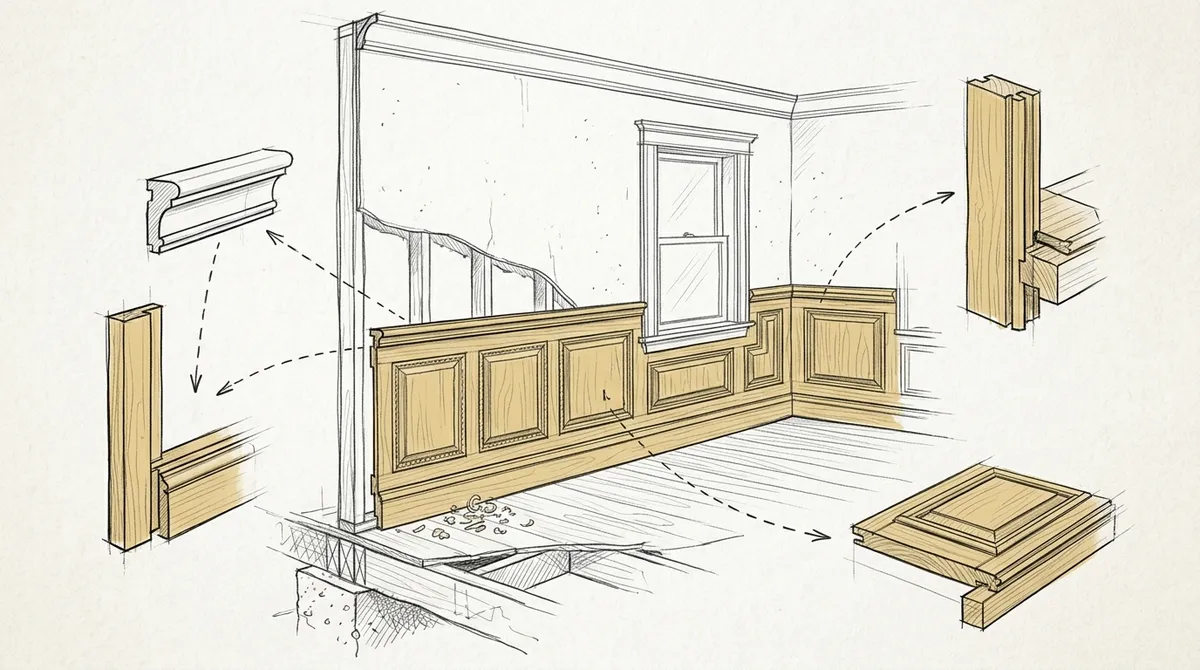
Wainscoting refers to decorative wood paneling applied to the lower portion of a wall. Typically, it covers the bottom one-third to half of a wall. The upper portion is usually left painted or wallpapered. The result is a clean, structured look that adds architectural interest to any room.
The term comes from the Dutch word “wagenschot,” meaning wall boards. Historically, it was used to protect walls from moisture and damage. Today, it serves a decorative purpose just as much as a functional one. You can learn more about carpentry traditions that have shaped techniques like wainscoting over centuries.
Popular Styles of Wainscoting
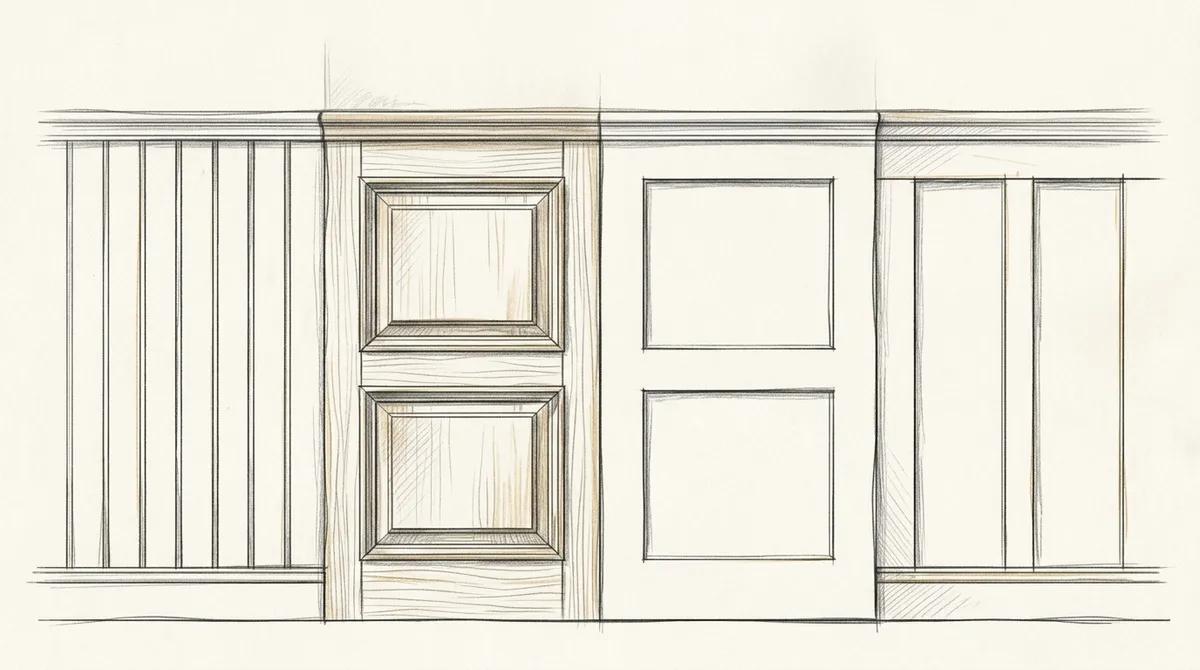
There are several wainscoting styles to choose from. Each one creates a different visual effect. The right style depends on your home’s architecture, your personal taste, and the room’s purpose.
Here are the most popular wainscoting styles used in custom carpentry today:
- Raised Panel — This is the most traditional style. Panels feature a raised center section framed by stiles and rails. It works well in formal rooms like dining rooms and studies.
- Flat Panel (Recessed Panel) — A cleaner, more modern look. The center panel sits flush or slightly below the frame. It suits contemporary and transitional interiors.
- Beadboard — Made of vertical planks with small ridges (beads) between each plank. It’s a popular choice for bathrooms, kitchens, and coastal-style homes.
- Board and Batten — Features wide flat boards with narrow strips (battens) placed over the seams. It offers a farmhouse or craftsman aesthetic.
- Shaker Style — Simple, clean lines with minimal ornamentation. A top pick for modern and minimalist spaces.
- Picture Frame — Rectangular or square frames applied directly to the wall surface. Creates a symmetrical, polished appearance.
Each style pairs beautifully with complementary molding details to complete the look. The right combination of style and molding can completely transform a room’s character.
Best Materials for Wainscoting
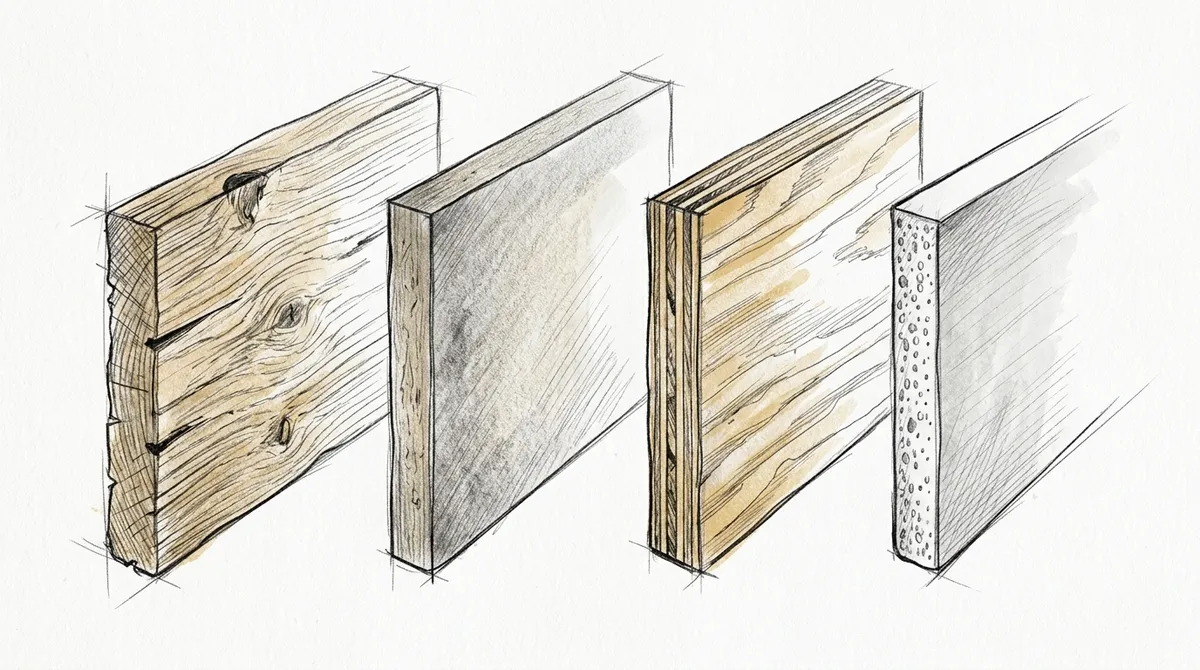
The material you choose affects both the look and the longevity of your wainscoting. Here’s a comparison of the most common options used in custom carpentry:
| Material | Appearance | Best For | Durability |
|---|---|---|---|
| Solid Wood | Rich, natural grain | Formal rooms, luxury homes | Very high |
| MDF (Medium Density Fiberboard) | Smooth, paintable surface | Budget-conscious projects | Medium |
| Plywood | Clean finish with wood veneer | Large panel coverage | High |
| PVC / Vinyl | Uniform, moisture-resistant | Bathrooms, basements | High (moisture areas) |
| Beadboard Panels | Classic cottage-style look | Kitchens, laundry rooms | Medium to High |
Solid wood remains the gold standard for high-end wainscoting projects. It accepts paint and stain beautifully and lasts for decades when properly maintained. For wet areas like bathrooms, moisture-resistant materials like PVC are often a smarter choice.
Where to Install Wainscoting in Your Home
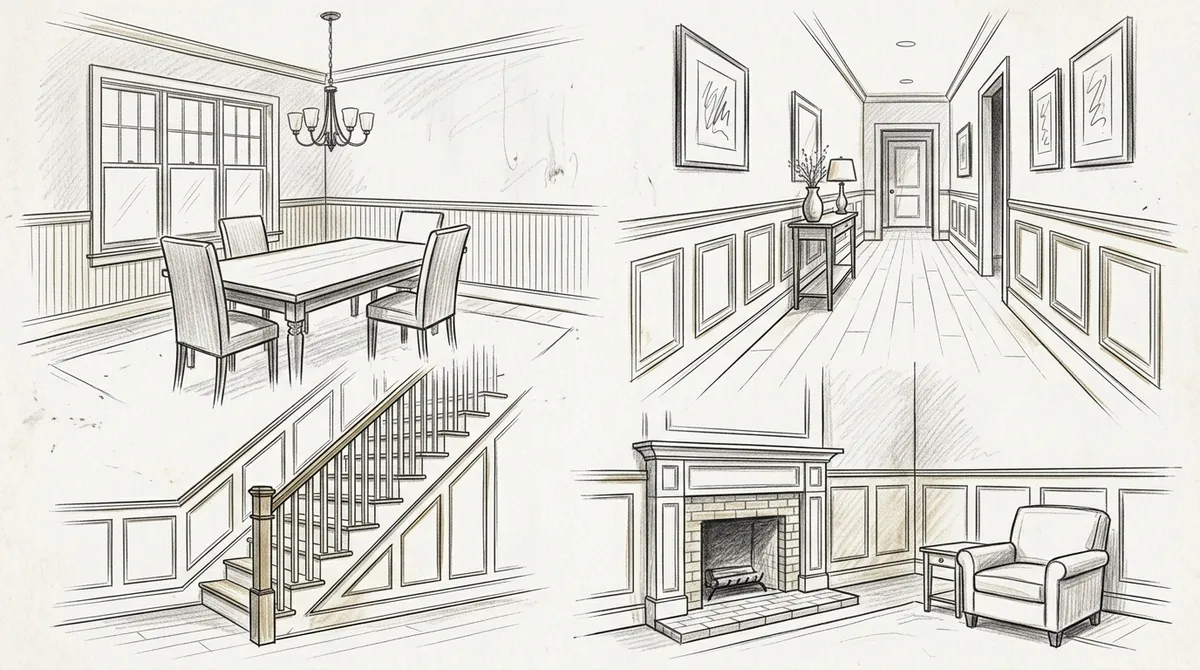
Wainscoting works in almost every room. However, some spaces benefit more than others. Here are the top rooms where wainscoting makes the biggest impact:
- Dining rooms — Creates a formal, elegant atmosphere perfect for entertaining
- Hallways and entryways — Protects walls from scuffs and adds a welcoming first impression
- Bathrooms — Adds style while protecting walls from moisture and humidity
- Living rooms — Enhances architectural character and visual depth
- Home offices and libraries — Gives a distinguished, professional look
- Staircases — Transforms a functional area into a design feature
For real estate developers, installing wainscoting in key areas like entryways and dining rooms can significantly boost a property’s perceived value. Luxury buyers pay attention to these details. Pairing wainscoting with thoughtful ceiling designs creates a cohesive, high-end look throughout the home.
Wainscoting vs. Full Wall Paneling
Many homeowners wonder whether to go with wainscoting or full wall paneling. Each has its advantages. Here’s how they compare:
- Wainscoting covers only the lower wall section, typically 32 to 48 inches high
- Full wall paneling covers the entire wall from floor to ceiling
- Wainscoting is generally more cost-effective since it uses less material
- Full wall paneling creates a more dramatic, immersive effect
- Wainscoting works well in rooms with artwork or focal walls above the panels
- Full wall paneling suits spaces where a bold statement is the goal
Interior designers often use wainscoting as a layering tool. It adds texture without overwhelming the room. Combined with other custom projects, wainscoting becomes part of a larger design story that ties the entire space together.
The Wainscoting Installation Process
Installing wainscoting is a multi-step process that requires precision and skill. A professional carpenter ensures clean lines, level panels, and a flawless finish. Here’s how the process typically works:
- Planning and measurement — The room is measured carefully. The carpenter determines the height, panel layout, and style before cutting any material.
- Wall preparation — The walls are cleaned, primed, and any imperfections are corrected. A level baseline is marked around the room.
- Cutting and fitting panels — Panels are cut to size and dry-fitted to ensure proper spacing and alignment before permanent installation.
- Securing the panels — Panels are attached to the wall using adhesive, nails, or a combination of both. Each panel is checked for level as it’s installed.
- Adding trim and molding — A cap rail is added at the top, and base molding finishes the bottom. This ties the wainscoting together with the rest of the room’s trim work.
- Sanding, caulking, and finishing — Seams are caulked, surfaces are sanded smooth, and the final paint or stain is applied for a polished result.
Proper installation is what separates average results from stunning ones. Skilled carpenters understand how materials expand and contract with temperature and humidity changes. For residents in the Tampa Bay area, Bucheli Trim Carpentry brings expert craftsmanship and attention to detail to every wainscoting project. You can also visit us on Google to see what clients are saying about our work.
Design Tips for Wainscoting
Choosing the right wainscoting style is just the beginning. How you design around it matters just as much. Keep these tips in mind:
- Match the wainscoting style to your home’s overall architecture for a cohesive look
- Use a contrasting paint color above the panels to define the two wall sections clearly
- Keep the cap rail height proportional to the room — taller ceilings can handle higher panels
- Coordinate with existing trim and molding for a unified, professional result
- Consider the room’s lighting — wainscoting with raised panels creates interesting shadows in natural light
Interior designers working with custom carpenters can push the design even further. Adding custom details like decorative inlays or painted panel interiors can make a room truly one-of-a-kind. If you’re seeking relaxation and wellness to complement your beautifully designed space, Mobile Area Massage of Tampa Bay offers services that make the most of a serene home environment.
Caring for Wainscoting Over Time
Wainscoting is relatively easy to maintain with the right approach. Here’s what to keep in mind for long-term care:
- Regular dusting — Wipe panels with a soft, dry cloth to prevent dust buildup in grooves and molding details.
- Gentle cleaning — Use a damp cloth and mild soap for scuffs and marks. Avoid harsh chemicals that can damage paint or finish.
- Touch-up painting — High-traffic areas may need occasional paint touch-ups. Keep a small amount of your original paint for easy repairs.
- Inspect for moisture — In bathrooms and kitchens, periodically check for signs of moisture damage, especially around the base molding.
Well-maintained wainscoting can last for decades without needing replacement. It’s a one-time investment that continues to pay off in beauty and home value. For homeowners looking to elevate wellness alongside their home aesthetics, Enhanced Aesthetics & Wellness provides services that complement a refined lifestyle.
How Wainscoting Adds Value to Your Home
Wainscoting is more than a decorative feature — it’s a smart investment. Here’s why it adds real value:
- It signals quality craftsmanship to potential buyers
- It protects walls from everyday wear and tear
- It creates a sense of architectural history and character
- It makes rooms feel more finished and polished
- It pairs well with other upgrades like premium flooring and custom cabinetry
Real estate developers who include wainscoting in their builds consistently report stronger buyer interest. Buyers associate panel detailing with higher-end construction. When combined with built-in cabinetry solutions and other custom features, wainscoting helps a property stand out in a competitive market.
For anyone curious about the broader world of architectural woodwork, crown molding is another classic carpentry feature that pairs beautifully with wainscoting to create a fully trimmed, refined interior.
Conclusion
Wainscoting is a classic carpentry feature that delivers lasting beauty, protection, and value. Whether you prefer the formal elegance of raised panels or the relaxed charm of beadboard, there’s a wainscoting style to suit every space and taste. The key is working with skilled carpenters who understand both the technical and artistic sides of this craft.
From material selection to final finishing, every step of the wainscoting process requires care and expertise. If you’re ready to explore what wainscoting can do for your home or project, our team is here to help. You can also connect with us on Facebook to see examples of our latest work and get inspired. Reach out to our team today to start planning your wainscoting project with experienced craftsmen who take pride in every detail.
FAQs
Q: What is wainscoting and what does it look like?
A: Wainscoting is decorative wood paneling applied to the lower portion of interior walls, typically covering one-third to one-half of the wall height. It comes in several styles, including raised panel, flat panel, beadboard, and board and batten, each offering a distinct visual character ranging from formal and traditional to relaxed and modern.
Q: How high should wainscoting be installed?
A: The most common wainscoting height ranges from 32 to 48 inches from the floor. A general rule is to keep panels at about one-third of the room’s total wall height. In rooms with taller ceilings, panels can extend higher without looking out of proportion.
Q: Is wainscoting a good investment for homeowners?
A: Yes, wainscoting is considered a strong home improvement investment. It adds architectural character, protects walls from everyday damage, and signals quality craftsmanship to potential buyers. When installed professionally and paired with complementary trim and molding, it can noticeably boost a home’s appeal and perceived value.
Q: What materials are most commonly used for wainscoting?
A: The most common materials for wainscoting include solid wood, MDF (medium density fiberboard), plywood, and PVC or vinyl panels. Solid wood is the premium choice for luxury spaces, while MDF offers a smooth, paintable surface at a lower cost. PVC panels are ideal for moisture-prone areas like bathrooms and kitchens.
Q: Can wainscoting be installed in bathrooms?
A: Yes, wainscoting can absolutely be installed in bathrooms. For wet or humid environments, it’s best to use moisture-resistant materials like PVC, vinyl, or treated wood. Beadboard is also a popular and practical option for bathroom walls, offering both a charming aesthetic and functional wall protection.