Key Takeaways
-
Accurate measurement and planning are critical before installation—failing to measure walls carefully leads to visible gaps, misaligned corners, and wasted material that's expensive to fix later.
-
Nail baseboards into wall studs and the bottom plate, never just drywall, to prevent the baseboard from pulling away and creating gaps over time.
-
Use coping for inside corners instead of 45-degree miter cuts, as coping creates tighter, more professional joints that fit walls that aren't exactly 90 degrees.
-
Account for flooring thickness before installing baseboards—if installing trim before flooring, leave a gap equal to the floor's thickness to prevent buckling and warping.
-
Choose baseboard material based on room conditions: solid wood for dry areas, MDF for interior rooms, and PVC for bathrooms and humid spaces to prevent long-term damage.
-
Skip hiring the cheapest installer and instead hire a finish carpenter with a proven portfolio, as low-cost installers often cut corners and lack the precision needed for quality results.
Baseboard installation seems simple. But it’s one of the most common sources of costly mistakes in home finishing. A poorly installed baseboard can ruin the look of an entire room. It can also lead to gaps, warping, and damage that’s expensive to fix later.
Whether you’re a homeowner upgrading your space, an interior designer planning a remodel, or a developer finishing a luxury property, knowing what not to do is just as important as knowing the right steps. This guide walks you through the seven biggest baseboard installation mistakes — and how to avoid each one. Understanding these pitfalls will help you get a flawless, high-end finish every time.
If you want to find a skilled carpenter near you who can handle the job right, knowing these mistakes also helps you ask better questions before hiring.
Why Baseboard Installation Matters More Than You Think
Baseboards do more than cover the gap between your wall and floor. They frame every room. They add elegance and structure. In high-end homes, they signal quality craftsmanship. When done well, they’re barely noticed — but when done poorly, they stand out immediately.
Baseboard installation is part of a broader category of molding details that define a room’s character. To learn more about carpentry and how trim work fits into the bigger picture, it helps to understand the craftsmanship behind every cut and nail. Let’s get into the mistakes you need to avoid.
Mistake 1: Skipping Proper Measurement and Planning
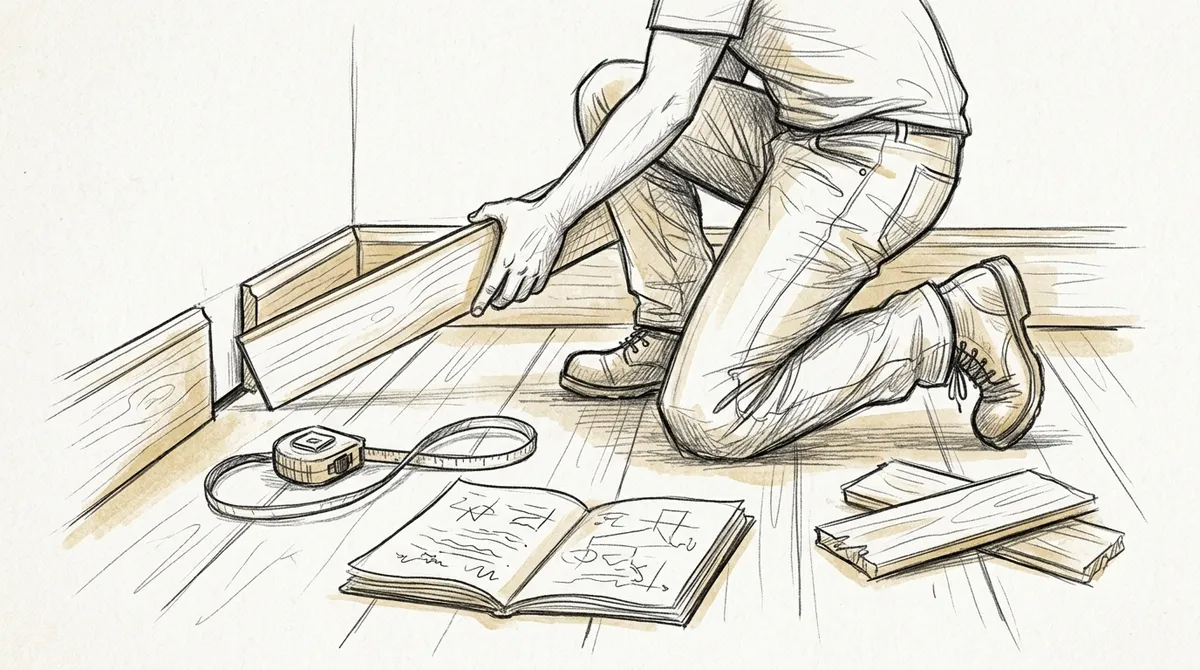
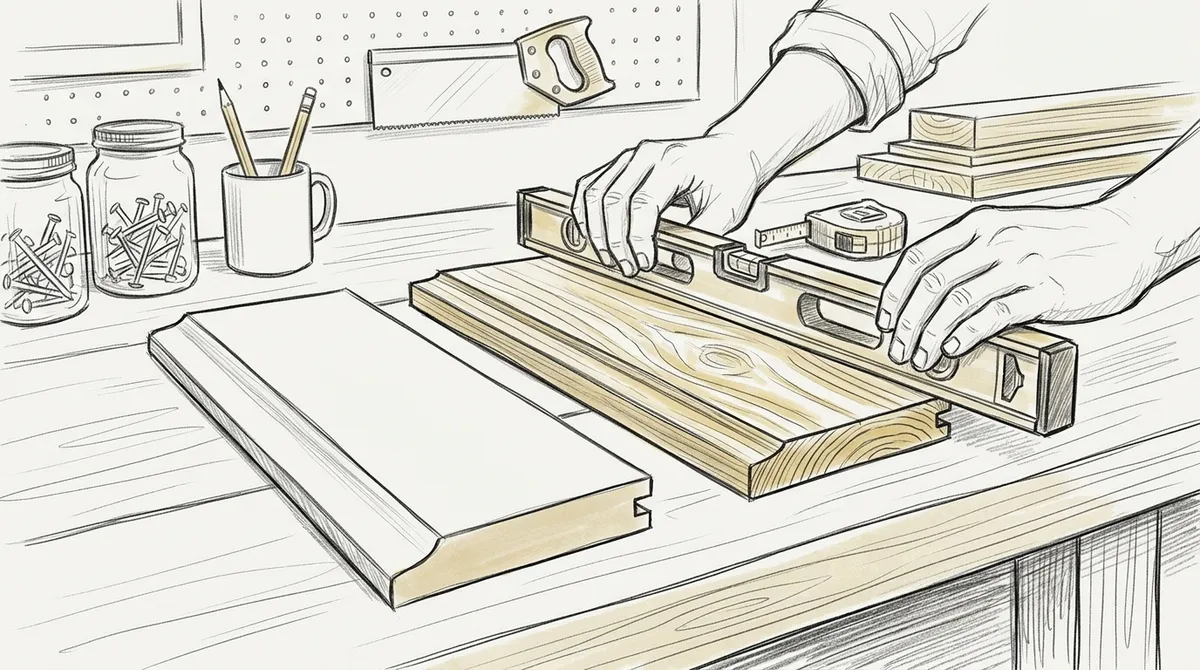
The most common mistake is rushing into installation without accurate measurements. Even a small error can create visible gaps or misaligned corners. Every wall needs to be measured carefully — including irregularities in the floor or baseboard height.
Here’s how proper planning should look:
- Measure every wall length, including doorways and corners.
- Sketch a layout showing where each piece of baseboard will go.
- Account for expansion gaps, especially with wood baseboards.
- Order 10-15% extra material to allow for cuts and waste.
Skipping this step leads to short pieces, awkward seams, and wasted material. Always plan before you cut.
Mistake 2: Ignoring the Type of Material
Not all baseboard materials are equal. Choosing the wrong type for your space causes long-term problems. Solid wood looks beautiful but can warp in humid environments. MDF is stable but doesn’t hold up well in wet areas. PVC works great in bathrooms but may not suit a high-end living room aesthetic.
| Material | Best For | Potential Drawback |
|---|---|---|
| Solid Wood | Living rooms, bedrooms | Can warp in humidity |
| MDF | Dry interior rooms | Not moisture-resistant |
| PVC / Vinyl | Bathrooms, laundry rooms | Less elegant appearance |
| Finger-Jointed Pine | Painted trim applications | Visible seams if not primed |
Match the material to the room’s conditions and the overall design goal. For luxury finishes, solid wood or high-density MDF with proper priming are often the best choices. This aligns with the kind of craftsmanship seen in professional trim and molding work that transforms a space.
Mistake 3: Making Poor Corner Cuts
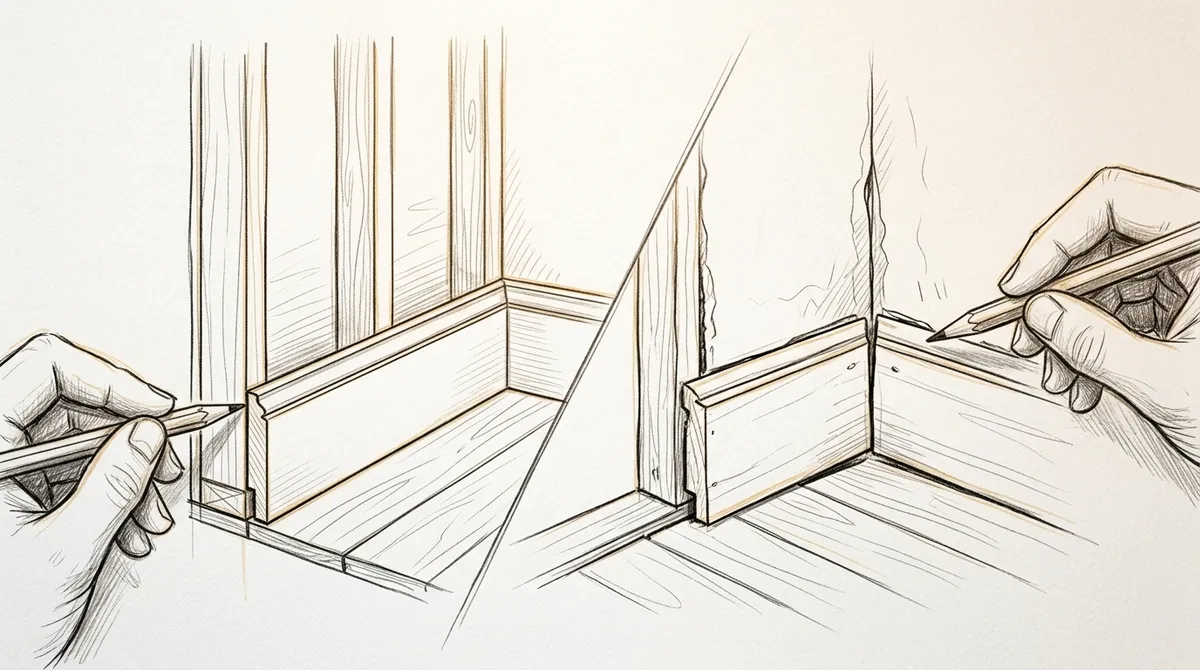
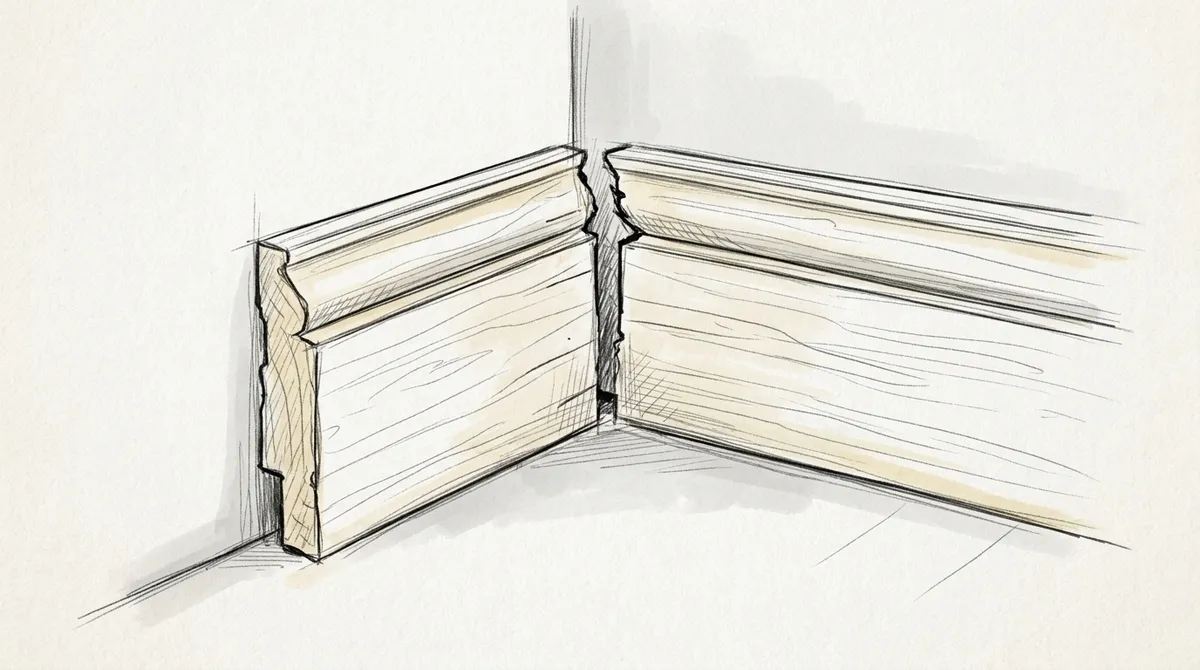
Corner cuts are where most DIY baseboard installations fall apart. There are two types of corners: inside corners and outside corners. Each requires a different cutting technique.
Common cutting mistakes include:
- Using 45-degree miter cuts on inside corners (they rarely fit perfectly)
- Not accounting for walls that aren’t exactly 90 degrees
- Cutting outside corners without dry-fitting first
- Rushing cuts without checking the angle with a protractor or angle finder
For inside corners, coping is often a better technique than mitering. Coping involves cutting one piece square and shaping the other to overlap it. This creates a tighter, more professional joint. For outside corners, a precise miter cut is needed — but always dry-fit before nailing.
Mistake 4: Nailing Into the Wrong Spots
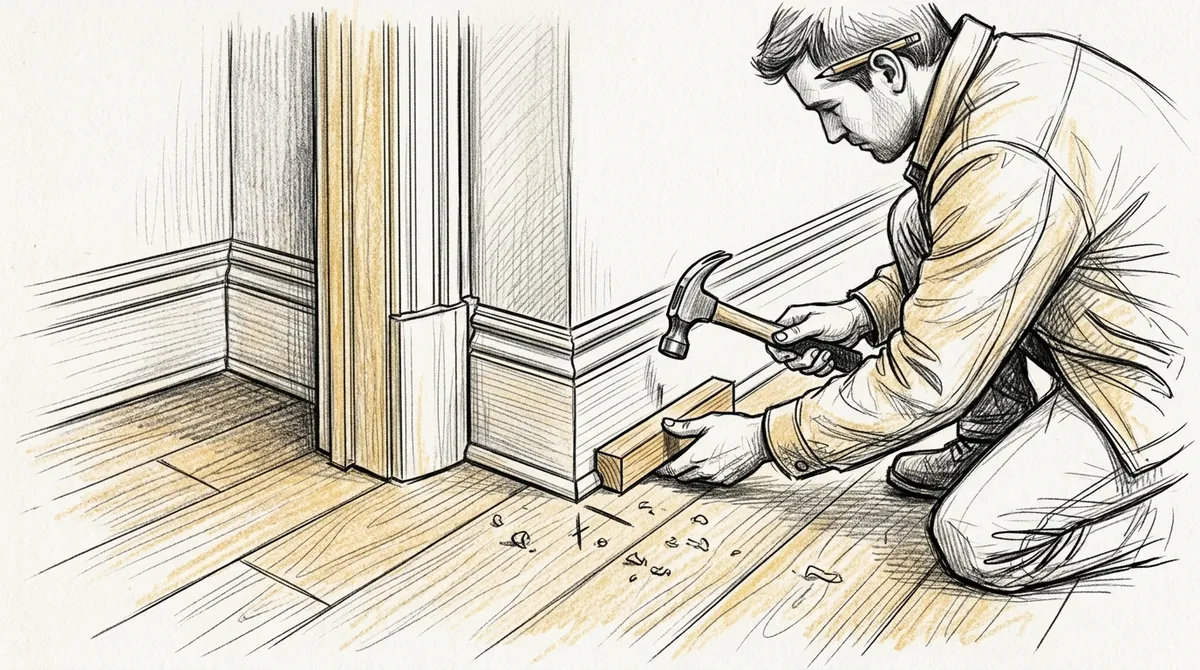
Nailing incorrectly is one of the most damaging mistakes. If you nail only into drywall, the baseboard won’t hold over time. It will pull away from the wall and create visible gaps.
Follow these nailing best practices:
- Locate wall studs using a stud finder before you begin.
- Nail into the bottom plate (the horizontal framing at the base of walls) for a secure hold.
- Use finish nails — not framing nails — to avoid splitting or cracking the baseboard.
- Set nails slightly below the surface and fill holes with wood filler before painting.
When baseboards are properly secured, they stay flat and tight for years. Improper nailing leads to warping, popping, and an unprofessional look. This level of precision is what separates amateur work from professional craftsmanship.
Mistake 5: Forgetting to Account for Flooring Thickness
Many homeowners plan baseboard installation before the flooring goes in. This is fine — but you must account for flooring thickness. If you install baseboards before the floor, you need to leave a gap at the bottom equal to the floor’s thickness.
This mistake is especially common with:
- Hardwood flooring installations
- Tile floors with thick underlayment
- Laminate floors that need expansion gaps
- Carpet with thick padding
If you’re also considering professional flooring installation, coordinate the baseboard and floor work carefully. A good carpenter and flooring installer will always communicate about sequencing. You can also read more about how flooring installation transforms your home to understand how these elements work together.
Mistake 6: Skipping Caulking and Finishing Steps
Even a well-cut and nailed baseboard looks unprofessional without proper finishing. Many people skip caulking, thinking it’s optional. It’s not. Caulk fills small gaps between the baseboard and wall. It creates a seamless, painted look that screams quality.
The finishing checklist should include:
- Caulk the top edge of the baseboard where it meets the wall
- Fill all nail holes with paintable wood filler
- Sand lightly after filler dries
- Prime if using raw wood or MDF
- Apply at least two coats of paint for a durable finish
Skipping any of these steps leaves the baseboard looking rushed. The final finish is what homeowners and guests actually see. It’s worth taking the time to do it right. If painting is part of your project, professional painting services can ensure a flawless result.
Mistake 7: Hiring an Unqualified Installer
This might be the costliest mistake of all. Baseboard installation near me searches often lead homeowners to the cheapest option — not the best one. Low-cost installers frequently cut corners, use the wrong materials, or lack the precision needed for high-end finishes.
When searching for baseboard installation near you, look for these qualities in a professional:
- Experience with finish carpentry — not just general construction.
- A portfolio of completed projects showing clean trim work and molding details.
- Knowledge of different materials and which works best in each setting.
- Clear communication about timelines, materials, and process.
- Positive reviews from past clients who mention attention to detail.
Bucheli Trim is a trusted name in Tampa Bay for exactly this kind of precision work. Their team specializes in custom carpentry projects that include baseboards, trim, and molding done at the highest level of craftsmanship. You can also visit Bucheli Trim on Google to see verified reviews from satisfied homeowners and designers in the Tampa Bay area.
How Baseboard Installation Connects to the Bigger Picture
Baseboards don’t exist in isolation. They connect to your flooring, walls, and overall room design. When planned as part of a cohesive interior, they elevate the entire space. Crown molding, for example, works in harmony with baseboards to frame a room from top to bottom. When both are done well, the result is a polished, luxurious interior.
If you’re working with an interior designer or developer planning a full renovation, consider how baseboards relate to other elements like wall enhancements and ceiling designs. These details work together to create a cohesive, high-end look. You can also explore how custom woodworking transforms homes for broader inspiration.
Quick Reference: Baseboard Installation Checklist
Use this checklist before and during your baseboard installation to avoid common mistakes:
- ✅ Measure all walls accurately and sketch a layout
- ✅ Choose the right material for the room’s conditions
- ✅ Use coping for inside corners, miter for outside corners
- ✅ Locate studs and nail into framing — not just drywall
- ✅ Account for flooring thickness before installing
- ✅ Caulk, fill, prime, and paint for a professional finish
- ✅ Hire a qualified finish carpenter with a proven portfolio
Following this checklist helps ensure your baseboard installation near you results in a finish that lasts for years and looks stunning from day one.
Signs You Need a Professional for Baseboard Installation
Not every baseboard job is a DIY project. Some situations call for professional help. You can read more about signs you need professional carpentry near you to know when it’s time to call in an expert. Here are clear signals that the job needs professional hands:
- Walls that are significantly out of square or uneven
- Complex room layouts with many corners and transitions
- High-end materials like solid hardwood that require precise cuts
- Rooms with existing damage that needs to be addressed first
- Projects where the finish quality directly affects property value
For real estate developers, in particular, professional baseboard installation is a must. Buyers notice trim work — especially in luxury markets. Sloppy baseboards can undermine an otherwise beautiful space. Follow Bucheli Trim on Facebook to see recent project updates and completed trim work across the Tampa Bay area.
Conclusion
Baseboard installation near you doesn’t have to be a source of stress or costly mistakes. By avoiding these seven common errors — from poor measurements to hiring the wrong installer — you set yourself up for a result that looks clean, professional, and long-lasting.
The details matter. Baseboards are one of the finishing touches that separate a good room from a great one. Whether you’re a homeowner, interior designer, or real estate developer, getting the trim right is an investment in the overall quality of your space. Explore more about Bucheli Trim’s approach to craftsmanship to understand what sets professional carpentry apart.
Ready to get your baseboard installation done right the first time? Reach out to our team today and let us bring expert craftsmanship to your home or project in the Tampa Bay area.
FAQs
Q: What is baseboard installation and why does it matter?
A: Baseboard installation is the process of fitting decorative trim along the base of interior walls where they meet the floor. It protects the wall from damage, covers expansion gaps, and adds a finished, polished look to any room. In high-end homes, quality baseboard installation is a key detail that signals craftsmanship and attention to design.
Q: How do I find reliable baseboard installation near me?
A: Search for finish carpenters or custom carpentry companies with verified reviews and a strong portfolio of trim work. Look for professionals who specialize in molding and trim — not just general contractors. In the Tampa Bay area, Bucheli Trim is a trusted option for high-quality baseboard and trim installation.
Q: Should baseboards be installed before or after flooring?
A: Baseboards are typically installed after flooring to ensure a tight, clean fit. If installed before flooring, you must leave a precise gap equal to the floor’s thickness. Coordinating the order of installation with your carpenter and flooring installer is the best way to avoid gaps or uneven results.
Q: What type of baseboard material is best for high-end homes?
A: Solid wood and high-density MDF are the most popular choices for luxury interiors. Solid wood offers a natural, elegant appearance that can be stained or painted. High-density MDF provides a smooth, consistent surface that paints beautifully. The best choice depends on the room’s humidity levels and the overall design style.
Q: Can wrong baseboard installation affect my home’s value?
A: Yes. Poorly installed baseboards — with gaps, uneven corners, or improper finishes — can detract from a home’s appeal and perceived value. Buyers and appraisers notice trim quality, especially in luxury markets. Professional baseboard installation is a worthwhile investment that contributes to a home’s overall finish quality and resale value.