
Key Takeaways
-
Layered trim adds more perceived resale value in traditional and luxury homes by signaling detailed craftsmanship, while flat stock suits modern homes where buyers prefer clean lines.
-
In humid climates like Tampa Bay, use moisture-resistant materials such as PVC, composite trim, or properly sealed solid wood to prevent warping and rot around windows.
-
Flat stock trim installs faster and works best for modern/transitional homes, while layered trim requires skilled professionals and suits traditional/luxury builds with higher ceilings.
-
Coordinate window trim style with baseboards, door casing, and crown molding throughout your home—mismatched trim appears disjointed, while unified trim signals quality construction.
-
Common installation mistakes include mismatched trim sizes across rooms, skipping caulk at seams, rushing miter cuts, and ignoring humidity when selecting materials.
-
Simple flat stock trim can be manageable for DIY projects, but layered trim, custom window shapes, or older homes with uneven walls require professional carpentry expertise.
Walk into any well-built home in Tampa Bay, and your eyes will land on the windows before you even notice the walls around them. That’s the power of good window trim. It frames each window like a picture, adding depth and character to a room. But not all trim is created equal, and choosing between simple flat stock and more detailed layered designs can shape the entire feel of your home.
This guide breaks down both styles so homeowners, interior designers, and real estate developers can make a confident choice. We’ll cover materials, installation steps, style impact, and long-term value. By the end, you’ll know exactly which window trim style fits your project best.
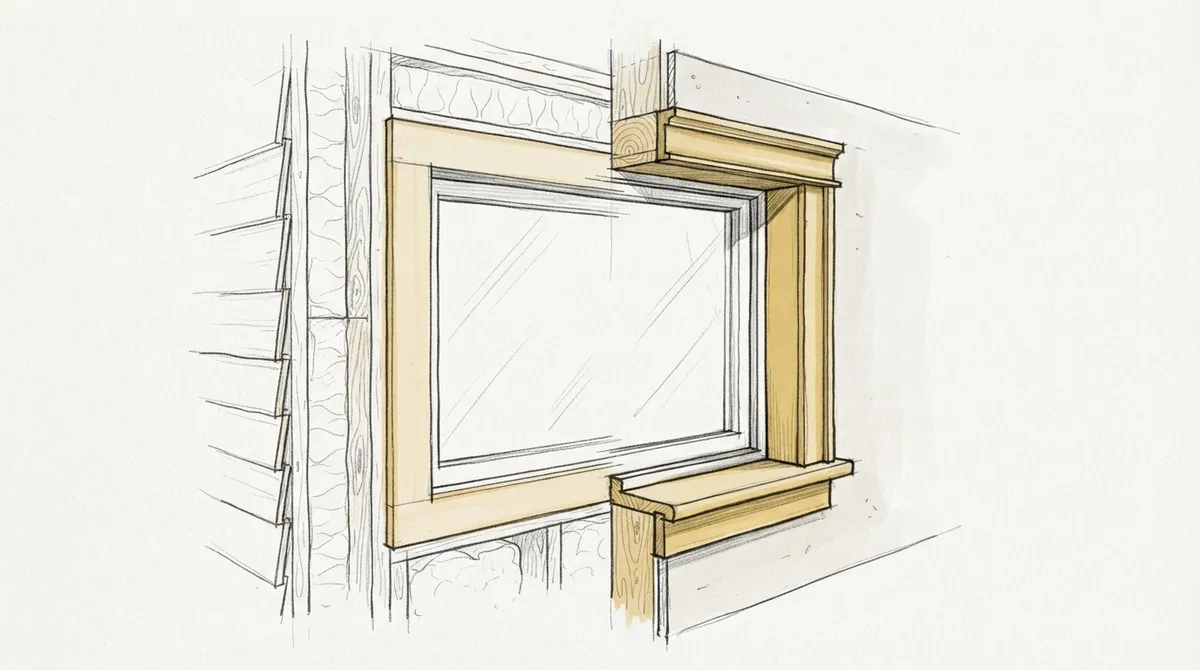
What Is Window Trim and Why Does It Matter
Window trim is the wood molding that surrounds a window frame. It covers the gap between the window and the wall, giving a clean, finished look. Good trim also protects walls from damage and blocks drafts from sneaking through gaps.
Beyond function, window trim sets the tone for a room’s style. A simple ranch home might use thin, flat casing. A historic bungalow or luxury build often calls for layered, dimensional trim with more detail. Choosing the right style is one of the easiest ways to boost curb appeal and interior charm without a full renovation.
If you want to see how trim choices affect a home’s overall design, our article on trim and molding transforming a space with style offers a deeper look at this topic.
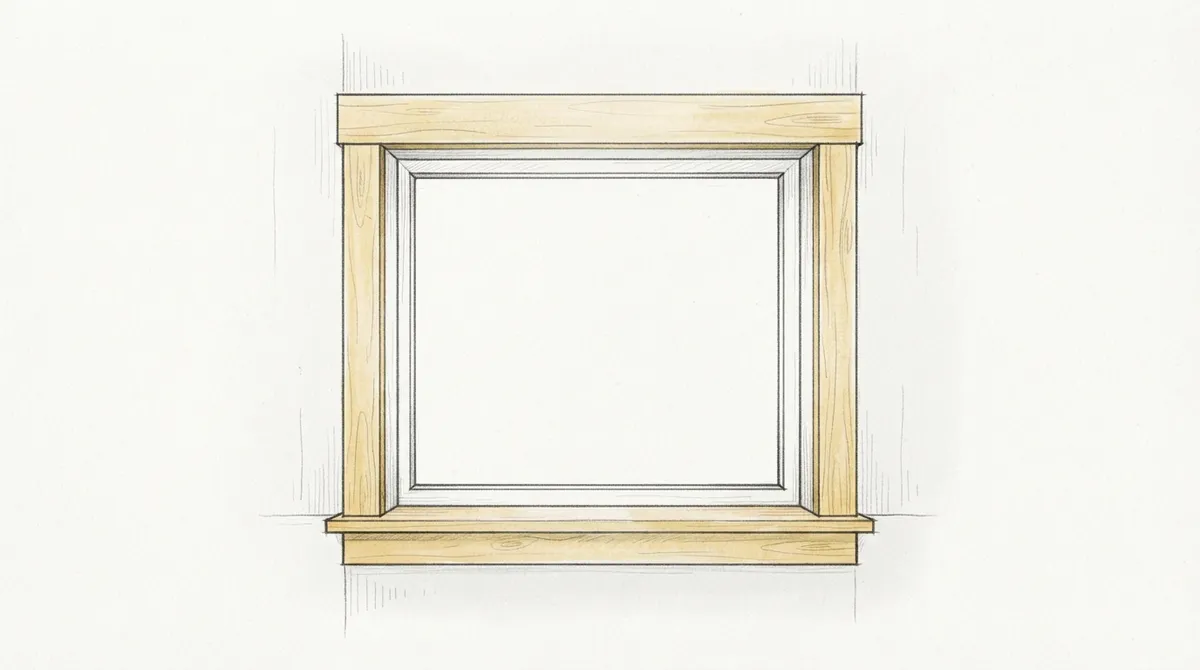
Flat Stock Window Trim Explained
Flat stock trim is exactly what it sounds like. It’s a single, flat piece of wood or composite material installed around the window opening. This style has been used in homes for generations because it’s simple, sturdy, and easy to maintain.
Key Features of Flat Stock Trim
- Clean, minimal lines that suit modern and transitional homes
- Faster installation since there are fewer pieces to fit together
- Works well in rooms with lower ceilings or smaller windows
- Easier to repaint or refinish over time
- Blends well with contemporary cabinetry and wall designs
Flat stock trim is a popular pick for homeowners who want a timeless look without heavy ornamentation. It’s also a favorite among real estate developers building multiple units, since it keeps installation time efficient across a large project.
Layered Window Trim Explained
Layered trim, sometimes called built-up trim, combines multiple pieces of molding to create depth and shadow lines. This might include a base casing topped with a decorative cap, or added rosettes at the corners.
Key Features of Layered Trim
- Adds architectural richness and a custom, high-end feel
- Creates shadow lines that catch light beautifully
- Pairs well with crown molding and other detailed millwork
- Ideal for formal rooms, historic homes, and luxury builds
- Offers more design flexibility for unique window shapes
Interior designers often lean toward layered trim when a client wants a room to feel elevated and intentional. This style takes more skill to install correctly, which is why hiring an experienced carpenter matters. You can browse examples of this craftsmanship in our molding details gallery.
Side-by-Side Comparison
| Feature | Flat Stock Trim | Layered Trim |
|---|---|---|
| Installation Complexity | Low to moderate | Moderate to high |
| Visual Depth | Minimal | Strong, dimensional |
| Best Suited For | Modern, transitional homes | Traditional, luxury, historic homes |
| Maintenance | Simple, fewer joints | More joints to inspect and maintain |
| Design Flexibility | Limited customization | High customization potential |
How to Choose the Right Style for Your Project
Picking between flat stock and layered trim depends on a few key factors. Think about your home’s architecture, your budget for labor time, and how much detail you want in the finished look.
- Assess your home’s existing style. A craftsman or colonial home often looks best with layered trim, while a minimalist modern home suits flat stock.
- Consider the room’s purpose. Formal living rooms and entryways benefit from detailed trim, while bedrooms and utility spaces often do fine with simpler designs.
- Think about ceiling height. Taller ceilings can support bulkier, layered trim without feeling crowded.
- Talk to a professional carpenter. A skilled trim carpenter can recommend the best proportions and materials for your specific windows.
- Review your long-term plans. If you’re selling soon, consider what buyers in your area expect to see.
Real estate developers often ask which option adds more resale value. In many Tampa Bay neighborhoods, layered trim in main living areas signals quality craftsmanship, which can help homes stand out. For more on this, check our piece on 13 custom window trim ideas that elevate your home.
Materials Used in Modern Window Trim
Material choice affects both durability and appearance. Here are the most common options carpenters use today:
- Poplar wood for smooth, paintable surfaces
- MDF (medium-density fiberboard) for cost-effective interior trim
- PVC or composite materials for moisture resistance in humid climates like Tampa Bay
- Solid oak or maple for a natural wood-stained finish
- Finger-jointed pine for budget-friendly painted trim
In Florida’s humid climate, moisture-resistant materials are especially important near windows. Poor material choices can lead to warping or rot over time. A knowledgeable carpenter, like the team at Bucheli Trim, can help you select materials suited to your local climate and home style.
Installation Process: What to Expect
Whether you choose flat stock or layered trim, the installation process follows a similar sequence. Understanding these steps helps you know what to expect from your carpenter.
- Measure the window opening and surrounding wall space precisely.
- Cut trim pieces to size, mitering corners for a clean fit.
- Dry-fit all pieces before permanent installation to check alignment.
- Attach trim using finish nails and wood adhesive for stability.
- Fill nail holes and seams, then sand for a smooth surface.
- Prime and paint or stain to match the home’s interior design.
Layered trim adds extra steps since each layer must be measured and attached separately before the final piece goes on. This is why hiring skilled professionals matters, especially for complex layered designs. Learn more about the general process in our guide on carpentry techniques and standards.
Common Mistakes to Avoid
Even simple trim projects can go wrong without careful planning. Here are frequent mistakes homeowners and contractors should watch for:
- Using mismatched trim sizes across different rooms
- Skipping caulk at seams, leading to visible gaps later
- Choosing trim that clashes with existing baseboards or door casing
- Ignoring humidity levels when selecting wood materials
- Rushing the miter cuts, resulting in uneven corners
Avoiding these pitfalls saves time and money down the road. Our article on mistakes to avoid when hiring carpenters covers more ways to protect your investment.
Window Trim and Whole-Home Design
Window trim rarely stands alone. It should work in harmony with baseboards, door casing, and even crown molding throughout the home. Interior designers often coordinate these elements to create a cohesive flow from room to room.
For homeowners planning a broader renovation, pairing window trim upgrades with other carpentry work like ceiling designs or wall enhancements can create a unified, high-end look throughout the home. This approach is especially popular in Tampa Bay’s custom home market, where buyers expect thoughtful design details in every room.
Developers building spec homes or renovating properties for resale often find that consistent trim style throughout a home improves buyer perception. A mismatched mix of flat and layered trim can feel disjointed, while a unified approach signals quality construction.
When to Hire a Professional Carpenter
Some homeowners attempt DIY window trim installation, and simple flat stock projects can be manageable for those with tool experience. However, layered trim, custom window shapes, or older homes with uneven walls usually require professional expertise.
A professional carpenter brings precision tools, trained skill, and an eye for proportion that’s hard to replicate without experience. They also know how to handle common Florida home issues, like humidity-related wood movement or older window frames that aren’t perfectly square.
If you’re ready to upgrade your windows with expert craftsmanship, you can reach out to discuss your project today. Our team has helped homeowners, designers, and developers across Tampa Bay bring their vision to life with precise, beautiful trim work.
Why Local Expertise Matters
Tampa Bay’s climate and architectural styles create unique challenges for window trim installation. Homes near the coast face higher humidity, while older neighborhoods often feature unique window shapes that need custom solutions.
Working with a local carpentry team means you get advice tailored to your specific home and region. You can also visit us on Google — Bucheli Trim to see reviews from homeowners who’ve trusted our team with their window trim and other custom carpentry projects. You can also follow our latest work on Facebook for project inspiration.
Final Thoughts on Choosing Your Window Trim Style
Both flat stock and layered window trim have their place in home design. Flat stock offers simplicity, speed, and a clean modern look. Layered trim brings depth, character, and a custom, high-end feel that suits traditional and luxury homes.
The right choice depends on your home’s architecture, your design goals, and how much detail you want to invest in. Whichever style you choose, quality materials and skilled installation make all the difference in the final result. For inspiration on pairing trim with other design elements like crown molding or durable flooring finishes such as epoxy coatings, explore our full portfolio of custom projects.
Ready to transform your windows with expert craftsmanship? Contact our team today to schedule a consultation and bring your window trim vision to life.
FAQs
Q: What is the difference between flat stock and layered window trim?
A: Flat stock trim uses a single flat piece of wood around the window, while layered trim combines multiple pieces to add depth and shadow lines. Layered trim usually looks more detailed and formal, while flat stock offers a clean, simple appearance.
Q: Which window trim style adds more value to a home?
A: Layered trim often adds more perceived value in traditional or luxury homes because it signals detailed craftsmanship. However, flat stock trim can still add strong value in modern homes where clean lines are preferred by buyers.
Q: Can I install window trim myself, or should I hire a professional?
A: Simple flat stock trim can sometimes be a manageable DIY project for those with basic tool skills. Layered trim, custom window shapes, or older homes with uneven walls usually require a professional carpenter for the best results.
Q: What materials work best for window trim in humid climates like Tampa Bay?
A: Moisture-resistant materials like PVC, composite trim, or properly sealed solid wood work best in humid areas. These materials resist warping and rot better than untreated wood, making them ideal for Florida homes.
Q: How long does window trim installation typically take?
A: A single window with flat stock trim can often be completed in under an hour by an experienced carpenter. Layered trim takes longer due to the extra pieces and precise measurements required for each layer.