
Key Takeaways
-
Always verify a carpenter's specialization before hiring—custom projects like coffered ceilings and built-in cabinets require finish or custom carpenters, not general construction workers, to ensure quality results.
-
Get everything in writing with a detailed contract that includes scope of work, materials list, timeline, payment schedule, and warranty terms to protect yourself and prevent costly disputes.
-
Research background thoroughly by checking online portfolios, Google Business profiles, verifiable reviews, licensing, and insurance before contacting any carpenter to avoid expensive mistakes.
-
Define your project clearly with written details, inspiration photos, measurements, and material preferences before reaching out to carpenters, as vague descriptions lead to misunderstandings and unwanted results.
Finding the right carpenter can transform your home. But making the wrong choice can lead to wasted money, poor results, and endless frustration. Whether you want stunning ceiling designs, beautiful built-in cabinetry, or elegant wall enhancements, you deserve skilled craftsmanship. The problem is that many homeowners, interior designers, and real estate developers make avoidable mistakes when searching for “carpenters near me.” These errors often cost more to fix than they would have to avoid. This guide walks you through the seven most common mistakes people make when hiring a local carpenter — and exactly how to avoid them. By the end, you’ll know how to find a skilled professional who delivers quality results every time. To learn more about carpentry as a craft and trade, it helps to understand what separates a general handyman from a true custom carpenter before you start your search.

Mistake 1: Skipping Background Research
Many people search “carpenters near me” and simply call the first name they see. This is a big mistake. Taking time to research a carpenter’s background saves you from costly surprises later.
Here’s what to look for during your research:
- Years of experience in custom carpentry
- A portfolio of completed projects similar to yours
- Verifiable customer reviews and testimonials
- Proper licensing and insurance coverage
- A professional website with clear service descriptions
A reputable carpenter will have a strong online presence. Check their Google Business Profile for honest feedback from past clients. For example, you can visit Bucheli Trim on Google to see verified reviews and project details from real customers in the Tampa Bay area.

Mistake 2: Not Defining Your Project Clearly
Before you contact any carpenter, you need a clear vision of your project. Vague descriptions lead to misunderstandings. Misunderstandings lead to results you didn’t want.
Follow these steps to define your project before reaching out:
- Write down exactly what you want to achieve (e.g., a coffered ceiling, built-in bookshelves, wainscoting panels)
- Gather inspiration photos from design magazines or websites
- Measure the space where the work will happen
- List any specific materials or wood species you prefer
- Set a realistic timeline for project completion
The more detail you provide upfront, the more accurate your carpenter’s plan will be. If you’re considering wall enhancements or molding details, having reference photos helps the carpenter understand your style preferences quickly.

Mistake 3: Choosing Based on Availability Alone
It can be tempting to hire the carpenter who’s available immediately. But availability doesn’t equal quality. The best custom carpenters are often booked weeks or months in advance.
Don’t rush your decision. A skilled carpenter is worth the wait. Rushing into a hire often results in substandard work that costs more to correct than to have done right the first time.
Consider these factors beyond availability:
- Specialty in the type of work you need
- Quality of materials they typically use
- Communication style and responsiveness
- Attention to detail in their past work

Mistake 4: Ignoring Specialization
Not all carpenters do the same work. A framing carpenter builds structural walls. A finish carpenter installs trim and molding. A custom carpenter creates unique, high-end features tailored to your space.
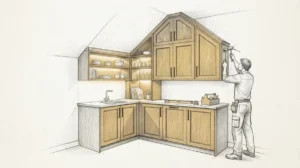
When searching for “carpenters near me,” always confirm their area of specialization. For custom projects like coffered ceilings, built-in cabinets, or decorative crown molding, you need someone trained specifically in finish and custom carpentry — not general construction work.
Common Custom Carpentry Specializations
| Specialization | Common Projects | Skill Level Required |
|---|---|---|
| Finish Carpentry | Trim, molding, door casing | High |
| Cabinet Making | Built-in cabinets, custom shelving | Very High |
| Architectural Millwork | Coffered ceilings, wainscoting, paneling | Expert |
| Custom Woodworking | Unique furniture, decorative features | Expert |
Mistake 5: Skipping the Portfolio Review
Always ask to see a carpenter’s portfolio before hiring them. Photos of past work tell you more than any sales pitch ever could. They show you the actual quality, style, and range of work a carpenter is capable of producing.
When reviewing a portfolio, pay attention to:
- Clean, precise cuts and joints
- Consistent finishing and staining quality
- How well the work fits the overall room design
- Variety in the types of projects completed
- Projects similar in scope and style to your own
A company like Bucheli Trim showcases its work through a detailed portfolio that includes custom projects, ceiling designs, and cabinetry installations across the Tampa Bay area. Reviewing these examples helps you gauge whether the carpenter’s style aligns with your vision.
You can also explore guides like 11 ways custom woodworking near you transforms homes for inspiration on what skilled craftsmanship can achieve in real residential spaces.
Mistake 6: Not Asking the Right Questions
Many homeowners feel intimidated asking detailed questions. But asking the right questions is essential. It protects you and helps you find the best carpenter for your project.
Here are important questions to ask any carpenter before hiring:
- How long have you been doing custom carpentry work?
- Do you have experience with projects like mine?
- Are you licensed and insured in this state?
- Who will actually be working on my project — you or subcontractors?
- How do you handle unexpected issues or changes mid-project?
- Can you provide references from past clients?
Good carpenters welcome these questions. They show you’re serious and informed. If a carpenter avoids or dismisses your questions, that’s a warning sign worth noting.
Red Flags to Watch For
Some warning signs indicate a carpenter may not be the right fit for your project. Knowing these red flags saves you from a bad experience.
- No verifiable portfolio or references
- Unclear or vague communication
- Reluctance to discuss project details in writing
- Inability to explain their process clearly
- No proof of insurance or licensing
If you’re unsure where to start your search, resources like where to find a skilled carpenter near me offer practical guidance for homeowners and designers navigating the local market.
Mistake 7: Overlooking the Contract and Scope of Work
Never start a carpentry project without a written contract. A verbal agreement is not enough protection for either party. A solid contract outlines every important detail in writing.
Your contract should include the following:
- A detailed scope of work describing every task to be completed
- Materials list specifying types, grades, and finishes
- Project timeline with start and completion dates
- Payment schedule tied to project milestones
- Process for handling changes or unexpected work
- Warranty terms covering workmanship and materials
A well-written contract protects you if disagreements arise. It also shows that the carpenter operates professionally and takes their work seriously. Reputable custom carpenters always provide clear written agreements before beginning any work.
What a Detailed Scope of Work Looks Like
| Project Element | What to Specify |
|---|---|
| Ceiling Work | Style, dimensions, beam spacing, finish type |
| Cabinet Installation | Number of units, materials, hardware, placement |
| Molding and Trim | Profile style, wood species, paint or stain color |
| Wall Paneling | Panel height, layout pattern, finish method |
| Flooring Work | Material type, direction, subfloor prep needs |
Bonus Tips for a Successful Carpentry Project
Beyond avoiding mistakes, there are a few extra steps that make hiring carpenters near me a smoother experience. These tips come from real project experience and apply whether you’re a first-time homeowner or a seasoned interior designer.
- Visit completed projects in person if a carpenter offers that option
- Ask about their supplier relationships to understand material quality
- Discuss cleanup expectations before work begins
- Confirm how they protect your home during the work
- Request progress updates at agreed-upon intervals
For interior designers and developers, it also helps to look at broader scope services. For instance, some custom carpenters also handle flooring installation, custom door work, and even painting services — making them a more convenient single-source partner for full room transformations.
If you’re exploring the full scope of what custom carpentry can do for a property, check out this guide on 7 built-in cabinetry solutions that transform your home for detailed inspiration and practical ideas.
You can also follow along with real project updates and design inspiration on the Bucheli Trim Facebook page to see how professional custom carpentry comes to life in Tampa Bay homes.
Making the Right Choice for Your Home
Hiring the right carpenter doesn’t have to be stressful. When you know the common mistakes to avoid, the process becomes much clearer. Doing your research, asking smart questions, reviewing portfolios, and getting everything in writing puts you in control of the outcome.
Custom carpentry is an investment in your home’s beauty and value. Whether you’re planning a coffered ceiling, elegant built-ins, or decorative trim and molding, choosing the right local carpenter makes all the difference. The mistakes covered in this guide are easy to avoid once you know what to look for.
Ready to work with a trusted custom carpenter in the Tampa Bay area? Reach out to the Bucheli Trim team today to discuss your project and take the first step toward beautiful, lasting craftsmanship in your home.
FAQs
Q: How do I find reliable carpenters near me for custom work?
A: Start by searching online and reviewing portfolios, customer testimonials, and Google Business profiles. Look specifically for carpenters who specialize in custom or finish carpentry rather than general construction, as these professionals have the skills needed for detailed, high-end projects like built-in cabinetry and decorative ceiling designs.
Q: What is the difference between a general carpenter and a custom carpenter?
A: A general carpenter typically handles structural work like framing walls or basic repairs. A custom carpenter specializes in detailed, decorative work such as crown molding, coffered ceilings, built-in cabinetry, and architectural millwork — all requiring a much higher level of precision and artistry.
Q: What should a carpentry contract include?
A: A solid carpentry contract should include a detailed scope of work, a materials list, project timeline, payment schedule, and warranty information. Having all of this in writing protects both you and the carpenter and ensures the project is completed to your agreed-upon standards.
Q: How long does a custom carpentry project typically take?
A: Project timelines vary based on complexity, size, and the carpenter’s schedule. A simple trim installation may take a few days, while a full room transformation with coffered ceilings and built-in cabinets could take several weeks. Always confirm the expected timeline in writing before work begins.
Q: Why is it important to check if a carpenter is insured?
A: Insurance protects you as a homeowner if damage or injury occurs on your property during the project. A licensed and insured carpenter demonstrates professionalism and accountability, giving you peace of mind throughout the entire process.