Key Takeaways
-
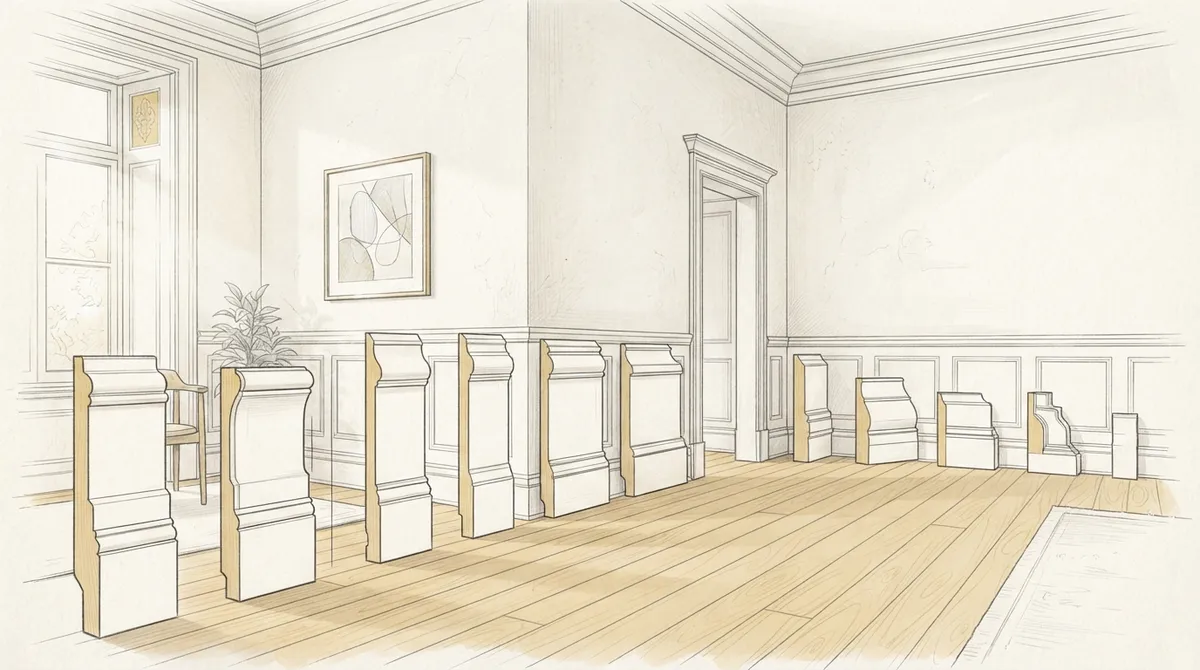
Choose baseboard height based on ceiling height: rooms with high ceilings benefit from 5-8 inch tall baseboards to create dramatic, balanced proportions, while standard 3-inch trim may look undersized.
-
Select materials by climate and location: PVC and composite baseboards resist moisture and warping better than solid wood in humid regions like Tampa Bay, while solid wood offers superior aesthetics for dry climates.
-
Coordinate baseboard style with existing architectural details like crown molding, door casings, and window trim throughout your home to create a unified, cohesive design rather than mixing styles between rooms.
-
Avoid common installation mistakes including wrong material selection for humidity levels, painting before caulking, improper nailing that causes loosening, and hiring unlicensed installers without proper tools and experience.
-
Professional installation is worth the investment over DIY for precise coped joints on inside corners, handling uneven walls and floors, and achieving quality finishes that last longer and look polished.
-
Maintain baseboards with regular dusting, yearly caulk inspections, prompt touch-ups of paint or stain when scuffed, and immediate replacement of moisture-damaged sections to preserve home value and appearance.
Baseboard trim is one of the most overlooked details in a home. Yet it can make or break the finished look of a room. Whether you own a home in Tampa Bay, design spaces for clients, or build new properties, the right baseboard trim adds polish that buyers and homeowners notice right away.
This guide breaks down nine baseboard trim styles worth knowing in 2026. You will learn how each style works, where it fits best, and what to consider before installation. We will also cover materials, common mistakes, and how professional installation compares to DIY work. By the end, you will know exactly which baseboard trim style suits your project.
What Is Baseboard Trim and Why Does It Matter
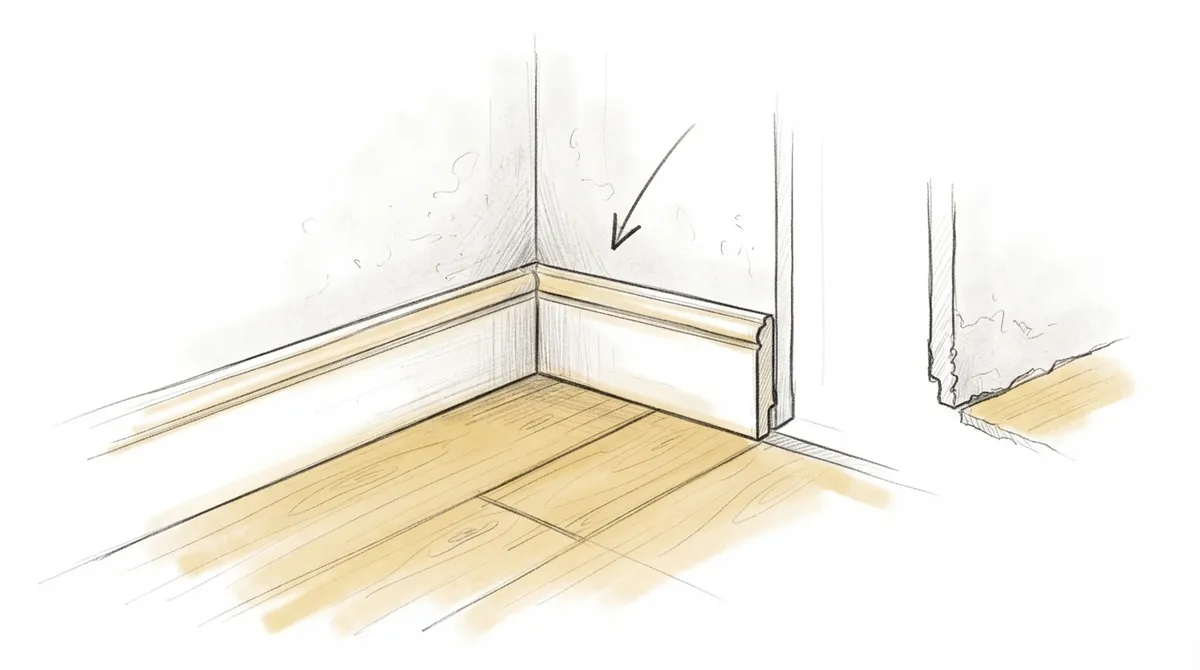
Baseboard trim is the molding installed where your wall meets the floor. It protects walls from scuffs, covers gaps, and hides uneven edges. Beyond function, baseboard trim frames a room and ties together your flooring, walls, and ceiling design.
Homeowners often underestimate how much baseboard trim affects a room’s overall style. A thin, plain baseboard can make a high-end home look unfinished. A well-chosen profile, on the other hand, adds depth and character. If you want to understand more about how trim choices shape a home’s character, check out this guide on what molding baseboard is and why it matters.
For interior designers, baseboard trim is a tool for setting the tone of a space. For real estate developers, it is a small investment that signals quality construction to potential buyers. For homeowners, it is a simple upgrade with a big visual payoff.
9 Baseboard Trim Styles Worth Considering
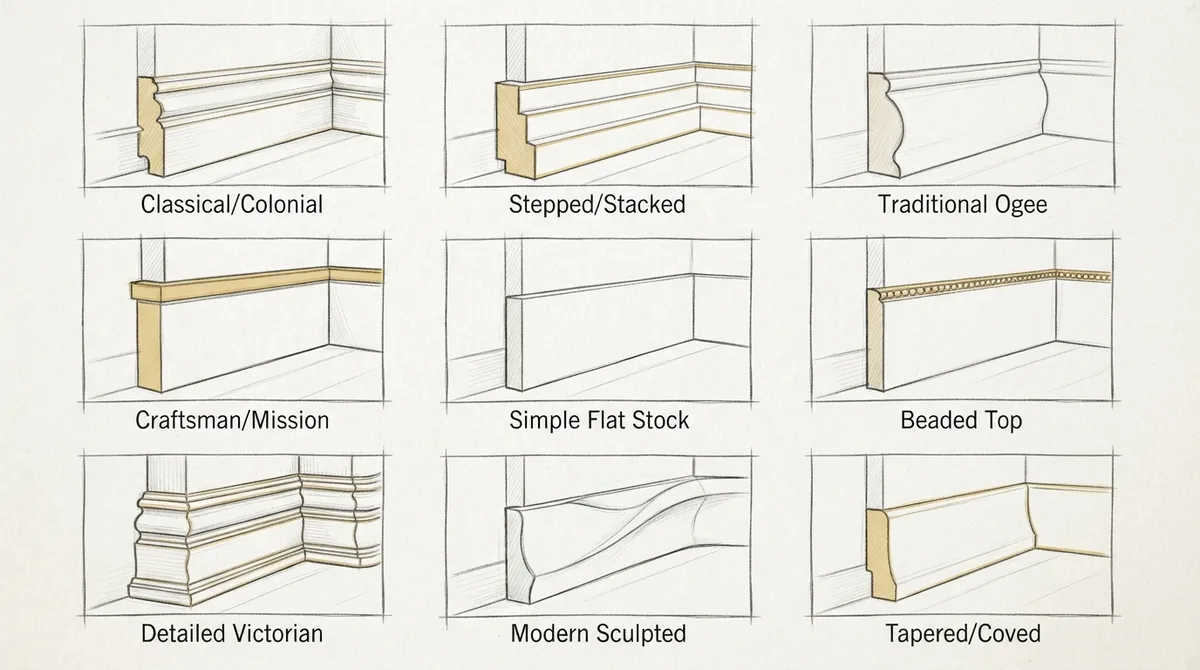
Not all baseboard trim looks the same. Each style creates a different mood and works better with certain architectural details. Here are nine popular options to consider for your next project.
1. Traditional Colonial Baseboard
This style features a curved, layered profile that has been popular for decades. It works well in classic and transitional homes. Colonial baseboard pairs nicely with traditional door trim and window casings.
2. Modern Flat Baseboard
Flat, minimalist baseboard trim suits contemporary homes. It has clean lines with little to no detailing. This style is popular among homeowners who want a simple, uncluttered look throughout their space.
3. Craftsman-Style Baseboard
Craftsman baseboard trim is thicker and often paired with a simple cap. It complements bungalow-style homes and Arts and Crafts interiors. This style adds a sturdy, grounded feel to any room.
4. Tall Baseboard Trim
Taller baseboards, often five to eight inches high, create a dramatic look. They work especially well in rooms with high ceilings. Tall baseboard trim is a favorite among interior designers aiming for a luxury feel.
5. Beaded Baseboard
This style includes a small groove or bead along the top edge. It adds subtle texture without overwhelming the room. Beaded baseboard pairs well with wainscoting and other wall enhancement projects.
6. Ogee Profile Baseboard
The ogee profile has an S-shaped curve that adds elegance. It is often used in formal dining rooms and entryways. This style pairs beautifully with detailed crown molding for a cohesive design.
7. Rustic Wood Baseboard
For farmhouse or rustic-style homes, natural wood grain baseboard trim adds warmth. This style often skips paint in favor of a stain finish that highlights the wood’s texture.
8. Stepped Baseboard Trim
Stepped baseboard includes multiple layers or tiers, creating shadow lines. This style adds depth and works well in homes with detailed molding details throughout.
9. Custom Profile Baseboard
Sometimes, standard profiles do not fit a homeowner’s vision. Custom-milled baseboard trim lets you match existing historic details or create something entirely unique. This option is popular for high-end renovations and new builds where every detail matters.
Choosing the Right Material for Your Baseboard Trim
Material choice affects durability, cost, and finished appearance. Here is a quick comparison of common baseboard trim materials.
| Material | Durability | Best Use Case | Maintenance Needs |
|---|---|---|---|
| Solid Wood | High | High-end homes, custom projects | Occasional refinishing |
| MDF (Medium-Density Fiberboard) | Moderate | Painted trim, budget-friendly projects | Avoid moisture exposure |
| PVC/Composite | Very High | Bathrooms, humid climates like Tampa Bay | Low maintenance |
| Finger-Jointed Wood | Moderate to High | Painted applications | Standard upkeep |
Solid wood remains the top choice for homeowners who want long-lasting quality and a natural finish. In humid regions like Tampa Bay, PVC and composite materials resist warping better than raw wood. If you are exploring flooring alongside trim work, this guide on how professional flooring installation transforms your home offers useful context.
Steps for Installing Baseboard Trim Correctly
Proper installation makes the difference between a polished finish and a noticeable flaw. Here is a step-by-step overview of the process.
- Measure each wall carefully and calculate the total linear footage needed.
- Choose your baseboard profile and material based on room style and moisture exposure.
- Cut precise miter and coped joints for clean corners.
- Attach baseboard trim securely to wall studs, not just drywall.
- Fill nail holes and seams with wood filler or caulk.
- Sand all surfaces smooth before painting or staining.
- Apply primer and paint, or stain and seal, depending on material.
- Inspect every joint and touch up any gaps or uneven edges.
Skipping steps in this process often leads to visible seams, gaps, or trim that pulls away from the wall over time. For a deeper look at common errors, read this article on baseboard installation mistakes you must avoid.
DIY vs. Professional Baseboard Trim Installation
Many homeowners consider installing baseboard trim themselves. While it seems simple, several factors make professional installation worth the investment.
- Uneven walls and floors require precise adjustments that take experience to master.
- Coped joints for inside corners are difficult to cut without practice.
- Matching existing trim styles in older homes often requires custom milling.
- Improper nailing can cause trim to loosen or crack over time.
- Paint and finish quality affects how long the trim looks fresh.
For homeowners weighing their options, this comparison of DIY versus professional baseboard installation in Tampa breaks down the pros and cons in detail. Professional installers bring precision tools and experience that most DIY projects cannot match.
How Baseboard Trim Fits Into a Larger Design Plan
Baseboard trim rarely stands alone. It works best when coordinated with other carpentry details throughout a home. Interior designers often pair baseboard styles with matching door casings, window trim, and crown molding for a unified look.
Real estate developers benefit from consistent trim packages across multiple units. This consistency speeds up construction timelines and creates a cohesive brand for a development. Builders can explore options through services like custom carpentry projects designed for larger-scale consistency.
Homeowners renovating a single room should still think about how baseboard trim connects to nearby spaces. A mismatch between rooms can look unfinished, even if each room looks fine individually. Considering the whole home’s flow leads to better long-term satisfaction with the results.
Common Mistakes to Avoid
Even experienced homeowners make errors when planning baseboard trim projects. Avoid these common pitfalls to save time and money.
- Choosing a profile that clashes with the home’s existing architectural style.
- Ignoring humidity levels when selecting materials, especially in Florida homes.
- Ordering the wrong quantity and running short mid-project.
- Painting before caulking, which leaves visible gaps once dry.
- Hiring unlicensed installers who lack proper tools or training.
Avoiding these mistakes upfront saves both time and frustration. For more guidance on avoiding costly missteps, this resource on trim work mistakes Tampa homeowners must avoid covers additional details specific to the region.
Why Professional Craftsmanship Makes a Difference
Baseboard trim might seem like a small detail, but it requires skill to get right. Precise measurements, clean joints, and proper attachment all affect how long the trim lasts and how good it looks. According to general craftsmanship standards outlined in resources like this overview of carpentry practices, attention to detail separates quality work from quick fixes.
Bucheli Trim has built a reputation across Tampa Bay for precise, high-end finish work, including custom baseboard trim tailored to each home’s style. Whether you need a simple update or a full custom package that includes cabinetry, ceiling designs, and trim work, working with skilled carpenters ensures every detail fits together seamlessly. You can also follow project updates on Facebook to see recent work in the area.
Maintaining Your Baseboard Trim Long-Term
Once installed, baseboard trim needs occasional care to stay looking sharp. Follow these simple maintenance tips.
- Dust baseboards regularly to prevent buildup along the top edge.
- Touch up paint or stain when scuffs or scratches appear.
- Check caulking yearly and reseal any cracked seams.
- Inspect for moisture damage in bathrooms, kitchens, and laundry rooms.
- Replace damaged sections promptly to prevent further wear.
Routine maintenance extends the life of your baseboard trim and keeps your home looking fresh. Homes with proper upkeep often retain more value during resale, which matters greatly to real estate developers and homeowners planning future sales.
Final Thoughts on Choosing Baseboard Trim
Baseboard trim is a small detail with a big impact. From traditional colonial profiles to custom-milled designs, the right choice depends on your home’s style, your budget for materials, and your long-term goals. Whether you are updating one room or planning a full renovation, thoughtful trim choices tie every space together.
If you are ready to upgrade your home with expertly crafted baseboard trim, our team can help bring your vision to life. See what local homeowners say by checking out Bucheli Trim reviews on Google, or explore our client testimonials for more insight into our craftsmanship. When you are ready to start your project, reach out to our team today to schedule a consultation and get expert guidance tailored to your home.
FAQs
Q: What is the best baseboard trim style for a modern home?
A: Flat, minimalist baseboard trim works best for modern homes because it keeps clean lines without extra detailing. This style pairs well with contemporary flooring and wall finishes. Many homeowners choose this option to match sleek, uncluttered interior designs.
Q: How tall should baseboard trim be for a room with high ceilings?
A: Rooms with high ceilings often look best with taller baseboard trim, typically five to eight inches high. This proportion balances the extra vertical space and adds a more dramatic, finished look. Standard three-inch trim can look undersized in these rooms.
Q: Is PVC baseboard trim a good choice for humid climates?
A: Yes, PVC and composite baseboard trim resist moisture better than solid wood, making them ideal for humid regions like Tampa Bay. These materials hold up well in bathrooms, kitchens, and other high-moisture areas. They also require less long-term maintenance than natural wood.
Q: Should I install baseboard trim myself or hire a professional?
A: While simple, straight walls may work for a DIY approach, most homes have uneven surfaces that require precise adjustments. Professional installers handle coped joints, custom fits, and proper nailing more reliably. This results in a cleaner, longer-lasting finish overall.
Q: How often does baseboard trim need maintenance?
A: Baseboard trim should be dusted regularly and checked yearly for cracked caulking or paint wear. Touch-ups are usually needed every few years, depending on foot traffic and moisture exposure. Prompt repairs prevent small issues from becoming bigger problems.