Key Takeaways
-
Baseboard height should proportionally match ceiling height: 3.5-4.5 inches for 8-foot ceilings, 5-6 inches for 9-foot ceilings, and 7+ inches for 10-foot ceilings to maintain visual balance.
-
Choose solid wood for stained finishes, MDF for painted applications, and moisture-resistant materials like polyurethane/PVC for bathrooms to prevent warping and ensure durability.
-
Professional installation requires precise miter cuts (typically 45 degrees) at corners and skill in handling out-of-square rooms; improper cuts create visible gaps and misaligned seams.
-
Quality baseboard molding signals craftsmanship to buyers and increases perceived property value when paired with other premium finishes like quality flooring and built-in cabinetry.
-
Built-up baseboards created by layering multiple molding pieces deliver a custom, high-end architectural look that separates luxury homes from standard finishes.
-
Coordinate baseboard with other trim elements including shoe molding, crown molding, door casings, and wainscoting to create a cohesive, polished interior design.
Most people walk past baseboards every day without giving them a second thought. But these simple strips of wood do much more than you might expect. They hide gaps, protect walls, and pull a room together. In high-end homes and luxury spaces, molding baseboard takes things even further. It adds depth, character, and a refined finish that makes every room feel complete. Whether you’re a homeowner upgrading your space, an interior designer seeking precise craftsmanship, or a developer adding value to a property, understanding molding baseboard is essential. This article breaks down everything you need to know — from what it is and how it works, to the styles, materials, and installation steps that professionals rely on. You’ll also discover why custom carpentry makes such a big difference when it comes to this often-overlooked detail.
What Is Molding Baseboard?
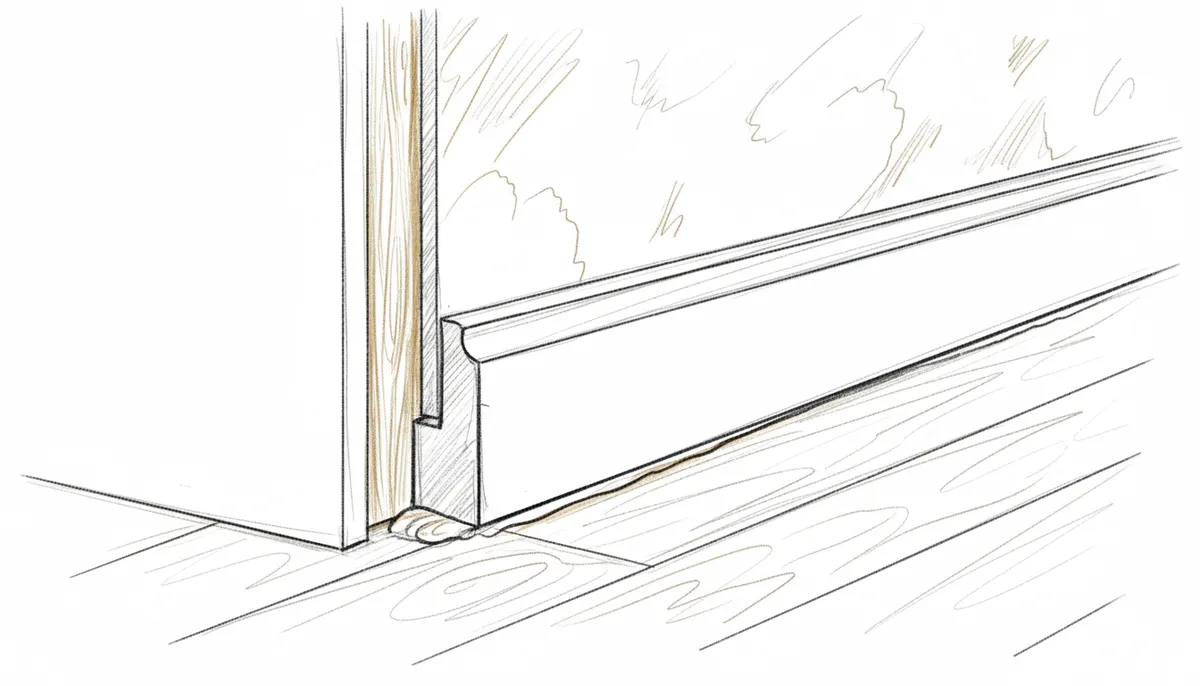
Molding baseboard is a type of trim installed at the bottom of interior walls. It runs along the floor’s edge and covers the joint where the wall meets the floor. This joint can look uneven or unfinished without trim. Baseboard molding solves that problem while also adding a decorative touch. To learn more about crown molding and how it pairs with baseboard in a room, understanding both from the top down gives a clearer picture of how trim ties a space together.
Beyond looks, baseboard molding protects the bottom of the wall. Foot traffic, vacuums, and furniture can all scuff or damage drywall. The baseboard acts as a buffer. It also helps seal off the gap between the floor and wall, keeping out drafts and pests. You can explore related molding details to see how different profiles work in different rooms.
Why Does Molding Baseboard Matter in Custom Carpentry?
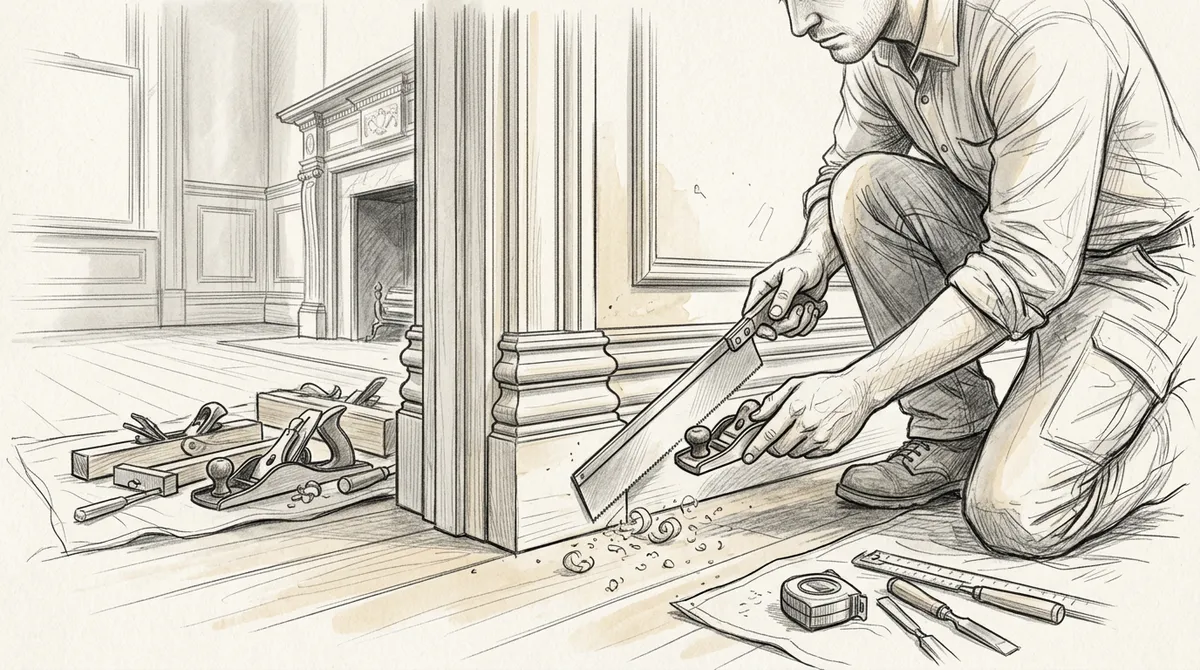
In custom carpentry, details matter. Molding baseboard is one of those details that separates a standard finish from an exceptional one. It signals quality. When a baseboard is well-designed and properly installed, it elevates the entire room.
Interior designers know this well. They often use baseboard height and profile to set the tone for a space. Taller, more ornate baseboards suggest formality and luxury. Simpler, lower profiles lean modern and minimal. Working with a skilled carpenter means you get exactly the look you want — not just whatever is available at a hardware store. Learn how trim and molding transform your space with style when handled with expert precision.
Common Styles of Molding Baseboard
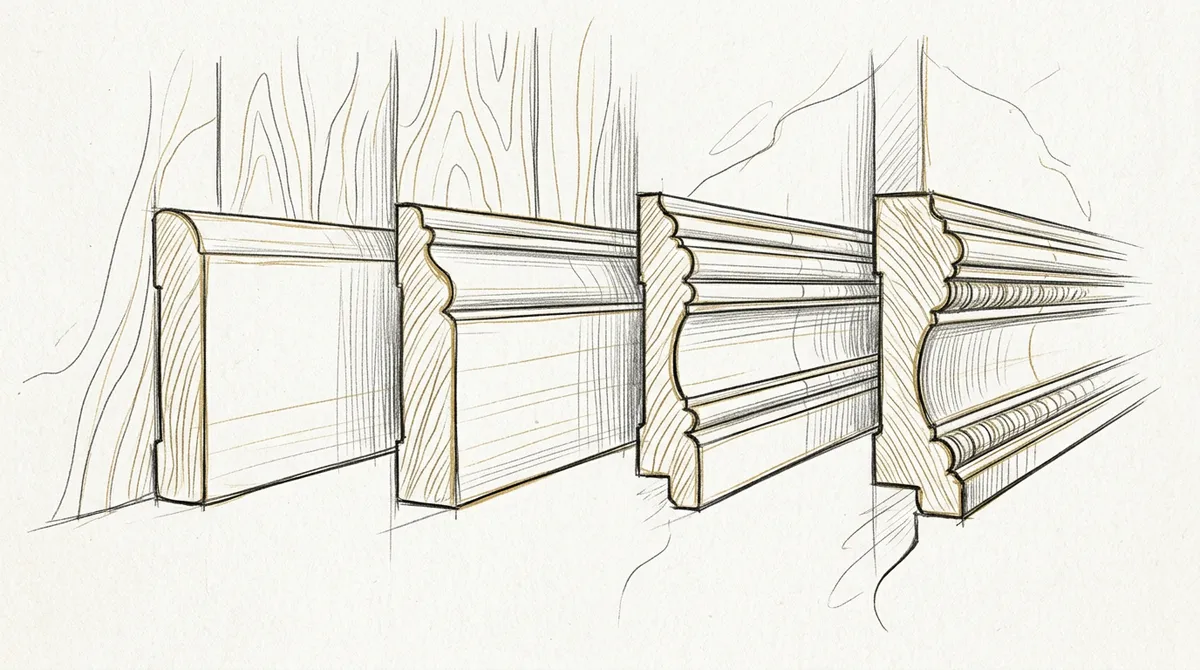
There are many baseboard styles to choose from. The right one depends on your home’s architecture, design goals, and personal taste. Here are some of the most popular profiles:
- Flat (or Eased Edge): Clean, simple, and modern. Great for contemporary spaces.
- Rounded Profile: Slightly curved at the top. Works well in traditional or transitional homes.
- Sculpted or Ogee: Features S-curves and detailed shaping. Best for classic or formal rooms.
- Colonial Style: A multi-step profile with graceful lines. Very common in older American homes.
- Craftsman Style: Thick, wide, and simple. Ideal for bungalows and artisan-style interiors.
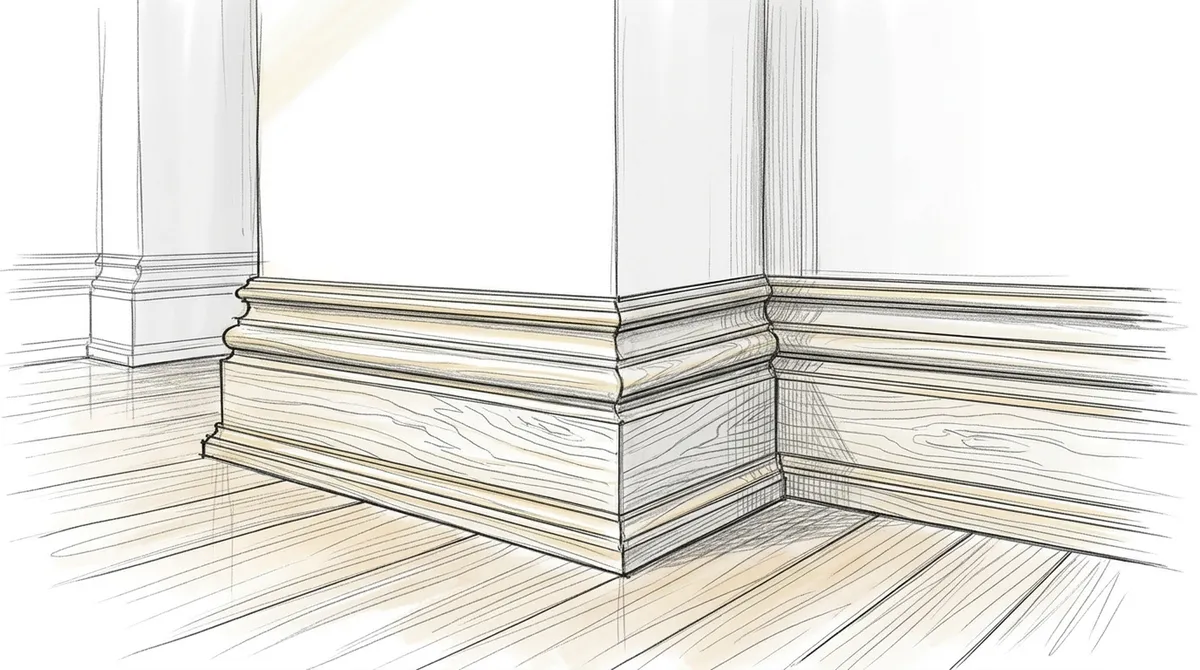
- Built-Up Baseboard: A combination of multiple molding pieces layered together. Creates a custom, high-end look.
Each style communicates something different. A built-up baseboard, for example, gives a room a richer, more architectural feel. Custom carpenters can create profiles that match existing trim or historical details in older homes. This level of precision is key to seamless results.
Materials Used in Baseboard Molding
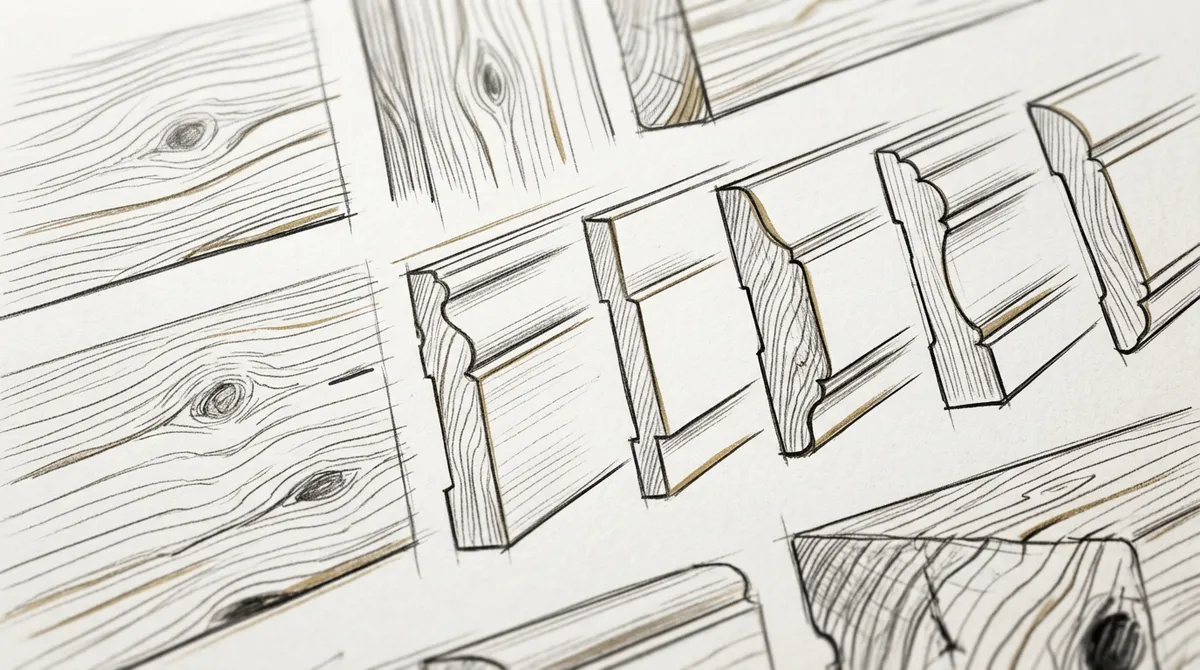
The material you choose affects both the look and durability of your baseboard. Here’s a quick comparison of the most common options:
| Material | Appearance | Durability | Best For |
|---|---|---|---|
| Solid Wood | Natural grain, rich finish | High | Luxury homes, custom builds |
| MDF (Medium Density Fiberboard) | Smooth, paint-ready | Medium | Painted finishes, budget builds |
| Polyurethane/PVC | Uniform, moisture-resistant | Medium-High | Bathrooms, humid areas |
| Finger-Jointed Pine | Smooth, paintable | Medium | Standard residential installs |
For high-end results, solid wood is the top choice. It accepts stain beautifully and can be shaped into nearly any profile. MDF works well for painted applications because its surface is very smooth. In areas with moisture, like bathrooms or laundry rooms, moisture-resistant materials help prevent warping and swelling.
How Molding Baseboard Is Installed
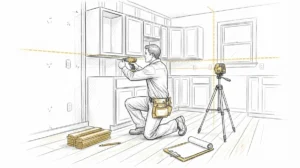
Proper installation requires skill and precision. Here is a step-by-step overview of how professionals approach it:
- Measure the room: Accurate measurements ensure the right amount of material is cut and placed correctly.
- Mark the wall: Find studs and mark where fasteners will go for a secure hold.
- Cut the pieces: Each corner requires a precise miter cut — usually 45 degrees — for tight, clean joints.
- Test fit the pieces: Before nailing, dry-fit all pieces to check gaps or misalignments.
- Nail and secure: Use a finish nailer or trim nails to attach the baseboard to the wall.
- Fill nail holes and gaps: Apply wood filler or caulk to create a seamless surface.
- Sand and finish: Sand smooth, then paint, stain, or seal depending on the material and design.
One of the trickiest parts is dealing with out-of-square corners. Most rooms aren’t perfectly square, so carpenters must adjust their cuts accordingly. This is where experience really counts. A professional knows how to cope joints, adjust angles, and make every seam look perfect.
If you’re curious about how carpentry skills apply across your entire home, learn more about carpentry and the wide range of techniques professionals use every day.
How Baseboard Pairs with Other Trim Elements
Baseboard molding rarely works alone. It’s part of a larger trim system that defines a room’s style. Here are the key elements it works with:
- Shoe Molding: A small strip installed at the base of the baseboard, right against the floor. It hides the gap between the baseboard and flooring.
- Door Casings: The trim around door frames. Baseboards should align with and complement door casings for a unified look. Explore custom door trim options that coordinate with your baseboard profile.
- Crown Molding: Installed where walls meet the ceiling. A room with both crown molding and detailed baseboard feels complete and polished. See how ceiling designs complement your trim choices from top to bottom.
- Chair Rail and Wainscoting: Mid-wall trim that connects to baseboard at the bottom. Together, they create a layered, elegant wall treatment through wall enhancements.
Coordinating all of these elements requires planning and a unified design vision. Skilled custom carpenters help ensure every piece relates to the others. The result is a cohesive, high-quality interior. For ideas on how this all comes together, browse custom carpentry projects that show the full impact of coordinated trim work.
How Tall Should Your Baseboard Be?
Baseboard height is a common question. There’s no single right answer, but here are some helpful guidelines:
- Standard ceilings (8 feet): Baseboards between 3.5 and 4.5 inches tall look proportional.
- 9-foot ceilings: Go for 5 to 6 inches of baseboard height for better visual balance.
- 10-foot ceilings and above: Use 7-inch or taller baseboards, or build up with multiple molding layers.
The taller the room, the taller the baseboard should be. This keeps the trim from looking lost in a large space. Built-up baseboards are a popular solution in high-ceiling rooms. They involve stacking a tall flat board with a smaller cap molding on top. The effect is impressive and custom.
Baseboard Molding and Property Value
For real estate developers, molding baseboard is a small investment with a noticeable return. Buyers notice quality finishes. Tall, well-crafted baseboards signal that a property was built or renovated with care. That perception translates to higher perceived value.
Pairing detailed baseboard with other premium finishes — like quality flooring installation or built-in cabinetry — creates a package that appeals to luxury buyers. Every element reinforces the others. The result is a property that stands out in the market. You can also see how custom woodworking transforms homes to understand the full impact of these choices.
Homeowners remodeling for resale should think of trim work as part of a staged, strategic upgrade. It’s one of the most cost-effective ways to improve the feel of a space without a full renovation. To explore how this applies more broadly, read about the signs that you need professional carpentry.
Why Choose a Custom Carpenter for Baseboard Molding
Not all baseboard installation is created equal. Pre-cut stock trim from a hardware store can look fine in simple spaces. But for homes and properties that demand a high standard, custom carpentry is the better path.
Custom carpenters can:
- Match existing trim profiles exactly — important in older homes or historic renovations
- Create unique profiles that you won’t find off the shelf
- Handle complex rooms with angled walls, arches, or uneven floors
- Integrate baseboard seamlessly with stairs, built-ins, and cabinetry
- Deliver flawless corner cuts, even in out-of-square rooms
Bucheli Trim has built a reputation in the Tampa Bay area for exactly this kind of precision work. From simple profile upgrades to full custom trim systems, the team brings skill and attention to detail to every project. Visit us on Google to see what local clients are saying about the craftsmanship firsthand. You can also follow the latest work and projects on Facebook.
If you’re wondering where to start, exploring where to find a skilled carpenter near you is a great first step. You can also learn more about Bucheli Trim’s approach to custom carpentry excellence.
Conclusion
Molding baseboard is one of the most effective tools in interior design and custom carpentry. It finishes a room, protects walls, and communicates quality. Whether you prefer a simple modern profile or an elaborate built-up design, the right baseboard makes a real difference. Materials, height, style, and installation all play a role in the final result. And when every detail is handled by a skilled craftsman, the outcome speaks for itself.
Ready to upgrade your space with custom molding baseboard work that stands out? Reach out to our team today to discuss your project and get expert guidance from professionals who care about every detail.
FAQs
Q: What is the difference between baseboard and baseboard molding?
A: Baseboard is the general term for any trim installed at the base of a wall. Baseboard molding refers specifically to baseboards with shaped or decorative profiles. Molded baseboards add visual character that flat, plain baseboards do not provide.
Q: How do I choose the right baseboard height for my room?
A: A good rule is to match baseboard height to ceiling height. Rooms with 8-foot ceilings work well with 3.5 to 4.5-inch baseboards, while rooms with 10-foot or taller ceilings benefit from 7 inches or more. Taller baseboards keep the trim looking proportional in larger spaces.
Q: Can baseboard molding be installed over existing flooring?
A: Yes, baseboard molding can be installed after flooring is in place. In fact, this is the standard approach for most flooring installations. A small gap is left between the floor and the wall, and the baseboard covers it for a clean, finished appearance.
Q: What material is best for painted baseboard molding?
A: MDF (Medium Density Fiberboard) is a popular choice for painted baseboards because its surface is very smooth and accepts paint evenly. Finger-jointed pine is another common option. For a premium finish with stain or natural wood grain, solid wood is the top choice.
Q: Why should I hire a custom carpenter instead of installing baseboard myself?
A: Custom carpenters have the tools and skill to handle tricky corners, match existing trim profiles, and deliver clean, tight joints throughout the room. DIY installations often result in visible gaps, misaligned corners, or inconsistent profiles. Professional installation ensures a polished result that adds lasting value to your space.