Key Takeaways
-
Well-executed exterior trim work increases perceived property value significantly and helps homes sell faster, as buyers associate detailed trim with quality construction and pride of ownership.
-
Window casings, corner boards, fascia, soffits, and door surrounds are the most visible trim elements that frame windows, define rooflines, and transform plain walls into architectural focal points.
-
In humid climates like Florida's Tampa Bay, use moisture-resistant materials like PVC trim and fiber cement instead of traditional wood to prevent rot, swelling, and weather damage.
-
Properly installed trim seals gaps, directs water away from walls, and shields vulnerable edges from damage, serving both decorative and critical protective functions for home structures.
-
Plan your trim project by assessing current trim condition, selecting an architectural style that matches your home, choosing appropriate materials for your climate, and hiring a skilled carpenter for precision installation.
-
Signs your trim needs attention include peeling or cracking paint, visible rot or soft spots, gaps between trim and siding, and flat or outdated-looking trim that lacks architectural detail.
First impressions matter. The outside of your home tells a story before anyone steps through the door. Exterior trim work plays a huge role in that story. It frames your windows, outlines your roofline, and adds depth to plain walls. Done right, it can completely transform how a home looks from the street.
Whether you own a home, design interiors, or develop real estate, exterior trim is worth understanding. It boosts curb appeal, adds architectural character, and increases property value. In 2026, more homeowners are investing in quality trim details that set their homes apart. This guide walks you through 9 powerful exterior trim work ideas that make a real difference. You’ll learn what works, why it matters, and how to choose the right style for your property.
To learn more about carpentry as a trade and its deep history, it helps to understand how trim has always been a hallmark of skilled craftsmanship.
What Is Exterior Trim Work?
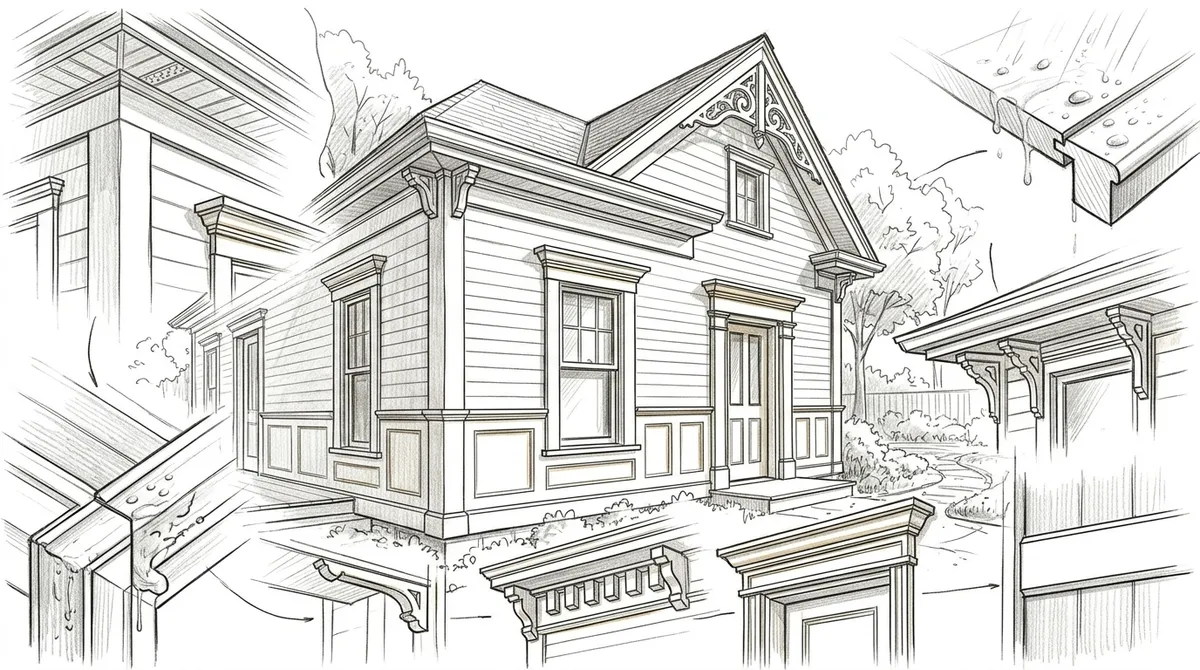
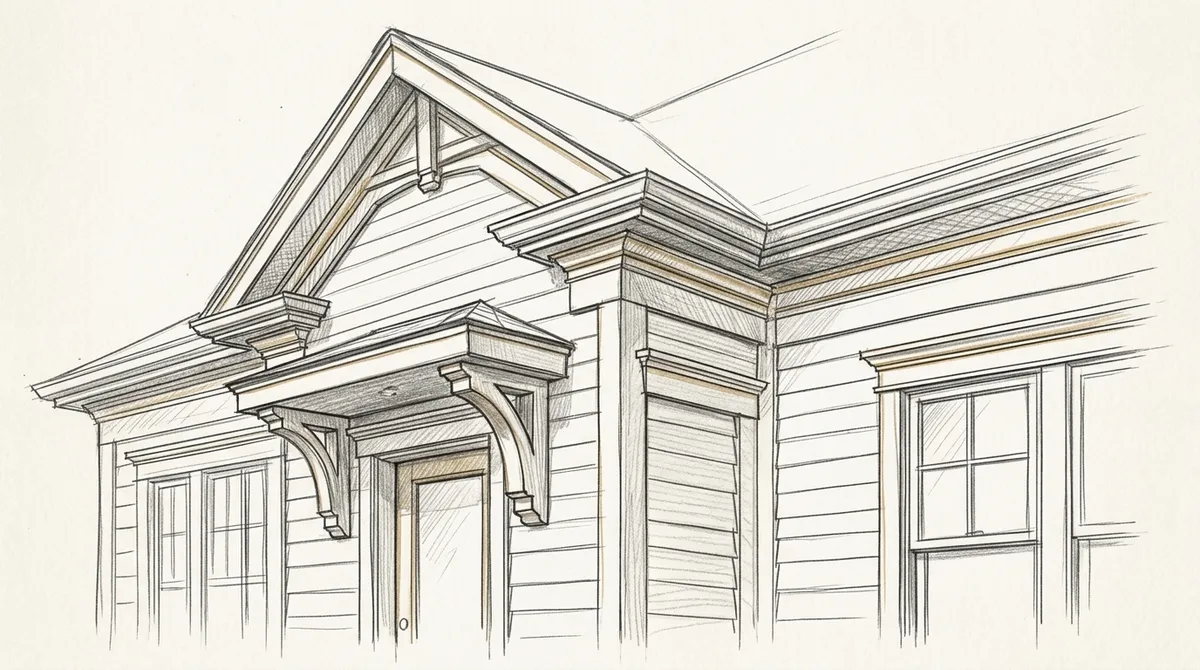
Exterior trim refers to the decorative and functional woodwork applied to the outside of a home. It includes elements like window casings, door frames, corner boards, fascia boards, soffits, and frieze boards. These details pull the design of a home together. They give structure, definition, and style to otherwise flat surfaces.
Good exterior trim work is more than just decoration. It also protects the home. Properly installed trim seals gaps, directs water away from walls, and shields vulnerable edges from weather damage. Quality materials and precise installation make all the difference. You can explore more about molding details to see how these design elements come together.
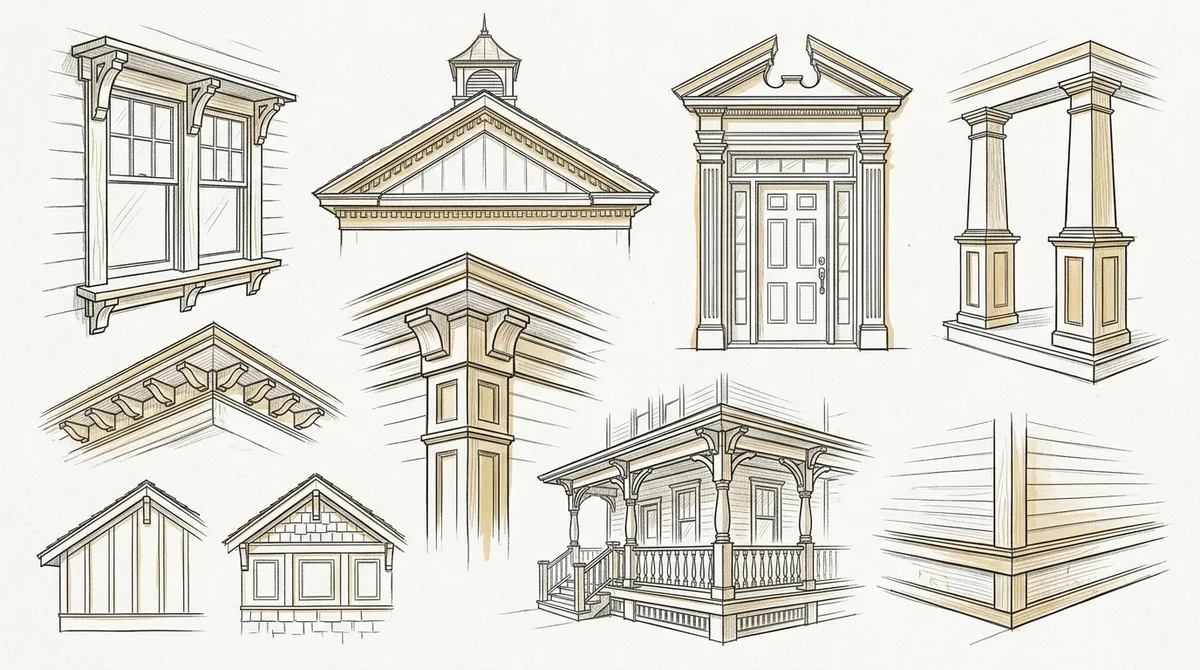
9 Exterior Trim Work Ideas That Elevate Any Home
1. Window Casing and Trim Surrounds
Window casing is one of the most visible forms of exterior trim. It frames each window and ties it into the overall design. Flat casing gives a clean, modern look. Built-up casing with multiple layers adds depth and a classic feel. Adding a sill and apron beneath the window completes the surround beautifully.
For a high-end result, consider a custom window trim design. You can see inspiration through these 13 custom window trim ideas that elevate your home. The right trim turns ordinary windows into architectural focal points.
2. Corner Boards
Corner boards run vertically along the corners of a home. They give a finished, polished appearance. They also protect the edges of siding from moisture and impact. Wide corner boards with a slight profile add a traditional, stately look. Slimmer boards with a smooth finish suit contemporary homes perfectly.
- Wide corner boards work well on colonial and farmhouse styles
- Thin, flat boards complement modern and craftsman designs
- Painted corner boards create contrast against siding colors
- Stained wood boards add warmth and natural character
3. Fascia and Soffit Work
Fascia boards run along the roofline, connecting the rafters to the exterior walls. Soffits fill the underside of roof overhangs. Together, they give the roofline a clean, finished edge. They also keep pests and moisture from getting into the attic. High-quality fascia and soffit work is both functional and attractive.
Crisp, well-painted fascia instantly sharpens the look of a home. Beadboard soffits add texture and visual interest. You can learn how wood bead board installation transforms your home with this versatile material applied to exterior soffits.
4. Frieze Boards
A frieze board sits just below the roofline, between the fascia and the wall. It creates a horizontal band that adds visual structure to the upper portion of a home. Decorative frieze boards can include carved details, routed profiles, or simple flat finishes. Even a plain frieze board with a contrasting paint color makes a dramatic difference.
5. Door Surround and Entryway Trim
Your front door is the centerpiece of your home’s exterior. A well-designed door surround elevates the entire entry. This includes the casing around the door, a detailed pediment or header above it, and pilasters (decorative columns) on either side. Layered trim at the entryway signals quality and attention to detail.
You can read more about door trim installation and how it elevates your home’s style. A grand entryway surround can dramatically increase curb appeal and perceived home value. Interior designers and real estate developers often focus here first for maximum impact.
6. Band Boards and Belt Courses
Band boards (also called belt courses) are horizontal trim pieces that run around the exterior of a home. They divide the facade into visual sections. They’re common between the first and second floors of two-story homes. A band board breaks up the siding and adds elegant horizontal lines to the design.
- They create a visual break between floors
- They add horizontal proportion to taller homes
- They can be painted in a contrasting color for emphasis
- They work with nearly every architectural style
7. Rake Boards and Gable Trim
Rake boards follow the slope of the roof along the gable ends. They frame the triangular portion of the wall beneath a gabled roof. Paired with a decorative gable accent or vent, rake boards draw the eye upward. They define the roofline and add character that plain siding alone cannot achieve.
For homes in Tampa Bay, gable trim is especially popular. It complements the regional architecture and stands out beautifully against warm exterior paint colors. There are many reasons to hire a Tampa carpenter for your home, and gable trim expertise is near the top of the list.
8. Corbels and Decorative Brackets
Corbels are decorative wood brackets placed under roof overhangs, porch beams, or window boxes. They add a handcrafted, architectural feel to the exterior. In craftsman and farmhouse styles, large corbels are a signature design element. Even small decorative brackets under a window sill can add unexpected charm.
- Large corbels suit craftsman, Victorian, and farmhouse homes
- Smaller brackets add subtle detail to modern or transitional styles
- Painted corbels in a contrasting color become a focal point
- Custom-carved corbels signal high-end craftsmanship
Custom exterior details like these are a specialty at Bucheli Trim’s custom projects portfolio, where craftsmanship and creativity come together for unique results.
9. Exterior Crown Molding
Crown molding isn’t just for interiors. Applied along rooflines, porch ceilings, and entryways, exterior crown molding creates a refined, estate-like appearance. It softens the transition between vertical walls and horizontal rooflines. It’s a hallmark of high-end construction and adds instant prestige to any home.
If you’re curious about how crown molding transforms spaces inside and out, exploring crown molding installation near me and what to expect gives you a strong starting point.
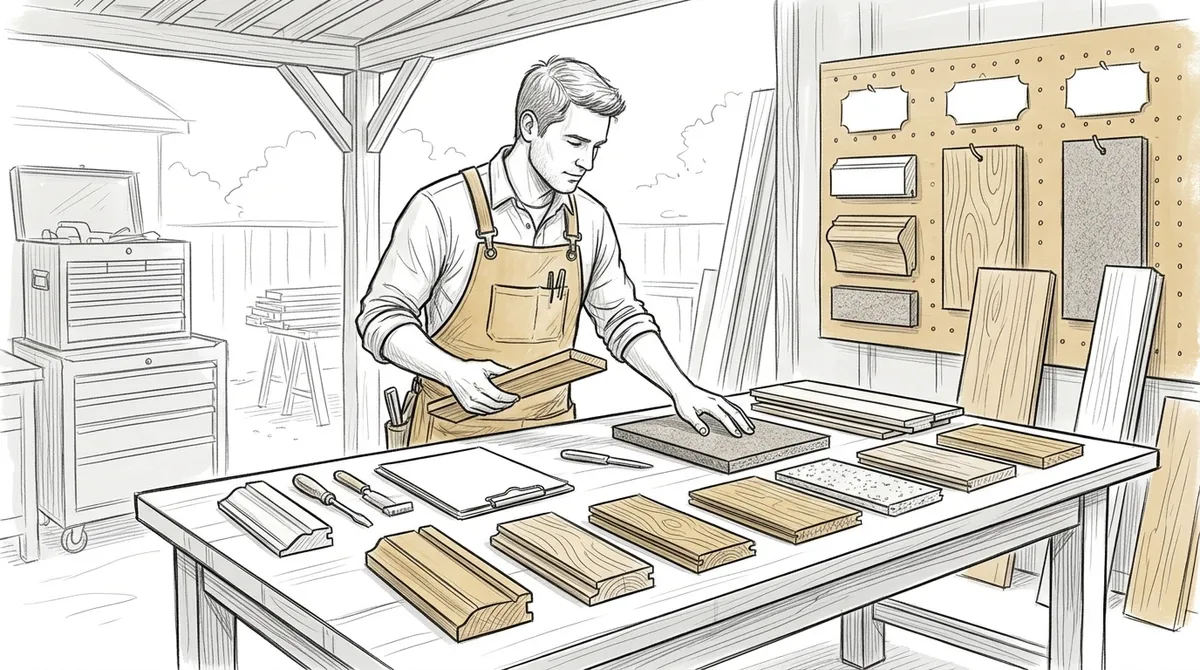
Choosing the Right Materials for Exterior Trim
The material you choose matters as much as the design. Exterior trim faces heat, rain, humidity, and UV exposure year-round. In Florida’s climate, material selection is especially important.
| Material | Durability | Best For | Maintenance Level |
|---|---|---|---|
| PVC Trim | Excellent | Humid climates, low-maintenance homes | Low |
| Fiber Cement | Very Good | Modern and traditional homes | Low to Medium |
| Hardwood | Good | Custom, high-end applications | Medium to High |
| Cedar | Good | Stained finishes, craftsman styles | Medium |
| Composite Wood | Good | Budget-friendly upgrades | Low to Medium |
Each material has trade-offs. A skilled carpenter helps you balance aesthetics, durability, and your specific climate needs. For Tampa Bay homeowners, moisture-resistant materials like PVC and fiber cement are often the smartest choice.
How Exterior Trim Adds Real Value
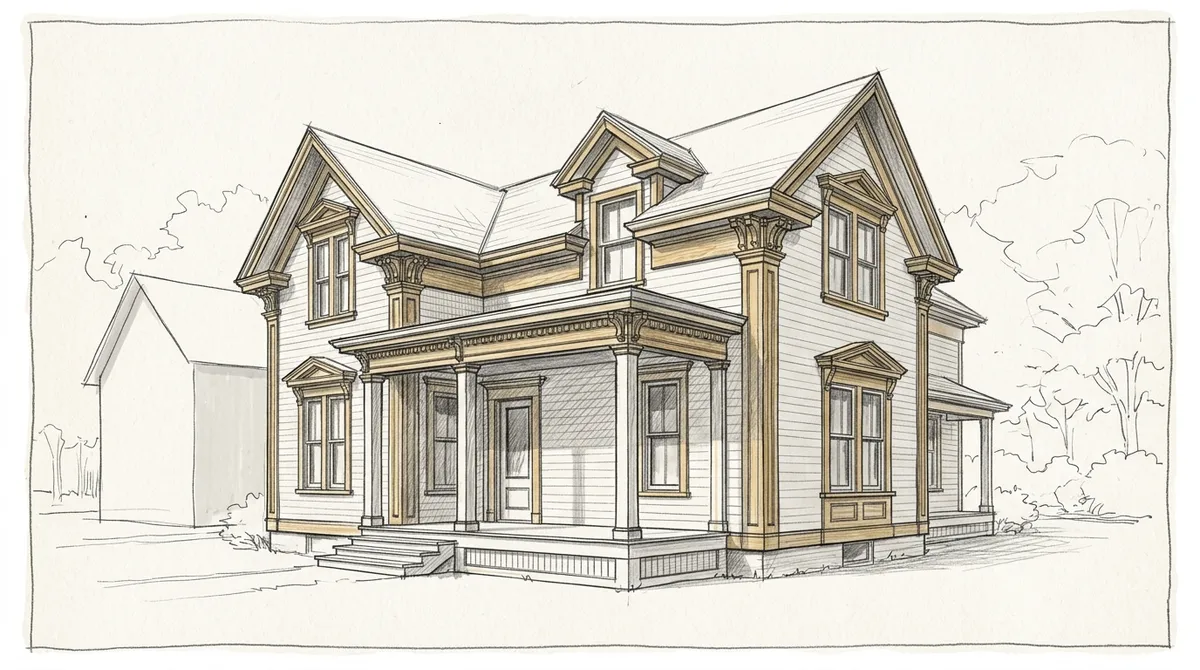
Real estate developers know this well. Well-executed exterior trim work increases perceived property value significantly. Buyers associate detailed trim with quality construction and pride of ownership. Homes with layered trim details often sell faster and at higher prices than plain, unadorned counterparts.
- Increases curb appeal immediately — Trim adds depth and definition that photos capture beautifully
- Signals quality craftsmanship — Buyers and appraisers notice detailed millwork
- Differentiates properties in competitive markets — Custom trim makes listings memorable
- Protects the home’s structure — Properly installed trim prevents moisture damage
- Enhances architectural identity — Trim ties a home’s style together cohesively
Interior designers working with clients on full exterior renovations consistently find that trim upgrades deliver strong visual impact for the investment. If you want to explore more ways to add craftsmanship to your home, this guide to carpentry and woodworking custom home upgrades is a great resource.
How to Plan Your Exterior Trim Project
A successful exterior trim project starts with clear planning. Here’s a simple process to follow:
- Assess your home’s current trim — Identify what’s missing, worn, or out of style
- Choose an architectural style — Make sure new trim matches or enhances your home’s existing character
- Select your materials — Consider your climate, budget, and desired maintenance level
- Work with a skilled carpenter — Precise cuts and proper installation are critical for long-lasting results
- Plan your paint or finish — Color choices can make or break the final look
Before starting, it also helps to check for any common mistakes that can ruin the result. 7 mistakes to avoid when hiring carpenters near me walks you through the most important pitfalls to watch for. A clean exterior also enhances the impact of new trim — pairing new trim installation with a professional wash from a company like Buckhorn Power Wash ensures your home’s exterior looks its absolute best from top to bottom.
Signs Your Exterior Trim Needs Attention
Not sure if it’s time to update your trim? Here are some clear warning signs:
- Peeling or cracking paint on trim boards
- Visible rot, soft spots, or warping in wood trim
- Gaps between trim and siding where water can enter
- Trim that looks thin, flat, or out of style
- Missing decorative elements like corbels or frieze boards
- Windows and doors that look bare without casing detail
Addressing these issues early prevents costly structural repairs down the line. For more guidance on recognizing when professional help is needed, 7 signs you need professional carpentry near you today is a helpful starting point. Bucheli Trim serves homeowners and developers across the Tampa Bay area with precision exterior and wall enhancement services built to last. You can visit us on Google to read reviews from satisfied clients across the region.
Exterior Trim and Interior Harmony
Great exterior trim work doesn’t exist in isolation. It connects to the interior character of a home. When trim profiles, colors, and styles align inside and out, the home feels cohesive and intentional. Interior designers appreciate this holistic approach. It creates a seamless experience from curb to living room.
If you’re updating exterior trim, it’s a great time to also explore how trim and molding transform your interior spaces with style. You can also follow Bucheli Trim on Facebook to see before-and-after project photos that show just how transformative quality trim work can be.
Conclusion
Exterior trim work is one of the most impactful upgrades you can make to any home. It adds curb appeal, architectural character, and real market value. From window casings and door surrounds to corbels and crown molding, every detail contributes to the overall impression your home makes. Whether you’re a homeowner refreshing your exterior, a designer elevating a client’s property, or a developer differentiating a listing, quality trim is a smart investment.
Skilled installation and the right materials are essential. Choose a carpenter with experience in exterior detailing and a track record of precision. If you’re ready to upgrade your home’s exterior with expert craftsmanship, reach out to our team at Bucheli Trim to start your project today.
FAQs
Q: What is exterior trim work in custom carpentry?
A: Exterior trim work refers to the decorative and functional woodwork applied to the outside of a home. This includes window casings, door surrounds, corner boards, fascia, soffits, frieze boards, and corbels. These elements define a home’s architectural style and protect vulnerable edges from weather damage.
Q: What materials are best for exterior trim work in a humid climate?
A: In humid climates like Florida’s Tampa Bay area, PVC trim and fiber cement are the top choices for exterior trim. These materials resist moisture, rot, and swelling that would damage traditional wood over time. Cedar is also a durable natural option when properly sealed and maintained.
Q: How does exterior trim work increase home value?
A: Exterior trim adds visual depth, architectural character, and a sense of quality that buyers and appraisers notice immediately. Homes with detailed trim often stand out in listings and sell faster. Trim also protects the structure from moisture damage, which preserves the home’s long-term condition and value.
Q: How do I know if my exterior trim needs to be replaced?
A: Common signs include peeling or cracking paint, visible rot or soft spots in wood, gaps between trim and siding, and trim that looks flat or outdated. If water is able to penetrate behind the trim, structural damage can follow quickly. A professional carpenter can assess the condition and recommend repair or replacement.
Q: Can exterior trim work match different architectural styles?
A: Yes. Exterior trim is highly adaptable and can be designed to complement virtually any architectural style, from craftsman and farmhouse to modern and colonial. Profile width, layering, finish, and color all play a role in achieving the right look. A skilled carpenter will help select trim details that feel intentional and cohesive with your home’s existing design.