Key Takeaways
-
In Tampa's humid climate, material selection is critical—MDF and PVC composite trim resist moisture-related warping better than untreated wood, while solid wood requires proper sealing to prevent damage.
-
Professional carpenters complete baseboard installation in hours to one day versus a full weekend for DIY, and deliver consistently flawless joints and finishes that DIYers often struggle to achieve on uneven walls.
-
Baseboards are part of a complete carpentry system; when matched with door trim, crown molding, and casings, they significantly increase home value and visual cohesion in ways DIY projects rarely match.
-
DIY baseboard installation works only for simple single-room projects with straight walls, while multiple rooms, uneven surfaces, or high-end finishes demand professional installation to avoid costly mistakes.
Your home’s baseboards do more than protect walls from scuffs and furniture. They frame every room and give your space a polished, finished look. In Tampa’s humid climate, choosing the right baseboard material and installation method matters even more. Moisture, heat, and coastal air can warp wood and loosen joints over time.
So, what’s the better choice for Tampa homeowners — tackling baseboard installation yourself or hiring a professional custom carpenter? The answer depends on your goals, your skill level, and how important a flawless finish is to you. This guide breaks down both options clearly, so you can make the best decision for your home.
Whether you’re a homeowner looking to upgrade your interiors, an interior designer sourcing skilled craftspeople, or a real estate developer finishing a luxury property, this comparison will help you understand exactly what’s at stake with baseboard installation in Tampa.
What Is Baseboard Installation?
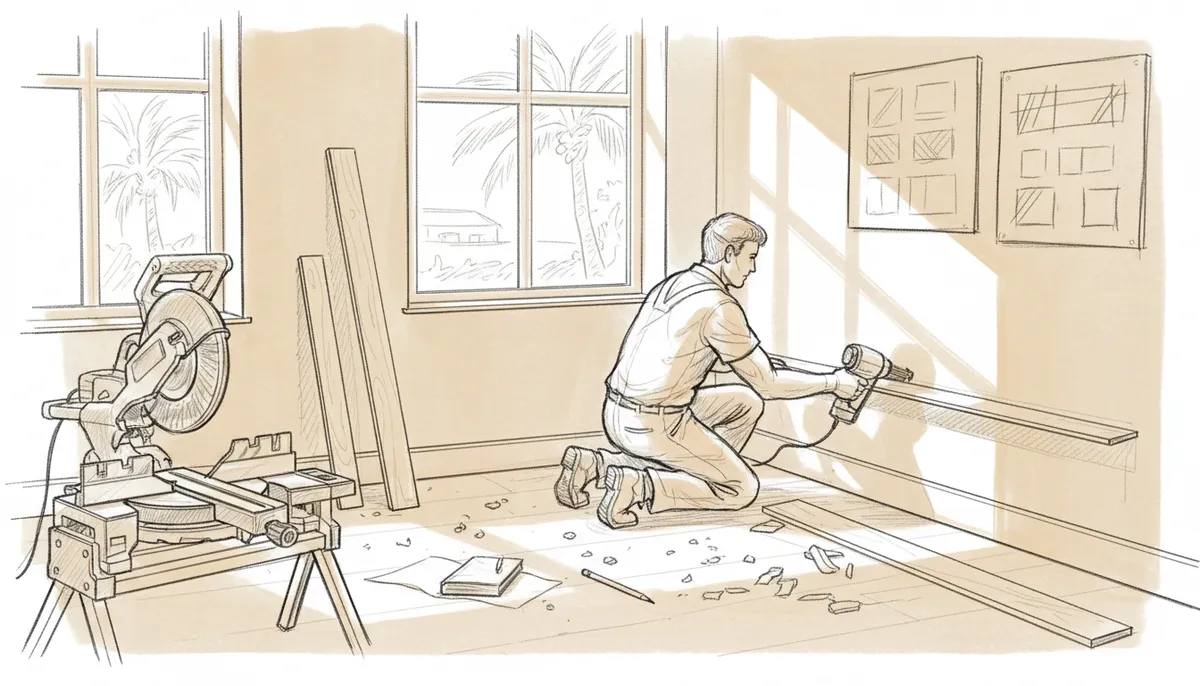
Baseboards are the trim pieces that run along the bottom of your walls, where the wall meets the floor. They serve two key purposes: protecting the wall from damage and adding visual detail to a room. You can learn more about how decorative trim and molding work as part of a cohesive interior design system.
Baseboard profiles range from simple flat styles to ornate, layered designs. The installation process involves measuring, cutting, fitting, nailing, caulking, and painting. Each step requires precision to avoid gaps, uneven lines, and visible seams. When done right, baseboards look seamless and elegant. When done poorly, they stand out for all the wrong reasons.
For high-end results, baseboard installation is closely tied to custom molding details that define the overall character of a room. It’s a craft, not just a task.
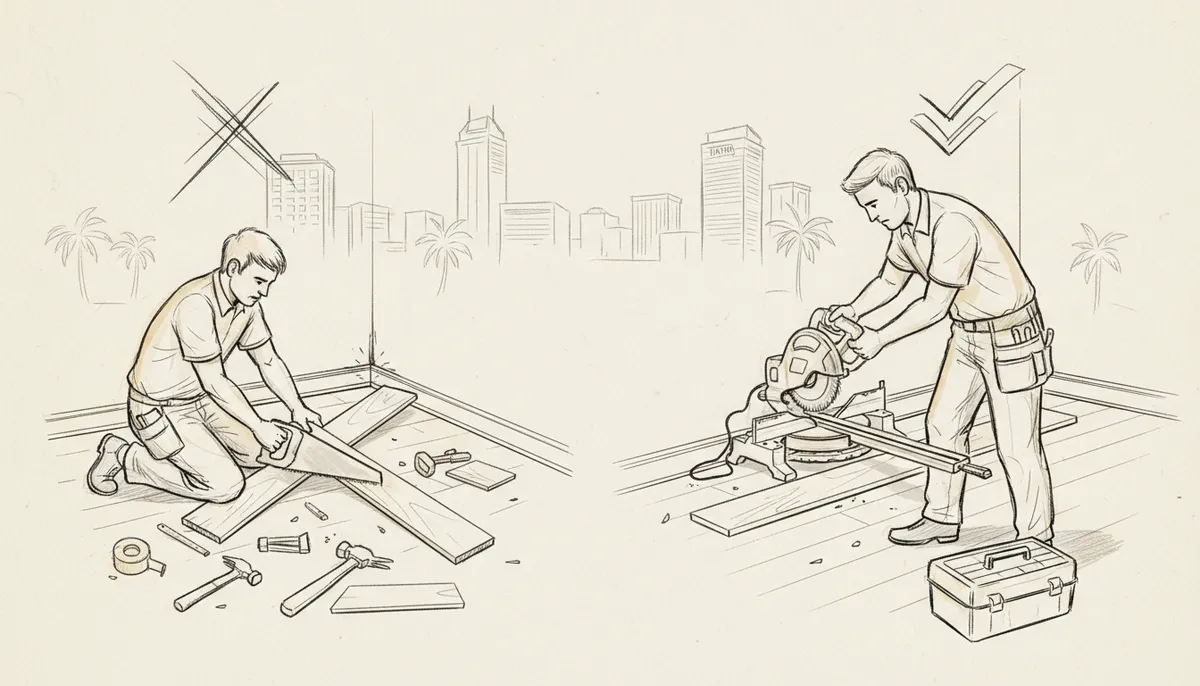
DIY Baseboard Installation: Pros and Cons
Many homeowners consider DIY baseboard installation as a weekend project. It can seem simple on the surface. But there are real challenges involved, especially in older Tampa homes with uneven walls and floors.
Advantages of DIY Installation
- Lower upfront cost — You only pay for materials, tools, and your time.
- Flexibility in scheduling — You work on your own timeline without waiting for a contractor.
- Personal satisfaction — Completing a home improvement project yourself can feel rewarding.
- Control over materials — You choose exactly what you buy and where you source it.
Challenges of DIY Installation
- Cutting precise miter angles on corners requires practice and skill
- Tampa’s humidity can cause wood to expand, requiring careful material selection
- Uneven floors and walls make fitting baseboards flush extremely difficult
- Caulking and finishing require a steady hand for a clean, professional result
- Mistakes can be costly to fix and may require complete replacement of trim pieces
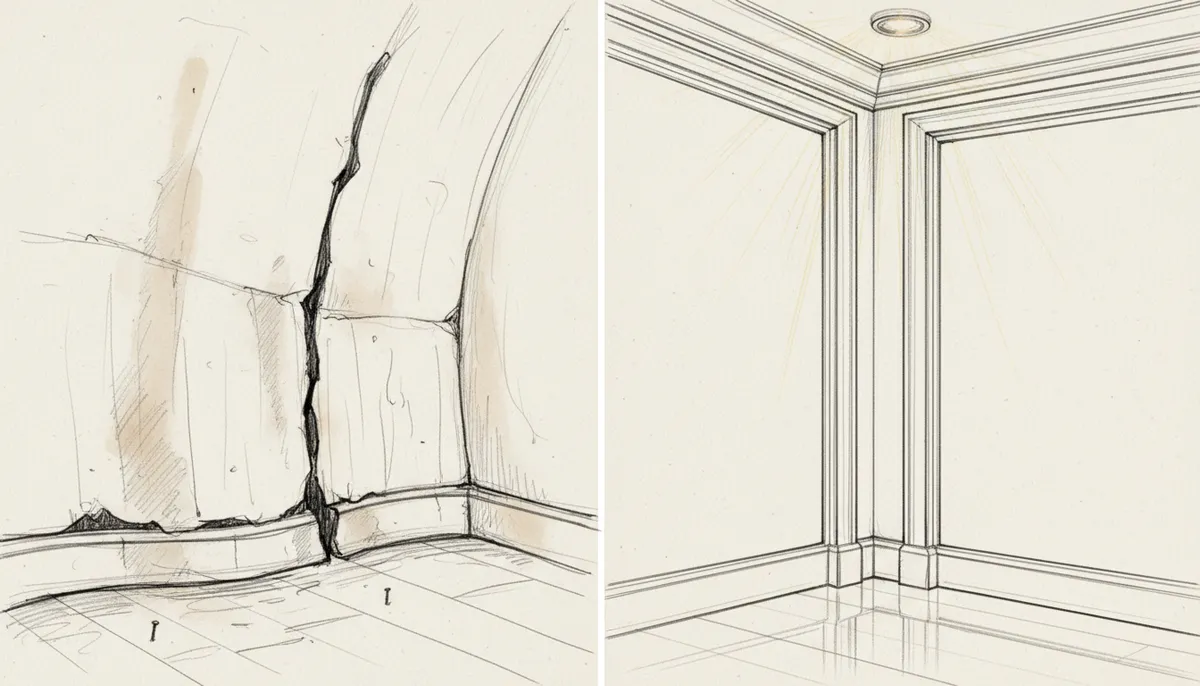
Many DIY enthusiasts underestimate how much skill goes into a clean baseboard install. A single off-cut angle on a corner joint can create a visible gap that no amount of caulk fully hides. For rooms where appearance matters most — living rooms, master suites, open-plan spaces — DIY results often fall short of expectations.
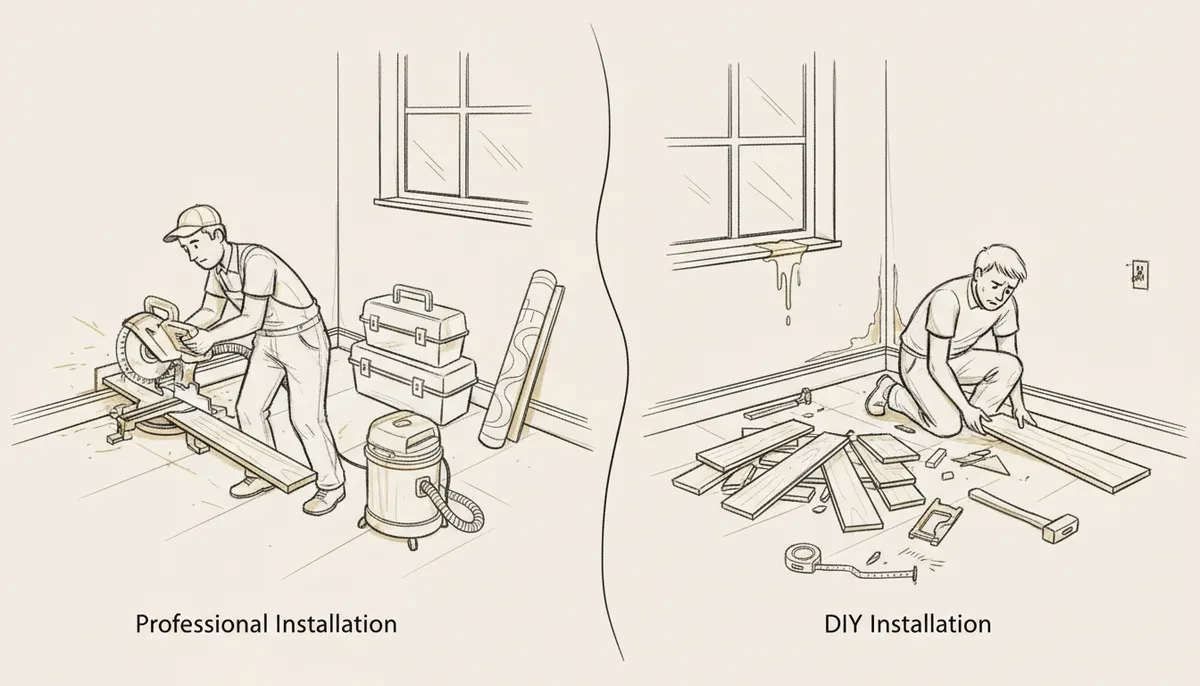
Professional Baseboard Installation: Pros and Cons
Hiring a skilled carpenter for baseboard installation in Tampa brings a different set of benefits. Professionals learn more about carpentry through years of hands-on training and real-world experience. That expertise shows in the final result.
Advantages of Professional Installation
- Flawless finish — Pros have the tools and technique to deliver tight, seamless joints every time.
- Proper material guidance — A skilled carpenter can recommend the right wood or MDF for Tampa’s climate.
- Speed and efficiency — What takes a DIYer a full weekend, a pro can complete in hours.
- Problem-solving expertise — Professionals handle uneven walls, corners, and transitions with ease.
- Long-lasting results — Correct installation means fewer repairs and replacements down the road.
Drawbacks to Consider
- Higher upfront investment compared to doing it yourself
- You need to schedule around the contractor’s availability
- Finding the right carpenter takes research and vetting
The drawbacks are minor compared to the value of a professional finish. Especially for luxury homes, new construction, or renovation projects where quality is non-negotiable, professional baseboard installation is the clear winner.
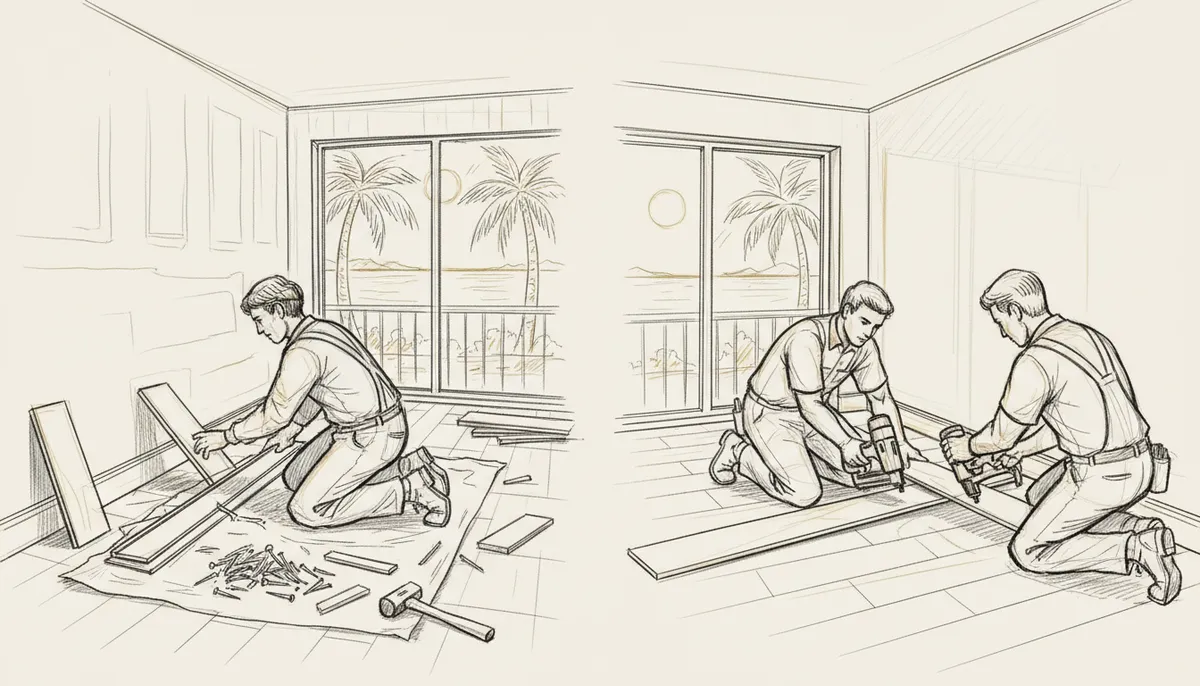
Side-by-Side Comparison: DIY vs. Professional
| Factor | DIY Installation | Professional Installation |
|---|---|---|
| Skill Required | Moderate to High | Handled by the pro |
| Time Investment | Weekend or longer | Hours to one day |
| Finish Quality | Variable | Consistently high |
| Material Guidance | Self-researched | Expert recommendations |
| Handling Uneven Surfaces | Challenging | Expertly managed |
| Longevity of Result | Depends on skill | Long-lasting |
| Customization Options | Limited by tools | Wide range available |
This table makes the difference clear. For basic rooms where perfection isn’t critical, DIY can work. But for spaces where you want a truly elevated look, professional installation wins every time.
Choosing the Right Baseboard Style for Tampa Homes
Tampa’s interior design trends lean toward clean, coastal, and transitional aesthetics. The right baseboard style should complement your home’s overall design. Here are popular options to consider:
- Flat Colonial — A classic, simple style that suits most Tampa homes
- Craftsman — A bold, layered look that adds architectural character
- Ogee Profile — Elegant curves that work well in formal spaces
- Stepped Baseboard — A modern, geometric option popular in newer builds
- Tall Baseboards (5″+) — A luxury look that makes ceilings feel higher
Pairing baseboards with matching wall enhancements creates a cohesive, high-end look throughout your home. Professional carpenters can help you match styles across all your trim elements for a unified result.
Best Materials for Tampa’s Climate
Material choice is critical in Tampa. High humidity and warm temperatures affect how wood and composite materials behave over time. Here’s a quick breakdown:
- MDF (Medium-Density Fiberboard) — Affordable, smooth, and stable. Great for painted finishes. Does not handle moisture as well as wood in areas prone to flooding or high direct moisture.
- Solid Wood (Pine, Poplar) — Natural beauty and durability. Needs proper priming and sealing in humid climates to prevent warping.
- PVC or Composite Trim — Moisture-resistant and ideal for bathrooms or high-humidity areas. Less natural in appearance but very practical.
A professional installer will guide you through the best material choice based on your specific rooms and Tampa’s local climate conditions. This expertise alone can save you from costly mistakes down the road.
How Baseboards Connect to a Complete Carpentry Transformation
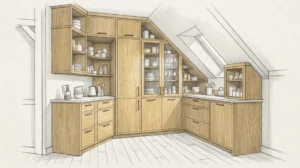
Baseboards don’t exist in isolation. They’re part of a broader interior carpentry system that includes custom ceiling designs, door trim and casings, and built-in cabinetry. When all these elements work together, the result is a home that feels thoughtfully designed from floor to ceiling.
For real estate developers, high-quality trim details — including baseboards — signal luxury and craftsmanship to buyers. A home with crisp, well-installed trim consistently commands more attention and value than one with sloppy or generic finishes. Interior designers also know that the right trim ties a room together in a way that no furniture or paint can replicate.
If you’re planning a renovation or new build, consider how trim and molding transform your space with style. Baseboards are the starting point of a much bigger design story.
Companies like Bucheli Trim specialize in exactly this kind of full-home carpentry work. From baseboards to custom carpentry projects, they bring precision and artistry to every detail. You can also visit Bucheli Trim on Google to read customer reviews and see the quality of their work firsthand.
When DIY Makes Sense vs. When to Call a Pro
Not every baseboard project requires a professional. Here’s a clear guide to help you decide:
| Situation | DIY Suitable? | Pro Recommended? |
|---|---|---|
| Simple, straight walls in a single room | Yes | Optional |
| Multiple rooms or whole-home renovation | No | Yes |
| Uneven walls or floors | No | Yes |
| High-end or luxury home finish | No | Yes |
| Matching existing custom trim profile | No | Yes |
| New construction or developer project | No | Yes |
The pattern is clear. DIY works for small, low-stakes projects. When quality, complexity, or scale increases, professional installation is the smarter investment.
Finding the Right Carpenter for Baseboard Installation in Tampa
Choosing the right professional is just as important as deciding to hire one. Look for carpenters who specialize in finish carpentry and trim work — not just general construction. Ask to see examples of past work and check references.
- Look for experience with custom trim and molding profiles
- Ask about their process for handling Tampa’s humidity and material expansion
- Check that they offer a full range of carpentry services, not just trim work
- Read online reviews and view project photos before making a decision
You can also explore resources like how to find a skilled carpenter near you and look at Bucheli Trim’s Facebook page for examples of completed projects in the Tampa Bay area.
If you’re unsure whether your home would benefit from a full carpentry upgrade, read about 7 signs you need professional carpentry today. It’s a helpful starting point for homeowners considering an upgrade.
Conclusion: Professional Installation Is the Clear Winner in Tampa
For most Tampa homeowners, interior designers, and real estate developers, professional baseboard installation delivers better results than DIY. The combination of Tampa’s challenging climate, the precision required for a flawless finish, and the value of matching baseboards to a broader design vision all point toward hiring a skilled carpenter.
DIY can work in limited scenarios. But when quality matters — and in a home, it usually does — professional installation is the smarter choice. It saves time, prevents costly mistakes, and delivers a result that genuinely elevates your space.
Ready to transform your home with expert baseboard installation and custom trim work? Reach out to the Bucheli Trim team today and get started on a finish that truly reflects your style.
FAQs
Q: What type of baseboard material works best in Tampa’s humid climate?
A: MDF and PVC composite trim are popular choices in Tampa because they resist moisture-related warping better than untreated solid wood. If you prefer the look of natural wood, pine or poplar baseboards work well when properly sealed and primed before installation.
Q: How long does professional baseboard installation take in Tampa?
A: A skilled carpenter can typically complete baseboard installation in a single room within a few hours. Whole-home projects covering multiple rooms may take one to two full days depending on the size of the space and the complexity of the trim profile chosen.
Q: Can baseboards be installed over existing flooring in Tampa homes?
A: Yes, baseboards are typically installed after flooring is laid, sitting just above the floor surface to allow for natural expansion and movement. A professional carpenter will account for your specific flooring type — whether hardwood, tile, or vinyl — to ensure a clean, gap-free fit.
Q: What baseboard height is recommended for Tampa homes?
A: Standard baseboard height ranges from 3 to 5 inches, but taller baseboards of 5 inches or more are increasingly popular in Tampa luxury homes because they create a grander, more refined appearance. Your carpenter can help you choose a height that suits your ceiling height and overall design style.
Q: Do baseboards need to match other trim in the room?
A: For a cohesive, high-end look, baseboards should complement door casings, window trim, and crown molding in the same space. Using matching profiles and finishes across all trim elements creates a unified design that adds significant visual value to any room.