Key Takeaways
-
Custom carpentry transforms living spaces by creating personalized architectural elements that reflect individual style and maximize functionality.
-
Professional carpenters specialize in unique built-in solutions like custom cabinetry, shelving, and ceiling treatments that optimize space efficiency.
-
High-quality custom carpentry significantly increases property value by adding distinctive architectural features that distinguish homes in competitive real estate markets.
-
Ceiling and wall enhancements like coffered ceilings, wainscoting, and custom paneling provide dramatic visual interest and practical benefits beyond standard finishes.
-
Successful custom carpentry requires collaborative design processes, precise measurements, and selecting experienced professionals who can translate your vision into functional art.
When you walk into a home with stunning built-in shelving, intricate crown molding, or a breathtaking coffered ceiling, you’re witnessing the artistry of custom carpentry. Unlike mass-produced furniture or standard home finishes, custom carpentry services transform ordinary spaces into extraordinary environments tailored precisely to your vision and lifestyle. These specialized services go far beyond basic construction, combining traditional woodworking techniques with modern design principles to create functional art within your living space.
Custom carpentry represents the pinnacle of home craftsmanship, where skilled artisans work closely with homeowners to design and build unique architectural elements that reflect personal style while enhancing property value. Whether you’re renovating a historic property or adding character to a new construction home, understanding what custom carpentry services entail helps you make informed decisions about your investment. This comprehensive guide explores the world of custom woodworking, from ceiling transformations to custom cabinetry, empowering you to recognize when professional carpentry services can elevate your home.
Understanding the Scope of Custom Carpentry
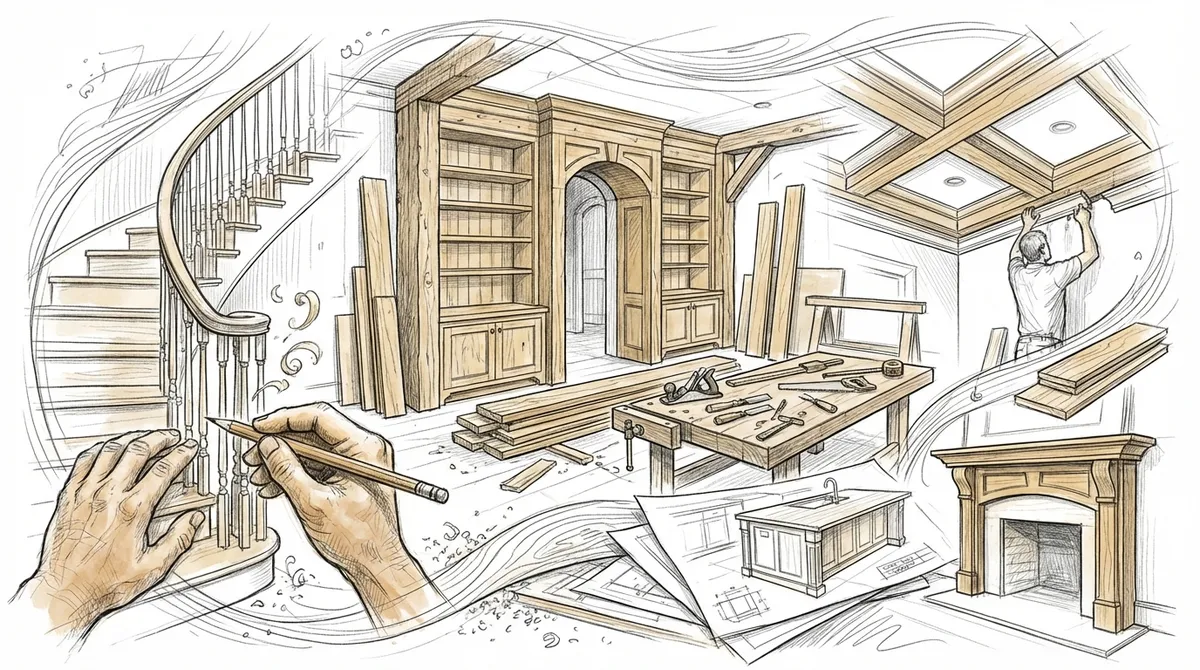
Custom carpentry encompasses a wide range of specialized woodworking services designed to create unique architectural features and functional elements within residential and commercial spaces. According to learn more about carpentry, this ancient craft has evolved significantly over centuries, now incorporating advanced tools and techniques while maintaining traditional precision and attention to detail.
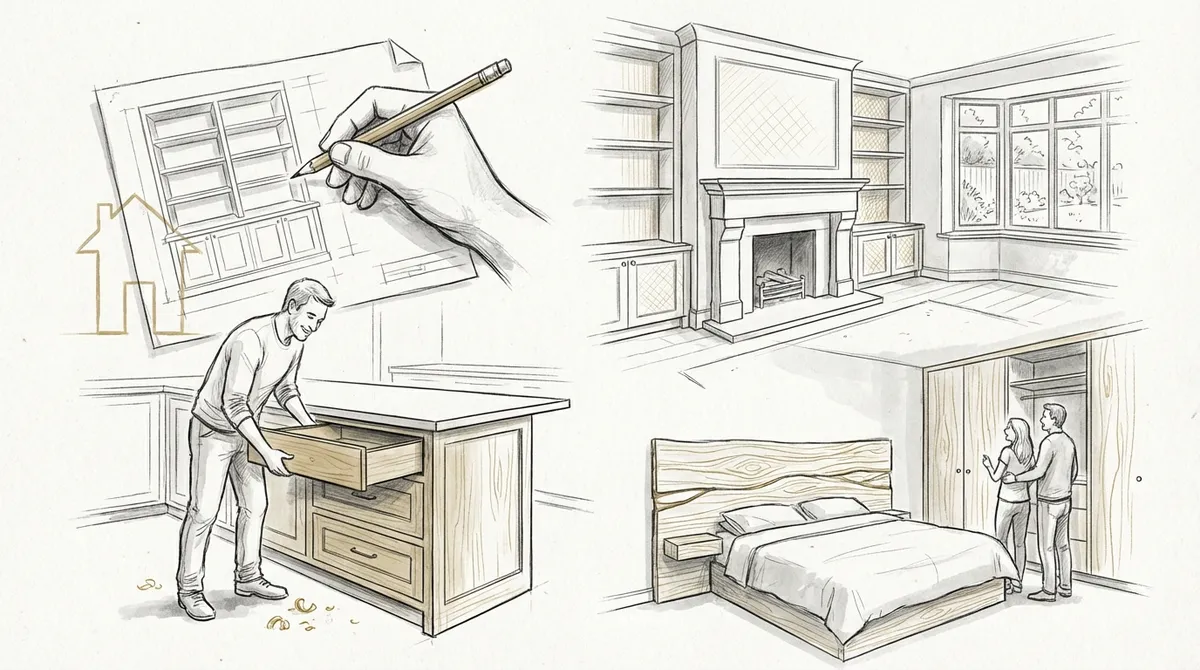
The primary distinction between custom carpentry and standard construction work lies in the level of personalization and craftsmanship involved. While general contractors focus on structural elements and basic finishes, custom carpenters specialize in creating one-of-a-kind pieces that reflect individual taste and architectural vision. These professionals work directly with homeowners, interior designers, and architects to bring concepts from sketches to reality.
Core Custom Carpentry Services
Professional carpentry services typically include several specialized categories, each requiring distinct skills and expertise:
- Architectural millwork: Crown molding, baseboards, wainscoting, and decorative trim that add character and visual interest to walls and ceilings
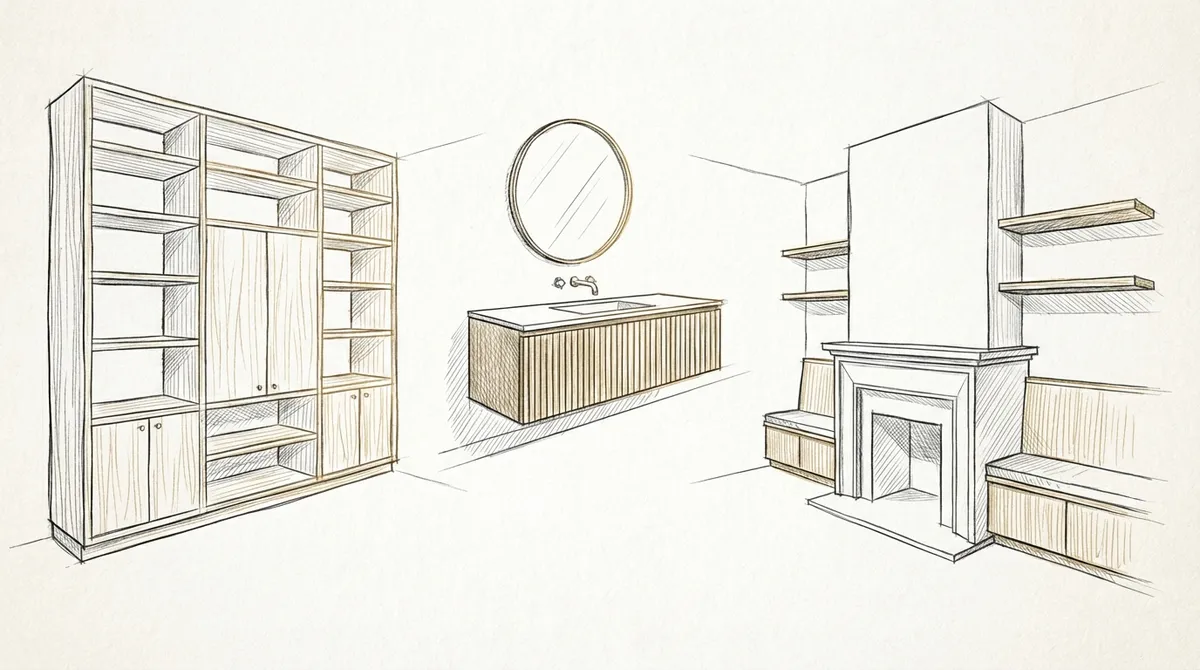
- Built-in furniture: Custom bookcases, entertainment centers, window seats, and storage solutions designed to maximize space efficiency
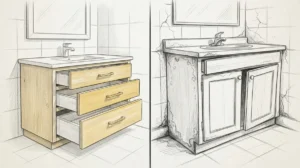
- Cabinetry: Kitchen cabinets, bathroom vanities, closet systems, and specialty storage designed for specific dimensions and aesthetic preferences
- Ceiling treatments: Coffered ceilings, beam installations, tray ceilings, and decorative ceiling panels that transform overhead spaces
- Custom doors: Interior and exterior doors crafted to unique specifications, including barn doors, pocket doors, and specialty entry systems
Companies like Bucheli Trim specialize in these high-end services, bringing decades of experience to every project in the Tampa Bay area. Their expertise spans from subtle molding details to dramatic ceiling transformations.
Why Homeowners Choose Custom Carpentry
The decision to invest in custom carpentry services stems from various motivations, each reflecting different priorities and goals for residential spaces. Understanding these reasons helps clarify whether custom work aligns with your renovation or construction plans.
Personalization and Unique Design
Mass-produced furniture and standard architectural elements limit creative expression within homes. Custom carpentry breaks these constraints, allowing homeowners to incorporate personal style, family history, and individual preferences into their living spaces. Whether you envision a library wall with integrated ladder systems or a kitchen island with specialized storage for your culinary tools, custom carpenters translate these ideas into functional reality.
Personalization extends beyond aesthetics to practical considerations. Families with specific organizational needs, unusual room dimensions, or accessibility requirements benefit tremendously from custom solutions that address their unique circumstances rather than forcing compromises with off-the-shelf products.
Maximizing Space Efficiency
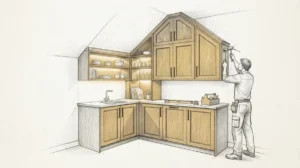
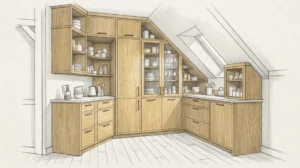
Standard furniture rarely utilizes space optimally, particularly in homes with architectural quirks, sloped ceilings, or awkward corners. Custom carpentry services excel at transforming challenging spaces into valuable assets. Built-in solutions eliminate wasted space while providing storage and functionality that freestanding furniture cannot match.
Consider how custom cabinets can utilize every vertical inch in a kitchen, incorporating specialized compartments for specific appliances and cookware. Similarly, custom closet systems maximize bedroom storage by adapting to ceiling heights and room layouts rather than conforming to standard dimensions.
Increasing Property Value
High-quality custom carpentry represents a sound investment that significantly enhances property value. Real estate professionals consistently note that homes featuring custom built-ins, architectural millwork, and quality finishes command higher prices and sell faster than comparable properties with standard features. The craftsmanship and attention to detail signal overall quality to potential buyers.
Premium finishes create lasting impressions during home tours and photographs, making properties memorable in competitive markets. Custom carpentry distinguishes your home from similar listings, providing tangible differentiation that justifies higher asking prices.
Popular Custom Carpentry Projects for Modern Homes
Contemporary homeowners increasingly recognize how custom carpentry elevates residential spaces. Several project types have gained particular popularity due to their dramatic impact and functional benefits.
Ceiling Transformations
Ceilings represent the largest unused visual surface in most homes, yet they typically receive minimal design attention. Custom ceiling designs transform this overlooked space into a focal point that adds depth, character, and architectural interest to any room.
Coffered ceilings create geometric patterns using recessed panels and beams, introducing dimension and luxury to living rooms, dining areas, and master bedrooms. Tray ceilings add height perception while providing opportunities for accent lighting and paint contrast. Exposed beam installations bring rustic charm or contemporary industrial aesthetics depending on finish choices and placement patterns.
These ceiling treatments require precision measurement, structural understanding, and expert installation to achieve seamless results. Professional carpenters ensure proper weight distribution, lighting integration, and proportional design that complements room dimensions rather than overwhelming them.
Wall Enhancements and Paneling
Wall treatments extend beyond simple paint, incorporating texture, dimension, and visual interest through custom wall enhancements. Wainscoting provides classic elegance while protecting walls from damage in high-traffic areas. Board and batten creates vertical lines that make rooms appear taller and more substantial.
Accent walls featuring custom paneling serve as architectural focal points, drawing attention to fireplaces, bed walls, or entertainment areas. These installations combine aesthetic appeal with practical benefits, including sound dampening and additional insulation.
| Wall Treatment Type | Best Applications | Style Compatibility | Primary Benefits |
|---|---|---|---|
| Wainscoting | Dining rooms, hallways, bathrooms | Traditional, transitional | Wall protection, classic elegance |
| Board and Batten | Living rooms, bedrooms, entryways | Farmhouse, coastal, transitional | Visual height, texture |
| Shiplap | Accent walls, whole rooms | Farmhouse, rustic, coastal | Casual warmth, texture |
| Picture Frame Molding | Formal living spaces, dining rooms | Traditional, French country | Sophisticated detail, dimension |
Built-In Cabinetry Solutions
Custom built-ins represent one of the most requested carpentry services due to their combination of beauty and functionality. Unlike freestanding furniture, built-in cabinetry integrates seamlessly with architecture, appearing as intentional design elements rather than afterthoughts.
Home offices benefit tremendously from custom desk installations with integrated filing systems, cable management, and shelving designed around specific technology and workflow requirements. Media centers can incorporate equipment cooling, wire concealment, and display space for collections alongside television placement.
Kitchen pantries, mudroom storage, and bathroom vanities all achieve superior functionality through custom design that addresses specific family needs and storage requirements. These solutions eliminate clutter while maintaining clean, organized appearances that enhance daily life.
The Custom Carpentry Process: What to Expect
Understanding the workflow helps homeowners prepare for custom carpentry projects and set realistic expectations about timelines and collaboration requirements.
Initial Consultation and Design Development
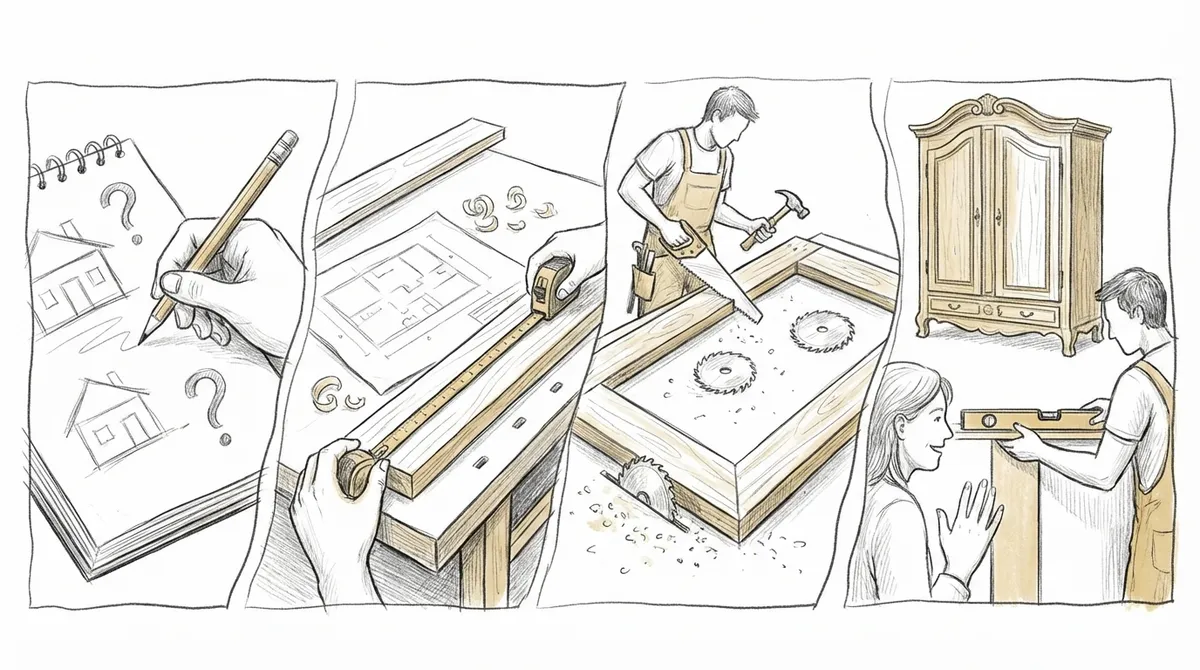
Custom carpentry begins with comprehensive discussions about vision, functionality, budget, and timeline. Experienced carpenters ask detailed questions about how you use spaces, what storage challenges you face, and what aesthetic preferences guide your design choices. This conversation phase establishes project parameters and ensures everyone shares the same vision.
During design development, carpenters create detailed drawings or digital renderings showing proposed installations from multiple angles. These visualizations help homeowners understand how completed projects will look and function, allowing for adjustments before construction begins. Material selection occurs during this phase, with discussions about wood species, finishes, hardware, and decorative elements.
Measurement and Planning
Precision distinguishes custom carpentry from standard construction. Carpenters take meticulous measurements of existing spaces, accounting for electrical outlets, HVAC vents, windows, doors, and architectural features that affect installation. These measurements inform material ordering and construction planning.
Professional carpenters also assess structural considerations, determining whether additional support is required for heavy installations or whether existing walls can accommodate fastening systems. This planning prevents surprises during installation and ensures safe, durable results.
Construction and Installation
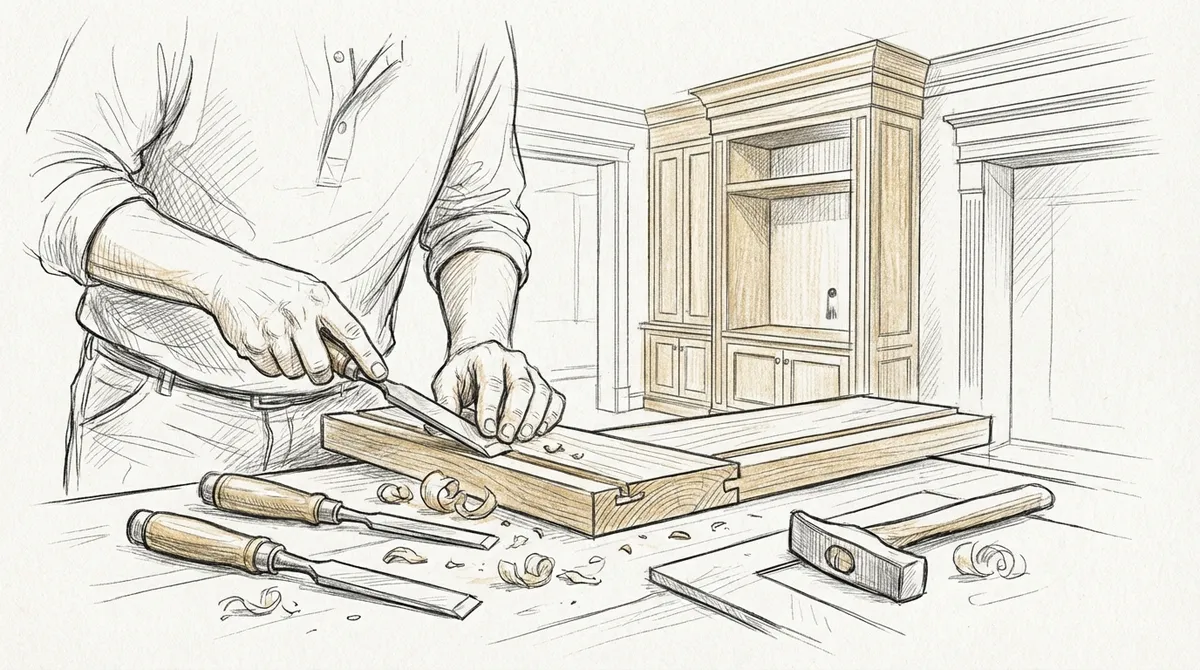
Many custom pieces are partially or fully constructed in workshops before on-site installation. This approach allows carpenters to work with precision tools and controlled conditions, ensuring tight joints, smooth finishes, and exact dimensions. Workshop construction also minimizes disruption to your household during the project.
On-site installation involves fitting custom pieces into prepared spaces, making final adjustments for perfect fit, and completing finishing work including caulking, touch-up painting, and hardware installation. Quality carpenters protect surrounding areas during installation and clean thoroughly upon completion, leaving only the beautiful new carpentry work visible.
Selecting the Right Custom Carpenter
The quality of your custom carpentry project depends entirely on the skills, experience, and professionalism of the carpenter you choose. Several factors help identify qualified professionals who will deliver exceptional results.
Experience and Portfolio Review
Request portfolios showing completed projects similar to your vision. Experienced carpenters maintain extensive photo documentation of their work, demonstrating capabilities across various styles and project types. Look for consistent quality, attention to detail, and finish work that appears seamless and professional.
Years in business indicate reliability and skill development, though talented newer carpenters also produce excellent work. Ask about specific experience with your project type, whether ceiling installations, built-in cabinetry, or decorative millwork. Specialized experience often yields superior results compared to general carpentry backgrounds.
Communication and Collaboration Style
Successful custom carpentry requires effective communication throughout the project. During initial consultations, evaluate how well the carpenter listens to your ideas, asks clarifying questions, and offers suggestions based on experience. Good carpenters balance respecting your vision with providing professional guidance about what works best structurally and aesthetically.
Discuss project timelines, payment structures, and communication preferences upfront. Clear agreements prevent misunderstandings and ensure smooth project progression. Reliable carpenters provide realistic timelines and keep clients informed about progress and any challenges that arise.
References and Reviews
Speaking with previous clients provides invaluable insight into working with particular carpenters. Ask for references and actually contact them, inquiring about project quality, professionalism, timeline adherence, and overall satisfaction. Online reviews offer additional perspectives, though consider overall patterns rather than individual complaints.
Companies with strong reputations like Bucheli Trim often showcase client testimonials and maintain active social media presence where you can see recent projects and customer feedback. Facebook profiles often feature project photos and client interactions that reveal company culture and quality standards.
Material Selection for Custom Carpentry Projects
The wood species, finishes, and hardware you select significantly impact both the appearance and longevity of custom carpentry work. Understanding material options helps you make informed choices that align with your aesthetic preferences and budget.
Wood Species Characteristics
Different wood species offer distinct visual characteristics, durability profiles, and price points. Popular choices include:
- Oak: Exceptionally durable with prominent grain patterns, available in red and white varieties, ideal for traditional and transitional styles
- Maple: Hard, smooth grain creates clean, contemporary looks, accepts stains uniformly, excellent for modern cabinetry
- Cherry: Rich, warm tones deepen beautifully with age, smooth grain, premium choice for high-end installations
- Walnut: Dark, luxurious appearance with straight grain, softer than oak but stunning for feature pieces
- Pine: Budget-friendly softwood with rustic character, shows knots and variations, works well for farmhouse aesthetics
Your carpenter will recommend species based on project requirements, desired appearance, and budget constraints. Some applications benefit from hardwood durability while others allow for softer woods that offer specific aesthetic qualities.
Finish Options and Protection
Finishes protect wood while enhancing natural beauty or creating specific color effects. Options range from clear protective coatings that showcase natural wood grain to painted finishes that integrate with existing décor schemes. Stains offer middle ground, adding color while allowing grain patterns to show through.
Modern finishes provide excellent durability and moisture resistance, essential for kitchen and bathroom installations. Discuss maintenance requirements with your carpenter, as different finishes require varying levels of care to maintain their appearance over time.
Custom Carpentry Beyond Traditional Wood
While wood remains the foundation of carpentry, contemporary projects often incorporate complementary materials that expand design possibilities and functional capabilities.
Mixed Material Installations
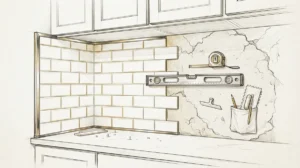
Metal accents, glass panels, and stone elements combine with wood carpentry to create distinctive custom pieces. Floating shelves might incorporate metal brackets for industrial aesthetics. Cabinet doors could feature glass inserts displaying collections. Countertops and backsplashes integrate stone or tile with custom cabinetry.
These mixed-material approaches require carpenters who understand how different materials interact, expand and contract with temperature changes, and require specific fastening methods. Experienced professionals coordinate with specialists when projects involve complex material combinations.
Specialty Finishes and Treatments
Beyond traditional wood finishes, modern carpentry sometimes incorporates specialty treatments that add unique visual effects or functional benefits. Epoxy resin creates glass-like surfaces on wood, filling voids and creating stunning effects with embedded objects or colored tints. This technique works beautifully for custom tabletops, shelving, and decorative panels.
Distressing techniques create aged appearances for farmhouse or vintage aesthetics. Specialized paint applications including milk paint, chalk paint, and glazing create specific period looks or soft, muted finishes that complement various design styles.
Maintaining Your Custom Carpentry Investments
Proper maintenance preserves the beauty and functionality of custom carpentry for decades. While quality construction ensures durability, appropriate care extends lifespan and maintains appearance.
Regular Cleaning and Care
Different finishes require specific cleaning approaches. Generally, dust custom woodwork regularly with soft, dry cloths to prevent buildup. For deeper cleaning, use slightly damp cloths with mild soap solutions, always drying immediately to prevent moisture damage. Avoid harsh chemicals, abrasive cleaners, or excessive water that could damage finishes or wood.
Pay special attention to areas exposed to cooking grease, humidity, or direct sunlight, as these conditions accelerate wear. Kitchen cabinets benefit from more frequent cleaning, while decorative ceiling work requires only occasional dusting.
Addressing Minor Damage
Small scratches, dents, or finish wear inevitably occur over time. Many minor issues are easily addressed with touch-up markers, wax sticks, or furniture pens that match your wood finish. For painted surfaces, keep small amounts of original paint for touch-ups.
Address water damage immediately by drying affected areas thoroughly and assessing whether professional repair is necessary. Quick response prevents minor issues from becoming major problems requiring extensive restoration.
Integrating Custom Carpentry with Other Home Improvements
Custom carpentry often works best as part of comprehensive renovation plans that coordinate multiple trades and design elements for cohesive results.
Coordinating with Flooring Installations
Built-in cabinetry and floor finishes should be planned together to ensure proper transitions, matching wood tones when desired, and appropriate installation sequences. Flooring typically installs before built-ins, but coordination ensures seamless results without gaps or awkward transitions.
Complementary Services
Many carpentry projects benefit from related services that enhance overall results. Painting surrounding walls complements new trim work and built-ins. Tile work coordinates with custom bathroom vanities. Doors should match or complement new millwork styles.
Working with carpentry companies that offer comprehensive services simplifies coordination and ensures consistent quality across all project elements. Single-source responsibility streamlines communication and project management while ensuring cohesive design execution.
Budget Considerations for Custom Carpentry
Custom carpentry represents significant investment, with costs varying based on project complexity, material selection, and regional labor rates. Understanding budget factors helps you plan appropriately and make informed decisions about project scope.
Factors Affecting Project Costs
Several elements influence custom carpentry expenses:
- Project size and complexity: Larger installations and intricate designs require more labor hours and materials
- Wood species: Exotic hardwoods cost significantly more than common domestic species
- Finish quality: Hand-rubbed finishes and specialized treatments increase costs compared to standard applications
- Hardware selections: Custom or designer hardware substantially increases project expenses versus standard options
- Structural modifications: Projects requiring electrical work, wall removal, or structural reinforcement add costs beyond carpentry itself
Maximizing Value
Focus investments on high-impact areas that deliver maximum aesthetic and functional benefits. Kitchen and primary bathroom cabinetry, main living area built-ins, and prominent architectural details provide best returns. Consider phasing projects over time if budget constraints limit immediate scope.
Quality craftsmanship justifies investment through longevity and performance. While custom work costs more initially than mass-produced alternatives, durability and customization often make it more cost-effective long-term when you factor in replacement costs and inferior functionality of standard products.
Conclusion: Transforming Your Vision into Reality
Custom carpentry services offer unparalleled opportunities to personalize your home, maximize functionality, and create distinctive spaces that reflect your unique style and needs. From dramatic ceiling designs to meticulously crafted built-in cabinetry, skilled carpenters transform ordinary rooms into extraordinary environments that enhance daily living and increase property value.
The key to successful custom carpentry lies in selecting experienced professionals who listen carefully to your vision, provide expert guidance based on years of experience, and execute projects with meticulous attention to detail. Companies like Bucheli Trim bring comprehensive expertise to every project, ensuring results that exceed expectations through quality craftsmanship and personalized service.
Whether you’re renovating a single room or undertaking whole-house improvements, custom carpentry elevates your spaces beyond standard construction, creating lasting beauty and functionality. The investment in quality custom work pays dividends through enhanced enjoyment of your home, improved organization and efficiency, and significant increases in property value that benefit you whether you stay for decades or sell in the near future.
Ready to explore how custom carpentry can transform your home? Contact experienced professionals who can assess your spaces, discuss your vision, and develop custom solutions perfectly tailored to your needs. Your dream home awaits, and expert carpenters stand ready to bring those dreams to life through exceptional craftsmanship and dedication to quality. For more information about the services available and to see examples of completed projects, visit us on Google to read reviews from satisfied customers throughout the Tampa Bay area.
FAQs
Q: How long does a typical custom carpentry project take to complete?
A: Project timelines vary based on complexity and scope. Simple installations like crown molding might take a few days, while comprehensive built-in cabinetry or ceiling renovations typically require two to six weeks. This includes design consultation, material procurement, workshop construction time, and on-site installation. Your carpenter will provide specific timeline estimates during initial consultations based on your project details.
Q: Is custom carpentry worth the investment compared to prefabricated options?
A: Custom carpentry offers significant advantages including perfect fit for your specific space dimensions, personalized design reflecting your style, superior material quality, and expert craftsmanship that ensures longevity. While initial costs exceed prefabricated alternatives, custom work increases property value substantially and eliminates the compromises inherent in standard products. For homeowners prioritizing quality, functionality, and distinctive design, custom carpentry represents excellent long-term value.
Q: Can custom carpentry be added to existing homes without major renovation?
A: Absolutely. Many custom carpentry projects integrate seamlessly into existing spaces without requiring extensive renovation. Crown molding, wainscoting, built-in shelving, and decorative ceiling treatments can be added to finished rooms with minimal disruption. Experienced carpenters assess your spaces, work around existing features, and complete installations efficiently while protecting surrounding areas from damage during construction.
Q: What maintenance does custom carpentry require?
A: Custom carpentry requires minimal maintenance when properly installed. Regular dusting with soft cloths preserves appearance, while occasional cleaning with slightly damp cloths and mild soap addresses deeper dirt. Avoid harsh chemicals and excessive moisture. Quality finishes protect wood for years, though high-traffic areas may eventually need refinishing. Address minor scratches with touch-up products, and promptly dry any water exposure to prevent damage.
Q: How do I choose between different wood species for my custom project?
A: Wood selection depends on your aesthetic preferences, budget, and functional requirements. Harder woods like oak and maple offer superior durability for high-use applications, while softer woods like pine provide rustic character at lower costs. Consider grain patterns, natural color, and how species accept stains or finishes. Your carpenter will recommend appropriate species based on project type, desired appearance, and performance needs, helping you balance aesthetics with practical considerations.