Key Takeaways
-
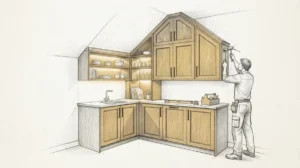
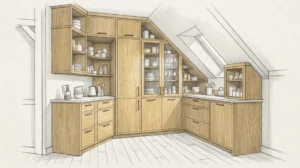
Built-in cabinets are custom-made to fit exact spaces, maximizing every inch including awkward corners and odd nooks, while store-bought options leave gaps and wasted space.
-
Quality built-in cabinets add measurable home resale value and create a cohesive, high-end look by matching existing trim, paint, and molding—something mass-produced furniture cannot achieve.
-
Proper planning is critical: take accurate measurements, choose timeless styles over trends, ensure cabinet designs match existing doors and trim, and hire experienced installers to avoid costly mistakes.
-
Built-in cabinets work best as part of whole-home design plans; pairing them with crown molding, updated flooring, or ceiling details creates a fully finished, cohesive result.
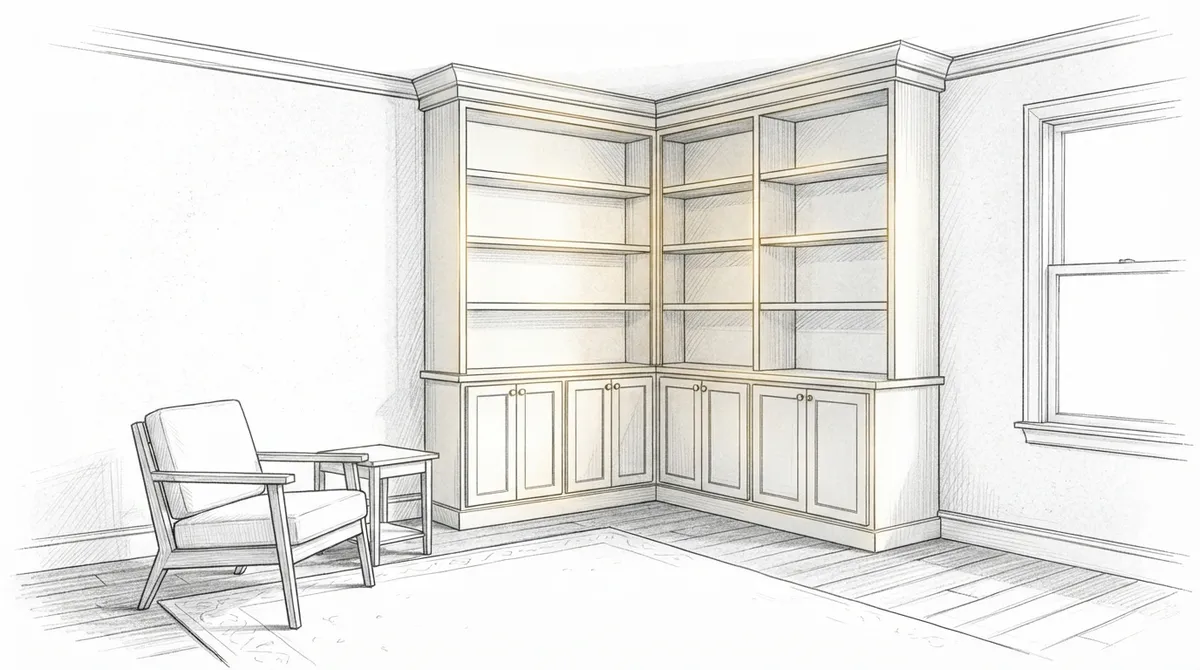
Walk into any high-end home and you’ll notice something. The cabinets don’t look like they were bought from a store. They look like they grew out of the walls. That’s the magic of built-in cabinets. They fit perfectly into a space because they were made for that exact spot. No gaps. No wasted corners. No mismatched trim.
Built-in cabinets are one of the smartest upgrades a homeowner can make. They also give interior designers a way to create a signature look for their clients. And for real estate developers, they add a touch of luxury that helps properties stand out. In this guide, we’ll break down what built-in cabinets are, why they matter, and how to choose the right style for your space. You can learn more about carpentry as a craft to understand why this work takes real skill.
What Are Built-In Cabinets, Exactly?
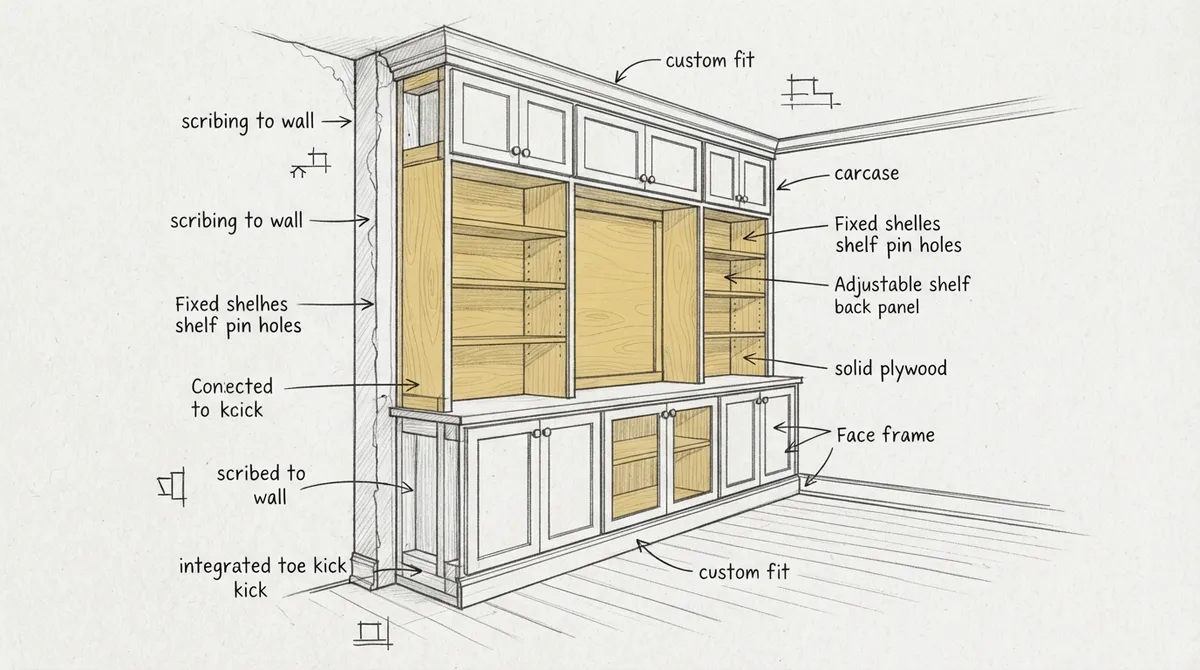
Built-in cabinets are custom-made storage units. They are built directly into the wall or a specific space in your home. Unlike cabinets you buy from a store, these are designed and installed to fit one exact spot.
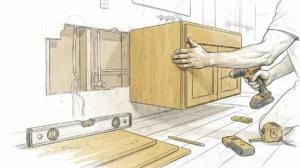
A skilled carpenter measures your space first. Then they design and build the cabinet to match those measurements exactly. This is very different from stock cabinetry, which comes in standard sizes that may not fit your room well.
Built-in cabinets can go almost anywhere in a home. Common spots include:
- Living rooms, for media centers and bookshelves
- Kitchens, for pantry storage and extra counter space
- Bathrooms, for linen and vanity storage
- Home offices, for filing and display storage
- Mudrooms and entryways, for coats and shoes
- Bedrooms, for closets and dressers built into the wall
How Built-In Cabinets Differ From Stock Cabinets
Stock cabinets are mass-produced. They come in set sizes and styles. You buy them, then try to make them fit your space. Sometimes there are gaps. Sometimes the style doesn’t match your home.
Built-in cabinets solve both problems. They are made to match your room’s exact dimensions. They can also be designed to match your home’s existing trim, doors, and molding details. This creates a seamless, high-end look that stock furniture simply cannot achieve.
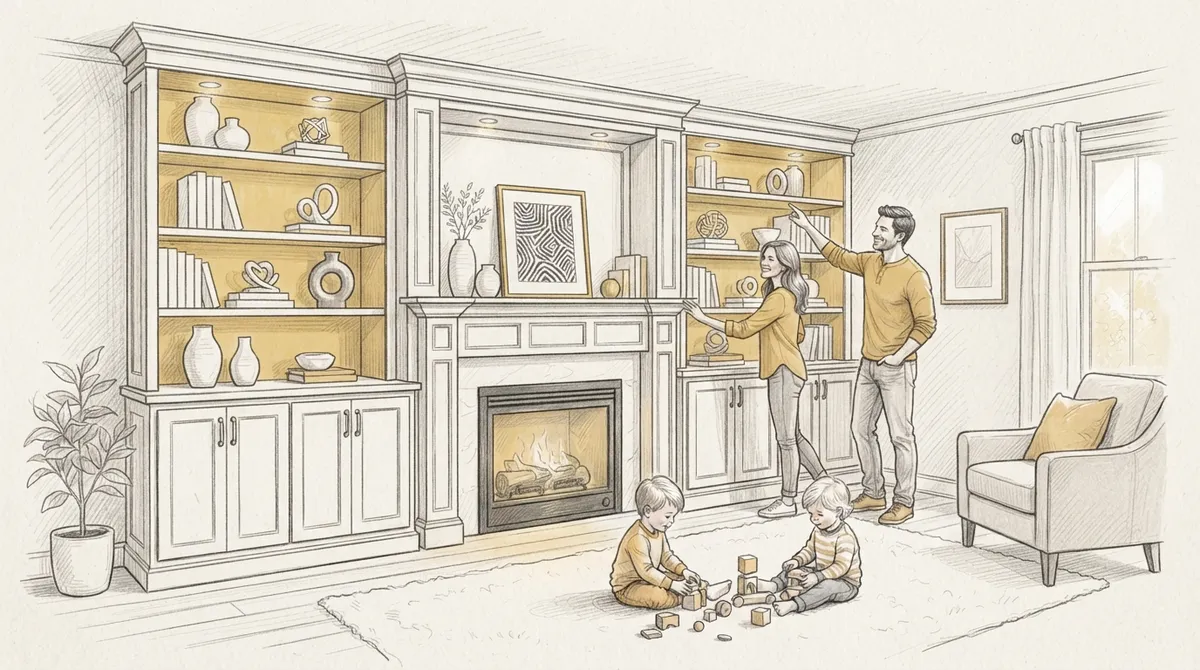
Why Homeowners Choose Built-In Cabinets
Homeowners in Tampa Bay and beyond are choosing built-in cabinets for many reasons. Let’s look at the top benefits.
1. They Maximize Every Inch of Space
Built-in cabinets use space that would otherwise go to waste. Awkward corners, narrow hallways, and odd nooks can all become useful storage. A custom carpenter can design cabinets that fit these tricky spots perfectly.
2. They Add Real Value to Your Home
Quality built-in cabinets are a long-term investment. They often add more value to a home than store-bought furniture. Buyers notice the difference between generic storage and custom craftsmanship right away.
3. They Create a Cohesive Design
Because built-ins are made specifically for your home, they can match your trim, paint color, and overall style. This creates a polished, put-together look throughout your living space. Many homeowners pair built-in cabinetry with wall enhancements for an even more custom feel.
4. They Reduce Clutter
Built-in cabinets give every item a home. This makes it easier to keep rooms organized and clutter-free. Families with kids especially benefit from this added structure.
Here’s a quick comparison to help you see the difference clearly.
| Feature | Built-In Cabinets | Store-Bought Cabinets |
|---|---|---|
| Fit | Custom-made for exact space | Standard sizes only |
| Design Match | Matches home’s trim and style | Often mismatched |
| Space Use | Uses every inch, even corners | Leaves gaps and wasted space |
| Longevity | Built to last for decades | Varies by manufacturer |
| Home Value | Often increases resale value | Minimal impact on value |
Why Interior Designers Rely on Custom Cabinetry
Interior designers face a common challenge. Store-bought furniture rarely matches a client’s exact vision. This is where custom built-in cabinets come in. They give designers full creative control over size, shape, finish, and detail.
Working with a skilled carpentry team means a designer’s vision can become reality. Every measurement, wood type, and finish can be tailored to the project. This level of control is hard to find with pre-made furniture options.
Designers also appreciate that built-ins can solve tricky layout problems. Odd angles, low ceilings, or narrow rooms are no longer limitations. A good carpenter turns these challenges into design opportunities. Many designers explore custom projects to see examples of past collaborations before starting a new build.
Collaborating With a Carpentry Team
Here are the typical steps designers follow when working with a custom carpentry partner:
- Share design sketches, mood boards, or client requirements
- Discuss materials, finishes, and hardware options
- Review measurements and site conditions
- Approve a final design and timeline
- Oversee installation and final walkthrough
This process ensures the final product matches the designer’s vision exactly, down to the smallest detail.
Why Real Estate Developers Invest in Built-In Cabinetry
Real estate developers know that small details can make or break a sale. Buyers today expect more than basic finishes. They want homes that feel move-in ready and luxurious.
Built-in cabinets are one of the easiest ways to add that luxury feel without a full renovation. A well-placed built-in bookshelf, media center, or mudroom bench can make a home stand out during showings.
Developers also like that built-ins are practical. They solve storage problems before a buyer even moves in. This is a strong selling point, especially in smaller homes or condos where space is limited.
Where Developers See the Best Return
Some areas of a home benefit more from built-ins than others. Consider adding custom cabinetry to these spaces first:
- Kitchen pantries and islands
- Living room entertainment walls
- Home office nooks
- Primary bedroom closets
- Entryways and mudrooms
These are the spaces buyers notice most during a walkthrough. Investing in quality craftsmanship here can pay off through faster sales and stronger offers.
Materials and Finishes to Consider
The materials you choose affect both the look and durability of your built-in cabinets. Here are common options.
Popular Wood Choices
- Maple, for a smooth, even grain and painted finishes
- Oak, for a traditional, durable look
- Cherry, for rich color that deepens with age
- Walnut, for a modern, high-end appearance
Finish Options
Once the wood is chosen, the finish makes a big difference in style. Options include natural stains, painted finishes, and glazed looks. Some homeowners also choose to combine built-ins with painting services to match a specific color palette throughout the home.
Steps to Planning Your Built-In Cabinet Project
If you’re ready to add built-in cabinets to your home, following a clear process helps avoid delays and mistakes. Here’s a simple step-by-step guide.
- Identify the space and purpose for your new cabinets
- Set a general style direction, such as modern or traditional
- Meet with a carpentry professional for measurements
- Choose your wood type and finish
- Review the design plan and make adjustments
- Schedule installation with your carpentry team
- Complete a final walkthrough to check quality
Following these steps helps ensure your project stays on track and matches your expectations from start to finish.
Common Mistakes to Avoid
Many homeowners rush into cabinet projects without proper planning. Avoid these common mistakes:
- Skipping accurate measurements before design begins
- Choosing trends over long-term style
- Ignoring how the cabinets will match existing doors and trim
- Not planning for enough storage space
- Hiring inexperienced installers to save time
Taking time upfront to plan properly leads to better results and fewer headaches later.
Built-In Cabinets and Whole-Home Design
Built-in cabinets rarely stand alone. They often work best as part of a larger design plan. Many homeowners pair them with custom ceiling designs or updated flooring to create a fully finished look. Others add tile work or crown molding details to tie the room together.
Thinking about your whole space, not just one cabinet, leads to a more cohesive and valuable result. A trusted carpentry partner can help you plan these details together instead of piecemeal.
Why Choose a Local Custom Carpentry Team
Working with a local team has real advantages. They understand the style preferences common in Tampa Bay homes. They also know how local humidity and climate can affect wood choices and finishes.
Bucheli Trim has built a reputation in the Tampa Bay area for precision and craftsmanship in custom cabinetry and carpentry work. The team focuses on details that make a lasting difference, from the cabinets themselves to the trim that frames them. You can also check out the About page to learn more about the team’s background and approach to custom work.
Homeowners and designers alike can Facebook page for updates on recent projects and design ideas. You can also visit us on Google — Bucheli Trim to see reviews from past clients in the area.
Final Thoughts on Built-In Cabinets
Built-in cabinets are more than just storage. They are a design feature that adds function, style, and value to any home. Whether you’re a homeowner looking to organize your space, a designer bringing a client’s vision to life, or a developer aiming to impress buyers, custom cabinetry delivers real results.
The key is working with a skilled team who understands both craftsmanship and design. Careful planning, quality materials, and expert installation all come together to create cabinets that last for decades.
Ready to start your own built-in cabinet project? Get in touch with our team today to discuss your space, your style, and your storage needs.
FAQs
Q: What is the main benefit of built-in cabinets over store-bought furniture?
A: Built-in cabinets are made to fit your exact space, so they use every inch efficiently and match your home’s existing style. Store-bought furniture often leaves gaps or looks mismatched. This custom fit is the biggest reason homeowners choose built-ins.
Q: How long does it take to install built-in cabinets?
A: Timelines vary based on design complexity and material choices. Simple projects may take a few weeks, while larger custom builds can take longer. Your carpentry team will give you a clear timeline after reviewing your project details.
Q: Can built-in cabinets be added to any room in the house?
A: Yes, built-in cabinets work well in kitchens, living rooms, bathrooms, home offices, and bedrooms. They are especially useful in awkward spaces like corners or narrow hallways where standard furniture doesn’t fit well.
Q: Do built-in cabinets increase home resale value?
A: Quality built-in cabinetry often adds real value to a home because buyers see it as a premium, move-in ready feature. This is especially true when the cabinets are well-built and match the home’s overall design.
Q: What wood is best for built-in cabinets?
A: Popular choices include maple, oak, cherry, and walnut, each offering different grain patterns and durability. The best choice depends on your desired finish, budget, and how the cabinets will be used in your home.