Key Takeaways
-
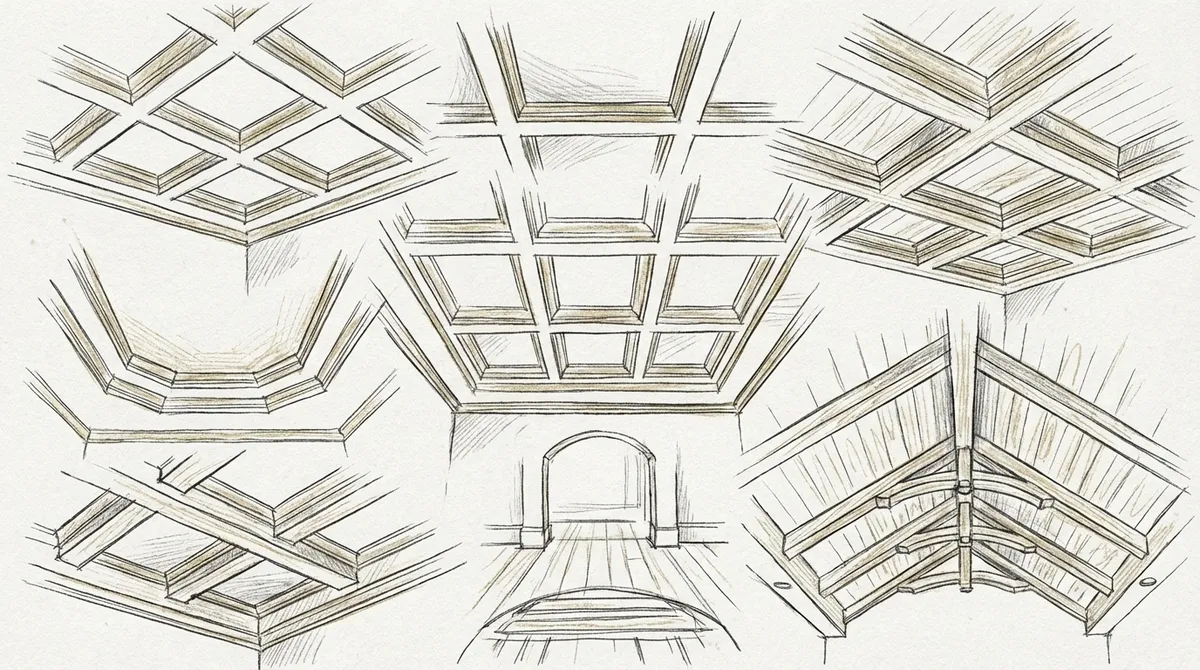
Coffered ceilings add architectural sophistication by creating a grid of recessed panels, making rooms feel more spacious and elegant.
-
Tray ceilings create dimensional drama by elevating the center section, instantly transforming rooms with a luxurious focal point.
-
Exposed ceiling beams bring warmth and texture, offering versatile design options from rustic farmhouse to contemporary minimalist styles.
-
Tongue and groove ceiling planks provide natural wood texture, with installation orientation and finish significantly impacting room perception.
-
Vaulted and cathedral ceilings dramatically increase spatial perception, allowing more natural light and architectural drama.
-
Cove ceiling lighting offers sophisticated ambient illumination by concealing LED strips around room perimeters, creating soft, adjustable lighting.
-
Ceiling medallions add ornamental focal points that draw attention upward, ranging from simple designs to elaborate historical-inspired patterns.
-
Metal ceiling tiles bring vintage character and reflective surfaces, offering durability and unique aesthetic options for various interior styles.
When homeowners think about interior design, they often focus on walls, floors, and furniture while overlooking the fifth wall—the ceiling. Yet ceiling designs have the power to completely transform the character, ambiance, and perceived size of any room. From coffered elegance to contemporary tray designs, the right ceiling treatment can elevate your home from ordinary to extraordinary. Whether you’re renovating a single room or building your dream home, understanding your ceiling design options will help you make informed decisions that enhance both aesthetics and property value.
The evolution of ceiling design has moved far beyond simple flat white surfaces. Today’s homeowners and interior designers are embracing architectural elements that add depth, texture, and visual interest overhead. Custom carpentry specialists like Bucheli Trim LLC have witnessed a remarkable surge in demand for distinctive ceiling treatments that reflect personal style while complementing overall interior design schemes. These ceiling enhancements not only create stunning visual focal points but also improve acoustics, conceal imperfections, and even increase energy efficiency in some applications.
This comprehensive guide explores eleven ceiling design options that are making waves in 2025, providing you with the inspiration and practical knowledge needed to select the perfect ceiling treatment for your space.
1. Coffered Ceilings: Timeless Architectural Elegance
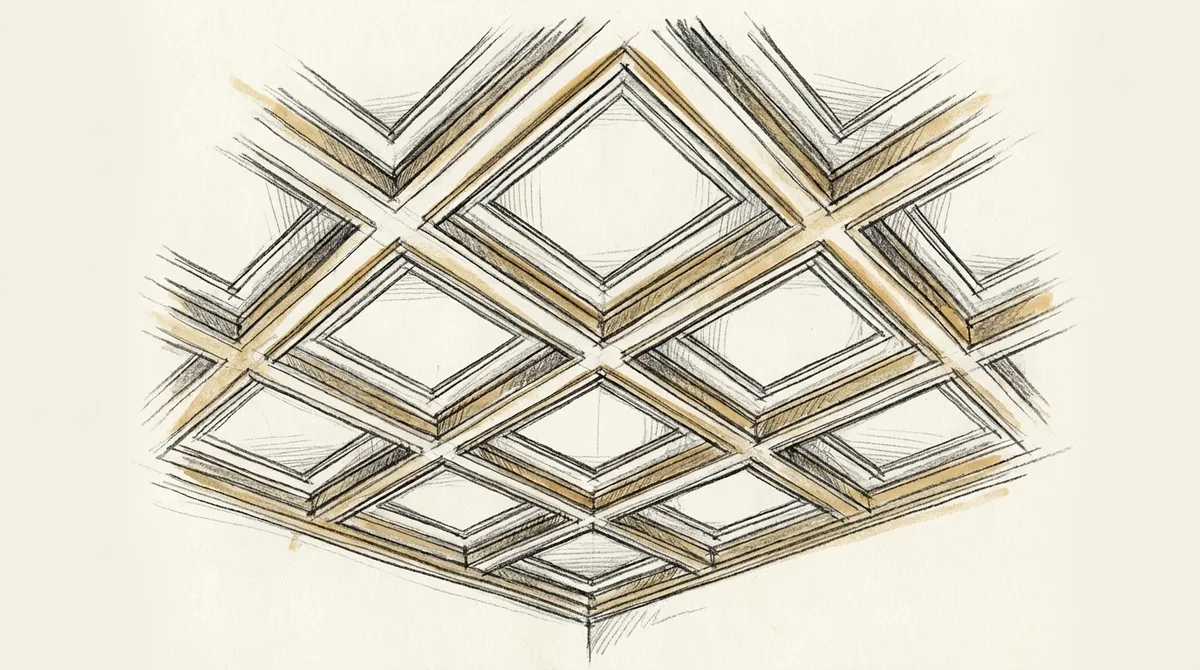
Coffered ceilings feature a grid pattern of recessed panels framed by decorative beams, creating a three-dimensional effect that instantly adds sophistication to any room. This classic design dates back to ancient Greek and Roman architecture but remains one of the most sought-after ceiling treatments for formal living rooms, dining rooms, and home libraries. The depth and shadow play created by coffered designs add visual interest while making ceilings appear higher than they actually are.
The beauty of coffered ceilings lies in their versatility. Homeowners can customize the size of the coffers, the depth of the recesses, and the decorative details on the beams to match their home’s architectural style. Traditional designs feature deeper coffers with ornate molding details, while contemporary interpretations use cleaner lines and shallower recesses for a more minimalist aesthetic. Installing coffered ceilings requires precision carpentry skills to ensure perfectly aligned grids and seamless joints between beam elements.
For the best results, coffered ceiling designs work particularly well in rooms with ceiling heights of nine feet or higher. The installation process involves careful planning of the grid layout, construction of the beam framework, and meticulous finishing work. When paired with recessed lighting within the coffers or crown molding along the perimeter, these ceilings become true architectural statements that significantly enhance property value.
2. Tray Ceilings: Adding Dimension and Drama
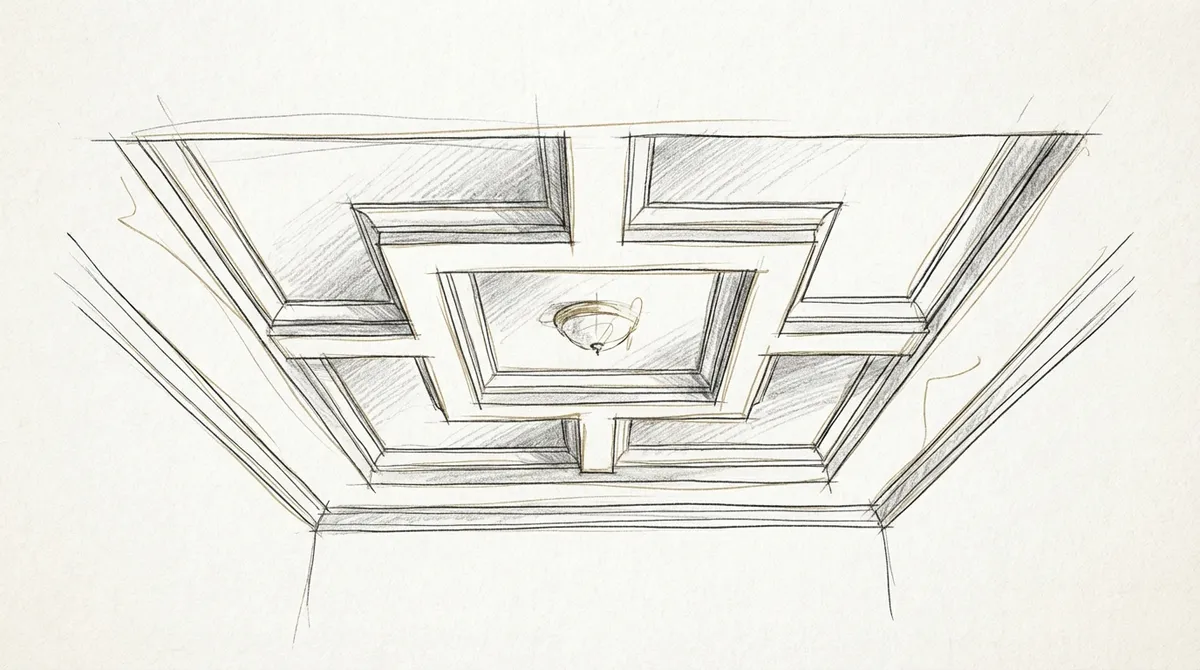
Tray ceilings, also known as recessed or inverted ceilings, feature a center section that is raised higher than the perimeter, creating the appearance of an upside-down tray. This design immediately draws the eye upward and creates an impression of greater space and luxury. Tray ceilings have become increasingly popular in master bedrooms, dining rooms, and great rooms where homeowners want to define specific areas without using walls or dividers.
The versatility of tray ceiling designs allows for numerous customization options. Single-tray designs feature one level of elevation, while multi-level trays create even more dramatic effects with multiple stepped sections. The transition between levels can be enhanced with crown molding, cove lighting, or painted accents that highlight the architectural details. Many homeowners choose to paint the recessed center section in a contrasting color or apply decorative finishes like metallic paints or wallpaper to create visual interest.
Installation of tray ceilings works best during new construction or major renovations when ceiling framing can be modified. However, skilled carpenters can also create the illusion of tray ceilings in existing spaces by building down the perimeter rather than raising the center. This approach preserves existing ceiling height in the center while still achieving the desired tiered effect. Proper lighting design is essential for tray ceilings, with rope lighting, LED strips, or recessed fixtures used to emphasize the dimensional quality.
3. Beamed Ceilings: Rustic Charm Meets Modern Style
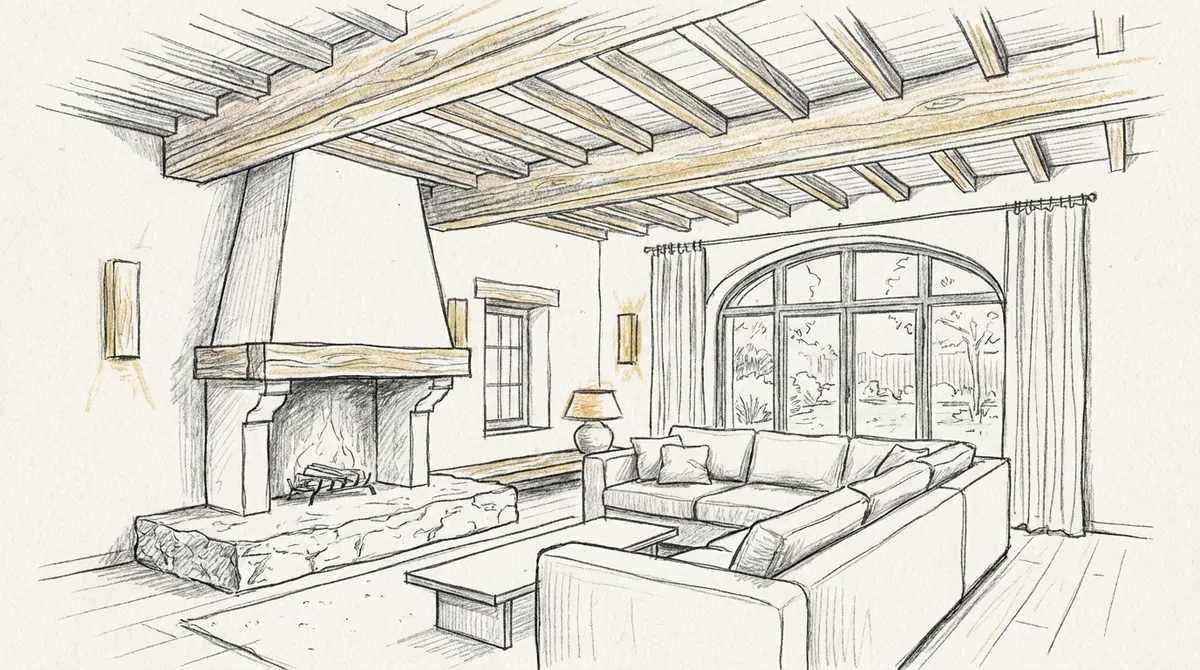
Exposed ceiling beams bring warmth, texture, and architectural interest to interiors by adding horizontal or grid-pattern elements across the ceiling surface. Whether using authentic reclaimed wood beams or expertly crafted faux wood alternatives, beamed ceilings create visual impact that works in settings ranging from farmhouse kitchens to contemporary living spaces. The linear quality of beams can make rooms feel longer and more expansive while adding a connection to traditional craftsmanship.
Real wood beams offer unmatched authenticity and character, particularly when using reclaimed timber with visible age marks, knots, and patina. However, the weight and cost of solid wood beams make them impractical for many projects. Modern alternatives include hollow faux beams constructed from high-density polyurethane or wood composites that perfectly replicate the appearance of solid timber at a fraction of the weight and cost. These alternatives also offer practical advantages like concealing wiring, pipes, or structural elements within the hollow interior.
Beam spacing and sizing significantly impact the overall aesthetic. Widely spaced large beams create bold statements suitable for great rooms and open concepts, while more closely spaced smaller beams generate cozier, more intimate atmospheres. Beam finishes range from natural wood stains that highlight grain patterns to painted finishes that coordinate with overall color schemes. The ceiling design experts at specialized carpentry firms can help determine the optimal beam configuration for your space, considering both aesthetic goals and structural requirements.
4. Tongue and Groove Ceiling Planks: Natural Beauty Overhead
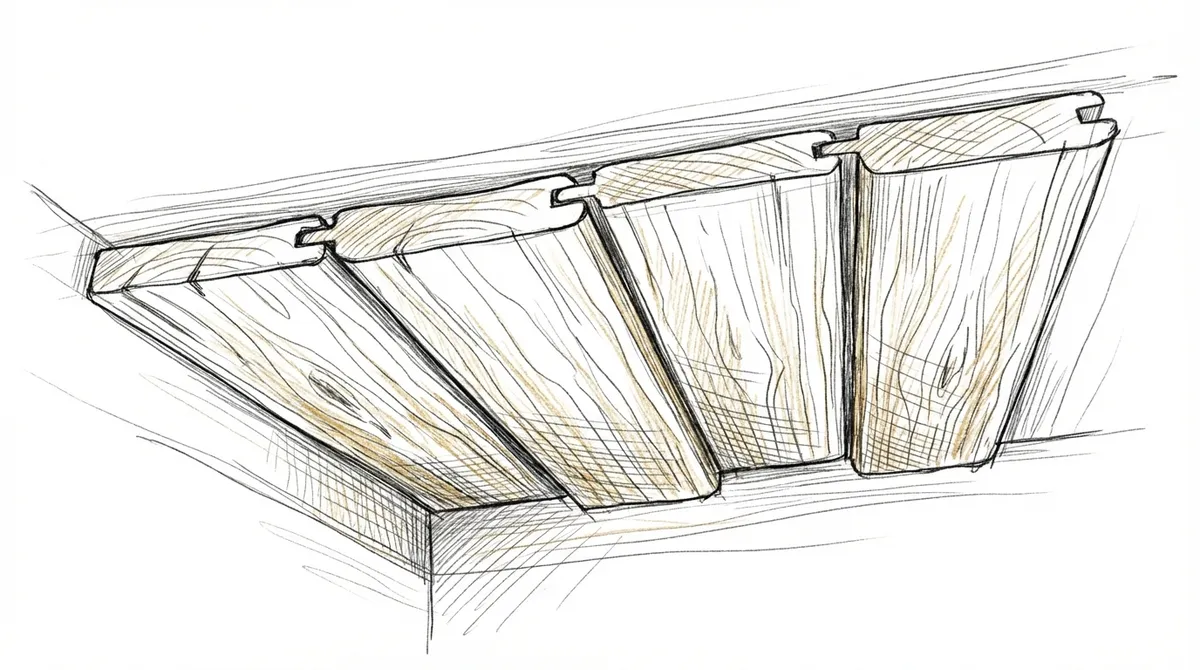
Tongue and groove ceiling planks offer a way to introduce natural wood texture and warmth to overhead surfaces while creating clean, cohesive looks. This installation method uses specially milled boards that interlock seamlessly, creating smooth surfaces without visible fasteners. Popular in porches, sunrooms, and casual living spaces, tongue and groove ceilings have expanded into virtually every room of the home as homeowners seek to add organic materials and visual interest to their interiors.
Material choices for tongue and groove ceilings include pine, cedar, cypress, and various hardwoods, each offering distinct grain patterns, colors, and characteristics. Pine provides an economical option with a light, neutral appearance that accepts stains and paints readily. Cedar brings natural aromatic qualities and resistance to moisture, making it ideal for bathrooms and humid climates. For those seeking environmentally responsible options, reclaimed wood planks or bamboo alternatives provide sustainable choices with unique character.
Installation orientation affects the perceived dimensions of a room. Running planks parallel to the longest wall makes narrow rooms feel wider, while perpendicular installation can make spaces feel longer. Diagonal or herringbone patterns create dynamic visual interest but require more material and skilled installation. Finishing options range from natural clear coats that preserve wood’s original appearance to whitewashed or pickled finishes for coastal or Scandinavian-inspired aesthetics. Proper acclimation of wood materials before installation and attention to expansion gaps ensures long-lasting results.
5. Vaulted and Cathedral Ceilings: Soaring Spaces
Vaulted and cathedral ceilings dramatically increase the sense of space by following the roofline rather than creating a flat horizontal surface. Cathedral ceilings feature two equal sloping sides that meet at a central ridge, mirroring the roof structure, while vaulted ceilings can take various forms including barrel vaults, groin vaults, or asymmetrical designs. These elevated ceiling treatments transform rooms into grand, airy spaces filled with natural light and architectural drama.
The architectural impact of vaulted ceilings extends beyond aesthetics. The increased volume creates better air circulation and opportunities for larger windows or skylights that flood interiors with natural light. However, the additional height also presents challenges including heating and cooling efficiency, maintenance access, and the need for specialized lighting solutions. Strategic use of ceiling fans, appropriately scaled light fixtures, and proper insulation helps address these practical considerations while maintaining the dramatic visual effect.
Finishing vaulted ceilings requires thoughtful design decisions. Some homeowners prefer to expose structural elements like rafters and beams, celebrating the architecture’s bones while adding rustic character. Others opt for smooth drywall finishes with painted surfaces that emphasize clean, modern lines. Adding wood planking, decorative trusses, or medallion details at the peak creates focal points that enhance the architectural statement. Professional installation ensures proper support structures and finishing techniques that maintain both beauty and structural integrity over time.
6. Cove Ceiling Lighting: Ambient Illumination with Style
Cove ceiling designs incorporate recessed ledges around the perimeter of a room where indirect lighting fixtures are concealed, creating soft, ambient illumination that washes upward across the ceiling surface. This sophisticated lighting technique eliminates harsh shadows while highlighting ceiling textures and architectural details. Cove lighting works particularly well in bedrooms, living rooms, and home theaters where adjustable ambient lighting enhances mood and functionality without glare.
The construction of cove ceiling lighting involves building a recessed channel or ledge approximately 12 to 18 inches from the ceiling perimeter, positioned to hide the light source from direct view. Modern LED strip lighting has revolutionized cove lighting applications, offering energy efficiency, longevity, and the ability to adjust color temperature and brightness. Smart home integration allows homeowners to control cove lighting through voice commands, smartphone apps, or automated schedules that adapt lighting throughout the day.
Design variations include single-level coves that run around the entire room perimeter, multi-level stepped coves that create additional visual interest, and partial coves that highlight specific architectural features. The width and depth of the cove affect the quality and spread of light, with deeper coves creating more dramatic shadows and narrower light distribution. Combining cove lighting with other ceiling treatments like tray designs or crown molding creates layered sophistication. Professional installation through specialists like Bucheli Trim LLC ensures proper electrical work, precise carpentry, and optimal lighting placement for best results.
7. Decorative Ceiling Medallions and Rosettes
Ceiling medallions and rosettes add ornamental focal points around light fixtures, chandeliers, or ceiling fans, drawing attention upward while echoing classical architectural traditions. These circular or geometric decorative elements range from simple, understated designs to elaborate compositions featuring florals, geometric patterns, or relief sculptures. Medallions work particularly well in formal dining rooms, entryways, and traditional-style bedrooms where they complement period architecture or add character to plain ceilings.
Material options for ceiling medallions include traditional plaster, lightweight polyurethane foam, wood, and even metal. Polyurethane medallions have become increasingly popular due to their authentic appearance, light weight, and ease of installation compared to heavy plaster alternatives. These modern materials accurately replicate intricate historical designs while offering practical advantages like resistance to cracking and simpler attachment methods. Wood medallions crafted by skilled carpenters provide unique, custom options that can be designed to complement specific interior styles.
Sizing medallions appropriately for the room and light fixture ensures visual balance. As a general guideline, the medallion diameter should extend at least 4 inches beyond the light fixture’s canopy on all sides, while remaining proportional to the room’s overall scale. In rooms with high ceilings, larger medallions prevent the decorative element from appearing lost in space. Installation involves centering the medallion over the existing electrical box, securing it with appropriate adhesives or fasteners, and finishing with paint or faux finishes that coordinate with the overall design scheme.
8. Tin and Metal Ceiling Tiles: Vintage Character
Tin and metal ceiling tiles bring vintage character and reflective surfaces to interior spaces, recalling the decorative ceilings popular in late 19th and early 20th-century commercial buildings. These pressed metal tiles feature embossed patterns ranging from simple geometric designs to elaborate Victorian-era motifs. Originally used for their decorative appeal and fire resistance, metal ceiling tiles have experienced renewed popularity among homeowners seeking to add historical character or industrial-chic aesthetics to their spaces.
Modern metal ceiling tiles come in aluminum, tin-plated steel, copper, and brass, offering various patina options and finishes. Installation methods include nail-up systems for direct attachment to solid substrates, lay-in grids for suspended ceiling applications, and snap-together systems that simplify DIY installations. Surface finishes range from bare metal with natural patina development to painted finishes in virtually any color, antique treatments that mimic aged metal, or brushed and polished finishes for contemporary interpretations.
Metal ceilings work particularly well in kitchens, bathrooms, basements, and commercial spaces where their durability, easy maintenance, and resistance to moisture provide practical advantages alongside aesthetic appeal. The reflective quality of metal surfaces helps bounce light around rooms, making spaces feel brighter and more open. For authentic vintage aesthetics, distressed finishes and intentional patina create aged appearances, while clean, uniform finishes suit modern or industrial design schemes. Professional installation ensures proper panel alignment, concealed fasteners, and seamless integration with existing architectural elements.
9. Stretch Fabric Ceilings: Modern Innovation
Stretch fabric ceiling systems represent cutting-edge ceiling design technology, using tensioned PVC or polyester fabric membranes stretched across perimeter tracks to create perfectly smooth, seamless surfaces. This innovative approach originated in Europe and has gained traction in North America for its versatility, quick installation, and ability to conceal ceiling imperfections, pipes, wiring, and ductwork without extensive demolition. Stretch ceilings work in virtually any room and accommodate complex shapes, curves, and multi-level designs impossible with traditional materials.
The range of design possibilities with stretch fabric ceilings includes translucent materials that allow backlighting for dramatic glowing effects, printed graphics and images that transform ceilings into artistic statements, and specialty finishes like high-gloss, matte, suede, or metallic surfaces. The membrane’s ability to stretch and conform to three-dimensional shapes enables creative installations including wave patterns, sculptural forms, and organic flowing designs. Integrated lighting options range from concealed LED perimeter lighting to fiber optic star field effects popular in home theaters.
Practical advantages include the fabric’s antimicrobial properties, acoustic damping capabilities, and complete washability for maintenance. The installation process is relatively quick and clean compared to traditional ceiling work, often completing in a single day without drywall dust or extensive preparation. The membrane completely conceals existing ceiling conditions while remaining removable for access to above-ceiling systems. While stretch fabric ceilings represent a higher initial investment than conventional approaches, their durability, versatility, and unique aesthetic possibilities make them increasingly popular for both residential and commercial applications.
10. Coffered Crown Molding: Detailed Sophistication
Coffered crown molding represents an evolution of traditional crown molding, creating recessed geometric patterns across the ceiling surface using deep, decorative trim pieces. This approach combines the elegance of standard crown molding with the dimensional interest of coffered designs, resulting in highly detailed ceiling treatments suitable for formal spaces. The technique works particularly well in dining rooms, libraries, and master bedrooms where architectural detail contributes to sophisticated, upscale atmospheres.
Unlike full coffered ceilings that involve constructing beam frameworks and recessed panels, coffered crown molding achieves similar visual effects with less structural modification. The design uses wide crown molding profiles installed in grid patterns, often complemented by smaller decorative moldings, panel moldings, or applied ornaments within the recessed sections. This approach offers the aesthetic benefits of coffered design while requiring less ceiling height and structural modification than traditional coffered installations.
Successful coffered crown molding designs require careful planning of grid dimensions, molding profiles, and proportions relative to room size. Squares or rectangles work for most applications, while more complex geometric patterns create distinctive custom looks. Paint treatments significantly impact the final appearance, with options including monochromatic schemes that emphasize shadows and depth, contrasting colors that highlight different elements, or specialty finishes like glazing and antiquing that add dimension. The molding specialists at professional carpentry firms can design and install coffered crown molding systems that transform ordinary ceilings into architectural showpieces.
11. Acoustic Ceiling Panels: Function Meets Design
Acoustic ceiling panels address sound control while offering design flexibility, making them ideal for home offices, media rooms, music spaces, and open-concept areas where noise management is essential. Modern acoustic panels have evolved far beyond institutional drop ceiling tiles, now available in diverse materials, colors, patterns, and three-dimensional designs that contribute to interior aesthetics while improving sound quality. These functional ceiling treatments reduce echo, prevent sound transmission, and create more comfortable acoustic environments.
Material options for acoustic ceiling panels include fiberglass, mineral fiber, fabric-wrapped panels, perforated wood, and eco-friendly alternatives made from recycled materials or natural fibers. Each material offers different sound absorption coefficients, aesthetic qualities, and installation methods. Fabric-wrapped panels provide the most design flexibility, available in unlimited colors and textures to coordinate with interior decor. Wood acoustic panels bring natural warmth while maintaining sound-dampening properties through perforations or slat designs that allow sound waves to be absorbed by backing materials.
Installation approaches range from suspended grid systems that allow easy access to above-ceiling utilities, direct-mount applications for cleaner aesthetics, and cloud or baffle installations where individual panels float at various heights to create sculptural effects. The arrangement pattern of panels significantly impacts both acoustic performance and visual appeal. Regular grid patterns suit traditional spaces, while random or artistic arrangements create contemporary focal points. Some installations combine acoustic panels with other ceiling treatments, using sound-absorbing materials strategically in areas where acoustic control matters most while maintaining decorative ceiling designs elsewhere.
Selecting the Right Ceiling Design for Your Space
Choosing the ideal ceiling design requires balancing aesthetic preferences, practical considerations, and budget constraints. Start by evaluating your existing ceiling height, as some treatments like coffered ceilings and beams require adequate clearance to maintain comfortable proportions. Rooms with eight-foot ceilings benefit from designs that create the illusion of height, such as tray ceilings with lighter center colors or vertical elements that draw the eye upward. Higher ceilings provide more flexibility for dimensional treatments and dramatic architectural statements.
Consider the room’s function and your design goals. Formal spaces like dining rooms and entryways accommodate traditional, ornate ceiling treatments that make strong first impressions. Casual living areas and bedrooms work well with warmer, more relaxed designs like wood planking or beamed ceilings. Home offices and media rooms may prioritize acoustic performance alongside aesthetics. The existing architectural style of your home should also inform ceiling design choices, with traditional homes suited to classical treatments and contemporary spaces calling for cleaner, more minimalist approaches.
Budget considerations extend beyond material costs to include installation complexity and potential structural modifications. Some ceiling treatments like medallions or decorative painting offer dramatic impact at relatively modest investments, while full coffered installations or stretch fabric systems represent more substantial commitments. Working with experienced professionals ensures realistic budget projections and helps identify design solutions that maximize impact within financial parameters. For homeowners in the Tampa Bay area, consulting with Bucheli Trim LLC provides access to skilled craftsmen who can assess your space, discuss design options, and create ceiling treatments that perfectly suit your vision and practical requirements.
Professional Installation: Why Expertise Matters
While some ceiling design projects may appear straightforward, professional installation ensures structural integrity, precise execution, and long-lasting results that justify the investment. Ceiling work involves unique challenges including working overhead, managing weight loads, concealing imperfections, and achieving perfectly level and aligned elements despite variations in existing framing. Experienced carpenters bring specialized tools, techniques, and problem-solving abilities that prevent common mistakes and deliver finished products that meet exacting standards.
Professional ceiling installations begin with thorough assessment of existing conditions, including structural capacity, concealed utilities, and potential obstacles. Skilled craftsmen identify the most efficient approaches for achieving desired designs while minimizing costs and disruption. They understand building codes, proper fastening methods, and finishing techniques that ensure safety and durability. Complex treatments like coffered ceilings or integrated lighting systems require coordination of carpentry, electrical, and finishing trades, which experienced professionals manage seamlessly.
The difference between amateur and professional ceiling work becomes apparent in the details—perfectly mitered corners, consistent reveals, smooth transitions, and flawless finishing. These subtle elements separate adequate results from truly exceptional craftsmanship that enhances property value and provides lasting satisfaction. Beyond technical execution, professional installers help homeowners navigate design decisions, material selections, and practical considerations that optimize outcomes. Whether you are ready to transform your ceiling or still exploring options, you can reach out to experienced professionals who can guide you through the process from concept to completion.
Conclusion: Elevate Your Home with Thoughtful Ceiling Design
Ceiling designs represent one of the most underutilized opportunities in interior design, offering transformative potential that affects how we experience and enjoy our living spaces. From the timeless elegance of coffered ceilings to the modern innovation of stretch fabric systems, today’s homeowners have access to an unprecedented range of options that accommodate every style preference, functional requirement, and budget consideration. The right ceiling treatment does more than simply cover overhead surfaces—it defines architectural character, enhances perceived space, improves acoustics, and creates memorable impressions that reflect your personal style.
As you consider ceiling design possibilities for your home, remember that these installations represent long-term investments in both aesthetics and property value. The ceiling designs you choose today will remain overhead for years or decades, making thoughtful selection and quality execution essential. Whether you are drawn to traditional architectural details, contemporary minimalism, or innovative modern materials, ensure your vision is realized through careful planning and skilled craftsmanship.
The transformation of your space begins with a single decision to look up and imagine the possibilities. When you are ready to turn those possibilities into reality, partnering with experienced custom carpentry professionals ensures results that exceed expectations. Discover how expert ceiling design can transform your home by visiting our Google Business Profile to see examples of completed projects and hear from satisfied homeowners. Your perfect ceiling design awaits—the only question is which of these eleven inspiring options will grace your home.
FAQs
Q: What ceiling design works best for rooms with low ceilings?
A: For rooms with eight-foot or lower ceilings, tray ceiling designs with lighter-colored center sections, simple crown molding, or tongue and groove planks installed in directions that elongate the space work best. These treatments create the illusion of height without requiring additional clearance. Avoid heavy beams or deep coffered designs that can make low ceilings feel oppressive.
Q: How much does professional ceiling design installation typically cost?
A: Ceiling design installation costs vary significantly based on complexity, materials, and room size. Simple treatments like ceiling medallions or basic crown molding may cost a few hundred dollars, while comprehensive coffered ceiling installations or custom beam work can range into several thousand dollars. Professional carpentry firms provide detailed estimates after assessing your specific space and design requirements.
Q: Can ceiling designs be added to existing homes without major renovation?
A: Yes, many ceiling design treatments can be added to existing homes with minimal disruption. Options like faux beams, ceiling medallions, decorative molding, and tongue and groove planking install over existing ceilings without structural modifications. More complex treatments like coffered or tray ceilings may require additional framing work but can still be accomplished during targeted renovations rather than whole-house remodels.
Q: What ceiling design is best for improving room acoustics?
A: Acoustic ceiling panels specifically designed for sound absorption provide the best acoustic improvement, reducing echo and noise transmission. Additionally, coffered ceilings, wood planking, and fabric elements help dampen sound compared to flat drywall surfaces. For dedicated home theaters or music rooms, combining acoustic panels with other decorative treatments creates both functional and aesthetic benefits.
Q: How do I maintain and clean decorative ceiling designs?
A: Maintenance requirements vary by material. Wood ceilings and beams benefit from occasional dusting and periodic refinishing to maintain appearance. Painted surfaces may need touch-ups or repainting every several years. Metal tiles and stretch fabric ceilings clean with damp cloths and mild detergents. Most ceiling treatments require minimal maintenance beyond periodic cleaning and inspection for any signs of moisture damage or structural issues.