Key Takeaways
-
Always verify contractor licensing, liability insurance, and workers' compensation before hiring—skipping these checks can leave you liable if something goes wrong on your property.
-
Review a carpenter's portfolio of completed projects and check online reviews across multiple sources (Google, Facebook, local forums) to spot patterns in quality, punctuality, and professionalism.
-
Prioritize quality and craftsmanship over speed—precision work like crown molding and cabinetry requires careful measuring and cutting, so ask about the process rather than how fast it can be done.
-
Use a detailed written contract before work begins that includes project scope, materials list, timeline, payment schedule, and warranty information to avoid misunderstandings.
-
Ask specific questions about materials (wood species, humidity resistance, finish type) and discuss your design vision with reference photos to prevent costly rework and mismatched results.
-
Match the carpenter's skill level to your project complexity—master craftsmen with 10+ years experience are needed for intricate custom work, while entry-level carpenters suit simple tasks.
Searching for a “finishing carpenter near me” can feel overwhelming. There are so many names online, and it’s hard to know who will actually deliver clean lines, tight joints, and lasting results. Whether you’re a homeowner dreaming of custom built-ins, an interior designer needing a reliable trade partner, or a real estate developer trying to boost property value, picking the wrong carpenter can cost you time and money.
This guide walks you through the most common mistakes people make when hiring a finishing carpenter. You’ll learn what to check, what questions to ask, and how to spot true craftsmanship before signing any contract. By the end, you’ll know exactly how to find a skilled professional in the Tampa Bay area who can bring your vision to life with precision and style.
What Does a Finishing Carpenter Actually Do
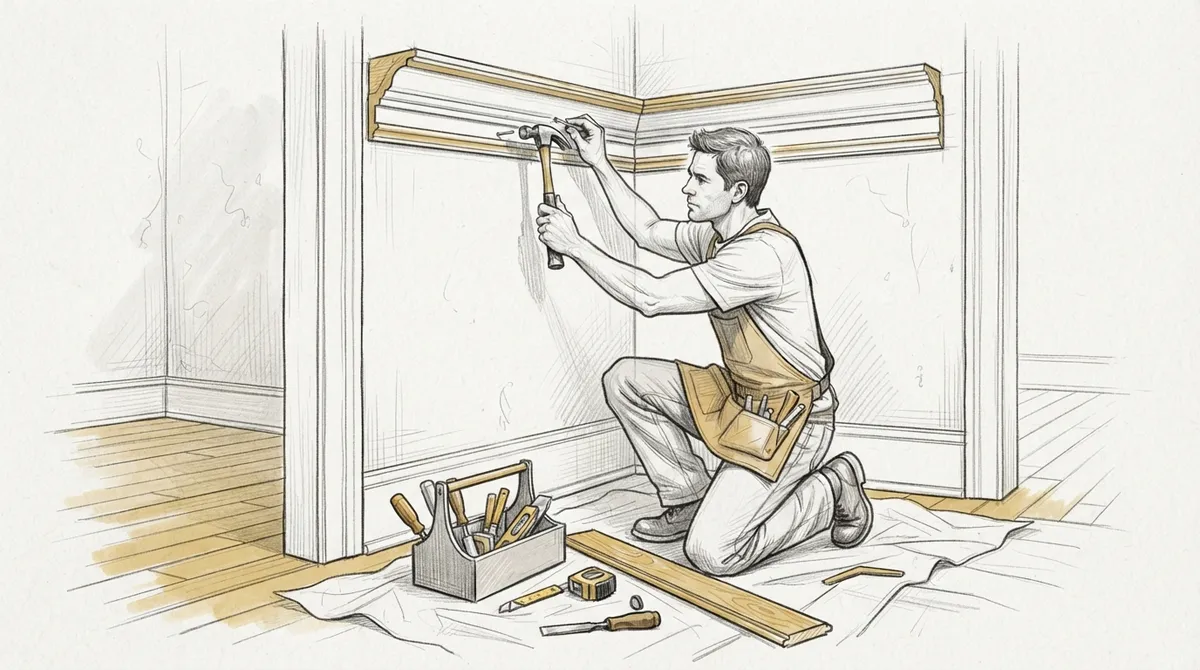
A finishing carpenter handles the detail work that makes a house feel finished. This includes crown molding, baseboards, custom cabinetry, wall paneling, and trim around doors and windows. Unlike rough framers who build the structure, finishing carpenters focus on the visible details people notice every day.
Their work covers many areas, such as:
- Ceiling designs like coffered or tray ceilings
- Wall enhancements including wainscoting and shiplap
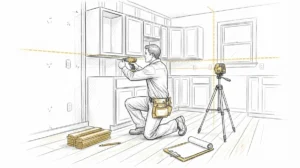
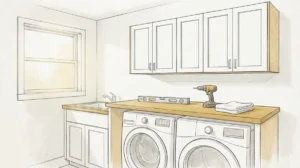
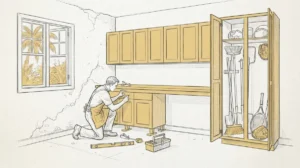
- Built-in cabinetry for kitchens, closets, and living rooms
- Door and window trim installation
- Custom mantels and entertainment centers
If you want to understand more about this trade, you can learn more about carpentry and how it has evolved over time. Good finishing work separates an average home from one with real character.

Mistake 1: Skipping the Portfolio Review
Many homeowners hire the first carpenter they find without checking past work. This is a big mistake. A portfolio shows you real examples of quality, style, and attention to detail.
Ask to see photos of completed custom projects similar to what you want. Look closely at seams, corners, and finish quality. If the carpenter hesitates to share examples, that’s a red flag.
Mistake 2: Ignoring License and Insurance Checks
Some people assume all carpenters are properly licensed. This isn’t always true. Skipping this step can leave you liable if something goes wrong on your property.
Always confirm the following before hiring:
- Valid state contractor license
- Proof of liability insurance
- Workers’ compensation coverage
- Local business registration
Reputable companies will provide this information without pushback. This step protects your home and your wallet.
Mistake 3: Focusing Only on Speed
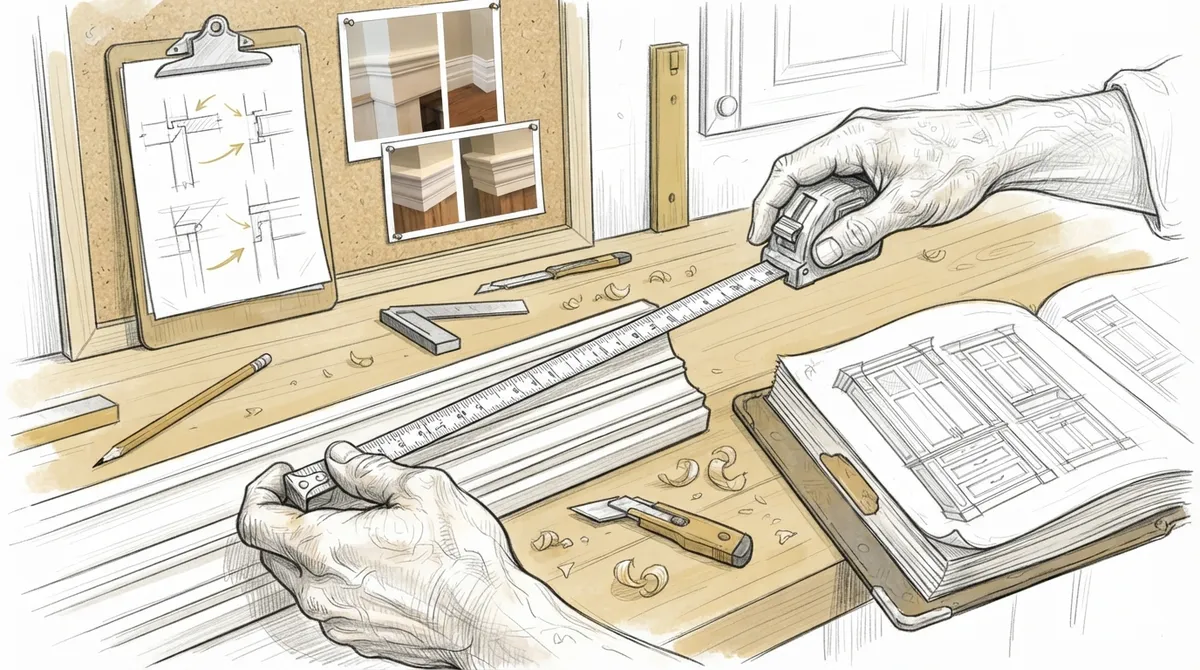
Rushing a finishing carpenter to work faster often leads to sloppy results. Precision work like crown molding and cabinetry needs careful measuring and cutting. Quality craftsmanship takes time.
Instead of asking how fast a job can be done, ask about the process. A skilled carpenter should explain each step clearly, from measuring to final sanding.
Mistake 4: Not Asking About Materials
Different projects need different wood types and finishes. Some carpenters cut corners by using lower-grade materials without telling clients. This can lead to warping, cracking, or a finish that doesn’t match your vision.
Ask specific questions like:
- What wood species will be used for trim or cabinetry?
- Will the materials handle Florida’s humidity well?
- What type of finish or sealant will be applied?
- Are the materials sourced locally or imported?
Understanding materials helps you avoid surprises later. It also helps you compare quotes fairly.
Mistake 5: Overlooking Communication Style
Poor communication causes more project delays than almost anything else. If a carpenter is slow to respond during the quoting stage, this pattern usually continues during the project.
Pay attention to how quickly they answer questions. Notice if they explain things clearly without confusing jargon. Good communication builds trust and keeps your project on schedule.
Mistake 6: Forgetting to Check Reviews
Online reviews reveal patterns that a single conversation can’t show you. Look for consistent feedback about quality, punctuality, and professionalism.
You can visit us on Google — Bucheli Trim to see real feedback from homeowners across Tampa Bay. Reading multiple reviews gives you a fuller picture than relying on just one testimonial.
Where to Find Trustworthy Reviews
Check these sources for honest feedback:
- Google Business Profile reviews
- Company website testimonials
- Social media pages like Facebook
- Local community groups or neighborhood forums
Mistake 7: Choosing Based on Price Alone
The cheapest quote isn’t always the best value. Low bids sometimes mean rushed work, lower-quality materials, or hidden fees later. Instead of focusing only on cost, compare the full scope of what’s included in each quote.
A detailed quote should outline materials, labor, timeline, and cleanup responsibilities. This helps you avoid confusion and unexpected charges.
Mistake 8: Not Discussing the Design Vision Clearly
Interior designers and homeowners sometimes assume a carpenter already understands their style preferences. This leads to mismatched results. Clear communication about design goals prevents rework and wasted materials.
Before starting, share reference photos or sketches. Discuss details like trim profiles, ceiling styles, or cabinet finishes. For inspiration, browse ideas on ceiling designs or wall enhancements to find a look that matches your project.
Mistake 9: Overlooking Experience With Local Building Codes
Tampa Bay has specific humidity and moisture conditions that affect wood carpentry. A carpenter unfamiliar with local codes or climate challenges may recommend materials that don’t hold up over time.
Ask if they have experience working on homes in your specific neighborhood or city. Local experience often means fewer problems down the road.
Mistake 10: Skipping a Written Contract
Verbal agreements can lead to misunderstandings about scope, timeline, and payment terms. Always insist on a written contract before work begins.
A solid contract should include:
- Detailed project scope and materials list
- Start and completion dates
- Payment schedule
- Warranty information
- Change order process
This protects both you and the carpenter if disputes arise later.
Mistake 11: Not Asking About Cleanup and Site Protection
Finishing work like sanding and cutting creates dust and debris. Some contractors don’t take proper precautions to protect floors, furniture, or other finished areas.
Ask how they plan to protect your home during the project. Professional teams use drop cloths, dust barriers, and daily cleanup routines to keep your space livable.
Mistake 12: Underestimating the Value of Custom Work
Some developers and homeowners choose generic, prefabricated trim instead of custom solutions to save time. However, custom carpentry often adds more resale value and visual appeal than mass-produced options.
Consider these benefits of custom finishing work:
| Feature | Custom Carpentry | Prefabricated Trim |
|---|---|---|
| Fit and Precision | Made to exact measurements | Standard sizes only |
| Design Flexibility | Unlimited style options | Limited pre-set styles |
| Material Quality | Often higher grade wood | Varies, often lower grade |
| Resale Value Impact | Higher perceived value | Minimal impact |
For developers looking to stand out in competitive markets, custom molding details and built-in cabinets can make a real difference to buyers.
Mistake 13: Not Verifying Craftsmanship on Small Details
Small details reveal a carpenter’s true skill level. Uneven caulk lines, visible nail holes, or mismatched wood grain patterns are warning signs of rushed or careless work.
When reviewing past projects, check things like:
- Seamless corner joints on trim and molding
- Smooth, even paint or stain finishes
- Properly aligned cabinet doors and drawers
- Consistent spacing in paneling or wainscoting
These details often separate an average carpenter from a true craftsman. For more on spotting quality work, this resource on signs of true craftsmanship in custom carpentry offers helpful guidance.
Mistake 14: Failing to Plan for Long-Term Maintenance
Beautiful finish work still needs care over time. Wood trim, cabinetry, and moldings can shift slightly with humidity changes common in Florida homes.
Ask your carpenter about maintenance recommendations before the project ends. Some finishes may need occasional refinishing, especially for high-traffic areas. If you’re curious about refreshing older trim, check out this guide on refinishing wood trim and doors.
How to Vet a Finishing Carpenter Step by Step
Follow this simple process to avoid the mistakes listed above:
- Search for carpenters with strong local reviews and a solid portfolio
- Confirm licensing, insurance, and local experience
- Request a detailed written quote with materials listed
- Discuss your design vision using photos or references
- Sign a clear contract before work begins
- Check in during the project to review progress and cleanliness
- Ask about maintenance tips once the project is complete
This step-by-step approach helps homeowners, designers, and developers feel confident throughout the entire process.
Why Local Expertise Matters in Tampa Bay
Hiring someone who understands the Tampa Bay climate and housing styles makes a real difference. Local carpenters know how humidity affects wood, which finishes hold up best, and which styles are popular in the area right now.
Bucheli Trim has built a reputation across Tampa Bay for precise, high-end finish carpentry work. From custom doors to flooring and tile work, working with a local team that understands regional needs often leads to better long-term results. For a deeper look at what sets skilled carpenters apart, visit this guide on how to find the best carpenter near you.
Comparing Skill Levels: What Sets Top Carpenters Apart
Not every carpenter offers the same level of skill. Understanding the differences can help you make a smarter hiring decision.
| Skill Level | Typical Experience | Best For |
|---|---|---|
| Entry-Level | 1-3 years, basic trim work | Simple baseboard installs |
| Mid-Level | 4-8 years, general finish work | Standard renovations |
| Master Craftsman | 10+ years, custom design experience | High-end builds, unique designs |
Projects involving detailed crown molding or intricate built-ins usually require a master-level carpenter. Always match the skill level to your project’s complexity.
Final Thoughts on Hiring the Right Professional
Finding a trustworthy finishing carpenter takes a bit of research, but it pays off in the long run. Avoiding these fourteen common mistakes helps ensure your project turns out exactly how you imagined it. Whether you need custom cabinetry, ceiling upgrades, or detailed trim work, taking time to vet the right professional protects your investment.
If you’re ready to start your next project with a team that values craftsmanship and clear communication, reach out to schedule a consultation today. Bucheli Trim proudly serves homeowners, designers, and developers throughout the Tampa Bay area with precision-focused finish carpentry services.
FAQs
Q: What does a finishing carpenter near me actually specialize in?
A: A finishing carpenter specializes in the visible details of a home, like trim, molding, cabinetry, and custom built-ins. They focus on precision work that gives a space its final polished look, unlike framers who handle structural building.
Q: How do I know if a finishing carpenter is qualified?
A: Check for a valid contractor license, liability insurance, and a portfolio of completed projects. Reading online reviews and asking about local experience also helps confirm their qualifications.
Q: Why does local experience matter when hiring a finishing carpenter?
A: Local carpenters understand how regional climate and humidity affect wood and finishes. This knowledge helps prevent issues like warping or cracking, especially in areas like Tampa Bay with high humidity.
Q: What questions should I ask before hiring a finishing carpenter?
A: Ask about materials used, project timeline, cleanup process, and warranty details. It’s also important to request a written contract outlining the full scope of work before starting.
Q: Is custom finish carpentry worth it compared to prefabricated trim?
A: Custom finish carpentry usually offers better fit, higher quality materials, and more design flexibility than prefabricated trim. This often results in higher perceived value and better long-term durability.