Key Takeaways
-
Evaluate carpenters before hiring by requesting portfolios, visiting completed projects in person, and asking detailed questions about materials and methods—skilled craftspeople explain their choices with confidence.
-
True craftsmanship measurably increases property value, creates lasting first impressions, and reduces future repair costs, making it a worthwhile investment for homeowners, designers, and developers.
-
Perfectly fitted joints, level installations, consistent finishes, and invisible fasteners are the most reliable visible signs of genuine craftsmanship that will last for decades.
-
Poor craftsmanship indicators like visible caulk filling gaps, misaligned cabinet doors, uneven paint coverage, and exposed fasteners signal deeper technique problems that worsen over time.
-
Craftsmanship demands precision in specific projects like custom ceilings, built-in cabinetry, and detailed molding—these visible elements are difficult to correct after completion and require expert-level skill.
-
Quality carpentry balances aesthetics with functionality: doors must swing smoothly, drawers glide without binding, and flooring transitions must be seamless for daily usability.
Walk into a room finished with true craftsmanship, and you feel it immediately. The trim sits perfectly flush. The cabinet doors align without gaps. The ceiling detail draws your eye upward with a sense of wonder. But what separates truly exceptional carpentry from ordinary work? Many homeowners, interior designers, and real estate developers struggle to answer that question — until something goes wrong. Understanding the hallmarks of genuine carptsmanship helps you make smarter choices, ask better questions, and recognize quality before you sign any agreement. Whether you’re renovating a home, specifying finishes for a design client, or adding premium touches to a development property, this guide breaks down the 13 most reliable signs that a carpenter takes real pride in their work. These are the details that last for decades and add lasting value to any space. If you want to find a skilled carpenter near you, knowing these signs will give you the confidence to choose wisely.
What Is Craftsmanship in Custom Carpentry?
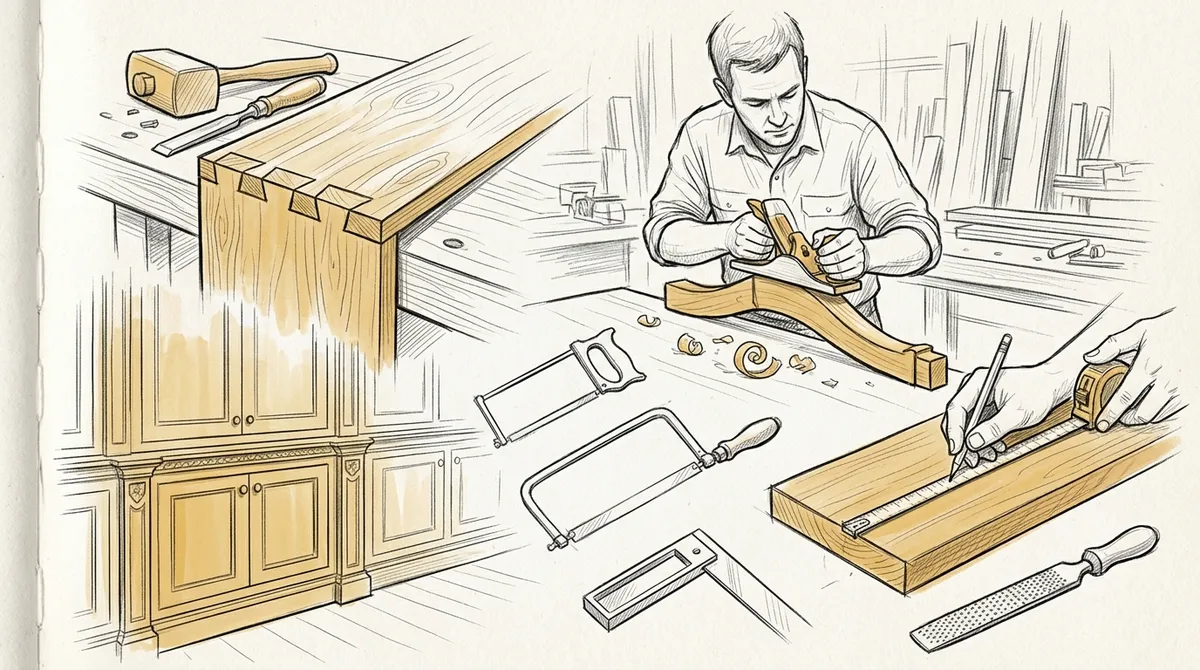
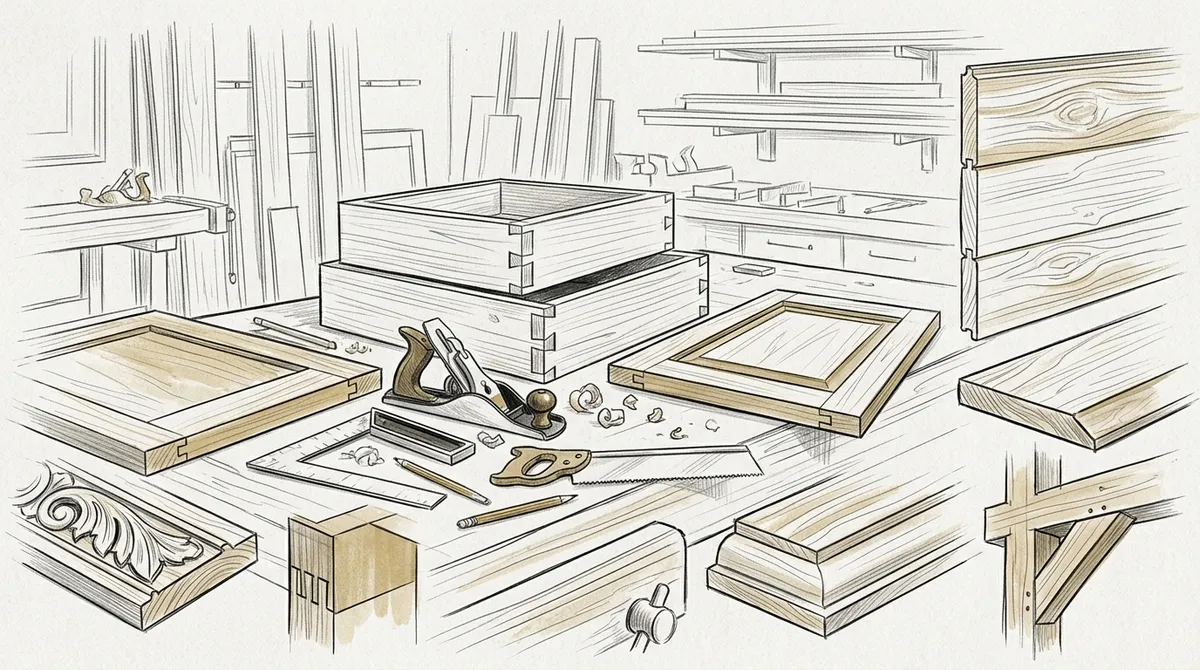
Craftsmanship means building and finishing with skill, care, and attention to detail. In custom carpentry, it goes beyond basic construction. It involves selecting the right materials, using proper techniques, and delivering results that look beautiful and hold up over time. To learn more about carpentry as a trade and its history, it helps to understand just how deep this craft runs. True craftsmanship is measured not in hours but in outcomes — the kind that still impresses visitors years after a project is complete.
13 Signs of True Craftsmanship
1. Perfectly Fitted Joints and Seams
A skilled carpenter makes every joint look intentional. Seams between pieces of wood or molding should meet cleanly without visible gaps. This precision takes time and expertise that shortcuts cannot replicate.
2. Consistent, Smooth Finishes
Paint, stain, and sealant should look even across every surface. There should be no drips, streaks, or rough patches. A smooth finish signals that proper sanding, priming, and application steps were followed carefully. Quality painting and finishing work always reflects the standard of the carpenter behind it.
3. Level and Plumb Installations
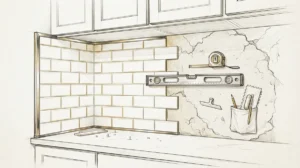
Cabinets, shelving, and trim should always be perfectly level and plumb. Even small deviations are easy to spot and worsen over time. Carpenters who take craftsmanship seriously never rush this step.
4. Clean and Detailed Molding Work
Molding is one of the clearest indicators of skill. Crown molding must meet at precise angles at every corner. Coped joints should fit snugly without caulk hiding poor cuts. Explore what high-quality molding details look like when done right.
5. Thoughtful Material Selection
Great carpenters choose the right wood and materials for each specific application. They consider moisture levels, load-bearing needs, and aesthetic goals. The wrong material, no matter how well installed, will fail early.
6. Precise Cabinet Alignment
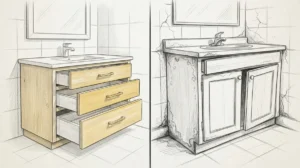
Cabinet doors and drawers should open and close smoothly. They should line up perfectly across an entire run of cabinetry. Even spacing between doors is a hallmark of expert-level work. See examples of expertly crafted built-in cabinetry that showcase this standard.
7. Intricate Ceiling Design Execution
Custom ceiling work demands a high level of skill. Coffered ceilings, tray ceilings, and beam installations all require precise measurements and careful planning. Poor execution stands out immediately in a room. Learn more about the possibilities with custom ceiling designs that elevate any space.
8. Invisible Fasteners and Hardware
Screws, nails, and fasteners should rarely be visible in a finished product. Skilled carpenters use pocket screws, wood filler, and careful placement to hide hardware. Exposed fasteners are a sign of rushed or careless work.
9. Thoughtful Wall Enhancements
Wainscoting, board and batten, and wall panel installations require careful layout planning. Panels should be evenly spaced and properly proportioned to the wall height. Discover what exceptional wall enhancements can do for a room’s character and feel.
10. Durable and Quality Joinery
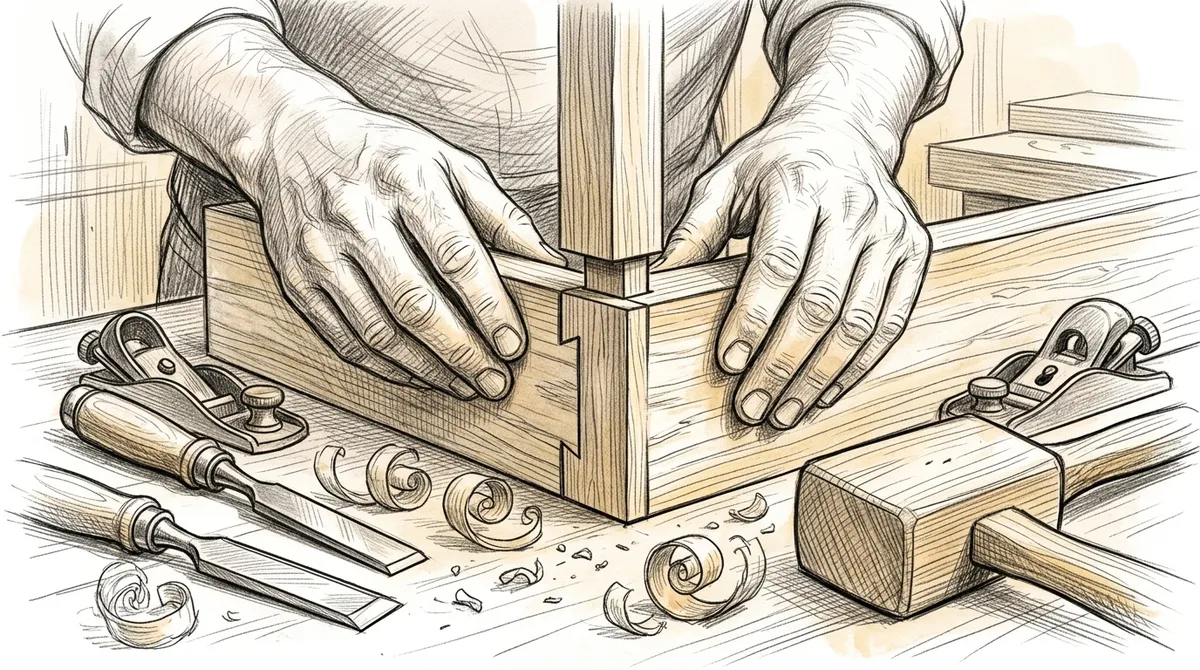
Joinery refers to how individual wood pieces connect. Strong, lasting joinery uses techniques like mortise and tenon, dovetail, or dado joints. These methods far outlast simple butt joints held together with glue alone.
11. Attention to Functional Detail
Craftsmanship is not only about looks — it also means things work well. Doors should swing without sticking. Drawers should glide without binding. Built-in features should serve the user’s daily life seamlessly. See how custom door installations blend beauty with functionality.
12. Clean and Consistent Flooring Work
Floor installations reflect craftsmanship in their layout, transitions, and finishing. Planks should run consistently without misaligned patterns. Transitions between rooms should be smooth and intentional. Quality flooring installation ties together every other design element in a space. Some specialty projects also incorporate epoxy floor finishes, which require their own level of skilled application — the chemistry of epoxy demands precise mixing and timing to achieve a flawless result.
13. A Portfolio That Speaks for Itself
A craftsperson with genuine skill has a body of work to show. They can walk you through past projects with confidence. They welcome questions about methods, materials, and timelines. Browse custom project examples to see what skilled carpentry looks like in action.
Why Craftsmanship Matters for Different Clients
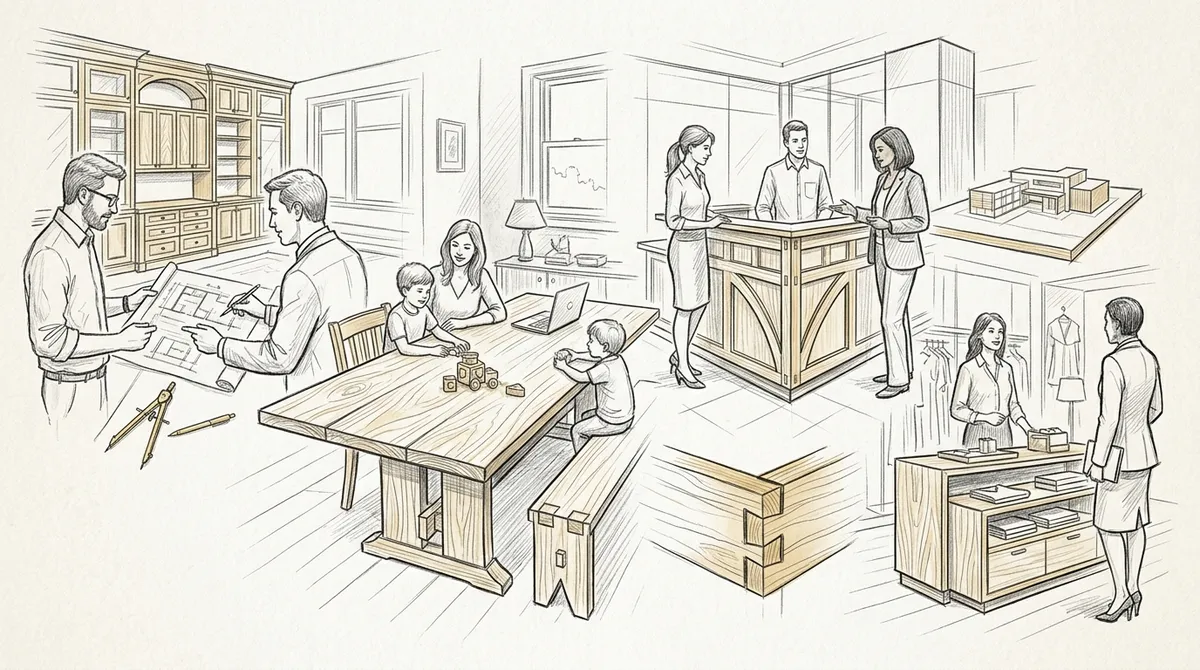
Each type of client values craftsmanship for different reasons. Here is a quick breakdown of how quality custom carpentry serves different goals:
| Client Type | Primary Goal | Key Benefit of Craftsmanship |
|---|---|---|
| Homeowners | Beautiful, lasting living spaces | Longevity, pride of ownership, comfort |
| Interior Designers | Execute creative visions precisely | Reliable execution, attention to detail |
| Real Estate Developers | Differentiate properties with premium finishes | Higher perceived value, buyer appeal |
Common Mistakes That Signal Poor Craftsmanship
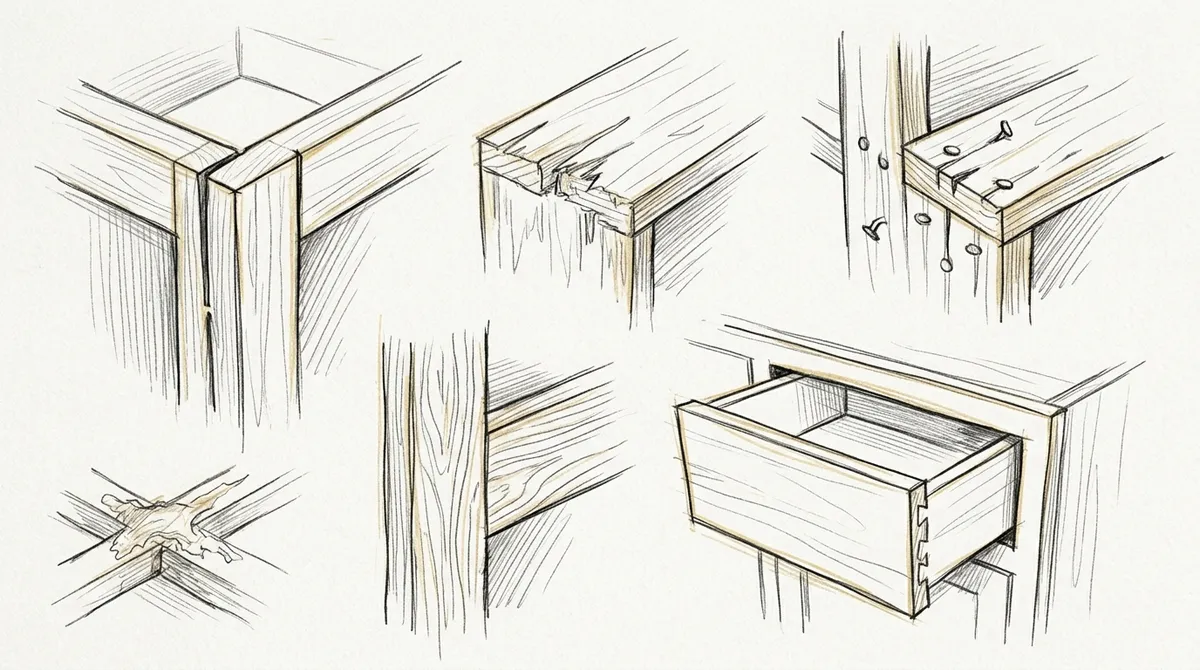
Knowing what to look for also means knowing what to avoid. Watch out for these warning signs when evaluating any carpentry work:
- Visible caulk used to fill large gaps in trim or molding
- Cabinet doors that sag or don’t align after installation
- Uneven paint or stain coverage on finished surfaces
- Trim corners that don’t meet cleanly at 45-degree angles
- Flooring transitions that are raised or uneven underfoot
- Fasteners left exposed on finished surfaces
These issues are not just cosmetic. They signal deeper problems with technique and care. They also tend to get worse over time rather than better. If you have noticed these warning signs at home, it may be time to read about the signs you need professional carpentry help today.
How to Evaluate a Carpenter’s Craftsmanship Before Hiring
Before committing to any carpenter, use this simple evaluation process:
- Ask to see a portfolio — Look for variety, detail, and consistency across projects.
- Request references — Speak with past clients about their experience and satisfaction.
- Visit a completed project if possible — Photos don’t reveal every detail that an in-person visit will.
- Ask about materials and methods — Skilled carpenters explain their choices with confidence.
- Review their communication style — Carpenters who take pride in their work ask detailed questions before starting.
What True Craftsmanship Does for Your Property
High-quality custom carpentry does more than look good. It adds real, measurable value to a property. Here are the key benefits:
- Increases overall home or property value
- Creates a lasting first impression for buyers, guests, or clients
- Reduces the need for repairs or replacements over time
- Reflects a homeowner’s or developer’s taste and investment level
- Provides functional improvements to how a space is used daily
Interior designers in particular rely on craftsmanship to bring creative visions to life. When the execution is flawless, the design concept shines through. When it falls short, even the best design concept suffers. For inspiration on how skilled carpentry transforms homes, explore 11 ways custom woodworking transforms homes.
The Role of Craftsmanship in Specific Carpentry Projects
Built-In Storage and Closets
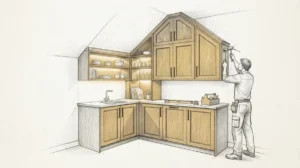
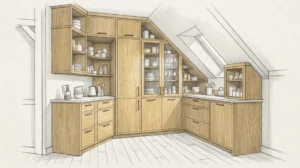
Built-in cabinetry and custom closets demand precision at every step. Every shelf, door, and drawer must align and function perfectly. Discover creative custom closet build ideas that show this standard in practice. Well-crafted built-ins also make small spaces feel larger and more organized. Learn more about built-in cabinetry solutions that truly transform a home.
Trim and Molding Details
Trim and molding tie a room together. They frame windows, doors, floors, and ceilings with intentional style. Poor trim work immediately undermines even the most beautiful finishes elsewhere. Learn how trim and molding transform a space with style when applied with skill.
Custom Ceiling Features
Ceiling designs are among the most dramatic expressions of carpentry skill. They require precise planning, structural knowledge, and artistic vision. Read more about what custom ceilings are and why you should consider them for your next project.
Bucheli Trim: Craftsmanship You Can See and Feel
At Bucheli Trim, every project in the Tampa Bay area is built on a foundation of precision, pride, and passion for the craft. From ceiling designs to wall enhancements to built-in cabinetry, every detail is handled with the care it deserves. You can also visit Bucheli Trim on Google to read reviews from satisfied clients and see the work firsthand. Follow the latest projects and updates on the Bucheli Trim Facebook page to see craftsmanship in action.
Conclusion
True craftsmanship is not an accident. It is the result of skill, discipline, and a genuine commitment to doing things right. From perfectly fitted joints to flawless finishes, every detail matters. Whether you are a homeowner seeking a stunning renovation, a designer looking for a reliable partner, or a developer adding luxury finishes, recognizing these 13 signs will help you choose the right carpenter every time. Don’t settle for work that simply looks good at first glance — invest in craftsmanship that stands the test of time. Ready to experience the difference? Get in touch with our team and let’s talk about bringing your vision to life.
FAQs
Q: What does craftsmanship mean in custom carpentry?
A: Craftsmanship in custom carpentry refers to the skill, precision, and care applied to every stage of a project. It includes accurate cuts, smooth finishes, strong joinery, and attention to functional and visual details. The result is work that looks beautiful and holds up for many years.
Q: How can I tell if a carpenter has true craftsmanship skills?
A: Look for clean joints, level installations, consistent finishes, and properly aligned cabinetry or trim. Reviewing a portfolio of completed projects and speaking to past clients are two of the most reliable ways to evaluate a carpenter’s skill level.
Q: Why does craftsmanship matter for home value?
A: High-quality carpentry work increases the overall value and appeal of a property. Buyers and appraisers recognize the difference between rushed work and skilled craftsmanship. Precise, durable finishes also reduce future maintenance costs and repair needs.
Q: What types of carpentry projects require the highest level of craftsmanship?
A: Custom ceiling designs, built-in cabinetry, detailed molding work, and full-room trim installations all demand a very high level of skill. These projects involve complex measurements, multiple materials, and visible results that are difficult to correct after completion.
Q: How does craftsmanship benefit interior designers and their clients?
A: Interior designers rely on skilled carpenters to execute design concepts precisely. When craftsmanship is high, the design vision comes through clearly and the finished space impresses clients. Poor execution, on the other hand, can undermine even the most creative design concept.