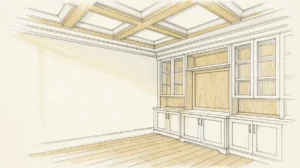

Key Takeaways
-
Sustainability is now central to custom carpentry, with 60% of consumers preferring eco-friendly materials that reduce environmental impact.
-
CNC machines and 3D modeling enable unprecedented precision in woodworking, reducing material waste by up to 30% while expanding design possibilities.
-
Smart carpentry now integrates technology seamlessly, including wireless charging stations, hidden LED lighting, and automated furniture components.
-
Modular furniture systems offer flexible living solutions, allowing homeowners to adapt spaces without complete replacements as needs change.
-
Minimalist design emphasizes clean lines and functional elegance, showcasing wood's natural beauty through precise, uncluttered craftsmanship.
-
Historic preservation in carpentry requires blending traditional techniques with modern technology to restore and maintain architectural heritage.
-
Advanced robotic systems collaborate with skilled carpenters to optimize efficiency, reducing repetitive tasks and material waste.
-
Reclaimed wood has become a premium material, offering unique character and environmental benefits in custom woodworking projects.
Custom carpentry has entered an exciting new era where traditional craftsmanship meets cutting-edge innovation. As homeowners increasingly seek personalized spaces that reflect their unique style and values, the custom carpentry industry is responding with remarkable creativity and technological advancement. The transformation happening in 2025 goes far beyond aesthetic preferences—it encompasses sustainability, functionality, and the seamless integration of smart technology into handcrafted woodwork. Whether you’re planning a home renovation, working with interior designers, or developing luxury properties, understanding these emerging trends will help you create spaces that are both timeless and contemporary.
The residential remodeling market is forecasted to grow by 5% in 2025, followed by another 3% in 2026, reflecting strong consumer confidence in home improvement investments. This growth is particularly pronounced in custom carpentry, where discerning clients are willing to invest in quality craftsmanship that adds lasting value to their properties. From reclaimed wood installations to precision-engineered cabinetry, the possibilities for transforming your living spaces have never been more diverse or sophisticated.
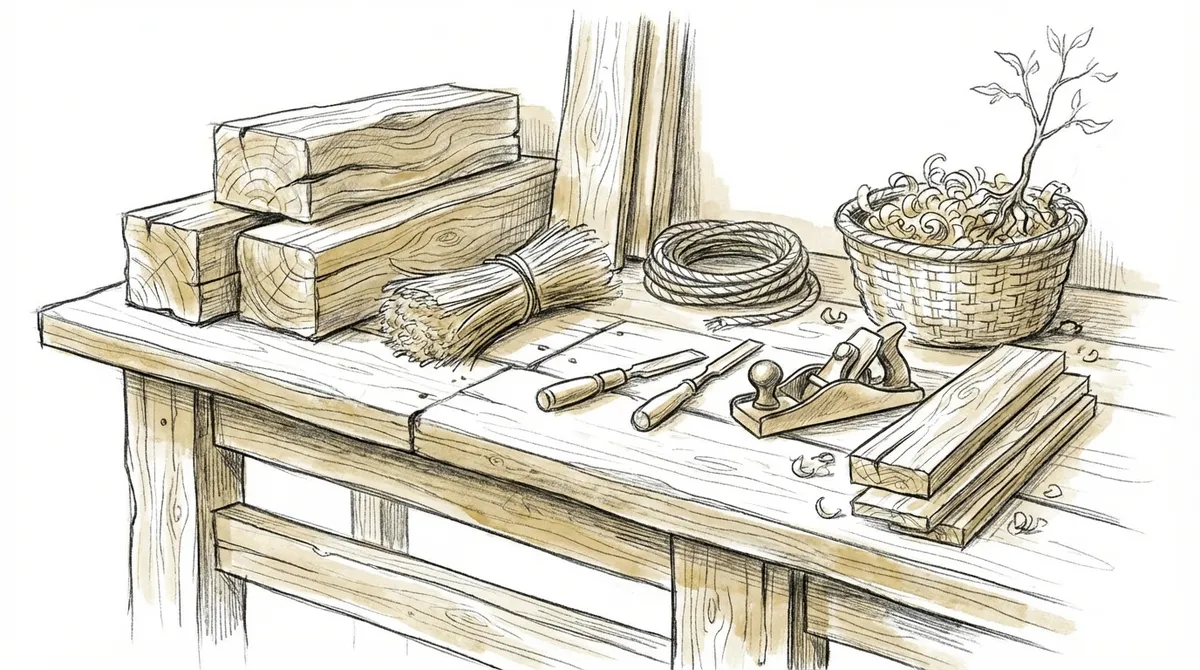
Sustainable Materials Leading the Eco-Conscious Revolution
Sustainability has moved from a niche consideration to a central priority in custom carpentry projects. Over 60% of consumers now prefer eco-friendly building materials for custom carpentry projects, driving a fundamental shift in how carpenters source and utilize wood products. This environmental consciousness isn’t just about feeling good—it’s about creating healthier indoor environments while preserving natural resources for future generations.
Reclaimed wood has emerged as a star material in custom carpentry, offering both environmental benefits and distinctive character. These salvaged materials come from old barns, factories, warehouses, and even wine barrels, carrying unique patinas and stories that cannot be replicated with new lumber. When incorporated into wall enhancements or custom furniture, reclaimed wood adds instant warmth and authenticity to any space. The material’s weathered appearance creates visual interest while reducing demand for newly harvested timber.
Bamboo continues to gain popularity as a rapidly renewable resource that grows to maturity in just three to five years, compared to decades for traditional hardwoods. Its impressive strength-to-weight ratio makes it suitable for various applications, from flooring to decorative panels. Additionally, low-VOC (volatile organic compound) finishes have become standard in quality custom carpentry work, ensuring that beautiful woodwork doesn’t compromise indoor air quality. These water-based stains and sealers protect both the craftsmen during application and homeowners for years to come.
Companies like Bucheli Trim LLC recognize that sustainable practices don’t require compromising on quality or aesthetics. By carefully selecting materials that meet both environmental standards and performance requirements, today’s custom carpenters deliver work that clients can feel proud of on multiple levels.
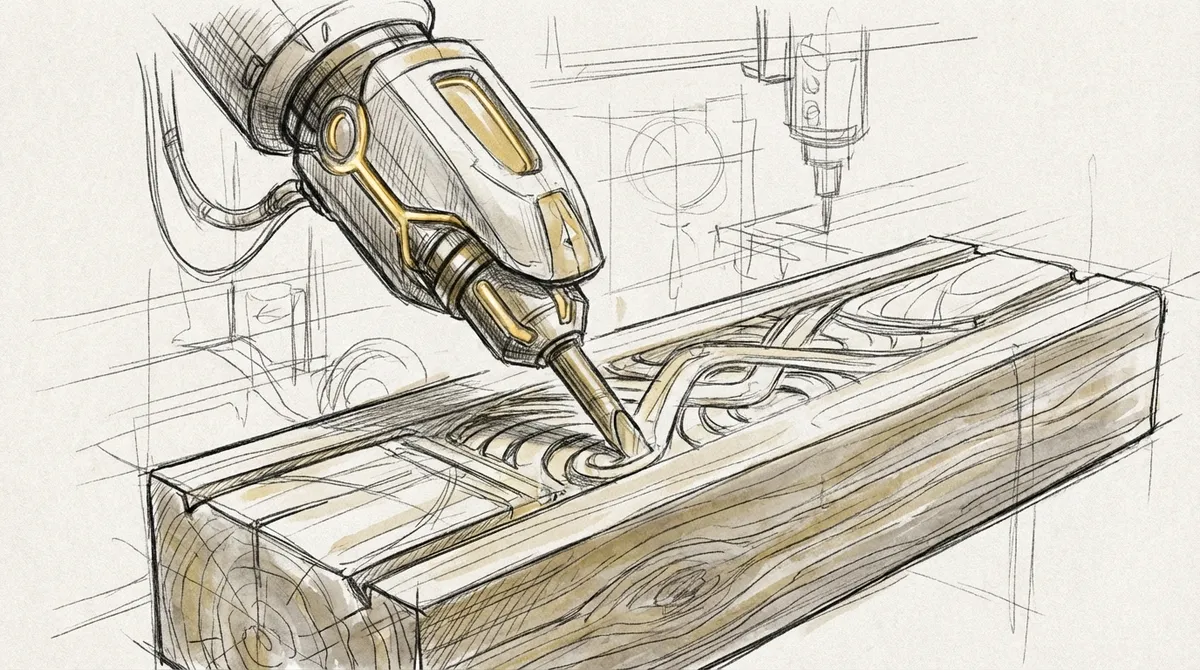
Advanced Technology Revolutionizing Precision and Efficiency
The integration of sophisticated technology into custom carpentry workshops has fundamentally transformed what’s possible in woodworking. CNC (Computer Numerical Control) machines now allow carpenters to execute intricate designs with mathematical precision, reducing material waste by up to 30% while expanding creative possibilities. These computer-controlled routers and mills can carve complex patterns, create perfect joinery, and replicate designs with consistency that would be nearly impossible to achieve by hand alone.
Three-dimensional modeling and CAD (Computer-Aided Design) software have become essential tools in the custom carpentry workflow. Before a single piece of wood is cut, clients can virtually walk through their projects, visualizing exactly how ceiling designs or built-in cabinetry will look in their actual spaces. This technology has increased project accuracy and reduced errors by 25%, saving both time and materials while ensuring client satisfaction.
Digital measuring tools, including laser distance meters and 3D scanners, eliminate guesswork from the measurement phase. These devices capture room dimensions with pinpoint accuracy, ensuring that custom pieces fit perfectly on the first installation attempt. For complex projects involving irregular spaces or historical homes, this technology proves invaluable.
Despite these technological advances, the human element remains irreplaceable. Technology serves as a powerful tool that enhances—rather than replaces—skilled craftsmanship. Master carpenters use these innovations to focus more time on creative problem-solving and detailed finishing work that truly distinguishes exceptional custom carpentry from ordinary woodwork. The result is a perfect marriage of efficiency and artistry that benefits both craftsmen and clients.
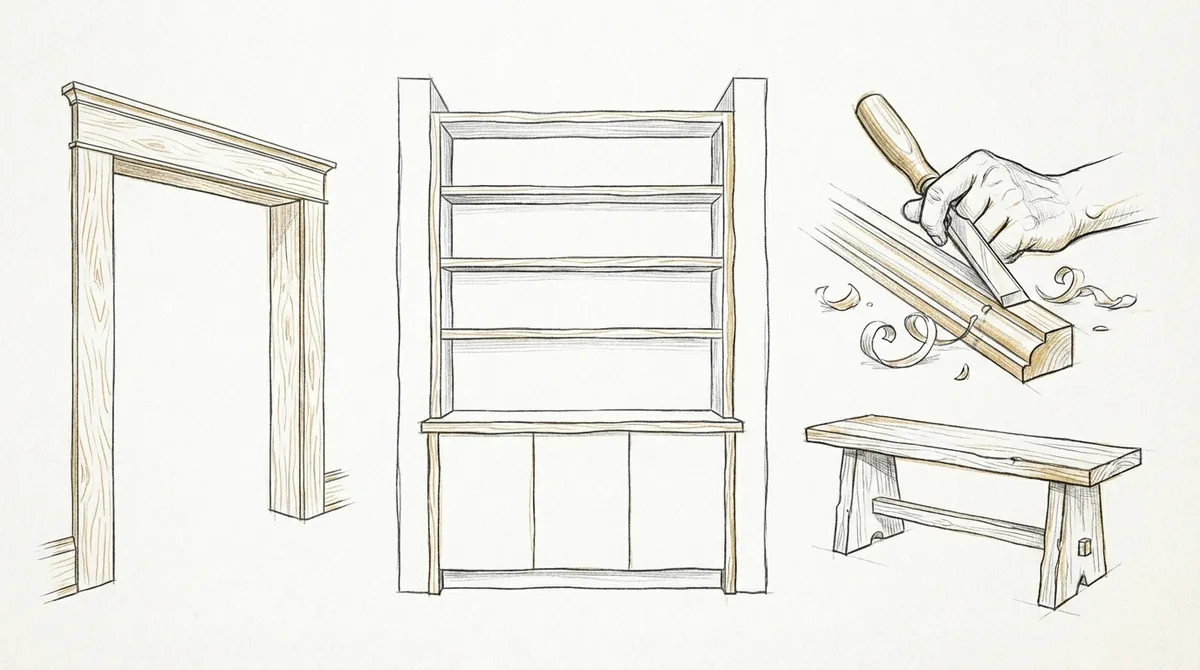
Minimalist Design Philosophy Emphasizing Clean Lines
Contemporary custom carpentry increasingly embraces minimalist principles that prioritize clean lines, uncluttered spaces, and functional elegance. This design philosophy doesn’t mean stark or cold environments—rather, it celebrates the inherent beauty of quality materials and expert craftsmanship without unnecessary ornamentation. Each element serves a purpose while contributing to a cohesive, calming aesthetic.
The minimalist approach focuses on showcasing wood’s natural grain patterns and textures rather than covering them with heavy stains or excessive detailing. Simple, geometric forms create visual interest through proportion and balance rather than decorative excess. This restraint requires exceptional skill because there’s nowhere to hide imperfections—every joint, every surface must be flawlessly executed.
Functional minimalism extends to built-in storage solutions that maintain clean sightlines while maximizing utility. Custom cabinetry with push-to-open mechanisms eliminates visible hardware, creating seamless surfaces that enhance the sense of spaciousness. Concealed storage compartments, integrated appliance panels, and flush-mounted features contribute to an organized, serene environment where everything has its place.
This design trend particularly appeals to homeowners in urban environments or smaller living spaces, where visual clutter can feel overwhelming. By selecting timeless designs with clean aesthetics, clients invest in custom carpentry that won’t feel dated in five or ten years. The minimalist philosophy proves that less truly can be more when executed with precision and thoughtfulness.
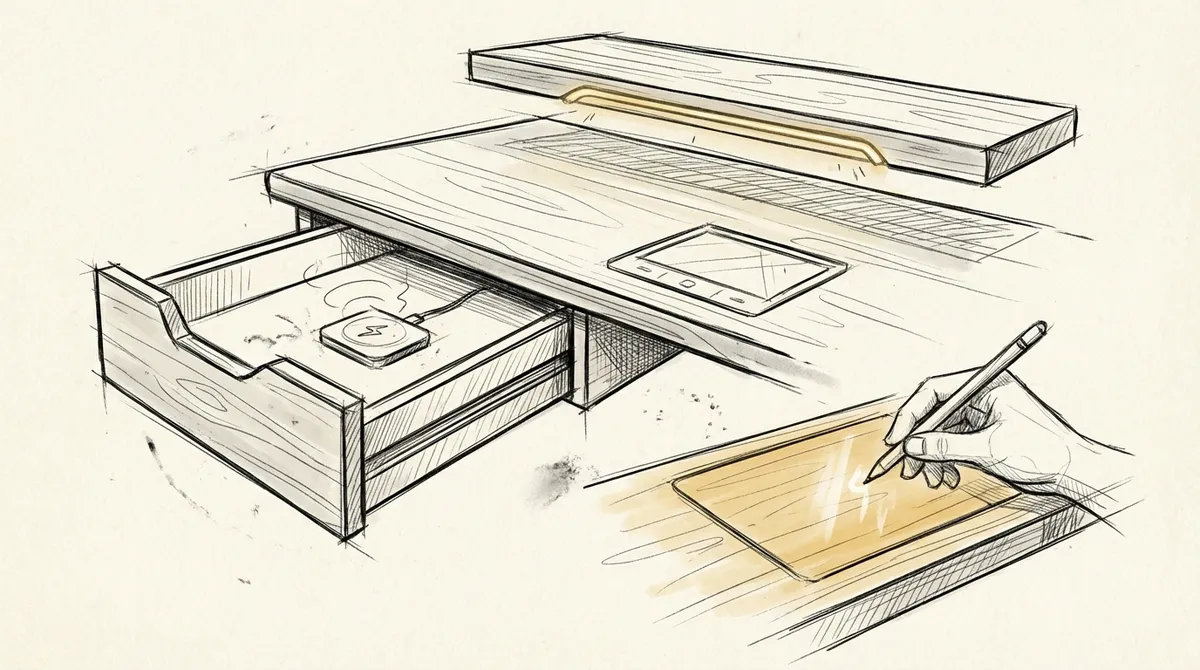
Smart Features Integrating Technology Into Woodwork
The modern home demands more than beautiful woodwork—it requires intelligent design that supports our increasingly connected lifestyles. Smart carpentry features seamlessly integrate technology into custom furniture and architectural elements, enhancing functionality without compromising aesthetics. These innovations transform traditional woodwork into dynamic, responsive environments that adapt to occupants’ needs.
Built-in wireless charging stations have become popular additions to nightstands, desks, and kitchen islands. These discrete charging surfaces eliminate the tangle of cords while ensuring devices stay powered. Similarly, USB ports and electrical outlets can be integrated into custom furniture with minimal visual impact, maintaining clean lines while providing essential connectivity.
Hidden LED lighting represents another sophisticated integration of technology and carpentry. Strategically placed lighting under cabinets, inside shelving units, or behind crown molding creates ambient illumination while highlighting architectural features. These systems often include smart controls that allow users to adjust color temperature and brightness through smartphone apps or voice commands, supporting both task lighting and mood creation.
Motorized components add convenience to custom carpentry installations. Hidden compartments that open at the touch of a button, adjustable shelving systems controlled remotely, and automated window treatments integrated into custom casings exemplify how technology enhances daily living. For clients interested in sophisticated custom projects, these smart features represent the cutting edge of residential carpentry.
The key to successful smart carpentry lies in making technology invisible until needed. The woodwork itself remains the focal point, with technological enhancements operating behind the scenes to improve functionality and convenience. This approach ensures that homes remain timeless in appearance while offering decidedly modern capabilities.
Modular and Customizable Solutions for Flexible Living
As living spaces evolve and housing markets shift toward smaller, more efficient homes, modular and customizable furniture has experienced a 15% year-over-year growth in the custom woodworking sector. These versatile solutions allow homeowners to adapt their spaces to changing needs without replacing entire installations, offering both flexibility and long-term value.
Modular systems consist of individual components that can be rearranged, added to, or reconfigured as requirements change. A wall unit might start as a simple shelving system and later expand to include a desk workspace, media center, or display area. This adaptability proves particularly valuable for growing families, home-based professionals, or anyone whose lifestyle needs fluctuate over time.
Custom carpenters now design furniture with future modifications in mind, incorporating attachment points, standardized dimensions, and compatible finishes that facilitate seamless expansions. Adjustable shelving systems allow users to modify storage configurations without tools, while removable panels provide access to hidden storage or utility connections. This forward-thinking approach maximizes the lifespan and utility of custom carpentry investments.
The modular trend extends beyond furniture to architectural elements. Removable partition walls with premium finishes, interchangeable decorative panels, and adaptable molding details allow homeowners to refresh their spaces without major renovation costs. For rental properties and commercial spaces, this flexibility offers significant advantages in maintaining contemporary aesthetics while accommodating diverse tenant needs.
Customization options within modular systems ensure that flexibility doesn’t mean sacrificing personal style. Clients select from various wood species, finishes, hardware, and design details to create cohesive installations that reflect their aesthetic preferences. The result combines the personalization of traditional custom carpentry with the adaptability demanded by modern living.
Historic Preservation Blending Heritage With Innovation
The restoration and preservation of historic architectural elements has become an increasingly important aspect of custom carpentry. As communities recognize the cultural and aesthetic value of older buildings, skilled carpenters are called upon to repair, replicate, and restore ornate woodwork that represents bygone craftsmanship traditions. This specialized work requires both technical expertise and deep respect for historical authenticity.
Restoration projects often involve meticulously matching existing profiles, wood species, and finishing techniques to ensure seamless integration of new work with original elements. Master carpenters study historical construction methods, traditional joinery techniques, and period-appropriate materials to achieve authentic results. This might include hand-planing surfaces to replicate tool marks from specific eras or using historically accurate fasteners and adhesives.
Modern technology supports these traditional endeavors in surprising ways. 3D scanning can capture detailed profiles of deteriorated moldings, allowing precise replication through CNC machining. This marriage of old and new ensures that irreplaceable architectural details can be preserved for future generations, even when original pieces have suffered significant damage.
Beyond pure restoration, many projects involve sensitive modernization of historic structures. Custom carpenters integrate contemporary conveniences—climate control systems, electrical infrastructure, and modern appliances—within historic frameworks while maintaining period character. This delicate balance requires creativity, problem-solving skills, and genuine appreciation for architectural heritage.
The growing emphasis on historic preservation reflects broader cultural values regarding sustainability and craftsmanship. Rather than demolishing older structures in favor of new construction, communities increasingly recognize that restoring existing buildings conserves resources while maintaining distinctive architectural character. Custom carpenters with restoration expertise play crucial roles in these preservation efforts, ensuring that beautiful woodwork continues to enrich our built environment.
Automation and Robotics Enhancing Craftsmanship
Automation has entered custom carpentry workshops not as a replacement for skilled craftsmen, but as a powerful tool that handles repetitive tasks with consistency and precision. This technological evolution allows carpenters to dedicate more time and energy to creative, skilled work that truly showcases their expertise. The relationship between automation and craftsmanship is fundamentally collaborative rather than competitive.
Robotic systems excel at tasks requiring perfect repetition—cutting multiple identical pieces, drilling precisely spaced holes, or applying uniform finishes. By delegating these operations to automated equipment, carpenters reduce physical strain, minimize errors, and accelerate production timelines without compromising quality. A single carpenter with robotic assistance can accomplish what previously required multiple workers, improving both efficiency and profitability.
Computer-controlled cutting systems optimize material usage by calculating the most efficient layout before making any cuts. This intelligent approach has reduced material waste by up to 30% in shops using advanced automation, translating to both cost savings and environmental benefits. Less waste means lower material costs, reduced disposal needs, and more sustainable operations overall.
Despite these advantages, automation has limits that underscore the irreplaceable value of human expertise. Machines cannot assess wood quality, make aesthetic judgments, or adapt to unexpected conditions with the intuition that experienced carpenters bring to every project. Complex fitting, fine detail work, and on-site installations still demand the problem-solving abilities and adaptability that only skilled craftsmen possess.
The most successful custom carpentry operations embrace automation strategically, using technology to enhance rather than replace human capabilities. This balanced approach delivers the best outcomes for clients—precise, consistent work executed efficiently while retaining the artistry and attention to detail that distinguish truly exceptional custom carpentry. Whether creating sophisticated architectural elements or functional built-ins, this combination of technology and traditional skill sets the standard for contemporary woodworking excellence.
Material Innovation Expanding Creative Possibilities
Beyond traditional wood species, custom carpenters in 2025 work with an expanding palette of innovative materials that offer unique aesthetic qualities and practical benefits. These materials extend creative possibilities while addressing specific performance requirements that solid wood alone might not meet. The key lies in selecting appropriate materials for each application while maintaining cohesive design integrity.
Engineered wood products have evolved significantly, offering superior stability and consistency compared to solid lumber. High-quality plywood, medium-density fiberboard (MDF), and laminated veneer lumber provide stable substrates that resist warping and expansion, particularly valuable in environments with humidity fluctuations. When veneered with premium wood species, these engineered products deliver beautiful results at more accessible price points than solid hardwood alternatives.
Exotic woods with striking grain patterns and rich colors allow clients to create truly distinctive installations. Species like figured maple, Brazilian cherry, and African mahogany offer visual drama that transforms custom carpentry into artwork. However, responsible sourcing remains paramount—reputable carpenters verify that exotic woods come from sustainably managed forests with proper certification, ensuring beautiful results don’t contribute to deforestation.
Alternative materials including metal accents, glass panels, and stone elements can be integrated into custom woodwork to create compelling contrasts and expanded functionality. Steel frame components add industrial character while providing structural support, glass shelving creates visual lightness, and stone countertops complement wooden cabinetry with durability and elegance. These combinations require carpenters to expand their skill sets beyond traditional woodworking, mastering techniques for working with diverse materials.
Material innovation also encompasses finishes and protective coatings. Advanced polyurethanes, conversion varnishes, and specialized oils provide superior protection while enhancing wood’s natural beauty. Water-based finishes that were once considered inferior to solvent-based products now deliver comparable durability with significantly reduced environmental impact and odor. These developments allow custom carpenters to deliver work that looks spectacular while meeting stringent health and environmental standards.
Collaborative Design Process Ensuring Client Satisfaction
The relationship between custom carpenter and client has evolved into a truly collaborative partnership throughout 2025. Rather than simply executing pre-determined designs, skilled carpenters engage deeply in the creative process, contributing expertise and insights that enhance final outcomes. This collaborative approach ensures that completed projects exceed expectations while remaining practical and budget-conscious.
Initial consultations now involve comprehensive discussions about lifestyle needs, aesthetic preferences, and long-term goals. Experienced carpenters ask probing questions to understand how spaces will actually be used, identifying opportunities for custom solutions that clients might not have considered. A media cabinet might incorporate hidden cable management, for example, or a window seat could include unexpected storage compartments. These consultative conversations form the foundation for truly personalized work.
Digital visualization tools have transformed how clients engage with designs before construction begins. Three-dimensional renderings and virtual reality walkthroughs allow homeowners to experience proposed installations from multiple angles, providing opportunities to refine details before material purchases or fabrication. This technology reduces misunderstandings and ensures alignment between client expectations and carpenter interpretations.
Throughout the construction phase, quality carpenters maintain regular communication, providing progress updates and addressing questions promptly. This transparency builds trust while allowing minor adjustments as projects evolve. Clients who feel informed and involved develop confidence in their carpenter’s expertise, creating positive working relationships that often lead to additional projects and referrals.
The collaborative process extends to problem-solving when unexpected challenges arise—as they inevitably do in custom work. Rather than simply presenting problems, skilled carpenters propose solutions, explaining options and implications so clients can make informed decisions. This partnership approach transforms potential frustrations into opportunities for creative solutions that sometimes improve upon original plans. You can reach out to experienced professionals who understand that exceptional results emerge from genuine collaboration between craftsman and client.
Investment Value of Quality Custom Carpentry
Custom carpentry represents a significant financial investment that savvy homeowners recognize as adding substantial value to their properties. Unlike mass-produced alternatives that depreciate immediately upon installation, quality custom woodwork appreciates alongside the property itself, contributing to higher resale values and faster sales when homeowners eventually decide to move. Understanding this investment perspective helps justify the premium costs associated with skilled craftsmanship.
Real estate professionals consistently report that homes with quality custom carpentry elements command higher prices and attract more serious buyers. Built-in bookshelves, custom cabinetry, elegant crown molding, and coffered ceilings create memorable impressions that distinguish properties in competitive markets. These features signal attention to detail and quality throughout the home, elevating buyer perceptions beyond the actual woodwork itself.
The durability of professional custom carpentry far exceeds that of manufactured alternatives. While particleboard cabinets might require replacement within a decade, properly constructed custom cabinetry can last generations with minimal maintenance. This longevity transforms what might appear to be a premium expense into a cost-effective long-term investment. When calculated over decades of use, quality custom work often proves more economical than repeatedly replacing inferior products.
Custom installations also provide functional advantages that enhance daily living quality. Perfectly fitted storage solutions maximize usable space, thoughtfully designed work areas improve productivity, and beautiful architectural details create environments where people genuinely enjoy spending time. These intangible benefits contribute to homeowner satisfaction and well-being in ways that extend far beyond simple financial calculations.
For property developers and real estate investors, strategic custom carpentry upgrades deliver measurable returns on investment. Well-chosen improvements in kitchens, bathrooms, and primary living areas recoup significant percentages of their costs at sale while accelerating market times. Working with experienced custom carpenters who understand market preferences ensures that upgrades align with buyer expectations and current trends, maximizing investment returns.
Selecting the Right Custom Carpentry Partner
Choosing a custom carpentry professional ranks among the most important decisions in any renovation or building project. The right partnership delivers beautiful, functional results that enhance your property for decades, while a poor choice leads to frustration, wasted resources, and disappointing outcomes. Several key factors should guide your selection process to ensure you engage a qualified, reliable craftsman.
Experience and specialization matter tremendously in custom carpentry. While general contractors may handle basic trim work, complex projects involving intricate ceiling designs or precision cabinetry require specialists with dedicated expertise. Review portfolios carefully, looking for projects similar to your own in scope and style. Ask specific questions about techniques, materials, and problem-solving approaches to gauge genuine expertise beyond superficial familiarity.
Credentials and references provide valuable insights into a carpenter’s reliability and quality standards. Proper licensing and insurance protect both parties throughout the project, while positive references from past clients offer reassurance about professionalism and craftsmanship. Don’t hesitate to contact references directly, asking detailed questions about communication, timeliness, problem-solving, and overall satisfaction with completed work.
Communication style and compatibility significantly impact project success. Custom carpentry involves numerous decisions, unexpected challenges, and ongoing collaboration. Select a professional who listens carefully to your ideas, asks clarifying questions, and explains technical concepts in accessible terms. Clear, respectful communication prevents misunderstandings while ensuring that the finished project truly reflects your vision.
Transparency regarding timelines and pricing builds trust from the outset. Quality carpenters provide detailed estimates that break down material costs, labor hours, and potential variables that might affect final pricing. While fixed-price bids offer certainty, time-and-materials arrangements sometimes better serve complex projects where scope might evolve. Discuss these options openly to determine the most appropriate approach for your specific situation.
Local expertise offers distinct advantages for custom carpentry projects. Professionals familiar with regional building codes, climate considerations, and local material suppliers navigate projects more efficiently than distant contractors unfamiliar with area-specific factors. Companies like Bucheli Trim LLC bring deep knowledge of Tampa Bay area homes, understanding how humidity affects wood movement and which species perform best in Florida’s climate. You can learn more about their approach and expertise by visiting their Google Business Profile to see client reviews and completed project photos.
Conclusion
Custom carpentry in 2025 represents an exciting convergence of traditional craftsmanship and modern innovation, offering homeowners unprecedented opportunities to create personalized, functional, and beautiful living spaces. From sustainable material choices and advanced fabrication technology to smart features and modular designs, today’s custom carpentry addresses both aesthetic aspirations and practical needs with remarkable sophistication.
The trends explored throughout this article—sustainability, technology integration, minimalist design, smart features, modularity, historic preservation, and automation—demonstrate how the industry continues evolving while maintaining respect for time-honored woodworking traditions. Whether you’re planning a modest upgrade or comprehensive renovation, understanding these developments empowers you to make informed decisions that align with both current preferences and long-term value.
Investing in quality custom carpentry transcends simple home improvement—it creates lasting value, enhances daily living quality, and contributes to the distinctive character that transforms a house into a truly personal home. As you consider your own projects, seek partners who demonstrate genuine expertise, communicate transparently, and share your commitment to excellence. The right collaboration will yield results that exceed expectations while standing the test of time.
Ready to explore how custom carpentry can transform your space? Contact the experienced craftsmen who can bring your vision to life with skill, precision, and dedication to exceptional results. Your dream space awaits—let’s start building it together. Additionally, connect with the custom carpentry community and view inspiring project galleries on Facebook to discover even more possibilities for your home.
FAQs
Q: What are the main benefits of choosing custom carpentry over pre-fabricated options?
A: Custom carpentry offers precise fitting for your specific space, higher quality materials and construction, personalized design that reflects your style, and significantly greater durability. While the initial investment is higher, custom work typically lasts generations rather than requiring replacement within a decade, making it more cost-effective long-term. Additionally, quality custom carpentry adds substantial resale value to your property.
Q: How much does custom carpentry typically cost compared to standard installations?
A: Custom carpentry generally costs 30-50% more than mass-produced alternatives, though this varies significantly based on materials, complexity, and finishes selected. However, this premium reflects superior craftsmanship, perfect fit, and longevity that far exceeds manufactured products. Many homeowners find that custom work’s durability and added property value justify the higher initial investment, particularly for high-visibility areas like kitchens and living spaces.
Q: What sustainable wood options are available for custom carpentry projects?
A: Sustainable options include reclaimed wood from old buildings, rapidly renewable bamboo, FSC-certified hardwoods from responsibly managed forests, and locally sourced species that reduce transportation impacts. Many carpenters also use engineered wood products that maximize material efficiency. Pair these with low-VOC finishes to create beautiful custom work that minimizes environmental impact while maintaining exceptional quality and appearance.
Q: How long does a typical custom carpentry project take to complete?
A: Timeline varies significantly based on project scope and complexity. Simple installations like crown molding might be completed in days, while comprehensive kitchen cabinetry or intricate ceiling designs can require 4-8 weeks from initial consultation through final installation. Design development, material procurement, fabrication, and installation each require adequate time to ensure quality results. Experienced carpenters provide realistic timelines during initial consultations.
Q: Can custom carpentry be integrated into homes with existing woodwork?
A: Yes, skilled custom carpenters excel at matching existing profiles, wood species, and finishes to create seamless additions that appear original to the home. This requires careful analysis of existing work, sometimes including wood identification and finish matching. Whether expanding cabinetry, adding molding to new rooms, or replicating damaged elements, experienced craftsmen can integrate new work that complements and enhances existing installations beautifully.