Key Takeaways
-
Choose experienced carpenters who understand Tampa's unique humid climate and can select appropriate materials that resist warping and deterioration.
-
Design custom built-ins that complement your home's specific architectural style, ensuring seamless integration and enhanced aesthetic value.
-
Plan flexible built-in designs that can adapt to changing family needs, with adjustable shelving and modular components for long-term functionality.
-
Take precise measurements and consider room layout carefully, ensuring built-ins enhance rather than obstruct space and daily activities.
-
Select high-quality, climate-appropriate wood materials and finishes that can withstand Tampa's subtropical humidity and temperature variations.
-
Consult professional designers who can provide expert insights, prevent costly mistakes, and transform your initial concept into a superior custom solution.
Custom built-ins transform Tampa homes from ordinary to extraordinary. These permanent fixtures add storage, style, and value to any room. Yet many homeowners make costly mistakes during the planning and installation process. These errors lead to wasted money, poor functionality, and disappointing results.
Tampa’s unique climate and home styles require special consideration for custom built-ins. The humidity affects wood choices. The architecture influences design options. Understanding these factors helps you avoid common pitfalls. This guide reveals seven critical mistakes Tampa residents make with custom built-ins. You’ll learn how to spot problems before they start. You’ll discover how to work with skilled carpenters. And you’ll understand what makes a built-in truly custom and valuable.
Whether you’re adding custom cabinetry to your living room or creating a home office, avoiding these mistakes saves time and money. Let’s explore the most common errors and how to prevent them.
Mistake 1: Choosing Price Over Quality and Experience
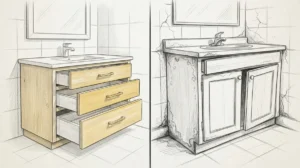
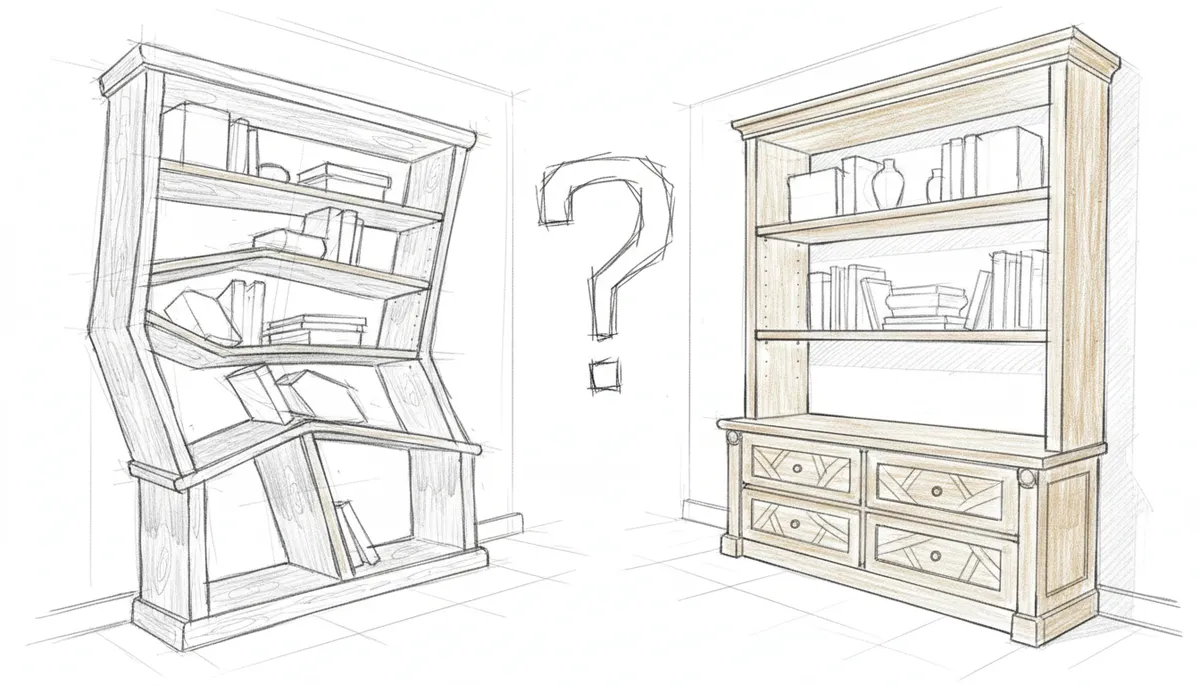
Many Tampa homeowners focus only on the lowest bid. This approach often backfires. Cheap custom built-ins use inferior materials. The craftsmanship lacks attention to detail. Within months, doors sag and finishes peel.
Quality carpentry requires skill, time, and proper materials. Experienced carpenters understand wood movement in Tampa’s humidity. They know which finishes withstand Florida’s climate. They create joints that last decades, not years.
What Happens When You Choose the Cheapest Option
Budget-focused decisions lead to specific problems. The materials warp easily in humid conditions. Hardware breaks within the first year. The finish yellows or cracks prematurely. You end up paying twice: once for the original work and again for repairs.
Consider these common issues with low-quality built-ins:
- Particle board swells and crumbles when exposed to moisture
- Poor-quality drawer slides stick and fail quickly
- Cheap hinges bend and break under regular use
- Thin backs bow and separate from the frame
- Low-grade finishes chip and fade in sunlight
How to Evaluate True Value
Look beyond the initial quote. Ask about materials, construction methods, and warranties. A skilled carpenter explains their process clearly. They show examples of previous custom projects in Tampa homes.
Request references from past clients. Visit completed projects if possible. Quality work speaks for itself. The joints fit perfectly. The finish feels smooth and even. The doors open and close effortlessly.
Mistake 2: Ignoring Your Home’s Specific Architecture
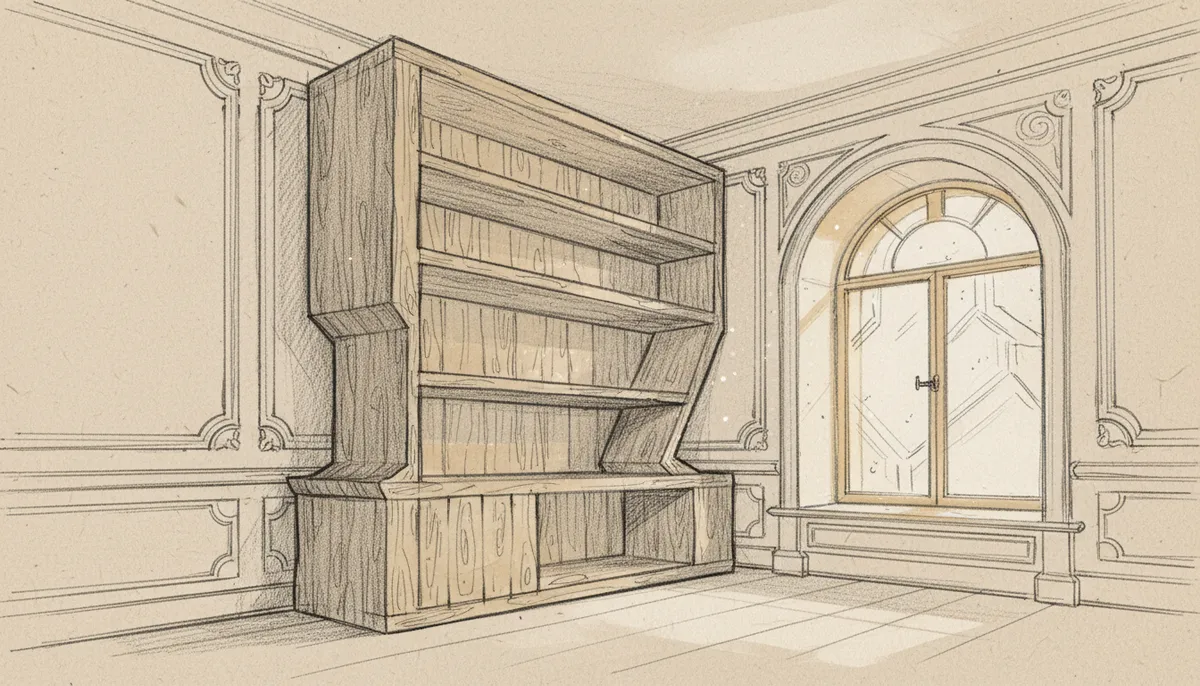
Tampa homes feature diverse architectural styles. Mediterranean Revival, Craftsman, Mid-Century Modern, and Contemporary designs each require different approaches. Custom built-ins should complement your home’s existing character, not clash with it.
Forcing a modern built-in into a historic Craftsman home looks out of place. Similarly, traditional cabinetry feels wrong in a sleek contemporary space. The built-in becomes an eyesore instead of an enhancement.
Understanding Architectural Harmony
Your home’s architecture provides design clues. Crown molding profiles suggest appropriate built-in details. Existing trim styles guide door and drawer face choices. Window casings indicate suitable proportions.
Here are key architectural elements to match:
- Molding profiles and details throughout the home
- Door and window trim styles and widths
- Ceiling height and room proportions
- Existing cabinetry in kitchen and bathrooms
- Hardware finishes used elsewhere in the home
Professional carpenters study these elements before designing built-ins. They create pieces that look original to the house. This attention to detail increases home value significantly.
Tampa’s Unique Design Considerations
Florida’s climate influences design choices. Open shelving works well for displaying items but collects dust in humid conditions. Glass-front cabinets protect contents while maintaining visibility. Proper ventilation prevents mold in enclosed spaces.
Consider hurricane preparedness too. Built-ins should secure valuable items during storms. Heavy bookshelf contents need secure backing. Display cabinets benefit from safety glass.
Mistake 3: Failing to Plan for Future Needs
Custom built-ins represent a significant investment. They should serve your family for decades. Yet many homeowners design only for current needs. This shortsighted approach creates problems as life changes.
A home office built-in might seem perfect today. But what happens when that room becomes a nursery? A media center designed for today’s technology becomes obsolete in five years. Smart planning anticipates these changes.
Designing for Flexibility
Adjustable shelving accommodates changing needs. Removable dividers adapt to different storage requirements. Neutral finishes work with various decor styles over time.
Include these flexible features in your design:
- Adjustable shelf pins allowing multiple height configurations
- Removable drawer inserts for various organization needs
- Modular sections that rearrange as needs change
- Access panels for future technology upgrades
- Neutral color palettes that complement various decor styles
- Standard-sized openings for replacing components
Future-Proofing Technology Integration
Technology changes rapidly. Today’s smart devices require power and connectivity. Tomorrow’s innovations need different accommodations. Build in extra electrical outlets and wire management systems. Include larger openings for future equipment.
Plan for cable routing even if you don’t need it now. Add extra backing for mounting future displays. These simple additions cost little during construction but save thousands later.
Mistake 4: Overlooking Proper Space Planning and Measurements
Accurate measurements seem obvious, but mistakes happen frequently. A built-in that’s too large overwhelms a room. One that’s too small looks awkward and wastes potential. Incorrect depth measurements create functionality problems.
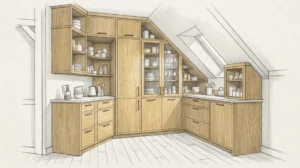
Tampa homes often feature unique spaces. Angled walls, sloped ceilings, and irregular corners require careful measurement. A skilled carpenter accounts for these variations. They measure multiple times and verify dimensions before building.
Common Measurement Errors
Walls aren’t always straight or plumb. Floors slope more than expected. Ceilings vary in height across a room. These inconsistencies affect built-in installation. Professional carpenters use laser levels and precise tools to map these variations.
Follow this measurement checklist:
- Measure wall-to-wall dimensions at multiple heights
- Check floor and ceiling levelness across the space
- Verify corner angles (rarely exactly 90 degrees)
- Measure around baseboards and crown molding
- Account for electrical outlets and switches
- Consider door swing clearances and traffic flow
- Plan for HVAC vents and returns
Space Planning Beyond Measurements
Numbers tell only part of the story. How you use the space matters equally. A beautiful built-in fails if you can’t access items comfortably. Shelves placed too high or too low reduce functionality.
Consider daily activities in the room. Where do you sit most often? What items need frequent access? Which belongings should stay out of sight? These questions guide practical design decisions.
Work with professionals like Bucheli Trim, who understand both measurements and lifestyle needs. They create built-ins that look beautiful and function perfectly.
Mistake 5: Neglecting Climate-Appropriate Materials
Tampa’s humid subtropical climate challenges wood products. Summer humidity levels exceed 70 percent regularly. Temperature swings cause wood to expand and contract. Coastal proximity adds salt air concerns. These conditions demand specific material choices.
Many homeowners select materials based solely on appearance. They choose woods prone to warping or finishes that fail in humidity. Within months, problems emerge. Doors stick, drawers bind, and finishes degrade.
Best Wood Choices for Tampa Climate
Certain woods handle humidity better than others. Hardwoods generally outperform softwoods. Quarter-sawn lumber resists warping more than flat-sawn. Properly dried wood maintains stability.
Consider these climate-appropriate materials:
- Maple offers excellent stability and hardness
- Oak provides durability with beautiful grain patterns
- Cherry ages beautifully in Florida’s climate
- Poplar serves as a stable, affordable painted option
- Marine-grade plywood resists moisture better than standard grades
- Medium-density fiberboard (MDF) works well for painted applications when properly sealed
Finish Selection Matters
The finish protects wood from moisture and wear. Not all finishes perform equally in Tampa’s climate. Some yellow in sunlight. Others remain sticky in humidity. High-quality finishes cost more but last longer.
Oil-based polyurethane provides excellent protection but requires proper application. Water-based finishes dry faster and resist yellowing. Conversion varnishes offer superior durability for heavy-use areas. Professional carpenters recommend finishes based on your specific needs and conditions.
Mistake 6: Skipping Professional Design Consultation
Pinterest and Instagram provide endless inspiration. DIY shows make custom work look simple. But professional design consultation offers irreplaceable value. Experienced carpenters see problems before they occur. They suggest solutions you wouldn’t consider.
Many Tampa homeowners skip this step to save money. They bring photos and rough sketches to builders. Important details get overlooked. The final result disappoints despite good intentions.
What Professional Designers Provide
Skilled carpenters bring years of experience to every project. They’ve solved problems you haven’t encountered yet. They understand structural requirements, material properties, and construction techniques. This knowledge prevents costly mistakes.
Professional design includes these essential elements:
- Detailed drawings showing exact dimensions and specifications
- Material recommendations based on use and climate
- Hardware suggestions for function and durability
- Finish options appropriate for your lifestyle
- Timeline estimates with realistic completion dates
- Budget breakdown explaining cost factors
The Value of Experience
An experienced carpenter notices details you miss. They identify load-bearing considerations. They spot electrical or plumbing conflicts. They suggest improvements to your original concept. This expertise transforms good ideas into excellent results.
Bucheli Trim specializes in custom built-ins throughout Tampa. Their consultation process ensures every project meets both aesthetic and functional goals. They work with homeowners, interior designers, and real estate developers to create stunning results.
Mistake 7: Not Considering the Complete Room Design
Custom built-ins shouldn’t exist in isolation. They’re part of a complete room design. The built-in must work with furniture placement, lighting, and traffic flow. It should enhance the room’s purpose, not hinder it.
Many homeowners focus entirely on the built-in itself. They forget about the room around it. A beautiful bookcase blocks a window. A media center creates TV glare. An office built-in leaves no space for a desk chair.
Integrating Built-Ins with Room Function
Start with the room’s primary purpose. A family room needs comfortable seating with good TV viewing angles. A home office requires proper lighting and ergonomic workspace. A bedroom benefits from accessible storage without clutter.
Think about these integration factors:
- Natural light sources and how built-ins affect them
- Electrical outlet placement for lamps and devices
- Traffic patterns and doorway clearances
- Furniture scale and proportions relative to built-ins
- Ceiling height and visual weight balance
- Color coordination with walls, floors, and existing pieces
Creating Visual Harmony
Built-ins should feel intentional, not added as an afterthought. They work best when integrated with wall enhancements and architectural details. Crown molding connects built-ins to the ceiling. Baseboard extensions ground them to the floor.
Lighting design plays a crucial role. Under-cabinet LED strips illuminate work surfaces. Interior cabinet lighting showcases displays. Ambient lighting prevents harsh shadows. These details transform functional storage into a design feature.
Professional Installation Makes the Difference
Even the best design fails with poor installation. Professional carpenters ensure level shelves, smooth-operating drawers, and perfectly aligned doors. They scribe built-ins to walls for seamless integration. They touch up finishes after installation for a factory-fresh appearance.
| Installation Aspect | DIY Risk | Professional Benefit |
|---|---|---|
| Leveling | Shelves sag, doors misalign | Laser-level precision ensures proper operation |
| Scribing | Visible gaps at walls | Custom-fit appearance with no gaps |
| Hardware Installation | Stripped screws, misaligned hinges | Proper tools and techniques ensure longevity |
| Finish Quality | Drips, uneven coverage, dust nibs | Professional spray equipment and controlled environment |
| Problem-Solving | Delays, mistakes, frustration | Experience prevents and resolves issues quickly |
Working with Tampa’s Best Custom Carpentry Professionals
Finding the right carpenter makes all the difference. Tampa offers many options, but quality varies significantly. Look for professionals with extensive local experience. They understand the area’s climate challenges and architectural styles.
Check their portfolio for projects similar to yours. Read reviews from Tampa homeowners. Ask about their process, timeline, and warranty. Quality carpenters communicate clearly and set realistic expectations.
What to Look for in a Custom Carpentry Company
Reputable companies demonstrate specific qualities. They maintain proper licensing and insurance. They provide detailed written estimates. They stand behind their work with solid warranties. Most importantly, they listen to your needs and offer honest advice.
Key qualities include:
- Valid Florida contractor’s license and insurance
- Portfolio of completed Tampa projects
- Clear communication and responsiveness
- Detailed contracts specifying materials and timeline
- References from satisfied customers
- Understanding of local building codes
- Commitment to quality over speed
The Bucheli Trim Advantage
Bucheli Trim brings exceptional craftsmanship to Tampa Bay area homes. They specialize in high-end custom carpentry, including built-in cabinetry, ceiling designs, and molding details. Their commitment to precision and style shows in every project.
Their team works with homeowners, interior designers, and real estate developers. They transform visions into reality with attention to every detail. From initial consultation through final installation, they ensure complete satisfaction. You can read what Tampa homeowners say about their experience with Bucheli Trim’s craftsmanship.
Making Your Custom Built-In Investment Worthwhile
Custom built-ins add significant value to Tampa homes. They increase storage, improve organization, and enhance aesthetics. But only when done correctly. Avoiding these seven mistakes ensures your investment pays off.
Remember that quality matters more than price. Your home’s architecture guides design choices. Future needs require flexible planning. Climate-appropriate materials prevent problems. Professional expertise catches issues early. Complete room design creates harmony.
The Long-Term Benefits of Quality Built-Ins
Well-executed custom built-ins serve your family for generations. They adapt to changing needs. They withstand Tampa’s challenging climate. They increase home value significantly. Most importantly, they improve daily life through better organization and functionality.
Compare these long-term outcomes:
| Aspect | Budget Approach | Quality Approach |
|---|---|---|
| Lifespan | 5-10 years before major repairs | 20+ years with minimal maintenance |
| Functionality | Decreases over time | Maintains or improves with use |
| Appearance | Shows wear quickly | Ages gracefully with character |
| Home Value | Minimal or negative impact | Significant positive return |
| Satisfaction | Regret and frustration | Pride and enjoyment |
Taking the Next Steps
Start your custom built-in project with careful planning. Define your needs, budget, and timeline. Research Tampa carpenters with strong reputations. Schedule consultations with several professionals. Ask questions and compare their approaches.
Don’t rush the decision. Quality work takes time. The right carpenter invests effort in design and preparation. They communicate clearly throughout the process. They deliver results that exceed expectations.
Conclusion
Custom built-ins transform Tampa homes when done correctly. Avoiding these seven critical mistakes ensures beautiful, functional results that last for decades. Focus on quality over price. Honor your home’s architecture. Plan for future flexibility. Choose climate-appropriate materials. Value professional expertise. Consider complete room design. Work with experienced professionals.
The investment in quality custom carpentry pays dividends through improved organization, enhanced aesthetics, and increased home value. Tampa’s unique climate and diverse architectural styles require specialized knowledge and skills. Don’t settle for less than exceptional craftsmanship.
Ready to transform your Tampa home with custom built-ins that avoid these common mistakes? Connect with our expert carpentry team to discuss your project. We’ll help you create built-ins that enhance your home’s beauty and function for years to come. Connect with us on Facebook to see our latest Tampa projects and customer testimonials.
FAQs
Q: How much do custom built-ins typically cost in Tampa?
A: Custom built-in costs vary significantly based on size, materials, complexity, and finish quality. Simple bookshelf built-ins start lower, while elaborate entertainment centers with premium materials cost more. Quality carpentry represents an investment in your home’s value and functionality. Request detailed estimates from experienced Tampa carpenters to understand your specific project costs.
Q: What’s the best wood for custom built-ins in Tampa’s humid climate?
A: Maple, oak, and cherry perform excellently in Tampa’s humidity because they resist warping and maintain stability. These hardwoods handle moisture fluctuations better than softwoods. Marine-grade plywood and properly sealed MDF work well for painted applications. Professional carpenters select materials based on your specific location, room conditions, and intended use.
Q: How long does it take to install custom built-ins in Tampa?
A: Timeline depends on project complexity, size, and current workload. Simple projects take two to three weeks from design to installation. Elaborate built-ins requiring custom details need four to six weeks. Quality work shouldn’t be rushed. Experienced carpenters provide realistic timelines during consultation and keep you informed throughout the process.
Q: Do custom built-ins increase home value in Tampa?
A: Yes, quality custom built-ins significantly increase Tampa home values. They improve functionality, storage, and aesthetics. Buyers appreciate well-designed, professionally installed built-ins that complement the home’s architecture. The value increase depends on quality, location, and how well the built-ins integrate with the overall design. Cheap installations may actually decrease value.
Q: Can custom built-ins work in older Tampa homes?
A: Absolutely. Custom built-ins enhance older Tampa homes beautifully when designed to match existing architectural details. Skilled carpenters study the home’s original trim, molding, and proportions. They create built-ins that look original to the house. This integration preserves character while adding modern functionality. Proper material selection ensures the built-ins withstand time like the rest of the home.