Key Takeaways
-
Define your project scope before contacting carpenters: write down specific rooms, desired features, and style preferences (modern, traditional, rustic) to get accurate quotes and save time.
-
Hire specialists over generalists—find carpenters with proven track records in your specific need (e.g., coffered ceilings, built-ins) and always review their portfolios and past project photos for quality and attention to detail.
-
Prioritize clear communication and transparency during consultations; ask about timeline, permits, contract terms, and how they handle unexpected issues to ensure aligned expectations throughout the project.
-
Recognize that quality carpentry adds measurable home value—features like built-in cabinetry, crown molding, and coffered ceilings consistently appeal to buyers and justify investment for home sales and renovations.
Whether you’re planning a home makeover or a small upgrade, getting the right carpentry help makes all the difference. Custom carpentry transforms ordinary rooms into stunning spaces. From beautiful ceiling designs to custom built-ins, skilled carpenters bring your vision to life.
But finding quality carpentry help isn’t always simple. Many homeowners, interior designers, and real estate developers struggle to know where to start. What type of work do you need? How do you find the right professional? What should the process look like?
This guide answers those questions. Below are 12 practical ways to get the best carpentry help for your home — so you can make smart decisions and get results you’ll love for years to come. To learn more about carpentry as a trade and craft, start with a solid foundation of knowledge before diving into your project.
1. Define Your Project Scope First
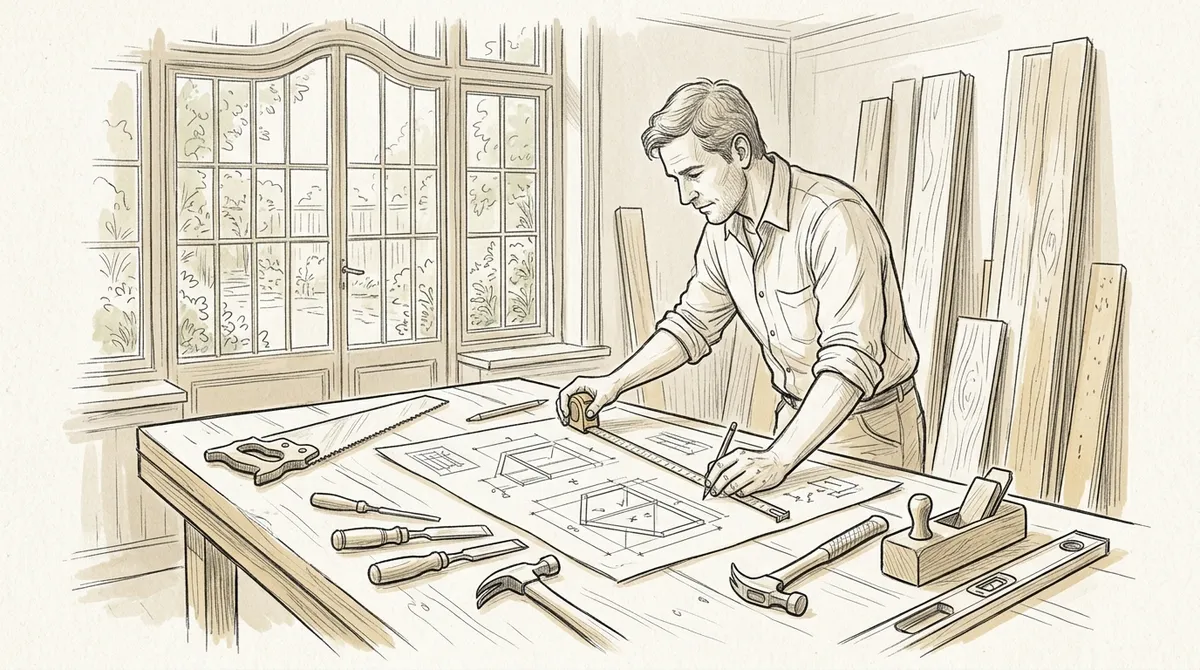
Before you call anyone, know what you want. Write down the rooms involved, the features you want added, and your overall style goals. This helps carpenters give you accurate information and saves time.
- List every room or area that needs work
- Note the style you prefer (modern, traditional, rustic)
- Identify must-have features versus nice-to-haves
- Decide if you want a full renovation or targeted upgrades
2. Understand the Types of Custom Carpentry Services
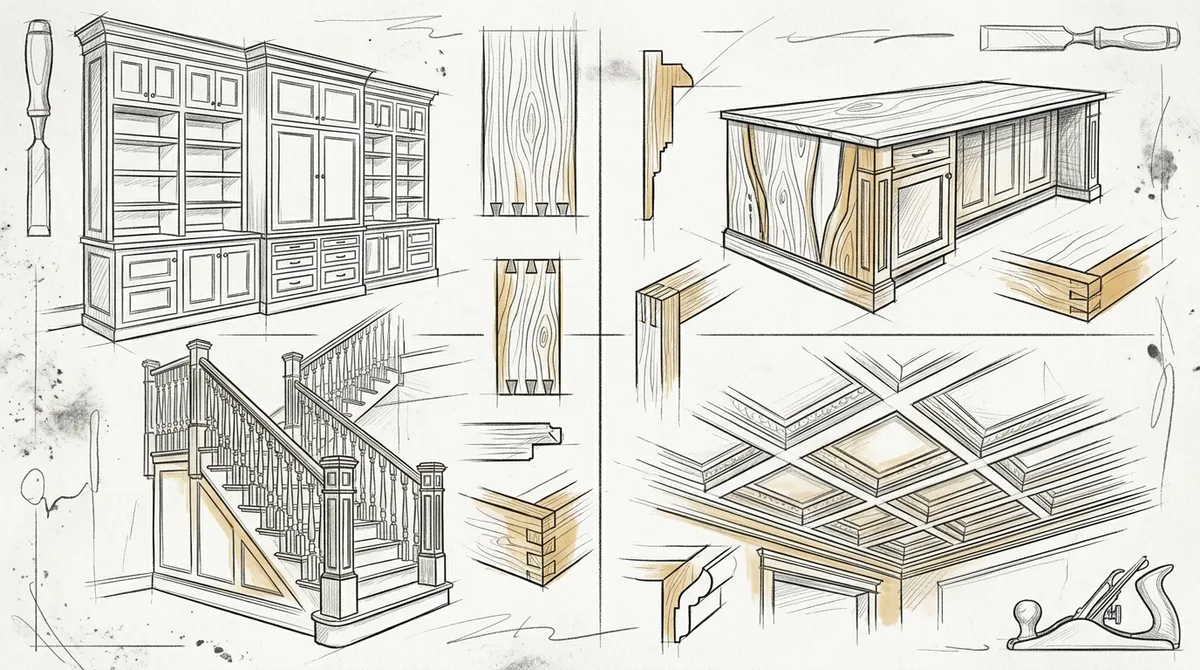
Carpentry help covers a wide range of services. Knowing the options helps you ask the right questions and hire the right specialist.
| Service Type | What It Includes | Best For |
|---|---|---|
| Ceiling Designs | Coffered, tray, beamed ceilings | Homeowners wanting visual impact |
| Wall Enhancements | Wainscoting, board and batten, accent walls | Adding texture and character |
| Built-In Cabinetry | Shelving, storage units, custom closets | Maximizing space and function |
| Molding and Trim | Crown molding, baseboards, door casings | Finishing and polishing any room |
| Custom Doors | Interior and exterior door upgrades | Improving curb appeal and flow |
3. Look for Specialists, Not Generalists
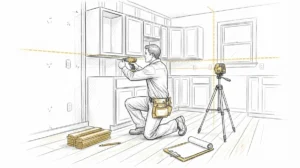
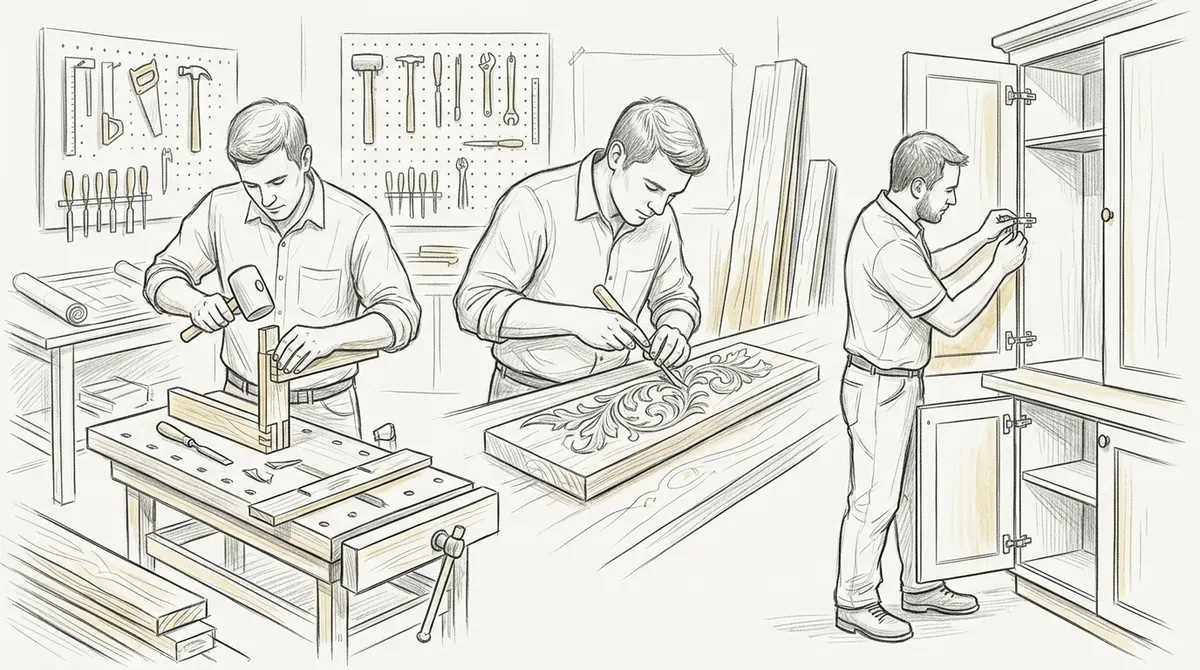
A specialist in custom carpentry brings a higher level of skill than a general handyman. Look for carpenters who focus on the specific services you need. Specialization means better results and fewer mistakes.
For example, if you want a coffered ceiling, find someone with a proven track record in custom ceiling designs. Ask to see photos of past projects before you commit.

4. Check Portfolios and Past Work
Photos speak louder than promises. Always ask a carpentry professional to show you their portfolio. Look for variety, clean finishes, and attention to detail.
- Look for consistency across different projects
- Check that joints, corners, and edges are clean
- See if the work matches your style preferences
- Ask if you can visit a completed project in person
5. Read Reviews and Ask for References
Online reviews give you real feedback from real clients. Check Google reviews and social media for honest opinions. You can also follow Bucheli Trim on Facebook to see their work and client feedback directly.
Don’t be shy about asking a carpenter for references. A confident professional will gladly connect you with past clients who can vouch for their work quality and reliability.
6. Ask the Right Questions During Consultations
A consultation is your chance to learn about the carpenter’s process and communication style. Come prepared with specific questions.
- How long have you been doing custom carpentry?
- Do you handle permits and inspections when needed?
- Who will be on-site doing the actual work?
- How do you handle unexpected issues mid-project?
- What does your timeline look like for this type of project?
- Do you provide a written agreement or contract?
7. Prioritize Communication and Transparency
Good carpentry help starts with good communication. Your carpenter should listen carefully, explain their process clearly, and keep you updated throughout the project. Poor communication leads to mismatched expectations and unsatisfying results.
Look for a professional who responds quickly, speaks plainly, and treats your home with respect. If something feels off during early conversations, trust that instinct.
8. Explore the Full Range of Services Available
Many homeowners don’t realize how much a skilled carpenter can do. Beyond basic woodwork, custom carpentry can include flooring, tile work, and even painting services.
- Explore wall enhancements for added texture and depth
- Consider molding and trim details for a polished finish
- Add custom flooring to complete the look
- Look into epoxy floors for garages or utility spaces
Understanding epoxy as a material can help you decide if this modern flooring option suits your space and lifestyle.
9. Plan for Built-In Storage Solutions
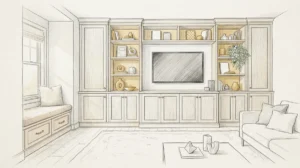
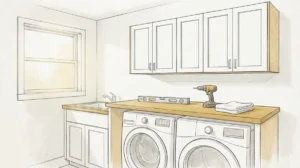
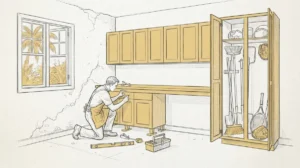
Built-in cabinetry is one of the most popular forms of carpentry help homeowners request. It adds function while looking clean and custom. Unlike freestanding furniture, built-ins are made to fit your exact space.
From home offices to living rooms, built-in storage solves clutter problems permanently. Check out ideas for built-in cabinetry solutions that transform your home and start imagining the possibilities.
- Measure your available wall space carefully
- Decide on open shelving, closed cabinets, or a mix
- Choose wood species and finishes that match your existing décor
- Consider lighting inside or above the units for added effect
10. Consider Crown Molding for a Luxury Finish
One of the most impactful and affordable upgrades in custom carpentry is crown molding. It adds an elegant transition between walls and ceilings. Even in modest rooms, this small detail makes a big visual difference.
A skilled carpenter can install crown molding in a day or two. The result is a room that feels more polished, refined, and intentional. Pair it with other trim and molding details for maximum impact.
11. Think About Long-Term Value, Not Just Looks
Custom carpentry isn’t just beautiful — it adds real value to your home. Real estate developers know this well. High-end finishes like coffered ceilings, custom closets, and wainscoting make properties stand out in competitive markets.
| Carpentry Feature | Visual Impact | Home Value Benefit |
|---|---|---|
| Coffered Ceilings | High | Strong — appeals to luxury buyers |
| Built-In Cabinetry | High | Strong — adds usable storage |
| Crown Molding | Medium | Good — perceived quality boost |
| Wainscoting | Medium | Good — classic, timeless appeal |
| Custom Closets | Medium | Strong — buyers love organization |
If you’re developing properties in the Tampa Bay area, explore custom closet build ideas that buyers consistently respond to. Carpentry upgrades are one of the smartest investments you can make before listing a property.
12. Work with a Local Expert You Can Trust
Local knowledge matters in custom carpentry. A carpenter who works in your area understands local building styles, humidity effects on wood, and regional design trends. They’re also more accessible for follow-up questions and warranty work.
Bucheli Trim is a trusted name for carpentry help throughout the Tampa Bay area. From ceiling designs to custom cabinets and one-of-a-kind custom projects, the team delivers precision craftsmanship for homeowners, designers, and developers alike. Visit us on Google to read reviews from satisfied clients in your community.
Signs You’re Ready to Get Carpentry Help
Not sure if now is the right time? Look for these common signals that it’s time to call a professional:
- Your home feels plain or lacks character
- You have unused wall space with no storage
- Your ceilings are flat and uninspired
- You’re preparing a property for sale
- An interior designer has recommended structural woodwork upgrades
- You’ve recently renovated and need finishing touches
If any of these sound familiar, check out 7 signs you need professional carpentry near you today for more detail on when to take action.
How Interior Designers Can Use Carpentry Help Effectively
Interior designers often rely on skilled carpenters to bring their plans to life. Custom woodwork gives designers a powerful tool for creating spaces that feel intentional and luxurious.
- Share detailed drawings or mood boards with your carpenter early
- Confirm wood species, stain colors, and finish types in writing
- Schedule site visits at key project milestones
- Plan carpentry work before paint and final fixtures go in
When designers and carpenters work closely together, the results are consistently impressive. Learn how custom woodworking transforms homes and discover ideas you can bring to your next client project.
Conclusion
Getting the right carpentry help doesn’t have to be complicated. Define your goals, find a skilled specialist, ask smart questions, and choose someone with a solid track record. Whether you want a dramatic ceiling, elegant molding, or custom built-ins, quality carpentry elevates every room it touches.
If you’re ready to take the next step, reach out to our team at Bucheli Trim to discuss your project and get expert guidance from carpenters who care about craftsmanship and your satisfaction.
FAQs
Q: What types of projects fall under custom carpentry help?
A: Custom carpentry help covers a wide range of projects including ceiling designs, wall enhancements, built-in cabinetry, crown molding, custom doors, and flooring. A skilled carpenter can handle both decorative and functional woodwork throughout your home. The scope depends on your goals and the spaces you want to improve.
Q: How do I know if I need a custom carpenter or a general handyman?
A: A general handyman handles basic repairs and minor fixes. A custom carpenter specializes in high-skill woodwork that requires precision, design knowledge, and advanced techniques. If your project involves built-ins, detailed molding, coffered ceilings, or any structural wood feature, you need a custom carpentry specialist.
Q: How long does a typical custom carpentry project take?
A: Timelines vary widely depending on the size and complexity of the project. A crown molding installation may take one to two days, while a full built-in cabinetry project could take one to two weeks. Your carpenter should provide a clear timeline during the consultation phase.
Q: Can carpentry upgrades increase my home’s resale value?
A: Yes, custom carpentry upgrades consistently add value to homes. Features like coffered ceilings, built-in storage, and wainscoting appeal strongly to buyers looking for quality and luxury finishes. Real estate developers often invest in carpentry work specifically to differentiate their properties and attract premium buyers.
Q: What should I prepare before hiring a custom carpenter?
A: Before hiring, gather inspiration photos, define the rooms or areas you want improved, and identify your preferred style. Having a clear idea of your goals helps the carpenter understand your vision and communicate more accurately about scope and process. A written list of questions for your consultation will also help you choose the right professional.