Key Takeaways
-
Crown molding installation in Tampa can dramatically enhance your home's aesthetic, adding elegance and value to any room with the right style and professional execution.
-
Professional carpenters understand local architectural styles and climate challenges, ensuring proper installation that prevents warping and separation in Florida's humidity.
-
Choose crown molding that complements your home's architectural period, room height, and personal taste to create a seamless and impressive design transformation.
-
Tampa offers diverse crown molding styles from traditional and minimalist to Victorian and Art Deco, allowing homeowners to select a profile that matches their unique interior vision.
-
Lightweight polymer crown molding provides an excellent, moisture-resistant alternative to wood, offering durability and elegant appearance for Tampa's coastal environment.
Crown molding installation in Tampa can completely change how your home looks and feels. This decorative trim adds elegance and value to any room. Many Tampa homeowners choose custom crown molding to make their spaces stand out. The right installation brings character to plain walls and ceilings. Whether you live in South Tampa, Westchase, or Carrollwood, professional crown molding creates a finished look that matches your style.
The Tampa Bay area features diverse home styles. From Mediterranean villas to modern townhomes, crown molding enhances them all. Custom carpentry brings your vision to life. Expert installers understand local architecture and humidity challenges. They know which materials work best in Florida’s climate. Quality installation prevents issues like warping or separation over time.
Choosing the right crown molding style matters. Your selection should complement your home’s existing features. Consider room height, architectural period, and personal taste. Professional carpenters guide you through options that fit your budget and timeline. The result transforms ordinary rooms into extraordinary spaces that impress guests and increase home value.
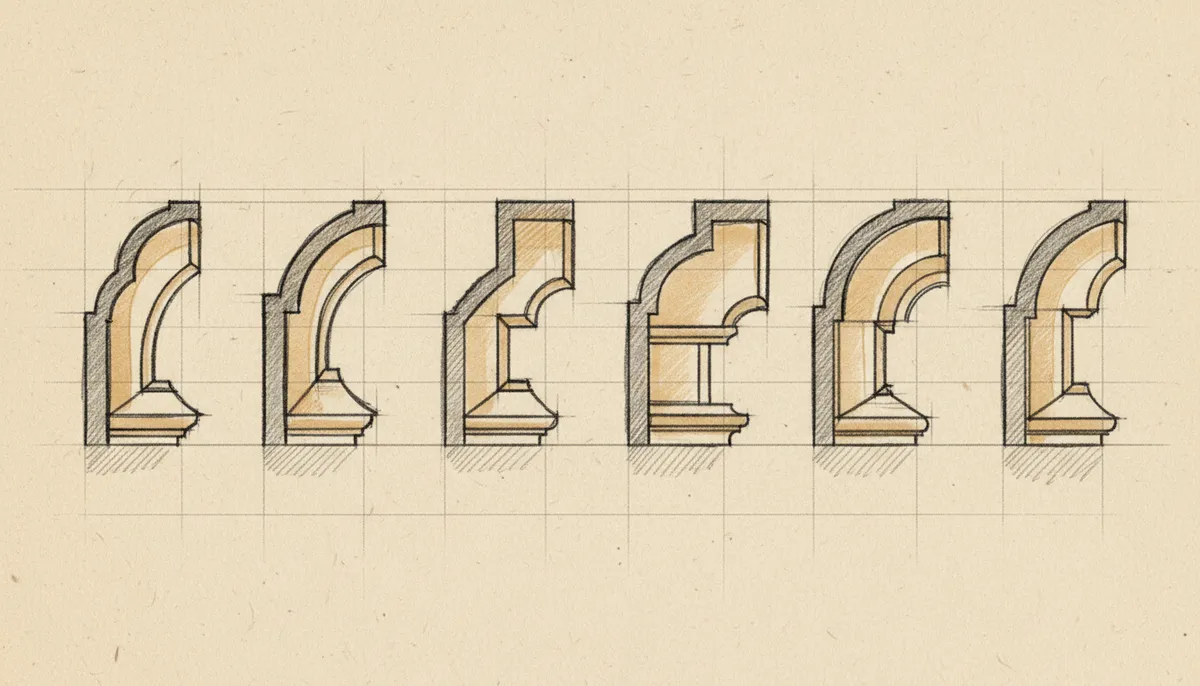
Traditional Crown Molding Profiles
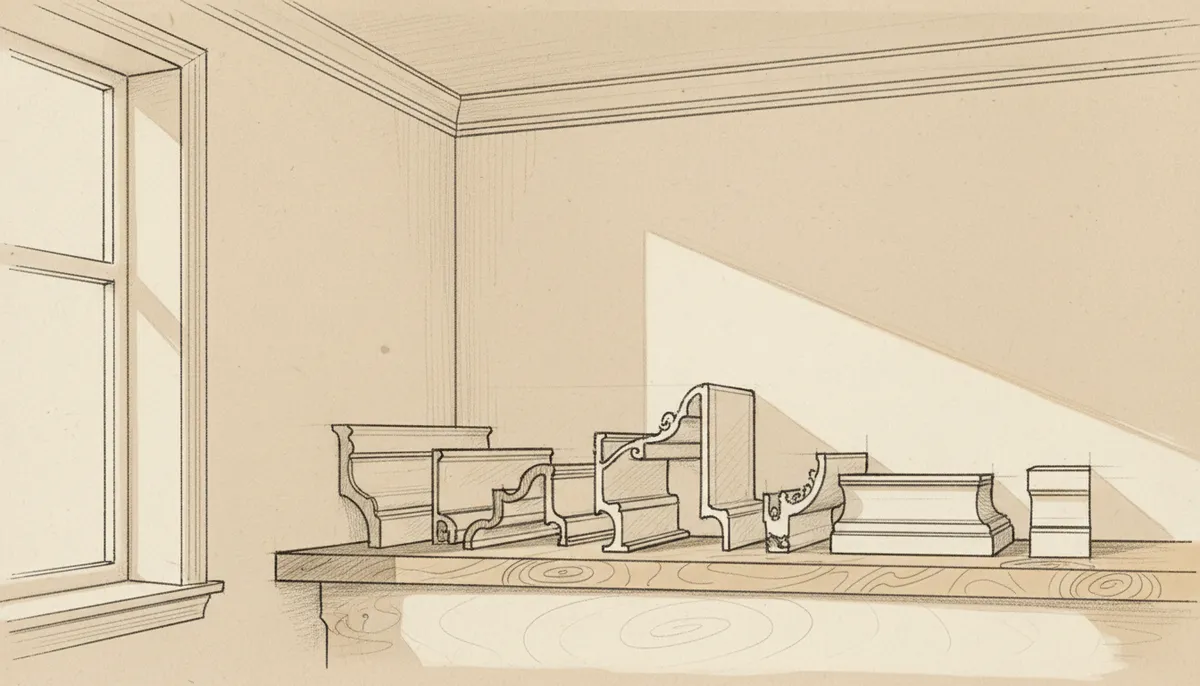
Traditional crown molding profiles remain the most popular choice for Tampa homes. These classic designs feature elegant curves and timeless appeal. They work beautifully in both historic and newer properties. The standard profile includes a simple curve that transitions smoothly from wall to ceiling. This style suits almost any room and complements various decorating themes.
Many Tampa homeowners select traditional profiles for formal spaces. Living rooms, dining rooms, and master bedrooms benefit from this refined look. The molding creates visual interest without overwhelming the space. It draws the eye upward and makes ceilings appear higher. Traditional profiles come in various sizes to match different room proportions.
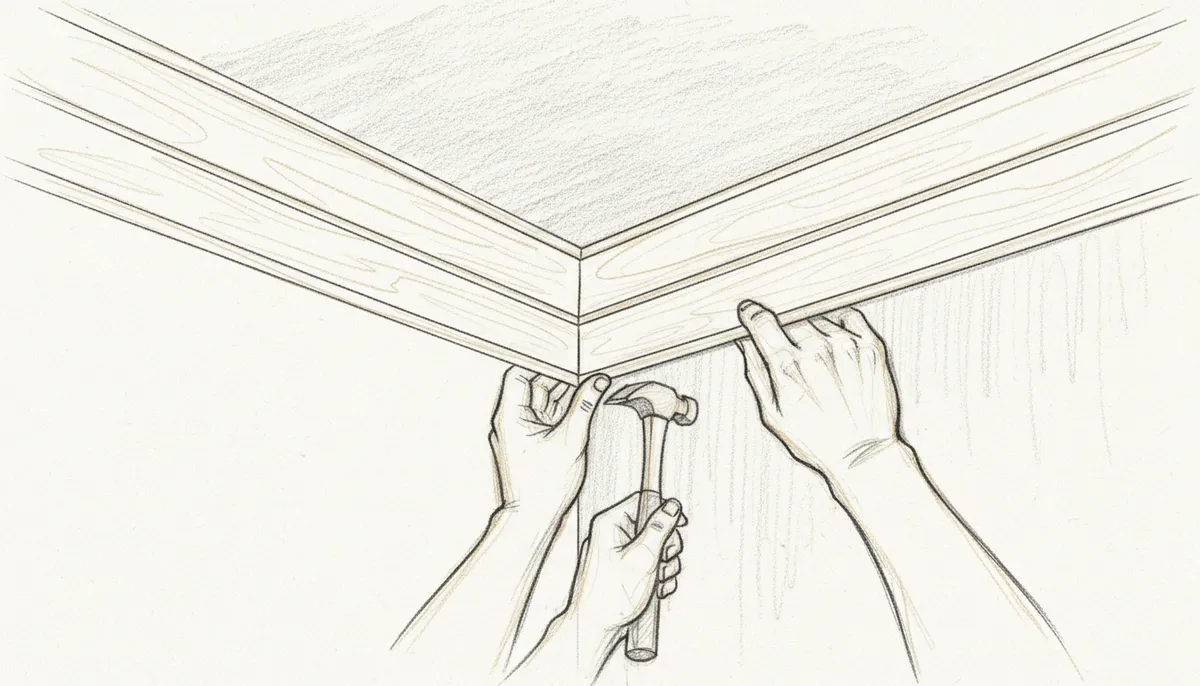
Installation requires precision and experience. Professional carpenters measure carefully and cut angles perfectly. They ensure joints fit tightly at corners. Proper installation prevents gaps that collect dust or show imperfections. The finished product looks seamless and polished.
Benefits of Traditional Crown Molding
- Creates timeless elegance that never goes out of style
- Increases home resale value significantly
- Complements both modern and vintage furniture
- Available in multiple size options for any room
- Easy to paint or stain to match your décor
- Conceals imperfections where walls meet ceilings
Contemporary Minimalist Crown Molding
Contemporary minimalist crown molding offers clean lines and understated sophistication. This style appeals to homeowners who prefer modern aesthetics. Simple geometric shapes replace ornate curves. The result creates a sleek transition between walls and ceilings. Tampa’s newer developments often feature this streamlined look.
Minimalist crown molding works especially well in open-concept spaces. It defines areas without creating visual clutter. The subtle profile adds finished detail while maintaining an airy feel. This approach suits condos, lofts, and modern single-family homes. It complements stainless steel appliances, glass features, and contemporary furnishings.
Professional installation ensures straight lines and perfect angles. Even small imperfections stand out with minimalist designs. Skilled carpenters use precise tools and techniques. They create flawless corners and seamless joints. The clean finish enhances the modern aesthetic you want to achieve.
Top Features of Minimalist Crown Molding
- Straight or gently angled profiles that create modern appeal
- Narrow width that doesn’t overwhelm smaller spaces
- Perfect for homes with lower ceiling heights
- Pairs beautifully with recessed lighting
- Requires less material while still making an impact
- Easier to keep clean than ornate traditional styles
Ornate Victorian Crown Molding
Ornate Victorian crown molding brings dramatic elegance to Tampa homes. This elaborate style features intricate details and multiple layers. It reflects the grandeur of 19th-century architecture. Victorian profiles include decorative elements like dentil blocks and egg-and-dart patterns. These details create stunning visual interest in formal spaces.
Historic Tampa neighborhoods showcase many Victorian-era homes. Proper restoration requires authentic crown molding reproduction. Expert carpenters craft custom pieces that match original designs. They understand period-appropriate proportions and details. This attention to authenticity preserves architectural heritage while enhancing beauty.
Modern homes also benefit from Victorian-inspired crown molding. It adds character to new construction that might otherwise feel plain. The ornate details create focal points and conversation pieces. Living rooms, libraries, and formal dining rooms become showcase spaces. This investment in craftsmanship pays dividends in satisfaction and property value.
Victorian Crown Molding Characteristics
| Feature | Description | Best Application |
|---|---|---|
| Multiple Layers | Stacked profiles create depth | High ceilings above 10 feet |
| Dentil Blocks | Small rectangular patterns | Formal dining rooms |
| Carved Details | Hand-crafted decorative elements | Master bedrooms |
| Deep Projection | Extended distance from wall | Large living spaces |
Coffered Ceiling Crown Molding
Coffered ceiling crown molding combines traditional trim with recessed panels. This architectural feature adds luxury and dimension to any room. The crown molding frames each coffered section beautifully. It creates a grid pattern that draws the eye upward. Tampa homeowners install coffered ceilings in great rooms, studies, and master suites.
The installation process requires advanced carpentry skills. Professionals measure and plan the layout carefully. They ensure balanced proportions and symmetrical patterns. Crown molding runs along each beam and border. The result looks like custom millwork found in high-end estates. Custom ceiling designs transform ordinary rooms into extraordinary spaces.
Coffered ceilings work best with adequate ceiling height. Rooms with 9-foot ceilings or higher accommodate this style comfortably. The crown molding can be painted to match the ceiling or contrast with it. Many homeowners choose white or cream for a classic look. Others add decorative paint techniques or wallpaper in the recessed areas.
Planning Your Coffered Ceiling Project
- Measure your room dimensions to determine panel layout
- Select crown molding width appropriate for ceiling height
- Choose between traditional or contemporary profile styles
- Decide on paint colors for molding and recessed areas
- Plan lighting integration for dramatic evening effects
- Budget for professional installation to ensure quality results
Rope and Bead Crown Molding
Rope and bead crown molding features decorative carved patterns. These designs add texture and visual interest to standard profiles. The rope pattern mimics twisted cord running along the molding edge. Bead patterns create a series of small spheres or ovals. Both styles bring coastal charm that suits Tampa’s waterfront lifestyle.
This decorative crown molding works well in beach houses and casual homes. It adds personality without appearing too formal. The texture catches light differently throughout the day. This creates subtle shadows that enhance the three-dimensional effect. Rope and bead molding suits kitchens, breakfast nooks, and family rooms.
Professional carpenters can create custom rope and bead patterns. They match existing trim or design something completely new. The carved details require skilled hands and specialized tools. Quality installation ensures the pattern flows smoothly around corners. Proper finishing and painting highlight the intricate details beautifully.
Rope and Bead Style Options
- Single rope pattern running along the bottom edge
- Double rope design for more prominent detail
- Bead-and-reel pattern alternating shapes
- Combined rope and bead for maximum texture
- Custom carved patterns unique to your home
- Painted or stained finishes to enhance depth
Built-Up Crown Molding Systems
Built-up crown molding systems combine multiple trim pieces for dramatic effect. This layered approach creates substantial visual presence. Different molding profiles stack together to form one impressive unit. The result mimics expensive solid crown molding at a fraction of the cost. Tampa’s luxury homes often feature this sophisticated detail.
The system typically includes three to five separate pieces. A main crown molding forms the top layer. Additional trim pieces add depth below. Small decorative elements nestle between larger profiles. The carpenter assembles everything on-site for a custom fit. This technique allows endless design combinations and creative expression.
Built-up systems work exceptionally well in rooms with high ceilings. The substantial size balances tall wall expanses. It creates proper proportions between ceiling and walls. The shadow lines between layers add architectural interest. Professional installation ensures each piece aligns perfectly with the others. For more complex custom carpentry projects, experienced craftsmen bring expertise and precision.
Components of Built-Up Crown Molding
| Layer | Component Type | Purpose |
|---|---|---|
| Top | Crown molding profile | Main decorative element |
| Middle | Chair rail or panel molding | Adds depth and shadow lines |
| Lower | Base cap or cove molding | Creates transition to wall |
| Accent | Picture rail or dentil | Additional decorative detail |
Cove Crown Molding for Smooth Transitions
Cove crown molding creates gentle curved transitions from wall to ceiling. This style features a concave profile that forms a smooth arc. It offers a softer look than angular crown molding styles. Cove molding suits both traditional and contemporary spaces. Tampa homeowners appreciate its versatility and clean appearance.
The gentle curve helps hide imperfections where walls meet ceilings. It forgives minor irregularities better than straight profiles. This makes installation more forgiving in older homes. The curved surface also reduces dust accumulation compared to angular designs. This practical benefit appeals to busy homeowners who value easy maintenance.
Cove crown molding comes in various radii and depths. Smaller profiles work in bedrooms and hallways. Larger versions suit living areas and great rooms. The smooth surface accepts paint beautifully. It creates a unified look when painted the same color as the ceiling. Some homeowners prefer contrast colors to highlight the architectural detail.
Advantages of Cove Crown Molding
- Softens sharp angles between walls and ceilings
- Creates a more relaxed, welcoming atmosphere
- Works well with curved architectural elements
- Reduces visible dust buildup over time
- Allows for creative lighting installations behind the molding
- Complements both painted and natural wood finishes
Art Deco Inspired Crown Molding
Art Deco inspired crown molding brings 1920s glamour to modern Tampa homes. This style features geometric patterns and bold lines. It combines angular shapes with streamlined curves. The distinctive look creates instant sophistication and vintage charm. Art Deco molding works beautifully in updated historic homes and new builds seeking character.
The style typically includes stepped profiles and repeating geometric motifs. Patterns might feature zigzags, chevrons, or stylized sunbursts. These details capture the optimism and elegance of the Jazz Age. Wall enhancements complement the crown molding to create cohesive design themes. Professional carpenters recreate authentic Art Deco details with precision.
Installing Art Deco crown molding requires attention to pattern alignment. The geometric designs must match perfectly at corners. Skilled craftsmen plan layouts carefully before cutting. They ensure patterns flow continuously around the room. Proper execution creates stunning visual impact that transports you to another era.
Art Deco Crown Molding Features
- Stepped profiles creating layered geometric shapes
- Symmetrical patterns reflecting machine-age aesthetics
- Bold proportions suited to statement-making spaces
- Metallic paint finishes adding authentic period flair
- Angular corners replacing traditional curved transitions
- Integration with period lighting fixtures and hardware
Lightweight Polymer Crown Molding
Lightweight polymer crown molding offers practical advantages for Tampa’s humid climate. These synthetic materials resist moisture damage better than wood. They don’t warp, crack, or rot even in coastal environments. Polymer molding maintains its appearance year after year with minimal maintenance. This durability makes it ideal for Florida homes.
Modern polymers mimic wood grain and traditional profiles convincingly. Most people cannot distinguish quality polymer from wood without close inspection. The material comes pre-primed and ready for painting. Installation proceeds faster because the lightweight pieces are easier to handle. One person can manage pieces that would require two people with wood molding.
Polymer crown molding costs less than solid wood alternatives. However, the appearance remains elegant and upscale. The material cuts cleanly with standard carpentry tools. It installs with the same techniques as traditional molding. Professional carpenters appreciate how the material forgives minor mistakes. It accepts caulk and paint readily for a flawless finished appearance. To explore more options, visit our website for additional custom carpentry solutions.
Comparison: Polymer vs. Wood Crown Molding
| Factor | Polymer Molding | Wood Molding |
|---|---|---|
| Moisture Resistance | Excellent, won’t rot or warp | Requires proper sealing |
| Weight | Very lightweight | Heavier, harder to handle |
| Installation Time | Faster, easier to work with | More time-intensive |
| Cost | Generally less expensive | Higher material costs |
| Appearance | Excellent modern reproductions | Natural beauty and grain |
Choosing the Right Crown Molding for Your Tampa Home
Selecting the perfect crown molding style depends on several factors. Consider your home’s architectural period and existing trim details. Victorian homes deserve ornate profiles while modern spaces suit minimalist designs. Room size and ceiling height also influence your choice. Larger molding profiles overwhelm small rooms with low ceilings. Conversely, small molding disappears in grand spaces with tall ceilings.
Your personal style preferences matter most. Crown molding should make you happy every time you enter the room. Consider how the style coordinates with your furniture and décor. Traditional profiles work with classic furnishings. Contemporary designs complement modern pieces. Art Deco patterns add vintage charm to eclectic spaces.
Budget considerations affect material and complexity choices. Simple profiles cost less to purchase and install than ornate designs. Built-up systems require more material and labor. Polymer options reduce costs while maintaining quality appearance. Professional carpenters help you balance desires with practical constraints. They suggest alternatives that achieve your vision within your budget. For expert guidance, learn more about our craftsmanship and experience.
Key Selection Criteria
- Match molding style to your home’s architectural period
- Consider ceiling height when choosing profile size
- Evaluate material options based on climate exposure
- Budget for both materials and professional installation
- Think about long-term maintenance requirements
- Coordinate with existing trim throughout your home
- Choose finishes that complement your color scheme
- Factor in resale value if you plan to sell eventually
Professional Installation Makes the Difference
Professional crown molding installation ensures beautiful results that last. Experienced carpenters possess skills developed through years of practice. They cut perfect angles that fit tightly at corners. Their measurements account for wall irregularities and ceiling variations. This precision prevents gaps and unsightly joints that plague amateur installations.
Quality installation begins with proper planning and measurement. Professionals assess your rooms and recommend appropriate styles. They identify potential challenges before starting work. This foresight prevents problems during installation. They bring specialized tools that create clean cuts and smooth finishes. Their expertise saves time and reduces material waste.
The finished product reflects the installer’s skill level. Professional work looks seamless and elegant. Corners meet perfectly without visible gaps. Paint lines stay clean and straight. The molding enhances your home’s beauty without drawing attention to installation flaws. This quality craftsmanship increases your home’s value and your satisfaction. Check out our Facebook page to see examples of our recent crown molding projects.
Benefits of Professional Installation
- Precise measurements ensure proper fit and minimal waste
- Expert angle cuts create seamless corner joints
- Professional-grade tools produce clean, smooth edges
- Experience prevents costly mistakes and rework
- Knowledge of local building codes ensures compliance
- Warranty protection on both materials and labor
Crown Molding Care and Maintenance
Maintaining your crown molding keeps it looking beautiful for decades. Regular dusting prevents buildup that dulls the finish. Use a soft cloth or duster with an extension handle. Reach all the profile details and corners. This simple maintenance takes minutes but preserves the appearance.
Painted crown molding occasionally needs touch-ups. Small nicks or scuffs happen over time. Keep leftover paint for easy repairs. Clean the area gently before applying new paint. Use a small artist’s brush for precision. The touch-up blends invisibly when done carefully. Annual cleaning with mild soap and water removes accumulated grime.
Tampa’s humid climate requires attention to moisture issues. Check for signs of water damage near windows and exterior walls. Address leaks promptly to prevent molding damage. Quality installation and proper materials prevent most moisture problems. However, vigilance protects your investment. Regular inspections catch small issues before they become major repairs. For comprehensive painting services and maintenance, professional help ensures lasting beauty.
Maintenance Schedule for Crown Molding
- Dust molding surfaces monthly with a soft cloth
- Inspect for damage or separation quarterly
- Clean with mild soap solution twice yearly
- Touch up paint nicks as soon as they appear
- Check for moisture damage near windows annually
- Repaint every 5-7 years for fresh appearance
Crown molding installation transforms Tampa homes from ordinary to extraordinary. The right style enhances your architectural features and personal taste. Professional installation ensures quality results that increase property value. Whether you prefer traditional elegance or modern simplicity, crown molding adds the finishing touch your home deserves. The investment pays returns in beauty, satisfaction, and marketability.
Tampa’s diverse architecture accommodates every crown molding style. From historic bungalows to waterfront estates, the right trim elevates any space. Consider your options carefully and work with experienced professionals. The result will exceed your expectations and delight you for years to come. Visit us on Google to read reviews from satisfied Tampa homeowners who have transformed their spaces with expert crown molding installation.
Ready to enhance your Tampa home with beautiful crown molding? Professional carpenters bring expertise, quality materials, and attention to detail. They guide you through style selection and installation processes. Your vision becomes reality through skilled craftsmanship and dedication to excellence. Don’t settle for plain walls and ceilings when elegant crown molding can make such a dramatic difference. Contact our experienced team today to discuss your crown molding installation project and schedule a consultation.
FAQs
Q: How much does crown molding installation cost in Tampa?
A: Installation costs vary based on room size, molding style, and material choice. Simple profiles in standard rooms cost less than ornate designs in large spaces. Professional carpenters provide detailed estimates after assessing your specific project. Quality installation represents a worthwhile investment that increases home value significantly.
Q: What crown molding style works best for low ceilings?
A: Minimalist contemporary profiles work best for rooms with 8-foot ceilings. Choose narrow widths that don’t visually lower the ceiling further. Simple cove molding creates smooth transitions without overwhelming the space. Avoid ornate Victorian styles that require substantial height to look proportionate.
Q: How long does crown molding installation take?
A: Professional installation typically takes one to three days depending on room size and complexity. Simple profiles in standard rooms install quickly. Ornate built-up systems or coffered ceilings require more time. Experienced carpenters work efficiently while maintaining quality standards throughout the project.
Q: Can crown molding be installed in homes with textured ceilings?
A: Yes, professionals can install crown molding with textured ceilings. The molding creates a finished border that frames the texture. Proper installation techniques ensure tight fits despite surface irregularities. Some homeowners choose to smooth the ceiling border area for even better results.
Q: What materials resist Tampa’s humid climate best?
A: Polymer and PVC crown molding materials resist moisture damage excellently in Tampa’s climate. They won’t warp, crack, or rot like wood in humid conditions. Properly sealed wood molding also performs well with appropriate maintenance. Professional carpenters recommend materials based on your specific location and exposure levels.