Key Takeaways
-
General carpenter contractors handle framing, structural repairs, and large multi-trade remodels, while specialty custom carpenters focus on visible high-end finish work like built-ins and ceilings.
-
Choose a specialty custom carpenter for built-ins, coffered ceilings, wainscoting, or custom trim, since small flaws in these visible features are easy to spot.
-
Ask for a portfolio of photos from real homes, proof of licensing and insurance, and a written scope of work before committing to any carpenter.
-
Avoid hiring based on speed alone, since the fastest bid is rarely the best fit for detailed custom work.
-
In Florida's heat and humidity, hire a local carpenter who understands how wood swells and warps and can select materials and finishes that hold up.
-
Many large projects work best when a general carpenter builds the structure and a specialty carpenter adds the finish layers, with both teams coordinating early.
You type “carpenter contractors near me” into a search bar and get dozens of results. Some are general builders. Others are custom carpentry shops. They all call themselves carpenters, but they do very different work. Picking the wrong one can leave you with crooked trim, gaps in your cabinets, and a project that never looks quite right.
This guide compares two main types of carpenter contractors: general carpenter contractors and specialty custom carpenters. You will learn what each one does, where each one shines, and how to choose the right fit. Whether you are a homeowner planning a built-in, an interior designer protecting a client’s vision, or a developer who needs luxury finishes that help a property stand out, this comparison will help you decide with confidence.
If you want to learn more about carpentry as a trade, it covers many branches, from rough framing to fine finish work. Knowing which branch you need is the first step to a great result.
What Do Carpenter Contractors Actually Do?
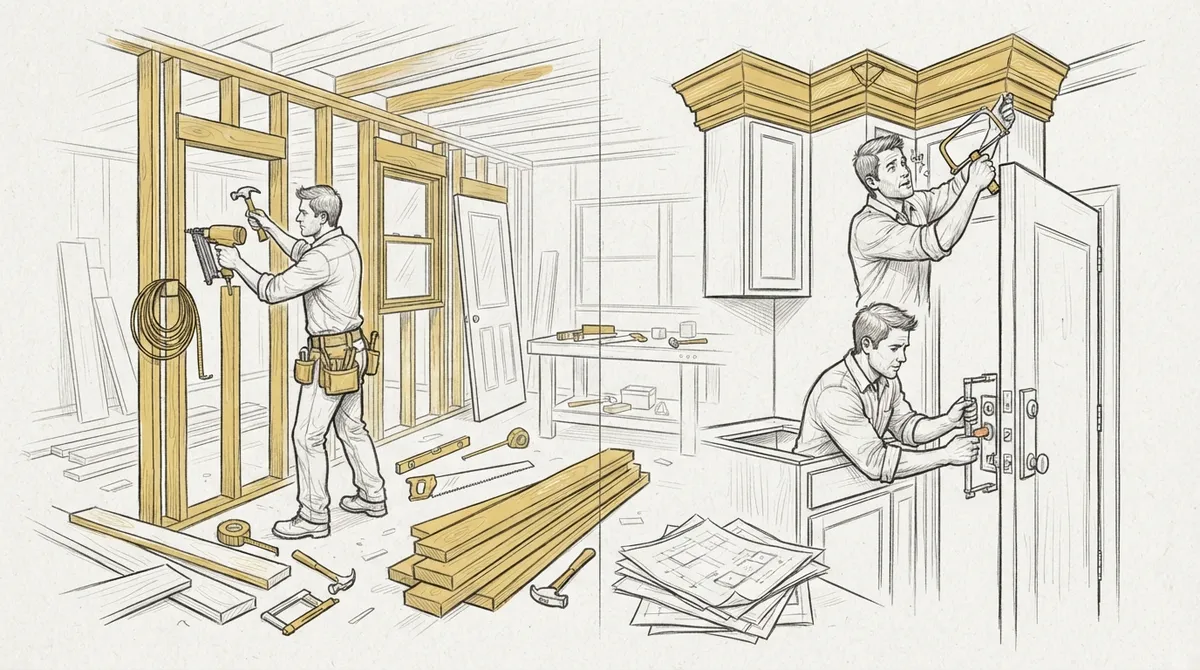
Carpentry is a broad trade. A carpenter contractor is a skilled worker or company that cuts, shapes, and installs wood and other materials in homes and buildings. But the word “carpenter” covers very different jobs.
Most carpentry falls into three groups:
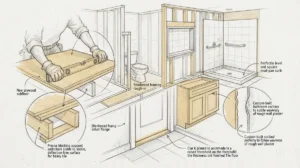
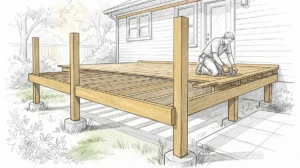
- Rough carpentry: Framing walls, floors, and roofs. This is the hidden structure of a home.
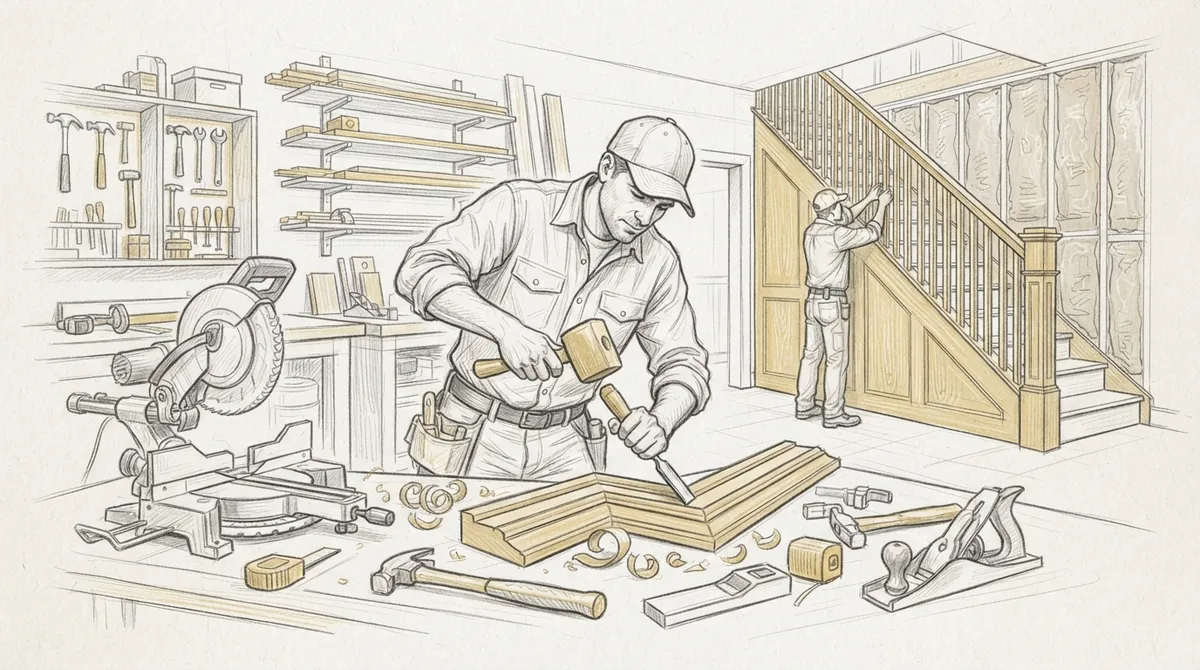
- Finish carpentry: Trim, molding, doors, and cabinets. This is the work you see and touch every day.
- Custom carpentry: One-of-a-kind pieces designed for a specific space, such as built-ins, coffered ceilings, and wall paneling.
If you want a deeper look at the roles, read about how to identify the 3 types of carpenters for your home. It makes the search much easier.
General Carpenter Contractors: Strengths and Limits
A general carpenter contractor handles a wide mix of jobs. They may frame a room addition on Monday, hang drywall on Tuesday, and install a deck on Thursday. They are often part of a larger building or remodeling team.
Where General Contractors Do Well
- Structural work: Framing, subfloors, and load-bearing changes.
- Large projects: Whole-home remodels that need many trades coordinated.
- Broad scheduling: They can manage several jobs under one roof.
- Basic repairs: Fixing rot, replacing standard doors, or patching walls.
Where They Can Fall Short
Because their skills are spread across many tasks, general contractors may not focus on fine detail. Trim joints, scribing to uneven walls, and matching custom profiles take years of focused practice. When a general contractor subcontracts this work, quality can vary from one crew to the next.
For a clear look at the difference between trades, see these 6 key differences between a carpenter and a handyman.
Specialty Custom Carpenters: Strengths and Limits
A specialty custom carpenter focuses on high-end finish work. Instead of doing a little of everything, they do a few things very well. At Bucheli Trim, that means ceiling designs, wall enhancements, and cabinets built for a single room and a single client.
Where Specialty Carpenters Excel
- Precision: Tight joints, clean lines, and flush surfaces.
- Custom design: Pieces made to fit your exact space, not a standard size.
- Material knowledge: They know how different woods move, age, and take a finish.
- Design partnership: They can work from a designer’s drawings and solve problems on site.
Where They Can Fall Short
Specialty carpenters are not the right call for every job. They usually do not frame new houses or pour foundations. Their schedules can also fill up fast because quality work takes time. Plan ahead if you want a custom project done on a set timeline.
Side-by-Side Comparison
The table below shows how the two types of carpenter contractors compare on the points that matter most.
| Factor | General Carpenter Contractor | Specialty Custom Carpenter |
|---|---|---|
| Main focus | Framing, repairs, broad remodeling | Fine finish work and custom pieces |
| Detail level | Good for standard work | Very high, built for visible detail |
| Design input | Limited | Strong, often works with designers |
| Project size | Large, multi-trade jobs | Targeted rooms and features |
| Materials | Mostly stock sizes and profiles | Custom profiles, species, and finishes |
| Best for | Structure and general remodels | Luxury finishes and one-of-a-kind features |
Which Type Fits Your Project?
The right choice depends on what you are building and who you are. Here is how each audience can think about it.
For Homeowners
If you want a built-in bookcase, a coffered ceiling, or wainscoting, choose a specialty custom carpenter. These features sit in plain view, so small flaws show. If you only need a structural repair behind a wall, a general carpenter may be enough. Many homeowners start by reading about what homeowners need to know about custom carpentry.
For Interior Designers
Designers need a carpenter who can read plans, ask smart questions, and build to the drawing. A specialty carpenter can suggest better joinery, advise on wood choices, and fix fit issues on site. That keeps your design intact from sketch to install.
For Real Estate Developers
Buyers notice premium finishes. Crown molding, custom doors, and built-in storage can set a listing apart. A general contractor can handle the shell, while a specialty carpenter delivers the finishes buyers remember. Browse custom projects to see what premium detail looks like.
Signs You Are Talking to a Quality Carpenter Contractor
No matter which type you choose, look for the same basic signs of a trustworthy pro. These signals help you filter the long list of results from “carpenter contractors near me.”
- A real portfolio. Look for photos of finished work in actual homes, not stock images.
- Proper licensing and insurance. Ask for proof before work begins. Florida homeowners can review resources from the Florida Department of Business and Professional Regulation.
- Clear communication. A good carpenter explains the plan, the timeline, and any risks in plain words.
- Written scope of work. The details of materials, finishes, and steps should be in writing.
- Local reviews. Happy clients leave honest feedback. You can read testimonials to see how past clients describe their experience.
- Attention to prep work. Skilled carpenters measure twice, check walls for level, and plan seams before they cut.
For a longer checklist, see these 13 signs of true craftsmanship in custom carpentry.
Common Mistakes When Searching Near You
Searching locally is smart. Local carpenters know your climate, your building codes, and your suppliers. But a few mistakes can cost you time and money.
- Hiring on speed alone. The fastest bid is rarely the best fit for detailed work.
- Skipping reference checks. Always ask to see past work or speak with a former client.
- Mixing up the trades. A framer and a finish carpenter are not interchangeable.
- Ignoring climate. In Tampa Bay, humidity affects wood. A good local carpenter picks materials and finishes that hold up.
- Having no plan. Know what you want before you call. Sketches, photos, and measurements help a lot.
You can avoid most of these problems by reading 7 mistakes to avoid when hiring carpenters near me before you make a call.
Why Local Matters in Tampa Bay
Florida’s heat and humidity put real stress on wood. Trim can swell, doors can stick, and poorly sealed pieces can warp. A carpenter who works in the Tampa Bay area every day understands these challenges and plans for them. They also know local suppliers and can source quality material faster.
Working with a nearby carpenter also makes site visits and follow-up easier. If you want to see what local clients say, you can read Bucheli Trim reviews on Google for the Bucheli Trim location. You can also follow project updates on Facebook.
If you are weighing whether to work with a neighborhood carpenter or a larger retail option, this comparison of local wood carpentry vs. big-box stores breaks down the trade-offs.
Questions to Ask Before You Hire
A short interview can save you a lot of trouble. Use these questions with any carpenter contractor you are considering:
- Do you handle this type of project often?
- Can I see photos of similar finished work?
- Who will actually do the work on my home?
- How do you protect floors and furniture during the job?
- What is the timeline, and what could change it?
- How do you handle changes once work has started?
Good answers are clear and confident. Vague answers are a warning sign. If you want to see what a full process looks like, read home carpentry services near me: what to expect.
Do the Two Types Ever Work Together?
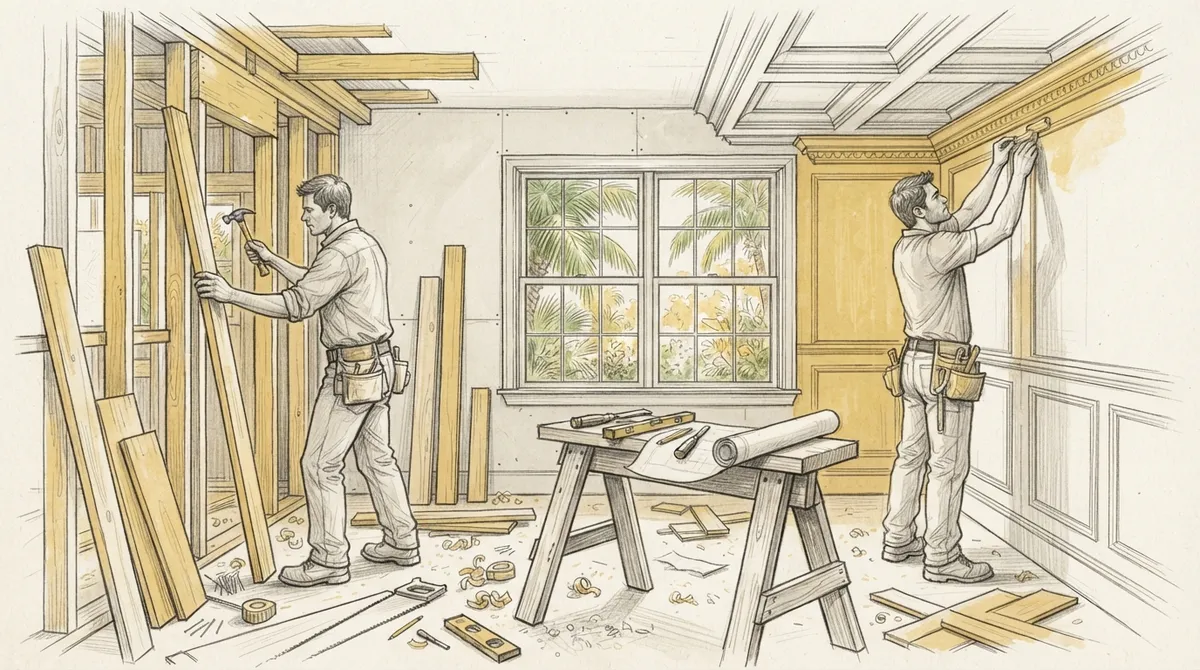
Yes, and the best projects often use both. A general carpenter builds the frame, the walls, and the structure. Then a specialty carpenter steps in to add the visible layers: molding details, custom doors, built-ins, and ceiling features.
This team approach gives you strong bones and beautiful finishes. It also keeps each pro working in the area where they are strongest. When you plan a larger remodel, ask both teams to talk early so the framing leaves room for the finish work that comes later.
The Verdict: Who Wins?
There is no single winner. The better choice depends on the job:
- Choose a general carpenter contractor for framing, structural repairs, and large multi-trade remodels.
- Choose a specialty custom carpenter for visible, high-end work where detail, fit, and style matter most.
If your goal is a home or property that feels refined and one of a kind, a specialty custom carpenter is usually the stronger pick. Their focus on craft shows in every joint and every line.
Take the Next Step
Searching for “carpenter contractors near me” is easier when you know what you need. Match the trade to the task, check portfolios, ask good questions, and choose a pro who listens. Bucheli Trim serves the Tampa Bay area with high-end custom carpentry, from ceilings and walls to built-in cabinetry. You can also see how our team is dedicated to craftsmanship and precision. When you are ready to talk about your project, contact our team to start the conversation.
If your project also involves care for your family or loved ones during a remodel, resources like InCare can help you plan for a smoother, safer home transition.
FAQs
Q: What is the difference between a general carpenter and a custom carpenter?
A: A general carpenter handles a wide range of jobs, such as framing, repairs, and basic installs. A custom carpenter focuses on fine finish work, like built-ins, ceilings, and wall paneling, made to fit one specific space.
Q: How do I find reliable carpenter contractors near me?
A: Start by checking portfolios, license and insurance details, and local reviews. Then ask each carpenter about similar past projects and request a written scope of work before you commit.
Q: Do I need a custom carpenter for trim and molding?
A: It depends on your goals. Standard trim can be handled by a general carpenter, but custom profiles, tight joints, and detailed crown molding are better suited to a finish or custom carpenter.
Q: Why does location matter when hiring a carpenter in Tampa Bay?
A: Local carpenters understand Florida humidity, building codes, and nearby suppliers. That knowledge helps them choose materials and finishes that last, and it makes site visits and follow-up easier.