Key Takeaways
-
Identify your project type before hiring: determine if work is structural (rough carpenter), decorative (finish carpenter), or storage-focused (cabinetmaker) to avoid costly mistakes and ensure proper results.
-
Finish carpenters are high-demand specialists for custom work in 2026, handling visible decorative elements like crown molding, coffered ceilings, and trim that significantly impact how a room feels and appears daily.
-
Many major home projects require all three carpenter types working together; a kitchen renovation typically needs rough carpenters for framing, cabinetmakers for custom cabinets, and finish carpenters for trim and molding.
-
Rough carpenters build essential structural foundations that remain hidden but are absolutely critical; without solid framing and support, no decorative or functional carpentry work is possible.
-
When hiring any carpenter type, verify portfolio examples, check client reviews, confirm experience with your specific project, and ensure clear communication about expectations and timelines.
-
Cabinetmakers combine carpentry skill with design expertise to create functional beauty; they typically build cabinets in-shop first, then install on-site, ensuring precision and quality fitting to exact spaces.
When you need carpentry work done at home, it can feel overwhelming. There are so many types of carpenters out there. Each one has a different skill set. Knowing the difference helps you hire the right person for the job. This saves time, money, and frustration. Whether you want custom ceiling designs, built-in cabinets, or beautiful trim work, the type of carpenter matters. In this guide, we break down the three main types of carpenters you’ll encounter in the custom carpentry world. We’ll explain what each one does, when to hire them, and how they can transform your home. By the end, you’ll feel confident choosing the right professional for your next project. To learn more about carpentry as a craft, it helps to understand how specialized it truly is.
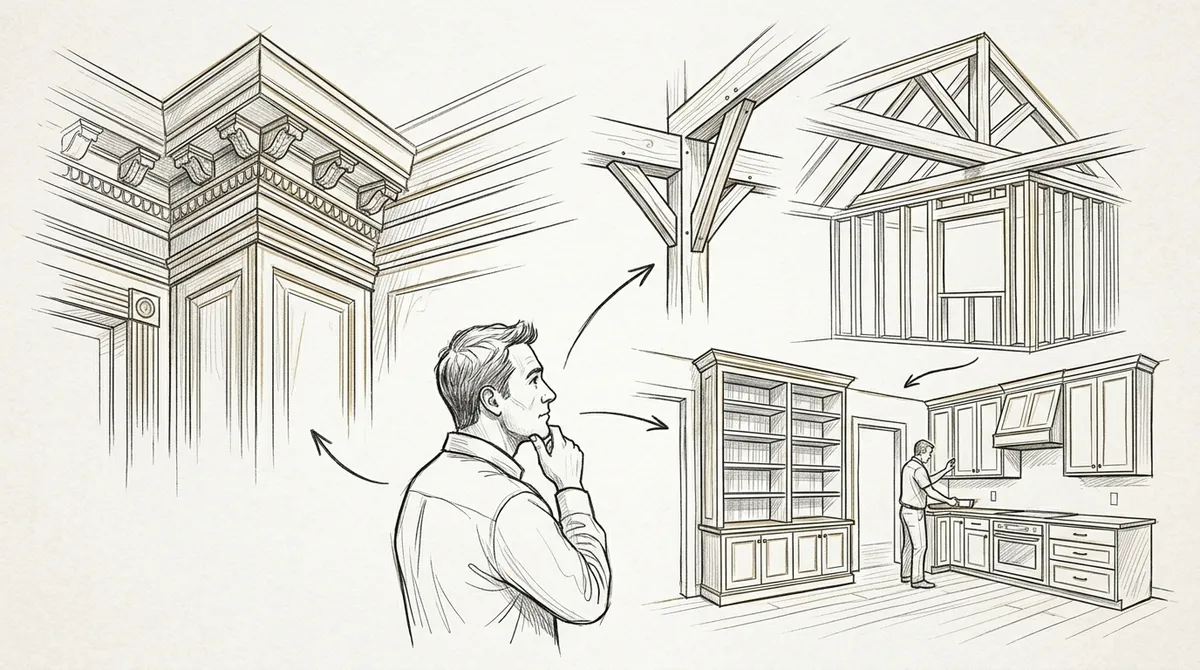
Why Knowing the Types of Carpenters Matters
Not every carpenter does the same work. Hiring the wrong type can lead to poor results. It can also cost you more money to fix mistakes. Understanding the three types of carpenters helps you make a smarter decision. It also helps you communicate better with your contractor. You’ll know exactly what questions to ask. This is especially important for high-end custom work.
Each type of carpenter brings a unique skill set to the table. Some focus on structure. Others focus on beauty and detail. Knowing the difference ensures your home gets the right treatment. If you’re still unsure about what kind of help you need, what homeowners need to know about custom carpentry is a great place to start.
The Three Main Types of Carpenters
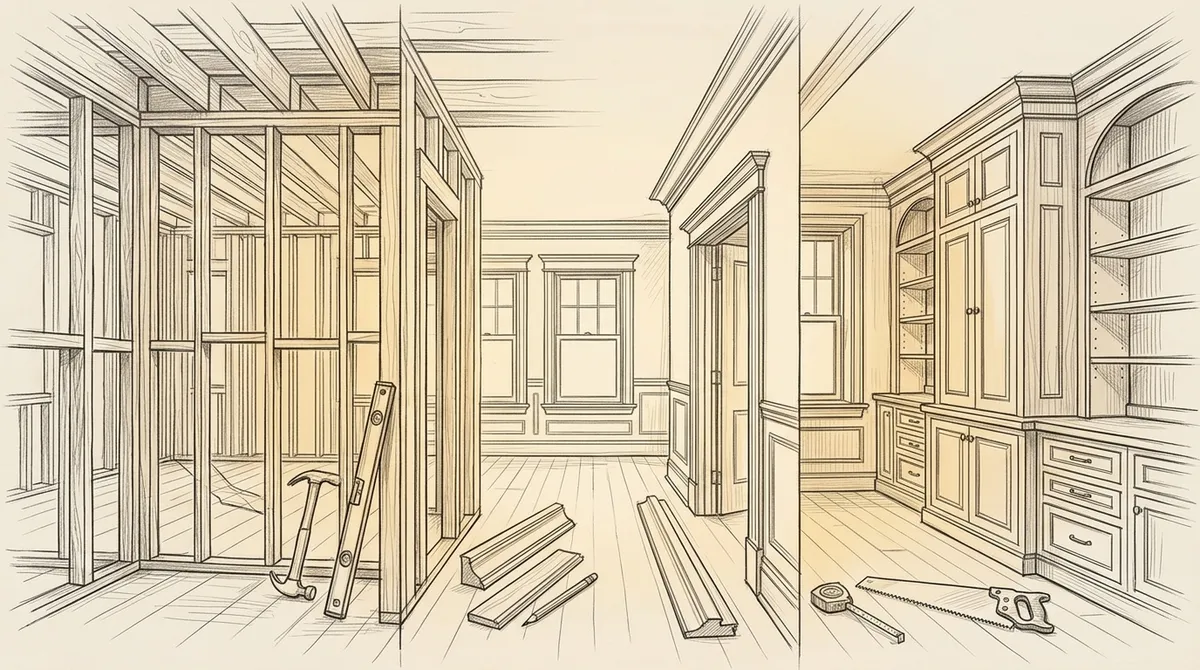
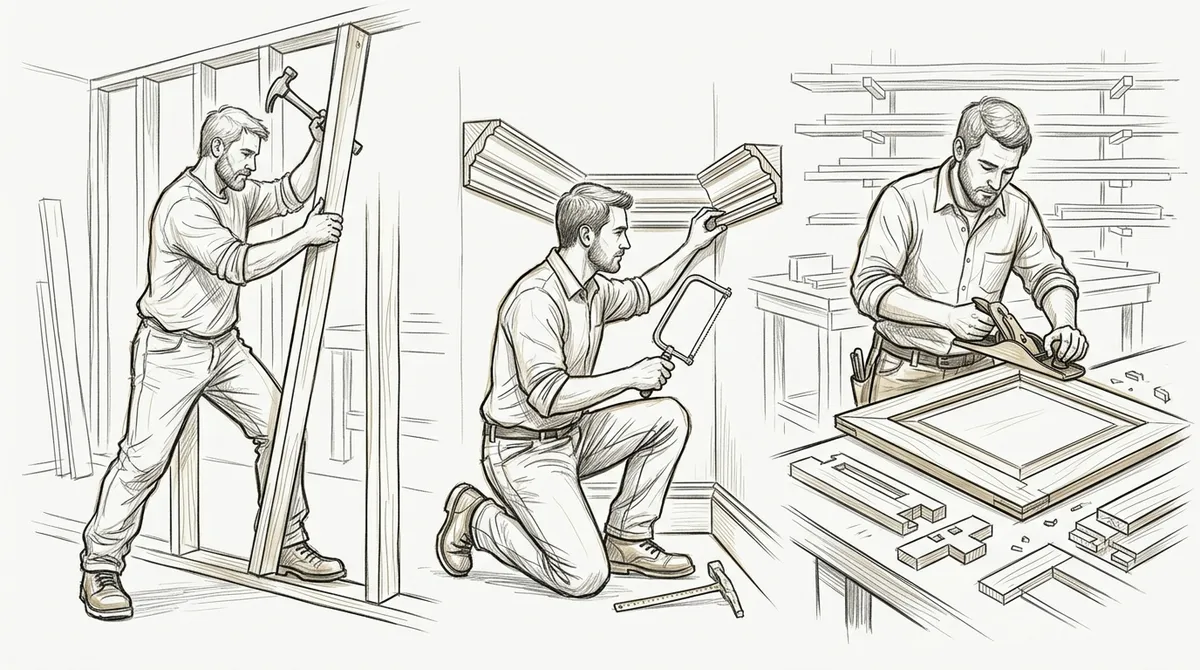
In the custom carpentry world, carpenters generally fall into three categories. These are rough carpenters, finish carpenters, and cabinetmakers. Each plays a vital role in building and beautifying a home. Let’s look at each one closely.
Type 1: Rough Carpenters
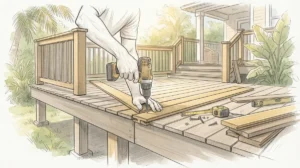
Rough carpenters handle the structural work. They build the bones of a home or renovation. You won’t see their work once a project is complete. It’s hidden behind walls and above ceilings. But it’s absolutely essential. Without a solid structure, no other carpentry work is possible.
Rough carpenters work with large lumber. They frame walls, floors, and roofs. They also build the basic structure for built-ins and other features. Think of them as the foundation of any carpentry project.
Here’s what rough carpenters typically do:
- Frame interior and exterior walls
- Build floor and ceiling joists
- Construct roof trusses and rafters
- Create structural support for built-in features
- Install subfloors and sheathing
If you’re adding a major structural feature to your home, a rough carpenter is the starting point. However, for most high-end custom projects, the rough work is completed before the real visual magic begins. You can explore more about how structural work supports custom ceiling designs that truly transform a space.
Type 2: Finish Carpenters
Finish carpenters are the artists of the carpentry world. They handle the visible, decorative elements of a home. Their work is what you see every day. It’s what makes a home feel polished, elegant, and complete. This is where true craftsmanship shines.
Finish carpentry requires incredible precision. Every cut must be exact. Every joint must be tight. Even the smallest gap or imperfection is noticeable. That’s why finish carpenters go through years of training and practice.
Finish carpenters specialize in work like:
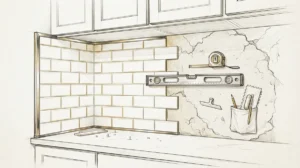
- Installing crown molding and baseboards
- Adding door and window trim
- Building coffered and tray ceilings
- Installing wainscoting and wall paneling
- Crafting decorative ceiling beams
- Creating detailed wall enhancements
This type of carpenter is often what homeowners mean when they say they want “custom carpentry.” The results are stunning. Crown molding, for example, can completely change how a room feels. If you want to explore specific design options, check out these wall enhancements that finish carpenters can create. You can also discover how molding details add sophistication to any room.
According to industry knowledge, finish carpentry is one of the most sought-after skills in residential renovation in 2026. Homeowners want spaces that feel custom and unique. Finish carpenters make that possible.
Type 3: Cabinetmakers
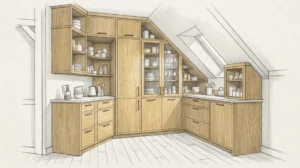
Cabinetmakers are highly specialized carpenters. They focus specifically on designing and building cabinets, storage units, and built-in furniture. Their work requires both carpentry skill and a deep understanding of design. The result is functional beauty.
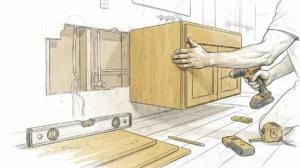
Cabinetmakers often work in a shop first. They build cabinets in a controlled environment. Then they install them on-site. This process ensures precision and quality. Custom cabinets are built to fit your exact space and style. No two projects are exactly the same.
Here’s what cabinetmakers typically work on:
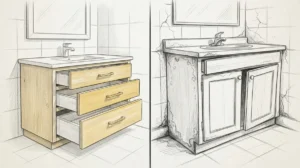
- Custom kitchen and bathroom cabinets
- Built-in bookcases and entertainment centers
- Custom closet systems and wardrobes
- Laundry room storage solutions
- Home office built-ins
- Garage storage systems
If you want to maximize your home’s storage and style, a cabinetmaker is your go-to expert. Explore the many options available through custom cabinetry solutions or look into built-in cabinetry solutions that transform your home. You can also find inspiration through custom carpentry projects that showcase what skilled cabinetmakers can achieve.
Comparing the Three Types of Carpenters
It helps to see all three types side by side. Here’s a simple comparison to guide your decision:
| Type of Carpenter | Focus Area | Best For | Visible Results? |
|---|---|---|---|
| Rough Carpenter | Structural framework | New construction, renovations | No (hidden work) |
| Finish Carpenter | Decorative trim and details | Molding, ceilings, paneling | Yes (highly visible) |
| Cabinetmaker | Storage and built-in units | Kitchens, closets, built-ins | Yes (functional and decorative) |
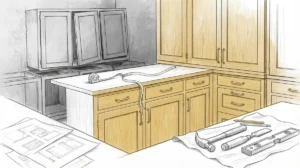
Many custom carpentry projects require more than one type. A kitchen renovation, for example, might involve a rough carpenter for structural prep, a cabinetmaker for the cabinets, and a finish carpenter for the trim and molding details. Each brings something irreplaceable to the project.
How to Know Which Type You Need
Choosing the right carpenter starts with knowing your project goals. Ask yourself a few simple questions before reaching out to a professional.
- Is the work structural or decorative? If it’s structural, you need a rough carpenter. If it’s decorative, look for a finish carpenter.
- Does the project involve storage or built-in furniture? If yes, a cabinetmaker is the right choice.
- Do you want custom trim, molding, or ceiling work? A finish carpenter specializes in exactly that.
- Is this a full home renovation? You may need all three types working together.
- What level of detail do you expect? High-end custom work always requires a skilled finish carpenter or cabinetmaker.
If you’re still unsure, these 7 signs you need professional carpentry can help you figure out the right time to call an expert. You can also read more about what custom carpentry services are and whether you need them.
Common Projects That Involve All Three Types
Some home improvement projects are big enough to require all three types of carpenters. Here are a few common examples:
- Full Kitchen Renovation: Rough carpenter frames the space. Cabinetmaker builds and installs custom cabinets. Finish carpenter adds trim, molding, and decorative touches.
- Home Addition or Room Conversion: Rough carpenter builds the structure. Finish carpenter handles all visible interior work. Cabinetmaker may add built-in storage or a media wall.
- Luxury Master Suite Upgrade: Cabinetmaker builds custom closets and vanities. Finish carpenter installs coffered ceilings, crown molding, and wainscoting.
For more inspiration on what’s possible, check out 11 ways custom woodworking transforms homes. You can also browse 13 custom built-ins that transform every room in your home for inspiration.
What to Look for When Hiring Any Type of Carpenter
No matter which type of carpenter you need, the hiring process matters. Look for these key qualities:
- Portfolio of past work: Always ask to see examples of completed projects.
- Clear communication: A good carpenter explains the process and listens to your needs.
- Attention to detail: Especially important for finish carpenters and cabinetmakers.
- Positive reviews: Look for testimonials and feedback from past clients.
- Experience with your specific project type: Ask directly about relevant experience.
For tips on finding the right professional, read 7 mistakes to avoid when hiring carpenters near you. You can also explore 13 signs of true craftsmanship in custom carpentry to know what quality looks like.
How Bucheli Trim Serves Tampa Bay Homeowners
At Bucheli Trim, we specialize in high-end finish carpentry and custom cabinetry. We serve homeowners, interior designers, and real estate developers throughout the Tampa Bay area. Our team brings precision and passion to every project. Whether you want stunning ceiling designs, detailed wall enhancements, or fully custom built-in cabinetry, we have the skills to make it happen.
Our work is visible in beautiful homes across Tampa Bay. We take pride in every detail. You can follow our latest projects and updates on our Facebook page. We love showing the community what custom carpentry can truly look like. You can also visit us on Google — Bucheli Trim to read reviews from our satisfied Tampa Bay clients.
Final Thoughts on the Three Types of Carpenters
Understanding the three types of carpenters — rough carpenters, finish carpenters, and cabinetmakers — is the first step toward a successful home project. Each type brings something special to the table. Rough carpenters build the structure. Finish carpenters add beauty and detail. Cabinetmakers create functional, custom storage solutions. Together, they can completely transform a home.
The key is knowing which type you need for your specific project. For most high-end custom work, finish carpenters and cabinetmakers are at the heart of the transformation. If you’re ready to elevate your home with expert craftsmanship, now is the perfect time to take the next step.
Ready to get started on your custom carpentry project in Tampa Bay? Reach out to our team at Bucheli Trim today and let’s bring your vision to life.
FAQs
Q: What are the three types of carpenters in custom carpentry?
A: The three main types are rough carpenters, finish carpenters, and cabinetmakers. Rough carpenters handle structural work, finish carpenters add decorative details like trim and molding, and cabinetmakers specialize in custom storage and built-in furniture. Each type serves a distinct purpose in a home renovation or building project.
Q: Which type of carpenter is best for custom trim and molding work?
A: A finish carpenter is the best choice for trim and molding work. Finish carpenters specialize in visible, detailed elements like crown molding, baseboards, wainscoting, and ceiling treatments. Their precision and attention to detail make them the go-to professionals for high-end decorative carpentry.
Q: Do I need more than one type of carpenter for a home renovation?
A: Yes, many home renovations require more than one type of carpenter. A full kitchen remodel, for example, may need a rough carpenter for structural framing, a cabinetmaker for custom cabinets, and a finish carpenter for trim and molding. Larger projects often involve all three working together.
Q: What does a cabinetmaker do differently from a finish carpenter?
A: A cabinetmaker focuses specifically on designing and building custom cabinets, closets, and built-in storage units. A finish carpenter focuses on decorative interior details like molding, paneling, and ceiling work. Both are highly skilled, but their specialties serve different parts of a home project.
Q: How do I find the right type of carpenter for my project in Tampa Bay?
A: Start by identifying whether your project is structural, decorative, or storage-focused. Then look for a carpenter with a strong portfolio in that specialty. In the Tampa Bay area, Bucheli Trim offers expert finish carpentry and custom cabinetry services tailored to homeowners who want high-quality, long-lasting results.