Key Takeaways
-
Check trim, baseboards, and interior doors at least twice a year, and check exterior trim after major storms, since small gaps and sticking doors often signal moisture or wood movement.
-
Keep indoor humidity between 40 and 55 percent using a simple humidity monitor, since Florida's moisture cycles cause swelling, gaps, and warping in wood.
-
Clean wood gently by dusting with a soft dry microfiber cloth, wiping with a barely damp cloth and mild soap, and drying immediately; never soak wood or use harsh chemicals.
-
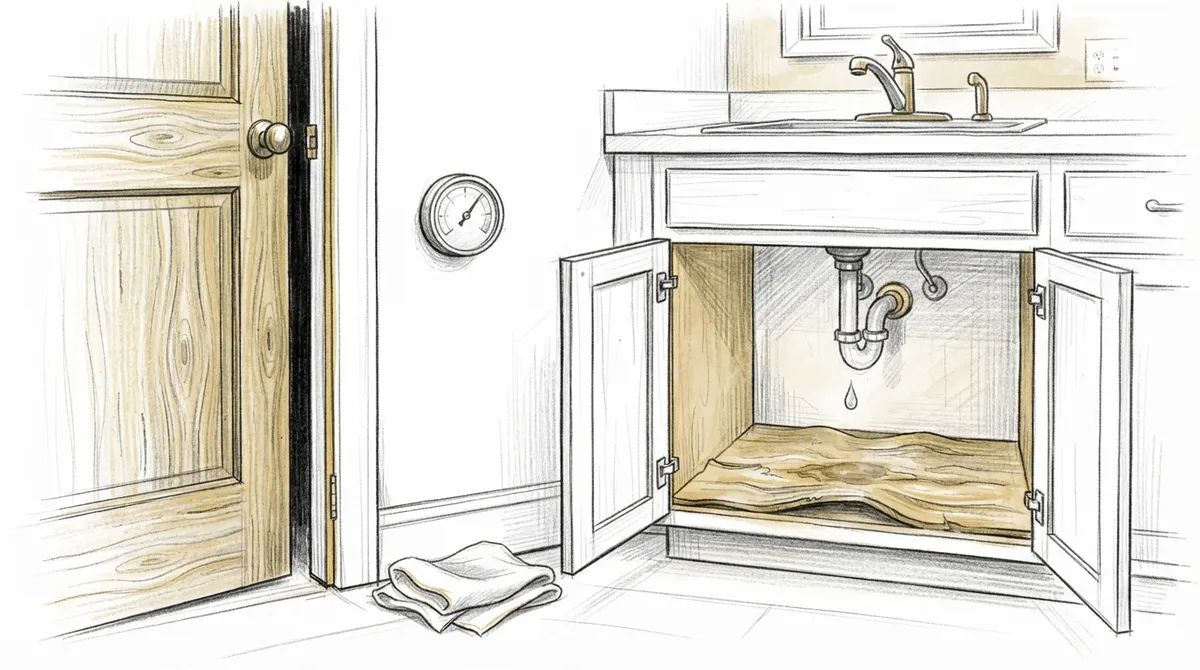
Look under every sink and at cabinet bases for leaks, since a slow drip can ruin cabinet wood before it is noticed; swollen or soft wood is a red flag.
-
Re-caulk small trim gaps and touch up paint chips quickly to keep moisture out, but call a professional for rot, wide gaps, sagging built-ins, or warped doors.
-
Watch for brown or yellow ceiling stains, bubbling paint, and soft spots pressed with a screwdriver tip, as these point to hidden leaks that need the water source fixed first.
Your home is full of wood. It lines your walls, frames your doors, and crowns your ceilings. Trim, cabinets, built-ins, and moldings all add style and value. But wood needs care, especially in Tampa Bay, where heat and humidity work against it every day.
Good home maintenance keeps your custom carpentry looking sharp for decades. A small fix today can stop a big repair later. This guide explains what to check, when to check it, and how to protect your investment.
Whether you are a homeowner, an interior designer, or a developer, these tips will help you keep fine woodwork in top shape. You will learn simple routines, seasonal checklists, and clear signs that it is time to call a pro. At Bucheli Trim, we see the same issues again and again, and most are easy to prevent.
Why Home Maintenance Matters for Custom Carpentry
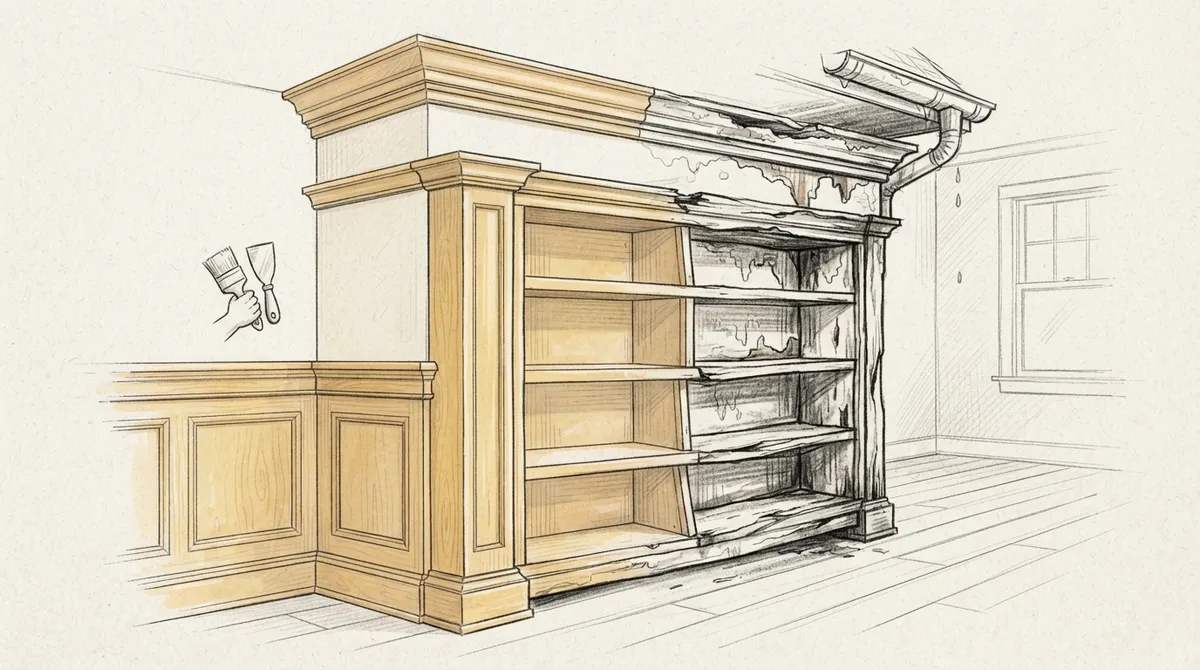
Custom carpentry is built to last. Even so, wood is a natural material. It swells, shrinks, and ages with its surroundings. Regular home maintenance helps you manage those changes before they cause damage.
Here is what steady upkeep gives you:
- Longer life: Well-kept trim, cabinets, and built-ins can last for generations.
- Better looks: Clean, sealed wood keeps its color and shine.
- Stronger resale appeal: Buyers notice crisp moldings and smooth finishes.
- Fewer surprises: Catching small flaws early avoids big repairs.
For real estate developers, this matters even more. Premium finishes help a property stand out. Neglected finishes can hurt first impressions fast. For a closer look at what quality work looks like, read our guide on 13 signs of true craftsmanship in custom carpentry.
How Tampa Bay Weather Affects Wood
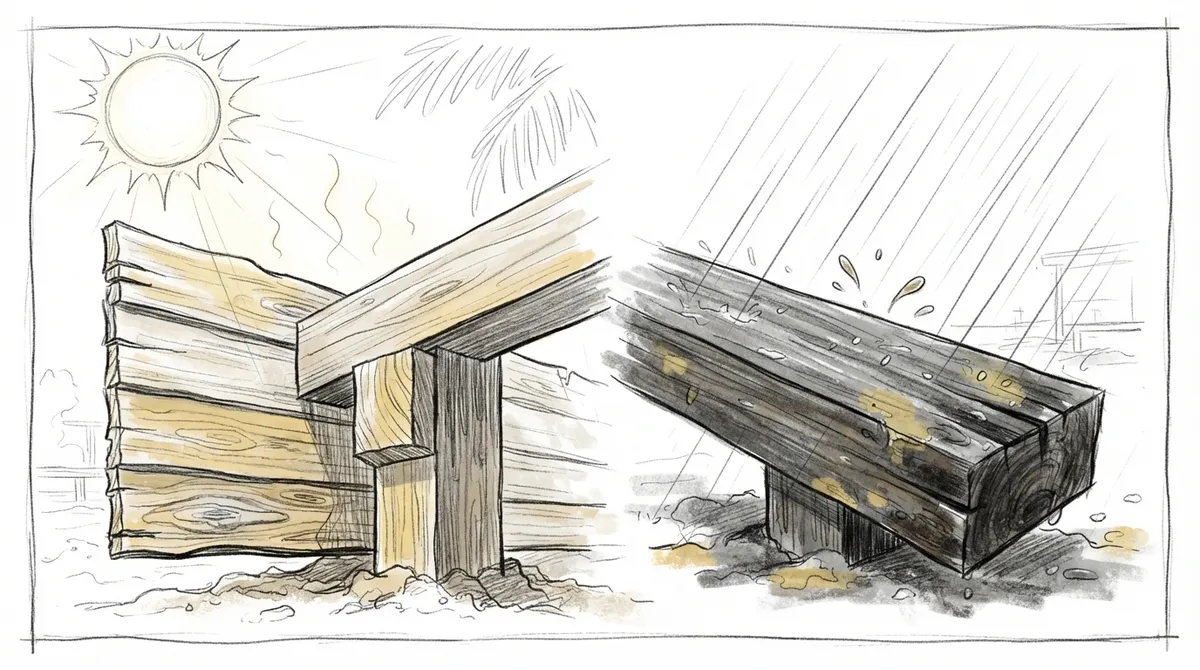
Florida is tough on wood. High humidity makes it absorb moisture. Dry air from air conditioning makes it release that moisture. This cycle can cause gaps, cracks, and warping over time.
Here are the main weather factors to watch:
- Humidity: Moist air can swell doors, drawers, and trim.
- Heat: Strong sun can fade finishes and dry out wood.
- Storms: Heavy rain and wind can force water into exterior trim and siding.
- Pests: Termites and other insects love damp or soft wood.
Keeping indoor humidity steady is one of the best things you can do. A good range is 40 to 55 percent. A simple humidity monitor is a small tool that does a big job. If you want to learn more about carpentry basics, it helps to know how wood reacts to moisture.
Your Year-Round Home Maintenance Checklist
A simple schedule makes upkeep easy. Use the table below to plan your care by season and area.
| Area | What to Check | How Often |
|---|---|---|
| Crown molding and baseboards | Gaps, cracks, loose joints, peeling paint | Twice a year |
| Cabinets and built-ins | Hinges, drawer slides, door alignment, finish wear | Every 3 months |
| Interior doors | Sticking, sagging, loose hardware | Twice a year |
| Exterior trim and siding | Soft spots, water stains, paint failure | Twice a year, plus after storms |
| Ceilings and beams | Water stains, sagging, hairline cracks | Twice a year |
| Wall paneling and wainscoting | Loose panels, caulk lines, moisture marks | Twice a year |
| Decks and outdoor woodwork | Loose boards, rot, sealant wear | Every spring and fall |
Put reminders on your phone. Pick two days each year, such as the start of spring and the start of fall. Walk through your home with a flashlight and look closely.
Caring for Trim, Molding, and Baseboards
Trim frames every room. It is also one of the first places problems show up. Small gaps often appear where walls meet trim as wood shifts with the seasons.
Simple Steps for Trim Care
- Dust often. Use a soft, dry cloth or a microfiber duster. Dust can scratch finishes over time.
- Clean gently. Use a slightly damp cloth with mild soap. Dry right away. Never soak wood.
- Check the caulk lines. Cracked caulk lets in moisture and dust. Replace it when it splits or pulls away.
- Touch up paint. Fix chips quickly to keep moisture out.
- Look for loose pieces. Press along the trim. If it moves, it may need to be re-secured.
Different trim styles need slightly different care. Ornate crown molding collects more dust in its details. Flat baseboards are easier to wipe down. To understand your options, see what molding baseboard is and why it matters. You can also read about crown molding history and styles to see how these details have evolved.
If you see wide gaps or boards pulling away from the wall, that is a sign of movement or moisture. It is smart to have a professional look. Our molding details page shows the kind of precision work that holds up over time.
Keeping Cabinets and Built-Ins in Great Shape
Cabinets work hard. Kitchens and baths bring steam, spills, and daily use. Built-in bookcases, entertainment centers, and closets also see constant wear.
Cabinet Care Tips
- Wipe spills right away, especially near sinks and stoves.
- Use a mild cleaner. Avoid harsh chemicals that dull the finish.
- Tighten loose hinges and pulls with a screwdriver.
- Check that doors close flat and drawers glide smoothly.
- Keep cabinet interiors dry, especially under sinks.
Look under every sink for leaks. A slow drip can ruin a cabinet base before you notice it. Swollen or soft wood at the bottom of a cabinet is a red flag.
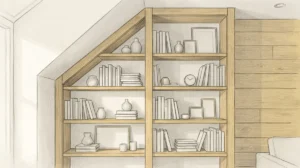
Built-ins need the same care. Dust shelves, check for sagging, and avoid overloading them. If a shelf bows, remove some weight and have it reinforced. You can explore how well-made pieces are designed in our cabinets section, or learn why built-in cabinets add value to your home.
Protecting Doors and Windows
Doors and windows take a lot of abuse. They open and close daily, and they face the weather. Wood doors can swell in humid months and stick in their frames.
Follow these steps each season:
- Open and close each door fully. Note any rubbing or sticking.
- Check hinges for looseness and tighten the screws.
- Inspect the finish on exterior doors for cracks or fading.
- Look at the bottom edge of doors, where water often sneaks in.
- Test locks and latches for smooth action.
Exterior window trim needs extra attention. Water can seep behind it and cause rot. Check for soft spots by pressing gently with a screwdriver tip. If it sinks in, the wood is damaged. Our article on exterior window trim installation explains how proper trim protects your home. Learn more about our custom door options too.
Ceilings, Beams, and Wall Features
Ceiling details add drama and warmth. Coffered ceilings, tray ceilings, and wood beams are beautiful, but they can show stress over time. Hairline cracks may appear at joints. Water stains are a more serious warning.
Walk through each room and look up. Check for:
- Brown or yellow stains that suggest a leak
- Sagging or bowing in panels
- Cracks along seams or corners
- Peeling paint near vents or bathrooms
Wall treatments need care as well. Wainscoting, shiplap, and paneling can collect dust in grooves. Wipe them with a soft cloth. Watch for lifted edges or gaps. If you are curious about these features, read about wainscoting and wall paneling or explore our ceiling designs and wall enhancements.
Floors and Surfaces That Support Your Woodwork
Floors affect your trim and cabinets more than most people think. Water on the floor can wick up into baseboards and cabinet bases. Uneven floors can cause gaps along trim.
Clean wood floors with a product made for wood. Avoid soaking them. Use felt pads under furniture. For garages and workshops, epoxy coatings give a tough, easy-to-clean surface that stands up to Florida moisture. You can see more on our flooring and epoxy floors pages.
Spotting Problems Early
Knowing the warning signs saves time and stress. Here is a quick guide to common issues and what they may mean.
| Warning Sign | Possible Cause | Next Step |
|---|---|---|
| Gaps in trim or molding | Seasonal wood movement or settling | Re-caulk small gaps; call a pro for wide ones |
| Doors that stick | Humidity or loose hinges | Tighten hinges; control indoor humidity |
| Soft or spongy wood | Moisture or rot | Stop the water source; have it repaired quickly |
| Tiny holes or fine sawdust | Wood-boring insects | Contact a pest control expert and a carpenter |
| Peeling or bubbling paint | Trapped moisture | Find the leak; strip, dry, and refinish |
| Cabinet doors out of line | Loose hinges or warped panels | Adjust hinges; replace warped doors |
If you notice several of these at once, it is time for a professional review. Our guide on signs you need professional carpentry can help you decide.
DIY Fixes vs. Calling a Carpenter
Some jobs are easy for a homeowner. Others need skill, tools, and a trained eye. Knowing the difference protects both your wood and your wallet.
Good DIY Tasks
- Dusting and gentle cleaning
- Tightening screws on hinges and pulls
- Re-caulking small gaps
- Touching up small paint chips
- Adding felt pads and door bumpers
Best Left to a Pro
- Replacing damaged crown molding or baseboards
- Repairing rot in structural or exterior trim
- Re-hanging heavy or warped doors
- Fixing sagging built-in shelves
- Matching a custom profile or finish
A bad repair can look worse than the original flaw. Matching stain, grain, and profile takes experience. For a deeper look, read DIY carpentry vs. professional service. If you want to bring in help, our tips on how to find the best carpenter near you can point you in the right direction.
Tips for Interior Designers and Developers
If you manage projects for clients or buyers, maintenance planning adds real value. Give clients a simple care sheet when a job is done. Include cleaning advice, humidity targets, and a schedule for check-ups.
Developers can protect new finishes by setting up a regular inspection plan before handoff. A final walk-through that checks trim, doors, and built-ins helps catch small flaws before buyers see them. Strong finishes help properties sell faster and hold their appeal.
It also helps to choose materials with local conditions in mind. Moisture-resistant products and proper sealing make a big difference in Florida homes. Explore our custom projects to see how thoughtful design and build choices stand the test of time.
Why Work With a Local Custom Carpenter
A local carpenter knows how Tampa Bay conditions affect wood. They understand which materials and finishes hold up to humidity and sun. They can also spot early signs of trouble that a general handyman might miss.
Bucheli Trim has built a name on precision, craftsmanship, and style across the Tampa Bay area. You can visit us on Google — Bucheli Trim to see what our customers say, or follow our latest work on Facebook. You can also learn more about our team.
Conclusion
Smart home maintenance protects the beauty and value of your custom carpentry. Dust and clean gently, check for moisture, tighten hardware, and keep humidity steady. Walk through your home twice a year and fix small issues before they grow.
When a repair is beyond a simple fix, bring in a skilled pro. Quality work done early keeps your trim, cabinets, doors, and ceilings looking their best for years. Ready to protect or upgrade your woodwork? Contact Bucheli Trim to schedule a consultation and keep your home in top condition in 2026 and beyond.
FAQs
Q: How often should I inspect my home’s custom woodwork?
A: Inspect trim, cabinets, doors, and ceilings at least twice a year, such as in spring and fall. Check exterior trim after major storms as well. Regular checks help you catch small issues before they become costly repairs.
Q: What is the best way to clean wood trim and cabinets?
A: Dust with a soft, dry microfiber cloth, then wipe with a slightly damp cloth and mild soap. Dry the surface right away. Avoid soaking the wood or using harsh chemicals, since they can dull or damage the finish.
Q: How does Florida humidity affect custom carpentry?
A: High humidity makes wood swell, which can cause sticking doors and warped panels. Dry indoor air from air conditioning can then shrink the wood and open gaps in trim. Keeping indoor humidity between 40 and 55 percent helps limit these changes.
Q: When should I call a carpenter instead of fixing it myself?
A: Call a pro for rot, wide gaps in molding, sagging built-ins, warped doors, or any repair that needs a matched profile or finish. Simple tasks like cleaning, tightening hinges, and small caulk touch-ups are fine for most homeowners.
Q: What are the first signs of moisture damage in wood?
A: Look for soft or spongy spots, bubbling or peeling paint, dark stains, and a musty smell. Swollen cabinet bases and warped trim are also common signs. Find and stop the water source first, then have the damaged wood repaired.