Key Takeaways
-
Proper exterior window trim installation prevents water intrusion, which is one of the most damaging issues homeowners face, leading to rot, mold, and costly repairs that could have been avoided.
-
In humid climates like Tampa Bay, choose PVC, cellular PVC, or fiber cement materials instead of wood—they resist moisture and pests far better while requiring significantly less maintenance over time.
-
Caulking every seam and joint is critical; skipping this step allows water to seep into gaps and cause rot, mold, and structural damage, so never rush the sealing process.
-
Quality trim work is one of the highest-return home upgrades—it's relatively affordable compared to window replacements but delivers significant visual impact and functional protection for your home.
-
Match your exterior trim style to your home's architecture and coordinate it with interior woodwork details; this creates visual harmony and elevates the entire design of your property.
-
Hire a skilled carpenter with a strong portfolio who understands local climate requirements and prioritizes proper weatherproofing techniques to avoid common mistakes like poor miters and improper caulking.
Your home’s exterior says a lot before anyone steps inside. One of the most impactful upgrades you can make is exterior window trim installation. This detail transforms plain windows into design statements. It adds character, depth, and polish to any home’s facade.
Exterior window trim is more than just decorative. It protects the gap between your window frame and siding. It seals out moisture and drafts. And when done right, it elevates the entire look of your property. For homeowners, interior designers, and real estate developers alike, quality trim work is a smart investment.
In this article, we’ll walk you through everything you need to know. You’ll learn what exterior window trim is, why it matters, how the installation process works, and what to look for when hiring a skilled carpenter. Let’s dive in and explore how this one upgrade can make a dramatic difference to your home’s appearance and value.
What Is Exterior Window Trim?
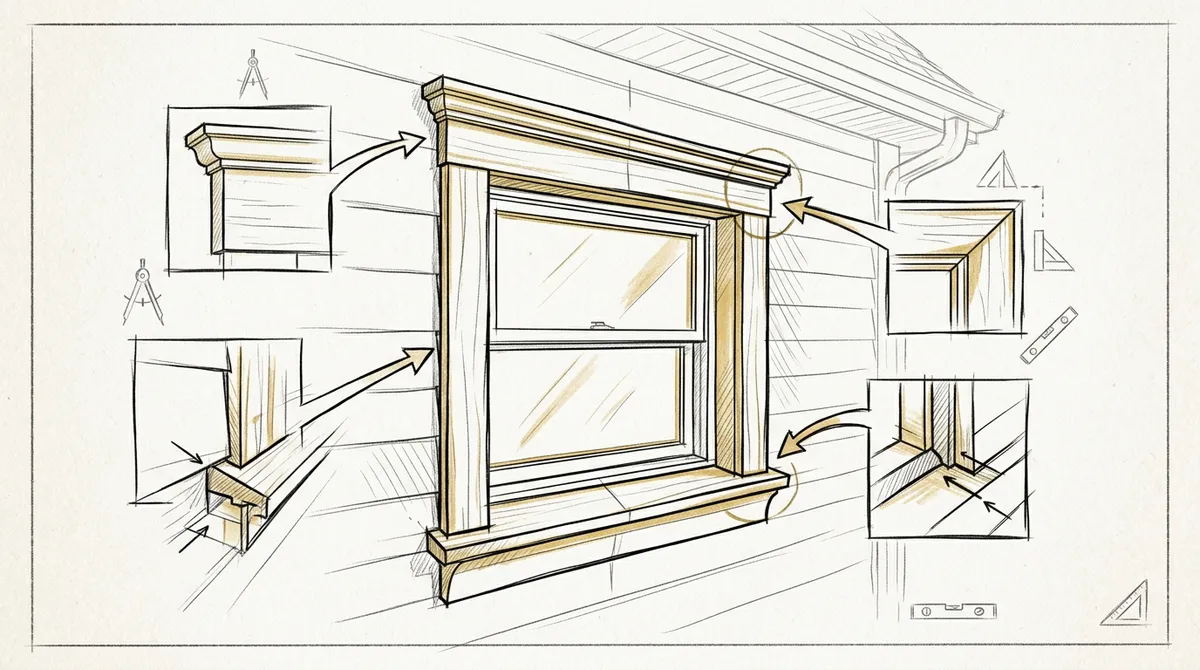
Exterior window trim refers to the decorative and functional molding installed around the outside of a window. It frames the window opening. It creates a finished, polished look on the facade of a home. To learn more about carpentry and how trim fits into the broader craft, it helps to understand the materials and methods involved.
Trim can be made from several materials, including wood, PVC, composite, or fiber cement. Each material has different benefits depending on your climate and style goals. In Tampa Bay’s humid environment, moisture-resistant materials are especially important.
Exterior trim typically includes these main components:
- Head casing: The horizontal piece that runs across the top of the window
- Side casings: The vertical pieces that run along each side of the window
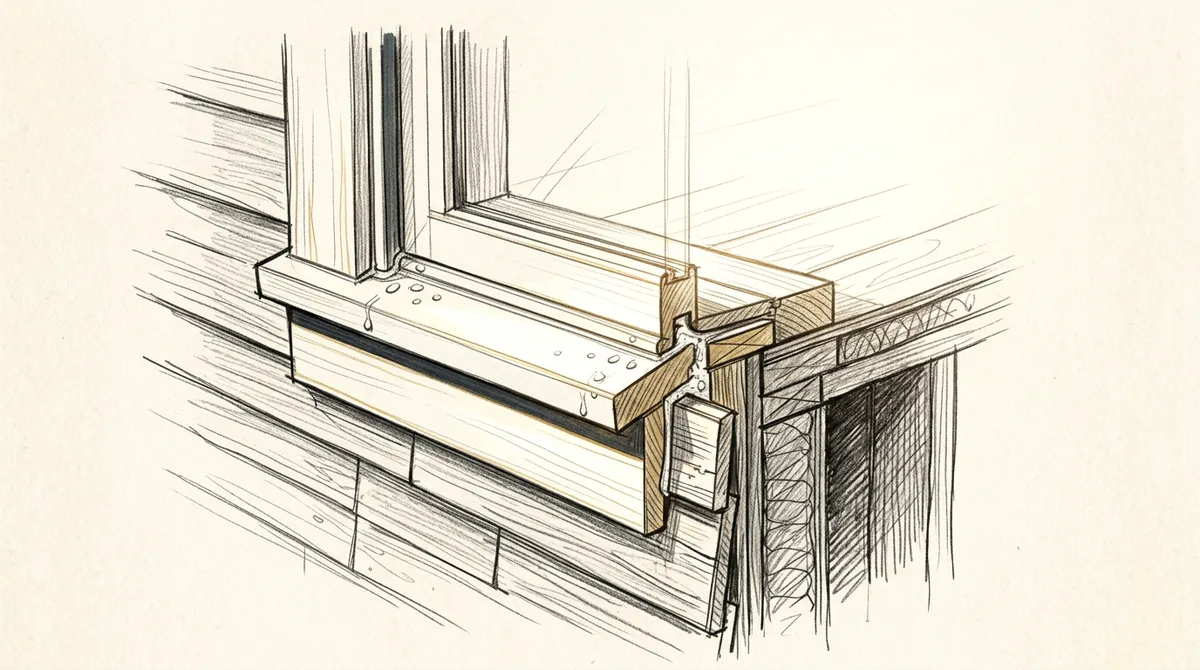
- Sill: The bottom piece that extends slightly outward to direct water away
- Apron: A decorative board installed beneath the sill for added style
- Keystones or crown details: Optional decorative accents for a high-end look
Together, these elements create a cohesive, elegant frame around each window. You can explore a wide variety of molding details to find the style that fits your home best.
Why Exterior Window Trim Matters
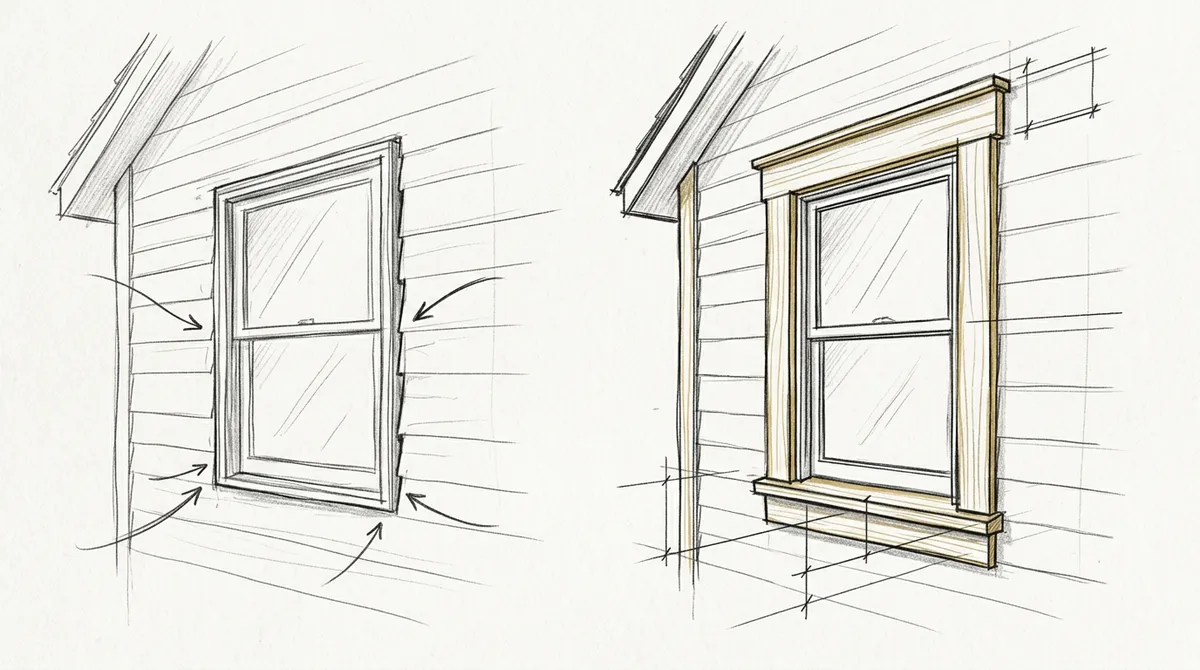
Trim installation does two important jobs at once. It protects your home and makes it look beautiful. Skipping trim — or installing it poorly — can lead to serious problems over time.
Functional Benefits
Properly installed trim seals the edge where the window meets the wall. This prevents water from seeping in. Water intrusion is one of the most damaging issues a homeowner can face. It leads to rot, mold, and costly repairs.
Good trim also helps with energy efficiency. It reduces air drafts around the window frame. This keeps your home cooler in summer and warmer in winter.
Aesthetic Benefits
From a design perspective, window trim is a powerful visual tool. It draws the eye to architectural features. It adds dimension and shadow lines that make a flat facade look dynamic. Crown molding principles apply here — when properly designed, trim elevates the entire architectural feel of a space.
For real estate developers, premium trim work signals quality to buyers. It sets a property apart. And for interior designers working on whole-home renovations, coordinating exterior trim with interior details creates a seamless, intentional design.
Popular Exterior Window Trim Styles
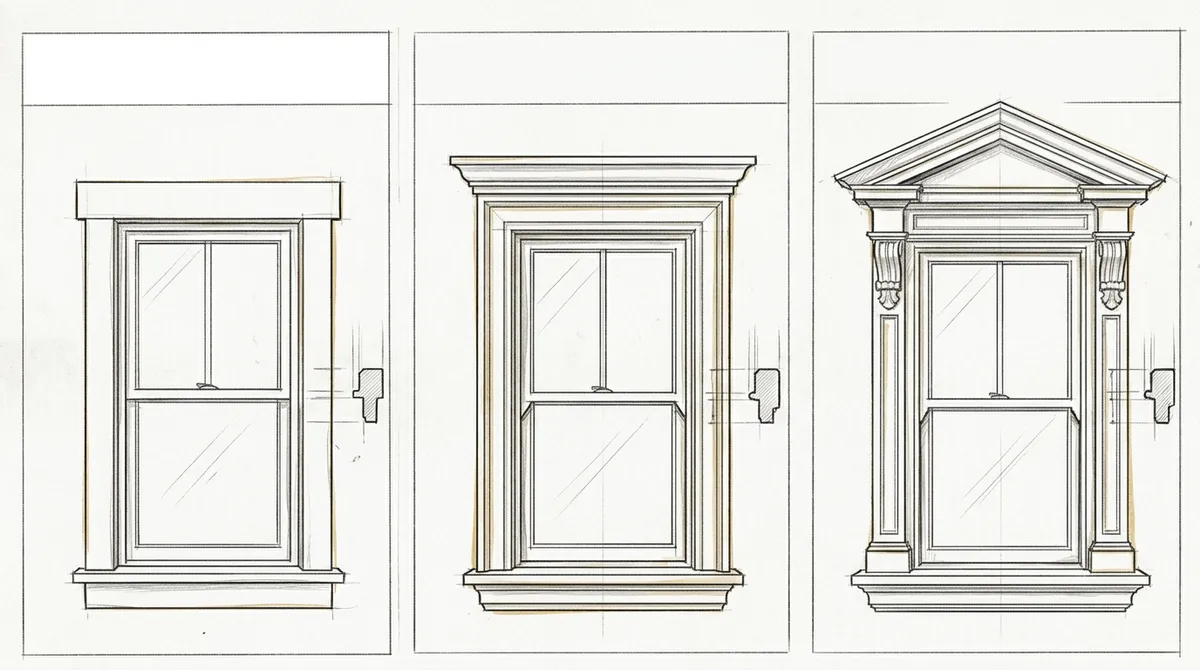
Choosing a trim style depends on your home’s architecture. Here’s a quick overview of the most popular styles used in custom carpentry today:
| Trim Style | Best For | Key Features |
|---|---|---|
| Traditional Casing | Colonial, Craftsman homes | Clean lines, simple profile |
| Craftsman Band Trim | Bungalow, modern farmhouse | Flat bands with corner blocks |
| Decorative Crown Header | Mediterranean, Spanish-style | Arched or curved header detail |
| Board and Batten Surround | Farmhouse, cottage style | Flat boards with batten accents |
| Brick Mold Profile | Traditional brick homes | Classic rounded edge profile |
Each style can be customized further. A skilled carpenter can adjust proportions, add layered trim, or incorporate decorative accents. Explore custom projects for inspiration on unique trim designs.
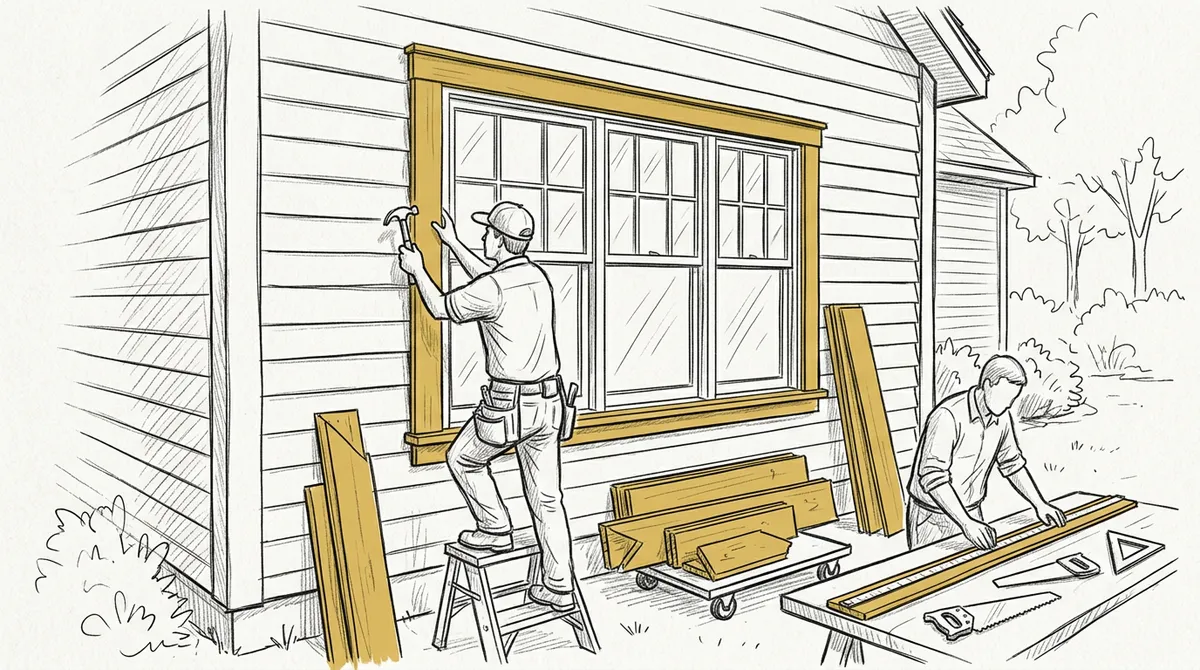
The Exterior Window Trim Installation Process
Understanding how the installation process works helps you have better conversations with your carpenter. Here is a step-by-step breakdown of a professional exterior window trim installation:
- Measure and plan: The carpenter measures the window opening carefully. They account for reveals, overhangs, and the existing siding or stucco profile.
- Select and prepare materials: Trim boards are cut to size. Profiles are milled or selected from pre-made molding. Moisture-resistant wood or composite materials are used in humid climates.
- Install the sill first: The sill is set at the base of the window. It’s angled slightly outward so water drains away from the home.
- Attach side casings: The vertical side pieces are cut and nailed into place. They align flush with the window frame or with a small reveal.
- Install the head casing: The top horizontal piece is installed last. On decorative styles, this may include a pediment, keystone, or built-up crown detail.
- Caulk and seal all joints: Every seam and joint is caulked to prevent moisture entry. This step is critical for long-term durability.
- Prime and paint or finish: The trim is primed and painted to match or complement the home’s exterior color scheme. A professional finish protects the wood from UV and moisture damage.
Each step requires precision and skill. Rushing any part of the process can lead to gaps, rot, or a sloppy appearance. For homes in Tampa Bay, proper sealing is especially important due to the high humidity and rain. You can also explore complementary wall enhancements to create a cohesive exterior design.
Choosing the Right Materials
Material selection is one of the most important decisions in exterior window trim installation. Here are the most common options and their pros and cons:
- Solid wood: Beautiful and traditional, but requires regular maintenance to resist moisture and rot
- PVC or cellular PVC: Highly moisture-resistant, low-maintenance, and easy to paint
- Composite or fiber cement: Durable and resistant to pests and moisture; ideal for humid climates
- MDF (exterior-grade): Affordable and smooth, but must be sealed properly to avoid swelling
For the Tampa Bay area, PVC and fiber cement are popular choices. They stand up well to heat, humidity, and rain. Many homeowners still prefer wood for its natural beauty, but it requires more upkeep.
How to Choose a Skilled Carpenter for the Job
Not all trim work is equal. The quality of the result depends heavily on the skill and experience of the person doing the work. Here’s what to look for when hiring:
- Portfolio of past work: Ask to see examples of completed exterior trim projects. Look for clean miters, tight joints, and consistent reveals.
- Knowledge of materials: A good carpenter knows which materials perform best in your local climate. They should be able to explain the pros and cons of each option.
- Attention to sealing and weatherproofing: Exterior work must be properly caulked and sealed. Ask how the carpenter handles moisture protection.
At Bucheli Trim, precision and craftsmanship are at the heart of every project. The team brings deep expertise to every exterior and interior trim installation, ensuring lasting results that enhance both beauty and function.
You can also check out what past clients are saying — visit us on Google to read reviews and get a sense of the quality we deliver.
How Window Trim Connects to a Whole-Home Design
Exterior window trim doesn’t exist in isolation. The best results happen when trim is part of a broader design vision. Great homes have details that flow from outside to inside.
Think about how your exterior trim style complements your interior woodwork. If your home has detailed interior trim and molding profiles, carrying that language to the exterior creates visual harmony. The same applies to doors and entryways, which benefit from coordinated trim profiles.
Interior designers often think holistically about these connections. Real estate developers who invest in this level of detail see it reflected in buyer interest and property values. Even coordinating exterior trim with interior ceiling designs and architectural details can tie a full renovation together beautifully.
Common Mistakes to Avoid
Even well-intentioned projects can go wrong without the right approach. Here are the most common mistakes made in exterior window trim installation:
- Skipping the primer: Unprimed wood absorbs moisture fast and leads to peeling paint and rot
- Improper caulking: Gaps at seams allow water in and can cause significant damage over time
- Using interior-grade materials outside: Interior MDF or wood products are not built to withstand outdoor conditions
- Poor miter joints: Sloppy cuts at corners look unprofessional and create entry points for water
- Ignoring the sill slope: A flat sill traps water against the window, leading to rot and leaks
Hiring an experienced carpenter eliminates most of these risks. A professional brings the right tools, materials, and technique to get it right the first time. You can learn more about signs you may need help at 7 Signs You Need Professional Carpentry Near You Today.
The Value Added by Quality Trim Work
Exterior window trim installation is one of the highest-return upgrades you can make. It’s relatively affordable compared to full window replacements. But the visual and functional impact is significant.
For real estate developers, quality trim work differentiates a property in a competitive market. Buyers notice fine details. Premium trim signals that the rest of the home has been built and maintained to a high standard. You can see how custom woodworking impacts home value in this resource on 11 ways custom woodworking transforms homes.
For homeowners, investing in well-installed trim means fewer repairs down the road. It protects your windows, your siding, and your walls. And every day, you get to enjoy a home that looks refined, finished, and cared for. Follow us on Facebook to see recent projects and get inspired for your next exterior upgrade.
Conclusion
Exterior window trim installation is a smart, impactful upgrade for any home. It protects against moisture, improves energy efficiency, and dramatically enhances curb appeal. Whether you’re a homeowner refreshing your facade, a designer specifying finishes for a client, or a developer elevating a property, quality trim work delivers lasting value.
The key is skilled craftsmanship, the right materials, and a design that fits your home’s architectural style. Don’t settle for a quick fix. Invest in precision work that will stand the test of time and weather.
Ready to transform your home’s exterior with expert trim work? Get in touch with our team to discuss your project and take the first step toward a more beautiful, well-protected home.
FAQs
Q: What materials are best for exterior window trim in humid climates?
A: In humid climates like Tampa Bay, PVC, cellular PVC, and fiber cement are the best choices for exterior window trim. These materials resist moisture, rot, and pests far better than untreated wood. They also require less maintenance over time, making them a practical and durable option.
Q: How long does exterior window trim installation typically take?
A: The time required depends on the number of windows and the complexity of the trim design. A basic installation on a single window can often be completed in a few hours by a skilled carpenter. Larger projects with decorative details or multiple windows may take one to several days.
Q: Can exterior window trim be added to any style of home?
A: Yes, exterior window trim can be customized to complement virtually any architectural style. From traditional colonial homes to modern farmhouses and Mediterranean-style properties, a skilled carpenter can design trim profiles that enhance and match the existing design language of the home.
Q: Why is caulking so important in exterior window trim installation?
A: Caulking seals the joints and seams between the trim and the window frame or siding. Without proper caulking, water can seep into these gaps and cause rot, mold, and structural damage over time. It is one of the most critical steps in ensuring the long-term durability and weatherproofing of any exterior trim installation.
Q: How does exterior window trim add value to a property?
A: Quality exterior window trim enhances curb appeal, which is a key factor in how buyers perceive a property’s overall value. It signals attention to detail and high-quality construction. For real estate developers and homeowners alike, well-installed trim is a cost-effective way to differentiate a property and attract buyers or increase appraisal value.