Key Takeaways
-
The ledger board connection is one of the most critical details; a weak ledger is a leading cause of deck failure, so flashing must keep water from running behind the board.
-
Framing is the heart of the deck: posts, beams, and joists must be correctly sized and spaced, with footings set below grade to prevent shifting over time.
-
In humid climates like Tampa Bay, use stainless or coated fasteners, pressure-treated lumber for the frame, and leave drainage gaps between boards so wood can dry and expand.
-
Skipping permits can cause serious problems when you sell your home, so confirm permit and inspection requirements before construction begins.
-
Choose decking material based on upkeep goals: composite and PVC require little maintenance, while cedar and pressure-treated wood need regular staining or sealing every one to three years.
-
Plan the deck's size, layout, and built-in features like benches, planters, and lighting from the start, since good planning avoids costly changes later.
A great deck can turn an empty backyard into your favorite room of the house. But building one is not as simple as nailing boards together. Good deck installation takes planning, skill, and a clear understanding of how wood, weather, and structure work together.
For homeowners in the Tampa Bay area, the stakes are even higher. Heat, humidity, heavy rain, and strong storms test every deck. A poorly built deck can sag, rot, or even become unsafe within a few years.
This guide explains how professional deck installation works from start to finish. You will learn about planning, materials, framing, railings, and finishing details. Whether you are a homeowner, an interior designer, or a developer who wants outdoor spaces that impress buyers, this article will help you understand what quality work looks like.
What Is Deck Installation in Custom Carpentry?
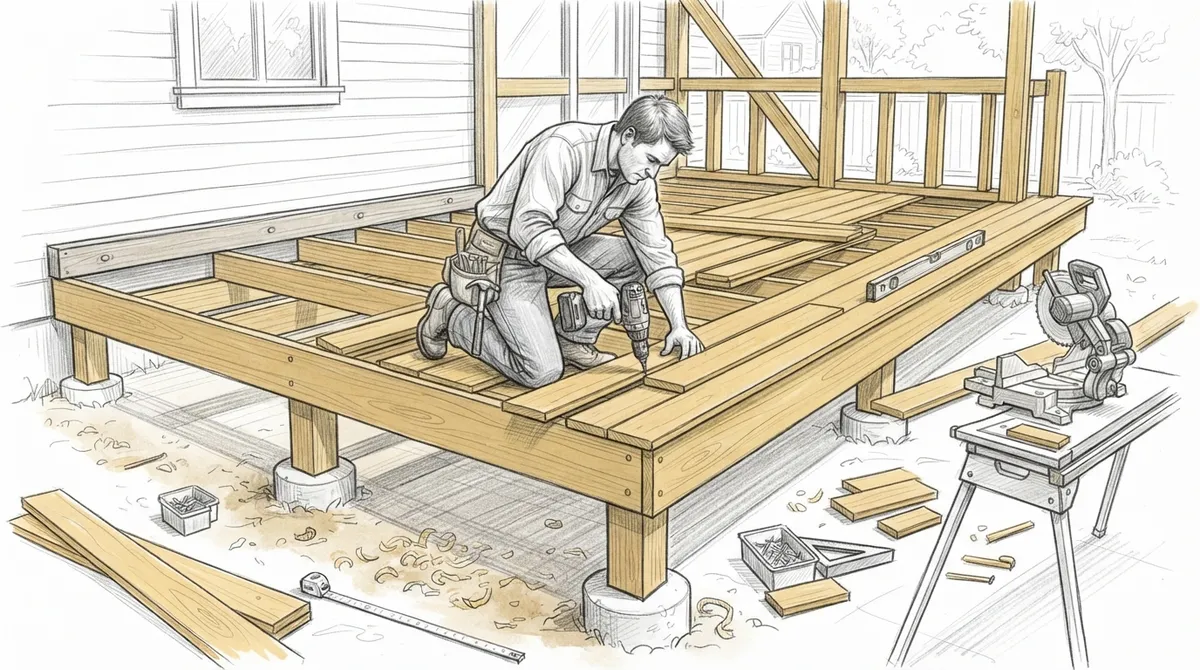
Deck installation is the process of building a raised outdoor platform that attaches to or sits near a home. In custom carpentry, this goes far beyond a basic box of boards. A custom deck is designed to fit your home, your yard, and the way you live.
A skilled carpenter treats a deck like any other fine woodworking project. Every joint, edge, and surface matters. This is the same level of care you would expect from custom decks and patios that elevate your outdoor space.
You can learn more about the craft itself if you learn more about carpentry and its long history.
Why Does Deck Installation Need a Skilled Carpenter?
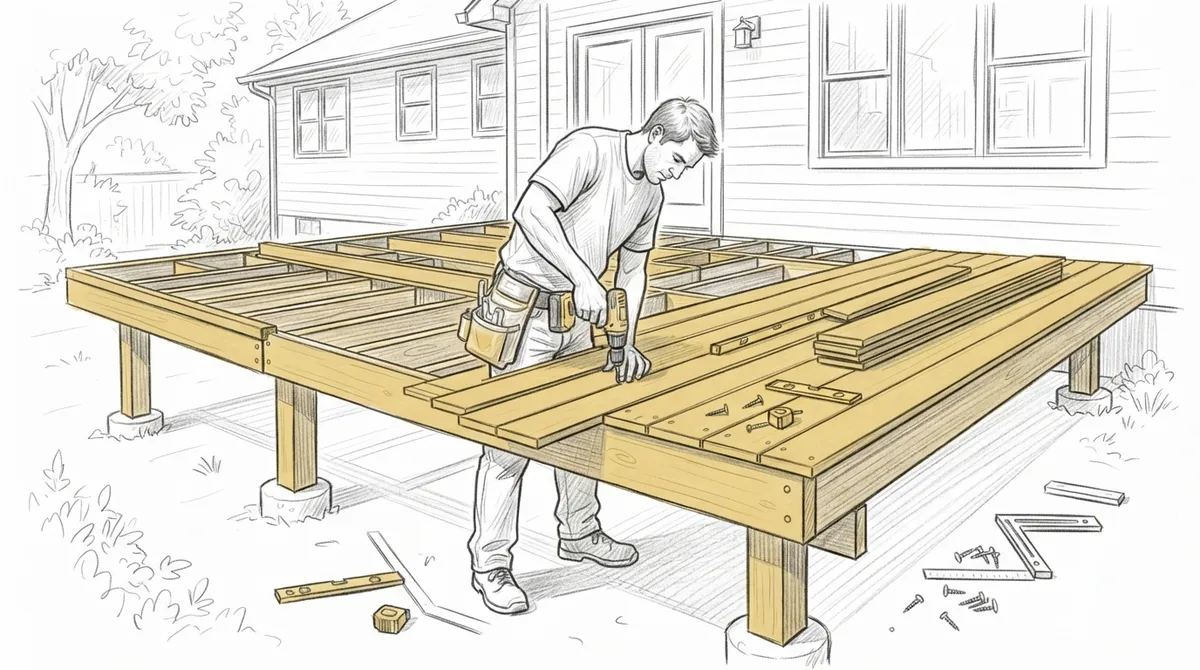
A deck carries real weight. It holds people, furniture, grills, and planters. It also faces sun, rain, and moisture every day. Because of this, the work must be done right.
A skilled carpenter brings several things to the job:
- Structural knowledge: They understand load, spacing, and support.
- Precision: Tight joints and clean lines last longer and look better.
- Material expertise: They know which woods and fasteners hold up in humid climates.
- Code awareness: They follow local building rules for safety and permits.
- Design sense: They match the deck to your home’s style.
If you are weighing your options, our guide on DIY carpentry vs. professional service can help you decide.
Step-by-Step: How Deck Installation Works
Every project is a little different. Still, most professional deck installation follows a clear path. Here is the usual order of work.
- Consultation and design. The carpenter meets with you to talk about size, shape, use, and style. For designers and developers, this is when plans and renderings are shared.
- Site review. The crew checks the ground, drainage, sun exposure, and how the deck will connect to the house.
- Permits and approvals. Most decks need a permit. The carpenter helps gather the paperwork and plans.
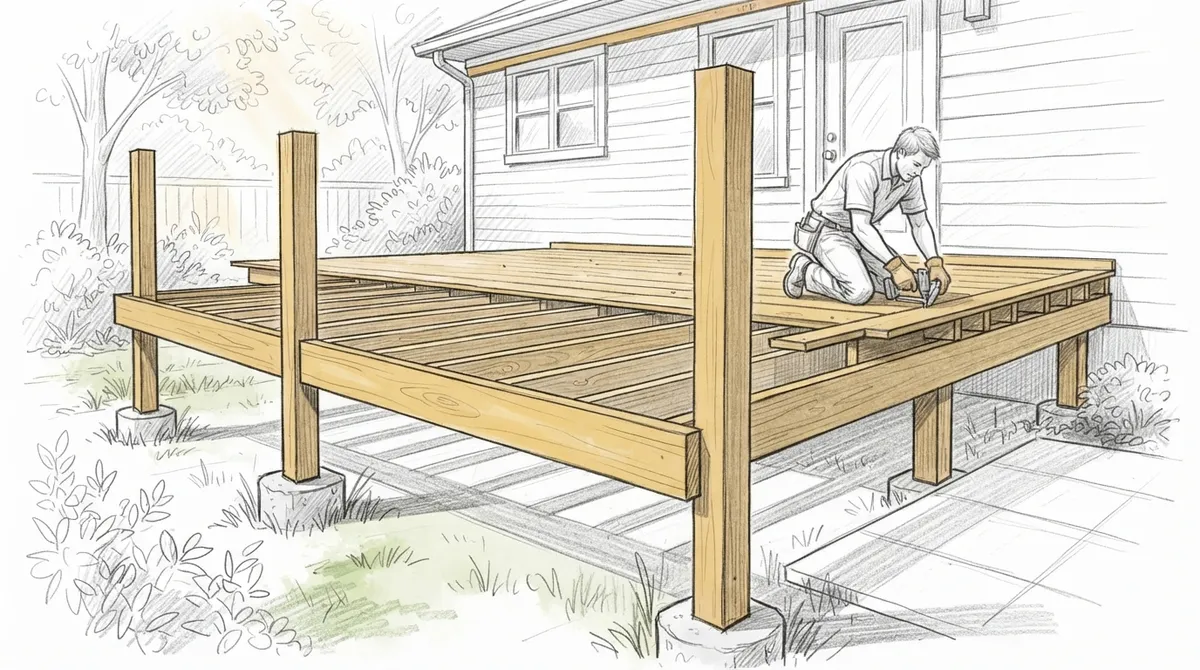
- Layout and footings. Posts need strong footings set below grade. This step protects the deck from shifting.
- Framing. Posts, beams, and joists form the skeleton. This is the most important part of the build.
- Decking surface. Boards are laid with proper gaps for drainage and expansion.
- Railings and stairs. These add safety and style.
- Finishing and inspection. Edges are trimmed, surfaces are sealed, and the work is checked.
Planning and Design
Good planning saves time and avoids costly changes later. Think about how you will use the space. Will you dine outside? Host guests? Relax with a book?
Your answers shape the size, layout, and features. A dining deck needs more room than a quiet reading nook. Built-in benches, planters, and lighting can all be planned from the start.
Footings and Framing
The frame is the heart of the deck. If it is weak, nothing else matters. Framing includes posts, beams, and joists, and each one must be sized and spaced correctly.
In Florida, moisture is a constant threat. Pressure-treated lumber, stainless or coated fasteners, and metal flashing help protect the frame from rot and rust. Proper spacing also lets air move through the structure.
Attaching the Deck to the House
Many decks connect to the home with a ledger board. This is one of the most critical details. A weak ledger connection is a leading cause of deck failure.
Flashing must be installed so water cannot run behind the board. A careful carpenter never skips this step.
Which Materials Work Best for a Deck?
Choosing the right material affects looks, upkeep, and lifespan. Each option has strengths and trade-offs, especially in a warm, wet climate.
| Material | Look | Maintenance | Best For |
|---|---|---|---|
| Pressure-treated pine | Classic, can be stained | Moderate to high | Frames and budget-friendly surfaces |
| Cedar | Warm, natural grain | Moderate | Rich, traditional looks |
| Tropical hardwood | Dense, high-end | Low to moderate | Long-lasting luxury decks |
| Composite | Uniform, modern | Low | Easy care and steady color |
| PVC decking | Smooth, clean | Very low | Moisture-heavy areas |
Many custom builds mix materials. A pressure-treated frame can sit beneath a hardwood or composite surface. Rich wood trim can then frame the edges for a polished finish.
How Do Railings, Stairs, and Trim Change the Look?
The deck surface gets the attention, but the details make the design. Railings, stairs, and trim turn a plain platform into a custom feature.
Here are a few details that make a big difference:
- Custom railings: Wood, metal, or cable styles can match your home’s character.
- Post caps and lighting: Small touches add warmth and safety at night.
- Fascia boards: These hide the frame edges for a clean, finished look.
- Wide, gentle stairs: They improve safety and flow.
- Built-in seating: Benches save space and add comfort.
Trim work is where a carpenter’s skill really shows. The same eye for detail used in exterior trim work ideas that transform your home applies to deck edges, posts, and rails. Clean miters and tight seams separate a custom build from a basic one.
What Mistakes Should You Avoid During Deck Installation?
Even small errors can shorten a deck’s life. Knowing the common problems helps you ask better questions when you hire a pro.
- Skipping permits. This can cause trouble when you sell your home.
- Weak footings. Decks can shift or sink over time.
- Poor flashing. Trapped water leads to rot at the house connection.
- Wrong fasteners. Standard screws can rust fast in humid air.
- No drainage gaps. Boards need space to dry and expand.
- Ignoring sun and shade. A deck that gets too hot or too wet is less enjoyable.
Hiring errors cause trouble too. Read 7 mistakes to avoid when hiring carpenters near me before you sign a contract.
How Does Deck Installation Fit With Other Custom Carpentry?
A deck rarely stands alone. It often connects to doors, windows, and indoor spaces. When these pieces work together, the whole home feels more complete.
For example, a new deck may call for upgraded doors that open onto the space. Browse options for custom doors that match the style of your deck. You can also tie your outdoor and indoor areas together with matching molding details.
If your home has an older exterior, new trim can freshen it up at the same time. Learn how exterior window trim installation upgrades your home for a cohesive look.
Outdoor living spaces also add real appeal for buyers. Developers who include well-built decks often see stronger interest in their properties. Our custom projects page shows how thoughtful carpentry sets a home apart.
Deck Installation for Homeowners, Designers, and Developers
Different readers want different things from a deck project. Here is how each group can get the most from the process.
For Homeowners
Focus on how you will use the space. Think about comfort, privacy, and upkeep. Ask your carpenter about materials that suit your lifestyle and the Florida climate.
For Interior Designers
A deck is an extension of your interior vision. Share color palettes, textures, and furniture plans early. A carpenter can build in storage, seating, and lighting that match your design.
For Real Estate Developers
Decks add square footage that buyers can feel. Consistent quality across units builds your reputation. Work with a carpenter who can deliver repeatable, high-end results on schedule.
How Do You Keep a Deck Looking Great?
Even a well-built deck needs some care. A little upkeep goes a long way, especially in a humid region like Tampa Bay.
- Sweep off leaves and debris often.
- Wash the surface once or twice a year.
- Check for loose boards, nails, or screws.
- Reseal or restain wood decks as needed.
- Inspect the ledger connection and railings each season.
Catching small issues early prevents big repairs later. If you spot damage, a carpenter can often fix it before it spreads. Learn about the signs you need professional carpentry near you today.
How Do You Choose the Right Deck Builder?
The builder you choose matters as much as the materials. Look for someone with a strong portfolio, clear communication, and a focus on craftsmanship.
Ask these questions before you hire:
- Can you show me past deck projects?
- Are you licensed and insured?
- Will you handle permits?
- What materials and fasteners do you recommend for this climate?
- How do you handle changes during the build?
You can also read what past clients say on our testimonials page. To see what Tampa Bay homeowners say about Bucheli Trim, you can visit us on Google — Bucheli Trim and read real reviews.
Bucheli Trim is built on craftsmanship, precision, and style. To understand our approach, read more about our team. You can also follow our latest work on Facebook.
Why Is Weather Planning So Important?
Tampa Bay weather can be tough on outdoor wood. Strong sun, heavy rain, and salt air all play a part. A smart deck design accounts for these forces from day one.
Good airflow beneath the deck helps wood dry out. Proper slope and drainage keep water from pooling. UV-resistant finishes protect the surface from fading and cracking.
Similar planning matters for other durable surfaces too. For example, epoxy coatings are popular for garages and patios because they resist moisture and wear. Learn more about epoxy floors if you want a tough surface for a covered outdoor area.
Other trusted local pros can also support your overall wellness and home goals. For example, families often pair home upgrades with care from Dental Theory or Segovia Orthodontics to make their outdoor gatherings even more enjoyable.
Conclusion: Build a Deck That Lasts
Deck installation is more than a weekend project. It is a careful process that blends design, structure, and fine craftsmanship. From footings and framing to railings and trim, every step affects how your deck looks and how long it lasts.
In the Tampa Bay area, working with an experienced carpenter helps you avoid common mistakes and enjoy your space for years. Whether you want a cozy retreat or a showpiece for your next development, the right team makes all the difference.
Ready to start planning? Get in touch with our team to talk about your deck project and bring your outdoor vision to life.
FAQs
Q: How long does deck installation usually take?
A: Most custom decks take one to three weeks once work begins. Size, design details, materials, and weather all affect the timeline. Permit approval can add time before the build even starts.
Q: Do I need a permit for deck installation?
A: In most areas, yes. Raised decks and decks attached to a house usually need a permit and an inspection. A professional carpenter can help you gather plans and handle the process.
Q: What is the best decking material for Florida weather?
A: Tropical hardwood, composite, and PVC decking all handle heat and humidity well. Pressure-treated lumber works for the frame when paired with the right fasteners. The best choice depends on your style, upkeep goals, and exposure to sun and moisture.
Q: Can a deck be attached to any house?
A: Most homes can support an attached deck, but the connection must be done carefully. A secure ledger board with proper flashing is essential. In some cases, a freestanding deck is a safer option.
Q: How often should a wood deck be sealed or stained?
A: Most wood decks need resealing or restaining every one to three years. Sun, rain, and foot traffic all affect how fast the finish wears down. Regular cleaning and yearly checks help extend the life of the deck.