
Key Takeaways
-
Custom carpentry transforms spaces by creating unique, handcrafted woodwork tailored specifically to your home's needs and personal style.
-
Professional carpenters analyze your space holistically, identifying opportunities to turn awkward areas into functional, beautiful design elements.
-
Material selection is crucial – different woods like oak, maple, and cherry offer unique durability, appearance, and workability characteristics for custom projects.
-
Every room offers custom carpentry opportunities, from kitchen cabinetry that maximizes storage to built-in entertainment systems that organize living spaces.
-
Home offices benefit significantly from custom carpentry, with built-in desks, shelving, and storage solutions that support productivity and seamlessly integrate with home design.
-
Technology integration through custom millwork allows for hidden charging stations, cable management, and smart home connectivity without compromising aesthetic quality.
-
Proper maintenance involves regular gentle cleaning, understanding wood's natural expansion/contraction, and using appropriate care products recommended by your carpenter.
Custom carpentry design represents the art of creating unique, handcrafted woodwork tailored specifically to your home’s needs and your personal style. Unlike mass-produced furniture and fixtures, custom carpentry brings your vision to life through skilled craftsmanship and attention to detail. When you invest in custom carpentry design, you’re not just adding functional elements to your space. You’re creating lasting beauty that reflects your taste and enhances your daily living experience.
In Tampa Bay, homeowners are discovering how custom carpentry design can solve common space challenges while adding significant value to their properties. From stunning ceiling designs that draw the eye upward to clever built-in solutions that maximize storage, custom carpentry offers endless possibilities. Whether you’re renovating an older home or putting finishing touches on new construction, understanding what custom carpentry design can do for your space helps you make informed decisions about your investment.
This guide explores the essential elements of custom carpentry design, practical applications for different rooms, and how to work with skilled craftsmen to achieve the results you envision. You’ll learn what separates exceptional custom carpentry from standard woodwork and discover how these custom touches can solve your specific home challenges.
Understanding the Fundamentals of Custom Carpentry Design
Custom carpentry design starts with understanding your space and how you use it. A skilled carpenter looks at your rooms differently than you might, seeing opportunities where walls meet ceilings, identifying awkward corners that could become functional features, and recognizing how custom woodwork can change the entire feel of a space. This professional perspective comes from years of experience transforming ordinary rooms into extraordinary spaces.
The design process begins with listening. Quality custom carpenters take time to understand your lifestyle, storage needs, aesthetic preferences, and budget considerations. They ask about your daily routines, what frustrates you about your current space, and what you love about other homes you’ve visited. This conversation forms the foundation for designs that truly work for you.
Key Elements That Define Quality Custom Carpentry Design
Several fundamental principles separate exceptional custom carpentry from basic woodwork. Understanding these elements helps you evaluate designs and communicate effectively with your carpenter:
- Proportion and scale that fits your specific room dimensions
- Wood selection that matches your home’s style and functional requirements
- Joinery techniques that ensure structural integrity and longevity
- Finish quality that protects wood while enhancing natural beauty
- Functional design that solves specific problems in your space
- Aesthetic harmony with your existing architectural elements
Material selection plays a crucial role in custom carpentry design success. Different woods offer distinct characteristics in terms of durability, appearance, and workability. Hardwoods like oak, maple, and cherry provide exceptional strength and beautiful grain patterns. These materials work well for built-in cabinetry, shelving, and decorative molding details that will last for generations.
Design Styles That Influence Custom Carpentry Projects
Your home’s architectural style guides many design decisions in custom carpentry. Traditional homes often feature ornate crown molding, raised panel cabinetry, and detailed trim work that reflects classic craftsmanship. Contemporary spaces typically embrace clean lines, minimal ornamentation, and sleek built-ins that create visual simplicity. Understanding these style differences helps carpenters create designs that feel cohesive with your home’s character.
Transitional design bridges traditional and contemporary styles, offering flexibility for homeowners who appreciate elements from both approaches. This balanced style has become increasingly popular in Tampa Bay homes, allowing custom carpentry to blend classic warmth with modern functionality. Skilled carpenters can adapt their designs to match your preferred aesthetic while maintaining the quality and durability that defines professional custom work.
Custom Carpentry Design Applications Throughout Your Home
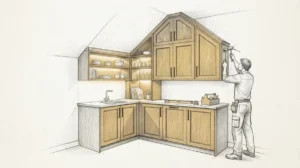
Every room in your home offers opportunities for custom carpentry design that enhances both function and beauty. Kitchens benefit enormously from custom cabinets designed around your specific cooking habits, storage needs, and appliance requirements. Unlike stock cabinets with standard dimensions, custom kitchen cabinetry maximizes every inch of available space while creating a cohesive look that matches your style perfectly.
Living rooms and family rooms transform through custom built-ins that organize entertainment systems, display treasured items, and provide hidden storage for everyday clutter. These built-in solutions often include features like adjustable shelving, integrated lighting, and specialized compartments for specific items. The result is a room that feels both organized and inviting, with custom woodwork that becomes a focal point rather than just functional furniture.
Bedroom Custom Carpentry Solutions
Bedrooms represent personal sanctuaries where custom carpentry design creates calm, organized spaces tailored to your needs. Custom closet systems revolutionize how you store and access clothing, shoes, and accessories. Instead of fighting with inadequate hanging space or cluttered shelves, custom closet build ideas create designated spaces for everything you own.
- Built-in wardrobes that maximize vertical space and corner areas often wasted in standard closets
- Custom nightstands and headboards integrated with the room’s architecture for seamless appearance
- Window seats with hidden storage that add charm while providing practical function
- Built-in dressers that free up floor space and create a streamlined look
Master suites especially benefit from custom carpentry design that creates luxury through thoughtful details. Crown molding that draws attention to beautiful ceiling heights, wainscoting that adds texture and visual interest to walls, and custom trim around doors and windows all contribute to an elevated feel. These details cost less than many homeowners expect but deliver significant impact on daily enjoyment of the space.
Home Office and Study Custom Features
The shift toward remote work has made home offices more important than ever. Custom carpentry design creates productive workspaces that blend seamlessly with your home’s style while providing all the functionality of a professional office. Built-in desks, shelving systems, and filing solutions can transform spare bedrooms, alcoves, or corners of other rooms into efficient work areas.
- Custom desk configurations that fit your specific work style and equipment
- Built-in filing and storage that keeps paperwork organized yet out of sight
- Shelving designed around your books, reference materials, and display items
- Cable management solutions integrated into custom designs for clean appearances
- Lighting integration that supports productive work without harsh glare
Library walls with floor-to-ceiling bookcases create impressive focal points while providing practical storage for extensive book collections. These custom installations require careful planning to ensure proper weight distribution and structural support. Experienced carpenters understand building codes and structural requirements, ensuring your beautiful bookcases are also safe and secure.
Planning Your Custom Carpentry Design Project
Successful custom carpentry projects begin with thorough planning that considers both immediate needs and future flexibility. Start by identifying specific problems you want to solve. Are you running out of storage space? Do you have awkward architectural features that interrupt room flow? Does your home lack character and visual interest? Clear problem identification helps carpenters propose targeted solutions.
Gathering inspiration images helps communicate your vision effectively. Create a collection of photos showing carpentry work, architectural details, and room designs you admire. These images don’t need to match your exact project. They help your carpenter understand your aesthetic preferences, the level of detail you appreciate, and features you find appealing. This visual communication often works better than trying to describe ideas with words alone.
Working with Professional Carpenters
Choosing the right carpenter makes the difference between a satisfactory project and an exceptional one. Look for craftsmen with extensive experience in custom work, not just general carpentry. Bucheli Trim specializes in high-end custom carpentry throughout Tampa Bay, bringing years of expertise to every project. Review portfolios carefully, paying attention to detail quality, design sophistication, and the range of projects completed.
- Schedule initial consultations with multiple carpenters to discuss your project
- Ask detailed questions about their design process, timeline expectations, and material sourcing
- Verify licensing, insurance, and any relevant certifications
- Discuss communication preferences and how they handle questions during construction
<3>Request references from recent clients with similar project types
The design consultation process should feel collaborative rather than prescriptive. Quality carpenters listen more than they talk during initial meetings, asking questions to understand your needs before proposing solutions. They should explain why they recommend certain approaches, materials, or design elements. This educational aspect helps you make informed decisions and builds confidence in the project direction.
Budget Considerations for Custom Carpentry Design
Custom carpentry represents an investment in your home’s value, functionality, and your daily quality of life. Several factors influence project costs, including material selection, design complexity, project size, and finish requirements. Understanding these variables helps you make choices that align with your budget while achieving your design goals.
Material costs vary significantly based on wood species, grade, and source. Domestic hardwoods typically cost less than exotic imports, though both offer excellent quality and durability. Your carpenter can suggest alternatives that provide similar appearance characteristics at different price points. Finish choices also affect costs, with simple stains generally costing less than custom color matching or specialty finishes.
| Project Type | Complexity Level | Typical Timeline |
|---|---|---|
| Built-in Shelving | Moderate | 1-2 weeks |
| Custom Closet System | Moderate to High | 2-3 weeks |
| Kitchen Cabinet Installation | High | 3-6 weeks |
| Crown Molding Package | Low to Moderate | 3-5 days |
| Entertainment Center Built-in | High | 2-4 weeks |
Design Details That Elevate Custom Carpentry Projects
Small details separate adequate custom carpentry from exceptional work that becomes a defining feature of your home. Crown molding profiles, for example, come in countless styles from simple coves to elaborate multi-piece assemblies. The right crown molding choice depends on ceiling height, room proportions, and your home’s overall style. According to crown molding history, these decorative elements have enhanced homes for centuries, evolving from purely ornamental features to design elements that solve visual proportion challenges.
Edge profiles on shelving, countertops, and cabinet doors significantly impact the overall aesthetic. Rounded edges create softer, more traditional looks while square edges deliver contemporary crispness. Beveled edges add subtle detail that catches light beautifully. Your carpenter should present options and explain how different profiles affect both appearance and function.
Hardware and Finish Selection
Hardware choices complete custom carpentry designs, functioning as jewelry for your woodwork. Knobs, pulls, hinges, and other hardware elements should complement your design style while providing comfortable, intuitive operation. Contemporary designs often feature sleek metal pulls or touch-latch mechanisms that maintain clean lines. Traditional styles showcase decorative hardware in finishes like oil-rubbed bronze, antique brass, or brushed nickel.
- Consider how hardware feels in your hand during daily use
- Match finish choices across all hardware in connected spaces
- Select sizes proportional to cabinet or drawer dimensions
- Invest in quality hardware that will withstand years of use
- Test samples before committing to ensure you love the look and feel
Finish application protects wood while enhancing its natural beauty. Options range from clear finishes that showcase wood grain to painted surfaces that create smooth, uniform color. Stains offer middle ground, adding color while allowing grain patterns to show through. Many Tampa Bay homeowners appreciate the warmth of stained wood in living spaces while choosing painted finishes for kitchens and bathrooms where easy cleaning matters most.
Integrating Technology with Custom Carpentry
Modern custom carpentry design often incorporates technology in clever, nearly invisible ways. Built-in charging stations keep devices powered without visible cords cluttering countertops. Integrated lighting brings attention to display items or provides task illumination for work surfaces. Cable management systems route wires through custom millwork, maintaining clean aesthetics while supporting modern electronic needs.
Smart home technology integration requires advance planning during the design phase. Carpenters need to know where outlets, switches, and data connections will be located to create appropriate access points within custom built-ins. Discuss your technology needs early in the design process so these elements can be seamlessly incorporated rather than added as afterthoughts that compromise the finished appearance.
Maintaining Your Custom Carpentry Design
Quality custom carpentry lasts for decades with proper care and maintenance. Wood responds to environmental conditions, expanding slightly in humid conditions and contracting in dry air. Tampa Bay’s humid climate means most wood movement involves expansion rather than shrinkage. Allow new installations to acclimate for several weeks before being concerned about minor seasonal adjustments.
Regular cleaning maintains finish quality and prevents buildup that can damage wood over time. Use soft, lint-free cloths for dusting and avoid harsh chemical cleaners that strip protective finishes. For deeper cleaning, slightly damp cloths work well, but always dry surfaces immediately to prevent water damage. Many carpenters recommend specific cleaning products based on the finishes they applied to your custom work.
Protecting Custom Carpentry from Damage
Prevention represents the best maintenance strategy for custom carpentry. Use coasters, placemats, and trivets to protect surfaces from water rings, heat damage, and scratches. Felt pads under decorative objects prevent scratches on shelves and countertops. These simple precautions preserve your custom carpentry’s beauty for years.
- Keep custom woodwork away from direct sunlight that can fade finishes over time
- Maintain consistent humidity levels to minimize wood movement and prevent cracking
- Address spills immediately to prevent staining or water damage
- Avoid hanging heavy items on custom shelving not designed for significant weight
- Schedule periodic inspections to catch small issues before they become major problems
Environmental control maintains custom carpentry in optimal condition. While you can’t control outdoor humidity, running air conditioning in summer and using humidifiers in winter helps stabilize indoor conditions. This stability benefits not just your custom carpentry but all wood furniture, flooring, and architectural elements throughout your home.
When to Refinish Custom Carpentry
Even quality finishes eventually show wear in high-use areas. Cabinets near sinks may develop water damage, while shelf edges might show scratches from repeated use. Many finishes can be refreshed without completely stripping and refinishing the entire piece. Professional assessment determines whether spot repairs suffice or whether more extensive refinishing makes sense.
Timing refinishing projects appropriately extends custom carpentry life significantly. Don’t wait until finish failure causes wood damage. Address finish wear when you first notice dulling, scratching, or loss of protection. Early intervention usually means simpler, less expensive repairs compared to waiting until wood itself suffers damage requiring replacement rather than refinishing.
Custom Carpentry Design Trends in Tampa Bay
Tampa Bay homeowners increasingly embrace custom carpentry that blends indoor and outdoor living spaces. Custom built-ins designed for covered patios and lanais extend living areas while withstanding Florida’s climate challenges. These outdoor installations require marine-grade finishes and weather-resistant construction techniques that protect wood from sun, humidity, and occasional rain exposure.
Mixed material designs combine wood with metal, glass, or stone elements for visual interest and enhanced functionality. A custom entertainment center might feature wood cabinetry with metal-framed glass doors and stone countertops. These combinations allow carpenters to showcase woodworking skills while incorporating materials that excel in specific applications. Glass shelves add airiness to heavy wood bookcases, while metal accents provide industrial edge to traditional woodwork.
Sustainable Custom Carpentry Practices
Environmental consciousness influences material choices and construction methods in custom carpentry. Many homeowners now request sustainably sourced woods certified by organizations that verify responsible forestry practices. Reclaimed wood from old buildings or retired industrial structures offers unique character while reducing demand for newly harvested timber.
- Locally sourced materials reduce transportation environmental impact
- Low-VOC finishes improve indoor air quality for healthier homes
- Efficient designs minimize waste during construction
- Durable construction reduces need for replacement and associated environmental costs
- Timeless designs remain attractive for decades rather than following short-lived trends
According to information about carpentry practices, the craft has evolved significantly in recent decades to incorporate environmental considerations alongside traditional quality standards. Modern custom carpenters balance sustainability with performance, selecting materials and methods that protect both your investment and the environment.
Multifunctional Design Solutions
Space efficiency drives many custom carpentry design decisions, especially in homes where every square foot matters. Murphy beds that fold into custom cabinetry transform guest rooms into home offices or exercise spaces when not accommodating visitors. Window seats with lift-up lids provide comfortable reading nooks while hiding seasonal items, extra linens, or children’s toys.
Kitchen islands increasingly incorporate multiple functions beyond basic meal preparation. Custom designs might include wine storage, cookbook shelves, appliance garages, and seating areas within a single island footprint. These comprehensive solutions require careful planning to ensure each function works properly without compromising others. Experienced carpenters like those at Bucheli Trim excel at creating multifunctional pieces that look elegant while serving multiple practical purposes.
Choosing Between Custom and Semi-Custom Options
Understanding the difference between truly custom carpentry and semi-custom options helps you make informed decisions about your project. Semi-custom work starts with standard components that are then modified to fit your space. This approach costs less than full custom work but limits design flexibility. You might choose from predetermined door styles, limited wood species, and standard dimensions that get trimmed to fit.
Full custom carpentry starts from scratch based entirely on your specifications. Carpenters create unique designs that maximize your space’s potential without constraints of predetermined components. This approach works best for challenging spaces with unusual dimensions, architectural features requiring custom solutions, or homeowners with specific visions that standard components can’t achieve.
When Custom Carpentry Makes the Most Sense
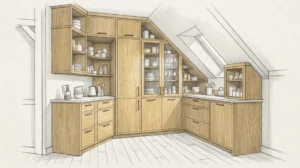
Certain situations clearly favor full custom carpentry over semi-custom or stock alternatives. Older homes with unique architectural features often require custom solutions that accommodate non-standard dimensions or unusual layouts. Rooms with angled walls, varied ceiling heights, or distinctive millwork benefit from custom designs that embrace rather than fight these characteristics.
- Spaces with unusual dimensions that standard components don’t fit properly
- Homes with distinctive architectural styles requiring period-appropriate details
- Projects where specific functionality needs can’t be met with standard options
- Situations where quality and longevity justify the custom investment
- Designs that become signature features defining your home’s character
Investment properties sometimes benefit more from semi-custom or quality stock options that provide good appearance at lower costs. However, high-end properties command premium prices that justify custom carpentry investments. The right choice depends on your goals, budget, timeline, and how long you plan to enjoy the results.
Understanding the Custom Carpentry Design Process
Professional custom carpentry follows a structured process that ensures quality results matching your vision. Initial consultations establish project scope, design direction, and budget parameters. During this phase, carpenters assess your space, take detailed measurements, and discuss your needs and preferences. Quality professionals ask probing questions that help them understand not just what you want but why you want it.
Design development translates your ideas into detailed plans and drawings. You’ll review proposed designs, suggest modifications, and refine details until the plan perfectly captures your vision. This iterative process prevents misunderstandings and ensures everyone shares the same expectations before construction begins. Take time during this phase to consider how you’ll actually use the finished product in daily life.
Construction and Installation
Once designs are approved, skilled carpenters begin crafting your custom pieces. Quality shops invest in precise machinery and hand tools that allow them to execute complex designs with accuracy measured in fractions of inches. This precision ensures components fit together perfectly, doors and drawers operate smoothly, and finished pieces integrate seamlessly with your home’s architecture.
Installation represents the culmination of weeks or months of planning and construction. Professional installers protect your home during this process, using floor coverings, careful handling techniques, and proper equipment to prevent damage. They make final adjustments on-site, ensuring perfect fit and function despite inevitable minor variations between plans and actual site conditions. This adaptability distinguishes experienced professionals from less skilled workers who struggle when reality doesn’t match blueprints exactly.
| Process Stage | Your Involvement | Duration |
|---|---|---|
| Initial Consultation | High – Communicate needs and vision | 1-2 hours |
| Design Development | High – Review and refine designs | 1-3 weeks |
| Material Selection | Moderate – Choose woods and finishes | Few days |
| Construction | Low – Occasional progress updates | 2-6 weeks |
| Installation | Moderate – Be available for questions | 1-5 days |
| Final Walkthrough | High – Inspect and approve work | 30-60 minutes |
Project Communication and Changes
Clear communication throughout your project prevents misunderstandings and ensures satisfaction with final results. Establish preferred communication methods with your carpenter at project start. Some prefer email for documentation purposes, while others favor phone calls for complex discussions. Regular updates help you track progress and provide opportunities to address concerns before they become problems.
Change orders sometimes become necessary during projects as new ideas emerge or unexpected conditions arise. Professional carpenters document all changes in writing, including cost and timeline impacts. While changes add expense, the ability to adjust course when better solutions emerge provides valuable flexibility. Discuss the change process upfront so you understand procedures if modifications become desirable.
Enhancing Home Value Through Custom Carpentry Design
Custom carpentry represents one of the most effective home improvements for increasing property value. Quality built-ins, sophisticated trim work, and custom cabinetry signal attention to detail and quality that attracts discerning buyers. These features often become selling points that distinguish your home from others in your neighborhood, potentially commanding premium prices.
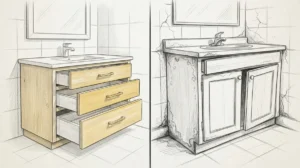
Kitchen and bathroom custom cabinetry delivers particularly strong returns on investment. These rooms heavily influence buyer decisions, and quality custom work creates immediate positive impressions. Built-in features throughout the home add perceived value even if buyers don’t consciously recognize the craftsmanship involved. The home simply feels more finished, more refined, and more valuable than properties with basic builder-grade features.
Custom Details That Buyers Notice
Certain custom carpentry elements consistently attract buyer attention and appreciation. Crown molding throughout main living areas elevates perceived quality significantly. Built-in entertainment centers eliminate furniture shopping concerns while demonstrating thoughtful design. Custom closet systems appeal to buyers tired of struggling with inadequate storage in previous homes.
- Wall enhancements like wainscoting or decorative paneling add character and sophistication
- Built-in window seats create charming focal points buyers remember
- Custom mudroom storage solutions address practical needs many buyers recognize
- Home office built-ins appeal to remote workers seeking functional workspaces
- Quality finish carpentry around doors, windows, and ceilings signals overall home quality
Real estate professionals consistently note that homes with quality custom carpentry spend less time on market and often receive multiple offers. The investment in professional custom work pays dividends whether you enjoy your home for decades or sell within a few years. This dual benefit makes custom carpentry design one of the smartest home improvement choices.
Common Custom Carpentry Design Mistakes to Avoid
Even with professional help, certain mistakes can undermine custom carpentry projects. Rushing the design process often leads to solutions that look good on paper but don’t function well in daily use. Take time to think through how you’ll actually interact with custom built-ins, storage solutions, and decorative elements. Visualize your routines and ensure designs accommodate real-world usage patterns.
Neglecting lighting integration represents another common oversight. Custom cabinetry looks most impressive with proper illumination that highlights craftsmanship and makes contents easily visible. Plan lighting during design phase rather than trying to add it later. Interior cabinet lights, under-cabinet task lighting, and accent lights that showcase decorative elements should all be considered during initial planning.
Design Decisions You Might Regret
Certain design choices seem appealing initially but prove problematic over time. Open shelving looks beautiful in photos but requires constant organization and dust management. Glass-front cabinets similarly demand perpetual neatness that many homeowners find exhausting. Consider your actual lifestyle and maintenance tolerance before committing to designs requiring constant attention.
- Trendy details that will date your custom work and require updating sooner than timeless designs
- Insufficient depth for practical storage needs in favor of appearance-focused shallow designs
- Hardware that looks attractive but feels awkward or uncomfortable in daily use
- Finish colors based on current décor rather than versatile neutrals that work with future changes
- Compromising quality materials or construction to reduce costs, leading to premature wear
Scale mistakes create custom carpentry that overwhelms small rooms or disappears in large spaces. Your carpenter should guide appropriate proportions, but communicate honestly about your preferences. Some homeowners love bold, substantial woodwork while others prefer subtle, understated details. Neither approach is wrong, but the design should match your aesthetic comfort level.
Transform Your Tampa Bay Home with Custom Carpentry Design
Custom carpentry design offers Tampa Bay homeowners unmatched opportunities to create spaces that perfectly match their needs, style, and lifestyle. From stunning custom projects that become signature features to practical built-ins that solve daily challenges, quality custom carpentry transforms houses into homes that truly reflect the people living there.
The investment in professional custom carpentry pays dividends in daily enjoyment, long-term durability, and increased home value. When you work with skilled craftsmen who understand design principles, construction techniques, and how people actually use their homes, you receive results that exceed expectations and provide satisfaction for decades.
Whether you’re planning a single room transformation or a whole-home custom carpentry project, taking time to understand the process, communicate clearly, and select the right professionals ensures success. Custom carpentry represents one of the most rewarding home improvement investments you can make, creating beauty and functionality that enhances your life every single day.
Ready to explore how custom carpentry design can transform your Tampa Bay home? The experienced craftsmen at Bucheli Trim bring years of expertise to every project, creating custom solutions that perfectly match your vision and exceed your expectations. Contact our team today to schedule your consultation and take the first step toward the custom home of your dreams. You can also visit us on Google to see what our satisfied clients say about their custom carpentry experiences. Connect with us on Facebook to view our latest projects and get inspired for your own custom carpentry design journey.
FAQs
Q: What is the difference between custom carpentry and regular carpentry?
A: Custom carpentry creates unique, made-to-order pieces designed specifically for your space and needs, while regular carpentry typically involves standard installations using pre-made components. Custom work offers unlimited design possibilities, perfect fit for unusual spaces, and personalized details that reflect your style. This approach requires skilled craftsmen who can transform your vision into reality through precise measurements, quality materials, and expert construction techniques.
Q: How long does a typical custom carpentry project take?
A: Project timelines vary based on complexity and scope. Simple additions like crown molding might take just a few days, while comprehensive kitchen cabinet installations can require three to six weeks. The timeline includes design development, material sourcing, construction in the workshop, and on-site installation. Your carpenter provides specific estimates during consultation based on your project details and current workload.
Q: Can custom carpentry work with my existing home style?
A: Yes, skilled custom carpenters design work that complements your home’s existing architecture and style. Whether you have a traditional, contemporary, or transitional home, quality craftsmen adapt their designs to match your aesthetic. They consider existing trim profiles, wood finishes, and architectural details to create custom pieces that look like original features rather than obvious additions.
Q: What rooms benefit most from custom carpentry design?
A: Every room can benefit from custom carpentry, but kitchens, home offices, and master bedrooms see particularly dramatic improvements. Kitchens gain perfectly fitted cabinetry that maximizes storage and workflow. Home offices benefit from built-in desks and shelving designed around your work needs. Master bedrooms transform through custom closet systems and built-in storage that creates organized, peaceful retreats.
Q: How do I maintain custom carpentry to keep it looking new?
A: Maintain custom carpentry through regular dusting with soft cloths, immediate attention to spills, and protection from direct sunlight. Use coasters and felt pads to prevent scratches and water damage. Avoid harsh chemical cleaners that damage protective finishes. Most custom carpentry requires minimal maintenance when properly cared for, lasting for decades while maintaining its beauty and functionality with these simple precautions.