Key Takeaways
-
Bathroom renovation costs range from $10,000 to $25,000, with DIY approaches potentially saving 30-50% on labor expenses.
-
Professional renovations typically take 2-4 weeks, while DIY projects can stretch to 2-3 months, impacting your home’s usability and timeline.
-
DIY renovations require competency in multiple skills: measuring, carpentry, tile setting, drywall repair, and understanding building codes.
-
Mid-range bathroom renovations recoup 60-70% of costs at resale, with professional work delivering higher quality and market appeal.
-
Critical renovation tasks like plumbing and electrical work often require licensed professionals to ensure safety and code compliance.
-
Hidden costs in DIY projects include tool rentals, multiple hardware store trips, and potential expensive mistake corrections.
-
A hybrid approach works best: Handle demolition, painting, and finishing yourself while hiring professionals for complex technical work.
-
Proper waterproofing, drainage, and ventilation are crucial for long-term bathroom functionality and preventing moisture damage.
The decision to renovate a bathroom often comes with an immediate fork in the road: should you tackle the project yourself or hire professionals? This choice impacts everything from your budget and timeline to the quality of the finished space. With bathroom renovations averaging between $10,000 and $25,000 for professional work, many homeowners consider the DIY route to save money. However, the complexity of plumbing, electrical work, and custom installations often reveals hidden challenges that can turn a weekend project into a months-long ordeal. Understanding the true scope of both approaches helps you make an informed decision that aligns with your skills, budget, and vision for your space.
Understanding the Scope of Bathroom Renovation Projects
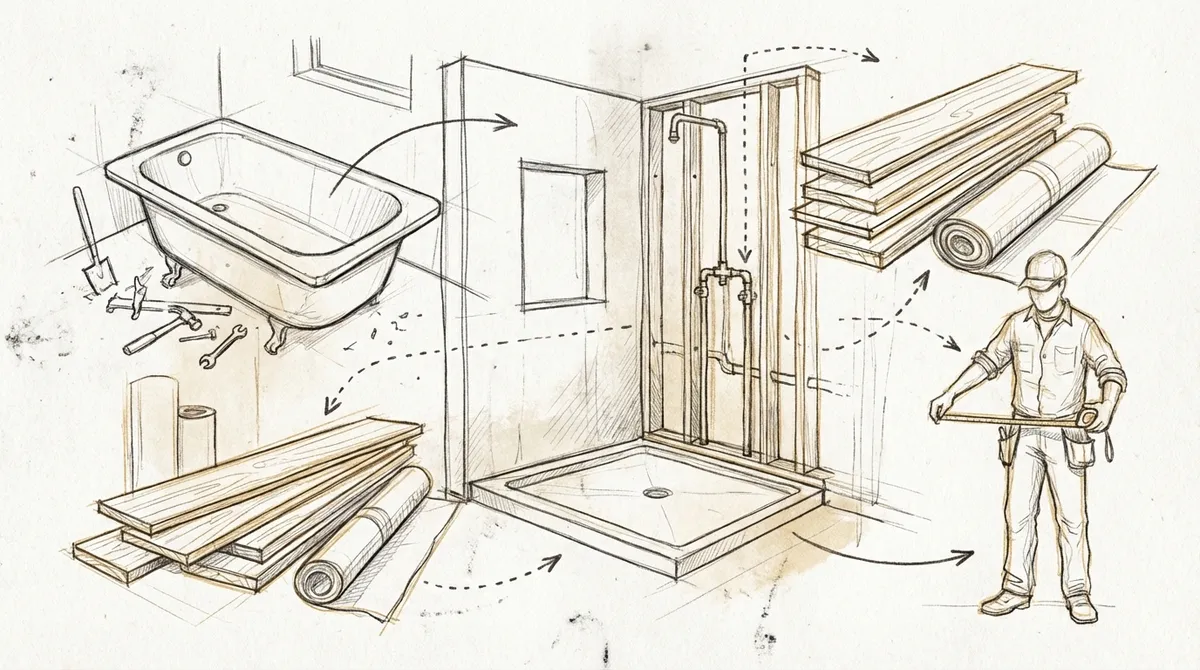
Bathroom renovations vary dramatically in complexity, from simple cosmetic updates to complete gut renovations. A basic refresh might include painting, replacing fixtures, and updating hardware—projects well-suited for capable DIYers. Mid-range renovations typically involve replacing the vanity, toilet, flooring, and perhaps the bathtub or shower, requiring more technical expertise. Full-scale renovations may include relocating plumbing, adding custom tile work, installing heated floors, or incorporating intricate molding details that demand precision craftsmanship.
The average bathroom renovation takes between two to four weeks when handled by professionals, though DIY projects often extend to two or three months depending on your availability and skill level. This timeframe difference becomes critical when you’re dealing with your home’s only bathroom or when you have a deadline for selling your property. Understanding where your project falls on this spectrum helps determine whether professional expertise is worth the investment.
The DIY Approach: Advantages and Limitations
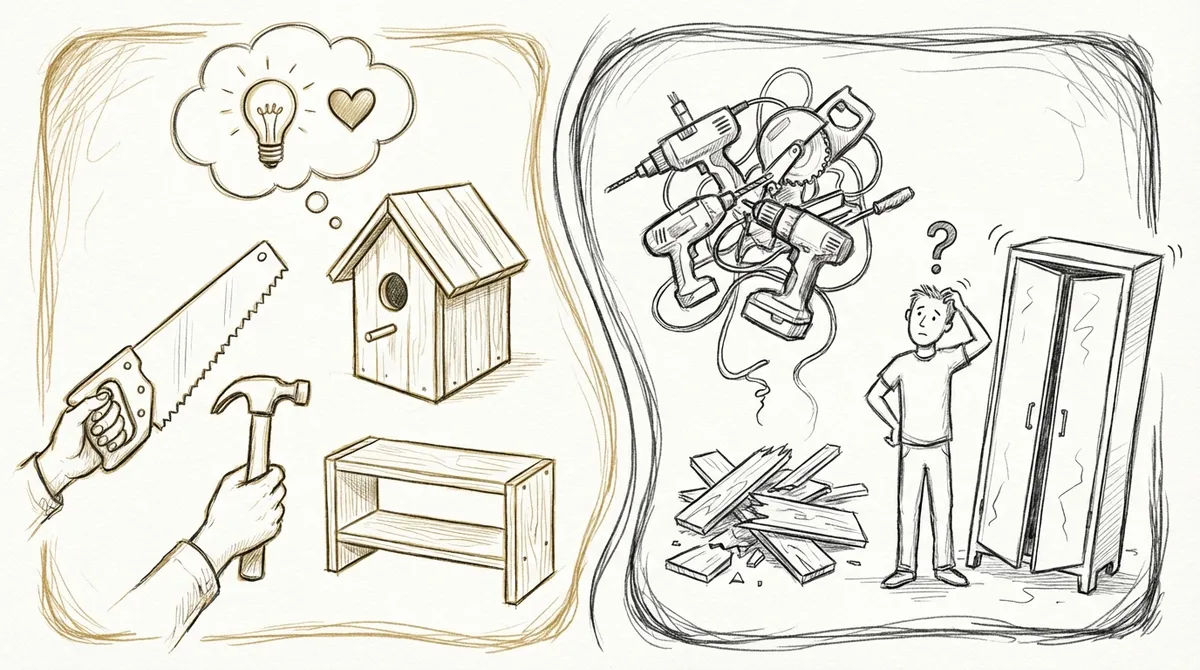
Taking on a bathroom renovation yourself offers several compelling advantages, with cost savings topping the list. Labor typically accounts for 40-60% of professional renovation costs, meaning a $15,000 professional job might cost only $6,000-9,000 in materials if you handle the work yourself. Beyond financial benefits, DIY renovations give you complete creative control and the flexibility to work at your own pace without coordinating contractor schedules.
However, DIY bathroom renovations come with significant limitations that many homeowners underestimate:
- Technical complexity: Plumbing and electrical work require specific knowledge and often permits, with mistakes potentially causing water damage or safety hazards
- Time investment: What takes professionals three weeks might consume your evenings and weekends for three months
- Tool requirements: Specialized tools for tile cutting, plumbing, and installation can cost hundreds to thousands of dollars
- Building code compliance: Many jurisdictions require licensed professionals for plumbing and electrical work, limiting true DIY scope
- Warranty concerns: Self-installed fixtures may void manufacturer warranties, and you won’t have contractor warranties protecting your investment
Most successful DIY bathroom renovations involve homeowners handling demolition, painting, and finishing work while hiring licensed professionals for plumbing, electrical, and complex tile installations. This hybrid approach captures some cost savings while mitigating the biggest risk factors.
Skills Required for DIY Success
Before committing to a DIY bathroom renovation, honestly assess your skill level across multiple disciplines. You’ll need competency in measuring and layout, basic carpentry, tile setting, drywall repair, and finishing. Experience reading construction plans and understanding building codes proves invaluable when problems arise. Even seemingly simple tasks like installing a toilet properly require attention to detail—improper installation leads to leaks, odors, and potential floor damage over time.
Consider starting with smaller bathroom projects before tackling a full renovation. Replacing a vanity, installing a new mirror, or updating lighting fixtures builds relevant skills without the commitment and risk of a complete overhaul. Many hardware stores offer workshops on essential renovation skills, providing valuable hands-on experience before you begin demolition in your own home.
The Professional Approach: Investment and Returns
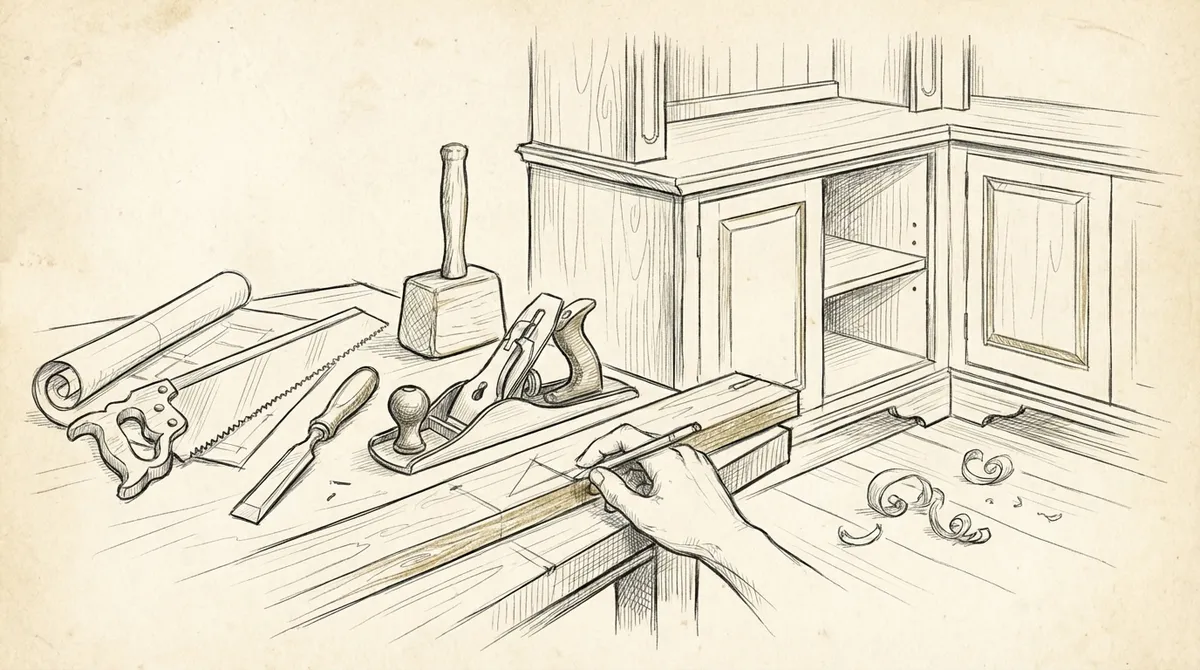
Hiring professionals for your bathroom renovation represents a significant financial investment, but it delivers tangible benefits that extend beyond simply having someone else do the work. Professional contractors bring years of experience solving unexpected problems—like discovering rotted subfloors, outdated plumbing that doesn’t meet current codes, or structural issues hidden behind walls. Their expertise prevents costly mistakes and ensures the project meets all local building codes and regulations.
Professional renovations typically follow this timeline:
- Design and planning phase (1-3 weeks): Developing detailed plans, selecting materials, and obtaining necessary permits
- Demolition (1-2 days): Removing existing fixtures, flooring, and finishes while protecting the rest of your home
- Rough-in work (3-5 days): Updating plumbing, electrical, and HVAC systems as needed
- Installation phase (1-2 weeks): Installing new fixtures, tile, flooring, and finishes
- Final details and inspection (2-3 days): Completing trim work, touch-ups, and passing required inspections
This compressed timeline means less disruption to your daily routine and faster access to your completed bathroom. Professional contractors also carry liability insurance and typically offer warranties on both labor and materials, protecting your investment if issues emerge after completion.
Return on Investment Considerations
Bathroom renovations consistently rank among the highest ROI home improvement projects, with mid-range renovations typically recouping 60-70% of costs at resale. Professional renovations generally deliver higher returns because they result in better-quality finishes and fewer visible flaws that might concern buyers or home inspectors. High-end professional work that includes custom projects can transform a standard bathroom into a luxury spa-like retreat that significantly enhances your home’s market appeal.
The quality difference becomes particularly apparent in details: perfectly aligned tile patterns, seamless transitions between materials, properly functioning ventilation systems, and professional-grade finishes that resist moisture and wear. These elements might not be immediately obvious to homeowners, but they become selling points when attracting buyers or satisfying appraisers.
Cost Comparison: Breaking Down the Numbers
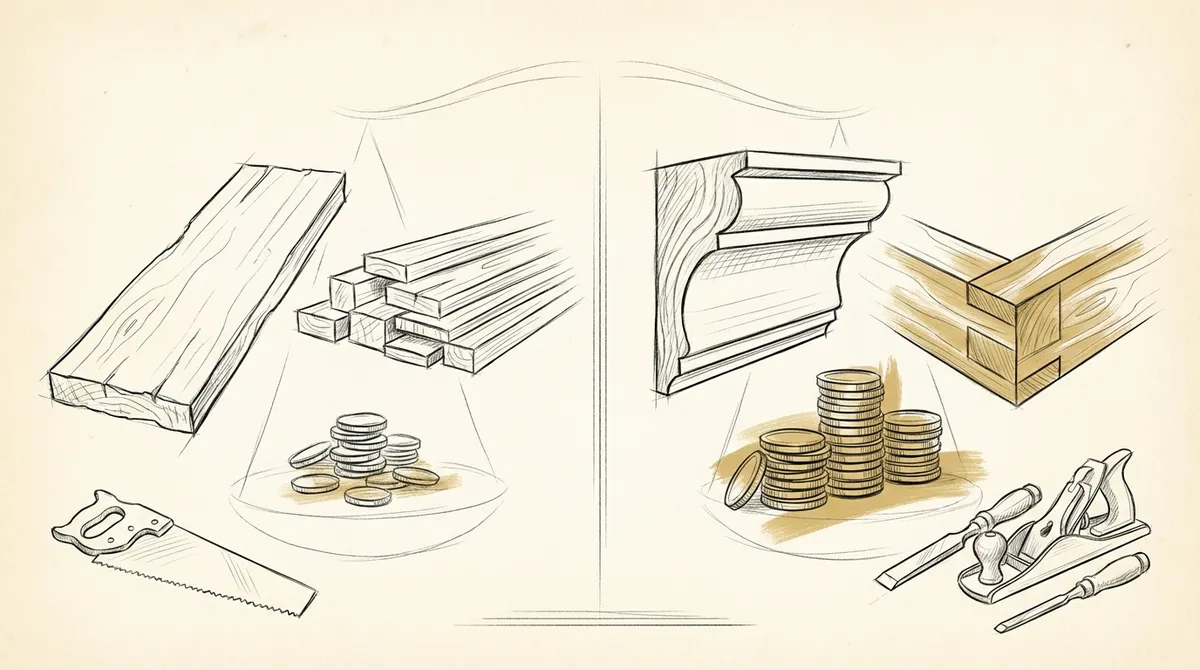
Understanding the true cost difference between DIY and professional bathroom renovations requires looking beyond simple material versus labor calculations. The following table illustrates typical cost breakdowns for a mid-range bathroom renovation of approximately 40-50 square feet:
| Item Category | DIY Cost | Professional Cost | Notes |
|---|---|---|---|
| Vanity and sink | $500-1,500 | $800-2,000 | Professional installation ensures proper plumbing connections |
| Toilet | $200-600 | $350-800 | Includes wax ring, supply line, and labor |
| Shower/tub | $800-3,000 | $1,500-5,000 | Custom tile work significantly increases professional costs |
| Flooring | $300-900 | $600-1,500 | Tile installation requires skill for lasting results |
| Lighting and electrical | $200-600 | $500-1,200 | May require licensed electrician regardless of approach |
| Plumbing updates | $300-800 | $800-2,000 | Code compliance often requires licensed plumber |
| Paint and finishing | $150-300 | $400-800 | DIY-friendly task with significant cost savings |
| Labor | $0 | $4,000-8,000 | Your sweat equity versus professional expertise |
| Tool rental/purchase | $300-800 | Included | One-time investment for DIY projects |
| Total Estimated Cost | $2,750-8,500 | $9,950-21,300 | Actual costs vary by region and material selection |
These figures reveal that DIY renovations typically cost 30-50% less than professional projects when comparing similar material quality. However, this calculation doesn’t account for the value of your time, the learning curve on new skills, or the risk of mistakes requiring professional correction. Many homeowners discover that fixing DIY errors costs more than hiring professionals initially would have.
Hidden Costs to Consider
Both approaches include hidden costs that catch homeowners off guard. DIY projects often require multiple trips to hardware stores, wasting time and gas money. Tool rentals add up when projects extend beyond initial timelines. Materials purchased incorrectly or damaged during amateur installation create waste. For professional projects, change orders—modifications to the original plan discovered during construction—typically cost 20-40% more than if they’d been included initially due to workflow disruption and material restocking fees.
Quality and Craftsmanship: The Lasting Difference
The quality gap between DIY and professional bathroom renovations becomes most apparent over time. Professional contractors understand how bathrooms function as complete systems, not just collections of individual fixtures. Proper waterproofing prevents moisture from damaging walls and subfloors. Adequate ventilation prevents mold growth and premature paint failure. Correctly sloped shower floors ensure proper drainage without standing water that breeds bacteria.
Professional craftsmen from companies like Bucheli Trim bring specialized expertise in custom details that elevate bathrooms from functional spaces to showcases of design and quality. Precision work in areas like ceiling designs, custom cabinetry, and intricate tile patterns requires years of experience to execute flawlessly. These details might seem like luxuries, but they’re what separate an adequate bathroom from an exceptional one that adds significant value to your home.
Consider the difference in shower installations: a DIY tiled shower might look acceptable upon completion, but improper waterproofing or incorrectly sloped floors create problems within months. Water seeping behind tiles damages wall structures, while poor drainage leads to standing water and mildew. Professional installations include redundant waterproofing layers, proper slope calculations, and quality materials that ensure decades of trouble-free use.
Permitting and Code Compliance
Building codes exist to ensure safety, and bathroom renovations typically require permits for plumbing, electrical, and structural modifications. Many DIY enthusiasts skip the permitting process to avoid fees and inspections, but this creates serious problems. Unpermitted work may need to be torn out and redone when selling your home, as title companies often require documentation of permitted work for major renovations. Insurance companies may deny claims for water damage or electrical fires resulting from unpermitted work.
Professional contractors handle permitting as part of their service, ensuring all work meets current building codes. They understand local requirements that vary by jurisdiction—some areas require specific venting for bathrooms, others mandate certain electrical configurations, and many have detailed plumbing codes governing drain slopes and vent sizing. Inspectors familiar with local contractors often streamline the approval process, while DIY work may face extra scrutiny.
Common Code Requirements for Bathrooms
- GFCI protection: All bathroom outlets must have ground fault circuit interrupter protection to prevent electrocution in wet conditions
- Ventilation: Bathrooms require either operable windows or mechanical ventilation that exhausts outdoors, not into attics
- Water-resistant materials: Walls surrounding tubs and showers need moisture-resistant backing materials, typically cement board rather than standard drywall
- Fixture clearances: Codes specify minimum distances between toilets, vanities, and walls to ensure adequate access and functionality
- Plumbing venting: Drain lines require proper venting to function correctly and prevent sewer gases from entering living spaces
Violating these codes creates safety hazards and legal liabilities that far outweigh any savings from skipping professional help or permits. Most building departments offer guidance on requirements before you begin work, helping DIYers understand what’s possible versus what requires licensed contractors.
Timeline and Disruption Management
The time difference between DIY and professional bathroom renovations significantly impacts daily life, especially for single-bathroom homes. Professional teams work full days, completing tasks efficiently through experience and having all necessary tools on site. A typical professional renovation of a standard bathroom takes two to three weeks from demolition to final inspection, with the bathroom fully functional each evening after day one.
DIY renovations stretch much longer because most homeowners work on projects during evenings and weekends around their regular jobs and family commitments. What professionals complete in three weeks often takes DIYers eight to twelve weeks or longer. This extended timeline means months of living with construction dust, storing bathroom items elsewhere, and potentially using alternative facilities. For families with children or elderly members, this extended disruption creates significant stress and inconvenience.
Strategies for Minimizing Disruption
If you choose the DIY route, consider these strategies to reduce renovation fatigue:
- Create a detailed project plan: Break the renovation into specific tasks with realistic timelines, ordering materials well in advance to avoid delays
- Set up a temporary bathroom station: Designate a nearby area for essential items like toiletries and towels, minimizing trips through construction zones
- Complete demolition quickly: Don’t let demolition stretch over weeks—clear the space efficiently to begin productive installation work
- Work in logical phases: Complete all rough plumbing before moving to electrical, then waterproofing, tile work, and fixtures in sequence
- Set milestone goals: Commit to achieving specific benchmarks each weekend to maintain momentum and prevent projects from stalling
Professional renovations minimize disruption through efficiency and coordination. Contractors schedule subcontractors sequentially, ensuring electricians, plumbers, and tile installers arrive precisely when needed without idle time or scheduling conflicts. They also handle cleanup daily, containing dust and debris to protect the rest of your home.
When to Choose DIY vs. Professional Services
The decision between DIY and professional bathroom renovation isn’t always all-or-nothing. Many successful projects combine homeowner effort with strategic professional help, capturing cost savings while ensuring critical work meets professional standards. Understanding which tasks suit DIY efforts versus requiring professional expertise helps create a hybrid approach that maximizes value.
Choose DIY for these tasks:
- Demolition and debris removal (with proper safety equipment)
- Painting walls and ceilings after proper preparation
- Installing pre-fabricated vanities with straightforward plumbing connections
- Replacing light fixtures on existing electrical boxes
- Installing accessories like towel bars, mirrors, and shelving
- Simple tile backsplashes in non-shower areas
Hire professionals for these elements:
- Moving or installing new plumbing lines and drain locations
- Any electrical work requiring new circuits or significant modifications
- Tiled shower installations with custom waterproofing requirements
- Structural modifications like removing walls or adding windows
- Complex tile patterns requiring precision cuts and layout
- Custom carpentry work including built-in storage and specialty trim details
This hybrid approach lets you contribute sweat equity to reduce costs while ensuring the foundation of your renovation—plumbing, electrical, and waterproofing—meets professional standards. You might handle demolition and painting while professionals install the shower, tile, and fixtures, potentially saving 20-30% compared to a fully professional project while maintaining quality where it matters most.
Material Selection Impact on Both Approaches
Material choices dramatically affect both DIY feasibility and professional costs. High-end materials like natural stone, custom tile patterns, and specialty finishes increase professional labor costs but also multiply DIY complexity. A DIY renovator comfortable installing standard ceramic tile may lack the experience to work with expensive marble or intricate mosaic patterns where mistakes become costly.
Budget-friendly materials often work well for DIY projects: vinyl plank flooring installs easier than tile, pre-fabricated shower surrounds eliminate complex waterproofing, and standard vanities require minimal modification. These choices reduce both material costs and technical difficulty, making successful DIY outcomes more likely. However, they may also limit design possibilities and potentially reduce the renovation’s impact on home value compared to professional work with premium materials.
| Material Type | DIY Difficulty | Professional Advantage | Cost Impact |
|---|---|---|---|
| Ceramic tile | Moderate | Faster installation, perfect alignment | Medium |
| Natural stone | High | Essential for proper sealing and layout | High |
| Vinyl plank flooring | Low | Minimal—DIY achieves similar results | Low |
| Custom cabinetry | Very High | Precision fabrication and installation | Very High |
| Acrylic tub surround | Low-Moderate | Ensures watertight seals | Low-Medium |
| Custom tile shower | Very High | Critical for waterproofing and longevity | High |
Professional contractors often have access to trade-only materials and supplier relationships that provide better pricing than retail consumers receive. This professional discount partially offsets labor costs, especially on material-intensive projects. They also minimize waste through accurate measurements and experienced installation, while DIY projects typically include 10-20% material waste from mistakes and learning curves.
Risk Assessment and Problem-Solving
Every bathroom renovation uncovers unexpected problems—it’s practically a law of home improvement. The difference between DIY and professional approaches becomes most apparent when facing these surprises. Professional contractors have encountered similar situations dozens or hundreds of times, allowing them to quickly diagnose issues and implement solutions without derailing the project timeline or budget.
Common problems discovered during bathroom renovations include rotted subfloors from long-term leaks, outdated plumbing that doesn’t meet current codes, inadequate electrical capacity for modern fixtures, asbestos in old flooring or insulation, and structural issues hidden behind walls. Each challenge requires specific knowledge to address properly. DIY renovators facing these problems must research solutions, potentially hire specialists, and accept project delays while learning to handle unexpected complications.
Insurance and Liability Considerations
Professional contractors carry multiple insurance policies protecting both themselves and homeowners: general liability insurance covers property damage during construction, workers’ compensation protects injured employees, and many offer additional warranties on their work. If a professional’s work causes a leak that damages your home, their insurance handles repairs. DIY renovations place all risk squarely on the homeowner—mistakes become entirely your responsibility to correct and pay for.
This liability extends beyond immediate damage. If you sell your home and the buyer discovers problems with your DIY bathroom renovation, you may face legal action for misrepresenting the work or failing to disclose unpermitted modifications. Professional work comes with documentation, permits, and warranties that protect both current homeowners and future buyers.
Long-Term Maintenance and Durability
The true test of bathroom renovation quality emerges over years of daily use. Professional installations typically outlast DIY work because they’re built on foundations of experience and proper technique. Correctly installed tile doesn’t crack or allow water penetration. Properly sealed fixtures don’t develop leaks. Adequate ventilation prevents mold growth and paint failure. These factors affect not just aesthetics but the functional longevity of your investment.
Professional renovations also tend to use higher-quality materials and installation methods even when working with similar-priced fixtures as DIY projects. Contractors understand which products perform reliably over time versus those that look good initially but fail prematurely. They know proper backing materials, appropriate adhesives for wet environments, and correct fastening methods that prevent common failure modes.
Consider the long-term value proposition: a professional renovation costing $15,000 that lasts 20-25 years without major issues delivers better value than a $7,000 DIY project requiring significant repairs or replacement after 10 years. When calculating true costs, factor in the longevity and maintenance requirements of each approach, not just initial investment.
Making Your Decision: Key Questions to Answer
Before committing to either DIY or professional bathroom renovation, honestly answer these critical questions:
- What’s your true skill level? Have you successfully completed similar projects, or is this significantly beyond your experience? Overestimating abilities leads to expensive mistakes and project abandonment.
- How much time can you realistically dedicate? Weekend warriors working 4-6 hours weekly need 12-16 weeks for projects professionals complete in three weeks. Can your household handle that timeline?
- What’s your budget flexibility? DIY projects often exceed initial budgets by 25-40% due to tool purchases, material waste, and correcting mistakes. Can you absorb unexpected costs?
- Do local codes allow DIY work? Some jurisdictions require licensed contractors for plumbing and electrical work regardless of homeowner preferences. Check before planning DIY approaches.
- What’s the bathroom’s importance? Primary bathrooms in homes being prepared for sale justify professional investment more than rarely-used powder rooms where DIY experimentation poses lower risk.
- What’s your stress tolerance? Living through extended renovations tests patience and relationships. Honestly assess whether you can handle months of disruption.
Your answers to these questions should guide your decision more than simple cost comparisons. The cheapest approach isn’t always the best value, and the most expensive option may deliver returns through quality, speed, and peace of mind that justify the investment.
For homeowners in the Tampa Bay area seeking the highest quality craftsmanship, visit us on Google to learn how Bucheli Trim’s expertise in custom carpentry can transform your bathroom renovation vision into reality with precision and professional excellence.
Conclusion
The choice between DIY and professional bathroom renovation ultimately depends on your unique combination of skills, budget, timeline, and quality expectations. DIY approaches offer substantial cost savings and creative control but demand significant time investment, technical competency, and tolerance for problems and learning curves. Professional renovations deliver superior quality, faster completion, code compliance, and peace of mind at premium prices that reflect expertise and efficiency.
Most successful bathroom renovations fall somewhere between these extremes, with homeowners contributing labor where they’re comfortable while hiring professionals for complex technical work. This hybrid approach captures meaningful savings while ensuring the foundation of your renovation meets professional standards that protect your investment long-term. Whether you choose DIY, professional, or a combination, careful planning, realistic self-assessment, and understanding the true scope of bathroom renovations set the stage for successful outcomes that enhance your home’s function, beauty, and value.
Ready to discuss your bathroom renovation plans with experienced professionals who can bring your vision to life? Get in touch with our team to explore how expert craftsmanship can deliver the quality and results you deserve.
FAQs
Q: How much money can I actually save by doing a bathroom renovation myself?
A: DIY bathroom renovations typically cost 30-50% less than professional projects, potentially saving $5,000-$12,000 on a mid-range bathroom. However, this doesn’t account for your time investment, tool purchases, or the risk of mistakes requiring professional correction. Most homeowners achieve the best value through a hybrid approach, handling demolition and finishing work while hiring professionals for plumbing, electrical, and complex installations.
Q: How long does a typical bathroom renovation take for DIY versus professional work?
A: Professional contractors typically complete bathroom renovations in 2-3 weeks working full days with coordinated teams. DIY renovations usually take 8-12 weeks or longer since most homeowners work evenings and weekends around other commitments. The extended DIY timeline means months of living with construction disruption, which can be challenging especially for single-bathroom homes.
Q: What bathroom renovation tasks should I never attempt as a DIY project?
A: Never attempt moving plumbing lines, installing new electrical circuits, structural modifications, or complex waterproofing for tiled showers without professional help. These tasks require specialized knowledge, often need licensed contractors to meet building codes, and create serious safety or damage risks when done incorrectly. Mistakes in these areas typically cost more to fix than hiring professionals initially would have cost.
Q: Do I need permits for a bathroom renovation, and what happens if I skip them?
A: Most bathroom renovations require permits for plumbing, electrical, and structural work. Skipping permits creates serious problems including forced removal of completed work when selling your home, potential insurance claim denials for damage from unpermitted work, and safety hazards from non-code-compliant installations. Professional contractors handle permitting as part of their service, ensuring all work meets current building codes and passes required inspections.
Q: Will a professionally renovated bathroom add more value to my home than a DIY project?
A: Yes, professional bathroom renovations typically deliver higher resale value because they feature better-quality finishes, fewer visible flaws, proper permits and documentation, and warranties that reassure buyers. Mid-range professional bathroom renovations recoup 60-70% of costs at resale, while DIY work may face scrutiny from inspectors and buyers concerned about quality and code compliance, potentially reducing the value impact.