Key Takeaways
-
Local custom carpenters provide faster response times, personalized service, and expertise specific to your regional architectural styles.
-
Thorough portfolio examination is crucial – check detail shots, variety of projects, and seek in-person viewings to assess craftsmanship quality.
-
Understand project costs by considering factors like design complexity, material selection, project size, and finish requirements before committing.
-
Use targeted online searches and traditional networking methods like asking local designers, neighbors, and visiting lumber yards to find quality carpenters.
-
Interview potential carpenters by asking about experience, references, licenses, project timelines, and warranties to ensure professional accountability.
Finding quality custom carpentry services in your local area transforms ordinary spaces into extraordinary showcases of craftsmanship and style. Whether you’re renovating a single room or undertaking a complete home transformation, the right carpenter brings your vision to life with precision and artistry. Custom carpentry goes beyond standard construction—it creates personalized features that reflect your unique taste while adding substantial value to your property. From intricate ceiling treatments to custom built-ins, working with skilled local carpenters ensures your project receives the attention to detail it deserves.
The search for exceptional custom carpentry begins with understanding what these professionals offer and how their expertise can enhance your living spaces. Unlike mass-produced solutions, custom carpentry provides tailored designs that fit your exact specifications, room dimensions, and aesthetic preferences. This comprehensive guide walks you through everything you need to know about finding, evaluating, and working with custom carpenters in your area.
What Custom Carpentry Services Include
Custom carpentry encompasses a wide range of specialized services designed to enhance both the functionality and beauty of your home. These skilled craftsmen work with various materials to create unique installations that standard contractors cannot replicate. Understanding the full scope of custom carpentry helps you identify the right professional for your specific needs.
Professional custom carpenters typically offer these core services:
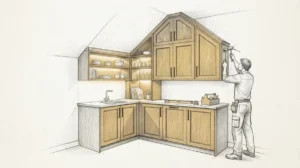
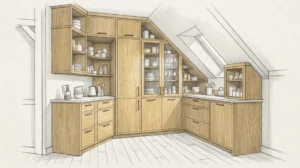
- Built-in cabinetry and storage solutions tailored to your space
- Custom ceiling designs including coffered, tray, and beam treatments
- Decorative wall enhancements such as wainscoting and paneling
- Intricate molding and trim work throughout your home
- Custom doors, frames, and architectural millwork
- Specialty furniture pieces designed for specific rooms
- Hardwood flooring installation and custom inlays
Many custom carpentry professionals also integrate complementary services like painting, staining, and finishing work to deliver complete project solutions. For those interested in exploring specific applications, ceiling design options offer dramatic ways to transform any room from ordinary to extraordinary.
Benefits of Choosing Local Custom Carpenters
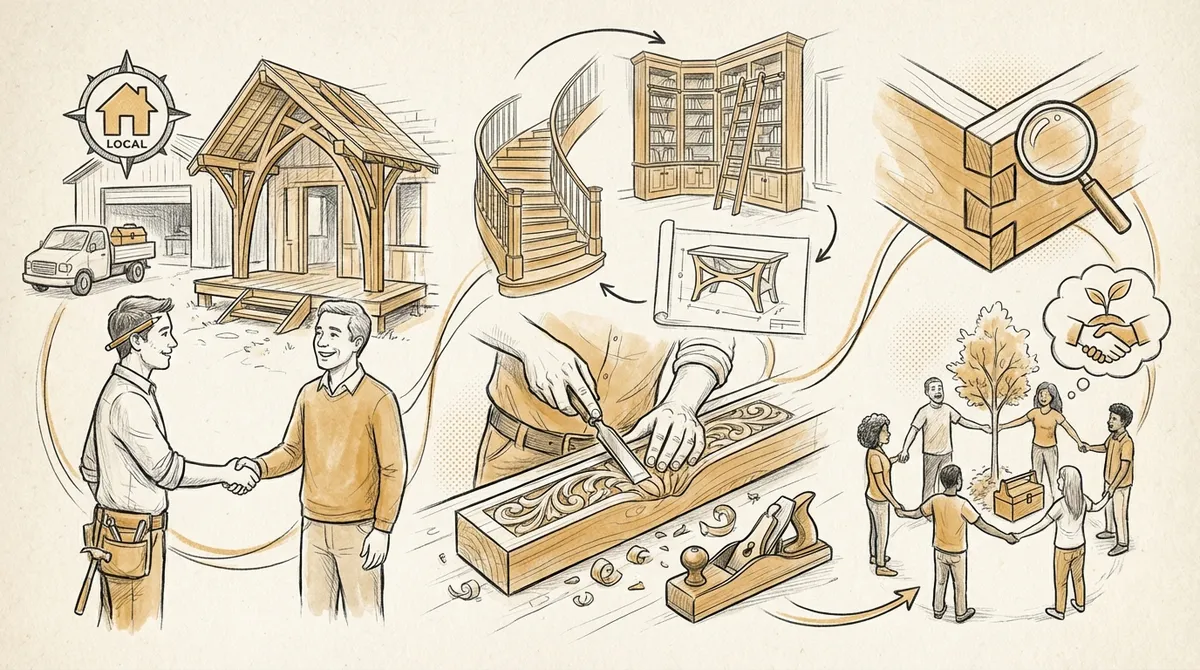
Working with local custom carpentry professionals offers distinct advantages that distant contractors simply cannot match. Proximity matters when undertaking detailed woodworking projects that require multiple consultations, site visits, and ongoing communication throughout the build process.
Local carpenters provide these key benefits:
- Faster response times: Nearby professionals can quickly visit your property for initial consultations, measurements, and follow-up discussions without extensive travel logistics.
- Community reputation: Local craftsmen build their businesses on word-of-mouth referrals and maintain high standards to protect their standing in the community.
- Regional expertise: Local carpenters understand area-specific building codes, climate considerations, and architectural styles common to your region.
- Accessible project oversight: Easy access to your project site allows carpenters to monitor progress closely and address any issues immediately.
- Supporting local economy: Hiring local professionals keeps your investment within the community and supports small businesses.
According to carpentry industry standards, choosing qualified local professionals ensures your project meets both aesthetic expectations and structural requirements. Companies like Bucheli Trim in the Tampa Bay area exemplify how local expertise translates into exceptional craftsmanship for homeowners seeking premium custom woodwork.
How to Find Quality Custom Carpenters in Your Area
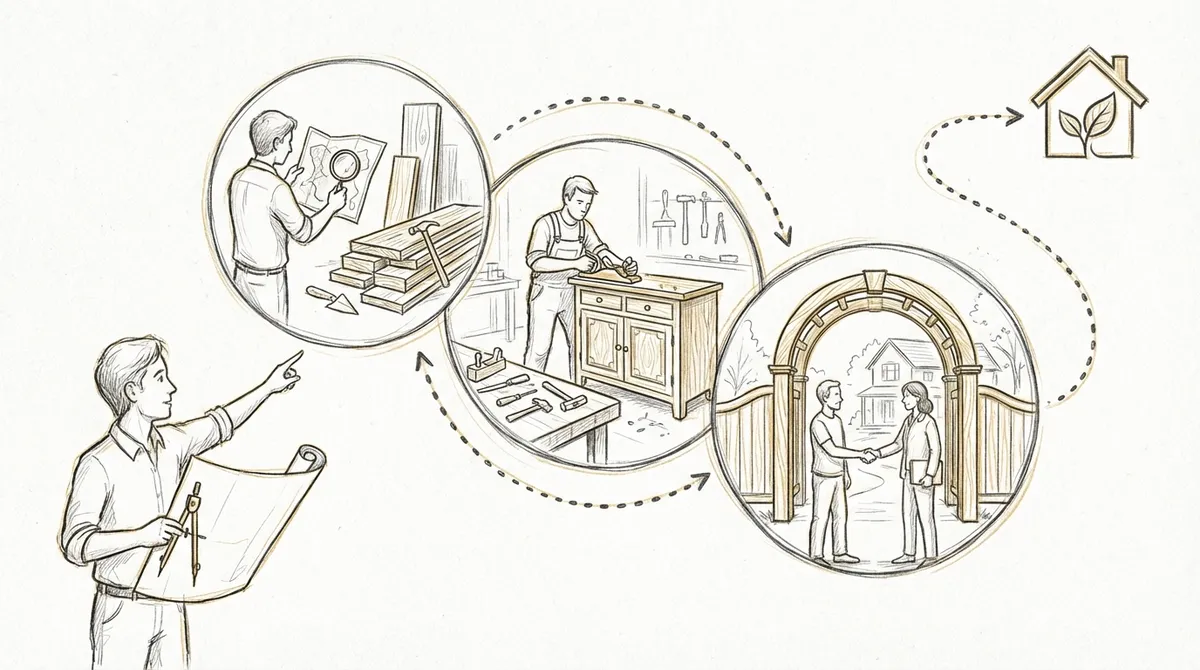
Locating skilled custom carpenters requires more than a simple internet search. The most reliable methods combine online research with traditional networking to identify craftsmen with proven track records and satisfied clients in your community.
Online Search Strategies
Begin your search using targeted keywords like “custom carpentry near me” or “custom trim carpenter [your city]” to generate locally relevant results. Review business listings on platforms like Google Business Profile, which provide customer reviews, project photos, and direct contact information. Check the carpenter’s website for portfolios showcasing completed projects similar to what you envision.
Social media platforms also reveal valuable insights about local carpenters. Many professionals maintain active Facebook business pages featuring recent projects, customer testimonials, and real-time updates about their work. Instagram and Pinterest offer visual portfolios that demonstrate a carpenter’s style and attention to detail.
Traditional Networking Methods
Ask friends, family members, and neighbors who have completed renovation projects for recommendations. Interior designers and architects maintain relationships with skilled tradespeople and can suggest qualified carpenters. Visit local lumber yards and specialty woodworking suppliers, as staff members often know the most skilled craftsmen in the area.
Home improvement shows and local builder associations provide additional networking opportunities. Attend open houses featuring custom homes to see exceptional carpentry firsthand and collect business cards from the craftsmen responsible for standout features.
Essential Questions to Ask Before Hiring
Interviewing potential custom carpenters helps you evaluate their qualifications, working style, and compatibility with your project vision. Prepare specific questions that reveal important information about their experience, processes, and business practices.
Ask these critical questions during initial consultations:
- How long have you specialized in custom carpentry? Experience matters significantly in complex woodworking projects.
- Can you provide references from recent projects similar to mine? Speaking with past clients reveals reliability and quality standards.
- Are you licensed, bonded, and insured? Proper credentials protect you from liability and ensure professional accountability.
- What is your typical project timeline? Understanding scheduling helps you plan around the carpenter’s availability.
- Do you handle all aspects of the project or subcontract portions? Knowing who will actually perform the work ensures consistent quality.
- How do you handle unexpected issues or changes? Problem-solving approaches indicate professionalism and flexibility.
- What warranties or guarantees do you offer? Quality craftsmen stand behind their work with solid guarantees.
Pay attention not only to the answers but also to how the carpenter communicates. Clear, prompt responses indicate the level of communication you can expect throughout your project. For inspiration on various custom applications, explore wall enhancement options that showcase what skilled carpentry can achieve.
Evaluating Portfolios and Previous Work
A carpenter’s portfolio reveals their skill level, design sensibility, and range of capabilities better than any verbal description. Carefully examine completed projects to determine whether their style aligns with your vision and whether they possess the technical expertise your project requires.
What to Look for in Project Photos
Focus on finish quality, joint precision, and overall craftsmanship in portfolio images. Examine corners, seams, and transitions between materials for clean, tight construction. Notice how well the custom work integrates with existing architectural features. Quality crown molding installations, for example, should feature seamless corner joints and consistent reveals.
Look for variety in the portfolio demonstrating versatility across different styles and project types. A carpenter who only shows one design aesthetic may lack the flexibility to execute your unique vision. Consider these portfolio elements:
- Close-up detail shots revealing joint quality and finish work
- Full-room views showing how custom elements integrate with overall design
- Before-and-after comparisons demonstrating transformation capabilities
- Projects featuring materials and finishes similar to what you want
- Complex installations showcasing advanced technical skills
Visiting Completed Projects
Whenever possible, view completed projects in person rather than relying solely on photographs. In-person inspections reveal details that cameras miss, including the quality of finishes, structural integrity, and how well custom pieces have held up over time. Touch surfaces to assess smoothness, open cabinet doors to check alignment, and examine installations from various angles.
Consider viewing projects at different ages—recently completed work shows current skills, while older installations demonstrate durability and long-term quality. This comprehensive evaluation ensures you select a carpenter whose work meets your standards for both immediate impact and lasting value.
Understanding Custom Carpentry Project Costs
Custom carpentry represents a significant investment in your home’s value and your daily living experience. While exact figures vary based on project scope, materials, and regional labor rates, understanding cost factors helps you budget appropriately and compare quotes accurately.
Factors Influencing Project Costs
Multiple variables affect custom carpentry expenses. Project complexity ranks as the primary cost driver—intricate designs with detailed joinery require more time and skill than simple installations. Material selection significantly impacts totals, with exotic hardwoods and premium finishes commanding higher rates than standard options.
These factors influence your final investment:
| Cost Factor | Impact Level | Description |
|---|---|---|
| Design Complexity | High | Intricate patterns and custom details increase labor hours |
| Material Selection | High | Premium woods and specialty materials raise material costs |
| Project Size | Medium | Larger installations require more materials and time |
| Finish Requirements | Medium | Custom staining, painting, and protective coatings add steps |
| Site Accessibility | Low | Difficult access or working conditions may affect scheduling |
| Timeline Constraints | Low | Rush projects may incur premium scheduling fees |
Labor typically represents 50-70% of custom carpentry costs, reflecting the skilled craftsmanship these projects demand. Quality carpenters invest years developing their expertise, and their rates reflect this specialized knowledge. Remember that exceptional craftsmanship delivers lasting value that far exceeds the initial investment.
Popular Custom Carpentry Projects for Homeowners
Custom carpentry transforms homes through both aesthetic enhancements and functional improvements. Understanding popular project types helps you identify opportunities to upgrade your own space while seeing what skilled craftsmen can achieve.
Built-In Cabinetry and Storage
Custom built-in cabinets maximize space utilization while creating seamless, integrated storage solutions that appear architecturally original to the home. These installations serve multiple rooms—home offices benefit from floor-to-ceiling bookcases, kitchens gain specialized pantry solutions, and living rooms feature entertainment centers designed around specific equipment dimensions.
Built-ins offer advantages over freestanding furniture including optimized space usage, permanent stability, and cohesive design integration. Custom dimensions ensure every inch of available space serves a purpose, particularly valuable in smaller homes or rooms with challenging layouts.
Architectural Molding and Trim
Decorative molding and trim work adds character and sophistication to any room. Crown molding creates elegant transitions between walls and ceilings, while wainscoting provides visual interest and wall protection in dining rooms, hallways, and entryways. Chair rails, picture rails, and baseboards contribute layers of architectural detail that distinguish custom homes from standard construction.
Contemporary designs may feature clean, minimal profiles, while traditional homes showcase ornate, multi-piece assemblies. Custom carpenters craft these elements to match your home’s architectural period and your personal aesthetic preferences.
Specialty Project Applications
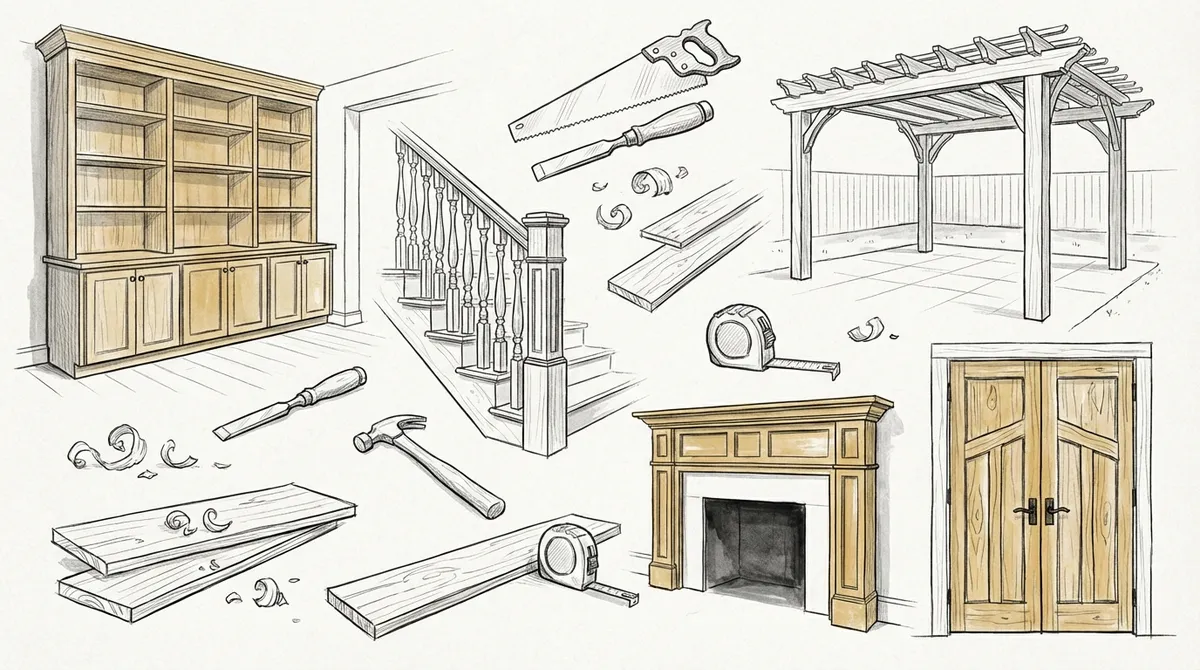
Beyond standard installations, custom carpenters execute unique specialty projects including custom staircases with detailed balusters and newel posts, coffered ceiling treatments that add depth and drama, and custom mantels that serve as room focal points. Wine cellars, home bars, and murphy beds represent specialized applications requiring both carpentry expertise and understanding of mechanical systems.
These distinctive projects transform houses into personalized homes reflecting individual tastes and lifestyles. Working with skilled local craftsmen ensures these investments enhance both daily living and property value.
Working Successfully With Your Chosen Carpenter
Establishing clear communication and realistic expectations from the project’s beginning creates a foundation for successful collaboration. The relationship between homeowner and carpenter significantly influences project outcomes, timelines, and overall satisfaction.
Communication Best Practices
Maintain open, regular communication throughout every project phase. Schedule a detailed kick-off meeting to discuss your vision, functional requirements, and aesthetic preferences. Share inspiration images, magazine clippings, or online examples that capture elements you want to incorporate. Establish preferred communication methods—some carpenters respond quickly to text messages while others prefer email or phone calls.
Document all decisions, changes, and agreements in writing to prevent misunderstandings. Review progress regularly and address concerns immediately rather than waiting until problems compound. Remember that skilled craftsmen appreciate clients who respect their expertise while clearly expressing their own preferences and priorities.
Managing Project Timelines
Custom carpentry requires patience—quality craftsmanship cannot be rushed without compromising results. Discuss realistic timelines during initial planning and understand that unexpected issues occasionally arise during renovation work. Hidden structural problems, delayed material deliveries, or weather-related setbacks may extend schedules beyond original estimates.
Build flexibility into your plans while maintaining regular check-ins to monitor progress. Understand each project phase and what tasks should be completed during specific timeframes. This knowledge helps you identify actual delays versus normal progression through complex work.
Maintaining Your Custom Carpentry Investment
Proper maintenance preserves the beauty and functionality of custom carpentry for decades. While quality craftsmanship delivers inherent durability, routine care protects your investment and keeps installations looking pristine.
Follow these maintenance guidelines:
- Dust custom woodwork regularly with soft, dry cloths to prevent buildup
- Clean surfaces with appropriate wood cleaners specific to your finish type
- Avoid excessive moisture exposure which can damage wood and finishes
- Address minor scratches or dings promptly before they worsen
- Maintain consistent indoor humidity levels to prevent wood expansion and contraction
- Refinish surfaces periodically to refresh appearance and maintain protection
- Inspect joints and connections annually for any loosening or separation
Establish a relationship with your carpenter for periodic maintenance visits. Many professionals offer refinishing services, minor repairs, and adjustments that keep installations functioning optimally. This ongoing relationship also provides a resource when you’re ready to tackle additional custom projects throughout your home.
Conclusion
Finding exceptional custom carpentry near you elevates your home through personalized craftsmanship that reflects your unique style and functional needs. From dramatic ceiling treatments to practical built-in storage, skilled local carpenters transform your vision into tangible reality. The search process requires careful evaluation of portfolios, clear communication about expectations, and selection of professionals whose expertise aligns with your project requirements.
Quality custom carpentry represents an investment that delivers returns through enhanced daily living, increased property value, and the satisfaction of owning truly distinctive spaces. By choosing experienced local craftsmen who demonstrate both technical skill and artistic sensibility, you ensure your project receives the attention and expertise it deserves.
Whether you’re planning a single accent wall or a comprehensive home transformation, the right carpenter makes all the difference in achieving outstanding results. Take time to research options thoroughly, ask detailed questions, and select professionals whose previous work demonstrates the quality you expect. For those in the Tampa Bay area seeking exceptional custom carpentry backed by years of specialized experience, visit Bucheli Trim on Google to explore how expert craftsmanship can transform your home. Ready to discuss your custom carpentry vision? Connect with skilled professionals who can bring your ideas to life with precision and artistry.
FAQs
Q: How much does custom carpentry typically cost?
A: Custom carpentry costs vary widely based on project complexity, materials, and size. Factors like design intricacy, wood species, and finish requirements all influence the final investment. Quality custom work represents a significant but worthwhile investment that adds lasting value to your home through both enhanced functionality and aesthetic appeal.
Q: How long does a typical custom carpentry project take?
A: Project timelines depend on scope and complexity, ranging from several days for simple installations to several weeks for comprehensive whole-room transformations. Custom work requires precision and cannot be rushed without compromising quality. Your carpenter should provide a realistic timeline during initial consultations, accounting for design, material procurement, fabrication, and installation phases.
Q: What’s the difference between custom carpentry and standard carpentry?
A: Custom carpentry creates unique, tailored installations designed specifically for your space and preferences, while standard carpentry uses pre-manufactured components and conventional construction methods. Custom work involves precise measurements, specialized designs, and higher-quality materials to create one-of-a-kind features that reflect personal style and fit exact dimensions. This specialized approach requires advanced skills and delivers superior aesthetic results.
Q: Do I need permits for custom carpentry projects?
A: Permit requirements depend on your project scope and local building codes. Purely decorative additions like crown molding or wainscoting typically don’t require permits, while structural modifications or built-ins affecting electrical or plumbing systems usually do. Your carpenter should understand local requirements and can guide you through necessary permitting processes to ensure your project meets all regulations.
Q: How do I know if a carpenter specializes in custom work?
A: Review their portfolio for projects demonstrating custom design work rather than standard installations. Ask about their experience with unique designs, specialty joinery techniques, and ability to work from custom plans. True custom carpenters can discuss various wood species, joining methods, and finish options, and show examples of tailored projects rather than repeating identical installations across multiple homes.