Key Takeaways
-
Carefully assess project complexity before deciding between DIY and hiring a professional carpenter – different skill levels require different approaches.
-
Calculate total project costs beyond initial labor, including tools, materials, and potential mistakes when comparing DIY versus professional services.
-
Professional carpenters offer faster project completion, specialized tools, and higher quality results that can add long-term value to your property.
-
Time investment is a critical factor – professional carpenters can complete complex projects in days that might take DIY enthusiasts weeks or months.
-
For complex or structural projects involving load-bearing elements, building codes, or high-precision work, hiring a professional carpenter is essential for safety and quality.
When faced with a home improvement project requiring carpentry work, homeowners, interior designers, and real estate developers often find themselves at a crossroads: should they hire a professional carpenter or attempt the work themselves? This decision goes beyond simple cost considerations—it involves weighing expertise, time investment, quality outcomes, and long-term value. Whether you’re planning ceiling designs, wall enhancements, or custom cabinetry, understanding the true differences between hiring a skilled craftsman and taking the DIY route can save you money, frustration, and potential costly mistakes.
The carpentry industry has evolved significantly, with professionals now offering specialized services that combine traditional craftsmanship with modern design techniques. According to learn more about carpentry, the trade encompasses a wide range of skills from framing to finish work, each requiring specific expertise. Meanwhile, the rise of online tutorials and accessible tools has made DIY carpentry more approachable than ever. However, the gap between professional-grade work and amateur efforts remains substantial in most cases.
Understanding the True Cost of Each Option
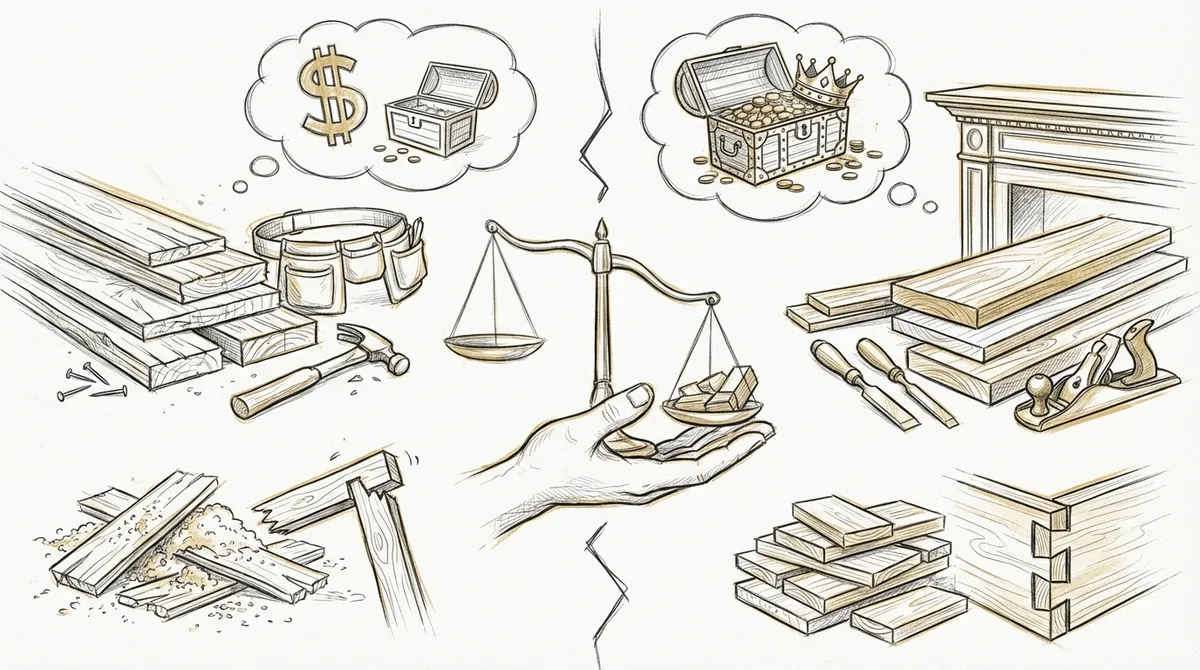
The financial aspect of hiring a carpenter versus doing it yourself extends far beyond the initial price tag. When you hire a professional carpenter, you’re paying for labor, expertise, and often materials bundled into a comprehensive service. Professional carpentry services typically range from $35 to $100 per hour depending on the complexity of work and regional market rates, with custom projects potentially commanding premium pricing.
DIY projects initially appear more budget-friendly since you’re eliminating labor costs. However, hidden expenses quickly accumulate. You’ll need to purchase or rent specialized tools, buy materials (often without trade discounts), and account for potential mistakes that waste materials. A miter saw alone can cost $200-$600, and that’s just one tool in a carpenter’s extensive arsenal. If your project requires precision equipment like table saws, routers, or pneumatic nailers, your tool investment could exceed $1,000 before cutting a single board.
Consider these cost factors when comparing options:
- Professional carpenter: Labor, expertise, insurance, warranty on work, professional-grade tools included
- DIY approach: Tool purchases or rentals, materials at retail prices, learning curve expenses, time investment valued at your hourly rate
- Hidden costs: Permit fees, inspection requirements, correction of mistakes, potential property damage
- Long-term value: Professional work typically adds more resale value and requires fewer future repairs
Skill Level and Project Complexity Assessment
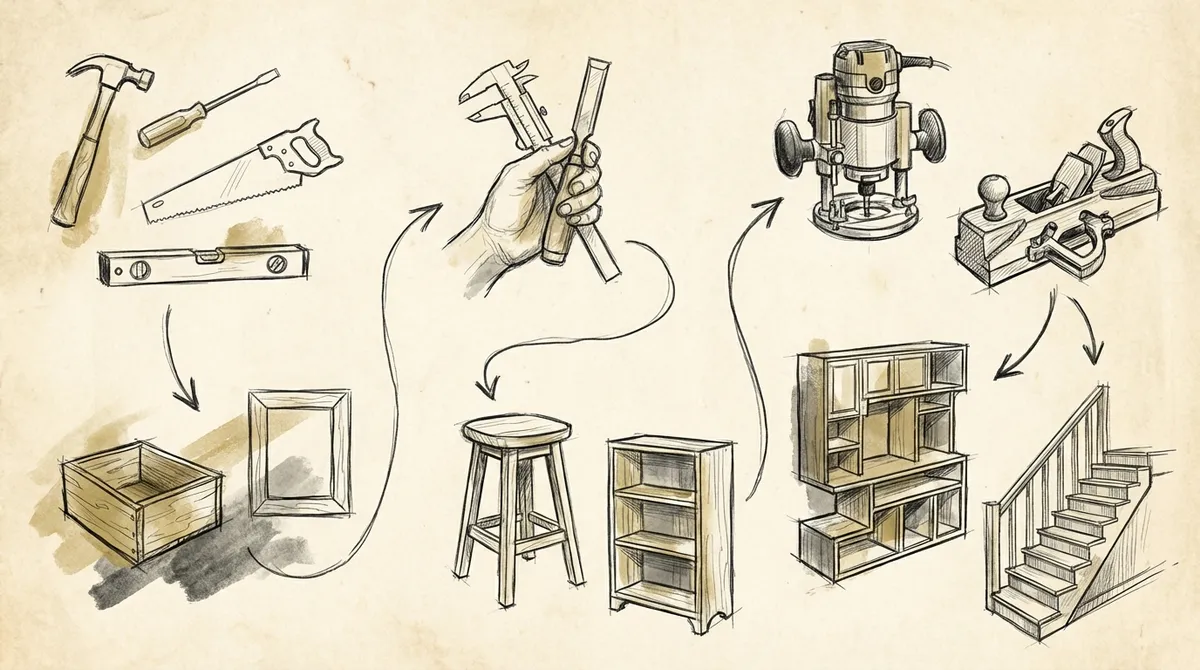
Not all carpentry projects are created equal. Installing a simple floating shelf differs dramatically from designing and building custom Cabinets or intricate Ceiling Designs. Your existing skill level and the project’s complexity should heavily influence your decision to hire a carpenter or proceed independently.
Beginner-friendly DIY carpentry projects include basic shelving, simple picture frame molding, and minor trim repairs. These tasks require minimal specialized knowledge and use straightforward techniques that most homeowners can master with patience and careful attention to online tutorials. Intermediate projects like building a bookshelf or installing crown molding require more precision and understanding of joinery, angles, and finishing techniques.
Advanced carpentry work—including structural modifications, custom built-ins, coffered ceilings, or wainscoting installations—demands professional expertise. These projects involve complex measurements, precise cutting angles, understanding of building codes, and finishing techniques that take years to master. When you hire a carpenter for these sophisticated projects, you’re accessing knowledge that prevents structural issues, ensures code compliance, and delivers aesthetically refined results.
Evaluating Your Capabilities Honestly
Before committing to DIY carpentry, honestly assess your skills, available time, and comfort with power tools. Ask yourself these critical questions: Have you successfully completed similar projects? Do you understand how to read building plans and make accurate measurements? Can you identify quality materials and understand grain direction, wood movement, and finishing requirements? Do you have a well-ventilated workspace and proper safety equipment?
If you answered no to several questions, hiring a professional carpenter eliminates the learning curve and reduces project risks. Companies like Bucheli Trim bring specialized expertise in high-end custom carpentry, ensuring your vision becomes reality without the trial-and-error inherent in DIY approaches.
Time Investment and Project Timeline
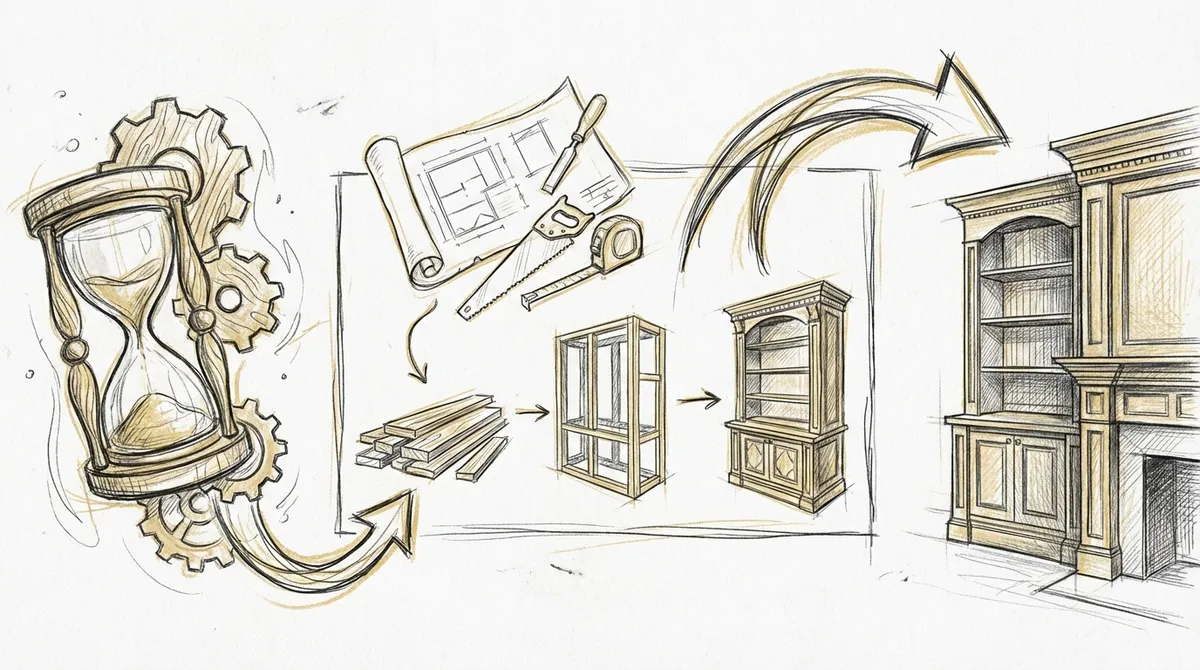
Time represents one of the most undervalued factors when deciding whether to hire a carpenter or tackle the work yourself. Professional carpenters complete projects significantly faster due to experience, specialized tools, and established workflows. What might take you an entire weekend or multiple weeks of spare time could be finished by a professional in a single day or a few concentrated work sessions.
Consider a custom built-in bookshelf project. An experienced carpenter might complete design, cutting, assembly, installation, and finishing in 12-20 hours of focused work spread over 2-3 days. The same project attempted by an enthusiastic DIYer could easily consume 40-60 hours stretched across multiple weekends, assuming no major mistakes require starting over.
The timeline difference becomes even more pronounced with complex projects like Wall Enhancements or intricate trim work. Professionals work efficiently because they’ve solved similar problems dozens or hundreds of times. They know exactly which tools to use, how to sequence tasks for maximum efficiency, and how to anticipate and avoid common pitfalls that slow down amateurs.
| Project Type | Professional Timeline | DIY Timeline | Complexity Level |
|---|---|---|---|
| Basic Shelving Installation | 2-4 hours | 4-8 hours | Beginner |
| Crown Molding (Single Room) | 4-8 hours | 12-20 hours | Intermediate |
| Custom Built-in Cabinetry | 2-4 days | 4-8 weeks | Advanced |
| Coffered Ceiling Design | 3-5 days | 6-12 weeks | Expert |
The Opportunity Cost Factor
When evaluating time investment, calculate opportunity cost—what else could you accomplish with those hours? If your professional hourly rate is $50 and a DIY project takes 40 hours that a carpenter could complete in 15 hours, you’re investing 25 additional hours. That’s $1,250 in opportunity cost, potentially offsetting any labor savings. For busy professionals, real estate developers managing multiple properties, or interior designers juggling client projects, hiring a carpenter becomes the financially smarter choice when time is properly valued.
Quality and Longevity of Results
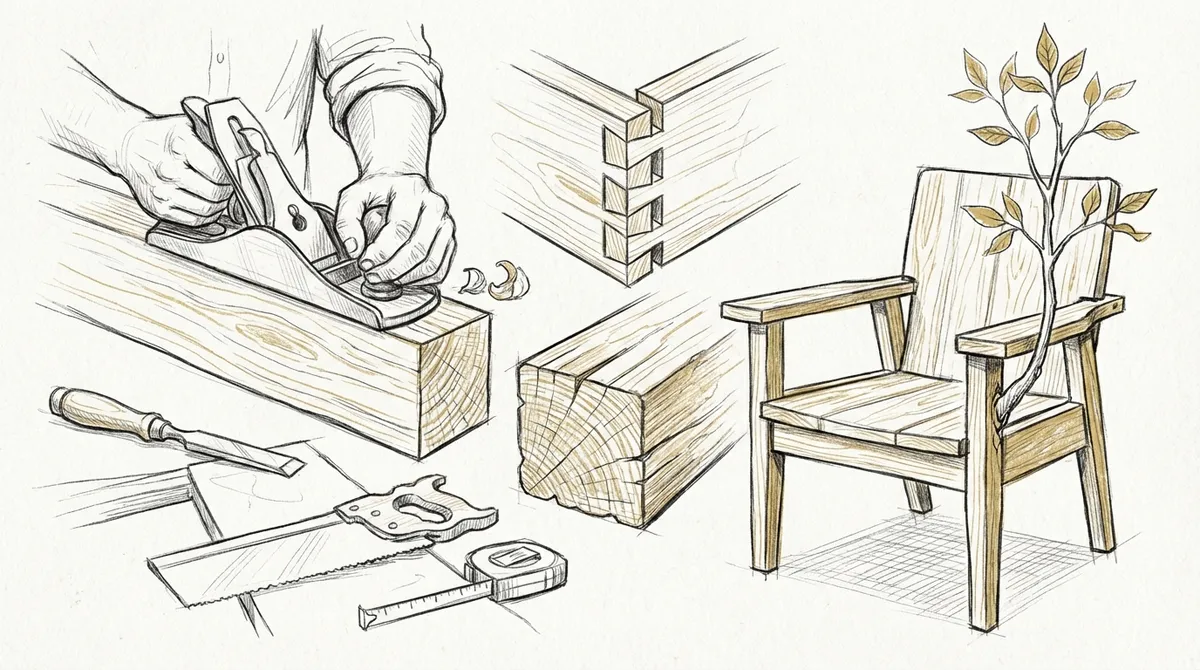
The finished quality difference between professional carpentry and DIY work is often immediately apparent to trained eyes and becomes increasingly obvious over time. Professional carpenters deliver precision that’s difficult to replicate without years of experience. Their joints fit seamlessly, their finishes are smooth and consistent, and their installations remain stable and beautiful for decades.
When you hire a carpenter with established credentials, you’re investing in craftsmanship that enhances your property’s value. Professional work features tight miters, perfectly aligned grain patterns, and finishes applied with proper preparation and technique. These details matter tremendously for high-end residential projects, luxury property developments, and spaces where design integrity is paramount.
DIY carpentry often reveals telltale signs of amateur work: uneven gaps in trim joints, inconsistent stain application, visible nail holes, or slight misalignments that create visual disruption. While these imperfections might be acceptable in a garage workshop or utility space, they’re problematic in living areas, especially in homes where craftsmanship contributes to overall property value.
Warranty and Professional Accountability
Professional carpenters stand behind their work with warranties and professional accountability. If something isn’t right, they’ll correct it. If materials fail prematurely due to installation errors, they’ll remedy the situation. DIY projects offer no such protection—mistakes become costly learning experiences, and you bear full responsibility for any problems that emerge.
Access to Professional Tools and Materials
Professional carpenters maintain extensive tool collections representing thousands of dollars in investment. These aren’t just basic saws and drills—they’re precision instruments calibrated for accuracy, specialized jigs for repetitive cuts, and finishing equipment that delivers professional-grade results. When you hire a carpenter, you’re accessing this complete toolkit without the investment burden.
Beyond tools, professionals have relationships with material suppliers that provide access to better products at trade pricing. They know which lumber grades work best for specific applications, how to select boards for optimal grain appearance, and which finishing products deliver lasting results. This material knowledge prevents costly mistakes like choosing wood species inappropriate for your climate or using finishes that won’t hold up to your home’s environmental conditions.
DIY enthusiasts must purchase or rent tools, often settling for consumer-grade equipment that lacks the precision and durability of professional tools. A weekend woodworker’s circular saw produces adequate cuts, but it won’t match the accuracy of a professional’s track saw or the speed and consistency of their pneumatic nail guns. These differences accumulate throughout a project, affecting both efficiency and final quality.
Safety Considerations and Risk Management
Carpentry involves inherent risks—powerful cutting tools, elevated work on ladders or scaffolding, and physical demands that can lead to injury without proper training and safety equipment. Professional carpenters undergo safety training, maintain proper insurance coverage, and use safety equipment as standard practice. They understand proper tool operation, recognize hazardous situations, and take precautions that prevent accidents.
DIY carpenters often underestimate safety risks or cut corners on protective equipment to save money. A momentary lapse in attention while using a table saw can result in life-altering injuries. Working on ladders without proper stabilization leads to falls. These risks extend beyond personal injury to property damage—an errant saw cut can damage electrical wiring, plumbing, or structural elements hidden behind walls.
When you hire a carpenter, you transfer these risks to insured professionals. Licensed carpenters carry liability insurance and workers’ compensation coverage, protecting you from financial responsibility if accidents occur on your property. This protection alone justifies professional hiring for many complex or risky projects.
Navigating Permits and Building Codes
Many carpentry projects require building permits and must comply with local building codes. Professional carpenters understand these requirements, know which projects need permits, and ensure their work meets inspection standards. This knowledge protects you from code violations that could complicate future property sales or create liability issues.
Structural modifications, new door or window installations, and certain built-in features typically require permits and inspections. Experienced carpenters navigate this bureaucracy efficiently, pulling permits, scheduling inspections, and ensuring compliance without delays. DIY enthusiasts often discover permit requirements mid-project, leading to work stoppages, retroactive inspections, or even requirements to remove completed work that doesn’t meet code.
Code compliance extends beyond legality to safety. Building codes exist to prevent structural failures, fire hazards, and other dangerous conditions. Professional carpenters inherently build to code because they understand the reasoning behind requirements. DIYers might unknowingly create hazardous conditions by blocking ventilation, improperly supporting loads, or using materials in inappropriate applications.
When DIY Makes Sense
Despite the advantages of hiring a professional, certain situations favor the DIY approach. If you’re working on a small, non-critical project with room for imperfection, DIY can be rewarding and cost-effective. Projects like building a basic workbench for your garage, creating simple outdoor planters, or installing floating shelves in a laundry room offer learning opportunities without high-stakes consequences.
DIY carpentry also makes sense when you have genuine interest in developing woodworking skills as a hobby. The satisfaction of creating something with your own hands has intrinsic value beyond financial considerations. Starting with manageable projects and gradually building skills over time can be deeply fulfilling for those with patience and genuine interest in the craft.
Budget constraints sometimes necessitate DIY approaches, but be realistic about project scope. Tackle only projects within your demonstrated skill level, invest in quality tools you’ll use repeatedly, and don’t hesitate to hire a professional for complex aspects while handling simpler tasks yourself. This hybrid approach balances budget limitations with quality outcomes.
When Hiring a Professional Is Essential
Certain projects absolutely require professional expertise. Structural work affecting your home’s load-bearing elements should never be DIY territory—mistakes can compromise your home’s integrity and create dangerous conditions. Custom cabinetry, intricate trim work, and architectural elements like coffered ceilings demand precision that takes years to develop.
If you’re preparing a property for sale, professional carpentry ensures maximum return on investment. Real estate professionals and discerning buyers immediately recognize quality craftsmanship, and professional work adds genuine value to your property. Amateur carpentry, conversely, can detract from perceived value and raise questions about other home maintenance.
When working with interior designers on coordinated spaces, hiring a skilled carpenter ensures the designer’s vision translates accurately into physical reality. Professional carpenters collaborate effectively with designers, understanding drawings and specifications while offering practical input about implementation. This collaboration produces cohesive results that honor the design intent.
For those in the Tampa Bay area seeking exceptional custom carpentry, Bucheli Trim specializes in high-end work including Molding Details and Custom Projects that showcase true craftsmanship and precision. Their expertise transforms residential and commercial spaces with carpentry that stands the test of time.
Making Your Decision: A Practical Framework
To determine whether you should hire a carpenter or proceed with DIY, work through this decision framework systematically. First, define your project scope precisely—create detailed plans, identify all required tasks, and research the techniques involved. This clarity reveals the project’s true complexity and helps you assess whether it matches your skill level.
Second, calculate total costs honestly for both approaches. Include all tool purchases or rentals, materials at retail pricing, your time valued at your professional hourly rate, and potential mistake costs. Compare this against professional quotes from licensed, insured carpenters. Often, the cost difference is smaller than expected, especially when factoring in opportunity costs and potential DIY mistakes.
Third, evaluate timeline requirements. If you need the project completed quickly or on a specific schedule, professional carpentry offers predictable timelines and reliable completion dates. DIY projects frequently take much longer than anticipated, with delays cascading across other planned activities.
Fourth, consider the stakes. Projects in highly visible areas, work affecting your home’s structure or systems, and carpentry that impacts property value warrant professional execution. Save DIY experiments for lower-stakes projects where imperfections won’t compromise functionality or value.
Getting the Best Value When You Hire a Carpenter
When you decide to hire a professional, maximize your investment through smart contractor selection and project management. Start by researching local carpenters with proven track records, checking references, and reviewing portfolios of completed work. Verify licensing, insurance, and any professional certifications relevant to your project.
Obtain detailed written estimates from multiple carpenters, ensuring quotes include materials, labor, timeline, and payment schedule. The lowest bid isn’t always the best value—evaluate what’s included, the carpenter’s communication style, and your confidence in their ability to deliver quality results.
Communicate your expectations clearly from the start. Share inspiration images, discuss your style preferences, and be explicit about budget constraints and timeline requirements. Good carpenters appreciate clear communication and will offer professional input about what’s achievable within your parameters.
During the project, maintain professional relationships while staying informed about progress. Ask questions when you don’t understand something, but avoid micromanaging skilled craftsmen who know their trade. Address concerns promptly and professionally, and inspect completed work thoroughly before final payment.
Hybrid Approaches: Combining DIY and Professional Help
For some projects, a hybrid approach offers the best balance of cost savings and quality results. You might hire a carpenter for complex aspects requiring expertise while handling simpler tasks yourself. For example, a professional could construct and install custom cabinetry while you handle the painting or simple hardware installation.
Another hybrid option involves hiring a carpenter as a consultant—paying for a few hours of professional advice, tool recommendations, and technique demonstrations before proceeding with DIY execution. This approach works well for motivated DIYers on intermediate projects who need expert guidance without full professional execution.
Some carpenters offer partial services like cutting complex angles or building cabinet boxes in their shop, which you then finish and install yourself. This arrangement provides professional precision for the most challenging aspects while keeping costs manageable through your sweat equity on finishing tasks.
The Impact on Property Value and Investment Return
Whether you hire a carpenter or DIY significantly impacts your project’s effect on property value. Professional carpentry consistently adds more value per dollar invested than amateur work. Real estate appraisers and buyers distinguish between quality craftsmanship and DIY efforts, with professional work commanding premium valuations.
For real estate developers, professional carpentry isn’t optional—it’s essential for marketability and achieving target price points. Properties featuring quality Doors, trim work, and built-in features attract buyers willing to pay premiums for move-in-ready homes with superior finishes.
Even if you’re not selling immediately, professional carpentry provides lasting value through durability and timeless appeal. Well-executed custom work remains beautiful and functional for decades, while DIY projects may require replacement or correction within years, ultimately costing more than hiring professionals initially would have.
When calculating return on investment, factor in both immediate project costs and long-term value contribution. Professional carpentry typically recovers 60-80% of costs in added property value, while also providing years of daily enjoyment. DIY projects may cost less initially but often add minimal value and may even detract if quality is poor.
Visit our Google Business Profile to see reviews from satisfied clients who chose professional carpentry for their homes and businesses, experiencing firsthand the difference that expert craftsmanship makes in both immediate results and long-term satisfaction.
Conclusion: Making the Right Choice for Your Project
The decision to hire a carpenter versus DIY depends on your specific circumstances, project complexity, skill level, and priorities. For simple, low-stakes projects where you have genuine interest in learning and time to invest, DIY can be rewarding and economical. However, for complex work, projects affecting property value, structural modifications, or situations where quality and timeline matter, hiring a professional carpenter delivers superior results that justify the investment.
Consider not just immediate costs but total value—including your time, the quality and longevity of results, code compliance, safety, and impact on property value. Professional carpentry provides expertise, efficiency, quality, and accountability that DIY approaches simply cannot match for most significant projects. The peace of mind knowing your project is executed correctly, safely, and beautifully often proves priceless.
Whether you’re a homeowner planning a single renovation, an interior designer coordinating client projects, or a real estate developer managing multiple properties, understanding when to hire a professional versus when DIY makes sense empowers better decisions that balance budget, quality, and long-term value. Ready to discuss your custom carpentry project with experienced professionals? Get in touch with our expert team to explore how professional craftsmanship can transform your space with the precision and artistry that only skilled carpenters deliver.
FAQs
Q: How much does it cost to hire a carpenter compared to DIY?
A: Professional carpenters typically charge $35-$100 per hour depending on project complexity and location. While DIY eliminates labor costs, you’ll need to purchase or rent specialized tools ($200-$1,000+), buy materials at retail prices, and account for your time and potential mistakes. For complex projects, total DIY costs often approach or exceed professional pricing when all factors are considered, especially opportunity costs.
Q: What carpentry projects should never be DIY?
A: Never attempt DIY for structural modifications affecting load-bearing elements, complex custom cabinetry, intricate architectural details like coffered ceilings, or any work requiring building permits and inspections. These projects demand professional expertise to ensure safety, code compliance, and quality results. Mistakes on structural work can compromise your home’s integrity and create dangerous conditions that are costly to correct.
Q: How do I find a qualified carpenter to hire?
A: Start by researching local carpenters with proven portfolios and verified customer reviews. Check that they carry proper licensing, liability insurance, and workers’ compensation coverage. Request detailed written estimates from multiple candidates, verify references from past clients, and evaluate their communication style and professionalism. Look for carpenters specializing in your project type for best results.
Q: Can I save money by doing part of the carpentry work myself?
A: Yes, hybrid approaches can reduce costs while maintaining quality. Consider hiring a professional for complex aspects requiring expertise—like custom cabinet construction or intricate trim cutting—while handling simpler tasks like painting, hardware installation, or basic finishing yourself. Some carpenters also offer consulting services to guide your DIY efforts on intermediate projects.
Q: Does professional carpentry increase home value more than DIY?
A: Professional carpentry consistently adds more property value than DIY work. Quality craftsmanship typically recovers 60-80% of costs in added home value and appeals to buyers willing to pay premiums for superior finishes. Real estate appraisers and buyers easily distinguish between professional and amateur work, with DIY projects sometimes detracting from value if quality is poor or work doesn’t meet code requirements.