Key Takeaways
-
Choose carpenters based on overall value, not just the lowest price. Experienced professionals invest in quality materials and skills that save money long-term.
-
Review a carpenter's portfolio carefully to ensure they specialize in your specific type of residential project and have proven experience.
-
Always verify a contractor's insurance, licensing, and worker's compensation before starting any home carpentry project to protect yourself financially.
-
Demand a comprehensive written contract that details project scope, materials, timeline, payment schedule, and specific work expectations.
-
Specify exact material grades, brands, and quality levels in your contract to prevent contractors from using cheap, inferior materials.
-
Discuss maintenance requirements and care instructions before project completion to preserve the beauty and durability of your carpentry work.
When you invest in your home, you want the results to last. Many homeowners make critical errors when choosing residential carpentry services that lead to wasted money and disappointing outcomes. These mistakes can transform an exciting home improvement project into a costly nightmare. Understanding what to avoid helps you protect your investment and achieve the custom carpentry results you deserve.
Your home is likely your biggest financial asset. Making the wrong choices about carpentry work can decrease your property value and create safety hazards. Whether you’re planning ceiling designs, wall enhancements, or built-in cabinetry, knowing these common mistakes helps you make smarter decisions. The right carpentry partner brings craftsmanship, precision, and style to every project.
Let’s explore the seven biggest mistakes homeowners make with residential carpentry services. Each mistake costs time and money, but all are completely avoidable when you know what to watch for.
Mistake 1: Hiring Based Only on the Lowest Price
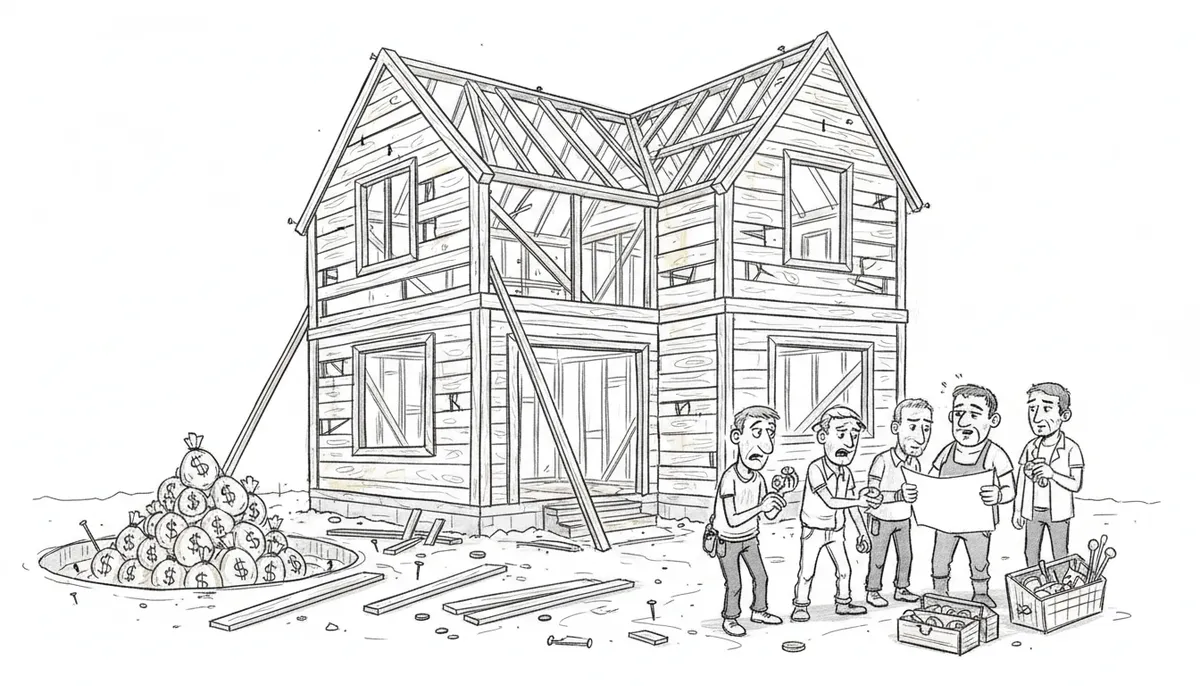
The cheapest option rarely delivers the best value. Many homeowners focus only on finding the lowest quote without considering experience or quality. This approach often leads to substandard work that requires expensive repairs later. Quality materials and skilled craftsmanship cost more upfront but save thousands in the long run.
Professional carpenters invest in proper tools, training, and materials. These investments show in their work quality and durability. When you choose the lowest bidder, you risk working with someone who cuts corners on materials or lacks proper skills. The initial savings disappear when you need to hire another contractor to fix poor workmanship.
What happens when you focus only on price:
- You get lower quality materials that wear out quickly
- Work may not meet building codes or safety standards
- Projects take longer due to inexperience
- Hidden costs emerge as problems surface
- You lose money fixing mistakes instead of enjoying your investment
Smart homeowners compare at least three qualified contractors. They review portfolios, check references, and evaluate overall value rather than just comparing numbers. A mid-range quote from an experienced carpenter like Bucheli Trim often provides the best balance of quality and value.
Mistake 2: Skipping the Research on Experience and Portfolio
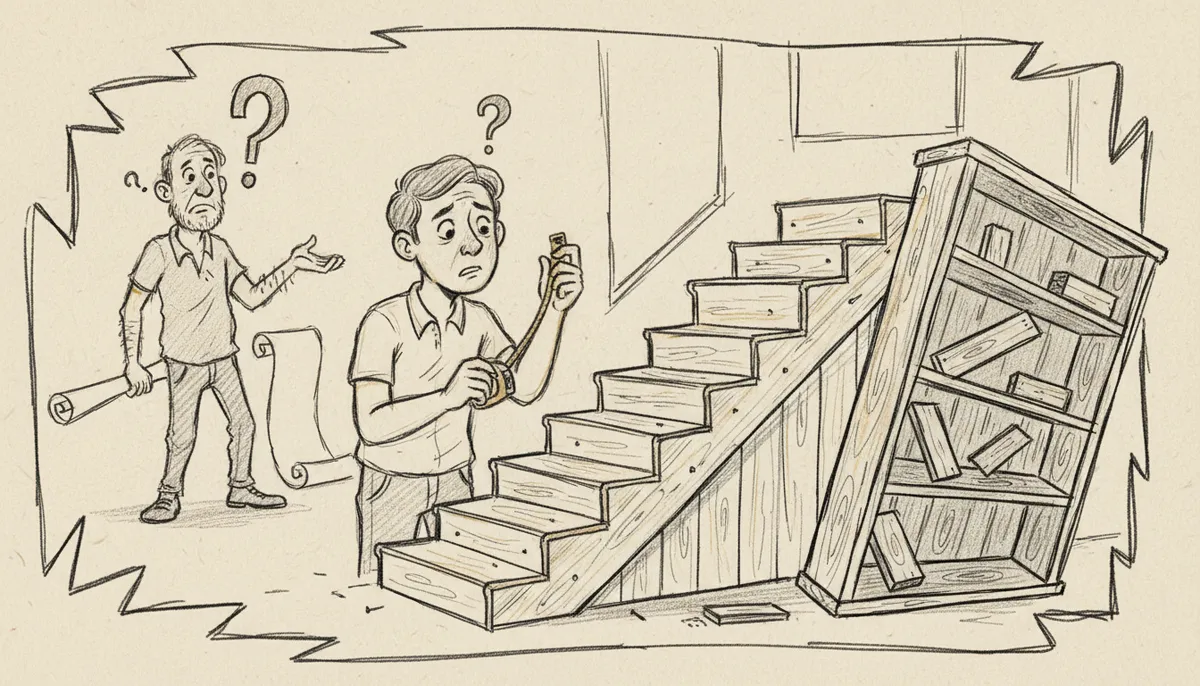
Not all carpenters specialize in the same type of work. Some excel at rough carpentry for framing, while others focus on fine detail work. Hiring someone without reviewing their specific experience in residential custom carpentry leads to disappointing results. Your molding details and custom projects deserve a craftsman who specializes in finish carpentry.
A carpenter’s portfolio tells you everything about their capabilities. Look for examples that match your project style and complexity. If you want elegant crown molding or custom built-ins, the carpenter should have similar projects in their portfolio. Experience with residential carpentry specifically matters because home projects require different skills than commercial work.
Key things to review before hiring:
- Portfolio photos showing projects similar to yours
- Years of experience in residential custom carpentry
- Specialization in finish work versus rough carpentry
- Customer reviews mentioning specific project types
- Before and after photos demonstrating transformation skills
According to learn more about carpentry resources, specialized training makes a significant difference in finish work quality. Don’t assume all carpenters can handle every type of project. Ask specific questions about their experience with your particular needs.
Mistake 3: Not Verifying Insurance and Licensing
Working with uninsured contractors puts your entire property at risk. If a worker gets injured on your property or damages occur during the project, you could face serious financial liability. Many homeowners skip this crucial verification step because it seems like extra work. This oversight can cost tens of thousands in damages or legal fees.
Licensed carpenters have met specific standards and regulations. They understand building codes and safety requirements. Insurance protects both you and the workers throughout the project. Before any work begins, always request proof of both liability insurance and workers’ compensation coverage.
| Protection Type | What It Covers | Why You Need It |
|---|---|---|
| Liability Insurance | Property damage during work | Protects your home from accidental damage |
| Workers’ Comp | Worker injuries on your property | Prevents lawsuits if someone gets hurt |
| Licensing | Professional standards and codes | Ensures work meets safety requirements |
Don’t just take a contractor’s word that they have insurance. Request copies of current certificates and verify them with the insurance company. This simple step prevents major problems down the road. Visit us on Google to see how verified professionals like Bucheli Trim maintain proper credentials.
Mistake 4: Ignoring Communication and Timeline Red Flags
Poor communication before a project starts predicts problems during the work. If a carpenter takes days to return calls or gives vague answers during the estimate phase, expect worse communication once they have your deposit. Clear, prompt communication is essential for successful residential carpentry projects.
Timeline problems often start with unrealistic promises. A contractor who promises to complete a complex custom closet build in just a few days probably rushes work or overbooks projects. Quality carpentry takes appropriate time for planning, precision cutting, and detailed installation.
Warning signs of communication problems:
- Taking more than 48 hours to return calls or emails
- Giving vague answers about project timelines
- Reluctance to put agreements in writing
- Changing estimates without clear explanations
- Not asking detailed questions about your vision
- Pressuring you to make quick decisions
Set clear expectations from the start. Discuss how often you’ll receive updates and what communication methods work best. A professional carpenter provides regular progress reports and addresses concerns promptly. They also give realistic timelines that account for material delivery and proper installation techniques.
Creating a Communication Schedule
Establish a regular check-in schedule before work begins. Weekly progress calls or site visits help catch issues early. Document all decisions and changes in writing through email or text. This paper trail protects both parties and prevents misunderstandings about project scope or costs.
Mistake 5: Not Getting a Detailed Written Contract
Verbal agreements lead to disputes about project scope, costs, and quality standards. Without a written contract, you have no legal protection if the carpenter fails to deliver promised results. Every residential carpentry project needs a comprehensive written agreement that covers all project aspects.
A proper contract protects your investment and sets clear expectations. It should detail exactly what work will be completed, what materials will be used, and when the project will finish. The contract also outlines payment schedules and what happens if problems arise during the project.
Essential elements every contract must include:
- Detailed project scope describing all work to be completed
- Specific materials listed by brand, grade, and quality level
- Clear start and completion dates with milestone checkpoints
- Payment schedule tied to project completion stages
- Warranty information for workmanship and materials
- Change order procedures with written approval requirements
- Cleanup and disposal responsibilities
- Insurance certificate numbers and expiration dates
| Contract Section | Details Required | Protects You From |
|---|---|---|
| Scope of Work | Every task itemized | Surprise charges for “extras” |
| Materials List | Brands and quality levels | Cheap substitutions |
| Payment Schedule | Amount due at each phase | Paying for incomplete work |
| Timeline | Start, milestone, and end dates | Endless project delays |
Never make a final payment until all work is complete and you’re satisfied. The contract should specify that you’ll inspect and approve the finished work before making the last payment. This gives you leverage to ensure quality standards are met throughout the project.
Mistake 6: Overlooking Material Quality and Specifications
Not all wood, crown molding, or cabinet materials are created equal. Many homeowners don’t specify material quality in their contracts, allowing contractors to use cheaper substitutes. This mistake significantly affects the longevity and appearance of your carpentry work. High-quality materials resist warping, cracking, and wear much better than budget alternatives.
Different projects require different material grades. Doors and flooring need moisture-resistant materials in certain areas. Built-in cabinetry requires stable wood that won’t expand or contract with temperature changes. Understanding these requirements helps you specify appropriate materials in your contract.
Material specifications to discuss before starting:
- Wood species and grade for visible surfaces
- Finish types including stains, paints, and sealants
- Hardware quality for cabinets and doors
- Moisture resistance ratings for bathrooms and kitchens
- Environmental certifications for sustainable materials
Ask to see samples of proposed materials before work begins. Compare them to your expectations and the contractor’s promises. Don’t accept generic descriptions like “good quality wood” or “standard materials.” Require specific brands, grades, and product names in your written agreement.
Understanding Wood Grades
Wood comes in several quality grades that affect appearance and durability. Select and premium grades have fewer knots and better color consistency. They cost more but create stunning results for visible carpentry. Common grades work fine for hidden structural elements but shouldn’t be used where appearance matters. Your carpenter should explain these differences and recommend appropriate grades for each project area.
Mistake 7: Failing to Plan for Future Maintenance
Beautiful carpentry work requires ongoing care to maintain its appearance and function. Many homeowners complete projects without understanding maintenance requirements. This oversight leads to premature wear and expensive repairs. Different finishes and materials need specific care routines to preserve their beauty and durability.
Before your project ends, discuss maintenance expectations with your carpenter. Ask about recommended cleaning products, refinishing schedules, and how to address minor damages. Professional carpenters provide care instructions that help your investment last for decades. Home improvements should enhance your property value long-term, not just look good initially.
Maintenance topics to cover before project completion:
- Recommended cleaning products and methods for different surfaces
- Expected refinishing timeline for stained or painted elements
- How to address minor scratches or dings without professional help
- Seasonal care requirements for wood expansion and contraction
- When to call a professional for repairs versus DIY fixes
Some finishes require more maintenance than others. Painting may need touch-ups every few years, while sealed wood maintains its look longer. Tile work needs different care than wood surfaces. Understanding these differences helps you choose finishes that match your lifestyle and maintenance preferences.
Consider how your lifestyle affects maintenance needs. Homes with children or pets require more durable finishes that resist damage. High-traffic areas need harder woods or protective coatings. Your carpenter can recommend materials and finishes that balance beauty with practical durability for your specific situation.
Making Smart Decisions About Residential Carpentry
Avoiding these seven mistakes protects your home improvement investment and ensures beautiful results. The key is thorough research, clear communication, and detailed planning before any work begins. Take time to find the right carpentry partner who values quality craftsmanship as much as you do.
Quality residential carpentry services transform your living space with custom touches that reflect your style. From elegant ceiling designs to functional built-in cabinetry, the right carpenter brings your vision to life. Don’t let common mistakes compromise your project or your investment.
Quick reference checklist for hiring residential carpentry services:
- Compare at least three qualified contractors with relevant experience
- Review portfolios showing projects similar to yours
- Verify current insurance and licensing before work starts
- Evaluate communication quality during the estimate process
- Get all agreements in detailed written contracts
- Specify exact materials by brand and grade
- Discuss maintenance requirements before project completion
Remember that quality carpentry is an investment in your home’s value and your daily enjoyment. The extra time spent finding the right professional and planning properly pays dividends for years to come. Your home deserves skilled craftsmanship, attention to detail, and materials that stand the test of time.
Transform Your Home with Expert Carpentry
Now that you understand the mistakes to avoid, you’re ready to move forward with confidence. The right residential carpentry services create lasting beauty and functionality in your home. Whether you need one room updated or a complete interior transformation, choosing wisely makes all the difference.
Professional carpenters bring specialized skills that transform ordinary spaces into extraordinary living areas. They understand how different materials work together and how design choices affect both aesthetics and function. This expertise ensures your project exceeds expectations while staying within your budget and timeline.
Don’t settle for less than exceptional when it comes to your home. The Tampa Bay area offers skilled craftsmen who specialize in high-end custom carpentry. From wall enhancements that add architectural interest to molding details that elevate every room, quality workmanship shows in every detail.
Ready to start your residential carpentry project the right way? Contact our team today to discuss your vision and receive a detailed consultation. We specialize in helping homeowners avoid costly mistakes while creating beautiful, lasting results. Let’s work together to bring your custom carpentry dreams to life with the precision and craftsmanship your home deserves. Connect with us on Facebook to see our latest projects and customer transformations.
FAQs
Q: What should I look for when hiring residential carpentry services?
A: Look for verified insurance and licensing, a portfolio showing similar projects, clear communication, and detailed written contracts. Review customer feedback and compare at least three qualified contractors. Experience with custom finish carpentry specifically matters for quality results.
Q: How much should residential carpentry services cost?
A: Costs vary widely based on project complexity, materials, and location. Focus on value rather than just lowest price. Quality craftsmanship costs more upfront but saves money long-term through durability and proper installation. Get detailed written estimates that specify all materials and labor.
Q: What’s the difference between rough carpentry and finish carpentry?
A: Rough carpentry involves structural framing and hidden elements. Finish carpentry creates visible details like crown molding, cabinets, and trim work. Residential projects typically need finish carpentry specialists who excel at precision and aesthetics. Not all carpenters have equal skills in both areas.
Q: How long do residential carpentry projects typically take?
A: Timeline depends on project size and complexity. Simple projects like installing crown molding may take days, while custom built-ins or full room renovations need weeks. Quality work requires proper time for planning, precision cutting, and careful installation. Avoid contractors who promise unrealistic completion dates.
Q: What maintenance does custom carpentry work require?
A: Maintenance needs vary by materials and finishes used. Wood surfaces may need periodic refinishing or sealing. Regular cleaning with appropriate products preserves appearance. Ask your carpenter for specific care instructions based on your project materials and finishes to ensure long-lasting beauty.