Key Takeaways
-
Invest in custom cabinetry that maximizes every inch of kitchen space, utilizing specialized storage solutions like pull-out shelves and appliance garages.
-
Design a custom kitchen ceiling with architectural elements like coffered or tray designs to add visual interest and make the space feel larger.
-
Choose high-quality wood materials like maple, cherry, or walnut for custom elements that provide durability and timeless aesthetic appeal.
-
Create a multi-functional custom kitchen island that integrates seating, storage, and specialized features tailored to your specific cooking and entertaining needs.
-
Install decorative wall molding and trim to add sophistication and polish, creating a cohesive design that elevates your kitchen's overall character.
Your kitchen is the heart of your home. It’s where families gather, meals are prepared, and memories are made. But what if your kitchen could be more than just functional? What if it could be a masterpiece of craftsmanship and design? A kitchen remodel focused on custom carpentry brings unique character and lasting value to your space. From stunning ceiling designs to handcrafted cabinetry, custom woodwork transforms ordinary kitchens into extraordinary living spaces.
In 2026, homeowners are moving beyond cookie-cutter designs. They want kitchens that reflect their personal style and showcase quality craftsmanship. Custom carpentry offers this and more. It allows you to maximize space, create built-in storage solutions, and add architectural details that make your kitchen truly one-of-a-kind. Whether you’re planning a complete renovation or targeted upgrades, custom carpentry brings warmth, elegance, and functionality to your kitchen.
This guide explores seven powerful ways custom carpentry can transform your kitchen during a remodel. Each idea offers practical benefits while elevating the overall aesthetic of your space. Let’s dive into these creative solutions that combine artistry with function.
1. Custom Ceiling Designs That Make a Statement
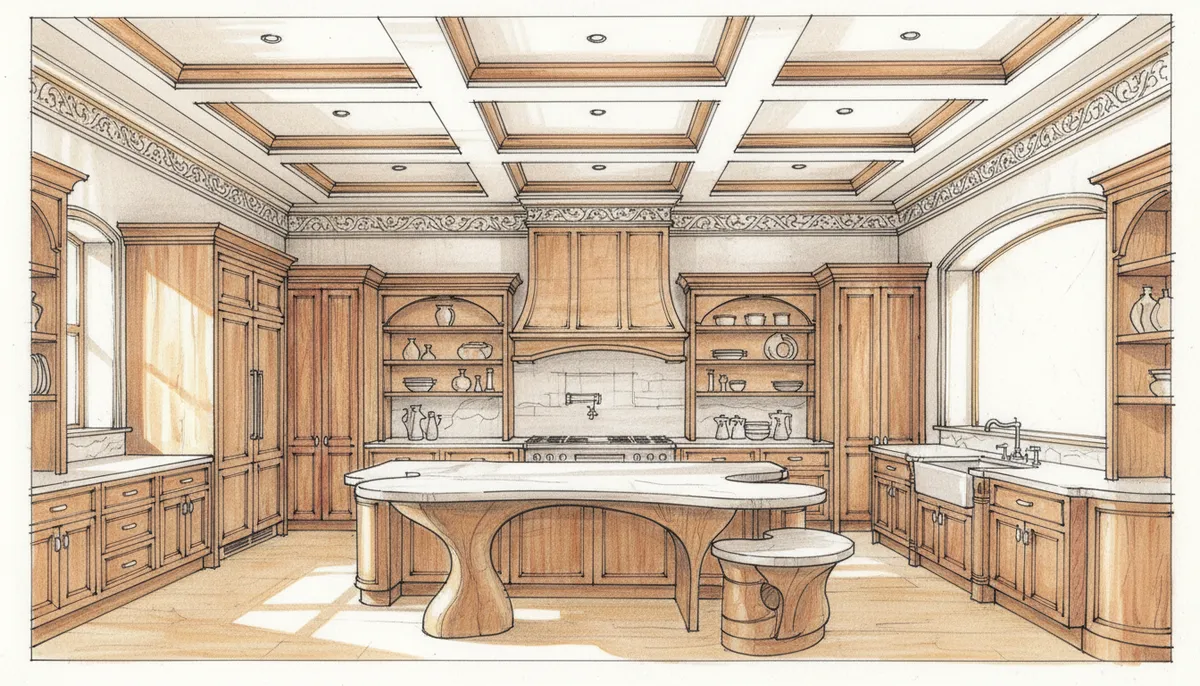
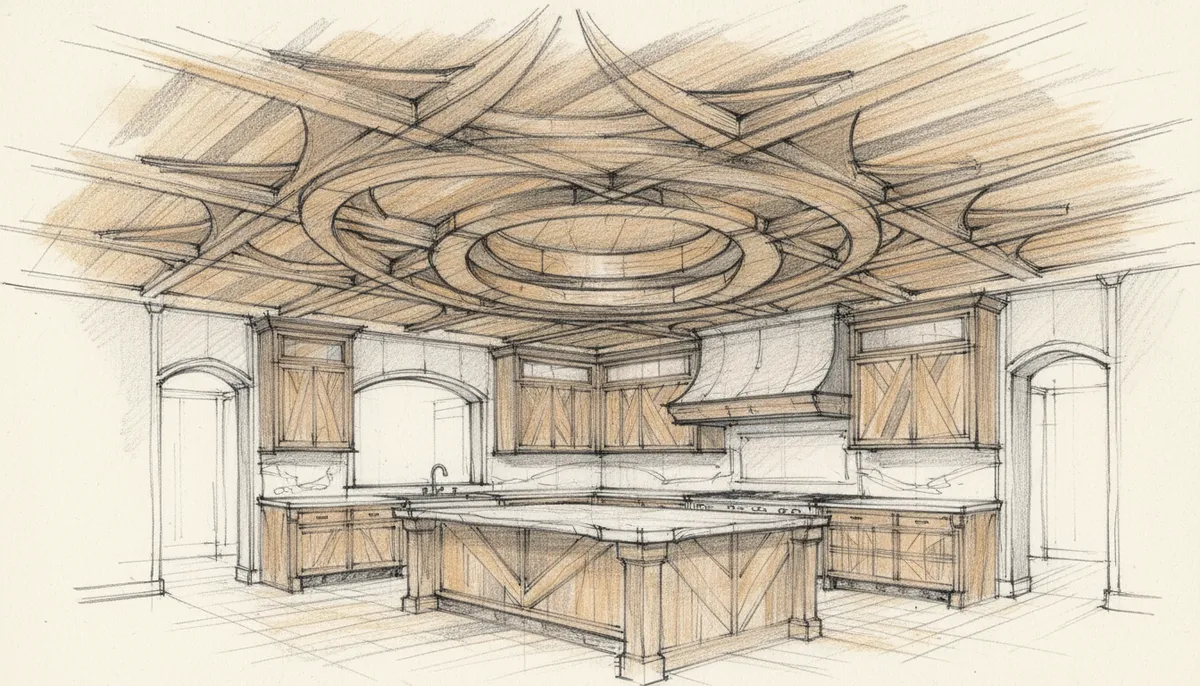
Your kitchen ceiling is often overlooked during a remodel. But it’s actually a perfect canvas for custom carpentry work. A well-designed ceiling adds depth, character, and visual interest to your kitchen. Custom ceiling designs can include coffered ceilings, beam installations, tray ceilings, or wood plank treatments.
Coffered ceilings create a grid pattern with recessed panels. They add an elegant, upscale feel to any kitchen. Wood beams bring rustic charm and can make ceilings feel lower and more intimate. Tray ceilings add layers and dimension, perfect for highlighting specific kitchen zones like the island area.
Why Custom Ceiling Designs Work
Custom ceiling work draws the eye upward. It makes your kitchen feel larger and more complete. According to learn more about carpentry, skilled woodworking can transform any space through structural and decorative elements. Here are the key benefits:
- Adds architectural interest to plain, flat ceilings
- Creates visual separation between kitchen zones
- Hides imperfections or outdated ceiling features
- Increases perceived room height and spaciousness
- Provides opportunities for custom lighting integration
When planning your kitchen remodel, consider how a custom ceiling design complements your overall vision. Wood species selection matters too. Oak, walnut, and maple each bring different color tones and grain patterns. Your carpenter can help you choose materials that match your kitchen’s style.
Installation Considerations
Ceiling work requires precise measurements and expert installation. The process typically involves these steps:
- Assessment of existing ceiling structure and height
- Design planning and material selection
- Framework installation and support beam placement
- Panel or plank installation with proper spacing
- Finishing touches including staining or painting
Professional installation ensures your ceiling design is both beautiful and structurally sound. At Bucheli Trim, custom ceiling projects are approached with attention to detail and craftsmanship that lasts.
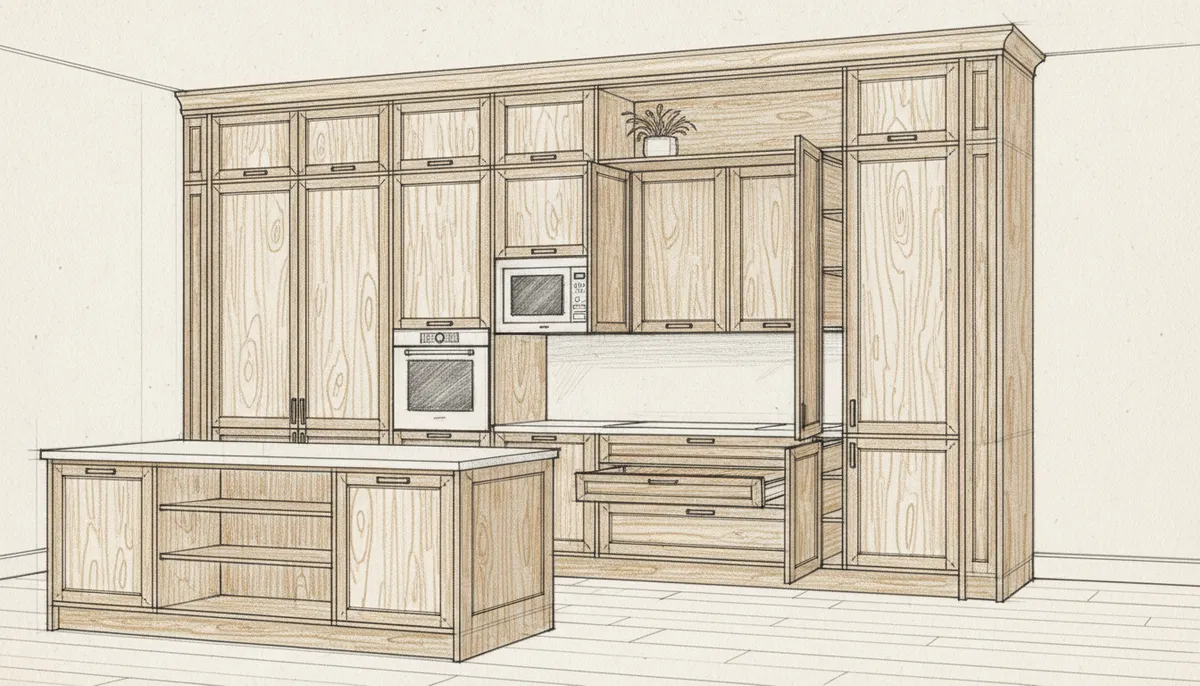
2. Built-In Cabinetry That Maximizes Space
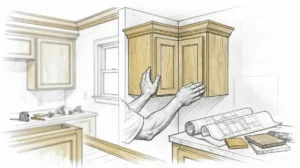
Stock cabinets come in standard sizes. They rarely fit perfectly in your unique kitchen space. Custom built-in cabinetry solves this problem. It’s designed specifically for your kitchen’s dimensions, ceiling heights, and layout. Every inch of available space gets utilized efficiently.
Custom cabinets allow you to choose wood types, finishes, hardware, and internal organization systems. You can incorporate features like pull-out shelves, hidden spice racks, appliance garages, and specialized storage for awkward items. The result is a kitchen that works exactly how you need it to work.
Types of Custom Built-In Cabinetry
Different cabinet styles serve different purposes in your kitchen remodel:
- Floor-to-ceiling pantry cabinets for maximum storage
- Corner cabinets with rotating shelves for accessibility
- Island cabinets with seating overhangs and storage below
- Glass-front display cabinets for showcasing dishes
- Open shelving units integrated with closed storage
- Built-in wine racks and beverage stations
| Cabinet Type | Best For | Key Feature |
|---|---|---|
| Pantry Cabinets | Food storage | Adjustable shelving, full-height access |
| Island Cabinets | Prep areas | Seating integration, hidden storage |
| Corner Cabinets | Awkward spaces | Rotating shelves, pull-out drawers |
| Display Cabinets | Decorative items | Glass doors, internal lighting |
Custom cabinetry isn’t just about storage. It’s about creating a cohesive design that flows throughout your kitchen. The wood grain, door styles, and hardware choices all contribute to your kitchen’s overall personality.
Quality Materials Make the Difference
Custom cabinets use solid wood construction rather than particle board. This means they’ll last decades longer than standard options. Popular wood choices include:
- Maple for smooth, consistent grain and durability
- Cherry for rich, warm tones that deepen over time
- Oak for traditional looks with prominent grain patterns
- Walnut for dark, sophisticated contemporary designs
- Hickory for rustic character and extreme durability
Your carpenter can guide you through material selection based on your style preferences and budget. The investment in quality materials pays off in longevity and timeless appeal.
3. Wall Enhancements with Decorative Molding
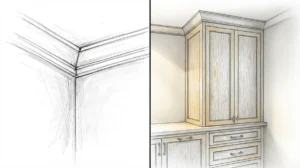
Plain walls make kitchens feel unfinished. Custom wall enhancements add sophistication and polish. Decorative molding and millwork create visual interest without overwhelming your space. These details make your kitchen feel thoughtfully designed rather than generic.
Wall enhancements can include wainscoting, chair rails, picture frame molding, or vertical board installations. Each option brings a different aesthetic. Wainscoting adds traditional elegance. Board-and-batten creates farmhouse charm. Simple crown molding where walls meet ceiling provides a finished, polished look.
Popular Wall Enhancement Options
Different molding styles complement different kitchen designs. Here’s what works well:
- Shiplap or tongue-and-groove boards for coastal or farmhouse styles
- Raised panel wainscoting for traditional and formal kitchens
- Flat panel molding for clean, modern aesthetics
- Beadboard for cottage or country kitchen charm
- Picture frame molding for elegant, sophisticated spaces
During your kitchen remodel, wall enhancements offer excellent bang for your buck. They’re less invasive than major structural changes but create significant visual impact. Professional installation ensures clean lines and proper proportions that enhance rather than clutter your space.
Coordinating with Existing Features
Wall enhancements should complement your cabinetry and other design elements. Consider these coordination tips:
- Match wood species and stain colors to your cabinets
- Keep molding profiles consistent throughout the kitchen
- Scale molding size to your ceiling height and room dimensions
- Balance ornate and simple elements for visual harmony
- Use wall color strategically to highlight molding details
The right molding details tie your entire kitchen design together. They create a cohesive look that feels intentional and professionally executed.
4. Custom Kitchen Islands with Built-In Features
The kitchen island has become the focal point of modern kitchens. A custom-built island offers more than standard prefab options. It can include specialized storage, seating areas, prep sinks, appliance integration, and decorative elements that match your style perfectly.
Custom islands allow you to determine the exact size, shape, and functionality you need. Want a two-tier island with bar seating? No problem. Need integrated storage for large pots and small appliances? That’s easily incorporated. Prefer a contrasting wood finish to make your island stand out? A skilled carpenter makes it happen.
Essential Island Features to Consider
Your custom island can include multiple functional elements:
- Waterfall edge countertops that showcase wood grain
- Built-in wine refrigerators or beverage coolers
- Bookshelf storage for cookbooks and decorative items
- Towel bars and hooks integrated into the design
- Electrical outlets positioned for convenience
- Decorative corbels or legs for architectural interest
| Island Feature | Benefit | Ideal For |
|---|---|---|
| Seating Overhang | Casual dining space | Families, entertaining |
| Prep Sink | Additional work zone | Serious cooks, large kitchens |
| Storage Drawers | Organized accessibility | All kitchen types |
| Open Shelving | Display and easy access | Decorative kitchens |
During your kitchen remodel, the island design should reflect how you actually use your kitchen. Do you entertain often? Prioritize seating and conversation flow. Are you a passionate cook? Focus on prep space and specialized storage.
Size and Placement Considerations
Island dimensions matter for both function and flow. Follow these guidelines:
- Maintain at least 42 inches of clearance on all sides
- Size island proportionally to your overall kitchen dimensions
- Consider traffic patterns and door swing clearances
- Allow adequate workspace between island and perimeter counters
- Plan for appropriate lighting above the island
A well-designed custom island becomes the workhorse of your kitchen while serving as a stunning centerpiece. It’s where function meets beauty in your kitchen remodel.
5. Premium Wood Flooring and Transitions
While flooring installation is often considered separate from carpentry, custom woodworkers excel at creating seamless floor transitions and accent features. This includes designing and installing threshold pieces, custom borders, inlaid patterns, and matching wood species throughout your space.
Custom floor transitions ensure your kitchen flooring flows naturally into adjacent rooms. No awkward bumps or mismatched materials. Everything coordinates perfectly. Skilled carpenters can also create medallion inlays, border designs, or contrasting wood patterns that add visual interest to your kitchen floor.
Custom Flooring Elements
These custom touches elevate standard flooring installations:
- Herringbone or chevron pattern installations
- Mixed wood species for visual contrast
- Custom-cut threshold and transition pieces
- Medallion inlays at focal points
- Border designs that define kitchen zones
The beauty of custom carpentry is attention to detail. Your carpenter ensures every piece fits precisely. Gaps are minimized. Finish quality is consistent. The result looks professional and polished throughout your kitchen remodel.
Coordinating Flooring with Other Elements
Your kitchen floor should complement your cabinetry and other wood features. Consider these coordination strategies:
- Choose flooring that contrasts slightly with cabinet color
- Match wood species for cohesive design flow
- Consider durability requirements for high-traffic areas
- Plan for proper expansion gaps in humid environments
- Select finishes that resist water damage and staining
Professional installation ensures your beautiful custom flooring lasts for decades. Proper subfloor preparation, moisture barriers, and finishing techniques all contribute to longevity and performance.
6. Custom Pantry and Storage Solutions
Every kitchen has unique storage challenges. Custom carpentry creates solutions that fit your specific needs. From floor-to-ceiling pantry systems to pull-out organizers and specialized storage compartments, custom work maximizes every available inch.
A custom pantry system can include adjustable shelving, pull-out drawers, basket systems, and dedicated zones for different food categories. You can incorporate features like spice racks, appliance storage, and even a built-in step stool for reaching high shelves. The possibilities are limited only by your imagination and available space.
Innovative Storage Solutions
Consider these custom storage options during your kitchen remodel:
- Pull-out vertical storage for baking sheets and cutting boards
- Custom drawer dividers for utensils and gadgets
- Corner carousel systems for difficult-to-reach spaces
- Appliance garages that hide countertop clutter
- Toe-kick drawers that utilize wasted space
- Integrated trash and recycling pull-outs
| Storage Type | Space Saved | Best Application |
|---|---|---|
| Vertical Dividers | Deep cabinet wasted space | Baking sheets, trays, lids |
| Pull-Out Shelves | Back of deep cabinets | Pots, pans, small appliances |
| Corner Carousels | Awkward corner areas | Pantry items, dishes |
| Toe-Kick Drawers | Unused base space | Flat items, kitchen linens |
The beauty of custom projects is they’re designed around your specific items. Your carpenter measures your largest pots, tallest bottles, and bulkiest appliances to create storage that actually works for your belongings.
Planning Your Custom Storage
Effective custom storage starts with understanding your needs. Follow this planning process:
- Inventory all items you need to store in your kitchen
- Identify problem areas and frustrations with current storage
- Measure large or awkward items that need special accommodation
- Discuss daily workflow and access priorities with your carpenter
- Consider future needs and potential lifestyle changes
Thoughtful planning ensures your custom storage solutions serve you well for years to come. The investment in custom work pays dividends in daily convenience and organization.
7. Decorative Door and Window Casings
Doors and windows need proper framing. Standard builder-grade trim looks generic and cheap. Custom doors and window casings add elegance and character. They frame views, highlight architectural features, and create visual continuity throughout your kitchen.
Custom casings can be simple and modern or ornate and traditional. They can match your cabinet style or create intentional contrast. The profile, width, and detailing level all contribute to your kitchen’s overall aesthetic. Professional installation ensures mitered corners are tight, reveals are consistent, and everything aligns perfectly.
Types of Custom Trim Profiles
Different trim styles create different looks in your kitchen:
- Craftsman-style flat casings with square edges
- Traditional casings with decorative ogee profiles
- Modern casings with minimal profiles and clean lines
- Farmhouse casings with chunky, substantial dimensions
- Victorian casings with multiple layered moldings
The trim you choose should complement your overall design direction. A modern kitchen with sleek cabinets looks best with simple, clean trim profiles. A traditional kitchen benefits from more decorative molding details.
Coordinating Trim Throughout Your Kitchen
Consistency matters when selecting trim for your kitchen remodel. Follow these guidelines:
- Use the same trim profile on all doors and windows
- Match trim width to room scale and proportion
- Coordinate trim color with cabinet and wall colors
- Extend trim style to adjacent rooms for flow
- Consider how trim interacts with other architectural elements
Custom trim work is one of those details that separates professionally designed kitchens from DIY efforts. The precision and quality of installation make a noticeable difference in your finished space.
Bringing It All Together in Your Kitchen Remodel
A successful kitchen remodel combining custom carpentry elements creates a space that’s both beautiful and functional. These seven ideas work together to transform your kitchen into something special. Custom ceiling designs add architectural interest overhead. Built-in cabinetry maximizes storage and reflects your personal style. Wall enhancements provide polish and sophistication.
Custom islands become the functional and visual centerpiece of your kitchen. Premium flooring with custom transitions creates seamless flow. Specialized storage solutions address your unique organizational needs. Finally, decorative trim and casings frame everything beautifully, tying the entire design together.
The key to success is working with skilled craftspeople who understand both design principles and construction techniques. Custom carpentry isn’t just about making things look pretty. It’s about creating solutions that work for how you actually live. Every measurement matters. Every joint needs to be tight. Every finish must be flawless.
Planning Your Custom Carpentry Project
Starting a kitchen remodel with custom carpentry requires thoughtful planning. Consider these essential steps:
- Define your goals, priorities, and must-have features
- Establish a realistic timeline for project completion
- Research and select quality materials and finishes
- Work with professionals who have proven carpentry expertise
- Plan for temporary kitchen arrangements during construction
- Communicate clearly about expectations and preferences
Don’t rush the planning phase. Good design takes time. Your carpenter needs to understand your vision, lifestyle, and functional requirements. This upfront investment in planning prevents costly mistakes and ensures you’re thrilled with the final result.
Why Choose Professional Custom Carpentry
Some homeowners consider tackling carpentry projects themselves. While DIY has its place, kitchen remodels deserve professional expertise. Here’s why professional custom carpentry makes sense:
- Precision measurements and cuts for perfect fits
- Knowledge of wood behavior, grain patterns, and finishing techniques
- Access to professional-grade tools and equipment
- Understanding of building codes and structural requirements
- Ability to solve unexpected problems during installation
- Warranty protection and accountability for quality workmanship
Professional carpenters bring years of experience to your project. They’ve solved problems you haven’t even encountered yet. They know which materials work best for different applications. They understand how wood expands and contracts with humidity changes. This expertise protects your investment and ensures lasting results.
Maintaining Your Custom Carpentry
Once your kitchen remodel is complete, proper maintenance preserves beauty and function. Follow these care guidelines:
- Clean wood surfaces with appropriate products for the finish type
- Wipe up spills immediately to prevent water damage
- Use cutting boards and trivets to protect surfaces
- Avoid harsh chemicals that damage wood finishes
- Periodically check hardware and tighten as needed
- Consider refinishing high-use areas every few years
Quality custom carpentry is built to last. With proper care, your investment will look beautiful and function perfectly for decades. The solid wood construction and expert craftsmanship ensure longevity that standard options simply can’t match.
Transform Your Kitchen with Expert Craftsmanship
Your kitchen deserves more than cookie-cutter solutions. Custom carpentry elevates your space with personalized design, superior materials, and expert craftsmanship. From stunning ceiling treatments to built-in storage that maximizes every inch, these seven ideas demonstrate the transformative power of skilled woodwork.
The beauty of custom carpentry is that it’s tailored specifically to your space, your style, and your needs. No two projects are exactly alike. Your kitchen becomes a unique reflection of your personality and lifestyle. The attention to detail, quality of materials, and precision of installation create results that standard options simply cannot achieve.
Whether you’re planning a complete kitchen remodel or strategic upgrades, custom carpentry offers lasting value. It increases your home’s appeal, improves functionality, and creates a space you’ll love for years to come. The investment pays dividends in daily enjoyment, long-term durability, and increased property value.
Ready to transform your kitchen with custom carpentry solutions? The team at Bucheli Trim specializes in high-end custom woodwork throughout the Tampa Bay area. From ceiling designs to built-in cabinetry and beyond, they bring decades of experience to every project. Contact them today to discuss your kitchen remodel vision and discover how custom carpentry can make it a reality.
Don’t settle for ordinary when extraordinary is within reach. Explore how professional craftsmanship can transform your kitchen into the heart of your home. Check out what customers are saying and see examples of completed work by visiting Visit us on Google. Your dream kitchen awaits, and it starts with choosing the right partners for your custom carpentry project.
Connect with Bucheli Trim on Facebook to see ongoing projects, design inspiration, and customer testimonials. Quality craftsmanship combined with personalized service makes all the difference in creating a kitchen that exceeds expectations.
FAQs
Q: What makes custom carpentry better than stock options for a kitchen remodel?
A: Custom carpentry offers precise fitting for your unique space, higher quality materials like solid wood, and personalized design that matches your style. Stock options come in standard sizes that waste space and use lower-grade materials. Custom work lasts decades longer and adds more value to your home.
Q: How long does a kitchen remodel with custom carpentry typically take?
A: Timeline varies based on project scope, but most custom carpentry kitchen remodels take 6-12 weeks. This includes design planning, material selection, fabrication, and installation. Complex projects with multiple custom elements may take longer to ensure quality craftsmanship and proper attention to detail.
Q: Can I mix different wood species in my kitchen remodel?
A: Yes, mixing wood species creates visual interest and can define different kitchen zones. Many homeowners choose one wood for cabinets and a contrasting species for islands or ceiling beams. Your carpenter can help you select complementary woods that work together harmoniously while maintaining design cohesion.
Q: What is the best wood for custom kitchen cabinets?
A: Maple, cherry, and oak are popular choices for kitchen cabinets. Maple offers durability and smooth grain, cherry provides rich warmth that deepens over time, and oak features prominent grain for traditional looks. Your choice depends on your style preferences, durability needs, and desired finish appearance.
Q: How do I maintain custom wood elements in my kitchen?
A: Clean custom woodwork with appropriate products for your finish type, wipe spills immediately, avoid harsh chemicals, and use cutting boards and trivets. Periodically check hardware and tighten as needed. Quality custom carpentry with proper care lasts for decades and maintains its beauty throughout your home ownership.