Key Takeaways
-
Professional cabinet installers bring precision and expertise that transforms spaces and prevents costly DIY mistakes.
-
Careful measurement, wall preparation, and proper tools are critical for successful cabinet installation.
-
DIY installations require significant time investment, specialized tools, and can take weeks compared to professional 1-3 day timelines.
-
Understanding your project complexity helps determine whether DIY or professional services are more appropriate.
-
Professional installation ensures long-term durability, proper leveling, and prevents functional problems like misaligned doors.
-
Specialized tools like laser levels and professional-grade equipment make a substantial difference in installation quality.
-
Common DIY challenges include uneven walls, measurement errors, lifting heavy cabinets, and achieving perfect alignment.
Choosing between DIY and professional cabinet installation can feel overwhelming. Homeowners, interior designers, and real estate developers face this decision when planning kitchen renovations, bathroom updates, or custom storage solutions. The right choice depends on your skills, time, budget, and the complexity of your project. Professional cabinet installation services bring expertise and precision that can transform any space, while DIY approaches offer hands-on control and potential cost savings.
Understanding the differences between these two paths helps you make an informed decision. In 2026, cabinet installation has evolved with new materials, techniques, and design trends. Whether you’re installing stock cabinets or custom-built cabinetry, knowing what each approach offers ensures your project meets your expectations. This guide explores both options in detail, helping you determine which method aligns with your goals and capabilities.
Cabinet installation goes beyond simply hanging boxes on walls. It requires careful planning, precise measurements, proper tools, and an understanding of structural requirements. The finished result impacts your home’s functionality, aesthetics, and value. Making the right choice between DIY and professional installation sets the foundation for a successful project that you’ll enjoy for years to come.
Understanding Cabinet Installation Basics
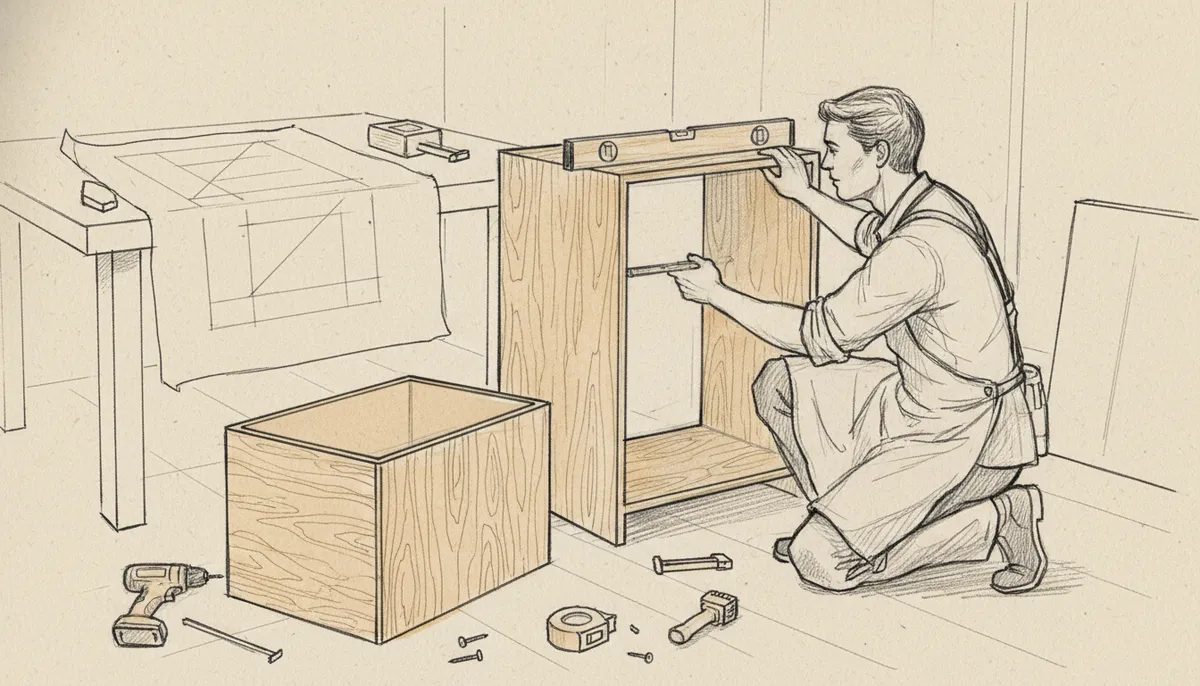
Cabinet installation involves multiple steps that require specific knowledge and skills. The process starts with careful measurements and continues through mounting, leveling, securing, and finishing. Each phase presents unique challenges that can impact the final outcome. Understanding these basics helps you evaluate whether DIY or professional services suit your project better.
Modern cabinets come in various styles, materials, and construction types. Stock cabinets arrive ready to install with standard dimensions. Semi-custom options offer more flexibility in sizing and features. Fully custom cabinets provide unlimited design possibilities but require expert installation. The type you choose significantly affects the installation complexity and required skill level.
Key Components of Professional Installation
Professional cabinet installation services include several critical components that ensure lasting results:
- Detailed site assessment and measurement verification
- Wall preparation including stud location and reinforcement
- Precise leveling using laser tools and professional equipment
- Secure mounting with appropriate hardware for wall types
- Professional finishing including trim, molding, and hardware installation
- Quality inspection and adjustment for perfect alignment
These components work together to create installations that withstand daily use while maintaining their appearance. Professional installers bring years of experience handling unexpected challenges like uneven walls, outdated construction methods, or hidden obstacles. Their expertise prevents common mistakes that could compromise structural integrity or visual appeal.
Essential Tools and Equipment
Successful cabinet installation requires specialized tools beyond basic hand tools. Professional installers use equipment that ensures accuracy and efficiency. Here’s what the installation process typically requires:
| Tool Category | DIY Options | Professional Equipment |
|---|---|---|
| Leveling Tools | Standard bubble level | Laser level systems |
| Fastening Tools | Basic drill and screwdriver | Professional-grade impact drivers |
| Cutting Tools | Hand saw, jigsaw | Track saws, miter saws |
| Measurement Tools | Tape measure | Digital measuring devices |
| Support Equipment | Makeshift props | Cabinet jacks and lifts |
The quality and precision of tools directly impact installation outcomes. Professional equipment allows for adjustments measured in fractions of inches, which proves essential for achieving seamless cabinet runs. Bucheli Trim uses specialized tools that ensure every cabinet installation meets exacting standards for both function and appearance.
The DIY Cabinet Installation Approach
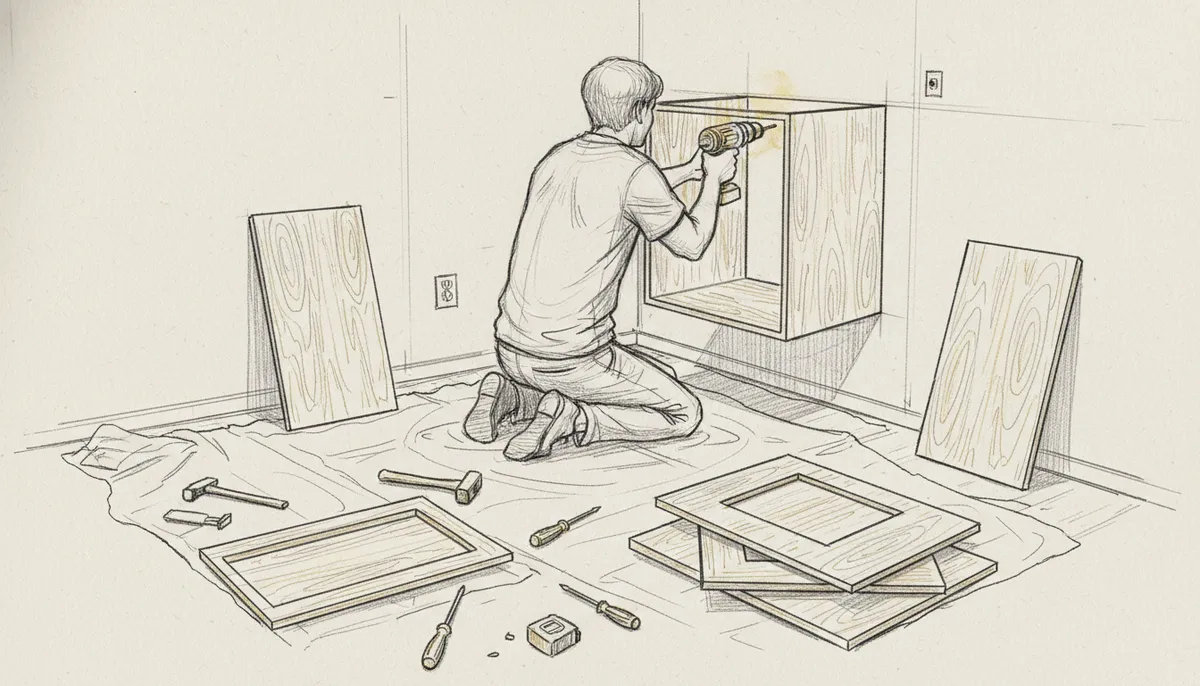
Taking on cabinet installation yourself offers certain advantages for skilled homeowners. The DIY approach provides complete control over the project timeline, methods, and decisions. You can work at your own pace, making adjustments as you learn. Many homeowners find satisfaction in completing home improvement projects with their own hands.
However, DIY installation demands significant time investment and patience. Learning proper techniques takes research and practice. You’ll need to acquire or rent specialized tools, which adds to the overall project cost. Mistakes during installation can result in crooked cabinets, damaged materials, or safety hazards that require professional correction.
Steps in DIY Cabinet Installation
If you choose the DIY route, follow these essential steps for the best results:
- Remove existing cabinets and prepare walls by repairing damage and locating studs
- Create a detailed layout plan with exact measurements and cabinet placement
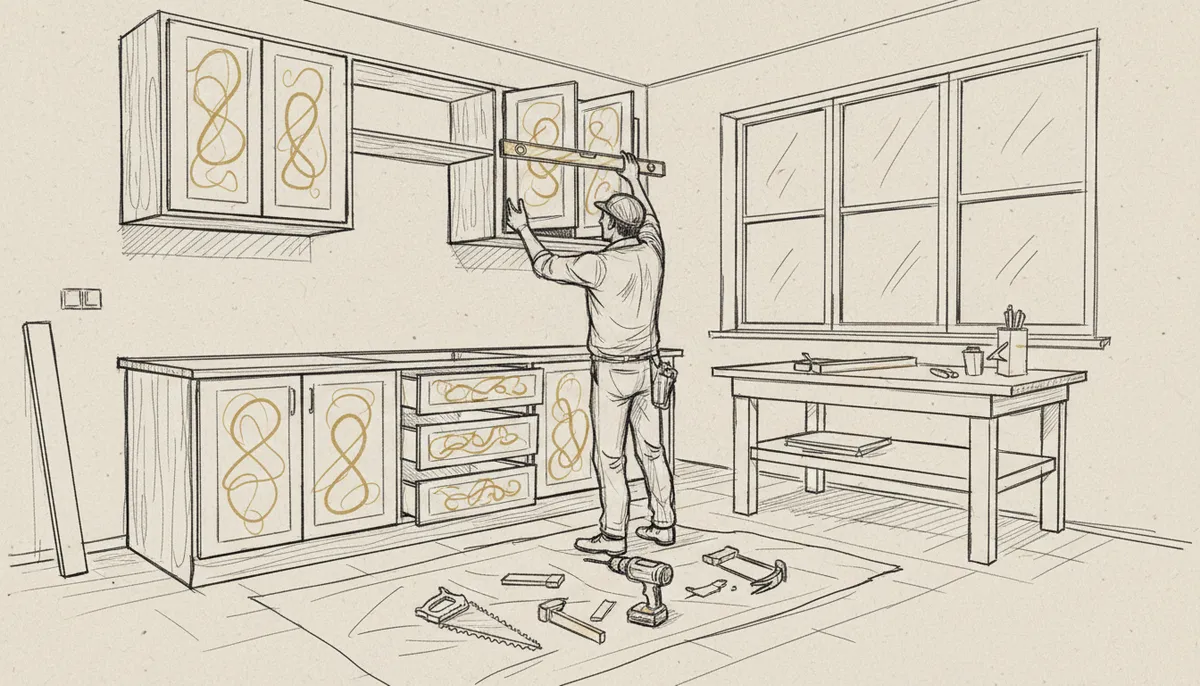
- Install upper cabinets first, starting with corner units and working outward
- Mount lower cabinets after uppers are secure, ensuring level and plumb alignment
- Connect cabinet units together using proper fasteners and techniques
- Install trim and molding to cover gaps and create finished edges
- Add hardware, adjust doors, and perform final quality checks
Each step requires attention to detail and patience. Rushing through the process often leads to errors that compromise the final appearance. DIY installers should allocate extra time for unexpected challenges and learning curves. Online tutorials and manufacturer instructions provide helpful guidance, but they cannot replace hands-on experience.
Common DIY Installation Challenges
DIY cabinet installers frequently encounter obstacles that professionals handle routinely. Understanding these challenges helps you prepare mentally and practically for the project ahead. Common issues include:
- Uneven walls and floors requiring extensive shimming and adjustment
- Difficulty achieving perfect level and plumb alignment
- Trouble with heavy cabinet lifting and positioning
- Mistakes in measurement leading to gaps or ill-fitting pieces
- Damage to cabinets or walls during installation attempts
- Frustration with time-consuming trial and error processes
These challenges often extend project timelines beyond initial estimates. What seems like a weekend project can stretch into weeks of work. The learning curve for proper cabinet installation is steeper than many DIYers anticipate, especially when working with custom cabinetry or complex layouts.
Professional Cabinet Installation Services
Professional cabinet installation services deliver expertise that comes from years of specialized training and experience. Skilled installers understand the nuances of different cabinet types, construction methods, and installation techniques. They anticipate challenges before they become problems and know how to address unexpected issues efficiently.
Hiring professionals provides peace of mind throughout the installation process. Licensed and insured installers protect you from liability if accidents occur. They guarantee their work, offering corrections if any issues arise after installation. This accountability provides valuable security that DIY projects cannot match.
Benefits of Professional Installation
Professional cabinet installation services offer numerous advantages that justify the investment:
- Expert precision ensuring cabinets are perfectly level and aligned
- Efficient completion saving weeks compared to DIY timelines
- Professional-grade tools and equipment for superior results
- Experience handling complex layouts and challenging spaces
- Proper techniques that prevent damage to cabinets and walls
- Warranty coverage protecting your investment
- Compliance with building codes and safety standards
These benefits prove especially valuable for high-end installations where perfection matters. Interior designers working on client projects rely on professional installers to execute their visions flawlessly. Real estate developers understand that quality installation affects property value and buyer perception. Homeowners gain confidence knowing their cabinets will function properly and look beautiful for years.
What to Expect from Professional Services
Understanding the professional installation process helps set realistic expectations. Quality cabinet installation services follow a structured approach:
- Initial consultation to assess project scope and requirements
- Detailed measurements and planning to ensure perfect fit
- Preparation of the installation area including wall repairs if needed
- Careful handling and protection of cabinets during delivery and installation
- Systematic installation following best practices and manufacturer specifications
- Final adjustments to ensure doors, drawers, and hardware function smoothly
- Cleanup and removal of debris leaving your space ready to use
Professional installers communicate clearly throughout the process, explaining what they’re doing and why. They address concerns promptly and work efficiently to minimize disruption to your home. The result is a finished installation that meets professional standards and exceeds typical DIY outcomes. You can check out customer reviews to see how quality installation transforms spaces.
Comparing Time Investment and Convenience
Time represents a crucial factor when choosing between DIY and professional cabinet installation. The hours required for successful installation often surprise homeowners attempting DIY projects. Understanding realistic timelines helps you make an informed decision based on your schedule and priorities.
Professional installers complete projects in a fraction of the time DIYers require. Their experience and efficiency stem from repetition and refined techniques. They arrive with everything needed, work systematically, and handle obstacles without extended research or problem-solving delays.
DIY Time Commitments
DIY cabinet installation demands substantial time across multiple phases. Realistic time estimates for an average kitchen include:
| Project Phase | Estimated Time | Considerations |
|---|---|---|
| Planning and Measurement | 4-8 hours | Research, planning, verification |
| Cabinet Removal | 4-6 hours | Careful removal, disposal |
| Wall Preparation | 2-6 hours | Repairs, painting, stud marking |
| Upper Cabinet Installation | 8-16 hours | Learning curve, adjustments |
| Lower Cabinet Installation | 8-16 hours | Leveling, alignment challenges |
| Finishing Touches | 4-8 hours | Trim, hardware, adjustments |
These estimates assume some DIY experience and no major complications. First-time installers often need double these hours. The work rarely happens continuously, stretching across weekends and evenings over several weeks. This extended timeline disrupts normal household routines and limits kitchen functionality during the project.
Professional Installation Timelines
Professional cabinet installation services operate on dramatically different timelines. Most standard kitchen installations complete in one to three days, depending on size and complexity. Experienced installers work efficiently, addressing challenges without lengthy delays. They coordinate with other trades when necessary, ensuring seamless project flow.
This efficiency provides immediate benefits. Your home returns to normal functionality quickly. You avoid weeks of living without a proper kitchen. The reduced disruption proves especially valuable for families with children, anyone working from home, or households with limited dining alternatives. Professional timelines also prevent the project fatigue that often affects DIYers halfway through challenging installations.
Quality and Long-Term Durability
Installation quality directly impacts cabinet longevity and performance. Poorly installed cabinets develop problems over time, including sagging, misalignment, loose doors, and structural failures. Professional installation ensures cabinets remain secure, level, and functional for decades. The difference between DIY and professional quality becomes apparent within months of installation.
Proper installation techniques protect your investment in quality cabinetry. Even expensive custom cabinets suffer if installation lacks precision. Conversely, professional installation maximizes the performance of budget-friendly options. The craftsmanship behind cabinet mounting, securing, and finishing determines how well your cabinets serve you long-term.
Critical Quality Factors
Several factors separate professional-quality installations from amateur attempts. Understanding these elements helps you evaluate whether DIY results will meet your standards:
- Precise leveling preventing doors from swinging open or closed unexpectedly
- Proper wall anchoring ensuring cabinets support expected weight loads safely
- Correct spacing preventing rubbing, binding, or interference between components
- Appropriate shimming creating stability on uneven surfaces
- Seamless alignment making cabinet runs appear as unified pieces
- Professional finishing hiding fasteners, gaps, and installation evidence
These quality factors require experience to execute consistently. DIY installers often struggle with one or more aspects, resulting in functional but visibly imperfect results. Professional standards demand precision at every step, creating installations that look factory-perfect. This attention to detail distinguishes adequate DIY work from truly professional outcomes.
Common Installation Mistakes and Their Consequences
Understanding common installation errors helps you appreciate the value of professional expertise. Typical mistakes include:
- Inadequate wall anchoring leading to cabinet collapse under load
- Poor leveling causing doors to misalign and drawers to malfunction
- Incorrect spacing between cabinets creating visual inconsistencies
- Improper shimming resulting in stress points and eventual damage
- Rushed work leaving gaps, visible fasteners, and unfinished edges
These mistakes create problems ranging from minor annoyances to serious safety hazards. Correcting installation errors often costs more than professional installation would have initially. Some mistakes require complete cabinet removal and reinstallation, wasting materials and time. Professional installers avoid these pitfalls through proper training and experience.
Cost Considerations and Budget Planning
Budget plays a significant role in the DIY versus professional decision. Understanding true costs for both approaches helps you make financially sound choices. Many homeowners underestimate DIY expenses while overestimating professional installation costs. Accurate budget planning prevents financial surprises and helps you allocate resources wisely.
Cabinet installation costs vary based on project size, cabinet type, complexity, and location. Standard kitchen installations differ from custom bathroom cabinetry or specialty storage solutions. Getting detailed estimates from professional installers provides clarity for budget comparison against DIY alternatives.
DIY Budget Breakdown
DIY cabinet installation involves multiple expense categories beyond the obvious tool purchases. A realistic budget includes:
- Tool purchases or rentals for specialized equipment
- Shims, fasteners, and installation hardware
- Wall repair materials and paint for preparation
- Safety equipment including eye protection and dust masks
- Waste disposal fees for old cabinets and debris
- Potential material replacement for damaged pieces
- Professional correction if mistakes require expert intervention
These costs add up quickly, often reaching significant amounts before installation begins. Tool investments provide long-term value only if you’ll use them for future projects. Single-use specialty tools represent sunk costs that reduce DIY savings. Material damage during amateur installation can erase any labor cost savings.
Professional Installation Investment
Professional cabinet installation services provide transparent pricing that covers all aspects of the project. Quality installers include preparation, installation, cleanup, and warranty in their quotes. This comprehensive approach eliminates surprise costs and budget overruns common with DIY projects.
The investment in professional installation delivers value beyond the immediate project. Proper installation extends cabinet life, reducing long-term replacement costs. Professional workmanship maintains home value, an important consideration for future resale. The peace of mind knowing the job is done right has intrinsic value that budget calculations cannot fully capture.
Safety and Risk Management
Cabinet installation presents genuine safety risks that inexperienced DIYers may not fully appreciate. Heavy cabinets can cause serious injuries if dropped or improperly supported. Power tools require careful handling to prevent accidents. Working on ladders while managing heavy objects increases fall risks. Professional installers train specifically to manage these hazards safely.
Beyond physical safety, installation mistakes create ongoing risks. Improperly secured cabinets can detach from walls, potentially injuring occupants or damaging property. Poor installation may void cabinet warranties, leaving you financially responsible for defects. Professional services carry insurance protecting you from these liabilities.
Physical Safety During Installation
Cabinet installation involves several hazardous activities requiring safety precautions:
- Lifting and positioning heavy cabinets without back injury
- Working at heights on ladders or scaffolding safely
- Operating power tools with proper technique and protection
- Managing dust and debris to prevent respiratory issues
- Handling sharp edges and corners on cabinets and tools
- Avoiding electrical hazards when working near outlets and switches
Professional installers use proper lifting techniques, safety equipment, and buddy systems to prevent injuries. They understand how to stabilize cabinets during mounting, preventing dangerous drops. Their experience allows them to anticipate hazards and take appropriate precautions. DIYers working alone face greater risks from these same activities.
Structural and Long-Term Risks
Installation mistakes create risks that may not become apparent immediately. Cabinets secured with inadequate anchoring can pull away from walls months or years later. Improper weight distribution stresses cabinet joints, leading to failure. These structural issues endanger anyone using or standing near the cabinets.
Professional installation minimizes these risks through proper techniques and quality materials. Installers understand load requirements, wall types, and appropriate fastening methods. They ensure cabinets meet safety standards and building codes. This expertise protects your family and preserves your property investment. You can visit our Google Business Profile to learn more about professional installation standards.
Skill Requirements and Learning Curves
Cabinet installation demands specific skills that extend beyond basic home repair abilities. Success requires spatial reasoning, precision measurement, tool proficiency, and problem-solving capabilities. Assessing your skill level honestly helps determine whether DIY installation suits your capabilities or if professional services better serve your needs.
The learning curve for quality cabinet installation is substantial. Reading instructions and watching videos provides theoretical knowledge, but practical execution proves more challenging. Mistakes during learning cost time, money, and materials. Professional installers have already climbed this learning curve through formal training and years of hands-on experience.
Essential Skills for DIY Success
Successfully installing cabinets yourself requires proficiency in multiple areas. Evaluate your abilities in these key skills:
- Accurate measurement and mathematical calculations
- Reading and interpreting installation diagrams and plans
- Using power tools safely and effectively
- Achieving level and plumb alignment consistently
- Problem-solving when encountering unexpected obstacles
- Physical stamina for extended periods of demanding work
- Attention to detail ensuring quality at every step
Lack of proficiency in any area significantly increases error risk and extends project timelines. Some skills can be learned through practice on less critical projects. However, expensive custom cabinets are not ideal learning opportunities. The stakes are too high for experimental installation attempts.
Professional Training and Expertise
Professional cabinet installers develop expertise through comprehensive training and extensive experience. Many complete formal apprenticeships or vocational programs covering carpentry fundamentals and specialized installation techniques. They stay current with industry innovations, new materials, and evolving best practices.
This professional development creates capabilities that DIYers cannot replicate through casual learning. Experienced installers have handled hundreds or thousands of cabinets, encountering virtually every challenge and learning optimal solutions. They work efficiently because techniques have become second nature through repetition. This expertise justifies the professional service investment for quality-conscious homeowners and design professionals.
Project Complexity and Scope Considerations
Not all cabinet installations present equal challenges. Simple projects with standard stock cabinets in basic layouts may suit capable DIYers. Complex installations involving custom cabinetry, challenging spaces, or intricate designs typically require professional expertise. Understanding your project’s complexity helps you make appropriate installation decisions.
Project scope significantly impacts the DIY versus professional choice. Small bathroom vanities differ dramatically from full kitchen renovations with specialty features. Adding custom built-ins to living spaces requires different skills than basic cabinet hanging. Assessing scope realistically prevents taking on projects beyond your capabilities.
Simple vs. Complex Installation Scenarios
Understanding the difference between straightforward and challenging installations helps you gauge whether DIY makes sense. Here’s how projects compare:
| Factor | Simple Projects | Complex Projects |
|---|---|---|
| Cabinet Type | Stock, ready-to-assemble | Custom, fully assembled |
| Layout | Straight runs, standard heights | Corners, varied heights, islands |
| Wall Conditions | Plumb, even, standard construction | Uneven, non-standard, damaged |
| Features | Basic doors and drawers | Specialty hardware, lighting, accessories |
| Integration | Standalone installation | Coordination with appliances, fixtures |
Simple projects allow more room for learning and minor errors. Complex installations demand precision from start to finish, leaving little margin for mistakes. Professional expertise becomes essential as complexity increases, ensuring proper execution of challenging elements.
When Professional Services Become Essential
Certain project characteristics make professional installation not just advisable but necessary. These situations require expert handling:
- Custom cabinetry designed for specific spaces with no adjustment tolerance
- Structural modifications needed for proper cabinet installation
- Integration with complex electrical, plumbing, or lighting systems
- Historic homes with non-standard construction requiring specialized techniques
- High-value cabinetry where mistakes would be financially devastating
- Time-sensitive projects with firm completion deadlines
- Commercial installations requiring building code compliance and permits
These scenarios exceed typical DIY capabilities regardless of general home improvement skills. Professional installers bring specialized knowledge for handling unique challenges effectively. The expertise ensures successful outcomes where DIY attempts would likely fail or produce substandard results.
Making Your Final Decision
Choosing between DIY and professional cabinet installation ultimately depends on your unique situation. Consider your skill level, available time, budget constraints, project complexity, and quality expectations. Honest self-assessment in these areas guides you toward the decision that best serves your needs and goals.
Many homeowners find that professional installation provides better value when all factors are considered. The combination of expertise, efficiency, quality assurance, and peace of mind often outweighs initial cost concerns. However, capable DIYers working on simple projects may achieve satisfactory results while enjoying the hands-on experience.
Questions to Ask Yourself
Answer these questions honestly to clarify which path suits your situation:
- Do I have experience with similar carpentry or installation projects?
- Can I dedicate several full days or weekends to this project?
- Do I own or can I afford the specialized tools required?
- Am I comfortable working at heights and lifting heavy objects?
- How important is perfection in the final appearance and function?
- What happens if mistakes delay the project or damage materials?
- Do I have help available for tasks requiring multiple people?
- Will I use the installation skills and tools for future projects?
Your answers reveal whether DIY cabinet installation aligns with your capabilities and circumstances. If multiple answers raise concerns, professional services likely represent the wiser choice. Trust your instincts about your abilities and limitations.
Finding Quality Professional Installation
If you decide professional installation best suits your needs, choosing the right installer ensures project success. Look for established companies with strong reputations, verifiable references, and portfolios showcasing quality work. Licensed and insured professionals provide accountability and protection for your investment.
Quality installers communicate clearly, provide detailed estimates, and stand behind their work with warranties. They answer questions patiently and explain their processes transparently. Bucheli Trim exemplifies these professional standards, bringing decades of combined experience to every cabinet installation project in the Tampa Bay area.
Cabinet installation represents a significant home improvement investment regardless of the path you choose. DIY approaches offer hands-on satisfaction and potential cost savings for capable homeowners tackling simple projects. Professional installation services deliver expertise, efficiency, and quality assurance that justify the investment for complex projects or when perfection matters. Understanding the true differences between these options empowers you to make informed decisions that you’ll be happy with long-term.
Consider your project scope, honestly assess your skills, and weigh the importance of quality and timeline. These factors guide you toward the installation method that best serves your needs. Whether you choose to tackle the project yourself or hire experienced professionals, proper planning and realistic expectations set the foundation for successful cabinet installation. Ready to transform your space with expertly installed cabinetry? Contact our team to discuss your project and discover how professional installation can bring your vision to life with precision and style.
FAQs
Q: How long does professional cabinet installation take compared to DIY?
A: Professional cabinet installation typically completes in one to three days for standard kitchens, while DIY projects often stretch across several weekends or even weeks. Professionals work efficiently with specialized tools and experience, minimizing disruption to your home. DIY timelines vary significantly based on skill level and unexpected challenges.
Q: What are the most common mistakes people make with DIY cabinet installation?
A: The most common DIY mistakes include inadequate wall anchoring, poor leveling causing misaligned doors, incorrect spacing between cabinets, and improper shimming. These errors create functional problems and visual inconsistencies that may require professional correction. Many DIYers also underestimate the time and specialized tools needed for quality results.
Q: Is professional cabinet installation worth the extra cost?
A: Professional installation provides value through expertise, efficiency, quality assurance, and warranty protection. The investment ensures cabinets are properly secured, precisely aligned, and function correctly for years. When you factor in tool costs, time investment, and potential DIY mistakes, professional services often represent better overall value, especially for complex projects or high-end cabinetry.
Q: Can I install custom cabinets myself or do I need a professional?
A: Custom cabinets typically require professional installation due to their precise fit specifications and lack of adjustment tolerance. These cabinets are designed for specific spaces with little room for error. Professional installers have the expertise to handle custom work properly, ensuring the investment in quality cabinetry isn’t compromised by improper installation.
Q: What should I look for when hiring a professional cabinet installer?
A: Look for licensed and insured installers with strong reputations, verifiable references, and portfolios of completed work. Quality professionals communicate clearly, provide detailed written estimates, and offer warranties on their work. Check reviews, ask about experience with your cabinet type, and ensure they understand building codes and safety requirements for proper installation.