Key Takeaways
-
Loose joints are fixed by taking the joint apart, cleaning out old glue, refitting it, and clamping with fresh wood glue until fully cured; rushing the clamp time is the top cause of failed DIY repairs.
-
Repair rather than replace when the piece is solid wood, has sentimental or design value, and the damage is limited to one part; cheap particleboard usually cannot be repaired well.
-
Cracks in solid wood from Tampa Bay humidity swings can be fixed with glue or filler for hairlines, splines for wide splits, and butterfly keys or battens for structural cracks.
-
Check whether a tabletop is fastened too tightly to its base, since it cannot move with the seasons and the crack may return; adjusting the fasteners prevents repeat damage.
-
Many water rings and heat marks sit in the finish rather than the wood, so buffing or refinishing the top coat can fix them without a full refinish.
-
Call a professional for antiques, structural damage, stain matching, built-in furniture, or when a previous DIY repair has failed.
-
Prevent damage with coasters, sun protection, steady indoor humidity, and early tightening of loose hardware, and lift furniture instead of dragging it.
A wobbly chair or a cracked tabletop does not have to end up at the curb. Good furniture often has strong bones. It just needs the right hands to bring it back. That is where furniture repair by a skilled carpenter makes a real difference.
Many homeowners in Tampa Bay own pieces they love. Some are family heirlooms. Others are solid wood items that cost a lot to buy. Heat, humidity, and daily use take a toll. Over time, joints loosen, finishes fade, and surfaces crack.
This guide covers seven common repairs a custom carpenter can handle. You will learn what causes each problem, how a pro fixes it, and when it is time to call for help. Homeowners, interior designers, and developers can all use these tips to protect valuable pieces and built-ins.
Why Furniture Repair Belongs in Custom Carpentry
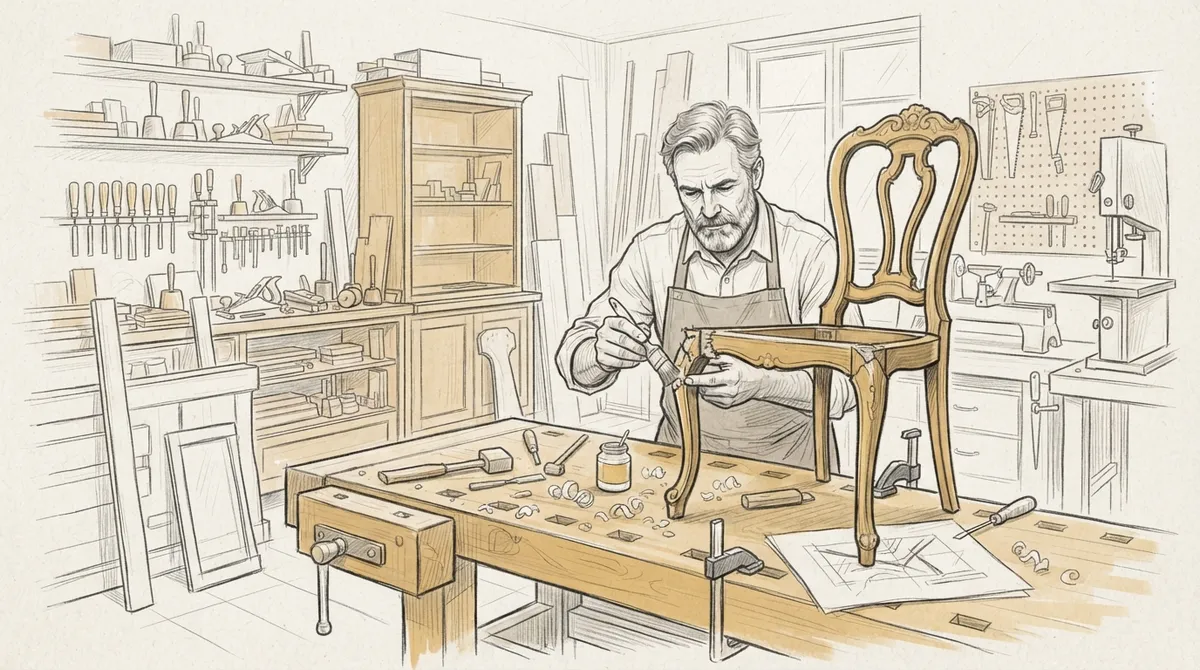
Furniture repair is not just a quick glue job. It is a craft. A true carpenter understands wood grain, joinery, and finishing. Those same skills build custom cabinets and trim. They also restore broken pieces so they look original.
If you want to learn more about carpentry as a trade, you will see how many skills overlap. Measuring, cutting, fitting, and finishing all apply to repair work. This is why a custom carpenter often does better work than a general handyman. For a closer look at that difference, read our guide on the key differences between a carpenter and a handyman.
Repair vs. Replace: How to Decide
Before you spend money on a new piece, ask a few simple questions:
- Is the piece made of solid wood or high-quality plywood?
- Does it have sentimental or design value?
- Is the damage limited to one part, such as a leg or a drawer?
- Would a new piece match your room as well?
If you answered yes to most of these, repair is often the smarter path. Solid wood can be fixed many times over. Cheap particleboard usually cannot.
1. Loose Joints and Wobbly Legs
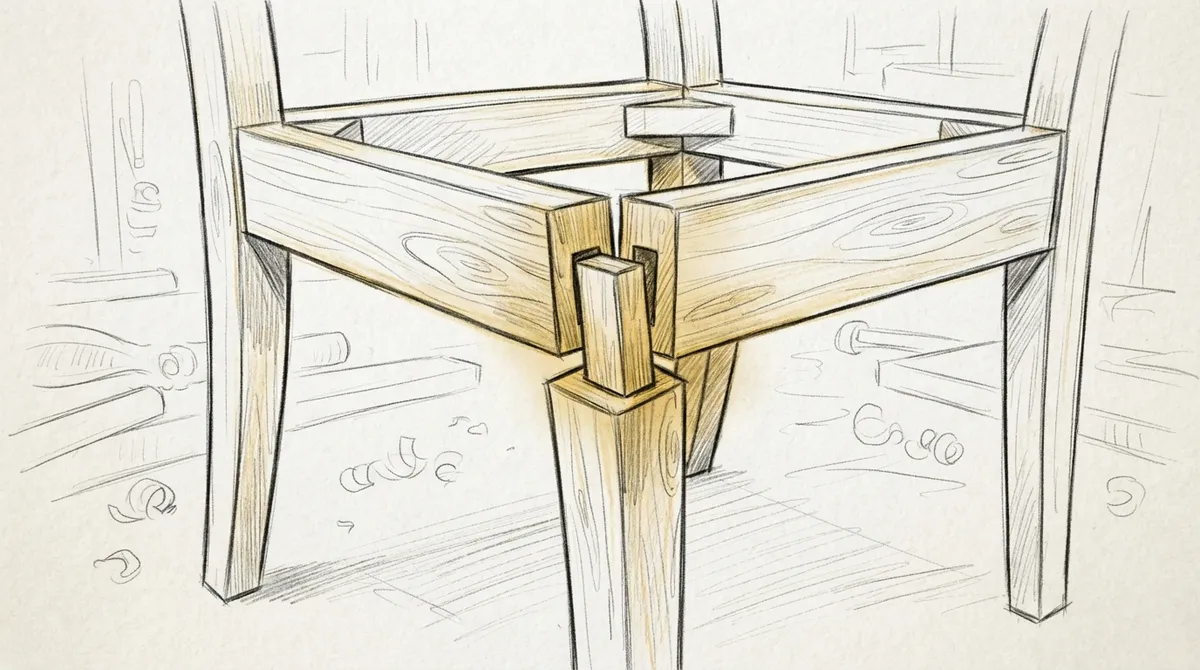
This is the most common furniture repair. Chairs, tables, and stools take constant stress. Over time, the glue in the joints dries out. The parts start to shift, and the whole piece wobbles.
How a Carpenter Fixes It
A pro does not just squirt glue into the gap. That quick fix rarely lasts. Instead, the carpenter follows a careful process:
- Gently take the joint apart without breaking the wood.
- Clean off all the old, dry glue.
- Check the fit and shim or reshape the tenon if needed.
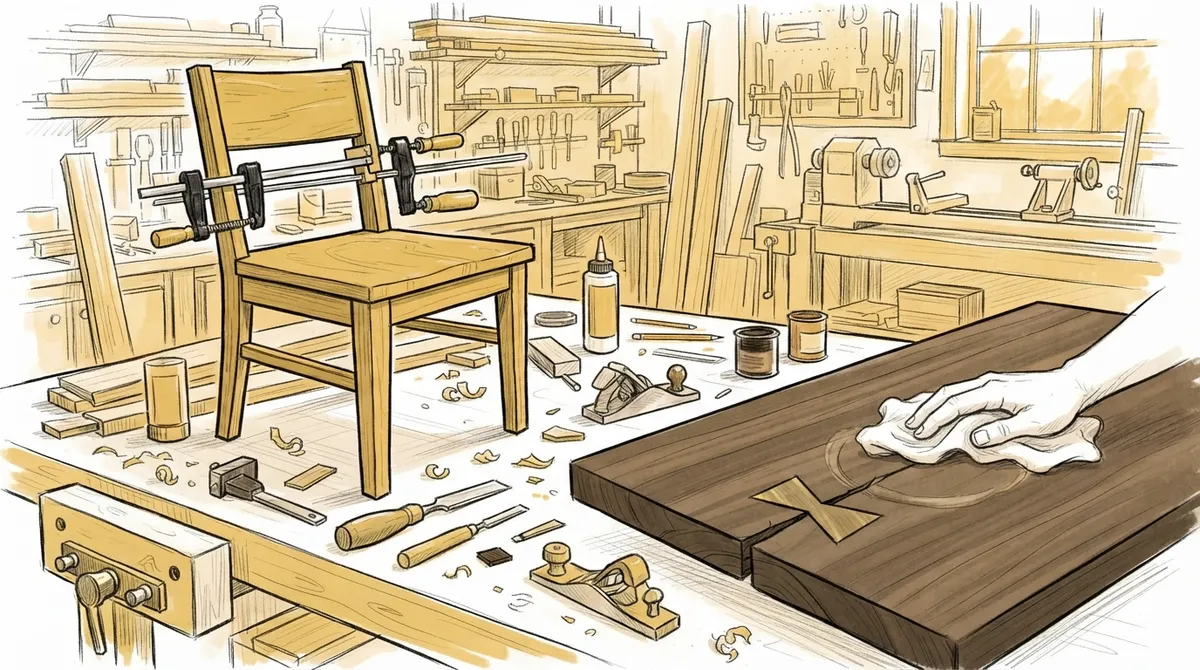
- Apply fresh wood glue and clamp the joint tight.
- Let it cure fully before use.
Done right, the joint ends up stronger than before. Rushing the clamp time is the top reason DIY fixes fail.
2. Cracks and Splits in Solid Wood
Tampa Bay humidity swings can cause wood to swell and shrink. That movement often leads to cracks in tabletops, panels, and chair backs. Small hairline cracks may look harmless. Left alone, they can grow.
Common Repair Methods
The right fix depends on the crack size and location:
- Hairline cracks: Filled with thin glue or a matched wood filler.
- Wide splits: Opened, cleaned, and fitted with a thin wood strip called a spline.
- Structural cracks: Reinforced with hidden butterfly keys or battens underneath.
A skilled carpenter also looks at why the crack formed. If a tabletop is fixed too tightly to its base, it cannot move with the seasons. Adjusting the fasteners can prevent a repeat problem.
3. Water Rings, Heat Marks, and Surface Damage
White rings from cold glasses and cloudy spots from hot dishes are very common. They sit in the finish, not deep in the wood. That is good news, because many can be fixed without a full refinish.
What Works and What Does Not
| Damage Type | Typical Cause | Likely Fix |
|---|---|---|
| White water ring | Moisture trapped in finish | Gentle buffing and refinishing of the top coat |
| Dark water stain | Water reached the bare wood | Strip, bleach lightly, and refinish |
| Heat mark | Hot dish on the surface | Light sanding and fresh finish |
| Deep scratch | Sharp object or dragging | Fill, color match, and seal |
| Dent | Impact | Steam lift, then touch up finish |
Matching an existing finish takes a trained eye. A mismatched patch can look worse than the original scratch. This is one reason pros use test boards before touching the real piece.
4. Refinishing Faded or Worn Surfaces
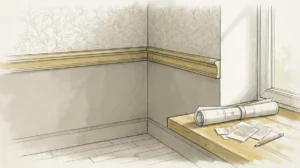
Sun fades wood. Florida sun is strong, and it can wash out color on dressers, tables, and cabinet faces in just a few years. Daily wear also dulls the finish on armrests and tabletops.
A full refinish brings back depth and color. The process includes stripping the old finish, sanding, staining, and sealing. Each step matters. Skipping the prep leads to blotchy results.
The same skill applies to doors and trim. If you have worn wood details around your home, our article on refinishing wood trim and doors explains how a fresh finish can transform a space.
5. Drawer and Door Problems
Sticky drawers, sagging doors, and loose hinges are daily annoyances. They are also easy to overlook until they get worse. Most of these issues come from wear, swelling, or poor original fit.
Typical Fixes
- Sticking drawers: Plane or sand the edges and wax the runners.
- Broken drawer bottoms: Replace the panel with matching material.
- Sagging doors: Re-set hinges, fill stripped screw holes, and realign the door.
- Loose drawer corners: Re-glue dovetails or add hidden reinforcement.
These repairs also apply to built-in cabinets. A well-built cabinet can last decades, but hinges and slides wear out. If your cabinets need attention, see our tips on repairing your cabinets at home to learn what is safe to try yourself.
6. Broken or Missing Parts
Sometimes a piece loses a leg, a spindle, a drawer pull, or a decorative carving. Buying a new matching part is often impossible, especially with older furniture. This is where custom carpentry shines.
A carpenter can build a new part from scratch. They match the wood species, grain direction, and profile. Then they stain and finish it to blend with the rest of the piece.
Common custom-made replacements include:
- Turned legs and spindles for chairs and tables
- Trim pieces and moldings on dressers and hutches
- Drawer fronts and panels
- Shelves for bookcases and china cabinets
This same shop-built approach is used for new work too. Many clients who start with a repair end up asking about custom furniture ideas for other rooms.
7. Structural Repairs on Built-Ins and Heavy Pieces
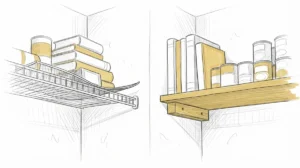
Built-in furniture needs repair too. Bookcases pull away from walls. Shelves sag under heavy loads. Window seats loosen. Entertainment centers shift as a house settles.
These fixes call for both furniture skills and construction knowledge. A carpenter checks how the unit is attached, whether the wall is sound, and if the load is too much for the shelf span.
What a Structural Repair May Include
- Adding cleats or hidden supports under shelves
- Re-securing the unit to wall studs
- Replacing sagging shelves with thicker material
- Fixing face frames that have separated
If you own a custom bookcase, you may also enjoy reading about how built-in bookshelves are designed. It helps explain why good design prevents problems later.
Signs It Is Time to Call a Professional
Some small jobs are fine for a weekend project. Others can cause more harm if done wrong. Call a carpenter when you notice any of these signs:
- The piece is an antique or has high value
- The damage is structural, such as a broken frame or split leg
- You need a stain or finish match
- The furniture is built into your home
- A previous repair attempt failed
If you are weighing your options, our comparison of DIY carpentry vs. professional service can help you decide. You can also review signs you need professional carpentry for more guidance.
How Furniture Repair Helps Designers and Developers
Repair is not only for homeowners. Interior designers often work with clients who own treasured pieces. Restoring those items can anchor a new design and save budget for other upgrades. A repaired heirloom adds story and warmth that new furniture cannot match.
Real estate developers also benefit. Model homes and staged units use furniture and built-ins that take heavy wear. Quick, high-quality repairs keep them looking sharp for buyers. A damaged built-in can also be refreshed instead of torn out, which saves time on a tight schedule.
Tips to Keep Your Furniture Lasting Longer
A little prevention goes a long way. Follow these simple habits:
- Use coasters and trivets to protect finishes.
- Keep wood away from direct sun when you can.
- Control indoor humidity with air conditioning or a dehumidifier.
- Dust with a soft cloth and clean with products made for wood.
- Tighten loose screws and hardware early.
- Lift furniture instead of dragging it.
For a wider look at upkeep, see our home maintenance guide for custom carpentry.
Why Choose Bucheli Trim for Furniture Repair
Bucheli Trim is a custom carpentry company serving Tampa Bay. The team focuses on craftsmanship, precision, and style. That same attention to detail applies to every repair, whether it is a cracked table or a built-in cabinet that needs work.
Want to see what other clients say? You can read Bucheli Trim reviews on Google or follow recent projects on Facebook. To explore the full range of work, visit our page on what carpentry repair services include.
Conclusion
Furniture repair saves pieces that matter. From loose joints to cracked tops, most damage can be fixed by a skilled carpenter. The right repair keeps the character of the original while making it strong again. It also costs the planet less than tossing a good piece and buying new.
Start by looking closely at your furniture. Note the wobble, the crack, or the faded finish. Then decide which fixes you can handle and which need a pro. When the job calls for real craftsmanship, contact Bucheli Trim to discuss your furniture repair project and bring your favorite pieces back to life.
FAQs
Q: Can a carpenter repair antique furniture?
A: Yes. A skilled carpenter can repair antique pieces while keeping their original look and value. The work often uses traditional joinery and careful finish matching so the repair blends in.
Q: How do I know if my furniture is worth repairing?
A: Solid wood pieces, heirlooms, and well-built items are usually worth repairing. Low-quality particleboard furniture often cannot hold up to repair. A carpenter can look at the piece and tell you if repair is a good choice.
Q: How long does a typical furniture repair take?
A: Simple fixes like tightening a joint may take a day, plus glue cure time. Larger jobs such as refinishing or building a new part can take a week or more. Finish drying time is a big part of the schedule.
Q: Can built-in cabinets and bookcases be repaired too?
A: Yes. Built-ins can be repaired for sagging shelves, loose face frames, worn hinges, and wall attachment issues. A custom carpenter can fix these without removing the entire unit in most cases.
Q: What causes wood furniture to crack in Florida?
A: Humidity changes cause wood to swell and shrink. When the wood cannot move freely, it can crack or split. Keeping indoor humidity steady and avoiding direct sun can help prevent damage.