Key Takeaways
-
Custom furniture is built to fit your exact space measurements, eliminating awkward gaps and wasted inches that standard furniture leaves behind.
-
Custom pieces use solid materials and careful joinery, lasting decades longer than flat-pack furniture while offering unique style no one else will have.
-
Key custom furniture options include floor-to-ceiling bookcases, built-in entertainment centers, custom closets, and Murphy beds that solve storage and space challenges.
-
Hiring a skilled carpenter with a strong portfolio and clear communication is critical—ask for past projects, material recommendations for your climate, and how they handle design changes.
Store-bought furniture rarely fits a home perfectly. Rooms have odd corners, sloped ceilings, and tight spaces that standard pieces simply cannot use. That is where custom furniture comes in. Built by skilled carpenters, custom furniture is made to match your room, your style, and the way you live.
In the custom carpentry world, furniture often means built-in pieces. Think cabinets, shelving, benches, and storage walls that become part of the home itself. These pieces use solid materials and careful joinery, so they last for decades.
This guide covers 10 custom furniture ideas that homeowners, interior designers, and developers love. You will learn what each piece does, where it works best, and what to ask your carpenter. Whether you want to add storage, boost style, or make a property stand out, these ideas will help you plan with confidence in 2026.
Why Custom Furniture Beats Standard Pieces
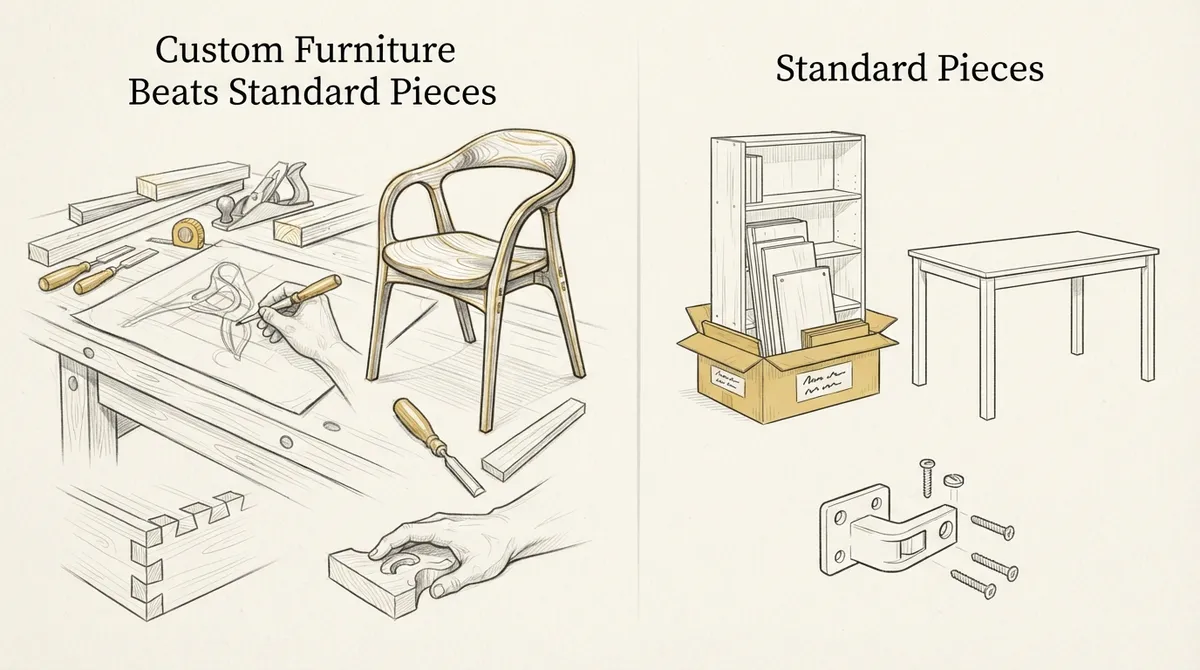
Before the list, it helps to know why custom furniture is worth considering. A skilled carpenter measures your space and builds to fit it. There are no awkward gaps and no wasted inches.
Here are the main benefits:
- Perfect fit: Every piece matches your wall, ceiling, and floor lines.
- Better materials: You choose the wood, finish, and hardware.
- Lasting quality: Solid joinery holds up far longer than flat-pack designs.
- Unique style: No one else will have the same piece.
- Added home appeal: Built-in work often catches the eye of future buyers.
If you want to see how this plays out across a whole house, read about how built-in furniture design transforms your space.
10 Custom Furniture Ideas Worth Building
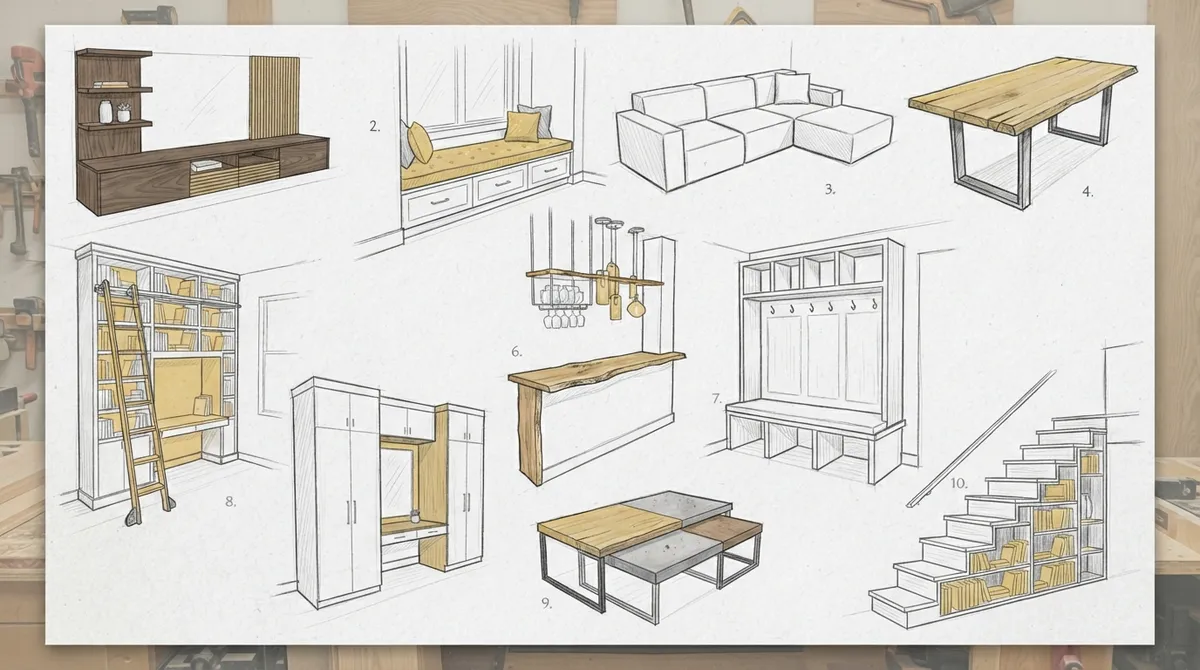
1. Floor-to-Ceiling Bookcases
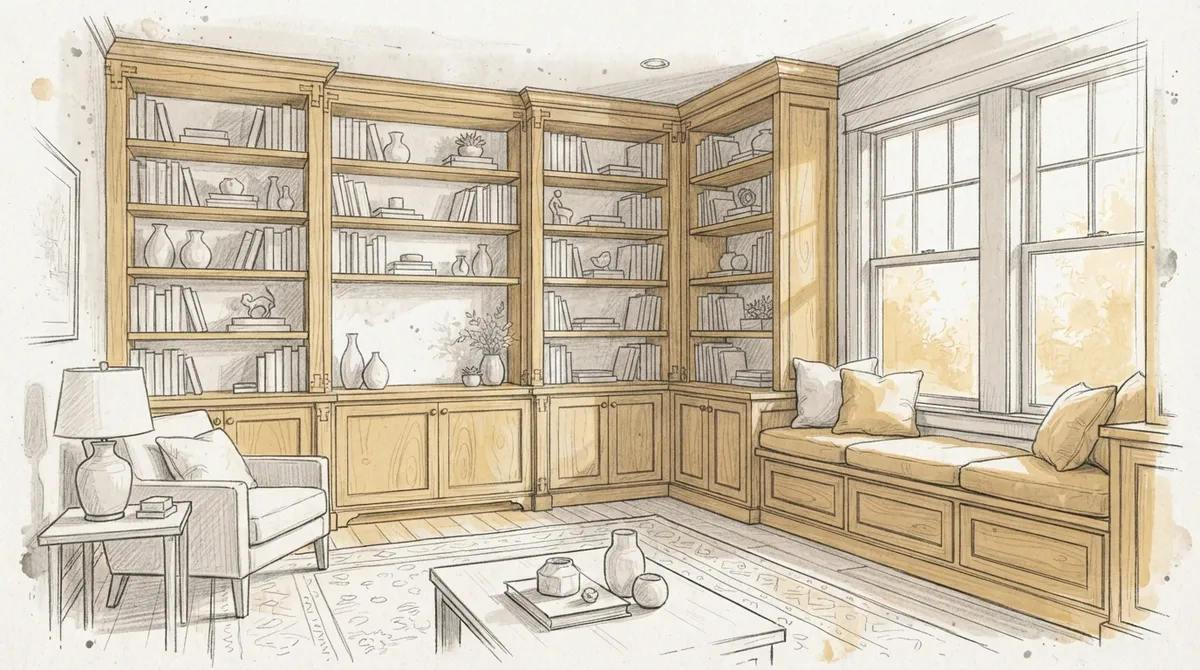
A tall bookcase turns an empty wall into a focal point. It holds books, art, and keepsakes while adding warmth to the room. Carpenters can add rolling ladders, glass doors, or hidden lighting for extra charm.
These pieces work well in living rooms, offices, and libraries. For design tips, see why custom floor to ceiling bookcases are worth it.
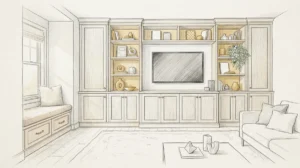
2. Built-In Entertainment Centers
A custom entertainment center hides cables, stores media gear, and frames your TV. It can include closed cabinets, open shelves, and space for speakers. The result looks clean and planned instead of cluttered.
Because the carpenter builds around your exact TV size, nothing looks out of place. Explore ideas in this guide to a custom entertainment center that lasts.
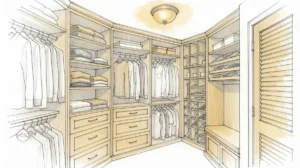
3. Custom Closets and Storage Systems
Closets are one of the best places for custom furniture. A carpenter can design shelves, drawers, hanging rods, and shoe racks that fit your wardrobe. Walk-in closets can even include an island or seating bench.
Good closet design saves time every morning. For inspiration, check out these 12 custom closet build ideas.
4. Breakfast Nooks and Window Seats
A built-in nook turns a small corner into a cozy spot. Benches with hidden storage underneath give you a seat and extra space at once. Window seats do the same job near a bright window.
These pieces are perfect for tight kitchens and sunrooms. You can see how they compare in built-in vs. freestanding breakfast nooks.
5. Custom Cabinetry for Kitchens and Baths
Cabinets are furniture you use every day. Custom versions let you pick the door style, depth, and interior layout. Pull-out trays, spice racks, and tall pantry units make daily tasks easier.
In bathrooms, a custom vanity can fit odd layouts that stock vanities cannot. Learn more about our cabinet services and see why custom cabinetry in Tampa is worth it.
6. Fireplace Mantels and Surrounds
A custom mantel gives a fireplace presence. It can be simple and clean or rich with carved detail. Carpenters often pair mantels with flanking shelves or cabinets for a full feature wall.
Wood type, stain, and trim style all shape the final look. Read how to find and choose custom mantels near you.
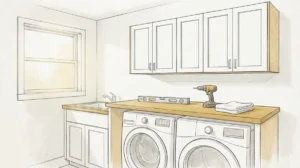
7. Laundry Room and Mudroom Built-Ins
Busy rooms need smart storage. A custom mudroom bench with cubbies and hooks keeps shoes and bags in order. In laundry rooms, built-in cabinets can hide supplies and add a folding counter.
These pieces handle heavy daily use, so solid construction matters. Browse these 13 laundry room custom cabinet ideas for starting points.
8. Garage Storage Cabinets
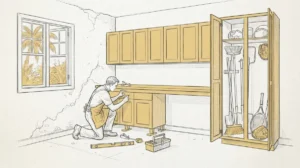
Garages often become dumping grounds. Custom cabinets bring order with closed storage for tools, sports gear, and seasonal items. They also protect belongings from dust and humidity, which is helpful in Florida.
See why custom garage cabinets are worth the investment.
9. Wall Panel Units and Accent Walls
Some custom furniture blends into the wall itself. Paneled units, shiplap walls with floating shelves, and wainscoting with built-in benches all add depth. These pieces mix furniture and architecture.
They are popular for media walls, bedroom headboard walls, and dining areas. Explore our wall enhancements or read 10 media wall ideas.
10. Murphy Beds and Multi-Use Pieces
Small homes and guest rooms benefit from furniture that does two jobs. A Murphy bed folds into a wall cabinet by day and becomes a bed at night. Some designs include side shelves or a desk.
This is a smart way to get more from every square foot. Learn more in this Murphy bed installation guide.
Quick Comparison of Custom Furniture Types
Use this table to compare popular pieces by room, main benefit, and level of planning needed.
| Furniture Piece | Best Room | Main Benefit | Planning Level |
|---|---|---|---|
| Floor-to-ceiling bookcase | Living room, office | Display and storage | Medium |
| Entertainment center | Living room, den | Hides cables, frames TV | Medium |
| Custom closet | Bedroom | Organized storage | High |
| Breakfast nook | Kitchen | Seating plus storage | Medium |
| Custom cabinetry | Kitchen, bath | Daily function | High |
| Fireplace mantel | Living room | Focal point | Low to medium |
| Mudroom bench | Entry, laundry | Clutter control | Low |
| Garage cabinets | Garage | Protected storage | Medium |
| Wall panel unit | Any room | Style and depth | Medium |
| Murphy bed | Guest room, office | Saves space | High |
How to Plan Your Custom Furniture Project
A good plan makes the build smoother. Follow these steps to get great results.
- Define the need. Decide what the piece must do, such as store items, seat guests, or hide a TV.
- Measure and photograph the space. Note outlets, vents, windows, and ceiling height.
- Choose materials and finish. Pick wood species, paint or stain, and hardware that match your home.
- Review drawings. Ask the carpenter for sketches or plans before work begins.
- Set a timeline. Custom work takes longer than ordering off a shelf, so plan ahead.
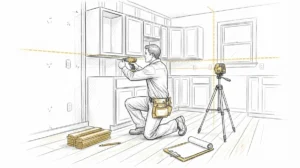
- Inspect the install. Check fit, finish, and moving parts before you sign off.
Choosing the Right Materials
Material choice shapes both the look and the lifespan of your furniture. Solid hardwoods like oak and maple resist wear. Plywood with a quality veneer offers stability for large panels and cabinet boxes. Painted finishes suit modern and coastal styles, while stains highlight natural grain.
In humid climates like Tampa Bay, moisture control matters. A skilled carpenter will pick materials and sealers that resist swelling and warping. Ask about this during your first meeting.
Details such as trim, crown, and base molding also tie furniture into the room. Our molding details can make a built-in look like it was part of the original home.
Custom Furniture for Designers and Developers
Interior designers often have a clear vision that stock furniture cannot match. A custom carpenter turns sketches into real pieces with accurate joinery and clean finishes. Clear communication and detailed drawings help keep the project on track.
Real estate developers use custom furniture to set listings apart. Built-in shelving, feature walls, and custom closets give buyers a strong first impression. These upgrades signal quality and care.
For a look at what is possible, browse our custom projects. You can also learn 13 signs of true craftsmanship in custom carpentry to judge quality before you hire.
How to Find a Skilled Custom Carpenter
The carpenter you choose matters as much as the design. Look for someone with a strong portfolio, clear communication, and real experience with built-ins. Ask to see past work and read customer reviews.
Here are smart questions to ask:
- Can you show similar projects you have completed?
- Who handles design, building, and installation?
- What materials and finishes do you recommend for my climate?
- How do you handle changes during the build?
Our guide on how to find the best custom carpenter near me covers this in more depth. You can also read 7 mistakes to avoid when hiring carpenters.
To get a better sense of the craft, you can learn more about carpentry and how the trade has evolved. At Bucheli Trim, we take pride in precise, high-end work across the Tampa Bay area. See what customers say by reading reviews on Visit us on Google — Bucheli Trim.
Care Tips to Keep Custom Furniture Looking New
Good furniture lasts longer with simple care. Wipe surfaces with a soft, slightly damp cloth. Avoid harsh cleaners that can dull a finish. Keep pieces out of direct sunlight when possible, since strong light can fade wood and paint.
In humid areas, run air conditioning or a dehumidifier to protect wood from swelling. Tighten hinges and check drawer slides once a year. Small touch-ups to paint or stain can fix minor scuffs before they spread.
Conclusion
Custom furniture lets you build a home that fits you, not the other way around. From bookcases to Murphy beds, each piece solves a real problem while adding beauty and value. With careful planning, quality materials, and a skilled carpenter, your investment will serve your home for many years.
Ready to start your project? Contact the Bucheli Trim team to talk through your ideas and get started on custom furniture built to fit your space.
FAQs
Q: What is custom furniture in carpentry?
A: Custom furniture is a piece built by a carpenter to fit a specific space and style. It often includes built-ins like cabinets, bookcases, benches, and closets. Each piece is made to your measurements, so it fits without gaps.
Q: How long does a custom furniture project take?
A: Timelines depend on size and detail. A simple bench may take a couple of weeks, while a full closet or wall unit can take several weeks. Your carpenter can give a clear schedule after reviewing your plans.
Q: What wood is best for custom furniture?
A: Hardwoods like oak, maple, and walnut are strong and long lasting. Quality plywood works well for large panels and cabinet boxes. The best choice depends on your style, use, and climate.
Q: Is custom furniture better than store-bought furniture?
A: Custom furniture offers a precise fit, better materials, and a unique look. Store-bought pieces are ready sooner but may not suit odd spaces. Many homeowners choose custom work for rooms where fit and quality matter most.