Key Takeaways
-
Built-in furniture maximizes vertical space and creates seamless storage solutions by integrating permanently with your home's architectural structure.
-
Strategic design requires precise measurements, functional planning, and aesthetic considerations to transform rooms into personalized, efficient spaces.
-
Material selection is crucial, with options like hardwood, plywood, and MDF offering different durability, cost, and finish possibilities for custom installations.
-
Multi-functional built-ins serve dual purposes, such as window seats with hidden storage or entertainment centers with cable management, optimizing square footage.
-
Lighting integration, including task, accent, and ambient options, can dramatically enhance built-in furniture's functionality and visual appeal.
-
Custom built-ins increase property value by addressing specific storage challenges and reflecting individual lifestyle needs through tailored design solutions.
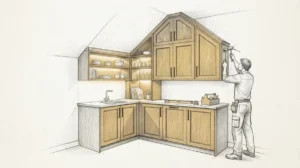
Built-in furniture design represents a revolutionary approach to maximizing space while creating a seamless, customized aesthetic in your home. Unlike freestanding furniture that sits against walls or occupies floor space, built-in pieces become permanent architectural features that enhance functionality and visual appeal. Whether you’re working with a compact apartment or a spacious home, understanding the principles of built-in furniture design helps you make informed decisions about transforming your living environment into a perfectly tailored sanctuary.
Homeowners increasingly recognize that built-in solutions offer exceptional value by addressing storage challenges while adding character to rooms. Interior designers frequently specify custom built-ins because they deliver personalized solutions that reflect individual lifestyles and preferences. Real estate developers understand that properties featuring quality built-in furniture command higher market values and attract discerning buyers. This comprehensive guide explores the fundamental aspects of built-in furniture design, from planning considerations to style options, helping you understand how these permanent fixtures can revolutionize your living spaces.
At Bucheli Trim, we specialize in creating exceptional built-in furniture that combines craftsmanship with functionality, transforming homes throughout the Tampa Bay area with precision carpentry work.
Understanding the Fundamentals of Built-In Furniture
Built-in furniture refers to custom-designed pieces permanently attached to your home’s structure, creating integrated storage and functional solutions. These installations differ significantly from standard furniture because they’re constructed specifically for your space dimensions and requirements. The permanence of built-ins means careful planning becomes essential before construction begins.
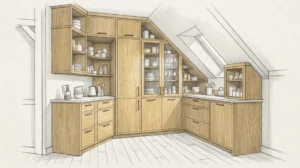
The structural integration of built-in furniture offers numerous advantages over traditional furniture arrangements. These pieces maximize vertical space utilization, reaching from floor to ceiling to capture storage potential often wasted in conventional room layouts. Built-ins eliminate gaps between furniture and walls where dust accumulates, creating cleaner living environments. The seamless integration with architectural elements like windows, doorways, and alcoves makes rooms appear larger and more cohesive.
Successful built-in furniture design requires understanding three core components: spatial analysis, functional requirements, and aesthetic integration. Spatial analysis involves measuring dimensions accurately and identifying structural limitations or opportunities. Functional requirements address how you’ll use the space—whether for book storage, media equipment, clothing, or display purposes. Aesthetic integration ensures the built-in complements your home’s architectural style and interior design vision.
Key Components of Effective Built-In Design
- Precise measurements accounting for wall irregularities and architectural features
- Material selection balancing durability, appearance, and budget considerations
- Hardware choices including hinges, drawer slides, and decorative elements
- Lighting integration for functionality and ambiance enhancement
- Finish options coordinating with existing trim and cabinetry
- Accessibility planning ensuring comfortable reach and usable storage zones
Popular Types of Built-In Furniture Solutions
Built-in furniture encompasses diverse applications throughout your home, each serving specific functional and aesthetic purposes. Understanding the most popular types helps you identify opportunities within your own living spaces.
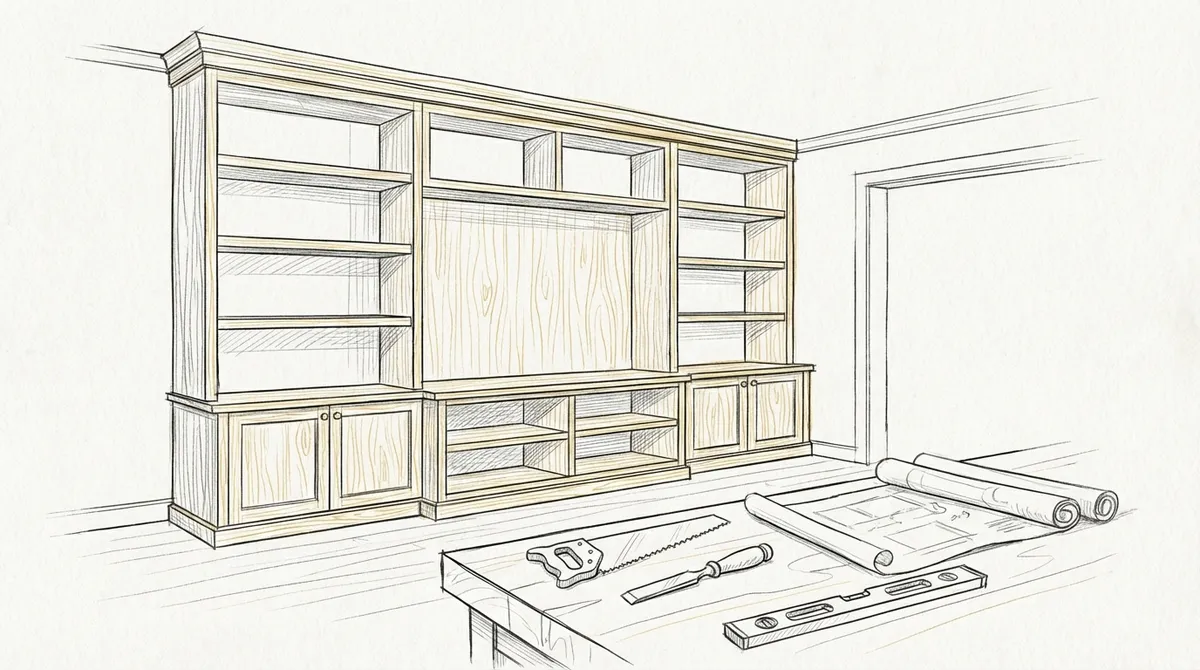
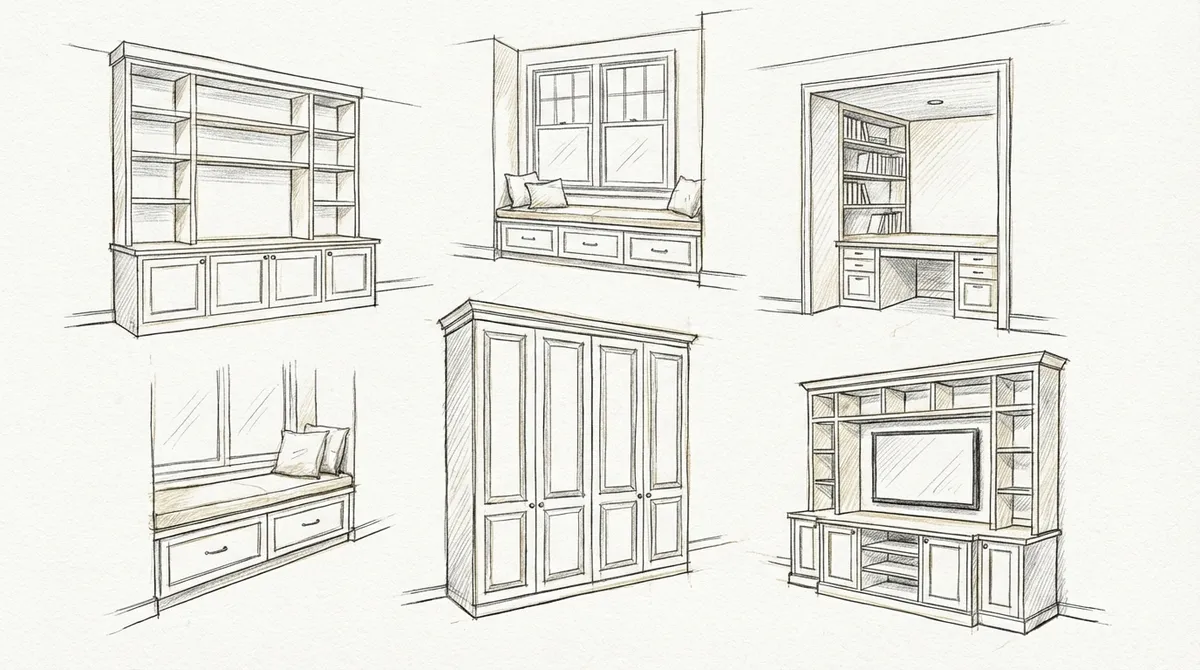
Built-In Bookcases and Shelving: These classic installations transform blank walls into functional storage and display areas. Floor-to-ceiling bookcases maximize vertical space while creating impressive focal points. Adjustable shelving systems accommodate items of varying heights, from oversized art books to small decorative objects. Many homeowners incorporate decorative molding details to add architectural interest and elevate the overall design sophistication.
Window Seats with Storage: These charming installations combine comfortable seating with concealed storage beneath hinged or sliding lids. Window seats capitalize on natural light while creating cozy reading nooks or conversation areas. The storage compartments beneath provide perfect solutions for seasonal items, extra linens, or children’s toys.
Entertainment Centers: Custom media walls integrate television placement, component storage, and display shelving into cohesive units. Modern entertainment centers often incorporate cable management systems, ventilation for electronic equipment, and adjustable shelving to accommodate changing technology needs.
Home Office Built-Ins: Dedicated workspace installations include desk surfaces, filing solutions, and shelving configured for productivity. These designs often feature integrated lighting, power outlets, and ergonomic considerations that support extended work sessions.
Specialized Built-In Applications
- Mudroom Systems: Entry area installations featuring coat hooks, bench seating, and cubbies for family organization
- Breakfast Nooks: Kitchen seating areas with built-in benches and storage drawers beneath
- Bedroom Wardrobes: Custom closet systems with hanging areas, drawers, and specialized storage
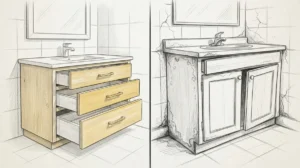
- Bathroom Vanities: Integrated sink cabinets with storage tailored to personal care items
- Display Niches: Recessed shelving highlighting artwork, collectibles, or decorative objects
Design Styles and Aesthetic Approaches
Built-in furniture design adapts to virtually any architectural style or interior design preference. Selecting the appropriate aesthetic approach ensures your built-ins enhance rather than clash with your home’s existing character.
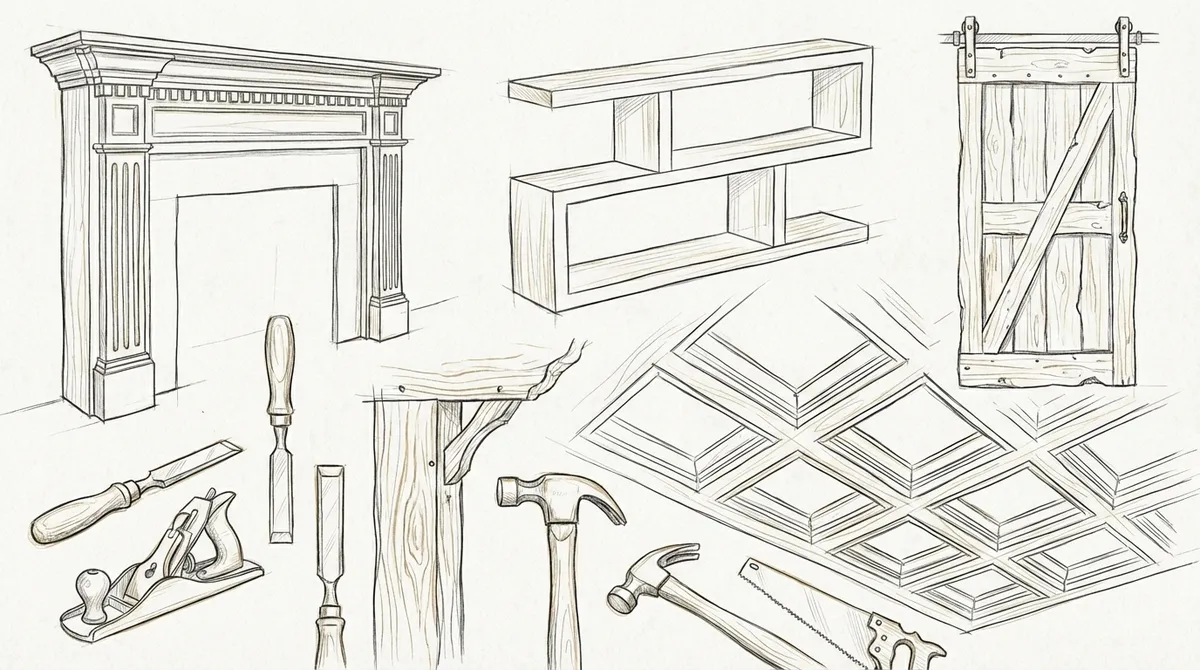
Traditional Style: Classic built-ins feature ornate details including raised panel doors, crown molding, and furniture-style feet. Rich wood tones like cherry, mahogany, or walnut create warmth and elegance. Glass-front cabinet doors with mullion patterns showcase fine china or book collections while protecting contents from dust.
Contemporary Design: Modern built-ins emphasize clean lines, minimal ornamentation, and smooth surfaces. Flat-panel doors, handleless designs with push-to-open mechanisms, and horizontal grain patterns create sleek appearances. Neutral colors including white, gray, and natural wood tones maintain the understated aesthetic.
Transitional Approach: This popular style blends traditional warmth with contemporary simplicity. Transitional built-ins might feature Shaker-style doors with simple hardware, combining the comfort of classic design with modern restraint. This versatile approach suits homes with mixed design elements.
According to carpentry traditions, skilled craftsmen have created built-in furniture for centuries, adapting techniques to evolving design preferences while maintaining structural integrity and functional excellence.
| Design Style | Characteristic Features | Best Applications | Popular Materials |
|---|---|---|---|
| Traditional | Ornate details, raised panels, decorative molding | Libraries, formal dining rooms, master bedrooms | Cherry, mahogany, oak |
| Contemporary | Clean lines, minimal hardware, horizontal emphasis | Modern kitchens, home offices, media rooms | Maple, painted MDF, walnut |
| Transitional | Simplified profiles, subtle details, neutral tones | Living rooms, bedrooms, multi-purpose spaces | Painted hardwood, white oak, maple |
| Rustic | Natural textures, visible grain, casual hardware | Mountain homes, lake houses, casual spaces | Reclaimed wood, pine, knotty alder |
Material Selection for Built-In Furniture
Choosing appropriate materials significantly impacts the durability, appearance, and cost of your built-in furniture project. Different materials offer distinct advantages depending on your specific application and budget parameters.
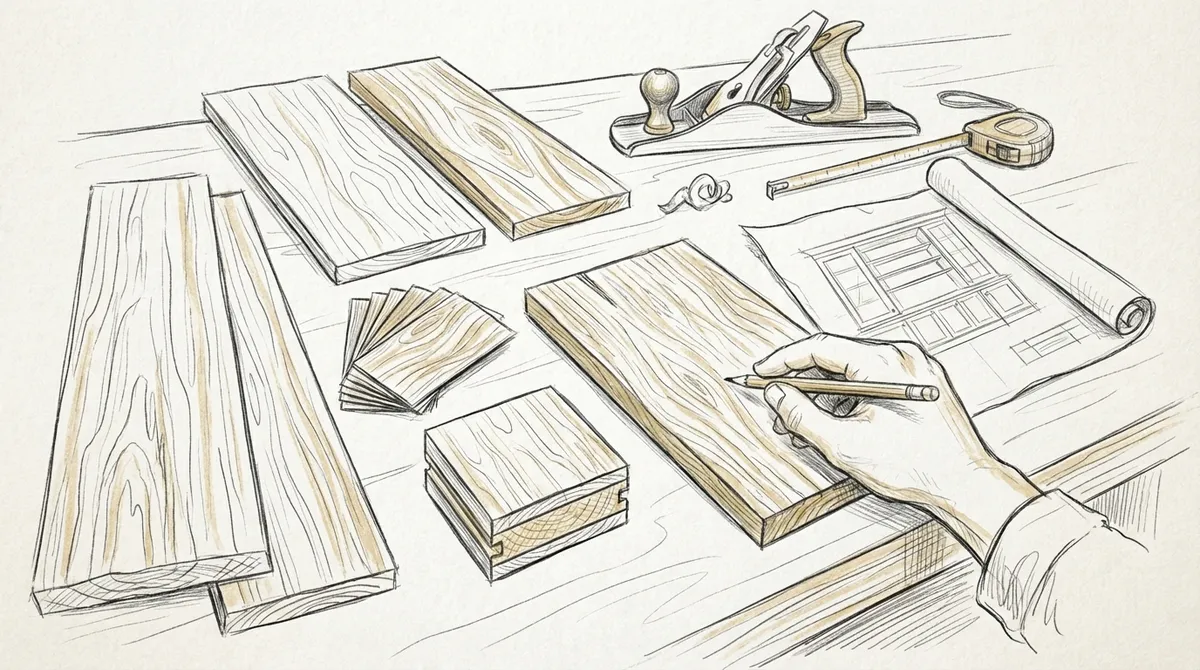
Solid Hardwood: Premium built-ins often utilize solid wood species including oak, maple, cherry, or walnut. Hardwood offers exceptional durability and can be refinished multiple times throughout its lifespan. The natural grain patterns create unique character, though solid wood represents the highest material cost. Hardwood performs best in climate-controlled environments where humidity fluctuations remain minimal.
Plywood: High-quality plywood provides excellent stability and strength at moderate cost. Cabinet-grade plywood features attractive face veneers over engineered cores that resist warping better than solid wood. This material works exceptionally well for large panels including cabinet sides, shelving, and backing components.
MDF (Medium-Density Fiberboard): This engineered material offers smooth surfaces ideal for painted finishes. MDF machines cleanly without grain tear-out and costs significantly less than hardwood or quality plywood. The material works well for door panels, face frames, and decorative elements. However, MDF demonstrates sensitivity to moisture and weighs more than comparable wood products.
Material Comparison for Informed Decisions
- Durability: Solid hardwood and plywood excel in high-traffic applications
- Moisture Resistance: Plywood outperforms MDF in humid environments like bathrooms
- Paint-Grade Finishes: MDF provides the smoothest painted surfaces
- Stain-Grade Finishes: Solid hardwood showcases natural beauty through transparent finishes
- Budget Considerations: MDF offers cost savings while plywood balances price and performance
- Weight: Solid hardwood and plywood weigh less than MDF of equivalent thickness
Planning Your Built-In Furniture Project
Successful built-in furniture installation requires thorough planning before construction begins. Following a systematic approach ensures your finished project meets functional needs while delivering aesthetic satisfaction.
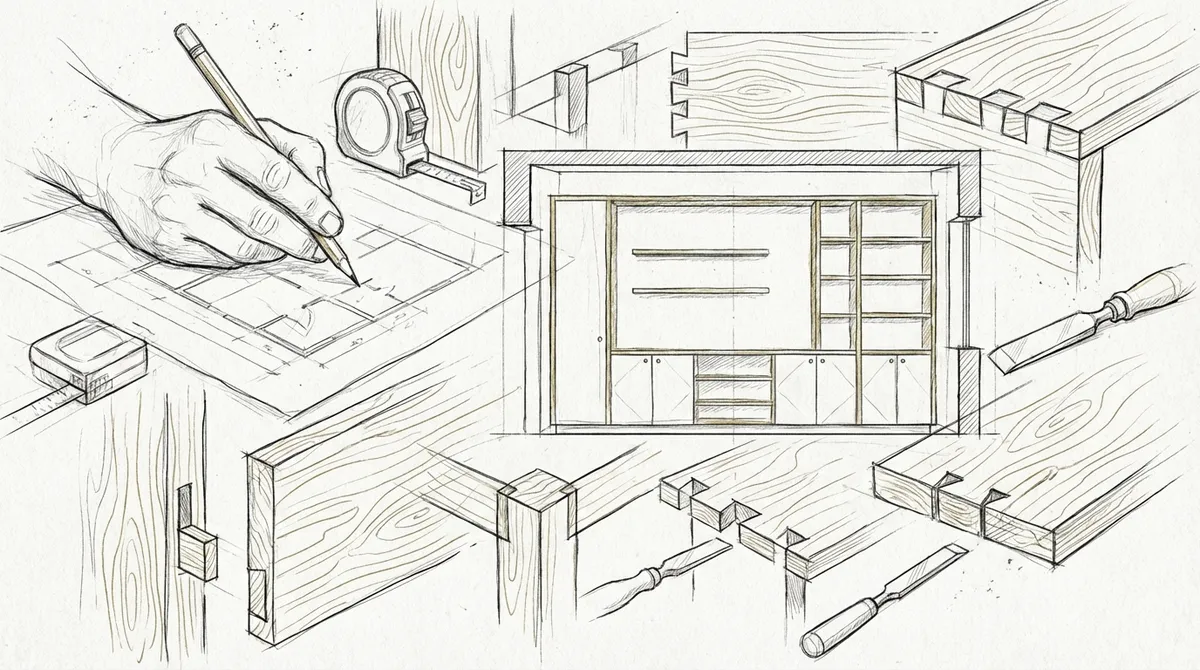
Measure Accurately: Precise measurements form the foundation of successful built-in projects. Measure your space at multiple points since walls rarely run perfectly straight or plumb. Document ceiling heights, wall lengths, and distances to adjacent architectural features. Identify electrical outlets, switches, and HVAC vents that might affect your design. Professional carpenters often create detailed drawings based on these measurements.
Define Functional Requirements: List specific items you’ll store and activities you’ll perform in the space. Consider future needs alongside current requirements—adjustable shelving provides flexibility as your needs evolve. Determine whether you need open shelving, closed cabinets, or combination configurations. Think about accessibility, ensuring frequently used items occupy convenient locations.
Set Realistic Budgets: Built-in furniture costs vary dramatically based on size, materials, and complexity. Custom hardwood installations with intricate details command premium prices, while painted MDF solutions offer budget-friendly alternatives. Obtain detailed quotes from qualified craftsmen, ensuring estimates include materials, labor, and finishing. Many homeowners find value in phased approaches, completing priority areas before addressing secondary spaces.
Essential Planning Steps
- Photograph your space from multiple angles for design reference
- Create inspiration boards collecting images of appealing designs
- Research material options and visit showrooms to see samples
- Consult with experienced carpenters about feasibility and costs
- Verify building code requirements for structural modifications
- Plan temporary furniture arrangements during construction periods
- Schedule projects during seasons when your home can accommodate construction disruption
Maximizing Storage and Functionality
Well-designed built-in furniture dramatically increases usable storage while maintaining organized, attractive spaces. Implementing strategic design features optimizes both capacity and accessibility.
Vertical Space Utilization: Extending built-ins to ceiling height captures storage potential typically wasted above standard furniture. Upper cabinets accommodate seasonal items or infrequently used belongings, while lower sections house everyday necessities. This approach works particularly well in rooms with high ceilings where vertical dimension provides abundant capacity.
Custom Compartmentalization: Dividing interior spaces with adjustable shelves, drawer organizers, and specialized inserts maintains organization and prevents clutter accumulation. Deep drawers benefit from divider systems that prevent items from shifting. Shallow drawers with custom inserts organize small items like jewelry, office supplies, or craft materials. Pull-out shelves in base cabinets improve accessibility to items stored toward the back.
Multi-Functional Design: The most effective built-ins serve multiple purposes simultaneously. Window seats provide seating while concealing storage. Desk areas incorporate filing systems and display shelving. Room dividers create privacy while offering storage accessible from both sides. This approach maximizes value per square foot invested in custom furniture.
For additional inspiration on integrated carpentry solutions, explore custom projects that demonstrate creative approaches to space optimization.
| Storage Challenge | Built-In Solution | Key Benefits |
|---|---|---|
| Limited closet space | Floor-to-ceiling wardrobe system | Maximizes vertical storage, customized compartments |
| Awkward alcoves | Fitted shelving or cabinets | Utilizes otherwise wasted space efficiently |
| Small rooms | Wall-mounted desks with storage | Provides functionality without floor space consumption |
| Toy clutter | Window seat with lift-up storage | Conceals items while creating seating |
| Media equipment | Entertainment center with cable management | Organizes components while hiding wires |
Lighting Integration for Built-In Furniture
Thoughtful lighting integration transforms built-in furniture from functional storage into dramatic design features while improving usability. Multiple lighting approaches serve different purposes within built-in installations.
Task Lighting: Focused illumination supports specific activities performed near built-ins. Under-cabinet lighting in home offices illuminates work surfaces, reducing eye strain during extended computer use. Interior cabinet lighting helps locate items stored in deep compartments. Adjustable reading lights mounted within built-in bookcases provide comfortable illumination for extended reading sessions.
Accent Lighting: Strategic illumination highlights architectural features and displayed objects. LED strip lighting installed behind crown molding creates ambient glow that emphasizes ceiling height. Glass-front cabinets with interior lighting showcase collectibles, fine china, or book collections. Recessed puck lights spotlight artwork or decorative objects on shelving.
Ambient Lighting: Integrated lighting contributes to overall room illumination while enhancing built-in presence. Toe-kick lighting beneath base cabinets provides subtle nighttime navigation without harsh overhead lights. Backlit panels create dramatic effects in contemporary designs. Cove lighting above tall built-ins adds warmth while making ceilings appear higher.
Lighting Implementation Considerations
- LED technology offers energy efficiency and minimal heat generation
- Dimmer controls provide lighting flexibility for different activities and moods
- Color temperature selection affects ambiance—warmer tones create coziness while cooler temperatures support task performance
- Motion sensors in closets and pantries provide hands-free convenience
- Removable light covers facilitate bulb replacement and cleaning
- Professional electrical installation ensures code compliance and safety
Coordinating Built-Ins with Existing Architecture
Successful built-in furniture design harmonizes with your home’s architectural features, creating cohesive spaces where custom elements appear original to the structure. Several strategies help achieve this integration.
Matching Trim and Molding: Replicating existing baseboard, crown molding, and door casing profiles ensures built-ins read as architectural features rather than added furniture. Professional carpenters match profiles using specialized cutting tools or order matching stock from millwork suppliers. The continuity created by consistent trim details makes built-ins appear original to the home’s construction. Learn more about molding details that enhance architectural cohesion.
Respecting Proportions: Built-in dimensions should relate appropriately to room scale and adjacent architectural elements. Tall ceilings accommodate floor-to-ceiling installations, while rooms with standard eight-foot ceilings might benefit from built-ins terminating below the ceiling plane. Door and window spacing influences built-in placement and width. Cabinet depths should balance storage capacity against room circulation requirements.
Coordinating Finishes: Paint colors, stain selections, and hardware finishes connecting built-ins to existing elements create visual continuity. Matching built-in paint to existing trim unifies the space. Coordinating hardware finishes with door knobs and light fixtures maintains consistent metal tones. This attention to detail distinguishes professional installations from amateur attempts.
Understanding crown molding history and applications helps homeowners appreciate how these decorative elements contribute to architectural character and built-in furniture integration.
Professional Installation versus DIY Approaches
Homeowners face important decisions about whether to hire professional craftsmen or attempt DIY built-in furniture projects. Understanding the complexity involved helps you make informed choices aligned with your skills and budget.
Professional Installation Advantages: Experienced carpenters bring specialized skills, tools, and efficiency that typically produce superior results. Professionals understand structural considerations, ensuring built-ins attach securely to walls and support expected loads safely. Their experience anticipates challenges before they arise, saving time and preventing costly mistakes. Warranty coverage protects your investment against workmanship defects. The finished quality often justifies the additional expense, particularly for prominent installations affecting your home’s value.
DIY Considerations: Skilled DIY enthusiasts with appropriate tools can successfully complete built-in projects, particularly simpler designs. DIY approaches offer cost savings on labor while providing personal satisfaction from hands-on creation. However, realistic assessment of your skill level prevents frustration and wasted materials. Complex projects involving electrical work, significant structural modifications, or intricate joinery typically benefit from professional expertise.
Hybrid Approaches: Some homeowners achieve excellent results by combining professional and DIY elements. A carpenter might handle structural installation and face frame construction while you complete finishing tasks including painting, hardware installation, and final adjustments. This collaboration balances cost management with quality assurance.
Questions to Ask Before Deciding
- Do I possess the necessary tools including table saw, miter saw, and drill press?
- Can I accurately cut joints and ensure square, plumb construction?
- Do I understand local building codes regarding structural modifications?
- Will mistakes cost more than professional services when accounting for wasted materials?
- Can I dedicate sufficient time to complete the project without extended disruption?
- Do I have experience with finishing techniques producing professional results?
Maintenance and Long-Term Care
Properly maintained built-in furniture retains functionality and appearance for decades, protecting your investment while preserving your home’s aesthetic appeal. Establishing regular maintenance routines prevents minor issues from developing into expensive problems.
Cleaning and Surface Care: Regular dusting prevents accumulation that scratches finishes during cleaning. Use microfiber cloths that capture particles without abrasive action. Clean painted surfaces with mild soap solutions, avoiding harsh chemicals that damage finishes. Wood surfaces benefit from periodic conditioning with appropriate products that nourish without leaving sticky residues. Glass shelves and cabinet fronts require streak-free glass cleaners for optimal clarity.
Hardware Maintenance: Drawer slides and hinges require occasional lubrication maintaining smooth operation. Tighten loose screws before they strip mounting holes. Replace worn drawer slides or damaged hinges promptly to prevent further deterioration. Adjustable shelf pins benefit from periodic inspection ensuring secure placement.
Finish Touch-Ups: Minor scratches and dings inevitably occur during normal use. Touch-up markers or paint pens matching your finish color minimize visible damage. Wood surfaces accept stain pens that blend scratches into surrounding grain. Professional refinishing restores severely damaged surfaces, though quality built-ins typically require this service infrequently.
Maintaining built-in furniture becomes easier when construction quality ensures durability from the start. Visit our Google Business Profile to see reviews from satisfied customers who appreciate our commitment to lasting quality.
Cost Factors and Investment Value
Understanding the financial aspects of built-in furniture helps you budget appropriately while recognizing the long-term value these installations provide. Multiple factors influence project costs and subsequent returns on investment.
Primary Cost Drivers: Material selection significantly impacts project expenses, with solid hardwoods commanding premium prices compared to painted MDF alternatives. Project size and complexity affect labor costs—simple bookcases require less time than elaborate entertainment centers with integrated lighting and specialized compartments. Finish quality influences costs, as hand-rubbed stains and multiple paint coats increase labor time. Geographic location affects pricing, with urban markets typically charging higher rates than rural areas.
Return on Investment: Quality built-in furniture increases home value, particularly installations that solve common problems or enhance desirable spaces. Kitchen and bathroom built-ins typically return the highest percentages of initial investment. Home office installations attract remote workers seeking functional workspaces. Master bedroom closet systems appeal to buyers prioritizing organization. Real estate professionals confirm that properties featuring quality built-ins command higher prices and sell faster than comparable homes lacking these amenities.
Value Beyond Resale: The daily enjoyment and improved functionality built-ins provide justify investment independent of future sale considerations. Reduced clutter improves quality of life and reduces stress. Customized storage solutions increase efficiency in daily routines. The aesthetic enhancement built-ins provide contributes to pride of ownership and home enjoyment.
| Project Type | Typical Cost Range | Timeline | ROI Potential |
|---|---|---|---|
| Basic Bookcase | $1,500 – $3,500 | 3-5 days | Moderate |
| Entertainment Center | $3,000 – $8,000 | 1-2 weeks | Moderate to High |
| Home Office | $4,000 – $10,000 | 1-2 weeks | High |
| Master Closet System | $3,500 – $12,000 | 1-2 weeks | Very High |
| Mudroom Installation | $2,500 – $6,000 | 1 week | High |
Transform Your Space with Professional Built-In Furniture
Built-in furniture design offers transformative potential for homeowners seeking customized solutions that maximize space while enhancing aesthetic appeal. The permanent nature of these installations requires careful planning, but the rewards include improved functionality, increased storage capacity, and enhanced home value. From classic bookcases to sophisticated entertainment centers, built-ins adapt to diverse architectural styles and personal preferences.
Successful projects begin with thorough planning, accurate measurements, and clear definition of functional requirements. Material selection balances budget considerations against durability and appearance goals. Lighting integration elevates built-ins from simple storage to dramatic design features. Coordination with existing architecture ensures cohesive results that appear original to your home’s construction. Whether you engage professional craftsmen or pursue DIY approaches, understanding these fundamental principles guides you toward successful outcomes.
The investment in quality built-in furniture delivers returns through daily enjoyment, improved organization, and enhanced property value. These permanent installations become integral architectural features that serve your family for decades when properly maintained. As you consider transforming your spaces with built-in furniture, remember that experienced craftsmen bring expertise ensuring your vision becomes reality with precision and quality.
Ready to explore how custom built-in furniture can transform your Tampa Bay area home? Contact our experienced team to discuss your project vision and discover how expert craftsmanship creates built-in solutions perfectly tailored to your space and lifestyle. Let us help you maximize your home’s potential with built-in furniture that combines functionality, beauty, and lasting quality.
FAQs
Q: What is the main difference between built-in furniture and freestanding furniture?
A: Built-in furniture is permanently attached to your home’s structure and custom-designed for specific spaces, while freestanding furniture can be moved and repositioned. Built-ins maximize space utilization by extending floor-to-ceiling and fitting precisely into alcoves or along walls, whereas freestanding pieces often leave gaps and unused vertical space. Built-ins become architectural features that increase home value, while freestanding furniture represents movable assets that don’t contribute to property appreciation.
Q: How long does a typical built-in furniture installation take?
A: Installation timelines vary based on project complexity and size. Simple bookcase installations typically require 3-5 days, while elaborate entertainment centers or home office systems may take 1-2 weeks. The timeline includes initial measurement and design consultation, material procurement, construction, installation, and finishing work. Complex projects requiring electrical integration, extensive molding details, or custom finishes extend completion times beyond basic installations.
Q: Can built-in furniture be removed if I want to change my home’s layout later?
A: Built-in furniture is designed as permanent installation attached to wall studs and integrated with architectural elements, making removal challenging and potentially damaging to walls. While technically possible to remove built-ins, the process typically requires wall repair, repainting, and floor refinishing where the installation was located. Most homeowners find that well-designed built-ins add sufficient value and functionality that future buyers appreciate them, reducing concerns about permanent installation.
Q: What materials work best for built-in furniture in humid climates?
A: Plywood with moisture-resistant properties performs exceptionally well in humid environments, offering superior dimensional stability compared to solid wood or MDF. Marine-grade plywood provides maximum moisture resistance for bathrooms or coastal homes. Avoid MDF in high-humidity applications as it swells when exposed to moisture. Proper sealing with quality primers and paints provides additional protection regardless of base material selection, creating barriers against moisture penetration.
Q: Do built-in furniture projects require building permits?
A: Permit requirements depend on project scope and local building codes. Simple installations like bookcases typically don’t require permits, while projects involving structural modifications, electrical work, or plumbing integration usually do. Built-ins that don’t affect load-bearing walls or building systems generally proceed without permits. Contact your local building department to verify requirements for your specific project, as regulations vary by jurisdiction and failing to obtain required permits can complicate future home sales.