Key Takeaways
-
Custom trim work allows unlimited design possibilities, matching architectural styles and personal preferences with premium materials and intricate details.
-
Professional craftsmen create custom trim that provides superior durability, precise measurements, and seamless connections compared to standard molding.
-
The investment in custom trim work can significantly increase property value by differentiating spaces and creating authentic, high-quality interior details.
-
Custom trim adapts perfectly to unique architectural challenges like curved walls, unusual ceiling heights, and specialized design requirements.
-
Material selection for custom trim, such as hardwoods like oak and maple, offers exceptional longevity and aesthetic appeal beyond standard manufactured profiles.
-
While more expensive initially, custom trim work delivers long-term value through better craftsmanship, easier maintenance, and improved property marketability.
When it comes to elevating your home’s interior, the details matter. Trim work frames your spaces, adds character, and creates visual interest. But should you go with standard molding from the local home improvement store, or invest in custom trim work? This decision affects not only your budget but also the overall aesthetic and value of your home. Standard molding offers convenience and lower costs, while custom trim work delivers unique designs tailored to your specific vision. Understanding the differences helps homeowners, interior designers, and real estate developers make informed choices that align with their goals and style preferences.
This comprehensive guide explores the key differences between custom trim work and standard molding. We’ll examine design flexibility, quality considerations, installation processes, cost factors, and long-term value. Whether you’re renovating a historic home, building a new luxury property, or simply updating your living space, you’ll gain the knowledge needed to choose the right approach for your project.
Understanding Standard Molding Options
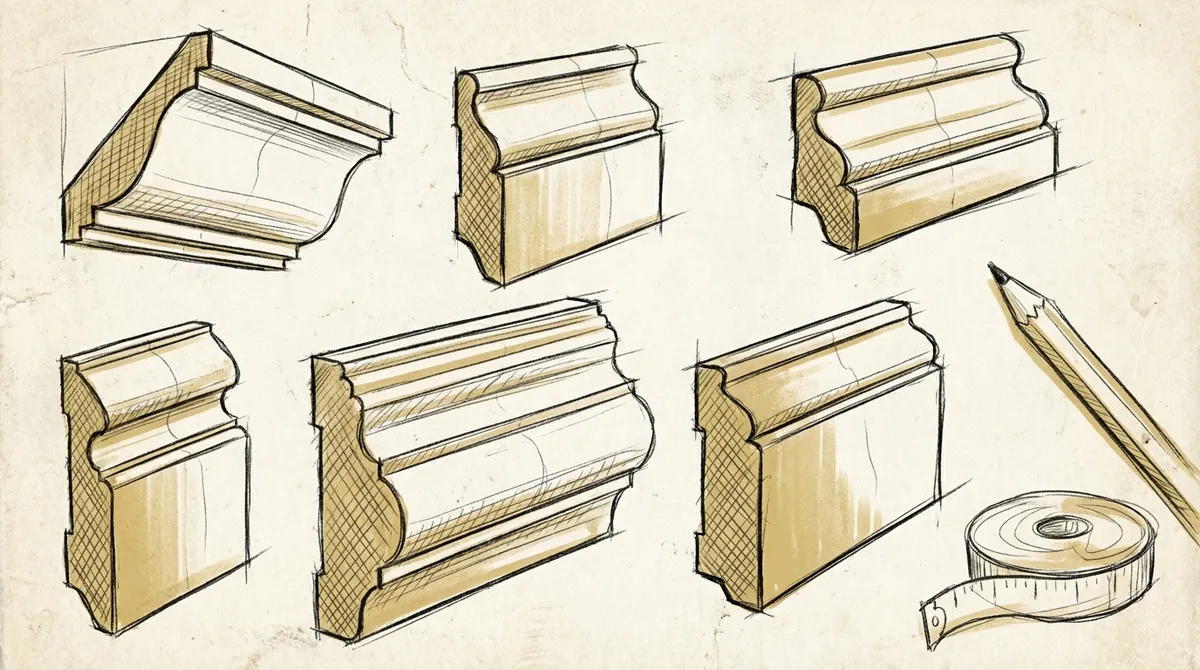
Standard molding represents the pre-manufactured trim available at most building supply retailers. These products come in predetermined profiles, sizes, and materials. Manufacturers produce them in large quantities, making them readily available and affordable. The most common profiles include simple baseboards, basic crown molding, and standard door casings. These options work well for builders and homeowners seeking quick, budget-friendly solutions.
The materials for standard molding typically include medium-density fiberboard (MDF), pine, or composite materials. MDF offers a smooth surface that accepts paint well, though it lacks the durability of solid wood. Pine provides a natural wood option at a reasonable price point, but it may show imperfections and knots. Composite materials resist moisture better than wood but often lack the authentic appearance of real lumber.
Limitations of Off-the-Shelf Profiles
While standard molding serves basic needs, it comes with significant constraints. The design options remain limited to what manufacturers produce. You cannot modify profiles to match architectural styles or personal preferences. This restriction becomes particularly problematic in historic homes or properties with unique architectural features. The one-size-fits-all approach rarely captures the distinctive character that makes a space special.
Standard profiles also lack the depth and complexity found in custom designs. Simple, flat profiles create minimal visual interest compared to the layered, dimensional appearance of custom trim. This difference becomes especially noticeable in high-end properties where sophisticated details separate ordinary rooms from extraordinary spaces.
The Custom Trim Work Advantage
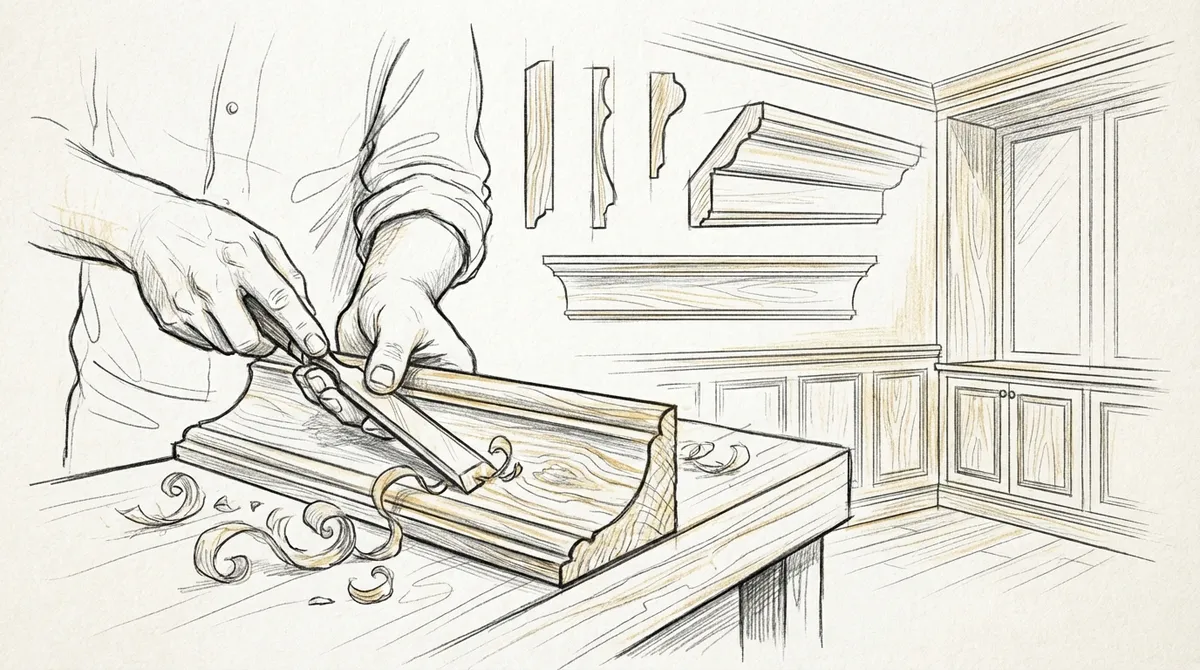
Custom trim work opens unlimited design possibilities. Skilled carpenters create profiles specifically for your project, matching architectural styles and personal preferences. This approach allows you to incorporate historical details, contemporary elements, or entirely original designs. Custom molding details transform ordinary rooms into distinctive spaces that reflect your unique taste and vision.
The materials used in custom trim work typically include premium hardwoods, solid lumber, and high-quality composites. These materials offer superior durability and authentic appearance. Hardwoods like oak, maple, and cherry provide beautiful grain patterns and exceptional longevity. Solid lumber allows for intricate shaping and detailing impossible with manufactured products.
Design Flexibility and Personalization
Custom trim work adapts to any architectural style. Whether you’re working with Victorian, Craftsman, Modern, or Mediterranean design, custom carpentry creates perfect matches. You control every dimension, from height and width to projection and complexity. This flexibility proves invaluable when matching existing trim in renovations or creating cohesive designs throughout new construction.
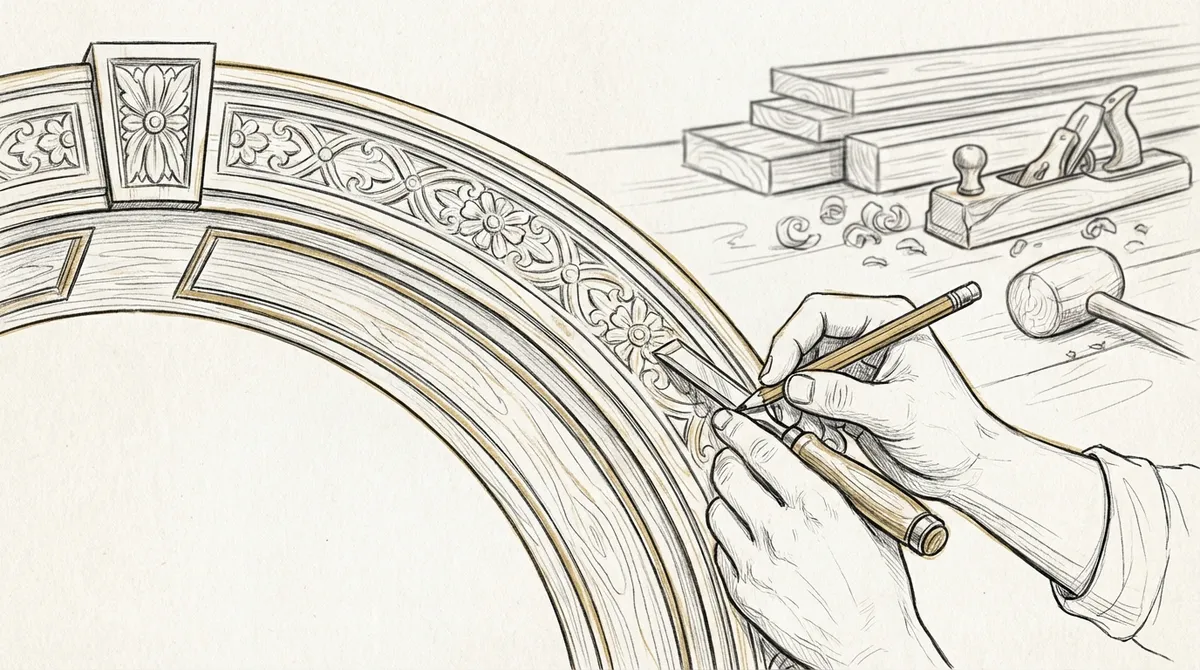
Personalization extends beyond basic profiles. Custom work incorporates unique elements like hand-carved details, specialty corners, and integrated lighting channels. These features create focal points and add layers of sophistication unavailable in standard products. For real estate developers, this level of customization differentiates properties in competitive markets.
Quality and Craftsmanship Comparison
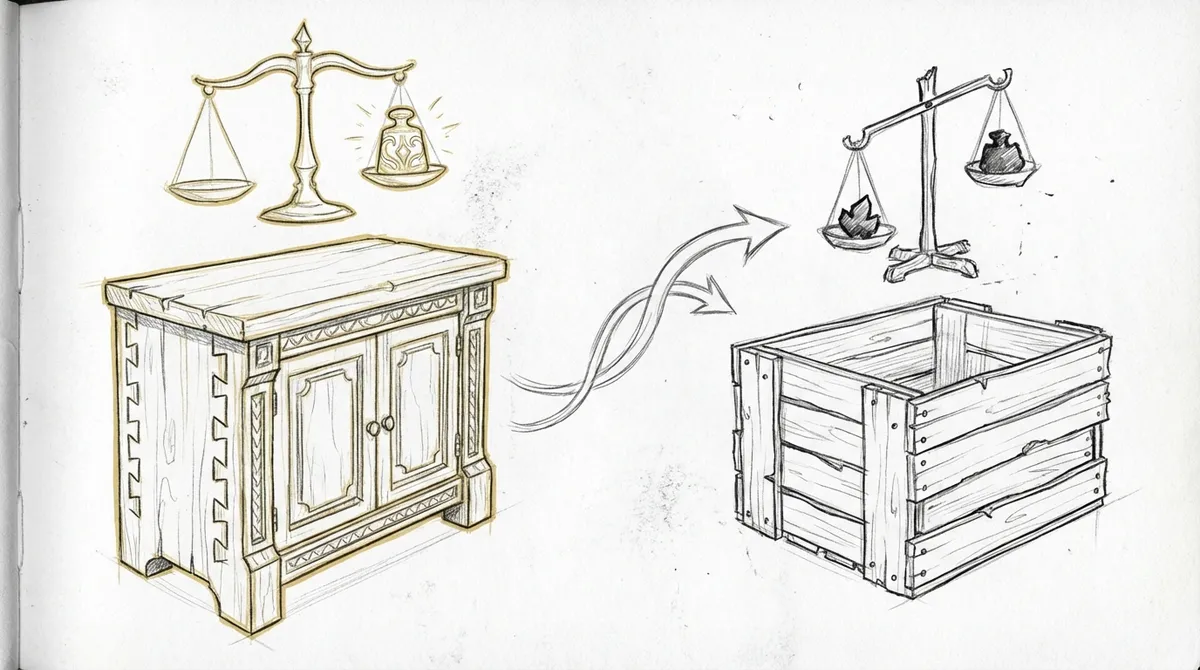
Quality differences between standard and custom trim become apparent upon close inspection. Standard molding often exhibits inconsistencies in finish, slight warping, and visible seams. Mass production prioritizes speed over perfection. While acceptable for basic applications, these imperfections become noticeable in well-lit spaces or when painted with high-gloss finishes.
Custom trim work maintains higher quality standards throughout production. Craftsmen select premium materials, mill profiles to exact specifications, and ensure proper moisture content to prevent warping. Joints fit tighter, corners align precisely, and finished surfaces show superior smoothness. This attention to detail creates professional results that enhance property value.
| Quality Factor | Standard Molding | Custom Trim Work |
|---|---|---|
| Material Selection | Pre-selected, limited options | Hand-selected, premium choices |
| Profile Accuracy | Acceptable tolerances | Precise specifications |
| Joint Quality | May require filling | Tight, seamless connections |
| Finish Readiness | May need sanding | Finish-ready surfaces |
| Durability | Moderate longevity | Long-lasting performance |
Installation Expertise Requirements
Standard molding installation requires basic carpentry skills. Most general contractors handle these installations competently using standard tools and techniques. The forgiving nature of simple profiles allows for minor adjustments during installation. This accessibility makes standard molding practical for DIY enthusiasts and budget-conscious projects.
Custom trim work demands advanced carpentry expertise. Complex profiles require precise cutting angles, perfect measurements, and specialized tools. Experienced craftsmen understand how materials behave, how to create seamless transitions, and how to solve unique installation challenges. This skill level ensures the final result matches the design vision without compromises.

Cost Analysis and Budget Considerations
Budget plays a crucial role in choosing between standard and custom trim. Standard molding costs significantly less, typically ranging from two to five dollars per linear foot for basic profiles. Material availability and competitive pricing make it attractive for large projects or tight budgets. Installation costs remain lower due to faster installation times and less specialized labor requirements.
Custom trim work represents a larger investment. Material costs increase due to premium lumber and specialized milling. Labor costs reflect the expertise required for design, fabrication, and installation. However, this investment delivers returns through enhanced aesthetics, increased property value, and long-term durability. For luxury homes and high-end renovations, custom work provides appropriate quality levels.
Long-Term Value Proposition
Evaluating trim work requires considering long-term value beyond initial costs. Standard molding may require replacement sooner due to material limitations and wear patterns. Custom trim crafted from quality hardwoods lasts decades with minimal maintenance. This durability reduces long-term replacement costs and preserves property value over time.
For real estate developers, custom trim work differentiates properties in competitive markets. Buyers recognize quality craftsmanship and willingly pay premiums for distinctive details. This market advantage often exceeds the additional investment in custom work, making it financially sound for properties targeting discerning buyers.
Matching Architectural Styles
Architectural integrity requires appropriate trim selections. Standard molding works adequately in contemporary minimalist designs where simple lines dominate. However, period homes and traditional styles demand authentic details that standard profiles cannot provide. Victorian homes need elaborate profiles with multiple layers. Craftsman designs require substantial, bold trim elements. Mediterranean properties benefit from smooth, rounded profiles.
Custom trim work authentically replicates historical details or creates period-appropriate new designs. Craftsmen study architectural styles, understand proportion relationships, and create trim that honors design traditions. This authenticity matters significantly in historic districts, luxury renovations, and properties where architectural character drives market value. Custom ceiling designs and trim work create cohesive interiors that respect architectural heritage.
Transitional and Contemporary Applications
Modern design doesn’t eliminate the need for trim work, though it changes the approach. Contemporary interiors often feature clean-lined profiles with subtle details. Custom work creates these modern profiles with superior execution impossible in standard products. Sharp edges, perfect reveals, and integrated details achieve the precision contemporary design demands.
Transitional styles blend traditional and contemporary elements, requiring trim that bridges both aesthetics. Custom work balances simplified profiles with subtle traditional references. This nuanced approach creates spaces that feel current while maintaining warmth and character.
Integration with Other Carpentry Elements
Trim work rarely exists in isolation. It connects with doors, windows, built-ins, and custom cabinetry. Standard molding creates visual disconnects when profiles don’t coordinate properly. Mixed styles and inconsistent proportions fragment spaces rather than unifying them.
Custom trim work ensures perfect integration across all carpentry elements. Craftsmen coordinate profiles, materials, and finishes throughout projects. Door casings match window trim, which complements baseboard profiles. Built-in shelving incorporates consistent details. This holistic approach creates cohesive interiors where every element supports the overall design vision.
Specialized Applications
Certain applications demand custom solutions. Curved walls require bent molding impossible with standard products. Unusually tall ceilings need appropriately scaled crown molding unavailable in standard sizes. Custom niches, archways, and architectural features require precisely fitted trim. These specialized needs occur frequently in luxury homes and unique architectural designs.
Custom carpentry also addresses practical considerations standard products ignore. Built-in climate control vents, integrated lighting, and concealed wiring channels become possible with custom designs. These functional enhancements improve livability while maintaining aesthetic excellence.
Decision-Making Framework
Choosing between standard and custom trim requires evaluating multiple factors. Consider your budget, timeline, architectural style, and long-term goals. Standard molding makes sense for basic properties, rental investments, or temporary solutions. Custom trim work suits luxury homes, historic renovations, unique designs, and properties where quality drives value.
Interior designers should assess client priorities and property characteristics. Budget-conscious clients with simple contemporary homes may achieve good results with standard products. Clients seeking distinctive, high-end interiors require custom solutions. Real estate developers must balance construction costs against market positioning and target buyers’ expectations.
- Evaluate your property’s architectural style and existing details
- Define your quality expectations and aesthetic goals
- Assess your budget and timeline constraints
- Consider long-term value and potential return on investment
- Consult with experienced craftsmen to understand options
Working with Professional Craftsmen
Successful custom trim projects require skilled professionals. Research potential contractors thoroughly, reviewing portfolios and client references. Experienced craftsmen provide valuable design input, anticipate challenges, and deliver superior execution. They understand material properties, proper installation techniques, and how to achieve lasting results. Companies like Bucheli Trim specialize in high-end custom carpentry, bringing years of expertise to every project.
Communication matters throughout the process. Clearly express your vision while remaining open to professional guidance. Experienced craftsmen recognize potential issues and suggest solutions that improve outcomes. This collaborative approach ensures final results exceed expectations while staying within practical constraints. For personalized consultation about your project, contact experienced professionals who can assess your specific needs.
Maintenance and Longevity Considerations
Maintenance requirements differ between standard and custom trim. Standard MDF and composite materials resist moisture poorly, making them vulnerable in humid climates or near water sources. They require careful painting and regular inspection for damage. Once compromised, these materials often need complete replacement rather than repair.
Custom trim crafted from quality hardwoods withstands environmental challenges better. Solid wood accepts refinishing, allowing for repairs and updates without replacement. Properly finished hardwood trim lasts generations with basic care. This longevity makes custom work more sustainable and cost-effective over extended timeframes.
Climate and Environmental Factors
Regional climate affects material performance. Humid coastal areas challenge certain materials, while dry climates cause different issues. Custom trim allows material selection appropriate for specific environments. Craftsmen recommend species and treatments that perform optimally in local conditions, ensuring lasting beauty and structural integrity. Understanding carpentry fundamentals helps appreciate how material choices impact long-term performance.
The Verdict: Making Your Choice
The choice between custom trim work and standard molding depends on your specific situation. Standard molding serves basic needs affordably and quickly. It works well for simple contemporary designs, rental properties, or situations where budget constraints dominate. The accessibility and convenience make it practical for many applications.
Custom trim work wins when quality, uniqueness, and long-term value matter most. It delivers unmatched design flexibility, superior craftsmanship, and authentic architectural details. For homeowners investing in dream homes, interior designers creating distinctive spaces, or real estate developers targeting luxury markets, custom work provides appropriate quality and differentiation. The additional investment returns dividends through enhanced aesthetics, increased property values, and lasting satisfaction.
| Consideration | Choose Standard When | Choose Custom When |
|---|---|---|
| Budget | Working with tight constraints | Quality justifies investment |
| Timeline | Need immediate completion | Can accommodate proper timelines |
| Design | Simple contemporary styles | Unique or traditional designs |
| Property Value | Basic or rental properties | Luxury or distinctive homes |
| Longevity | Temporary solutions acceptable | Permanent quality desired |
Ultimately, trim work significantly impacts your home’s character and value. Consider it an investment in your property’s aesthetic appeal and market position. Whether you choose standard or custom approaches, select quality materials, work with skilled professionals, and ensure proper installation. These factors determine whether your trim work merely functions or truly transforms your spaces into something special. Visit us on Google to see examples of exceptional custom trim work and read reviews from satisfied clients across the Tampa Bay area.
FAQs
Q: How much more expensive is custom trim work compared to standard molding?
A: Custom trim work typically costs three to five times more than standard molding when factoring in materials and labor. However, this investment delivers superior quality, unique designs, and longer lifespan. The exact cost difference depends on wood species, profile complexity, and project scope.
Q: Can custom trim work match existing molding in older homes?
A: Yes, experienced craftsmen can replicate existing trim profiles exactly. They measure and analyze original molding, then mill new pieces to match. This capability proves essential for historic renovations where maintaining architectural integrity matters.
Q: How long does custom trim installation take compared to standard molding?
A: Custom trim installation generally takes longer due to precise fitting requirements and complex profiles. Standard molding might take a few days for an average room, while custom work could require one to two weeks. The extra time ensures perfect execution and seamless results.
Q: What wood species work best for custom trim in humid climates?
A: Hardwoods like oak, maple, and mahogany perform well in humid environments due to their density and stability. These species resist warping and moisture damage better than softer woods. Proper finishing with quality sealers provides additional protection regardless of species selected.
Q: Does custom trim work increase home resale value?
A: Custom trim work significantly increases perceived value and market appeal, particularly in luxury properties. Buyers recognize quality craftsmanship and distinctive details. While exact ROI varies by market, well-executed custom trim typically returns a substantial portion of the investment through higher sale prices and faster sales.