Key Takeaways
-
Custom media walls must be precisely measured and planned before building to avoid costly mistakes; account for wall dimensions, outlets, vents, wiring, and storage needs upfront.
-
Integrated LED lighting, custom molding details, and quality hardware (brushed brass, matte black pulls) are finishing touches that elevate a good media wall to a premium, professionally designed feature.
-
Choose materials based on your style: MDF for modern painted finishes, solid hardwood for traditional stained looks, and shiplap for rustic farmhouse aesthetics.
-
Hidden cabinetry with soft-close doors and push-to-open mechanisms creates a clean, clutter-free look ideal for homeowners wanting to conceal electronics completely.
-
Media walls work beyond living rooms—bedrooms, home offices, basements, and home theaters all benefit from custom built-ins that combine TV housing with storage and functional workspace.
-
A well-crafted custom media wall increases home value as a premium upgrade, signaling craftsmanship and attention to detail that positively influences property perception.
A media wall can completely change the feel of a room. It creates a focal point, adds storage, and brings a polished, custom look to any living space. Whether you want a sleek modern design or a warm, traditional style, the right media wall makes a statement. Custom carpentry is the key to getting exactly what you envision. Unlike off-the-shelf furniture, a built-in media wall is crafted to fit your space perfectly. It also adds real value to your home. In this guide, we’ll walk through 10 inspiring media wall ideas, explain the most popular design elements, and help you understand what goes into building a wall that truly stands out. If you’re a homeowner, interior designer, or real estate developer, there’s something here for every project and style goal.
What Is a Custom Media Wall?
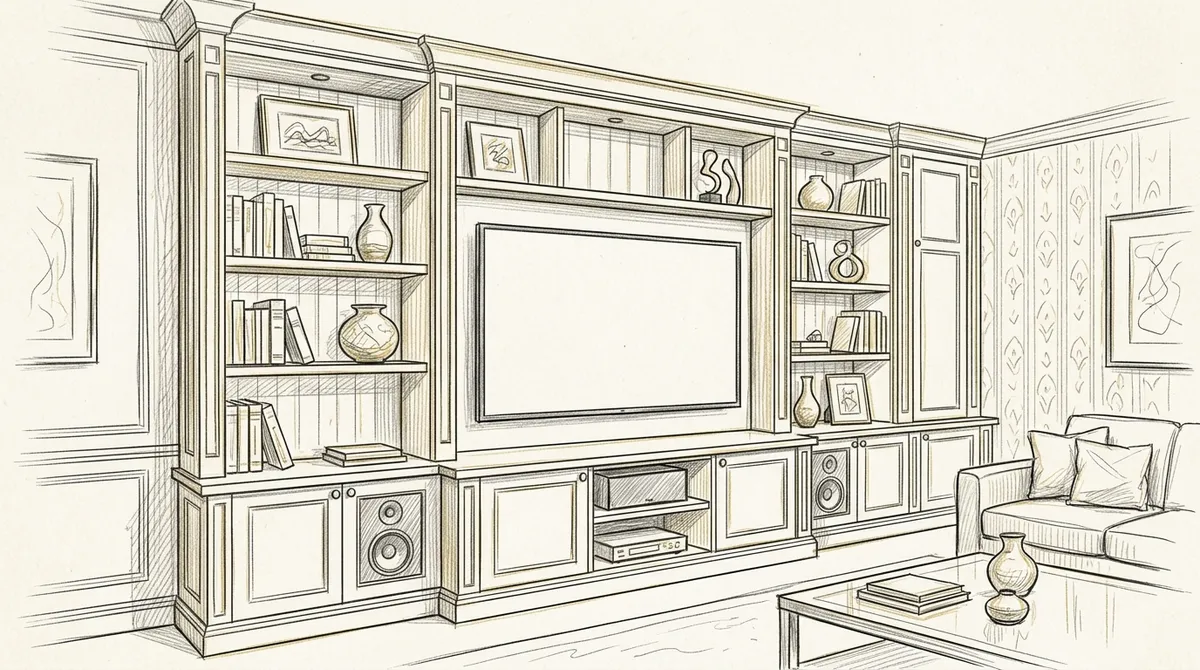
A custom media wall is a built-in carpentry feature designed to house your TV, audio equipment, and display items. It’s built directly into the wall or against it as a seamless, floor-to-ceiling structure. Unlike store-bought TV stands, a custom media wall is made to match your room’s exact dimensions and style. You can explore wall enhancement options that incorporate shelving, cabinetry, lighting, and decorative trim into one cohesive design.
Custom media walls are popular in living rooms, home theaters, and even bedrooms. They can be simple or elaborate. The main advantage is that every detail is tailored to you. You choose the wood species, finish, layout, and hardware. The result is a one-of-a-kind feature that no showroom can replicate. To learn more about carpentry and the craftsmanship behind these builds, it helps to understand the skill and precision involved in every cut and joint.
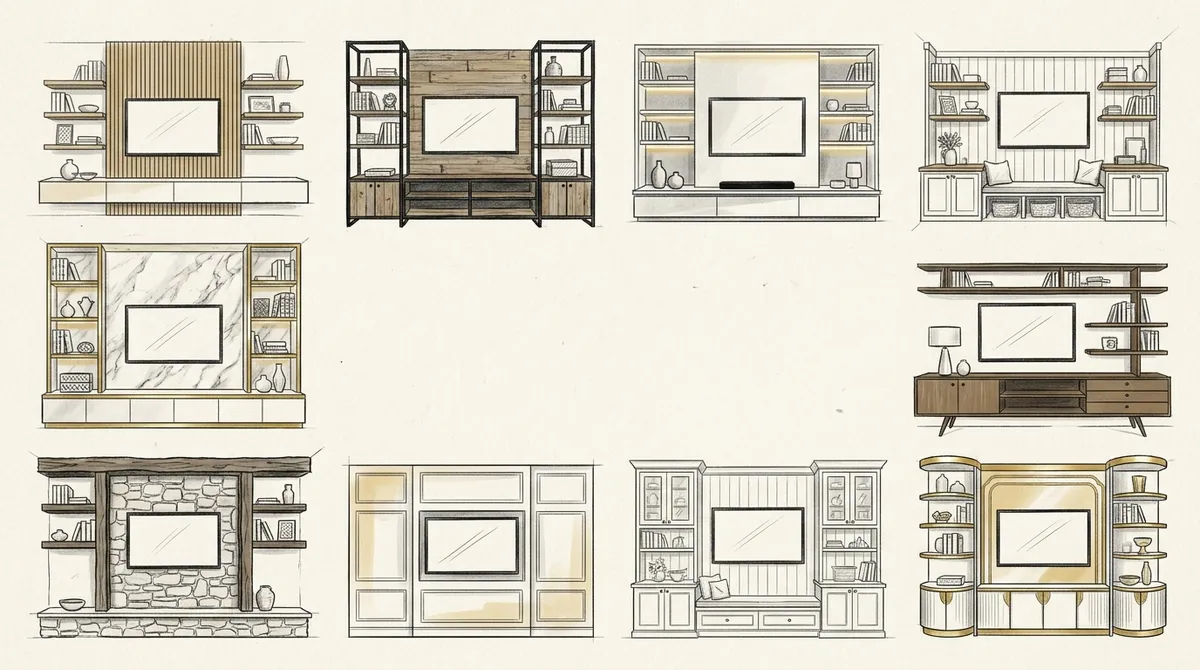
10 Media Wall Ideas for Every Style
1. Floor-to-Ceiling Built-In Shelving
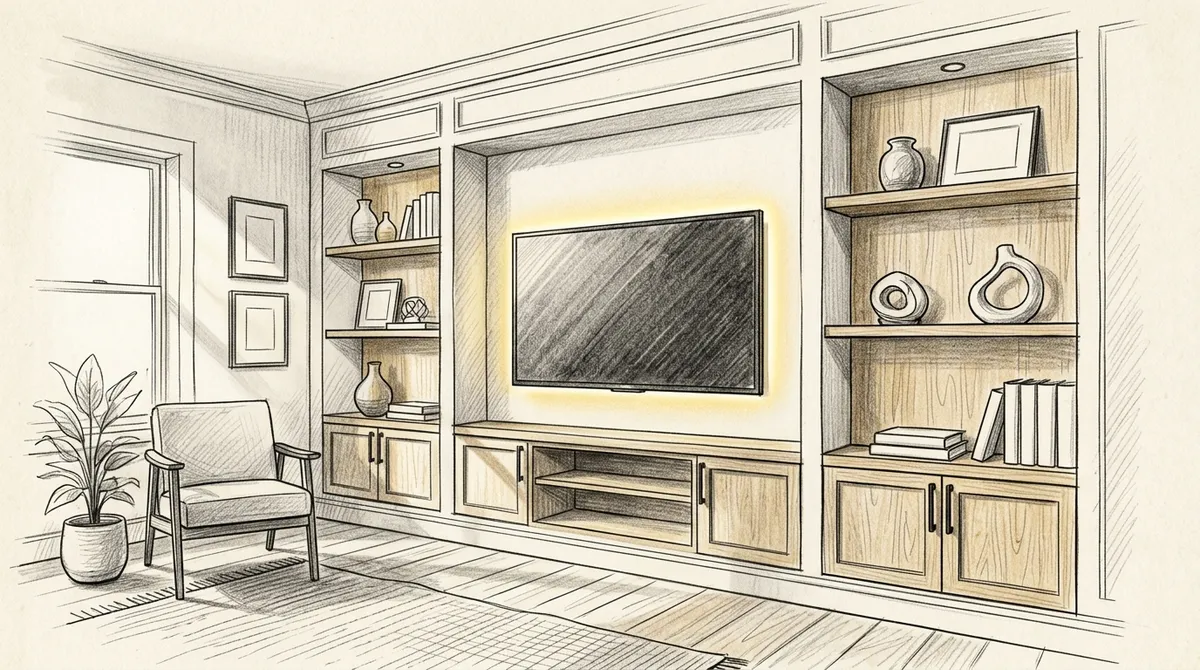
This is one of the most popular media wall ideas. The TV sits at the center, and tall shelving units flank both sides. The shelves can hold books, décor, and display items. This design makes full use of vertical space, which is especially useful in rooms with high ceilings.
2. Shiplap and Wood Panel Accent Wall
Shiplap planks or board-and-batten paneling create a rustic or farmhouse-style backdrop for your TV. This approach combines custom wall enhancements with a natural, textured look. The wood paneling adds depth and warmth to the space without overwhelming it.
3. Hidden Cabinet Media Wall
This design uses closed cabinetry to conceal all electronics and media equipment. When the doors are closed, it looks like a simple wall of cabinets. This is ideal for homeowners who want a clean, clutter-free aesthetic. Custom cabinetry plays a major role in this style, with push-to-open mechanisms and soft-close hardware for a premium feel.
4. Floating Shelf Media Wall
Floating shelves give a light, airy appearance. They appear to hang directly from the wall with no visible supports. This works well in modern and minimalist interiors. The TV can be wall-mounted between or above the shelves, creating a clean and uncluttered display.
5. Fireplace and Media Wall Combo
Combining a fireplace with a media wall is a stunning design choice. The TV typically sits above or beside the fireplace insert, with built-in shelving on either side. This creates a dramatic focal point in any living room. Custom carpentry around the fireplace surround and mantel adds an extra layer of refinement.
6. Coffered or Panel Molding Media Wall
Adding custom molding details to a media wall creates a formal, elegant look. Panel molding or coffered frames around the TV give the wall architectural character. This style suits traditional, transitional, and even contemporary homes depending on the molding profile chosen. Crown molding along the top of the wall ties the entire feature together beautifully.
7. Industrial-Style Metal and Wood Media Wall
This style blends raw wood with metal brackets and open shelving. It’s bold and edgy, with a warehouse-inspired feel. Dark wood tones and black metal accents work especially well in loft-style spaces or modern urban homes. Custom carpentry allows you to tailor the wood species and finish for a truly unique result.
8. Media Wall with Integrated Lighting
Built-in LED strip lighting behind the TV or under shelves adds atmosphere and visual depth. This is a popular upgrade that makes the media wall look professionally designed. Lighting can be warm or cool toned, and dimmable options give you full control over the ambiance. Paired with custom project planning, integrated lighting becomes a seamless part of the overall build.
9. Symmetrical Built-In with Bench Seating
This design features perfectly balanced shelving units on both sides of the TV, with a built-in bench or window seat below. It’s highly functional and visually satisfying. The bench can include hidden storage underneath, doubling the utility of the space.
10. Minimalist Alcove Media Wall
In this design, the TV is recessed into a custom-built alcove, framed by painted or wood-paneled walls. It looks sleek and intentional. The alcove can include subtle shelving or remain open for a clean, gallery-like feel. This works beautifully in both modern and transitional interiors.
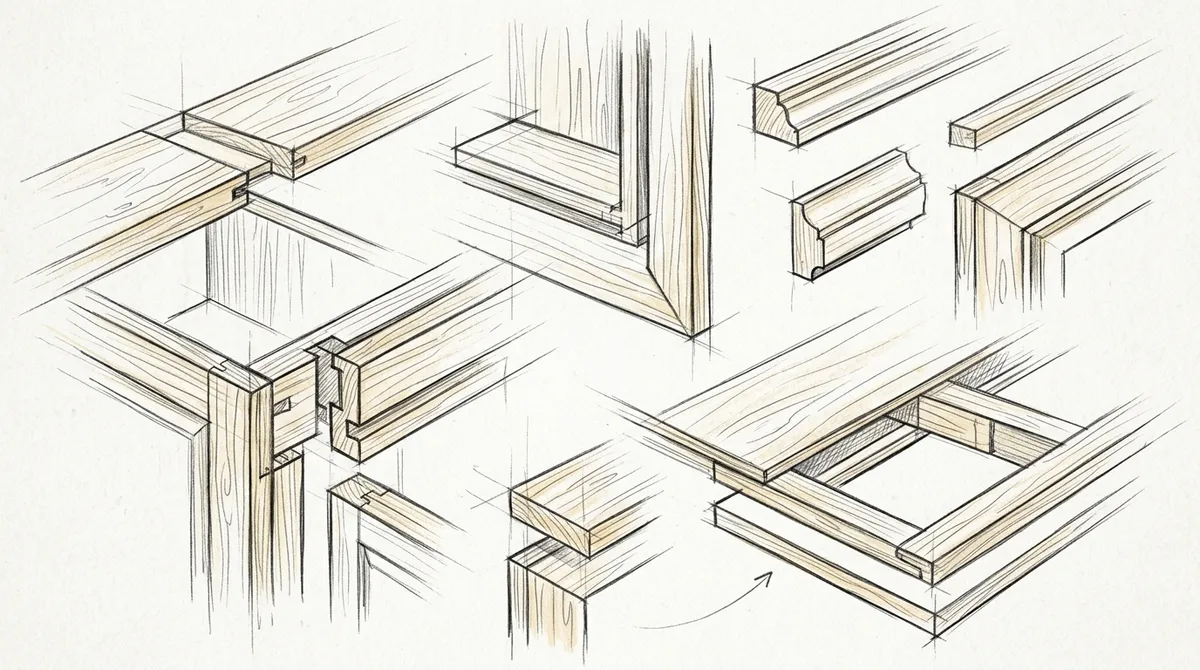
Key Design Elements to Consider
Before building a media wall, it helps to think through the key components. Here’s a breakdown of the main elements that define a well-designed media wall:
| Design Element | Purpose | Best For |
|---|---|---|
| Built-in cabinetry | Hides electronics and clutter | Modern and transitional styles |
| Open shelving | Display items and books | Eclectic and farmhouse styles |
| Panel molding | Adds architectural detail | Traditional and formal interiors |
| Integrated lighting | Enhances ambiance and depth | All styles |
| Wood paneling | Creates texture and warmth | Rustic and natural styles |
| Cable management | Keeps wires hidden and tidy | All styles |
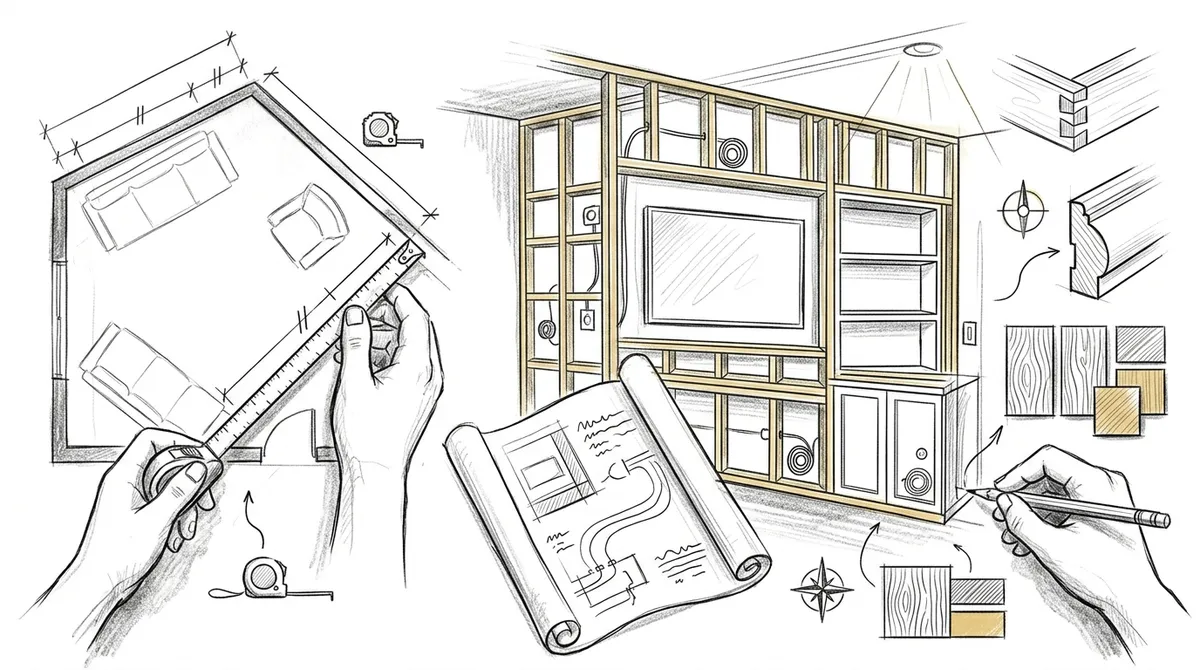
How to Plan Your Media Wall Build
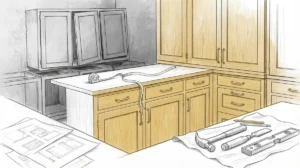
Planning is everything when it comes to a custom media wall. Rushing into a build without a clear plan leads to costly mistakes. Follow these steps to get it right from the start:
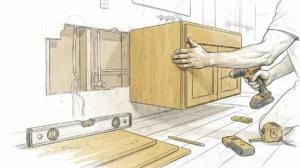
- Measure your wall space. Take accurate measurements of the wall width, height, and any architectural features like windows, outlets, or vents that need to be worked around.
- Choose your style. Decide whether you want a modern, traditional, rustic, or transitional look. Browse inspiration boards and bring reference images to your carpenter.
- Plan your storage needs. Think about what you need to store — gaming consoles, streaming devices, books, décor items. This determines the number and size of shelves and cabinets.
- Think about wiring. Plan for cable management before building begins. Hiding wires inside the wall structure keeps everything clean and professional-looking.
- Select your materials. Choose wood species, paint or stain colors, hardware, and any special finishes. Quality materials make a visible difference in the final result.
- Hire a skilled carpenter. A custom media wall requires precise joinery, fitting, and finishing. Working with an experienced carpenter ensures the build is solid, level, and beautifully finished.
Popular Materials for Media Walls
The material you choose sets the tone for the entire design. Here are the most commonly used options in custom carpentry media wall builds:
- MDF (Medium Density Fiberboard): Smooth, paintable, and affordable. Great for a clean, modern look.
- Solid hardwood: Durable and rich in character. Ideal for stained finishes and traditional styles.
- Plywood: Strong and stable. Often used for the structural backing and shelves.
- Shiplap or tongue-and-groove paneling: Adds texture and warmth. Perfect for farmhouse or coastal styles.
- Veneer panels: Give the look of solid wood at a lower cost. Work well in contemporary builds.
Media Wall Ideas for Different Room Types
Media walls aren’t just for living rooms. They work in a variety of spaces throughout the home:
- Living rooms: The most common location. A full-width built-in transforms the main gathering space.
- Home theaters: A dedicated media wall with tiered shelving and acoustic paneling creates a cinematic feel.
- Bedrooms: A bedroom media wall can include a TV, wardrobe, and reading nook in one built-in design.
- Home offices: A media wall with built-in desk space and shelving serves as both a functional and stylish workspace. Pair this with built-in cabinetry solutions for maximum efficiency.
- Basements and game rooms: A bold media wall anchors the room and provides ample storage for games and equipment.
Adding Finishing Touches
The details make the difference between a good media wall and a great one. Small finishing touches elevate the entire build:
- Add trim and molding details along the top, base, and edges for a polished, architectural finish.
- Paint the inside of shelving units a contrasting color to add visual depth.
- Use decorative hardware like brushed brass or matte black pulls for added character.
- Combine the media wall with a coordinated ceiling design to create a fully cohesive room transformation.
- Layer in decorative objects, plants, and books to bring the shelves to life once the build is complete.
Why Custom Carpentry Makes the Difference
A custom-built media wall is a long-term investment in your home. It adds structural value, increases storage, and creates a design feature that can’t be replicated by furniture alone. Companies like Bucheli Trim, serving the Tampa Bay area, specialize in precisely this kind of high-end carpentry work. Every detail, from the joinery to the finish, is crafted with skill and care. You can visit our Google Business Profile to see customer reviews and past project examples.
If you’re curious about the full range of what custom carpentry can achieve, exploring 11 ways custom woodworking transforms homes is a great starting point. From media walls to custom closets, the possibilities are wide-ranging and exciting. Follow Bucheli Trim on Facebook for project inspiration and updates.
Conclusion
A custom media wall is one of the most impactful upgrades you can make to a living space. Whether you prefer clean modern lines, rustic wood paneling, or classic panel molding, there’s a design that fits your home perfectly. The key is working with a skilled carpenter who understands both design and construction. From material selection to final trim details, every step matters. If you’re ready to bring one of these media wall ideas to life, reach out to our team to start planning your custom build today. The right media wall doesn’t just house your TV — it transforms your entire room.
FAQs
Q: What is a custom media wall in carpentry?
A: A custom media wall is a built-in carpentry feature designed to house a TV, audio equipment, and display items. It is crafted to fit a specific room’s dimensions and style, using materials like hardwood, MDF, or shiplap paneling. Unlike store-bought furniture, a custom media wall is made to order, giving homeowners full control over the design and finish.
Q: How long does it take to build a custom media wall?
A: The timeline depends on the complexity of the design, the materials chosen, and the size of the wall. A straightforward built-in media wall may take several days to build and install, while more elaborate designs with cabinetry, lighting, and molding details can take longer. Discussing your project with a skilled carpenter at the planning stage gives you the most accurate timeline.
Q: Can a media wall be added to any room in the house?
A: Yes, media walls can be built in living rooms, bedrooms, home offices, basements, and home theaters. The design is adapted to suit the room’s purpose and dimensions. A custom carpenter can assess your space and recommend the best layout and materials for each specific room.
Q: What materials are best for a custom media wall?
A: The best material depends on your style and budget. MDF is popular for painted, modern finishes because it’s smooth and easy to work with. Solid hardwood is ideal for stained, traditional designs. Shiplap and tongue-and-groove paneling add a rustic, textured look. A skilled carpenter can help you choose the right material for your specific design goals.
Q: Does a custom media wall add value to a home?
A: Yes, a well-crafted custom media wall adds both visual appeal and functional value to a home. Built-in carpentry features are considered premium upgrades by homebuyers, especially in the real estate market. A high-quality media wall signals craftsmanship and attention to detail, which can positively influence a property’s perceived value.