Key Takeaways
-
Select the wall that is naturally visible first when entering the room—typically the wall across from the main entry, behind a bedroom headboard, or featuring a fireplace—to ensure the accent wall creates a strong focal point without feeling forced.
-
Custom carpentry accent walls with texture and dimension (shiplap, board and batten, raised panels) significantly outperform flat paint or wallpaper alone, offering lasting quality and visual interest that transforms ordinary spaces into extraordinary ones.
-
Trim and molding details are finishing touches that separate good designs from great ones; add crown molding at the top, base molding at the bottom, and consider chair rail or picture frame molding to create a polished, intentional look.
-
Match your accent wall style to the room's purpose: bedrooms need warm tones with board and batten, living rooms work well with bold colors or natural wood raised panels, and home offices benefit from clean whites or warm wood stains with full-height panels.
-
Incorporate functional built-in elements like shelving, cabinetry, or desk space into your accent wall design to create a feature that serves both aesthetic and practical purposes, maximizing the value of the upgrade.
-
Avoid common mistakes such as choosing walls with too many windows or doors, ignoring scale relative to wall size, skipping professional installation, and overlooking proper lighting to showcase the wall's texture and depth.
A single wall can change everything. The right accent wall design adds depth, character, and style to any room. For homeowners, interior designers, and real estate developers, accent wall designs are one of the most impactful upgrades available. And when those designs are crafted from wood, molding, or custom carpentry, the results are truly stunning.
Unlike paint or wallpaper alone, custom carpentry accent walls offer texture, dimension, and lasting quality. They elevate a space from ordinary to extraordinary. Whether you want a classic wainscoting panel, a dramatic shiplap feature, or an intricate coffered-style wall treatment, the possibilities are endless. This guide walks you through how to choose accent wall designs that work for your home and goals.
What Makes a Great Accent Wall Design
Not every wall is a good candidate for an accent feature. A great accent wall grabs attention without overwhelming the room. It creates a focal point that draws the eye and anchors the space. Before choosing a style, it helps to understand what separates a strong design from a weak one.
The best accent wall designs share a few key traits. You can explore a full range of options through wall enhancements to get inspiration for your project. Here is what to look for:
- The wall should be naturally visible when entering the room
- The design should complement the room’s existing style
- Materials should add texture or visual interest beyond flat surfaces
- The scale of the design should match the size of the wall
- Colors or finishes should work with the overall palette
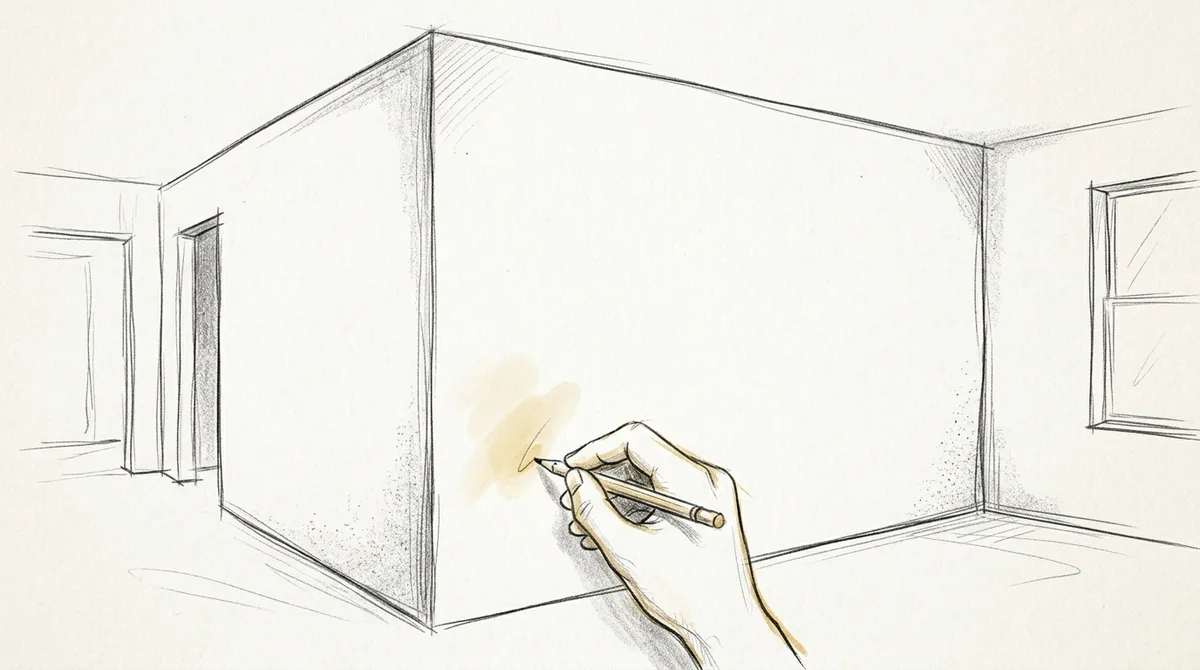
Step 1: Identify the Right Wall
The first step is choosing which wall to feature. This sounds simple, but it makes a big difference in the final result. The wrong choice can feel awkward or forced.
Look for the wall that naturally draws attention first. This is often the wall directly across from the main entry point of the room. In a bedroom, it is usually the wall behind the headboard. In a living room, it might be the wall with the fireplace or the main seating arrangement. For tips on maximizing your home’s potential, custom woodworking transforms homes in ways that go far beyond a single wall.
Key Questions to Ask Before Choosing a Wall
- Which wall do you see first when you walk into the room?
- Does the wall have interruptions like windows, doors, or outlets that could complicate the design?
- Is the wall large enough to carry a bold design without feeling cluttered?
- Will the accent wall work with the furniture placement in the room?
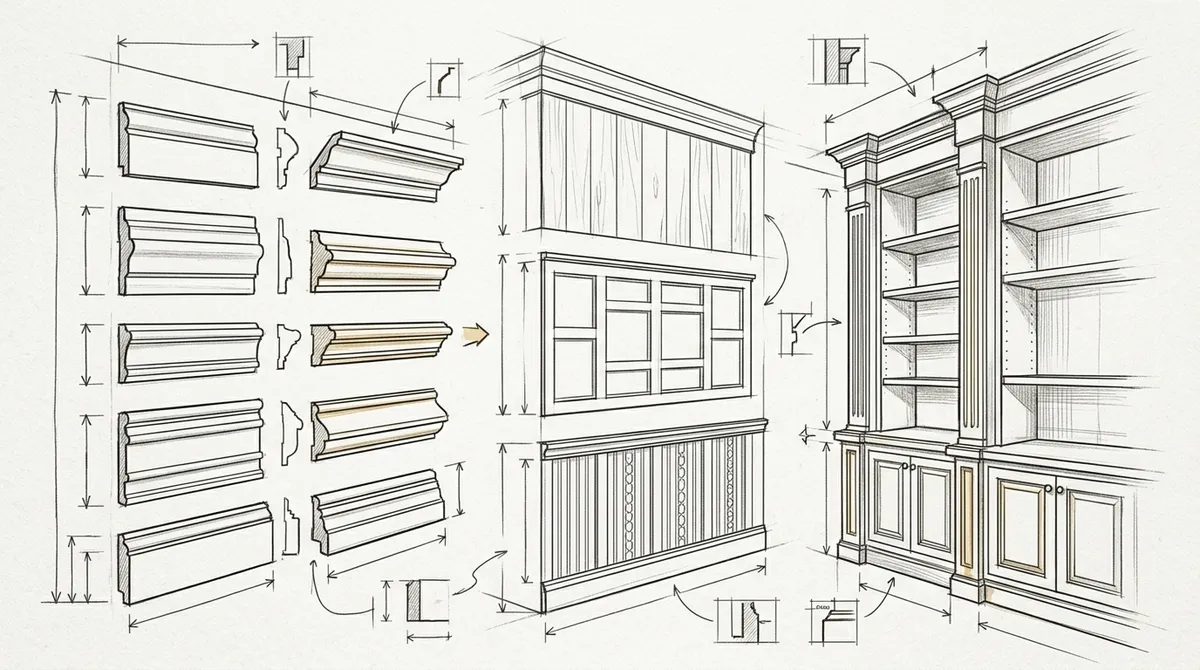
Step 2: Choose the Right Carpentry Style
Custom carpentry offers many different accent wall styles. Each one creates a distinct look and feel. Understanding the options helps you match the design to your home’s aesthetic. To learn more about carpentry as a craft and its long history, it adds context to the value these installations bring.
Here is a breakdown of the most popular custom carpentry accent wall styles:
| Style | Look & Feel | Best For |
|---|---|---|
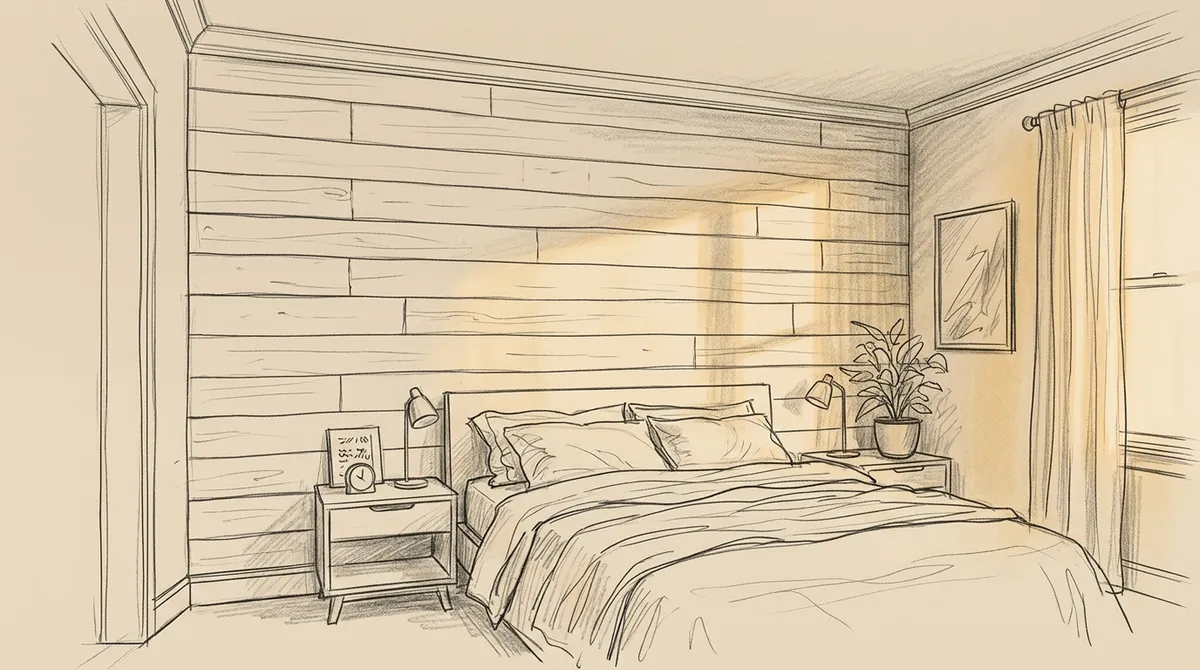
| Shiplap Paneling | Horizontal boards with narrow gaps; casual and warm | Farmhouse, coastal, or transitional interiors |
| Board and Batten | Vertical boards with flat strips over seams; structured and clean | Traditional, craftsman, or modern farmhouse styles |
| Wainscoting Panels | Decorative panels on the lower portion of the wall; classic and elegant | Formal dining rooms, entryways, and hallways |
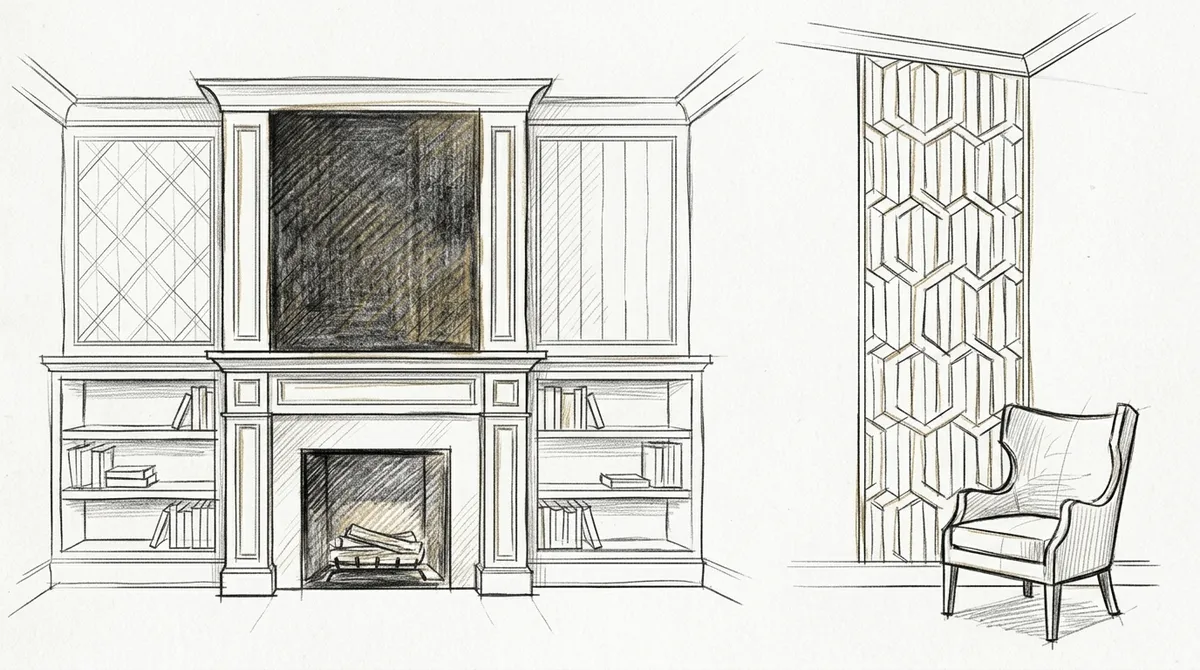
| Raised Panel Molding | Geometric frames applied directly to the wall; sophisticated and detailed | Luxury homes, offices, and formal living spaces |
| Shiplap with Trim Detailing | Shiplap boards paired with decorative molding trim; layered and rich | Transitional or contemporary upscale interiors |
| Rustic Wood Plank Wall | Rough or reclaimed wood planks; natural and textured | Rustic, industrial, or eclectic spaces |
The molding details you choose can significantly define the look of any of these styles. Intricate molding turns a simple panel design into something truly custom and high-end.
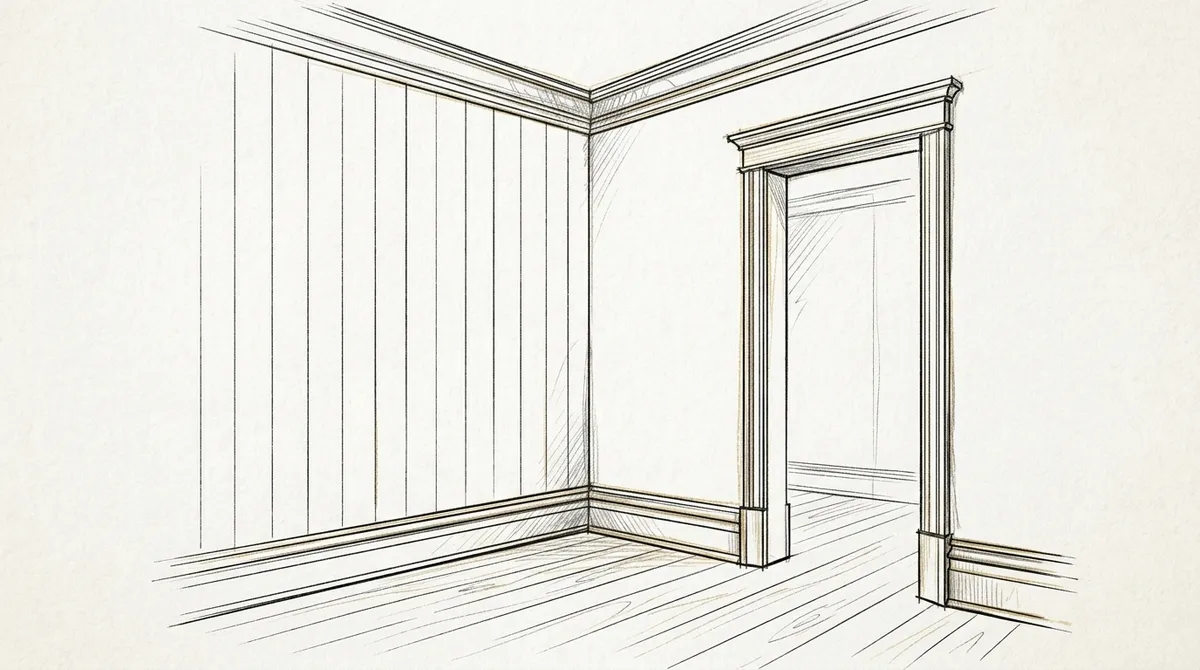
Step 3: Consider the Role of Trim and Molding
Trim and molding are the finishing touches that separate good designs from great ones. Adding crown molding above an accent wall panel creates a seamless transition to the ceiling. Base molding at the bottom grounds the design and ties it to the floor.
Trim also helps define the boundaries of the accent wall. It gives the design a polished, intentional look. Without proper trim, even a beautiful panel design can feel unfinished. For inspiration, trim and molding transform your space with style in ways that go well beyond just an accent wall.
Popular Trim Additions for Accent Walls
- Crown molding at the top of the wall for a finished ceiling transition
- Chair rail molding to divide upper and lower design sections
- Base cap molding to add dimension at the bottom
- Rosette corner blocks for a traditional, formal appearance
- Picture frame molding to create decorative grid patterns on the wall
Step 4: Decide on Finish and Color
Once you select your style and trim details, the next decision is finish and color. This step ties the accent wall into the broader design scheme of the room. The wrong color can undermine even the best carpentry work.
Here are some reliable approaches to choosing a finish:
- Match the trim color — Paint the accent wall the same color as the room’s existing trim for a cohesive, architectural look.
- Go bold with contrast — Choose a deeper, richer shade than the surrounding walls to create dramatic contrast.
- Use natural wood tones — Leave wood panels in their natural state or apply a stain for warmth and organic beauty.
- Try two-tone designs — Paint the upper and lower sections of wainscoting panels in complementary colors for layered visual interest.
- Keep it monochromatic — Use a single tone throughout the accent wall and surrounding room for a clean, modern look.
If your project includes painting as part of the finish, professional painting ensures your accent wall looks sharp and lasts for years.
Step 5: Match the Design to the Room’s Purpose
Different rooms call for different accent wall approaches. A bedroom accent wall should feel warm and restful. A home office design should feel structured and focused. An entryway should feel welcoming and impressive.
Here is a simple room-by-room guide:
| Room | Recommended Accent Wall Style | Suggested Finish |
|---|---|---|
| Living Room | Raised panel molding or shiplap | Bold color or natural wood |
| Bedroom | Board and batten or upholstered panel with molding frame | Soft, warm tones |
| Dining Room | Wainscoting or picture frame molding | Classic white or deep rich colors |
| Entryway or Hallway | Board and batten or wainscoting | Neutral or dramatic deep tones |
| Home Office | Full-height raised panels or built-in shelving wall | Clean white or warm wood stain |
| Bathroom | Shiplap or vertical tongue and groove paneling | White or light neutral |
Pairing your accent wall with complementary features like ceiling designs can create a truly unified and luxurious space. A coffered ceiling above a raised panel accent wall, for example, is a combination that defines high-end interior design.
Step 6: Think About Built-Ins and Functional Features
Accent walls do not have to be purely decorative. Some of the most impressive accent wall designs incorporate built-in functionality. This means the wall does more than look good — it works hard for the room too.
Consider these functional accent wall ideas:
- Built-in bookshelves flanking a fireplace wall
- A full entertainment wall with integrated cabinetry and storage
- A mudroom wall with hooks, cubbies, and bench seating
- A home office wall with built-in desk, shelving, and drawers
- A bedroom wall with a built-in headboard and flanking nightstand cabinets
For more on storage-focused designs, built-in cabinetry solutions that transform your home offer a great starting point. You can also explore the full cabinets gallery to see what is possible when carpentry and design work together.
Step 7: Work With a Skilled Custom Carpenter
Accent wall designs look best when they are executed with precision. Small gaps, uneven panels, or poorly fitted molding can ruin an otherwise beautiful concept. Working with an experienced custom carpenter ensures the design is installed correctly and looks exactly as envisioned.
Bucheli Trim specializes in high-end custom carpentry for homeowners, interior designers, and real estate developers throughout the Tampa Bay area. Their team handles everything from design consultation to final installation, ensuring each project reflects the quality and craftsmanship that clients expect. You can visit Bucheli Trim on Google to see reviews and project photos from satisfied clients.
If you are searching for inspiration or professional guidance, custom projects showcases a wide range of completed work. Seeing real results helps spark ideas and builds confidence in the process. You can also follow Bucheli Trim on Facebook for ongoing project updates and design inspiration.
Before starting any major carpentry project, it is also smart to ensure the surrounding surfaces are properly cleaned and prepared. A service like Buckhorn Power Wash can help prep exterior walls and surfaces before any carpentry installation begins, especially for covered porch or outdoor accent wall projects.
Common Mistakes to Avoid
Even great designs can go wrong if certain pitfalls are not avoided. Knowing what to watch for helps you make better decisions upfront.
- Choosing the wrong wall: Picking a wall with too many windows or doors limits design options and creates an unbalanced look.
- Ignoring scale: Oversized panels on a small wall look cramped; undersized designs on large walls look lost.
- Skipping professional installation: DIY carpentry work often shows gaps, misalignment, and poor finishes that detract from the design.
- Overlooking lighting: Accent walls need proper lighting to show off their texture and depth effectively.
- Neglecting the surrounding room: An accent wall should feel connected to the rest of the room, not like it belongs in a different home.
For additional guidance on recognizing when a project needs professional help, 7 signs you need professional carpentry is a helpful resource worth reading before you begin.
Conclusion
Accent wall designs are one of the most effective ways to elevate the look and feel of any room. With the right wall, the right carpentry style, and the right finish, a single wall can completely transform a space. Whether you prefer the timeless elegance of raised panel molding or the relaxed warmth of shiplap planking, custom carpentry makes it possible to bring your vision to life.
The key is working with skilled professionals who understand design, materials, and craftsmanship. From concept to completion, every decision matters. Start your journey toward a more beautiful home today by reaching out to the experts who can make it happen. Get in touch with Bucheli Trim’s team to discuss your accent wall project and discover what is possible for your space.
FAQs
Q: What is the most popular accent wall design for living rooms?
A: Raised panel molding and shiplap paneling are among the most popular choices for living rooms. These styles add texture, depth, and a strong focal point that complements a wide range of interior design styles, from traditional to contemporary.
Q: How do I know which wall to make an accent wall?
A: The best accent wall is typically the first wall you see when entering a room. It should be large enough to carry the design without being broken up by too many windows or doors. In bedrooms, the wall behind the headboard is the most common choice.
Q: Can accent wall designs include built-in storage?
A: Yes, accent walls can be designed to include functional built-in elements like shelving, cabinetry, or entertainment units. These designs combine visual impact with practical storage, making them one of the most valuable upgrades in custom carpentry.
Q: What carpentry materials work best for accent wall designs?
A: Wood-based materials are the most versatile and popular choice for custom carpentry accent walls. Options include solid wood planks, MDF panels for painted designs, and natural or stained wood boards for a warm, organic look. The choice depends on the style and finish you want.
Q: Do accent wall designs increase home value?
A: Well-executed custom carpentry accent walls can positively influence buyer perception and overall home appeal, which supports stronger property value. High-end wall treatments like raised panel molding or built-in feature walls are especially attractive to buyers seeking luxury finishes.