Key Takeaways
-
Before contacting carpenters, define your style preference (traditional, transitional, farmhouse, or modern) and budget by browsing design inspiration online to communicate your vision effectively.
-
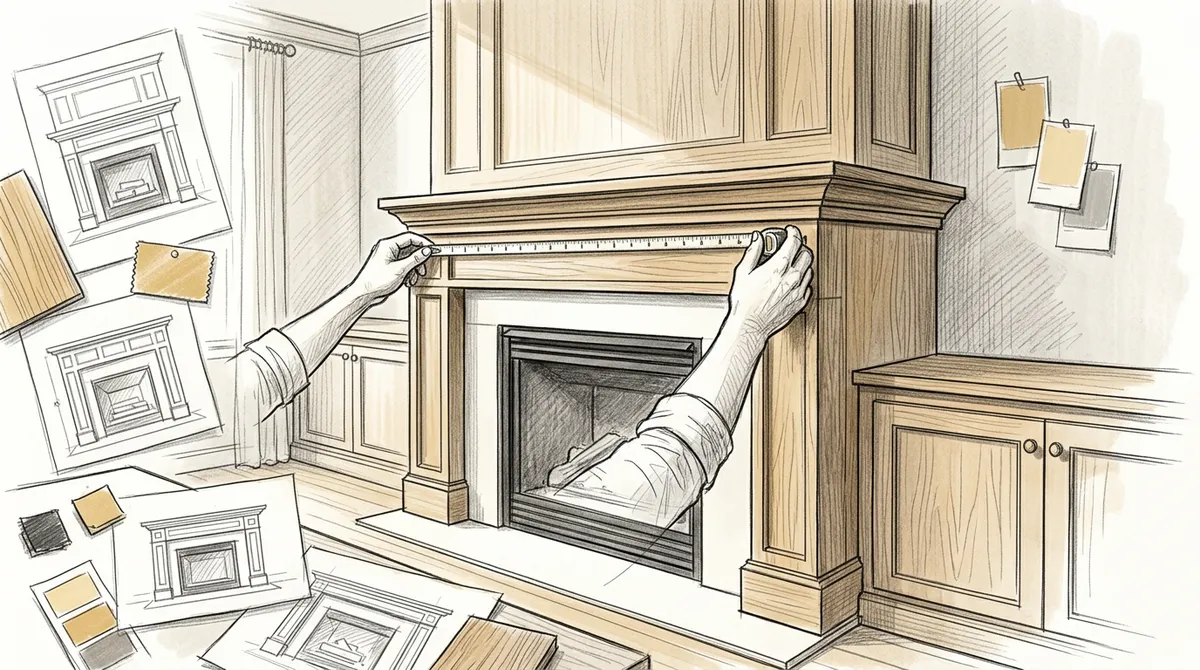
Always request an in-person home visit and measurements from the carpenter before accepting a quote; if they quote without seeing the fireplace, that's a major red flag.
-
Review detailed photo portfolios of completed projects and check Google reviews and testimonials to verify a carpenter's quality and experience with custom mantels specifically.
-
Coordinate your custom mantel design with surrounding elements like built-in cabinetry, wainscoting, ceiling details, and trim to create a cohesive, high-end look throughout the room.
-
Ask carpenters specific questions about materials, installation timeline (typically 2-6 weeks), whether they handle installation, and their ability to match existing trim in your home.
-
Clear the fireplace area of furniture and decor, confirm final measurements with your carpenter, and plan for post-installation finishing work like caulking and painting before installation begins.
A fireplace mantel is one of the most striking features in any room. It draws the eye, anchors the space, and tells a story about your home’s style. But finding the right custom mantels near me can feel overwhelming if you don’t know where to start.
Whether you’re a homeowner wanting a showpiece for your living room, an interior designer sourcing premium finishes for a client, or a real estate developer adding luxury touches to a property, a custom mantel makes a powerful statement. The right carpenter can transform raw wood, MDF, or other materials into a handcrafted focal point that fits your space perfectly.
This guide walks you through everything you need to know. You’ll learn what to look for, how to evaluate craftsmen, what questions to ask, and how to prepare for the installation process. By the end, you’ll feel confident choosing a custom mantel that enhances your home for years to come.
What Is a Custom Mantel in Carpentry?
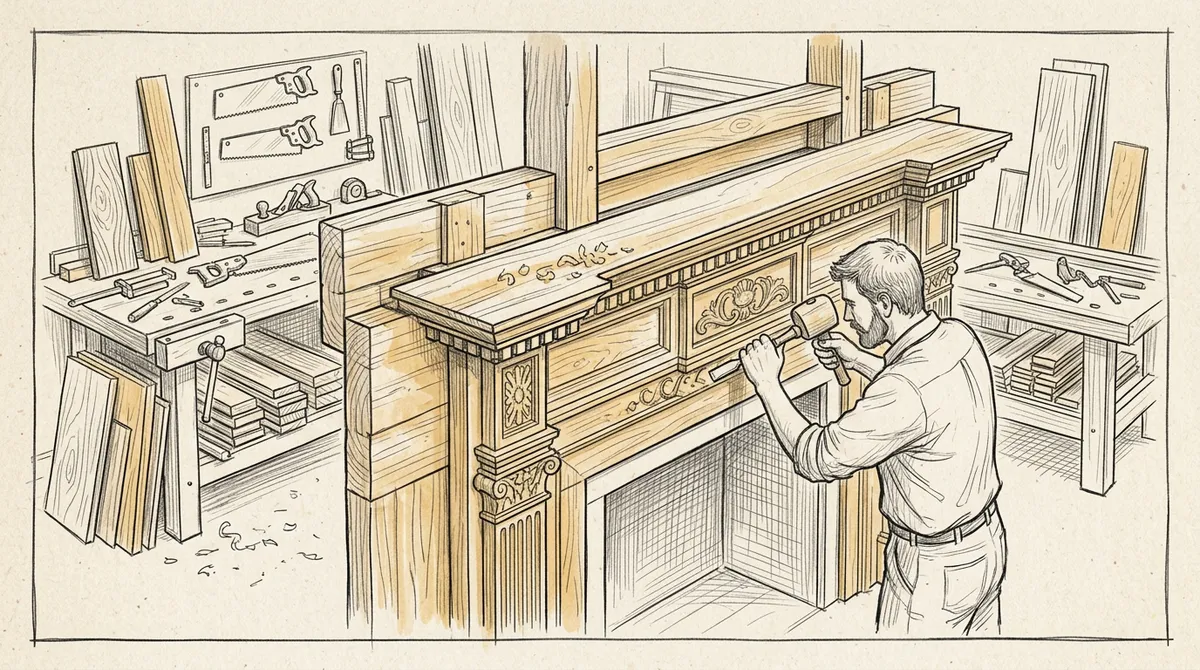
A custom mantel is a hand-built surround that frames your fireplace. It typically includes the mantel shelf, side columns or pilasters, and decorative trim details. Unlike prefabricated options, a custom mantel is designed and built to your exact dimensions and style preferences.
Custom mantels are crafted from a range of materials. Common choices include solid hardwood, MDF with painted finishes, and combination builds using both. To learn more about crown molding and decorative trim that often complements mantels, understanding traditional architectural millwork is very helpful.
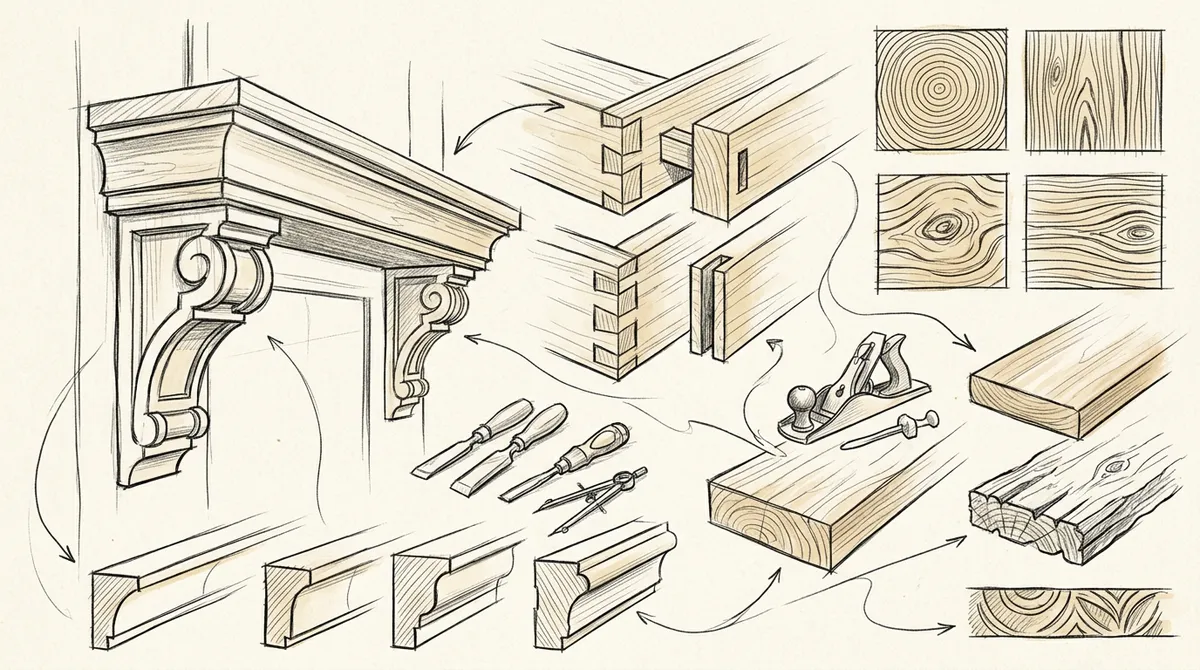
A skilled carpenter can incorporate molding details like dentil molding, fluted columns, and decorative corbels. These elements give a mantel its character and tie it to the overall design of the room.
Why Choose a Custom Mantel Over a Stock Option?
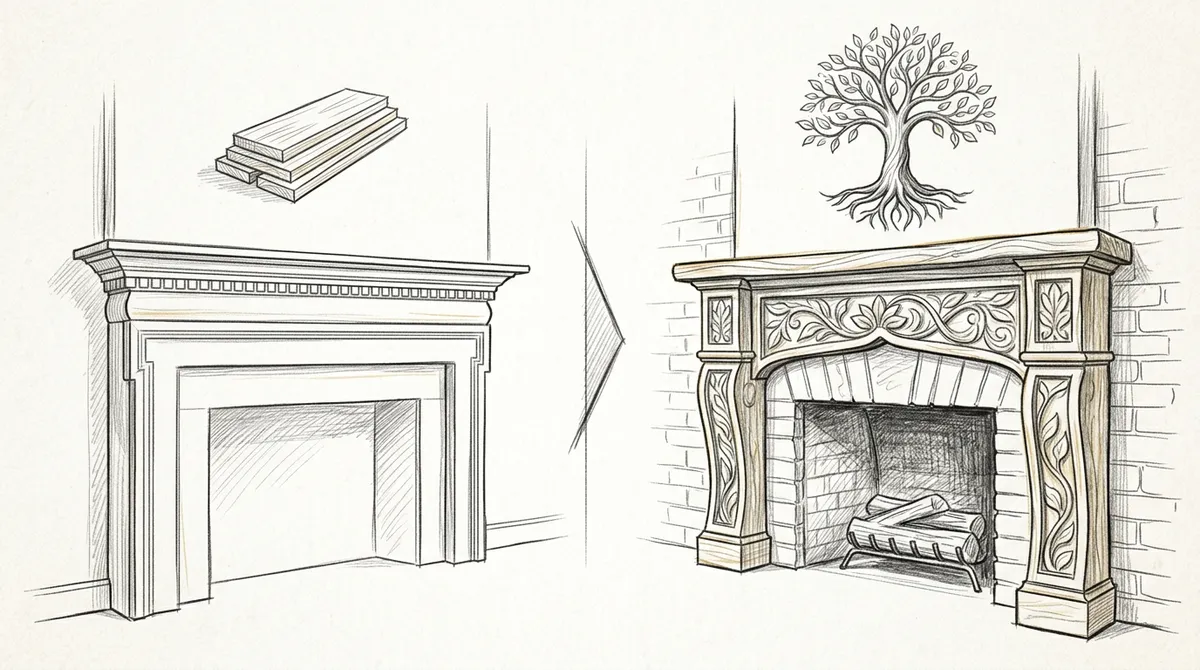
Stock mantels come in standard sizes and styles. They’re convenient, but they rarely fit perfectly. Gaps, mismatched proportions, and generic designs are common complaints.
A custom mantel solves these problems. Here are the key advantages:
- Perfect fit: Built to match your fireplace’s exact dimensions
- Unique design: Reflects your personal style or the home’s architecture
- Better materials: You choose the wood species, finish, and hardware
- Cohesive look: Can be designed to match existing trim and wall enhancements throughout the room
- Adds real value: A custom mantel elevates the perceived quality of the entire space
- Long-lasting: Handcrafted work tends to outlast mass-produced alternatives
For real estate developers, a custom mantel is a smart investment. It’s a feature that buyers notice immediately and associate with luxury finishes. You can explore how custom woodworking transforms homes to understand the full impact of these details.

How to Find Custom Mantel Carpenters Near You
Finding the right craftsman is the most important step. Here’s a simple process to follow:
Step 1: Define Your Style and Budget
Before you start searching, know what you want. Browse design magazines, Pinterest, and home renovation websites for inspiration. Identify whether your style leans traditional, transitional, farmhouse, or modern. Having a clear vision helps you communicate effectively with any carpenter you contact.
Step 2: Search Locally and Review Portfolios
Search online for carpenters specializing in custom mantels near me. Look for businesses with detailed photo galleries showing completed projects. A portfolio tells you far more than a written description ever could. Pay attention to the quality of cuts, finish work, and how well designs integrate with surrounding spaces.
Check Google reviews, social media pages, and any testimonials on the carpenter’s website. You can also visit Bucheli Trim on Facebook to see real project examples and customer feedback from the Tampa Bay area.
Step 3: Ask the Right Questions
When you contact a carpenter, ask these important questions:
- Do you build custom mantels from scratch, or do you modify stock pieces?
- What materials do you typically use, and can I choose my own?
- Can you match the existing trim and molding in my home?
- Do you handle installation, or do I need a separate contractor?
- Can I see photos of similar mantels you’ve completed?
- What is your typical timeline from design to installation?
These questions help you filter out carpenters who aren’t the right fit quickly. A skilled craftsman will answer confidently and provide examples without hesitation.
Step 4: Request a Consultation and Measurement
A reputable carpenter will visit your home before quoting. This allows them to measure the fireplace opening, assess wall conditions, and understand the room’s proportions. It also gives you a chance to evaluate their communication and professionalism in person. If a carpenter quotes without seeing the space, that’s a red flag.
What to Look for in a Custom Mantel Design
Great mantel design balances proportion, style, and function. Here are the core elements to consider:
| Design Element | What to Consider | Why It Matters |
|---|---|---|
| Height and Width | Should be proportional to the fireplace and ceiling height | Poor proportions make the mantel look out of place |
| Material Choice | Solid wood, MDF, or a combination | Affects durability, cost, and final appearance |
| Molding Style | Traditional, craftsman, modern, or custom profile | Sets the visual tone and matches the home’s architecture |
| Finish | Stained natural wood or painted finish | Painted allows color matching; stain highlights wood grain |
| Shelf Depth | Deep enough to display items safely | Functional as well as decorative |
When in doubt, choose a design that complements the existing trim and molding in your space. Consistency in millwork profiles creates a cohesive, high-end look throughout the home.
How Custom Mantels Integrate with Surrounding Carpentry
A custom mantel rarely stands alone. The best installations tie into the broader design of the room. Here’s how skilled carpenters integrate mantels with other elements:
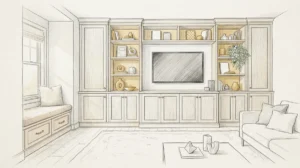
- Built-in cabinetry: Flanking the fireplace with built-in cabinets creates a stunning focal wall
- Wainscoting and paneling: Wall treatments that extend from the mantel outward add depth and luxury
- Ceiling details: Coffered or tray ceilings above the fireplace wall enhance the drama of a custom mantel — explore ceiling designs for inspiration
- Custom doors: Matching millwork across doors and the mantel creates visual harmony
- Flooring transitions: Quality flooring around the hearth completes the look
Interior designers especially appreciate carpenters who think holistically. A mantel that coordinates with every other detail in the room demonstrates true craftsmanship. You can learn more about carpentry as a craft and why skilled carpenters bring so much value to custom home projects.
Red Flags to Watch Out For
Not every carpenter who claims to build custom mantels has the skills to deliver quality work. Watch for these warning signs:
- No portfolio or very limited photos of past work
- Unwillingness to provide references from past clients
- Quoting a job without visiting the site in person
- Vague answers about materials or build process
- No clear timeline or project plan
- Pressure to sign a contract quickly without a detailed scope of work
If you notice any of these signs, keep searching. A skilled, experienced carpenter will be transparent and confident in their process. You can also check out articles like 7 signs you need professional carpentry near you to better understand quality benchmarks.
How to Prepare Your Home for Custom Mantel Installation
Once you’ve chosen your carpenter and finalized the design, a little preparation goes a long way. Follow these steps to make the installation smooth:
- Clear the area: Remove furniture, decor, and anything near the fireplace wall at least three feet in every direction.
- Check the fireplace condition: Make sure the firebox, hearth, and surround are in good condition before installation begins.
- Confirm measurements: Do a final walkthrough with your carpenter to confirm all dimensions match the design plan.
- Protect surrounding surfaces: If you have hardwood floors or tile near the fireplace, discuss how the carpenter will protect them during installation.
- Plan for finishing work: Caulking, painting, and touch-ups may be needed after installation — factor this into your timeline.
Good preparation helps the project run on schedule and reduces the chance of unexpected surprises. If your mantel installation is part of a larger renovation, coordinating with other trades early is essential.
Why Local Expertise Matters for Custom Mantels
Hiring locally is almost always the right call for custom carpentry. Local carpenters understand regional building styles, climate considerations, and the design preferences common to your area. They’re also easier to communicate with throughout the project and more accountable for their work.
For homeowners in the Tampa Bay area, Bucheli Trim offers expert custom carpentry services — including mantel design and installation — with a focus on precision and style. Their team understands how to blend craftsmanship with the aesthetic demands of high-end residential and development projects. You can also visit Bucheli Trim on Google to read customer reviews and see examples of completed projects.
Working with a local specialist also means faster response times, easier site visits, and a craftsman who takes pride in their community reputation. You can browse custom projects completed in the area to get a sense of what’s possible.
Making the Final Decision
After gathering quotes and reviewing portfolios, use this simple checklist to make your final choice:
- Does the carpenter have direct experience building custom mantels?
- Did they visit your home and take proper measurements?
- Is the design proposal detailed and specific to your space?
- Are their past projects consistent in quality?
- Do they communicate clearly and respond promptly?
- Are previous clients satisfied based on reviews and references?
If you can check every box, you’ve found the right person for the job. A custom mantel is a long-term investment in your home, so taking the time to choose wisely always pays off.
Conclusion
Finding the best custom mantels near me comes down to preparation, research, and asking the right questions. When you work with a skilled local carpenter, you get a mantel that fits perfectly, looks stunning, and adds lasting value to your home. From the first design consultation to the final installation, every detail matters.
Whether you’re enhancing a living room as a homeowner, sourcing premium finishes as a designer, or adding luxury touches as a developer, a custom mantel is one of the most impactful carpentry investments you can make. Ready to get started? Reach out to our team today to discuss your vision and take the first step toward a stunning custom mantel for your space.
FAQs
Q: What materials are typically used for custom mantels?
A: Custom mantels are most commonly built from solid hardwood, MDF (medium-density fiberboard), or a combination of both. Solid wood is prized for its natural beauty and durability, while MDF is ideal for painted finishes and intricate molding profiles. Your carpenter will help you choose the best material based on your design goals and the conditions in your home.
Q: How long does it take to build and install a custom mantel?
A: The timeline varies depending on the complexity of the design and the carpenter’s workload, but most custom mantels take between two and six weeks from design approval to installation. Simpler designs with standard profiles can be completed faster, while elaborate mantels with detailed molding and built-in elements may take longer. Always confirm a timeline with your carpenter before work begins.
Q: Can a custom mantel be designed to match the existing trim in my home?
A: Yes, this is one of the biggest advantages of choosing a custom mantel. A skilled carpenter can match the exact molding profiles, wood species, and finish already present in your home. This creates a cohesive, high-end look that makes the mantel feel like it was always part of the original design rather than an afterthought.
Q: Do I need a permit to install a custom mantel?
A: In most cases, installing a decorative wood mantel surround around an existing fireplace does not require a building permit. However, requirements vary by municipality, so it’s always wise to check with your local building authority before starting. Your carpenter should also be familiar with local codes and can advise you during the consultation.
Q: How do I maintain a custom wood mantel?
A: Maintaining a custom mantel is straightforward. For painted mantels, occasional cleaning with a damp cloth and periodic touch-up painting keeps the finish looking fresh. Stained or natural wood mantels benefit from regular dusting and an occasional application of wood conditioner or polish. Avoid placing extremely hot or wet objects directly on the mantel shelf to preserve the finish over time.