Key Takeaways
-
Precise measurement and proper wall anchoring are critical for successful cabinetry installation, as even minor mistakes can compromise cabinet functionality and appearance.
-
Professional installers bring specialized expertise that ensures cabinets are level, securely mounted, and integrated seamlessly with existing architectural features.
-
DIY cabinetry installation requires significant investment in specialized tools, skills, and time – often making professional installation more cost-effective in the long run.
-
Complex installations involving custom cabinetry, multiple wall angles, or integration with other trades demand professional expertise to avoid costly mistakes.
-
Warranty coverage and liability protection are important considerations, as DIY installations may void manufacturer warranties and leave you fully responsible for potential damages.
Cabinetry installation represents one of the most transformative home improvement projects you can undertake, dramatically affecting both the functionality and aesthetic appeal of your kitchen, bathroom, or any room requiring storage solutions. Whether you’re planning a complete kitchen renovation or simply upgrading outdated cabinets, one of the most critical decisions you’ll face is whether to tackle the installation yourself or hire a professional carpenter. This choice impacts not only your budget but also the quality, longevity, and overall satisfaction with your new cabinetry. Understanding the true costs, benefits, and challenges of each approach helps ensure you make the right decision for your specific situation and skill level.
Understanding the True Cost of DIY Cabinetry Installation
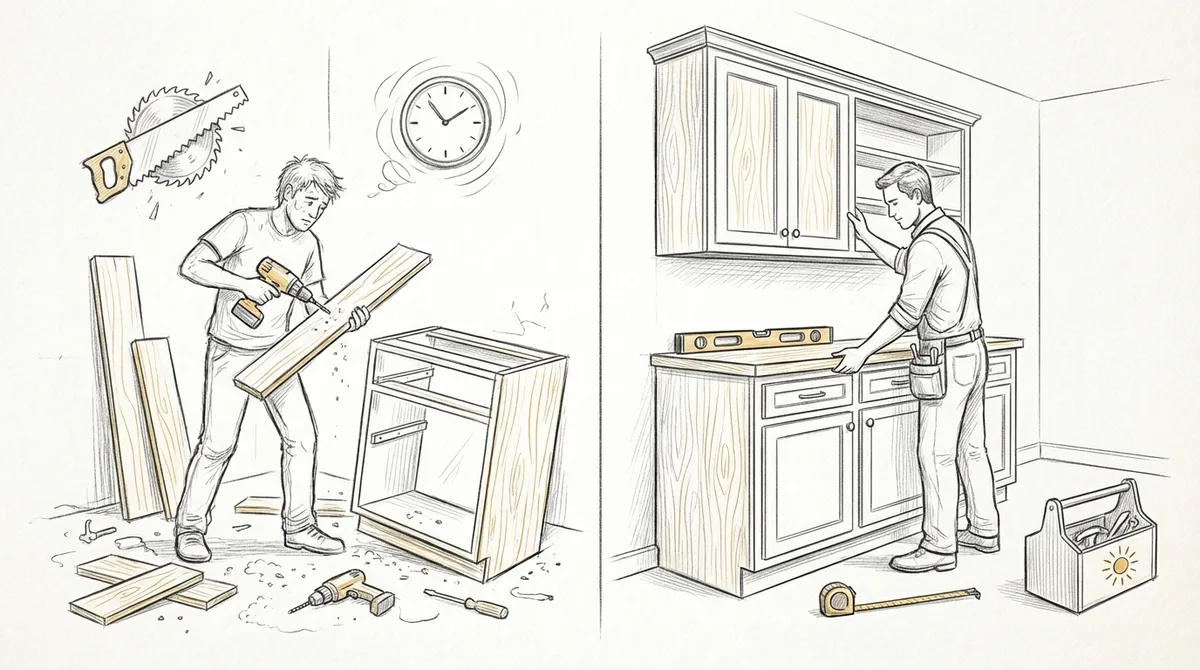
Many homeowners initially gravitate toward DIY cabinetry installation because of the perceived cost savings. While it’s true that eliminating labor costs can reduce your overall expenses, the reality is more nuanced than simply comparing price tags. DIY installation requires a significant investment in tools, time, and education that often goes unaccounted for in initial budgeting.
The tool requirements alone can be substantial. Professional-grade levels, stud finders, power drills with various bits, clamps, shims, and measuring devices are essential for proper cabinet installation. If you don’t already own these tools, purchasing them can add $300 to $800 to your project cost. Additionally, you’ll need to factor in the value of your time—a complete kitchen cabinet installation typically takes DIY enthusiasts three to five full days compared to one or two days for experienced professionals.
One often-overlooked cost of DIY installation is the risk of mistakes. Incorrectly installed cabinets may require repairs, adjustments, or in worst-case scenarios, complete reinstallation. These errors can actually make DIY projects more expensive than hiring professionals from the start. Cabinet doors that don’t align properly, uneven installations, or damage to expensive cabinet materials during installation can quickly eliminate any initial savings.
The Professional Cabinetry Installation Advantage
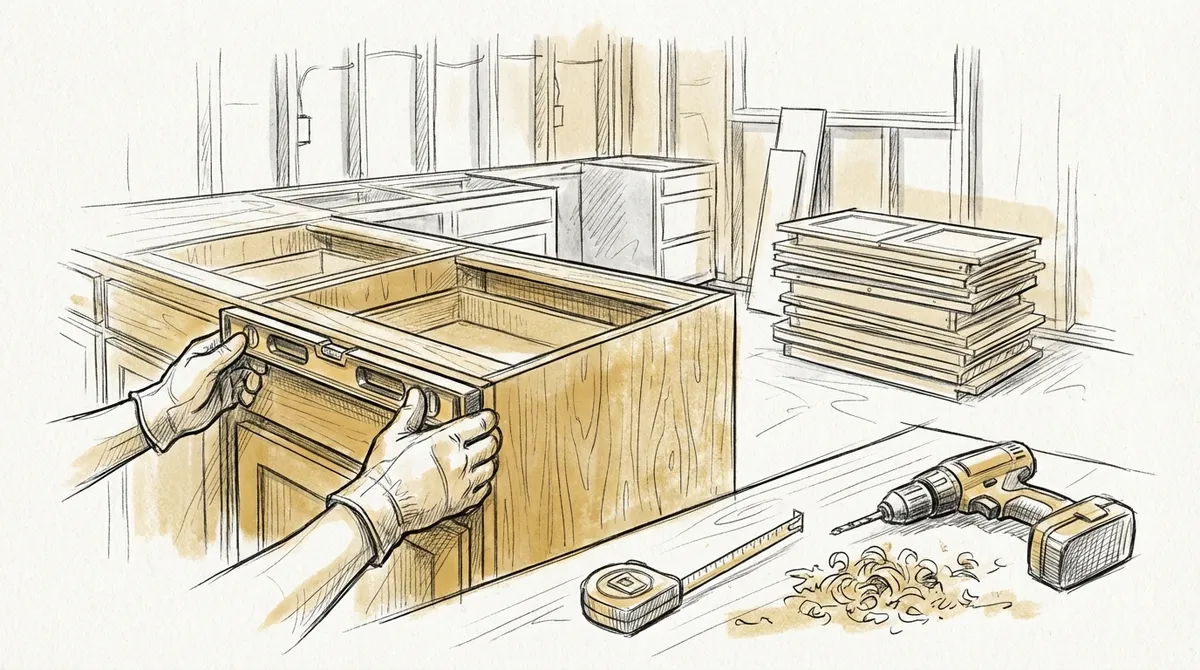
Professional cabinetry installation brings expertise that extends far beyond simply mounting boxes to walls. Experienced carpenters like those at Bucheli Trim understand the nuances of working with different cabinet materials, wall conditions, and architectural challenges that can derail DIY projects. Their experience allows them to anticipate problems before they occur and implement solutions efficiently.
The precision that professionals bring to cabinet installation ensures that your investment looks beautiful and functions perfectly for years to come. They understand how to account for walls that aren’t perfectly plumb, floors with slight variations, and how to integrate cabinets seamlessly with existing architectural features. This attention to detail creates a finished product that simply looks and feels more polished than most DIY installations.
Another significant advantage is efficiency. What might take you an entire weekend or longer can be completed by professionals in a fraction of the time, minimizing the disruption to your daily life. This is particularly important for kitchen renovations, where extended installation times mean longer periods without a functional cooking space. Professional installers also carry comprehensive liability insurance, protecting you from potential damage to your home or injuries that might occur during installation.
Skill Requirements and Learning Curve
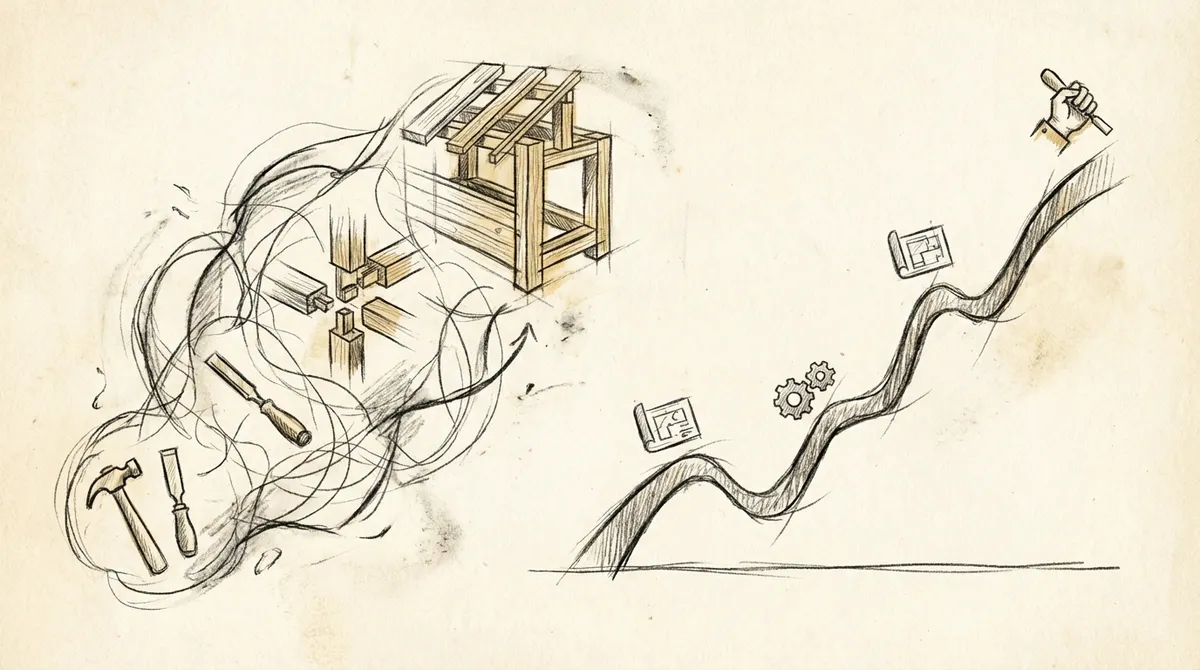
Successful cabinetry installation demands a diverse skill set that goes beyond basic handyman abilities. Understanding these requirements helps you honestly assess whether DIY installation is realistic for your situation.
Essential Skills for DIY Installation
- Precise Measurement and Layout: Cabinet installation requires accuracy down to fractions of an inch. You must measure wall dimensions, account for appliances, and plan cabinet placement meticulously before any mounting begins.
- Understanding of Structural Elements: Locating studs, understanding load-bearing capacity, and knowing proper anchoring techniques are critical for safe, secure installation that will support heavy cabinets and their contents.
- Carpentry Fundamentals: Skills like making accurate cuts, shimming for level installations, and understanding how wood expands and contracts are essential for quality results.
- Problem-Solving Abilities: Installation rarely goes exactly as planned. You’ll need to adapt to unexpected wall conditions, plumbing or electrical obstacles, and other challenges that arise during the process.
The learning curve for acquiring these skills shouldn’t be underestimated. While online tutorials and carpentry resources provide valuable guidance, they can’t fully replace hands-on experience. Your first cabinet installation project will inevitably involve mistakes and do-overs that test your patience and problem-solving abilities.
Professional Expertise and Specialization
Professional cabinet installers bring years of experience across diverse projects, giving them a significant edge in handling complications. They’ve encountered virtually every challenge that can arise during installation and developed efficient solutions. This expertise proves particularly valuable when working with high-end custom cabinetry, where materials are expensive and mistakes are costly.
Professionals also understand the subtle differences in installing various cabinet types—from frameless European-style cabinets to traditional face-frame designs. They know how different materials behave and how to adjust techniques accordingly. This specialized knowledge ensures optimal results regardless of the specific products you’ve chosen.
Time Investment and Project Timeline
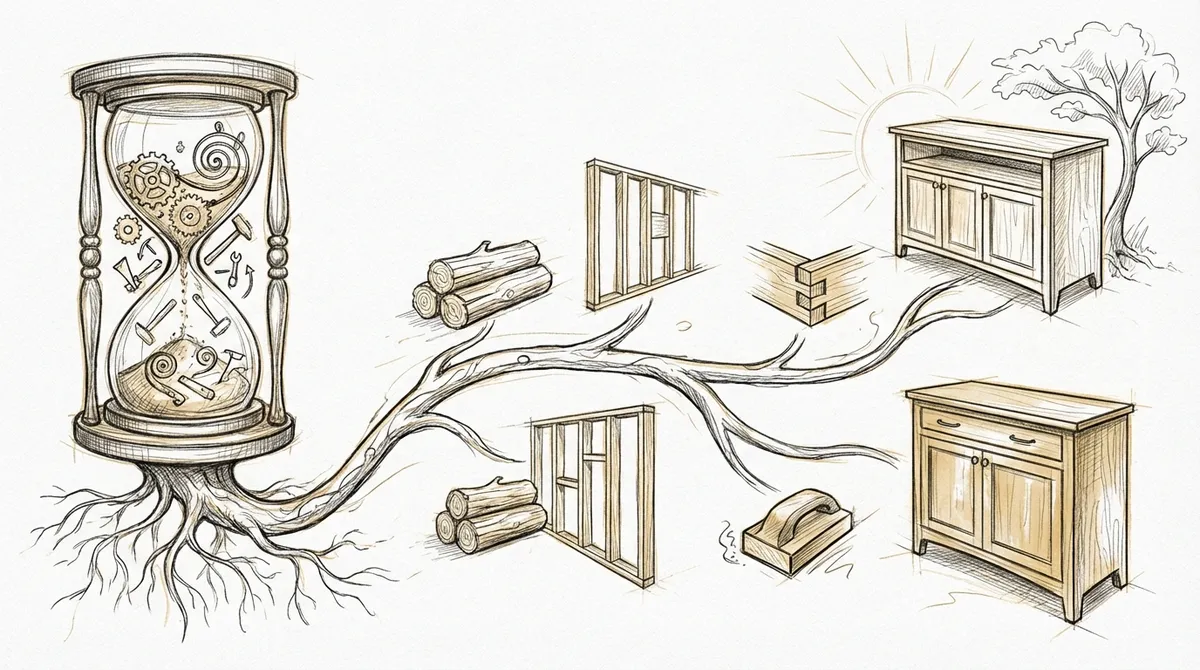
The time commitment required for cabinetry installation varies dramatically between DIY and professional approaches, and this difference extends beyond the actual installation work.
| Project Phase | DIY Timeline | Professional Timeline |
|---|---|---|
| Planning and Measurement | 4-8 hours | 1-2 hours |
| Tool Acquisition | 2-4 hours | N/A (own tools) |
| Learning/Research | 5-10 hours | N/A (experienced) |
| Cabinet Installation (10 cabinets) | 16-32 hours | 8-12 hours |
| Adjustments and Finishing | 4-8 hours | 2-3 hours |
| Total Time Investment | 31-62 hours | 11-17 hours |
For DIY installers, these hours typically can’t be completed in one continuous stretch. Most people work on cabinet installation over several weekends, meaning the project extends across multiple weeks. This prolonged timeline creates ongoing inconvenience, particularly for kitchen installations where your ability to prepare meals is significantly compromised.
Professional installers compress this timeline dramatically, often completing installations in one to two days. This efficiency minimizes disruption and allows you to return to normal use of your space quickly. For busy homeowners or those undertaking installations in rental properties where time is money, the professional timeline advantage can be invaluable.
Quality and Longevity Considerations
The quality of your cabinet installation directly impacts how well your cabinets function and how long they last. Poorly installed cabinets develop problems over time, from doors that won’t stay closed to entire units pulling away from walls under the weight of their contents.
Common DIY Installation Issues
- Uneven Cabinet Alignment: Without proper leveling and shimming, cabinets may appear crooked or misaligned, creating gaps and an unprofessional appearance
- Inadequate Wall Anchoring: Failing to properly secure cabinets to wall studs can lead to dangerous failures, especially with upper cabinets that bear significant weight
- Door and Drawer Misalignment: Improper cabinet installation creates cascading problems with door and drawer operation, requiring constant adjustments
- Damage During Installation: Inexperienced installers may accidentally chip, scratch, or dent cabinet surfaces while maneuvering and mounting units
- Poor Integration with Appliances: Gaps around built-in appliances or improper spacing can compromise both function and appearance
Professional installation addresses these issues proactively. Experienced installers ensure cabinets are perfectly level and plumb, even when walls and floors aren’t. They use proper anchoring techniques that meet or exceed building codes, ensuring your cabinets remain securely mounted for decades. Their experience with custom carpentry projects means they can handle unique architectural challenges that might stump DIY installers.
Tools and Equipment Requirements
Successful cabinetry installation requires specific tools, and the quality of these tools significantly impacts your results. Professional installers invest thousands of dollars in equipment that ensures precision and efficiency.
Essential DIY Installation Tools
- 4-Foot Level: Ensuring cabinets are perfectly level and plumb is critical; invest in a quality level rather than relying on inexpensive options
- Stud Finder: Electronic stud finders help locate wall framing for secure mounting, though professionals often rely on experience and manual methods as well
- Power Drill and Bits: A quality cordless drill with various bits, including countersink bits, is essential for efficient installation
- Clamps: Multiple clamps hold cabinets together during installation and ensure tight, seamless connections between units
- Shims: Tapered shims compensate for uneven floors and walls, allowing proper leveling and support
- Measuring Tools: Tape measures, squares, and marking tools ensure accurate placement and alignment
If you’re considering DIY installation, honestly assess whether you have access to these tools and the skill to use them effectively. Renting tools is an option, but rental costs accumulate quickly for multi-day projects, potentially diminishing your cost savings.
Warranty and Insurance Implications
An often-overlooked aspect of the DIY versus professional installation decision involves warranty coverage and liability protection. These factors can have significant financial implications if problems arise.
Many cabinet manufacturers offer warranties that cover defects in materials and workmanship, but these warranties often include specific installation requirements. Some manufacturers void warranties if cabinets aren’t installed by licensed professionals or according to precise specifications. Before committing to DIY installation, carefully review your cabinet warranty terms to understand potential implications.
Professional installers typically carry liability insurance that protects you if something goes wrong during installation. If they damage your flooring, walls, or the cabinets themselves, their insurance covers repairs or replacement. DIY installers assume all liability for any damage that occurs, which could prove costly if things go wrong.
Additionally, professional installation often comes with workmanship guarantees. If your cabinets develop problems related to installation quality, the installer returns to correct issues at no additional cost. This protection provides peace of mind that DIY installations can’t match.
When DIY Makes Sense
Despite the advantages of professional installation, DIY cabinetry installation makes sense in certain situations. Understanding when DIY is appropriate helps you make informed decisions aligned with your circumstances.
DIY installation may be suitable if you have significant carpentry experience from previous projects, own the necessary tools, have ample time to dedicate to the project, and are working with relatively straightforward, standard cabinet configurations. Utility spaces like garages, laundry rooms, or workshops—where aesthetic perfection is less critical—can be ideal for DIY installation practice.
Budget-conscious homeowners with genuine carpentry skills and realistic expectations about the time commitment can successfully complete DIY installations. However, it’s essential to approach the project with humility, thorough research, and willingness to seek help when facing challenges beyond your skill level.
Best Practices for DIY Installation
- Watch multiple installation tutorials and read comprehensive guides before beginning your project
- Create detailed plans including precise measurements and cabinet layout diagrams
- Recruit a helper—cabinet installation is definitively a two-person job for safety and efficiency
- Start with upper cabinets and work down, ensuring they’re securely mounted before proceeding
- Take your time and frequently check for level and plumb alignment throughout the process
- Don’t hesitate to consult with professionals when encountering unexpected challenges
When Professional Installation Is Essential
Certain situations make professional installation not just advisable but essential for achieving acceptable results. Recognizing these scenarios helps you avoid costly mistakes and disappointing outcomes.
Professional installation is critical when working with high-end custom cabinetry where materials are expensive and aesthetic standards are exacting. Custom built-in cabinetry requires precision that typically exceeds DIY capabilities. Complex installations involving multiple wall angles, integration with existing architectural features, or coordination with other trades also benefit from professional expertise.
If your project includes significant modifications to plumbing, electrical systems, or structural elements, professional installation ensures proper coordination with licensed contractors in those trades. Attempting to navigate these complexities without experience increases the risk of code violations or safety issues.
Time-sensitive projects where you need your kitchen or bathroom functional quickly are better suited to professional installation. The compressed timeline professionals offer can be worth the additional cost when prolonged disruption isn’t acceptable.
Cost-Benefit Analysis Framework
Making the right decision between DIY and professional cabinetry installation requires honest assessment of multiple factors beyond simple dollar comparisons. Use this framework to evaluate your specific situation.
| Decision Factor | DIY Advantage | Professional Advantage |
|---|---|---|
| Upfront Cost | Lower (no labor costs) | Higher (includes labor) |
| Tool Investment | Required if not owned | Not required |
| Time Investment | Significant (31-62 hours) | Minimal (project completed quickly) |
| Quality Assurance | Depends on skill level | Consistently high |
| Warranty Protection | May be voided | Maintained |
| Risk of Mistakes | Higher | Lower |
| Learning Experience | Valuable skill development | None |
| Stress Level | Potentially high | Minimal |
Consider the value of your time when making this decision. If you earn $50 per hour at work and the DIY project requires 40 extra hours compared to professional installation, the opportunity cost is $2,000—potentially more than the labor cost savings. This economic reality often shifts the cost-benefit analysis toward professional installation.
Hybrid Approaches and Partial Professional Help
The choice between DIY and professional installation isn’t necessarily all-or-nothing. Hybrid approaches can provide middle-ground solutions that balance cost savings with professional expertise where it matters most.
Some homeowners handle demolition and preparation work themselves, then hire professionals for the actual cabinet installation. This approach reduces labor costs while ensuring the critical installation work meets professional standards. Others install lower cabinets themselves but hire professionals for upper cabinets, which pose greater difficulty and safety concerns.
Professional consultation services offer another hybrid option. Experienced carpenters can review your plans, provide guidance on challenging aspects, and troubleshoot problems as they arise, all at lower cost than full-service installation. This approach works well for confident DIYers who simply need expert input at critical decision points.
When considering hybrid approaches, companies like Bucheli Trim often provide flexible service options tailored to your specific needs and budget. Reach out to discuss which services would most benefit your project while allowing you to handle portions you’re comfortable completing independently.
Making Your Decision
Ultimately, the choice between DIY and professional cabinetry installation depends on your unique combination of skills, resources, timeline, and priorities. There’s no universally correct answer—only the right answer for your specific situation.
Be honest about your capabilities and available time. Overestimating your skills or underestimating the complexity of cabinet installation leads to frustration, wasted time, and potentially expensive mistakes. If you have any doubt about your ability to complete the project to an acceptable standard, professional installation is worth the investment.
Consider the importance of the space you’re renovating. Kitchen cabinets represent a significant investment that impacts your daily life and home value. The consequences of poor installation in this high-visibility, high-use space justify professional installation for most homeowners. Less critical spaces like workshops or garages offer safer opportunities for DIY experimentation.
Remember that quality cabinetry installation is an investment in your home’s functionality, appearance, and value. Whether you choose DIY or professional installation, prioritizing quality over cost savings ensures you’ll be satisfied with the results for years to come. Professional installation from experienced carpenters provides peace of mind, guaranteed quality, and efficient project completion that often proves worth the additional investment. Check out our reviews on Google to see how quality installation transforms homes throughout the Tampa Bay area.
FAQs
Q: How much does professional cabinetry installation typically cost?
A: Professional cabinet installation costs vary based on project complexity, cabinet type, and location, but typically range from $100 to $300 per cabinet. A complete kitchen with 15-20 cabinets might cost $1,500 to $4,000 for professional installation. This investment includes expertise, efficiency, proper tools, and often warranty protection that ensures long-term quality and functionality.
Q: What are the most common mistakes in DIY cabinet installation?
A: The most common DIY cabinet installation mistakes include failing to properly level cabinets, inadequate anchoring to wall studs, incorrect measurement leading to gaps or misalignment, and damaging cabinet surfaces during installation. These errors can compromise both aesthetics and structural integrity, sometimes requiring complete reinstallation that eliminates initial cost savings.
Q: How long does professional cabinet installation take compared to DIY?
A: Professional cabinet installers typically complete a standard kitchen installation in one to two days (8-16 hours of work), while DIY installation often requires 30-60 hours spread across multiple weekends. This significant time difference means professionals minimize disruption to your daily routine and allow you to resume normal use of your space much faster than DIY approaches.
Q: Can I install upper cabinets myself but hire professionals for lower cabinets?
A: While possible, the reverse approach is more common—hiring professionals for upper cabinets while handling lower cabinets yourself. Upper cabinets present greater difficulty and safety concerns since they must be securely mounted while working at height. However, for best results and seamless alignment between upper and lower cabinets, professional installation of the entire system typically produces superior outcomes.
Q: Will DIY cabinet installation void my cabinet warranty?
A: Many cabinet manufacturers require professional installation to maintain warranty coverage, though policies vary by manufacturer. Before attempting DIY installation, carefully review your specific cabinet warranty terms to understand installation requirements. Some warranties remain valid regardless of installer, while others explicitly require licensed professionals to preserve coverage for defects or damage.