Key Takeaways
-
Choose composite decking or tropical hardwoods for Tampa Bay's climate to avoid rot and warping; pressure-treated wood is budget-friendly but requires regular sealing every 1-2 years.
-
Prioritize skilled carpenters who use precision craftsmanship for joints and connections; rushing work leads to uneven boards, weak railings, and water damage within years.
-
Follow all six key process steps (site assessment, design, materials, foundation, installation, finishing) and don't skip permits; violations create legal issues and inspection problems during home sales.
-
Avoid common mistakes like poor drainage planning, incorrect fasteners, improper ledger board attachment, and ignoring structural integrity in favor of style alone.
-
Match deck design to your home's architecture with coordinated wood tones, railings, and transitions between indoor and outdoor spaces for a cohesive, intentional look.
-
Verify contractor credentials including licensing, insurance, portfolio of completed projects, and references; combining indoor and outdoor work with one team ensures consistent design details.
Outdoor living spaces have become just as important as the rooms inside your home. Deck building is one of the best ways to add real value and style to a property. In Tampa Bay, where good weather lasts most of the year, a well-built deck turns a backyard into a true extension of your home. This guide explains what goes into quality deck building and why craftsmanship matters so much in the final result.
Whether you are a homeowner dreaming of a new outdoor retreat, an interior designer planning a full property upgrade, or a real estate developer looking to boost curb appeal, understanding deck building helps you make smarter choices. Good decks are not just planks nailed together. They require planning, skilled joinery, and careful material selection. At Bucheli Trim, custom carpentry expertise extends beyond indoor trim work into outdoor structures that need the same precision and style.
What Deck Building Really Involves
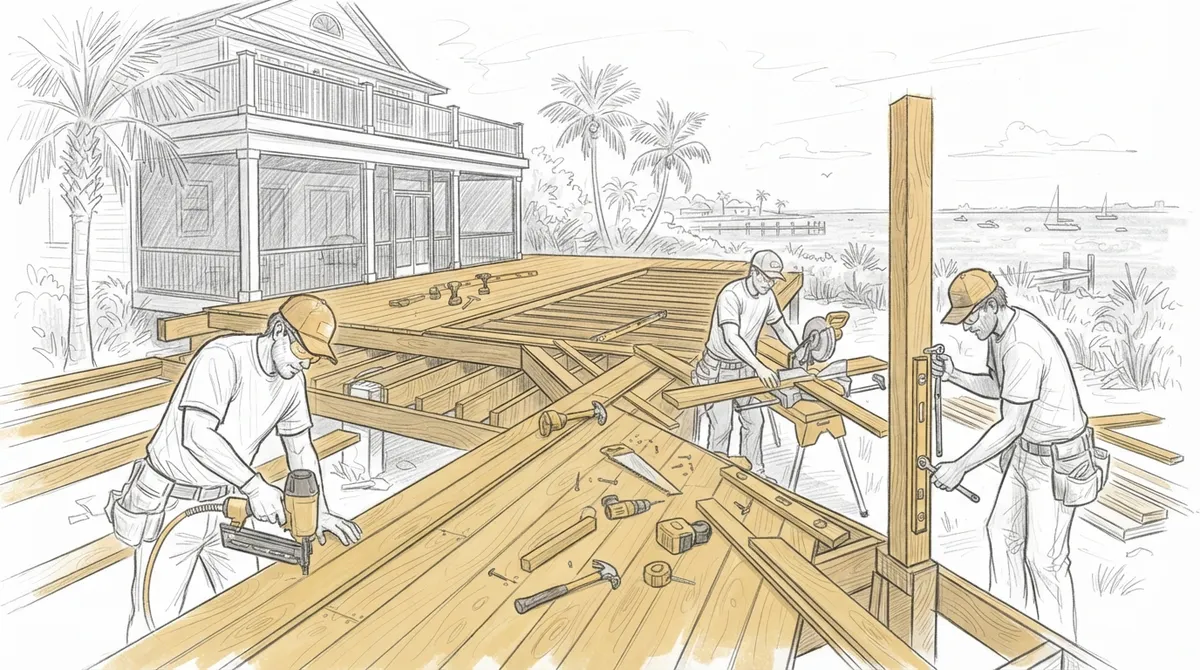
Deck building is more than assembling boards. It combines structural engineering with fine woodworking skills. A well-built deck must support weight safely, resist weather damage, and look beautiful for years. This is why hiring skilled carpenters matters so much.
Every project starts with a plan. The carpenter looks at your yard, your home’s style, and how you plan to use the space. Then they design a deck that fits your needs and matches your home’s architecture. You can read more about how custom projects come together from concept to finished product.
Key Steps in the Deck Building Process
Understanding the process helps you know what to expect and how to plan your timeline. Here are the main steps most quality deck projects follow:
- Site assessment: The carpenter checks your yard’s slope, soil, and drainage before any work begins.
- Design planning: You discuss size, shape, railings, and finish details that match your home’s look.
- Material selection: Choose between wood types or composite materials based on durability and style goals.
- Foundation and framing: Posts, footings, and support beams are installed to meet safety codes.
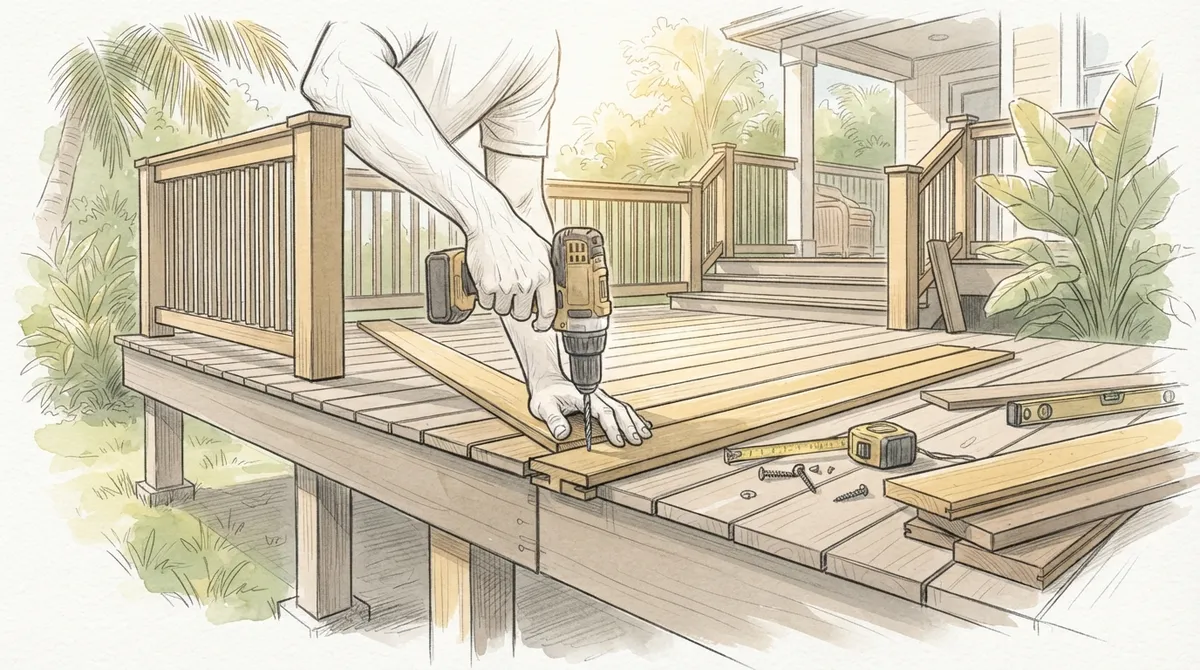
- Decking and railing installation: Boards, railings, and stairs are carefully fitted and secured.
- Finishing touches: Sanding, sealing, or staining protects the wood and completes the look.
Each step requires attention to detail. Skipping steps or rushing the work often leads to problems later, like warped boards or unstable railings. This is one reason many homeowners search for a skilled carpenter near me rather than trying a do-it-yourself approach.
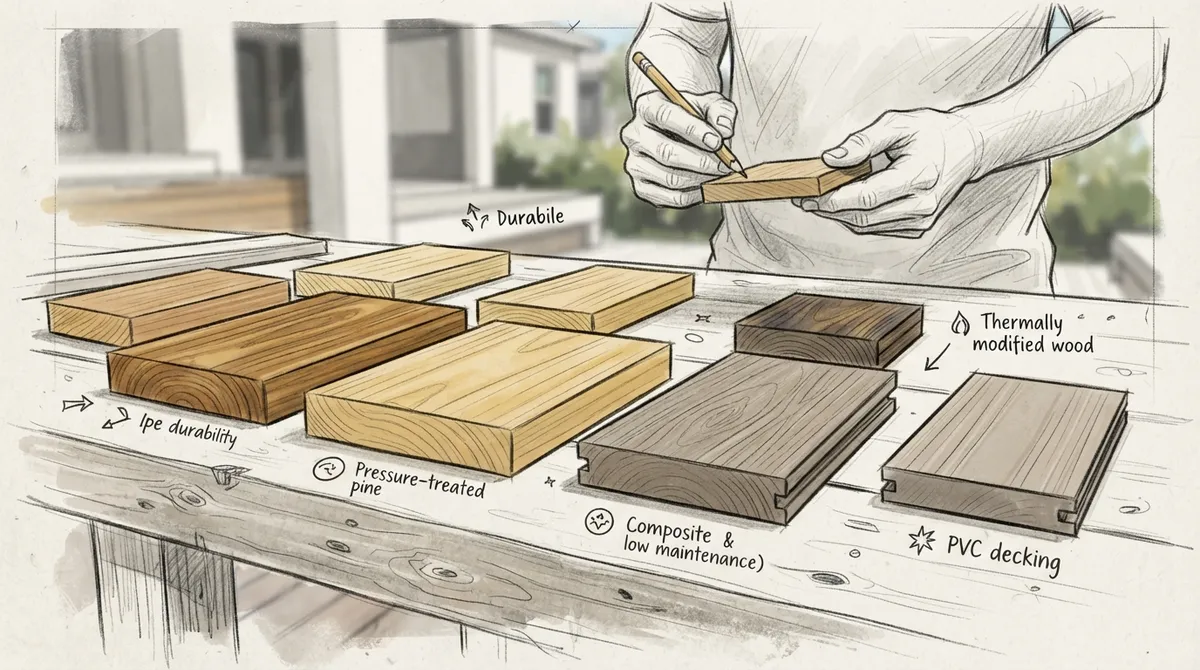
Choosing the Right Materials for Your Deck
Material choice affects how long your deck lasts and how much care it needs. Tampa Bay’s humid climate and strong sun make this decision even more important. The wrong material can warp, fade, or rot within a few years.
| Material Type | Durability | Maintenance Needs | Best For |
|---|---|---|---|
| Pressure-Treated Wood | Good, 10-15 years | Regular sealing needed | Budget-friendly projects |
| Cedar or Redwood | Very good, 15-20 years | Occasional staining | Natural wood look and feel |
| Composite Decking | Excellent, 25+ years | Low maintenance | Busy homeowners wanting durability |
| Tropical Hardwoods | Excellent, 25+ years | Periodic oiling | Luxury outdoor spaces |
Each material has trade-offs. Wood offers a classic, warm appearance but needs more upkeep. Composite decking resists rot and insects but can cost more upfront. A skilled carpenter can walk you through these options and help you pick what fits your lifestyle and budget best.
Why Craftsmanship Matters More Than Speed
Some contractors rush deck projects to finish quickly. This often leads to uneven boards, weak railings, or gaps that let water damage the frame underneath. Quality deck building takes time because every joint and connection needs to be checked and secured properly.
Good carpenters use the same precision found in fine indoor woodworking. The techniques used for molding details and trim work indoors translate into cleaner deck edges and railings outdoors. This attention to detail is what separates a deck that lasts decades from one that needs repairs within a few years.
Deck Design Ideas That Elevate Outdoor Living
A deck should feel like a natural extension of your home, not an afterthought. Thoughtful design choices can turn a simple platform into a stunning outdoor room. Here are some popular design features homeowners request:
- Built-in bench seating along the deck perimeter for extra function without clutter
- Multi-level decks that create separate zones for dining, lounging, and grilling
- Custom railings with decorative balusters or cable systems for modern appeal
- Pergolas or shade structures built directly into the deck design
- Integrated planters or built-in storage benches for a clean, finished look
These features require the same design thinking used in wall enhancements and other custom carpentry work inside the home. A cohesive design connects your indoor and outdoor spaces, making your whole property feel intentional and well-planned.
How Interior Designers Can Use Deck Building in Their Projects
Interior designers increasingly work on outdoor spaces as part of full-home projects. A deck extends a client’s living area and often becomes the centerpiece of outdoor entertaining. Designers benefit from partnering with carpenters who understand both structural needs and aesthetic details.
When working with skilled deck builders, designers can specify custom railing patterns, matching wood tones to interior floors, or coordinating outdoor cabinetry with indoor cabinets styles. This creates a seamless flow between indoor and outdoor spaces that clients notice and appreciate.
Why Real Estate Developers Should Prioritize Quality Decks
For developers, outdoor spaces can make or break a sale. Buyers often picture themselves relaxing on a deck before they even step inside a home. A poorly built deck raises red flags during inspections and can delay closings.
Investing in professional deck building adds resale value and reduces liability concerns. According to the learn more about carpentry resource, structural integrity in carpentry work directly impacts a building’s long-term safety and value. Developers who prioritize quality construction avoid costly repairs and legal issues down the road.
Developers can also differentiate properties by adding unique outdoor features. Custom decks paired with well-designed flooring transitions between indoor and outdoor areas create a luxury feel that attracts serious buyers.
Common Mistakes to Avoid When Building a Deck
Many deck problems come from avoidable mistakes. Knowing what to watch for helps you choose the right contractor and avoid costly fixes later. Here are common issues to watch for:
- Skipping proper permits: Local codes exist to keep structures safe. Skipping this step can cause legal trouble later.
- Using the wrong fasteners: Standard screws rust outdoors. Decks need corrosion-resistant hardware.
- Poor drainage planning: Water pooling under a deck speeds up rot and damage.
- Ignoring ledger board attachment: This connection point is often where failures happen if not installed correctly.
- Choosing style over structure: A beautiful deck still needs a strong frame underneath to be safe.
Working with an experienced carpentry team helps you avoid these pitfalls. Just like with doors and other structural home elements, decks need both form and function working together.
Protecting Your Investment With Proper Finishing
Once your deck is built, the finishing process protects it from Florida’s sun and rain. Sealants and stains act as a barrier against moisture and UV damage. Some homeowners also choose epoxy coatings for certain deck surfaces or nearby patio areas because of their durability and resistance to wear.
Regular maintenance, like resealing every one to two years, keeps your deck looking fresh and prevents costly repairs. This is similar to how proper care extends the life of indoor painting and finish work throughout a home.
Connecting Deck Building With Whole-Home Design
The best outdoor spaces feel connected to the home’s overall style. This means matching railing details to interior trim, coordinating wood tones, and thinking about how people move between indoor and outdoor areas. Skilled carpenters who understand both worlds create a smoother, more polished result.
Many homeowners in the Tampa area also invest in complementary features like ceiling designs for covered porches or outdoor living rooms attached to their decks. These details make outdoor spaces feel just as finished and intentional as any interior room.
For homeowners planning larger backyard renovations, working with a team experienced in custom decks and patios ensures every element, from framing to finish, works together as one cohesive design.
What to Look for in a Deck Building Contractor
Choosing the right contractor makes all the difference in your final result. Here are qualities to look for before hiring anyone for your project:
- Proven experience with both structural framing and finish carpentry
- Willingness to explain material options and their trade-offs clearly
- Proper licensing and insurance for outdoor construction work
- A portfolio of completed projects you can review
- Clear communication about timelines and project steps
Asking for references and checking reviews helps confirm a contractor’s reliability. Many homeowners also check social platforms like Facebook to see recent project photos and customer feedback before making a decision.
If your project also involves indoor updates like new trim, moldings such as crown molding, or built-in storage, working with one carpentry team for both indoor and outdoor work can simplify your renovation and keep design details consistent throughout your home.
Bringing Your Outdoor Vision to Life
Deck building is a rewarding investment that adds function, beauty, and value to any property. Whether you want a simple platform for relaxing evenings or a multi-level outdoor living space for entertaining, quality craftsmanship makes all the difference. The right team understands both the technical demands of outdoor construction and the design details that make a space feel special.
Homeowners, designers, and developers throughout Tampa Bay trust experienced carpentry professionals to bring these projects to life safely and beautifully. If your home also needs updates like HVAC improvements alongside a major renovation, partnering with trusted local specialists such as Marks Air can help round out a full-property upgrade.
You can also see what past clients say about their experience by checking Visit us on Google — Bucheli Trim for reviews and photos from completed projects across the area.
Ready to start planning your dream deck or outdoor living space? Reach out to our team today to discuss your project and take the first step toward a backyard you will love for years to come.
FAQs
Q: What is the best material for deck building in Tampa Bay’s climate?
A: Composite decking or tropical hardwoods tend to perform best in Tampa Bay’s humid, sunny climate because they resist rot, warping, and insect damage. Pressure-treated wood is a more budget-friendly option but requires regular sealing to last as long. Your choice should depend on how much maintenance you want to handle over time.
Q: How long does professional deck building usually take?
A: Most deck projects take one to three weeks depending on size, design complexity, and weather conditions. Multi-level decks with custom railings or built-in features may take longer to complete properly. A detailed timeline should be discussed with your carpenter before work begins.
Q: Do I need a permit for deck building?
A: Yes, most local jurisdictions require permits for deck construction, especially for decks attached to a home or built above a certain height. Skipping permits can create legal and safety issues later, including problems during a home sale. A licensed contractor will handle the permitting process as part of the project.
Q: How often should a wood deck be resealed?
A: Wood decks typically need resealing every one to two years to protect against sun damage and moisture. Composite decking requires much less frequent maintenance, often just occasional cleaning. Regular upkeep extends the life of your deck and keeps it looking fresh.
Q: Can deck building be combined with other home renovation projects?
A: Yes, many homeowners combine deck building with indoor upgrades like new trim, cabinetry, or ceiling designs for a cohesive renovation. Working with one carpentry team for both indoor and outdoor work often simplifies scheduling and ensures consistent design details throughout the home.