Key Takeaways
-
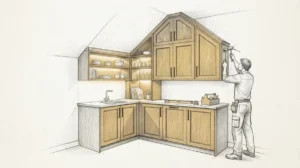
Built-in custom cabinets maximize every inch of space, including awkward corners and sloped ceilings, while store-bought furniture often leaves gaps and wastes space.
-
Quality custom cabinetry adds measurable resale value and helps homes sell faster, making it a smart investment for homeowners planning long-term or selling soon.
-
Professional craftsmanship is essential because precise measurements and skilled installation prevent gaps, uneven doors, and ensure seamless blending with existing trim and finishes.
-
Custom cabinets can be tailored to any room including kitchens, home offices, mudrooms, and bathrooms, and work well combined with other upgrades like molding and painting.
-
Clear communication with carpenters through design sketches, material discussions, and confirmed measurements ensures the final product matches your vision and avoids costly mistakes.
-
Built-in cabinetry helps real estate developers differentiate identical floor plans and signal quality, making it one of the highest-impact upgrades for kitchens, home offices, and living rooms.
Walk into any well-designed home, and you’ll likely notice something special about the storage. It fits perfectly. No awkward gaps, no wasted corners, no mismatched pieces bought from a store. That’s the magic of built-in custom cabinets. They are made to fit your exact space, your style, and your daily needs. For homeowners, interior designers, and real estate developers alike, built-in cabinetry offers a level of craftsmanship that off-the-shelf furniture simply cannot match.
At Bucheli Trim, we build custom cabinetry for homes across Tampa Bay. We’ve seen firsthand how the right cabinets can transform a kitchen, living room, or home office. This guide will walk you through what built-in custom cabinets are, why they matter, and how to plan for them in your own space.
What Are Built-In Custom Cabinets?
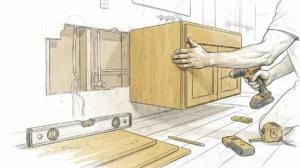
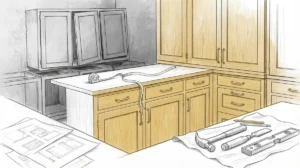
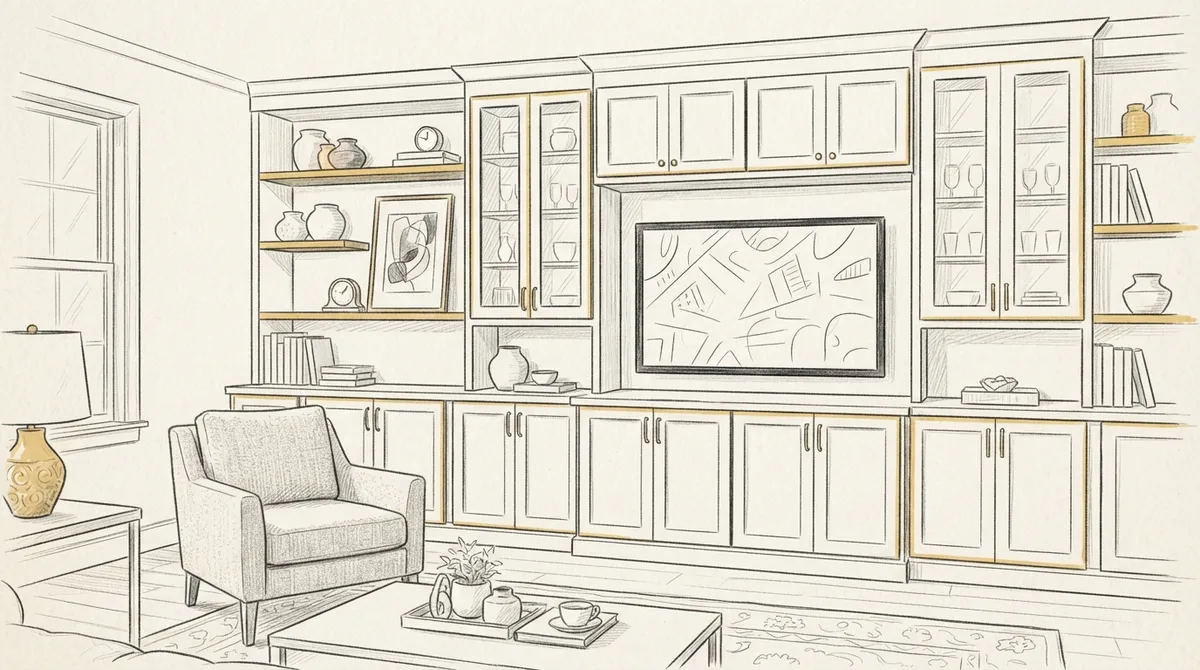
Built-in custom cabinets are storage units built directly into the structure of your home. Unlike store-bought furniture, they are designed and installed to match the exact dimensions of a wall, alcove, or room. A skilled carpenter measures your space first, then builds cabinetry that fits like a glove.
This approach differs greatly from buying a standard cabinet and placing it in a room. Built-ins become part of the architecture. They blend into walls, wrap around windows, and follow ceiling lines. You can learn more about carpentry techniques that make this precise fit possible.
Common Types of Built-In Cabinetry
Built-in cabinets come in many forms, each serving a different purpose in the home. Here are some of the most popular styles homeowners request:
- Kitchen pantry cabinets that stretch floor to ceiling for maximum storage
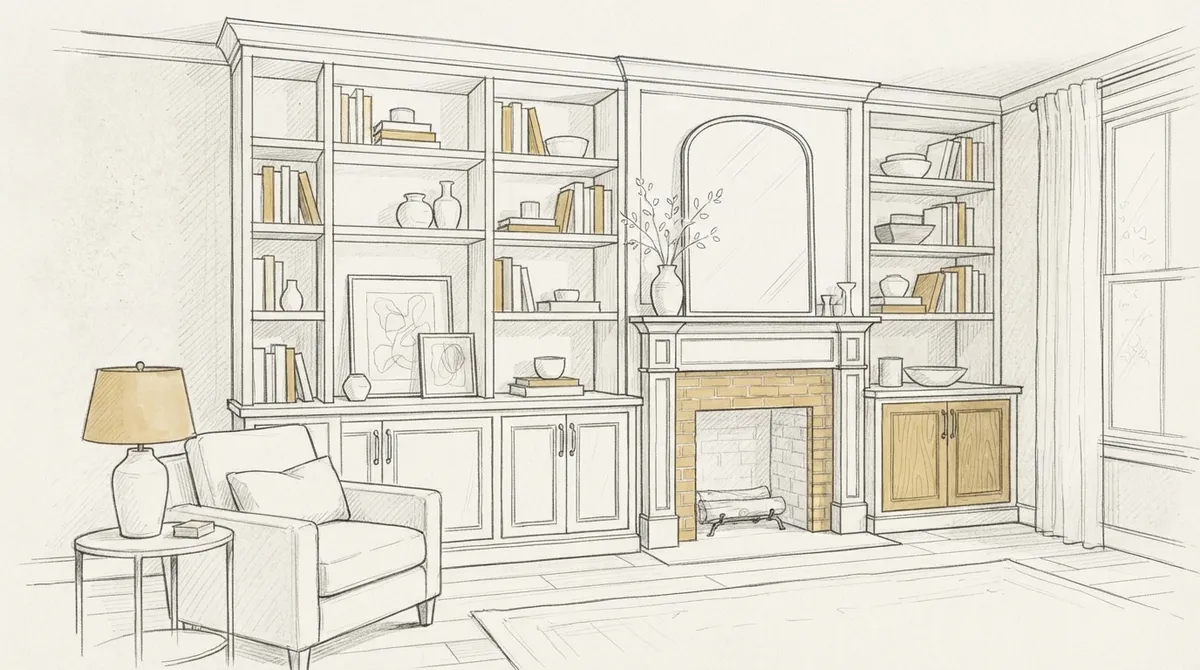
- Living room media centers built around fireplaces or TV walls
- Home office bookcases with matching desks and drawers
- Mudroom lockers with cubbies, hooks, and bench seating
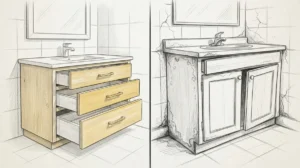
- Bathroom vanities designed to fit tight or unusual layouts
- Laundry room cabinets that hide supplies while adding counter space
Each of these designs can be tailored to match your home’s trim, molding, and wall finishes. Our custom cabinet services are built to work alongside other carpentry details like molding details and wall enhancements for a cohesive look.
Why Homeowners Choose Built-In Cabinets
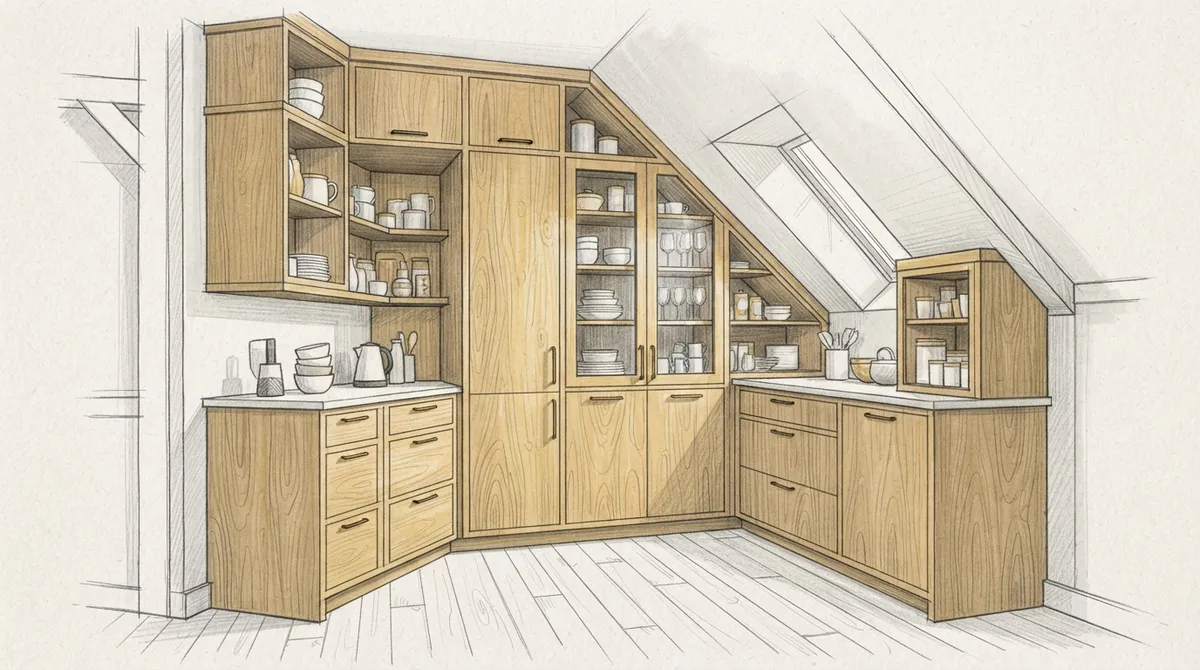
Built-in cabinets solve problems that standard furniture cannot. They make use of every inch of available space, including odd corners, sloped ceilings, and narrow hallways. This is especially valuable in older Tampa Bay homes where room shapes are not always standard.
Beyond function, built-ins also add lasting value to a home. Real estate agents often point to custom cabinetry as a feature that helps homes sell faster and at higher prices. Buyers notice the difference between generic storage and thoughtfully designed built-ins.
Key Benefits for Different Homeowners
Different types of homeowners benefit from built-in cabinets in different ways. Consider these advantages:
- Space efficiency: Built-ins use every available inch, including awkward nooks and tall walls.
- Custom fit: No gaps or wasted space like you often get with store-bought furniture.
- Design continuity: Cabinets can match existing trim, paint colors, and hardware for a unified look.
- Increased home value: Quality cabinetry is a selling point that buyers actively look for.
- Long-term durability: Custom-built pieces often use stronger materials and joinery than mass-produced options.
Built-In Cabinets vs. Store-Bought Furniture
Many homeowners wonder if built-in cabinets are worth the extra planning compared to buying ready-made furniture. The table below breaks down the key differences.
| Feature | Built-In Custom Cabinets | Store-Bought Furniture |
|---|---|---|
| Fit | Exact match to your space | Standard sizes, may leave gaps |
| Design Options | Fully customizable style and finish | Limited to available models |
| Material Quality | Chosen by you, often higher grade | Varies, often lower grade |
| Longevity | Built to last for decades | May wear out or go out of style |
| Home Value Impact | Adds resale value | Minimal to no impact |
This comparison shows why many homeowners and designers lean toward custom builds when they plan to stay in their home long-term or want to boost resale appeal.
How Built-In Cabinets Fit Into Interior Design Projects
Interior designers often turn to custom carpentry to bring their vision to life. Off-the-shelf furniture rarely matches the exact style, color, or proportions a designer has planned for a room. Built-in cabinets give designers full control over every detail, from door style to hardware finish.
Working with a skilled carpentry team also means designers can request unique features. This might include hidden compartments, integrated lighting, or cabinets that wrap around structural beams. If you’re exploring ideas for a specific room, our article on why built-in cabinets add value to your home offers more design inspiration.
Collaborating With a Carpentry Team
Successful built-in projects depend on clear communication between designers and carpenters. Here’s a simple process that works well for most projects:
- Share design sketches, mood boards, or reference photos with the carpentry team
- Discuss material choices, such as wood species, paint finishes, or hardware
- Confirm measurements and structural details of the space
- Review a proposed design plan before construction begins
- Schedule installation and final walkthrough for quality checks
This step-by-step approach helps avoid costly mistakes and ensures the final product matches the original vision. Our team also handles related work like custom doors and ceiling designs, which often complement built-in cabinetry in a full room makeover.
Built-In Cabinets for Real Estate Developers
Developers building luxury homes or renovating properties for resale know that details matter. Buyers expect more than basic finishes in today’s competitive housing market. Built-in cabinetry is one of the easiest ways to signal quality and craftsmanship throughout a property.
Custom cabinets also help developers differentiate similar floor plans. Two identical houses can feel completely different based on the storage solutions inside. A well-placed built-in bookcase, kitchen pantry, or entertainment center can make a home stand out during showings.
Where Built-Ins Make the Biggest Impact
Developers often see the best return on investment when built-in cabinets are added to these areas:
- Kitchens, where pantry and island storage are major selling points
- Home offices, which have become a priority for many buyers
- Living rooms, especially around fireplaces or media walls
- Primary bedroom closets, often marketed as a luxury feature
- Mudrooms and entryways, which improve first impressions
Developers working across the Tampa Bay area can explore more ideas in our guide on custom cabinetry solutions that transform your home. Many builders also pair cabinetry with flooring upgrades or painting services for a complete finish package.
Materials and Finishes to Consider
Choosing the right materials affects both the look and lifespan of your built-in cabinets. Solid wood remains a popular choice for its strength and classic appearance. Plywood with a wood veneer offers a similar look at a lighter weight, which can be useful for larger installations.
Finish options also play a big role in the final result. Painted finishes work well for a clean, modern look, while stained wood highlights natural grain patterns. Some homeowners also request hardware upgrades, soft-close hinges, or built-in lighting to enhance functionality.
If your project includes protective flooring near cabinetry, such as in a laundry room or garage, you might also consider epoxy coatings. Learn more about our epoxy floor options if you’re planning a full room renovation alongside your cabinetry.
Planning Your Built-In Cabinet Project
Before starting a built-in cabinet project, it helps to think through a few key questions. What will the cabinets store? How much space is available? Will the cabinets need to match existing trim or molding in the room? Answering these questions early makes the design process smoother.
It’s also wise to think about how built-ins fit within a larger home improvement plan. Many homeowners combine cabinetry projects with other upgrades, such as trim and molding updates or full room remodels. Planning these together often leads to a more unified final result.
Our team at Bucheli Trim has helped many Tampa Bay homeowners plan projects like these from start to finish. You can read about our approach on our about page or browse examples of past work in our custom projects gallery.
Why Professional Craftsmanship Matters
Built-in cabinets require precise measurements, careful material selection, and skilled installation. A small error in measurement can lead to gaps, uneven doors, or cabinets that don’t sit flush against the wall. This is why hiring an experienced carpentry team makes such a difference.
Professional carpenters understand how to work around plumbing, electrical wiring, and structural beams that might affect the design. They also know how to match finishes so the cabinetry blends seamlessly with existing trim, such as crown molding or baseboards. This attention to detail is what separates a truly custom build from a generic storage solution.
If you want to see examples of our craftsmanship and hear from past clients, check out our testimonials page or visit us on Google — Bucheli Trim to read reviews from homeowners across the Tampa Bay area. You can also follow our latest projects on Facebook for design inspiration.
Final Thoughts on Built-In Custom Cabinets
Built-in custom cabinets offer a level of function and beauty that store-bought furniture cannot match. They make the most of your space, add value to your home, and give designers and developers the flexibility to create truly unique interiors. Whether you’re updating a single room or planning a full property renovation, custom cabinetry is an investment worth considering.
Ready to start planning your own built-in cabinet project? Reach out to our team today to discuss your space, your style, and how we can bring your vision to life with expert craftsmanship.
FAQs
Q: What are built-in custom cabinets?
A: Built-in custom cabinets are storage units built directly into a home’s structure, designed to fit an exact space rather than a standard size. A carpenter measures the room and builds cabinetry that matches its dimensions, trim, and style perfectly.
Q: How long does it take to build custom cabinets?
A: Timelines vary based on the size and complexity of the project, but most built-in cabinet projects take several weeks from design approval to final installation. Factors like material availability and custom finishes can also affect the schedule.
Q: Are built-in cabinets better than store-bought furniture?
A: Built-in cabinets offer a better fit, higher quality materials, and a design that matches your home’s style, unlike store-bought options that come in standard sizes. They also tend to add more resale value to a property over time.
Q: Can built-in cabinets be added to any room?
A: Yes, built-in cabinets can be designed for almost any room, including kitchens, living rooms, home offices, bathrooms, and mudrooms. A skilled carpenter can adapt the design to fit unusual spaces like sloped ceilings or narrow hallways.
Q: Do built-in cabinets increase home value?
A: Yes, quality built-in cabinetry is often seen as a valuable upgrade by home buyers and can help a property stand out in a competitive market. Many real estate developers use custom cabinets to differentiate similar homes and attract more interest.